
History isn’t confined to books etched into landscapes, cities, and monuments that still stand today. Some destinations have witnessed turning points that shaped civilizations, revolutions, and even the modern world. Visiting them offers not just sightseeing, but a chance to walk through stories of power, struggle, and triumph. From ancient ruins to modern landmarks, these places carry the weight of humanity’s journey and remain powerful reminders of our shared past. Here are nine destinations where history feels alive.
1. Athens, Greece
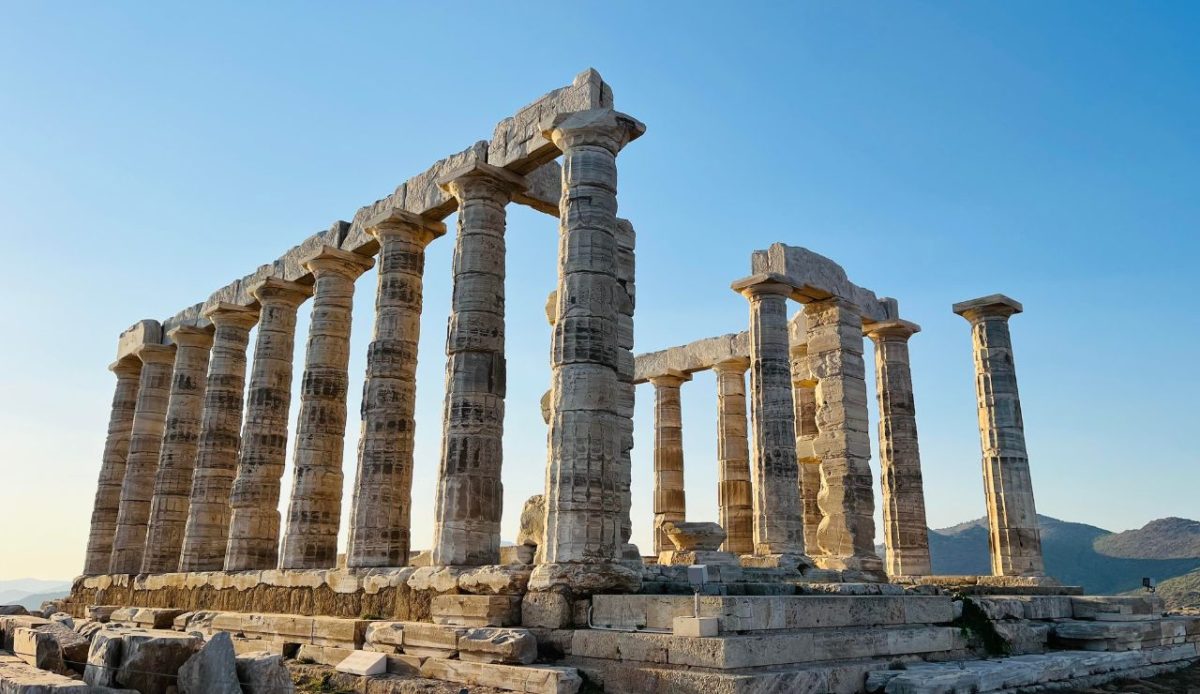
Athens is often called the cradle of Western civilization, where democracy, philosophy, and art flourished. Landmarks like the Acropolis and the Parthenon embody the ideals of ancient Greece, inspiring politics and culture worldwide. Wandering through its ruins, visitors can imagine debates of philosophers or ceremonies honoring gods. Beyond its monuments, Athens reveals layers of history, from Byzantine churches to Ottoman remnants. It’s a city where past and present coexist, offering travelers a living connection to ideas that shaped the modern world.
2. Rome, Italy
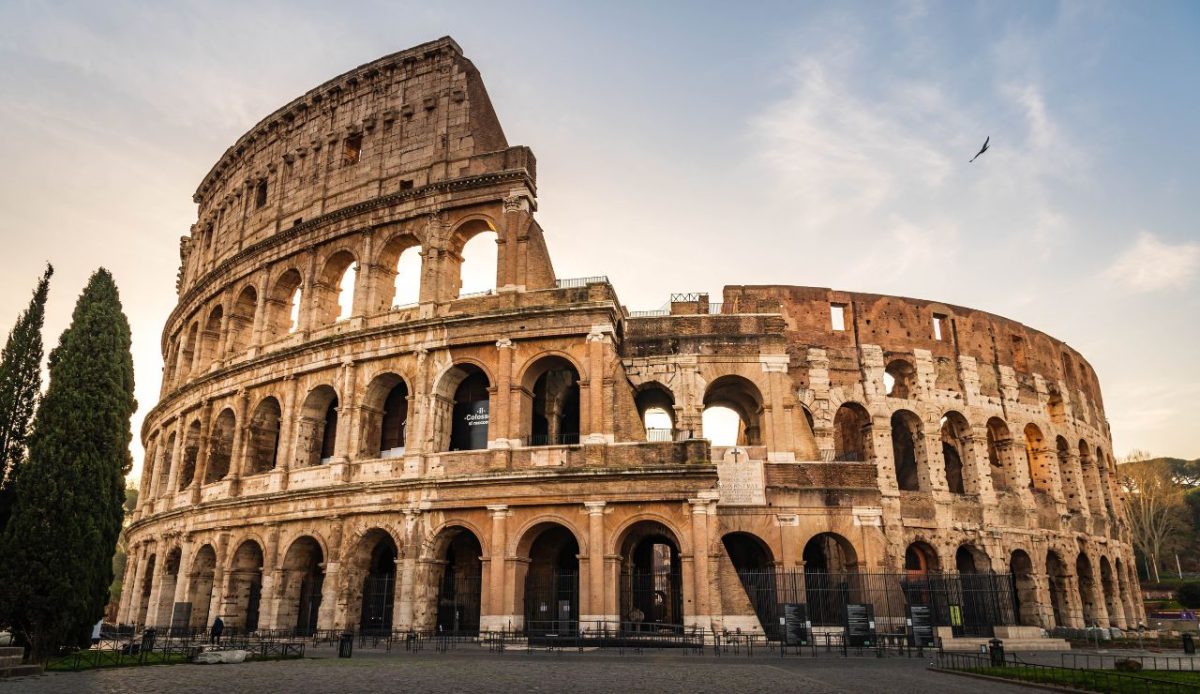
Rome’s legacy as the heart of an empire is visible in its grand structures and cultural influence. The Colosseum, Roman Forum, and Pantheon showcase engineering brilliance and the city’s central role in politics, law, and religion. Walking its streets is like traversing centuries, from ancient Rome to the Renaissance and beyond. Rome’s history is more than ruins’s the foundation of European civilization, with art, architecture, and ideas that continue to resonate. Every corner whispers stories of power and endurance.
3. Jerusalem, Israel
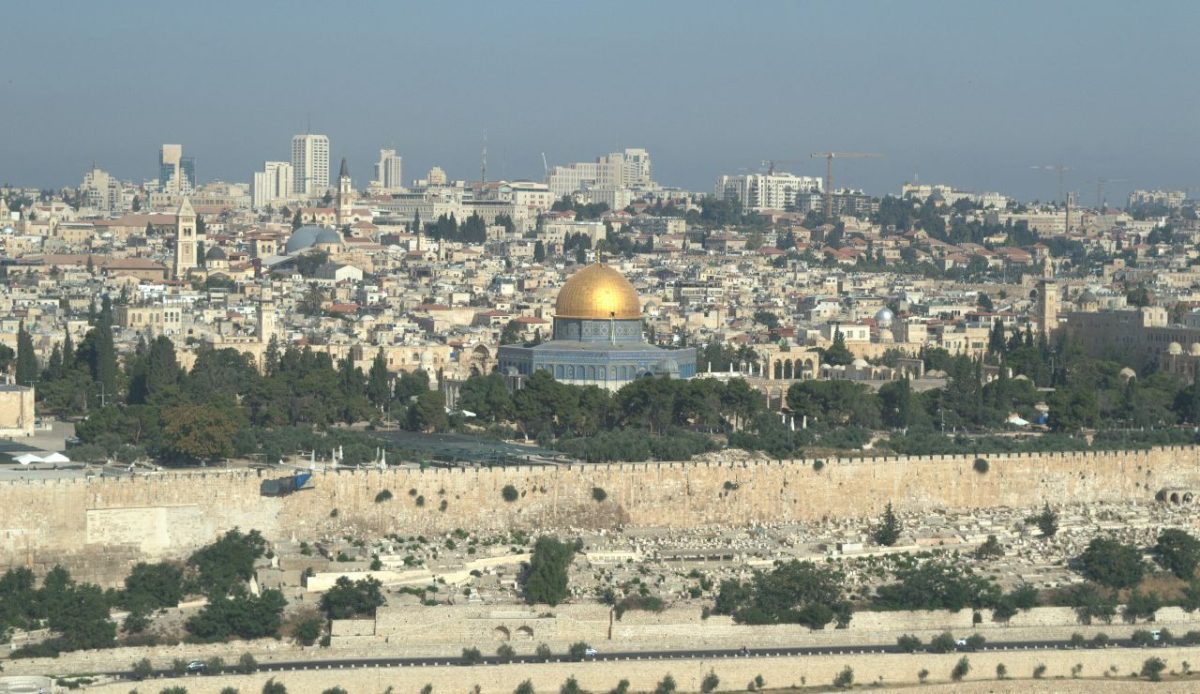
Jerusalem holds immense spiritual and historical significance, sacred to Judaism, Christianity, and Islam. The city has been a crossroads of faith and conflict for millennia, with landmarks like the Western Wall, Church of the Holy Sepulchre, and Dome of the Rock drawing pilgrims from around the globe. Its history is one of resilience, layered with ancient and modern struggles. Visiting Jerusalem offers both a profound spiritual journey and a lesson in humanity’s enduring quest for meaning and coexistence.
4. Cairo, Egypt
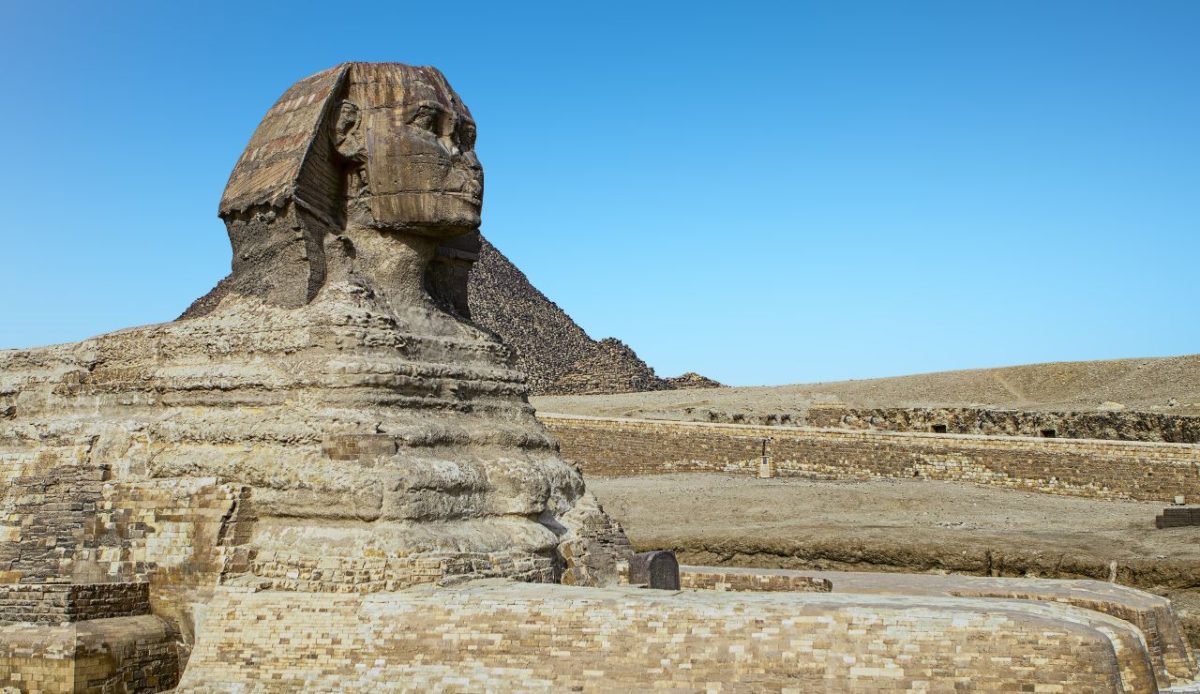
Cairo is a gateway to one of the world’s most extraordinary ancient civilizations. Just outside the city, the Great Pyramids of Giza and the Sphinx stand as enduring testaments to Egypt’s grandeur. Within Cairo, the Egyptian Museum houses treasures like Tutankhamun’s mask, connecting visitors to a past thousands of years old. The city itself reflects layers of Islamic, Christian, and modern history. For travelers, Cairo offers a powerful reminder of humanity’s achievements and the civilizations that still inspire awe today.
5. Berlin, Germany
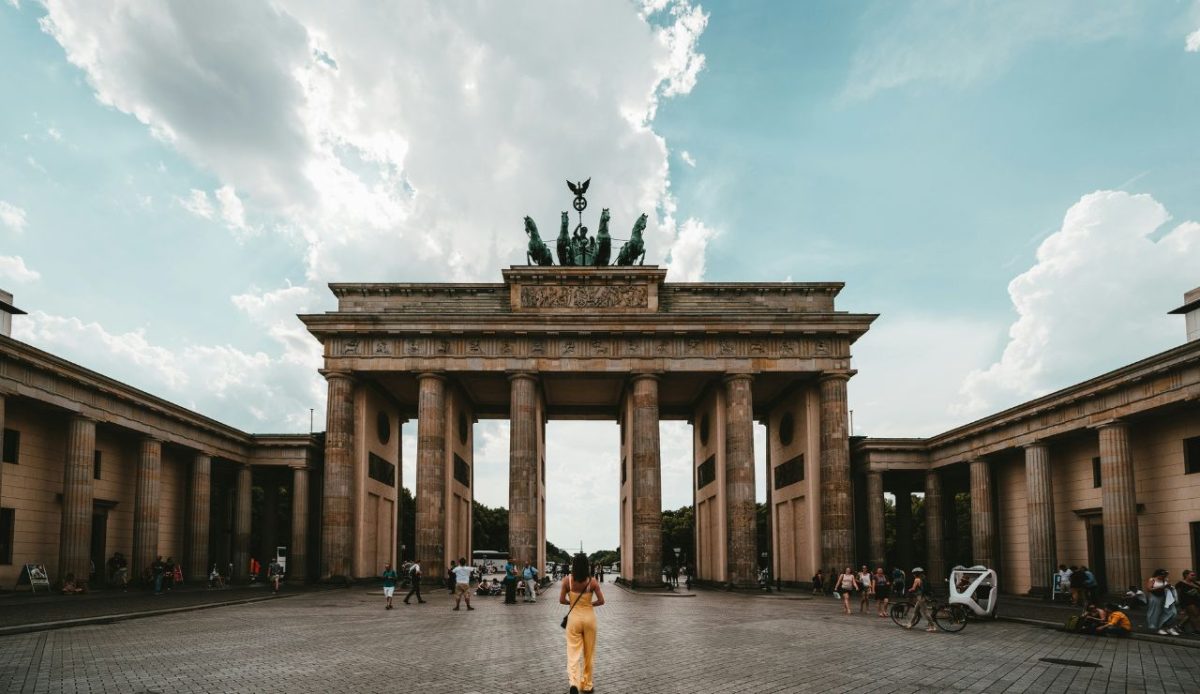
Berlin is a city where modern history feels tangible at every turn. From the Brandenburg Gate to the remnants of the Berlin Wall, it tells the story of division, resilience, and reunification. Sites like the Holocaust Memorial and Checkpoint Charlie reflect the city’s complex past during the 20th century. Yet Berlin is also a hub of creativity and renewal, proving how history can shape identity while encouraging progress. It’s a destination that embodies both lessons and hope for the future.
6. Kyoto, Japan
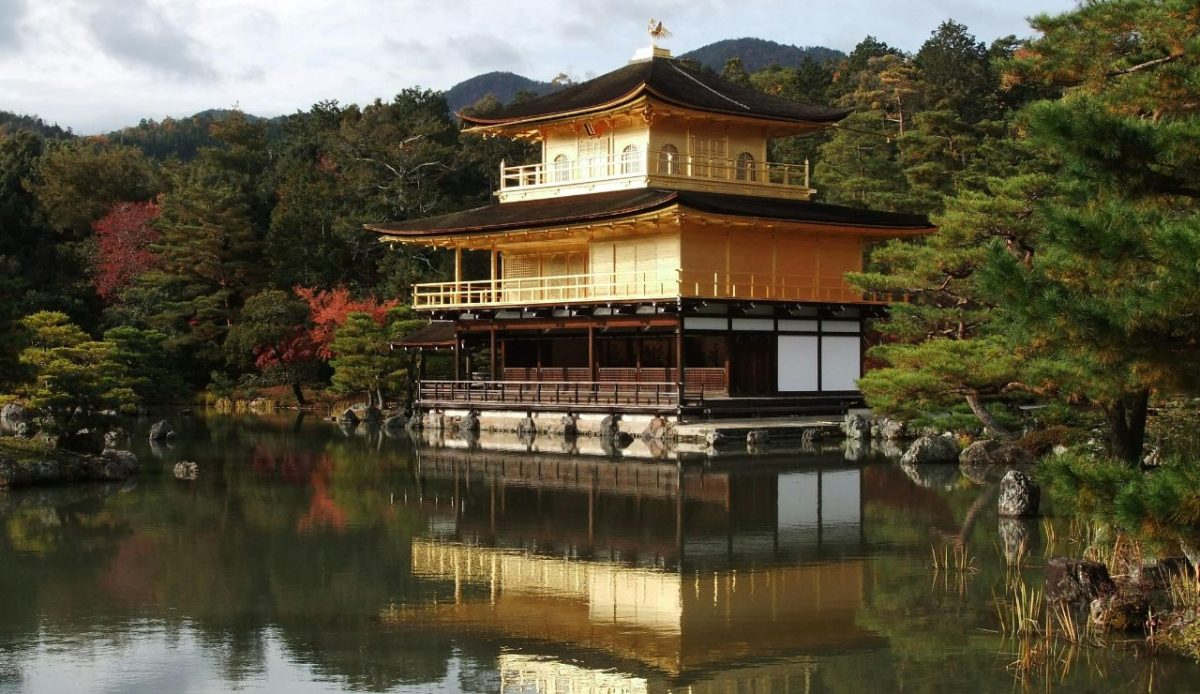
Kyoto was Japan’s imperial capital for over a thousand years, preserving traditions, temples, and palaces that define the nation’s cultural heritage. With over 1,600 temples and shrines, including UNESCO sites like Kiyomizu-dera and Fushimi Inari, it reflects centuries of spiritual devotion and artistry. Unlike modern Tokyo, Kyoto offers a slower glimpse into Japan’s past, from tea ceremonies to geisha districts. Its history remains alive in every detail, making it a destination where cultural continuity and historical significance shine brightly.
7. Istanbul, Turkey
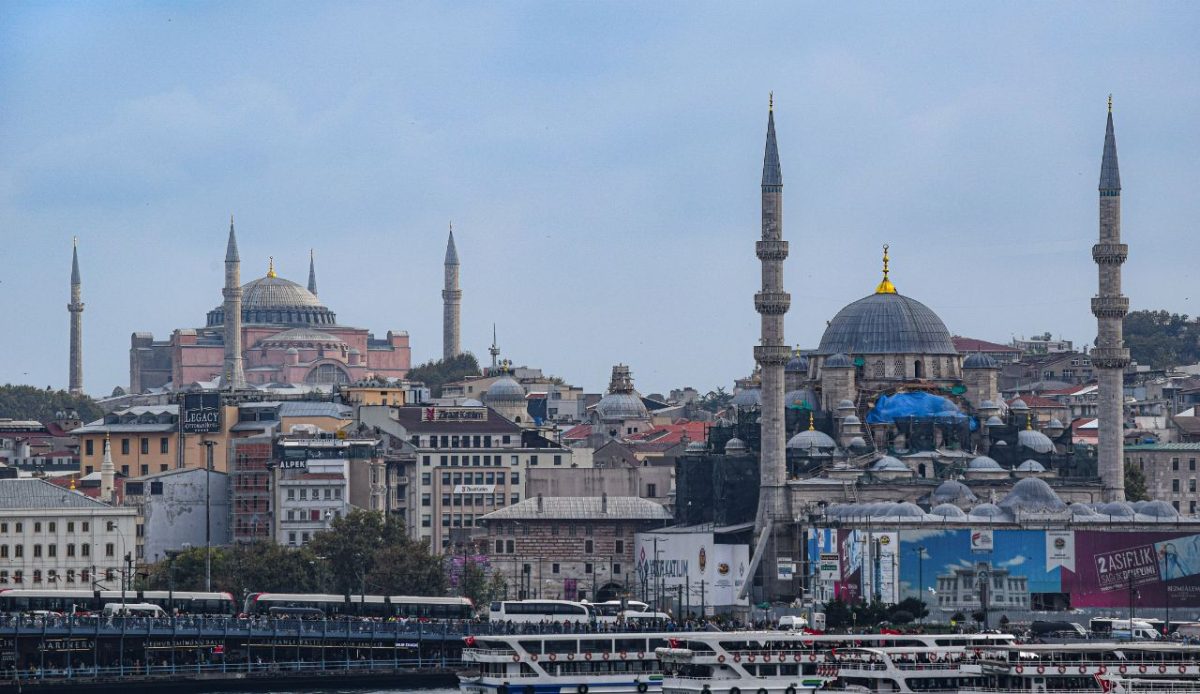
Straddling two continents, Istanbul has been the capital of empires, Roman, Byzantine, and Ottoman. Its landmarks, like Hagia Sophia, Topkapi Palace, and the Blue Mosque, reflect a city at the center of trade, religion, and power for centuries. Walking through its bazaars or along the Bosphorus reveals a blend of cultures shaped by its strategic location. Istanbul’s history is not just preserved in monuments but lived daily, making it one of the most significant crossroads in human civilization.
8. Washington, D.C., USA
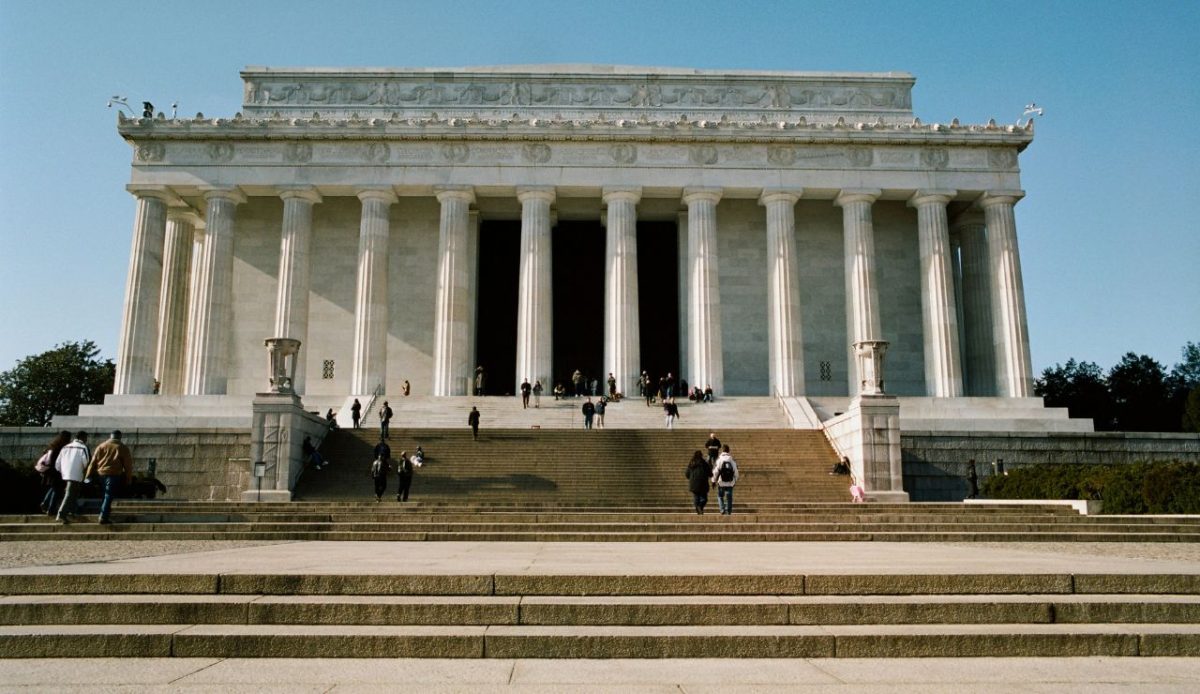
As the capital of the United States, Washington, D.C., is a stage for moments that shaped global history. The National Mall, with landmarks like the Lincoln Memorial and U.S. Capitol, reflects democracy’s ideals and struggles. Museums like the Smithsonian preserve stories of innovation, conflict, and progress. Civil rights marches and presidential inaugurations have cemented its role as more than a capital; it’s a symbol of freedom and leadership. For visitors, D.C. offers both history lessons and inspiration.
9. Cusco, Peru
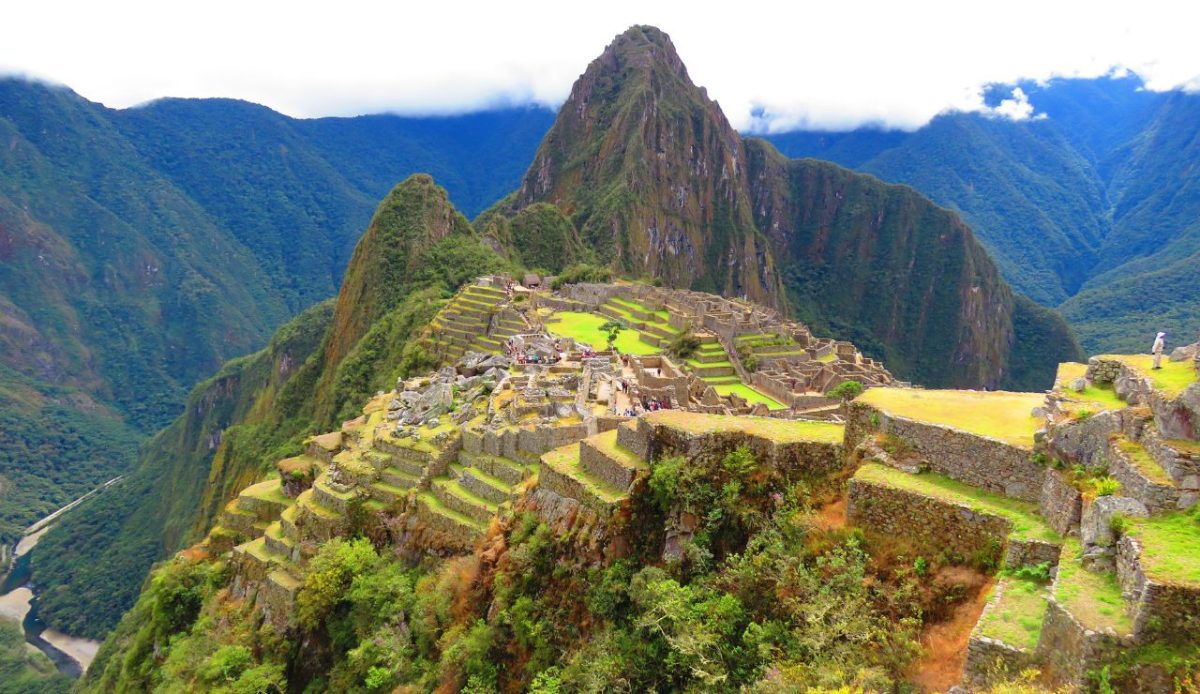
Once the capital of the Inca Empire, Cusco blends indigenous and Spanish colonial heritage into one of South America’s most historically rich cities. Its streets reveal Incan stonework alongside colonial churches, telling the story of conquest and cultural fusion. Nearby, sites like Sacsayhuamán fortress highlight Inca engineering brilliance. As the gateway to Machu Picchu, Cusco holds powerful significance as a living museum of Andean history. It’s a destination where past civilizations and cultural traditions remain vibrantly alive.
