
Home defense is often treated like a matter of gadgets, locks, or alarm signs, but many problems start with routine habits people barely notice. A house can look secure from the outside while daily behavior creates easy openings for theft, intrusion, or delayed emergency response.
Small oversights add up. Poor lighting, careless spare key placement, weak maintenance, and inconsistent use of existing security tools can reduce protection more than people expect.
These common mistakes are usually fixable. Reviewing them helps homeowners and renters build a safer, more reliable setup without turning the home into a fortress. The goal is not fear. It is reducing avoidable weaknesses before they turn into bigger problems.
1. Relying on Visible Equipment Alone
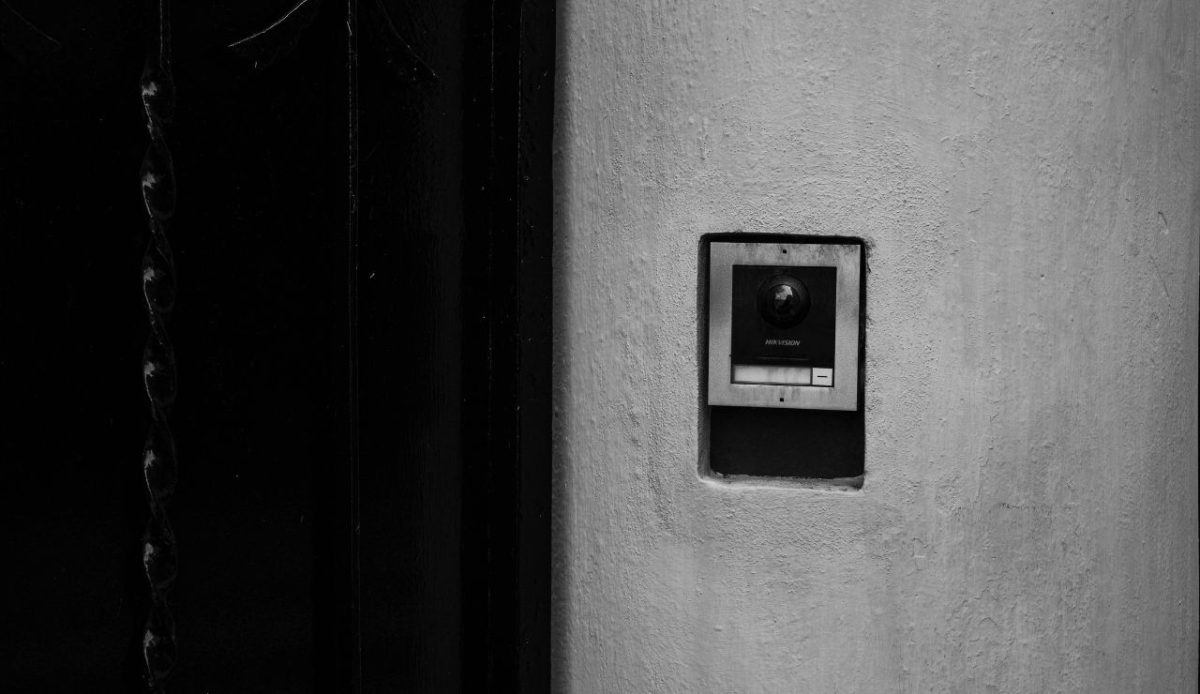
Many people assume a video doorbell, a camera over the garage, or a yard sign is enough to discourage trouble. Visible equipment can help, but it works best when paired with good coverage, routine checks, and basic physical security around doors, windows, and entry points.
A single camera may leave blind spots. Devices can also lose power, disconnect from Wi-Fi, or stop recording after storage fills up. When that happens, people often do not notice until after an incident.
Home defense is stronger when technology supports habits instead of replacing them. Locks, lighting, maintenance, and awareness still matter just as much as the devices mounted outside.
2. Leaving Entry Points Poorly Lit
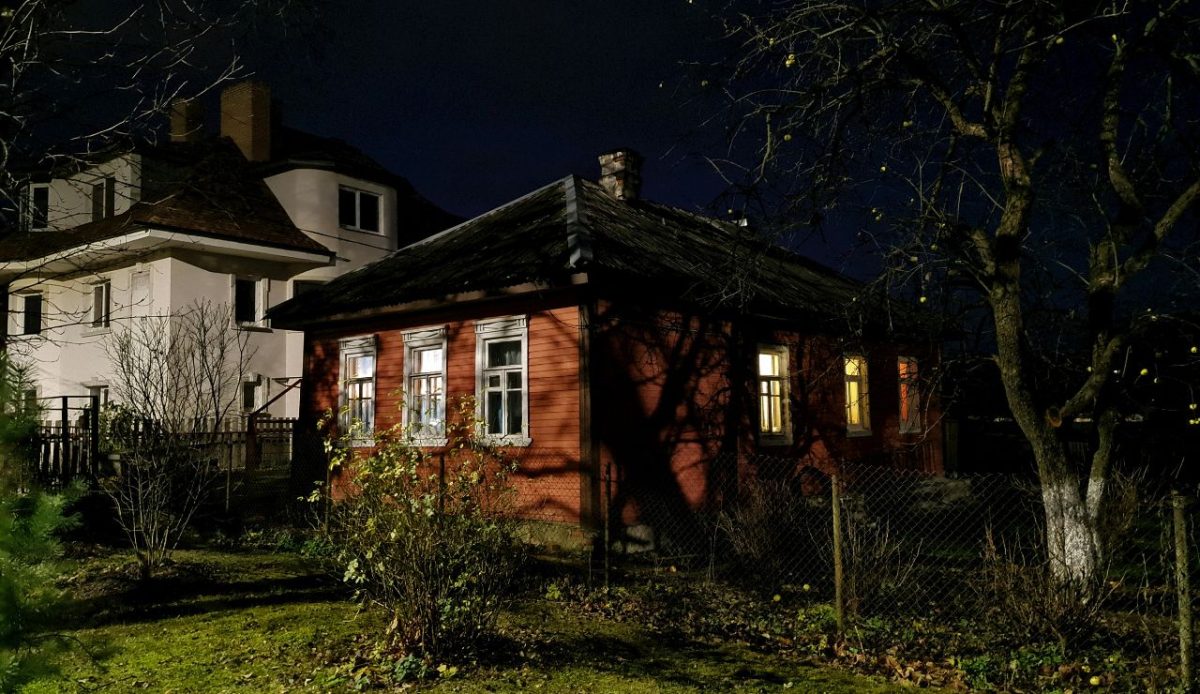
Dark corners around side gates, back doors, driveways, and basement access points make it harder to notice movement and easier for someone to approach unnoticed. Many homes have bright porch lights in front but leave the sides and rear of the property in shadow.
That uneven lighting creates weak spots. Guests, neighbors, and delivery drivers also have less visibility, which can make normal activity harder to distinguish from suspicious behavior after dark.
A more effective setup uses consistent exterior lighting where people actually walk or pass. The goal is not constant glare, but clear visibility around entrances, pathways, and vulnerable access areas.
3. Hiding Spare Keys in Obvious Places
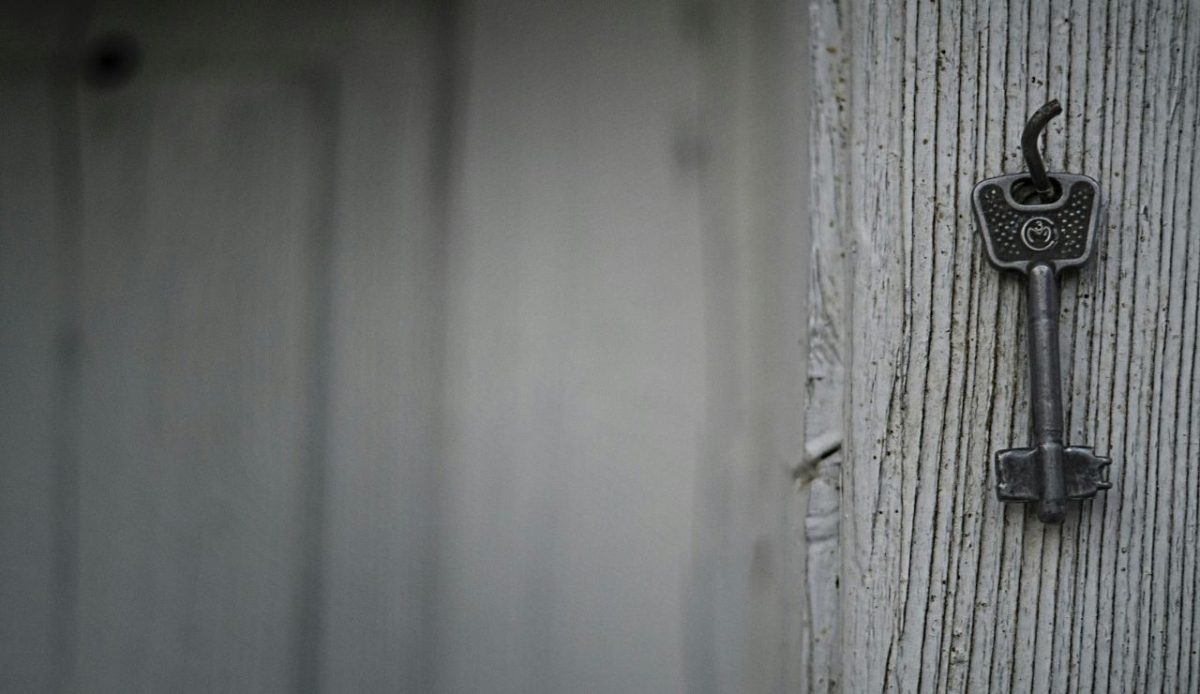
A spare key can seem like a practical backup, especially for families, cleaners, or relatives who need occasional access. The problem is that many people still use predictable hiding places such as under mats, planters, fake rocks, or the top edge of a door frame.
Those spots are familiar for a reason. Anyone checking for an easy entry will likely inspect the same locations first, especially near the main entrance or garage.
A hidden key stops being a convenience when it becomes the simplest way inside. Shared access is safer when handled through trusted person-to-person arrangements or more secure entry management options. The safer choice is reducing predictable access rather than hoping no one thinks to look.
4. Ignoring Basic Door and Window Maintenance
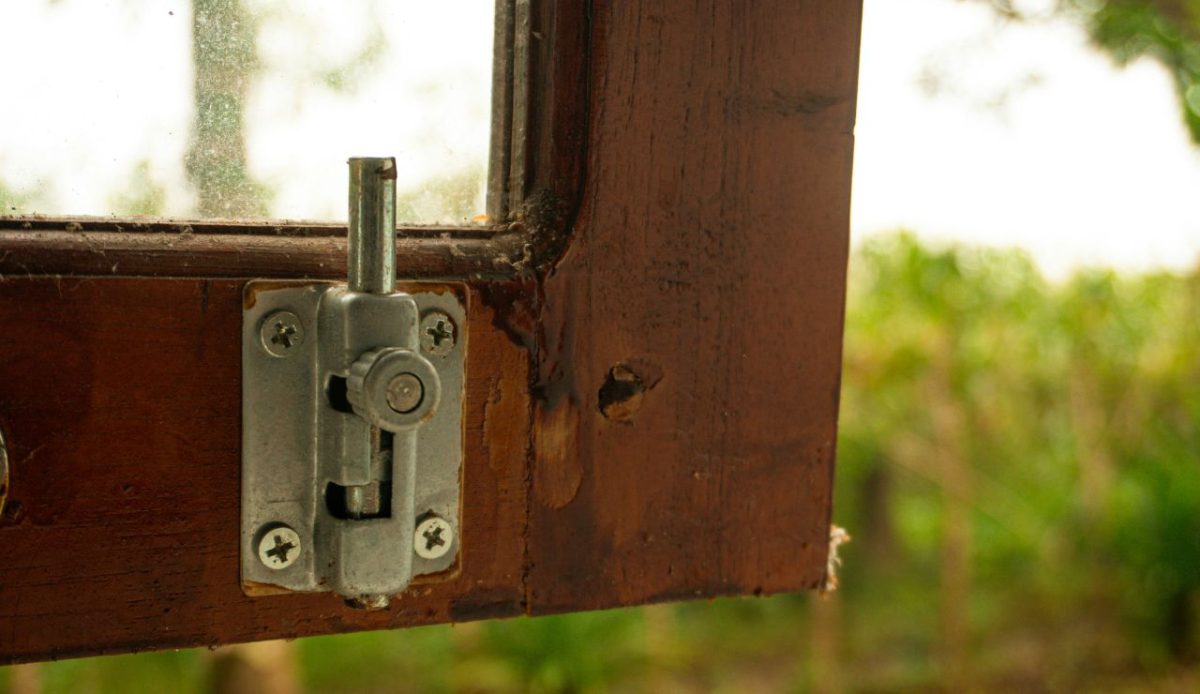
Home security is often weakened by ordinary wear rather than dramatic failure. Loose strike plates, warped frames, weak screws, sticky latches, and windows that do not fully lock can turn an otherwise solid entry point into an easy vulnerability.
Because these problems build slowly, people get used to them. A door that never closes cleanly or a window that needs force to latch may be treated as an annoyance instead of a security issue.
Maintenance matters because protection depends on function, not appearance. Even high-quality locks and sensors are less useful when the door, frame, or window hardware around them is already compromised. Regular checks help catch small failures before they become costly security gaps.
5. Letting Landscaping Create Cover

Overgrown shrubs, tall decorative plants, dense hedges, and cluttered side yards can make a home feel private, but they can also reduce visibility around windows, fences, and walkways. When sight lines disappear, unusual movement is easier to miss from inside and from the street.
This issue is especially common near ground-floor windows, rear patios, utility areas, and side entrances that already get less attention than the front of the house.
Landscaping should support visibility as well as appearance. A tidy yard does not guarantee safety, but clear views around access points make it easier for residents, neighbors, and cameras to pick up what is happening.
6. Sharing Too Much About Routines

Home defense is not only about the building itself. Daily patterns also matter. Posting real-time vacation photos, announcing empty-house weekends, or publicly sharing work schedules can reveal when a home is likely to be unattended.
Even casual details can create a pattern. Repeated posts about school pickup times, gym habits, or late-night shifts may tell outsiders more than intended over time.
Privacy does not mean secrecy about everything. It means being selective about timing and detail. Delaying posts and limiting audience access can reduce how easily strangers piece together when a property is most exposed. That simple delay can close off information that would otherwise be easy to exploit.
7. Forgetting Secondary Access Areas
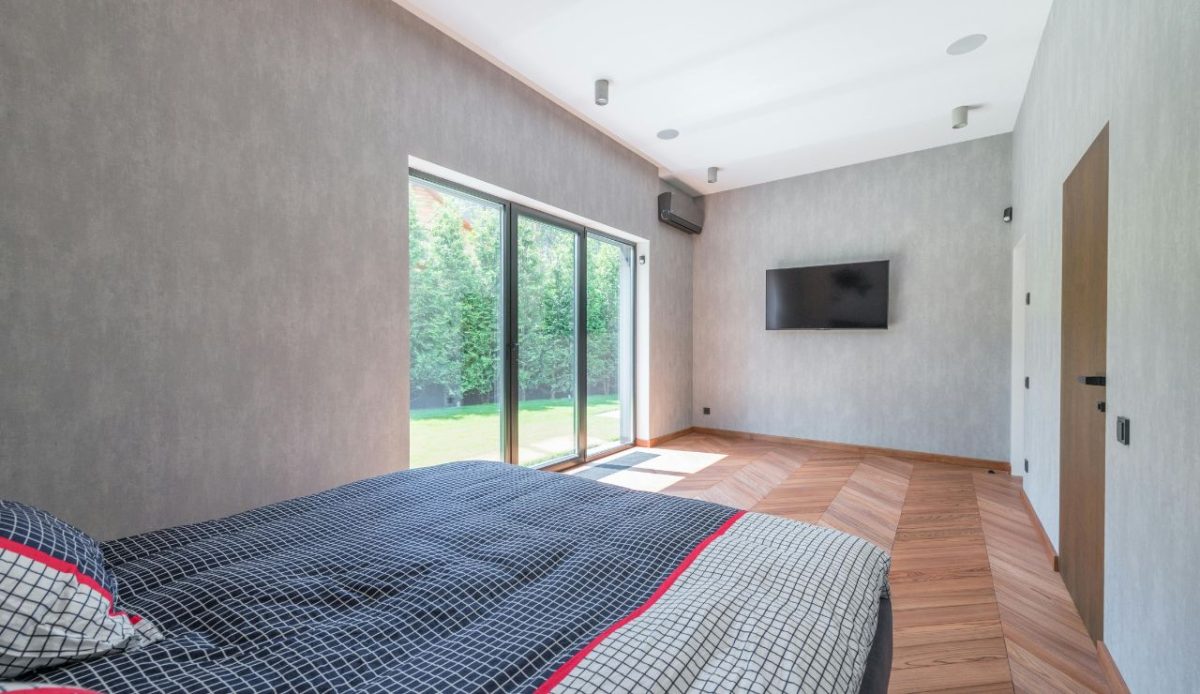
People usually think first about the front door, but homes often have multiple lesser-used entry points that receive far less attention. Garage side doors, back gates, basement doors, sliding patio doors, and first-floor windows can all become weak links when they are checked less often.
These areas may also be quieter, darker, or partially hidden from the street. That makes neglect even more risky, especially if locks are older or visibility is poor.
A strong home defense routine looks at the full perimeter, not just the main entrance. The least convenient entry point is often the one residents assume no one would bother trying, which is exactly why it gets overlooked.
8. Failing to Test Alarms and Notifications
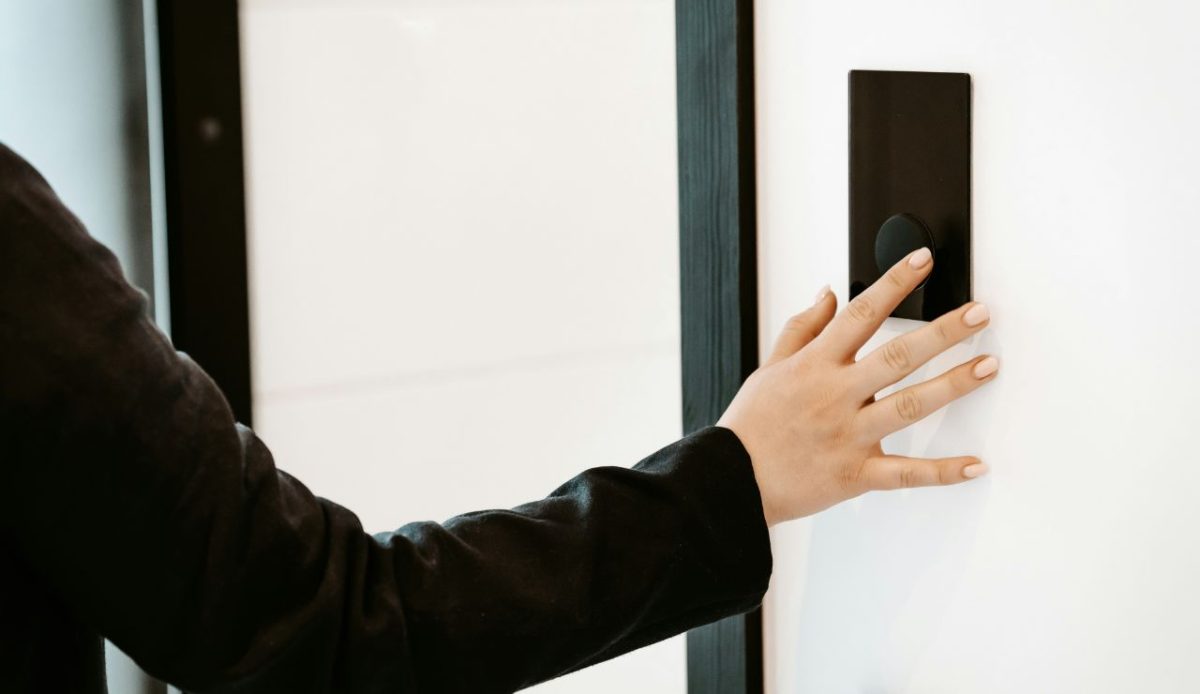
Security systems are often trusted on the assumption that they are working exactly as expected. In practice, sensors can misalign, batteries can weaken, apps can mute alerts, and users may stop noticing warnings after repeated false alarms.
That gap between installation and actual performance is where problems grow. A system that sends alerts to an old phone number or records only part of an event gives a false sense of preparedness.
Testing matters because security is not just about having equipment, but knowing it will respond correctly. Regular checks of sensors, app settings, power sources, and notification paths help confirm the system is still doing its job.
9. Treating Security as a One-Time Setup
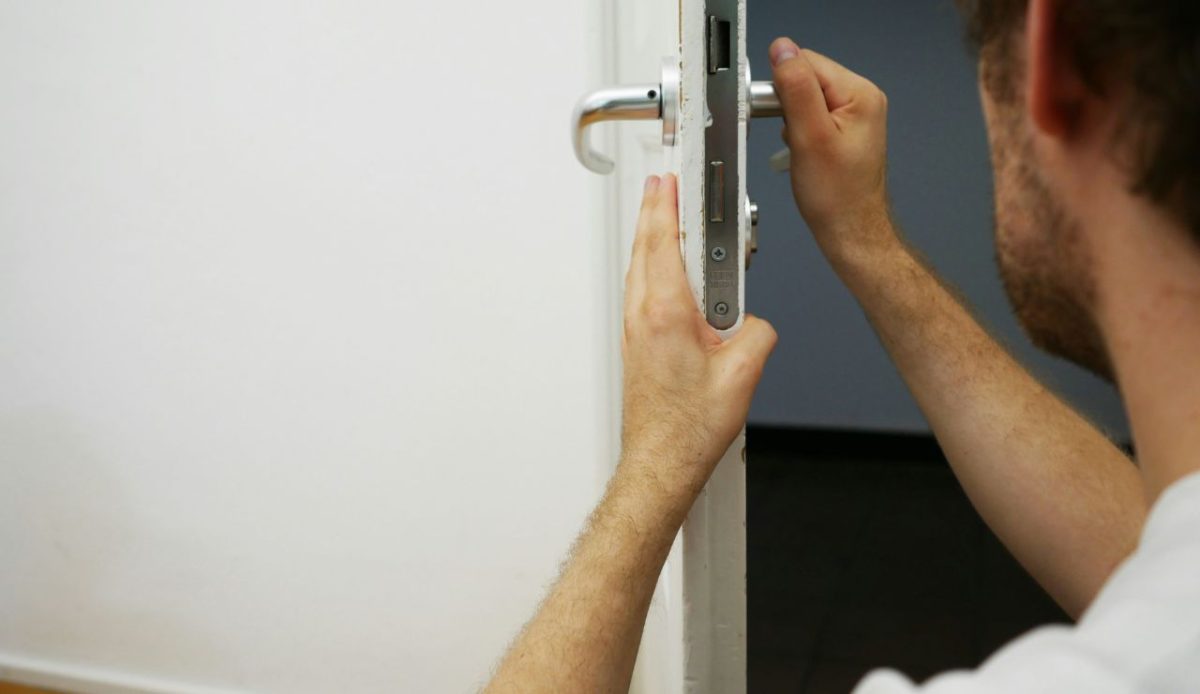
One of the biggest mistakes is assuming home defense is finished once locks are installed and devices are connected. Homes change over time. So do routines, household members, service providers, and the condition of doors, windows, fences, and exterior lighting.
A setup that worked well two years ago may no longer fit the property or the people using it today. Renovations, new deliveries, pets, children, and aging hardware all affect how the home functions day to day.
Security works better as an ongoing review process. Small periodic updates are usually more effective than waiting for a major problem, because they keep protection aligned with how the home is actually being used.
