
Holiday pricing isn’t just “a bit higher.” In some places, the calendar flips, and rates jump hard, because the weather is perfect, rooms are limited, or an event stacks demand on top of demand.
These spikes usually show up in hotels first, then flights, car rentals, and even restaurant reservations. The most painful weeks are often Christmas/New Year, peak summer, or a famous seasonal spectacle that sells out months ahead.
Below are nine destinations where timing matters most. Each one can be a deal in shoulder season, then shockingly pricey when the peak window hits. If you can shift dates by even a week, the savings can be the difference between “nice trip” and “why did we do this?”
1. Maldives
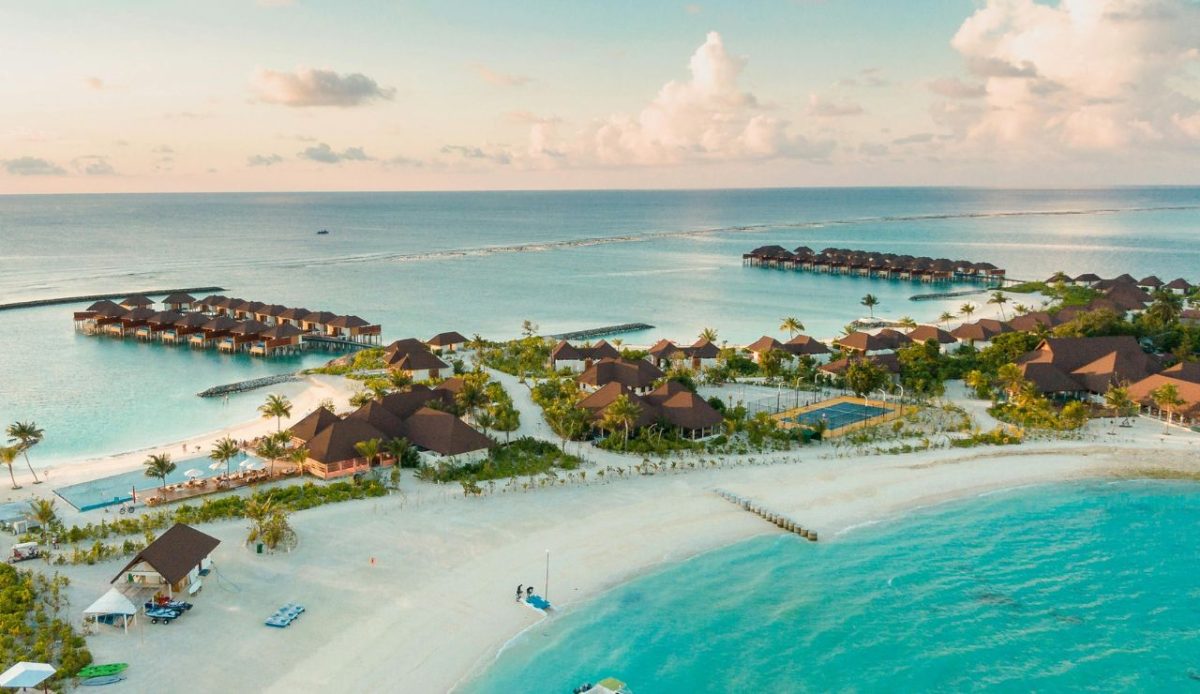
The Maldives’ dry season lines up with winter holidays, so demand piles up fast for overwater villas, family suites, and the limited seaplane supply that gets you to many resorts.
Some travel guides note Christmas and New Year weeks can run 50–100% above standard peak-season rates, with villas that might average around $800 a night jumping much higher during the holiday week.
Because many stays are bundled with transfers and meal plans, the “all-in” total balloons quickly. Traveling in May or November often keeps the same warm water and great visibility, while taking the sting out of the bill for most travelers, by a lot.
2. Aspen, Colorado
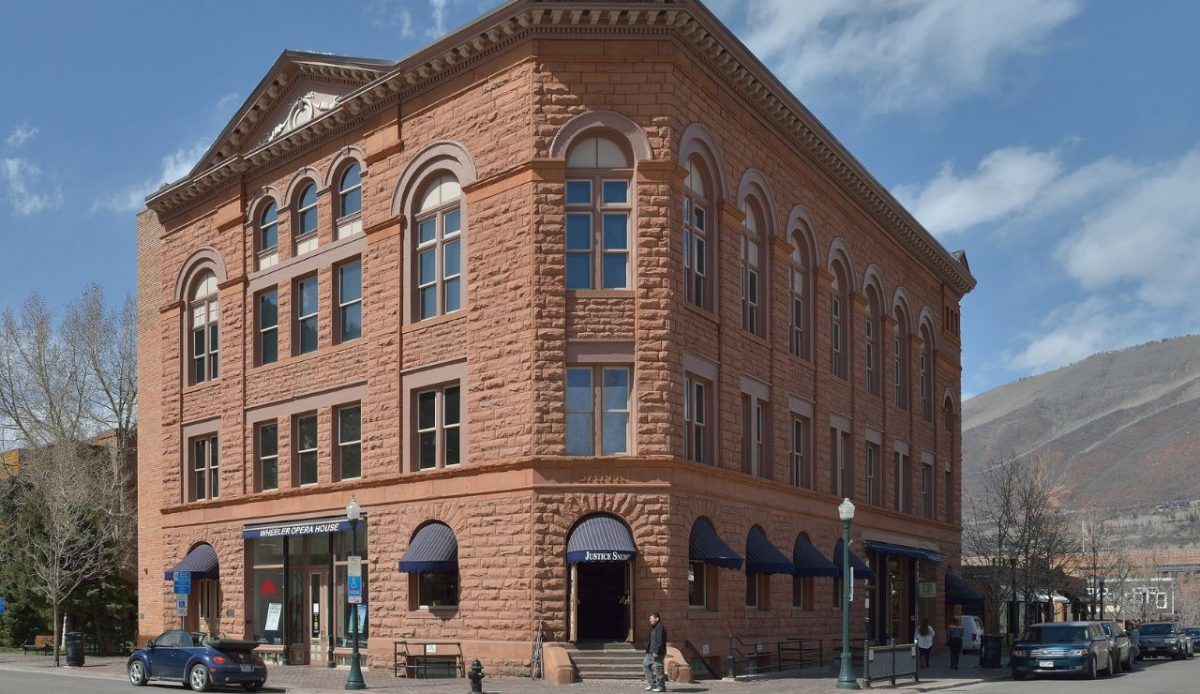
Aspen’s pricing is basically a weather report in dollars: when snow is reliable and holiday weeks hit, rooms and lift tickets surge because demand is global and inventory is small. Big-name events and celebrity season don’t exactly help.
Travel guides consistently flag winter as Aspen’s most expensive season, with late December into February the priciest stretch. Even locals aiming for better value often target early January after the holiday rush or later February.
The spike isn’t only lodging. Restaurant reservations, ski rentals, and car services tighten up too, so last-minute trips can feel like paying a convenience fee on everything.
3. Santorini, Greece
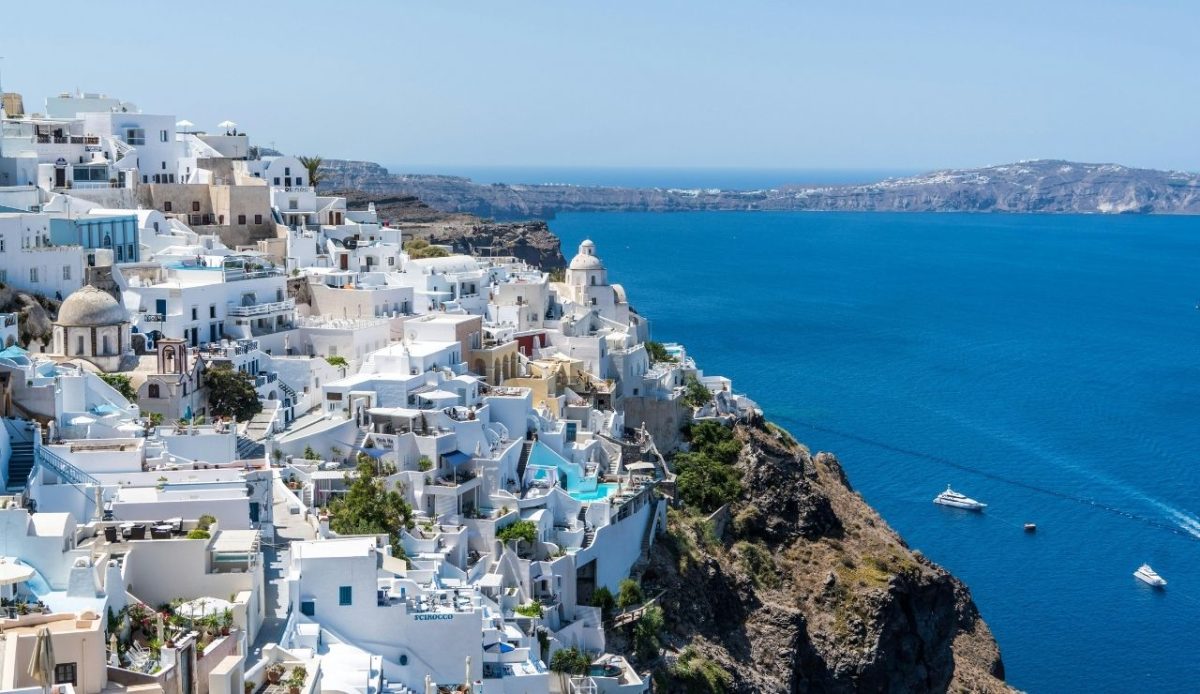
Santorini’s peak is a classic supply-and-demand squeeze: limited rooms on dramatic cliffs, huge summer flight demand, and the island’s sunset “must-do” status.
Local season guides point to July and August as high season, when hotel and airfare prices rise sharply and then drop in shoulder months. Some 2026 cost breakdowns describe peak summer pricing running roughly 60–100% above shoulder-season rates.
Cruise crowds can also push day-trip pressure onto Fira and Oia, making prime-view hotels even more coveted. If you’re flexible, late May or September often delivers similar vibes for less, with fewer queues, too.
4. Dubai, UAE
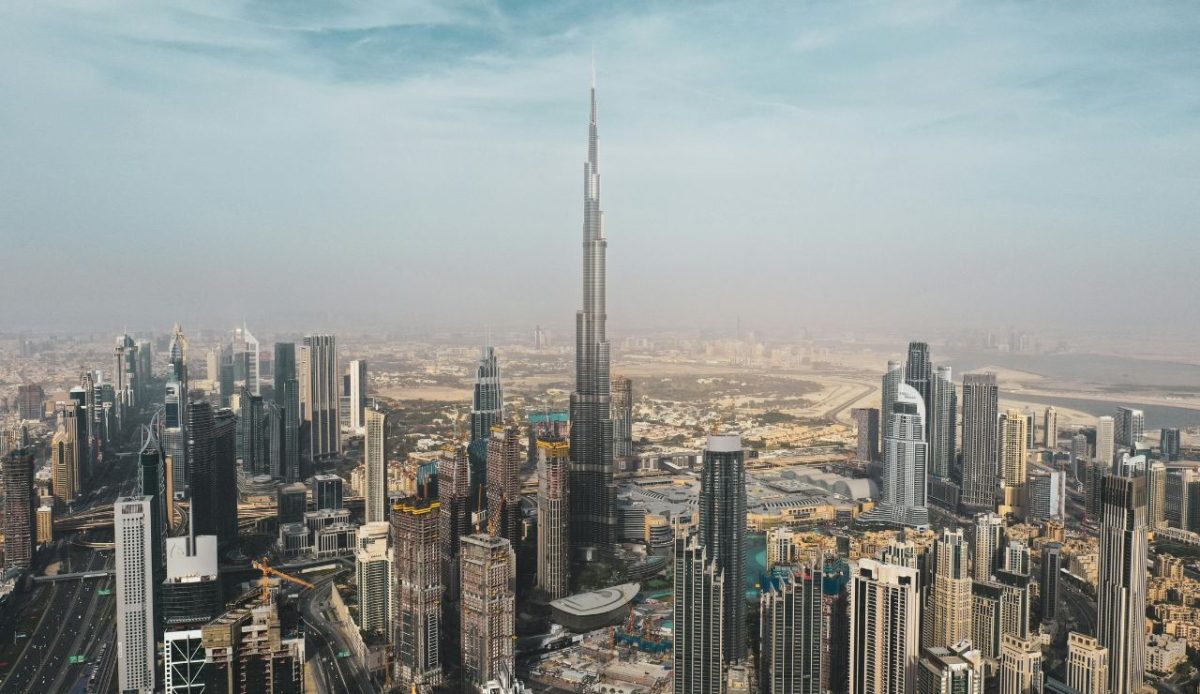
Dubai is busy year-round, but New Year’s Eve is its own category. Fireworks and Burj Khalifa views concentrate demand into a tiny window, especially in Downtown and Palm Jumeirah, where “walkable to the show” is priced aggressively.
Industry reporting on December 2025 performance noted New Year’s Eve hit record levels, with occupancy around the mid-90% range and average daily rates breaking AED 2,000 on that night.
That spike spills into minimum-stay rules and inflated “view” premiums, where the same hotel can feel like two different products depending on your dates. If you want Dubai without the sticker shock, early December or mid-January is usually calmer.
5. New York City, USA
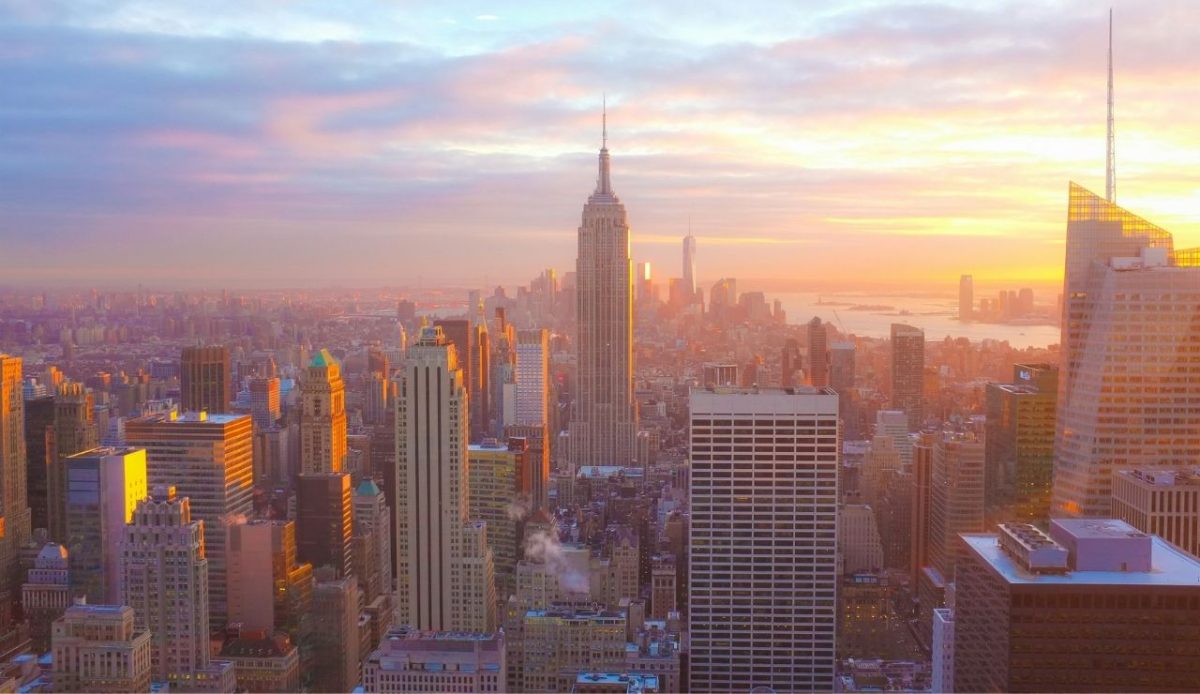
New York always has demand, but New Year’s Eve turns Manhattan into a pricing pressure cooker. Times Square access, limited inventory, and the short booking window push hotels to raise rates dramatically.
One industry report found Manhattan hotels were elevating rates by an average of 167% for December 31 compared with regular pricing, with some properties charging far higher than that.
Even if you skip Times Square, the ripple spreads through Midtown and transit-friendly neighborhoods, and surcharges show up in everything from parking to late-night dining. For a similar winter-city trip, the first week of January often drops back to reality.
6. Kyoto, Japan
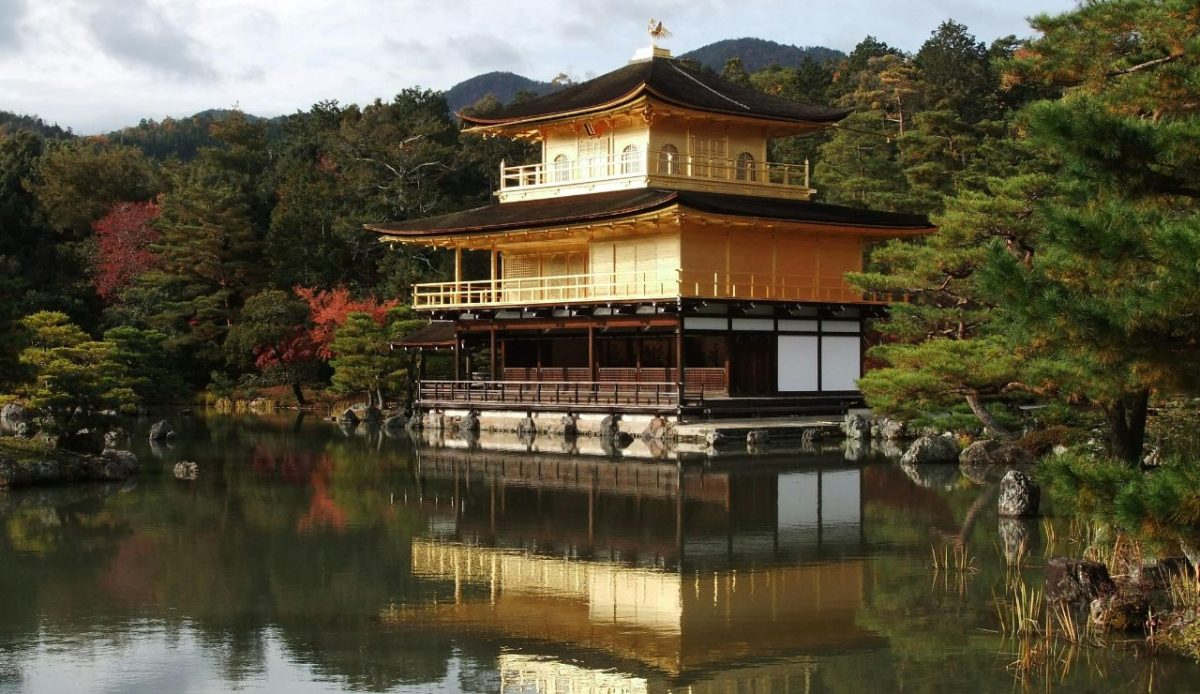
Kyoto’s spring spike is driven by one thing: everyone wants the same photo at the same time. Late March through mid-April draws huge crowds for cherry blossoms, and the city’s hotel supply is finite.
Hospitality data commentary notes this window shows consistently high demand and is treated as one of Kyoto’s peak seasons, which is why rooms can vanish early, and rates climb quickly.
Layer on rising management costs, like higher accommodation taxes tied to room price tiers, and the “good deal” options get squeezed further. If you want the temples without peak pricing, consider early March or late April instead.
7. Whistler, Canada
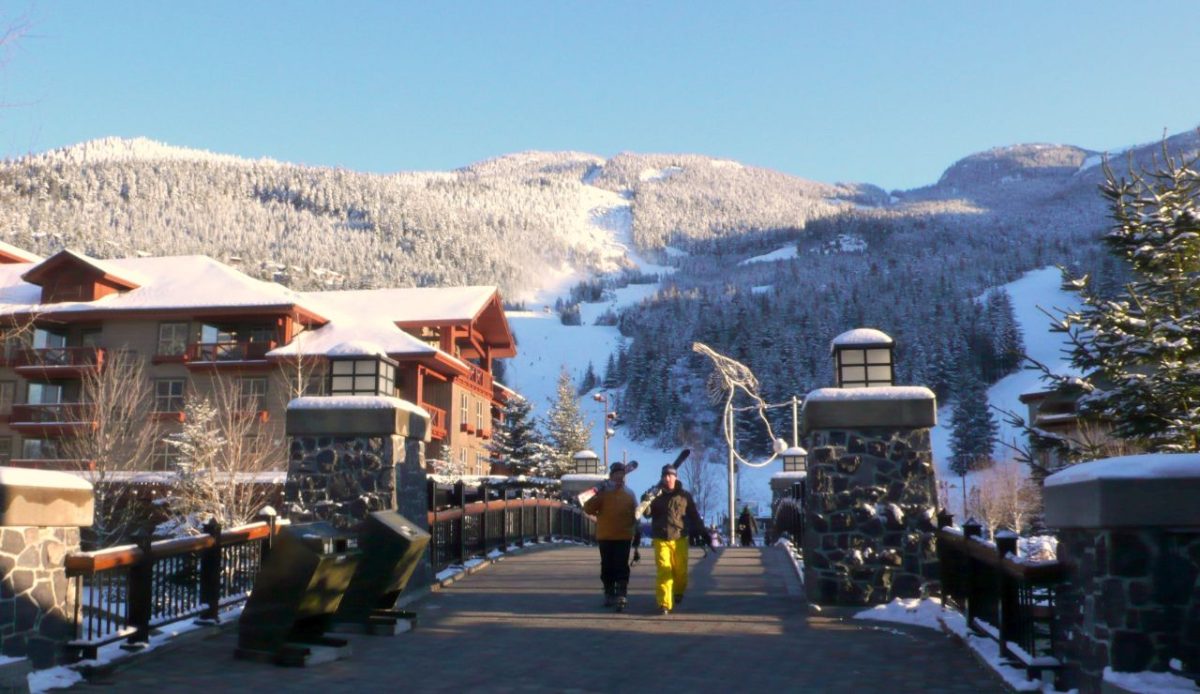
Whistler’s holiday surge is predictable: prime snow season plus school breaks equals packed lifts and scarce beds. If you’re arriving without a reservation plan, prices will remind you quickly.
Holiday travel reporting based on Amadeus data showed Whistler among destinations posting very high festive-period hotel occupancy, signaling the kind of demand that typically pushes nightly rates upward in peak weeks.
Once inventory tightens, costs also rise in the surrounding corridor from Vancouver, especially for car rentals and last-minute transfers. Early December or late January often keeps the mountain experience while easing the budget hit.
8. Tromsø, Norway
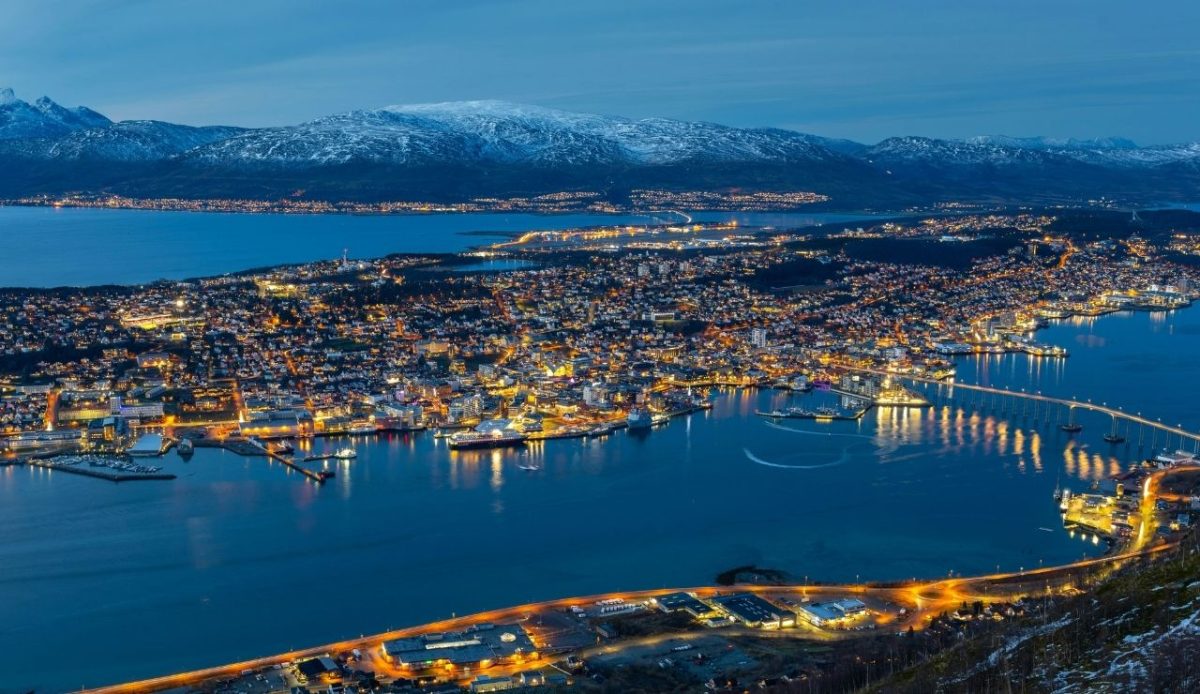
Tromsø has become a winter magnet for Northern Lights trips, and its peak window is narrow: long nights, clear-weather hopes, and holiday schedules all collide. Add limited hotel stock compared with bigger European cities.
Festive travel data from Amadeus-reported occupancy rankings listed Tromsø at about 93% hotel occupancy over the Christmas and New Year period, a sign of extremely tight supply when most visitors want guided aurora tours.
When rooms fill, tour operators and transport follow with higher prices, and popular excursions sell out first. If Aurora is your goal, late February and early March can still work, and often costs less than the holiday crush.
9. Vail, Colorado
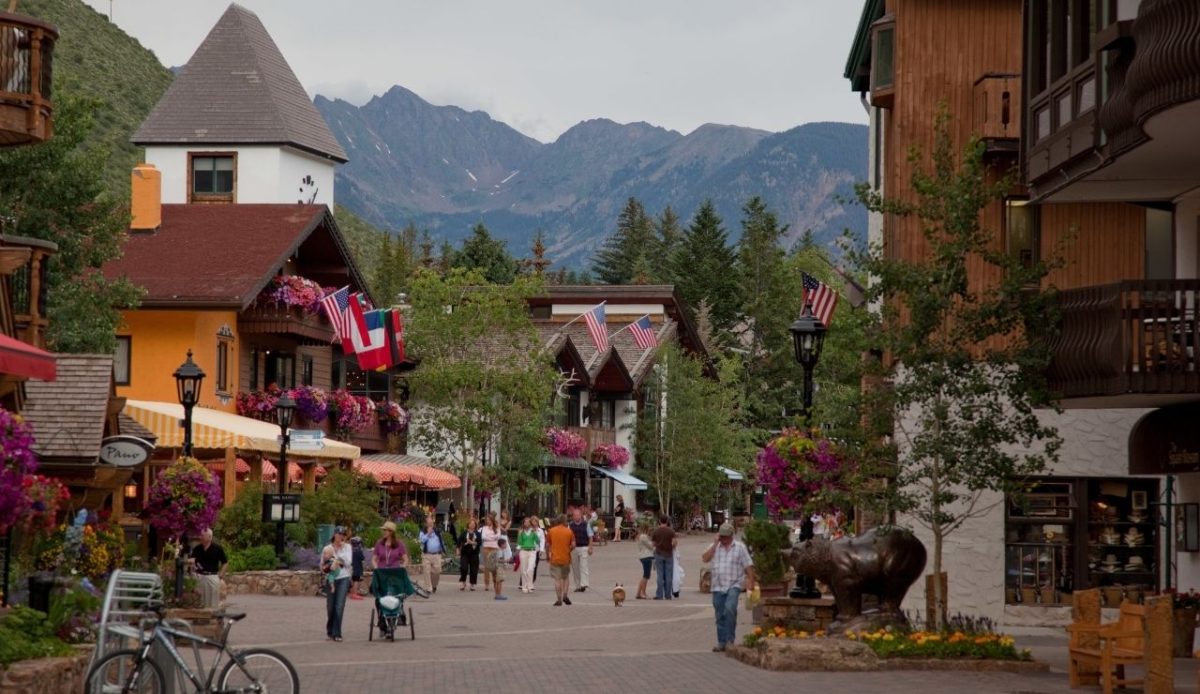
Vail’s high season is when the mountain is at its best, and the crowds are at their thickest. Winter weekends, school breaks, and fresh snow forecasts combine into a steady upward pressure on nightly rates.
A Bankrate study using AirDNA data (reported by Business Insider) flagged Vail/Avon as a winter hotspot where short-term rental prices can surge sharply in the busy season, listing a spike well over 100%.
Because Vail is a resort ecosystem, the surge ripples into lessons, rentals, dining, and parking. If you still want a ski trip, staying down-valley and commuting, or aiming for midweek dates, often trims the markup a bit, too.
