
Getting removed from a flight usually isn’t one tiny mistake; it’s a pattern that makes the crew think safety or control is slipping. Airlines can deny boarding or deplane passengers who won’t follow instructions, who appear intoxicated, or who disrupt others.
Most blowups start small: a gate argument, a bag that won’t be stowed, or a seat dispute that turns into shouting. Once it escalates, the captain and crew have wide authority to end it fast.
Below are nine habits that commonly get people kicked off planes. Fixing them is less about being “nice” and more about being predictable, cooperative, and easy to manage in a tight space. That keeps you flying.
1. Ignoring crew instructions
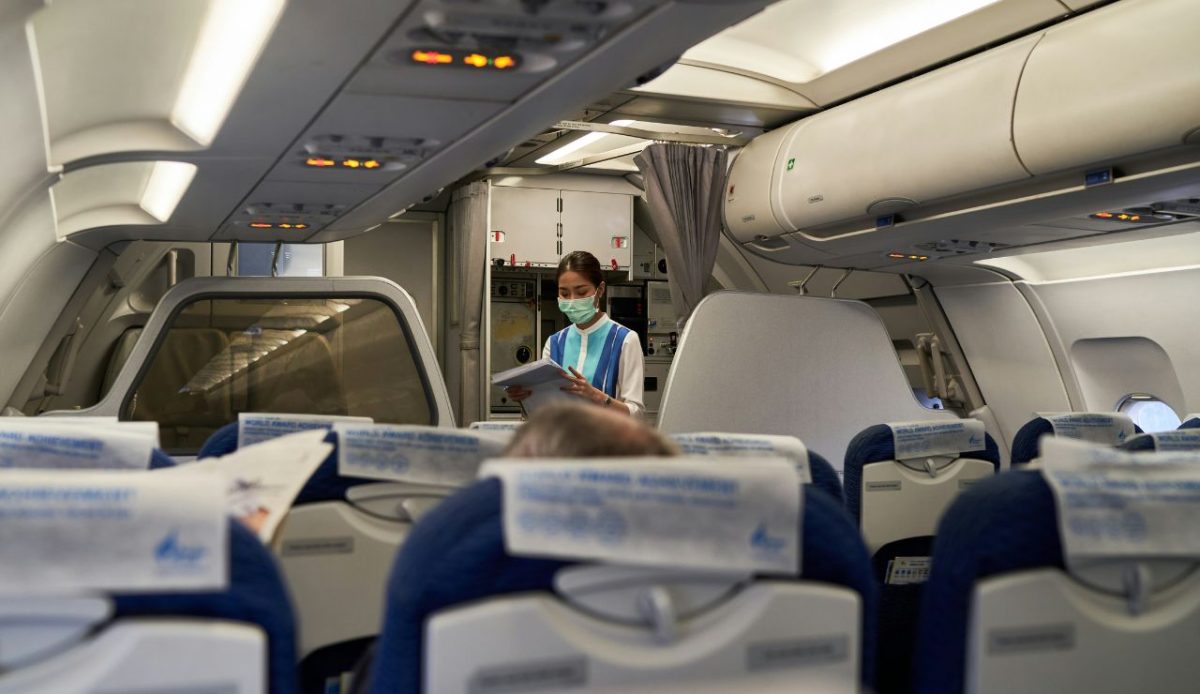
Crew instructions aren’t suggestions; they’re safety commands backed by law. If you refuse to buckle up, return to your seat, or stow items, you signal that you might resist bigger steps if something goes wrong.
Arguing, delaying, or turning it into a public debate forces the crew to escalate to the gate agent or captain. Once it’s logged as noncompliance, removal is often the quickest way to restore order and protect everyone’s trip.
Comply first, then ask calmly when the moment is over. A quick “Understood” plus follow-through usually ends the situation before it becomes an incident report. If you need help, ask for it, don’t challenge it. Right away.
2. Overdoing alcohol or mixing substances

Visible intoxication is one of the fastest ways to get denied boarding or deplaned. Slurred speech, loud behavior, or unsteady movement can be enough, even if you insist you’re “fine.”
Airport bars make it easy to overdo it, and crews can refuse service or ask you off if you’re already impaired. Alcohol also hits harder with travel stress, dehydration, and little sleep. Mixing drinks with sleep meds, cannabis edibles, or strong prescriptions can amplify the effect.
If you drink, pace it and stop early. Eat, hydrate, and skip mixing substances. The goal is simple: don’t make the cabin wonder what you’ll do next. When in doubt, switch to water before boarding.
3. Arguing at the gate or during boarding
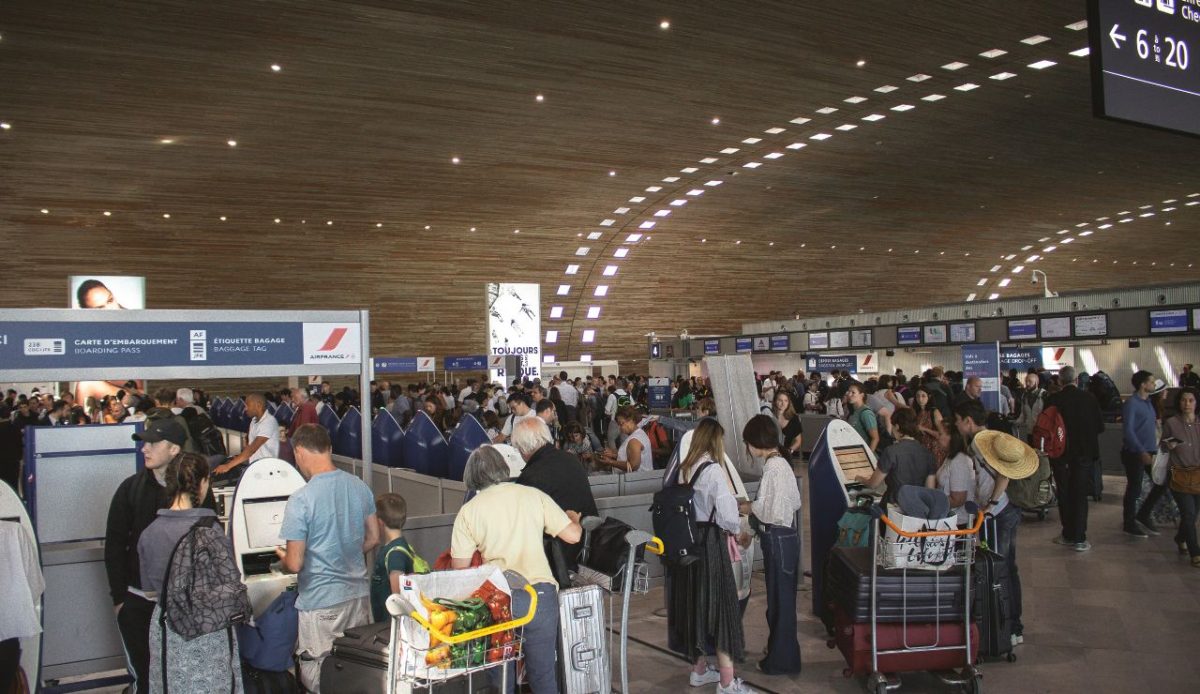
Many removals start at the gate because that’s where the airline controls access to the aircraft. Yelling, cutting lines, refusing a boarding instruction, or fighting about bags can get you denied before you even scan in.
Boarding is crowded and time-sensitive, so conflict spreads fast. If staff think you’re escalating, they may document it and decide it’s safer not to bring the problem onboard, even if you have a real complaint.
Keep your voice low, ask once, and take the first workable option. Step aside to talk instead of blocking the line. Being “right” won’t matter if you’ve talked yourself into a rebook. Calm gets you farther than volume.
4. Refusing to stow bags properly
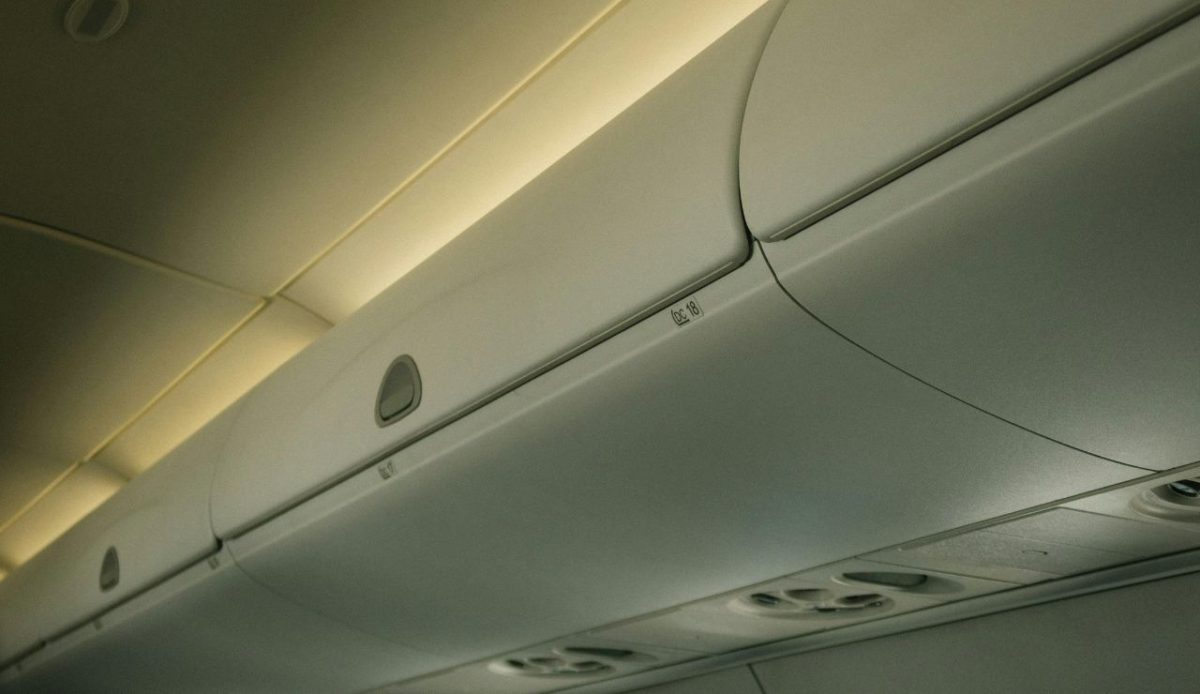
Overfilled bins and blocked aisles aren’t just annoying; they can delay departure and create safety hazards. If you refuse to stow a bag, keep it in a prohibited spot, or repeatedly block the aisle, the crew can halt boarding.
Some passengers argue because they paid for a carry-on or think a small item “should be fine.” But if the cabin can’t be secured for takeoff, the flight can’t depart, and the crew may remove the obstacle to keep the operation moving.
Stow fast, follow size rules, and don’t fight over bin space. If you’re offered a gate-check tag, take it. Losing your bin spot is cheaper than losing your seat. Put personal items fully under the seat in front of you, not half in the aisle.
5. Seat-switching without permission
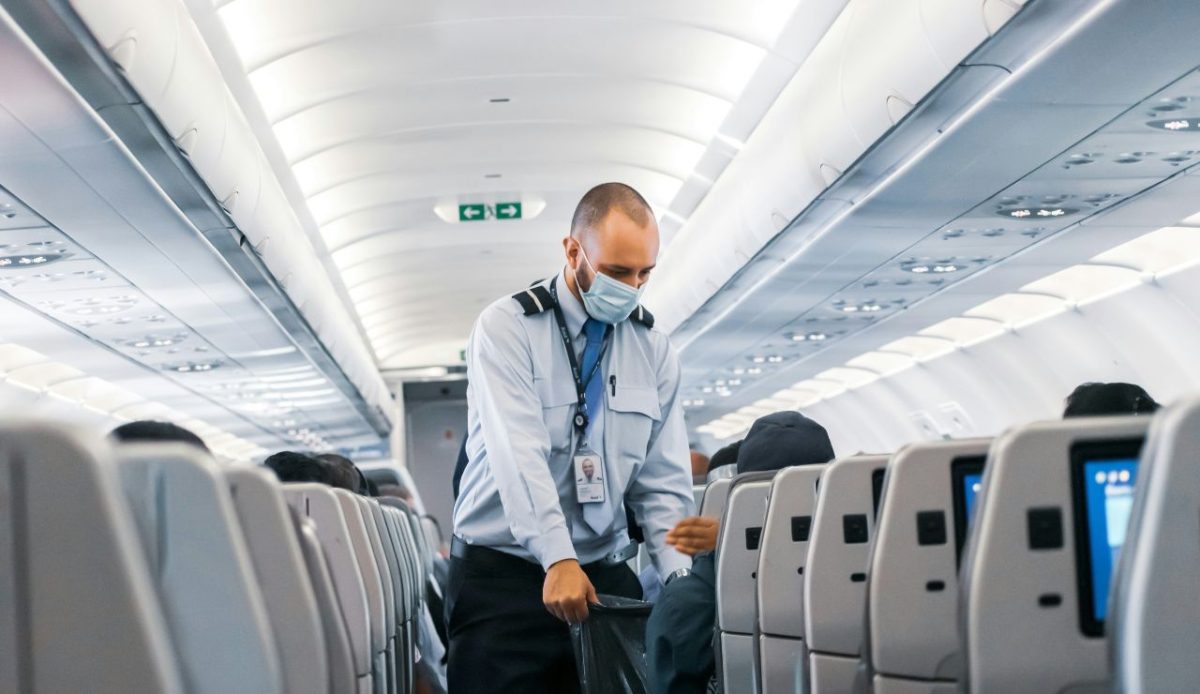
Unapproved seat swaps create problems fast: counts, manifests, and passenger disputes. If you sit in the wrong seat and refuse to move, it can turn into a removal situation within minutes.
Even “I’m helping a family sit together” can backfire if someone paid for that seat, needs it for accessibility, or simply doesn’t consent. Once voices rise and boarding stalls, the crew will shut it down.
Ask the crew before switching, and only swap when everyone involved agrees. If you’re told no, return to your assigned seat immediately. The fastest way to keep your seat is to stop negotiating in the aisle. Paid extra-legroom and exit rows also have rules, so “just take it” can trigger compliance checks.
6. Escalating with phones and filming
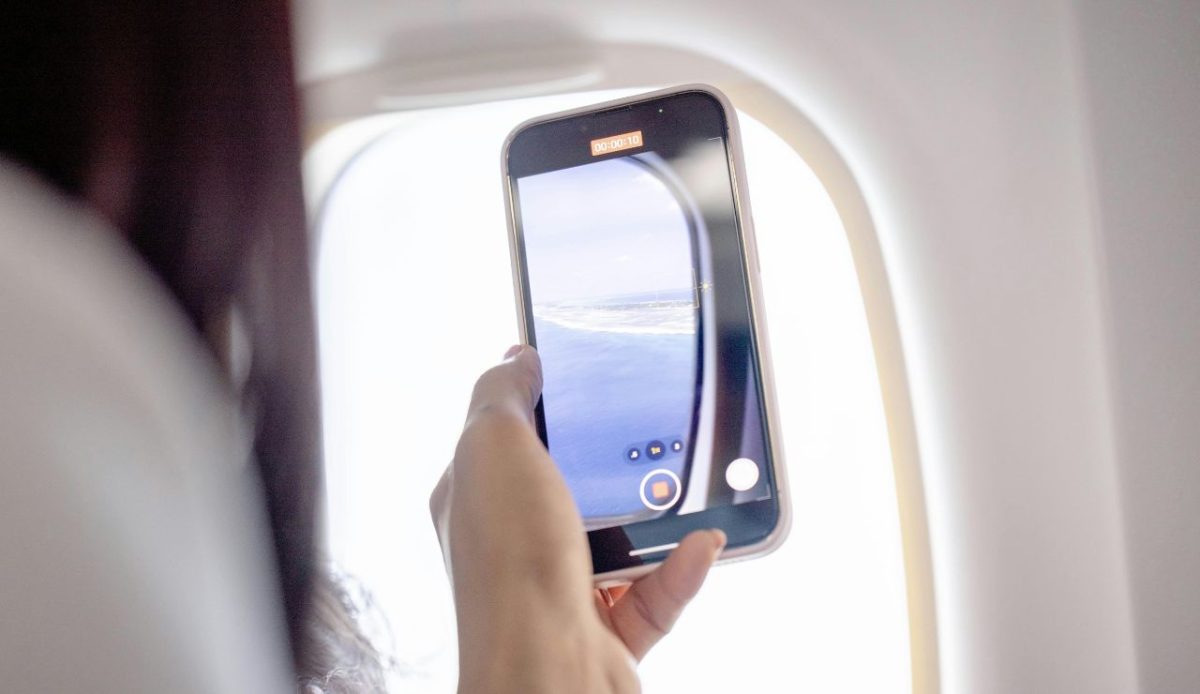
Filming a dispute can turn a tense moment into a performance, which makes de-escalation harder. When you record while arguing, staff may see it as disruptive or as interference with their work in the cabin.
Phones also become an issue when you won’t end a call, won’t remove headphones, or keep talking over instructions. If the crew feels you’re not listening, they may choose removal over risk, especially if other passengers are getting pulled in.
If you need documentation, note names and times, and follow up afterward. In the moment, put the phone down, listen, and speak normally. Calm passengers rarely get marched off a flight. Keep it boring.
7. Bringing prohibited or questionable items
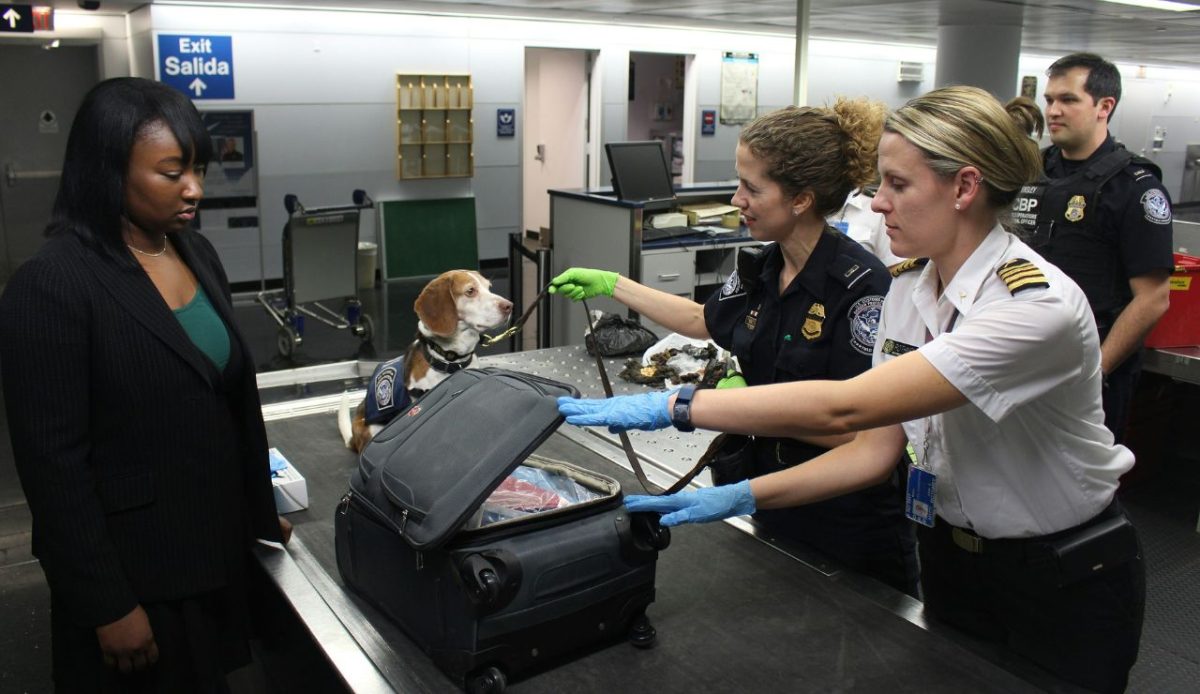
Sometimes the trigger isn’t attitude, it’s what you packed. Oversized liquids, loose lithium batteries, fireworks-style items, large power banks, tools, or odd items that force a recheck can stop boarding and put you under scrutiny.
The habit that gets people removed is refusing screening decisions or trying to “talk past” rules. Once staff suspect noncompliance or concealment, the situation shifts from customer service to safety and enforcement.
Pack smart and cooperate quickly if something is flagged. Open the bag, follow instructions, and repack or surrender the item if needed. Compliance keeps it a delay, not a denied trip. If you’re unsure, check the airline and TSA list before you leave home.
8. Harassing crew or other passengers
Harassment is the quickest path from “annoying” to “removed.” Threats, slurs, unwanted touching, or aggressive posturing can trigger immediate action because crews must protect other passengers and keep the cabin safe.
It’s not only physical. Repeated loud insults, bullying a seatmate, or refusing to stop a confrontation can be treated as interference with crew duties. Once the crew intervenes, continuing the argument raises the stakes fast.
If someone else is the problem, use the call button and let staff handle it. Lower your voice, create space, and disengage. Winning a fight in row 22 is never worth a ban or police escort. Seriously. Yep.
9. Ignoring safety rules during taxi, takeoff, or landing
Taxi, takeoff, and landing are the strictest phases of flight. Getting up, opening bins, crowding the aisle, or ignoring device and seatbelt instructions can prompt an immediate return to the gate before the plane leaves.
Crews have limited tolerance here because these moments carry the highest operational risk. If you won’t comply quickly, the captain may decide you’re not safe to carry, especially if it delays departure.
Stay seated, keep the aisle clear, and wait until the seatbelt sign is off before moving. If you need something urgently, ask. Being boring during critical phases is the easiest way to stay onboard. Save the stretch break for the cruise phase.
