
Madrid gives travelers easy access to historic cities, small towns, and natural areas that lie within a short distance by train, bus, or car. Many destinations work well for half-day or full-day plans, and most offer enough variety to appeal to travelers who enjoy culture, food, history, or outdoor activity. These day trips remain popular because they allow visitors to experience different parts of central Spain without long travel times. The following list highlights options that stay practical, manageable, and consistently well-reviewed by travelers.
1. Toledo
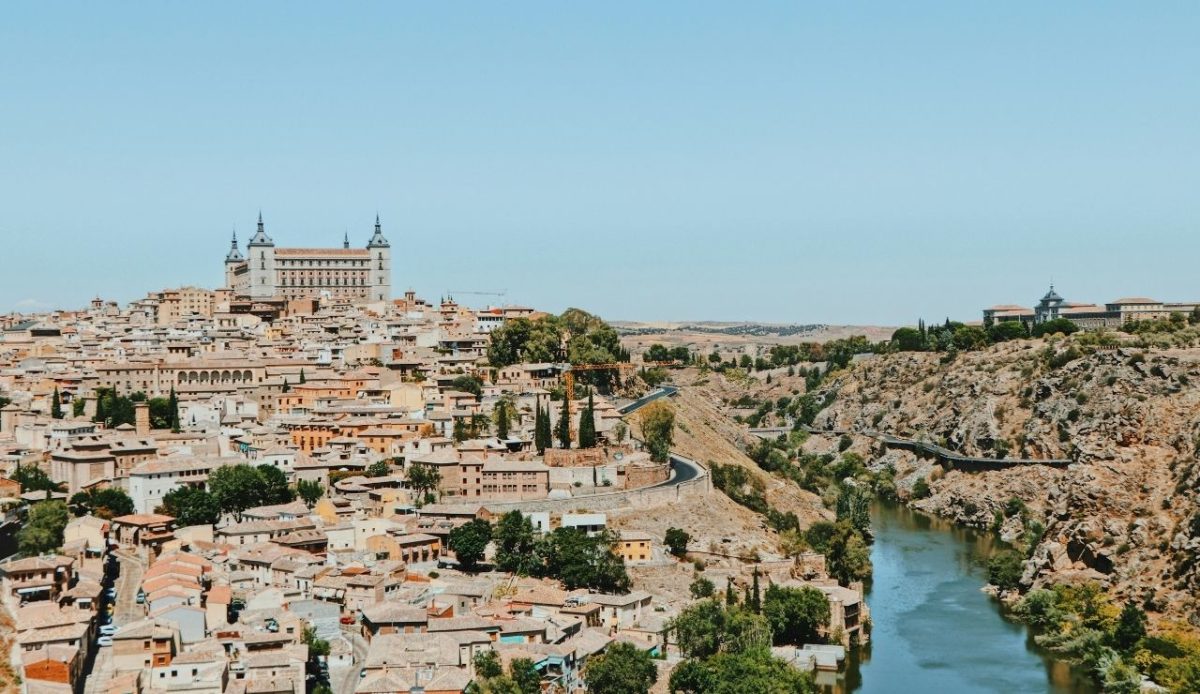
Toledo offers a full day of activity because its major sights sit close together and are easy to reach from the train station. Travelers arrive in approximately 35 minutes by high-speed rail, making planning simple. The Cathedral draws steady attention due to its size and detailed interior. The Alcázar stands at the highest point and outlines the region’s military history through clear exhibits. Streets in the Jewish Quarter present museums, craft shops, and local bakeries that many visitors explore in a single loop. Restaurants around the main square provide reliable lunch options. Weekends stay busy, so arriving early helps avoid long entry lines at the most visited sites.
2. Segovia
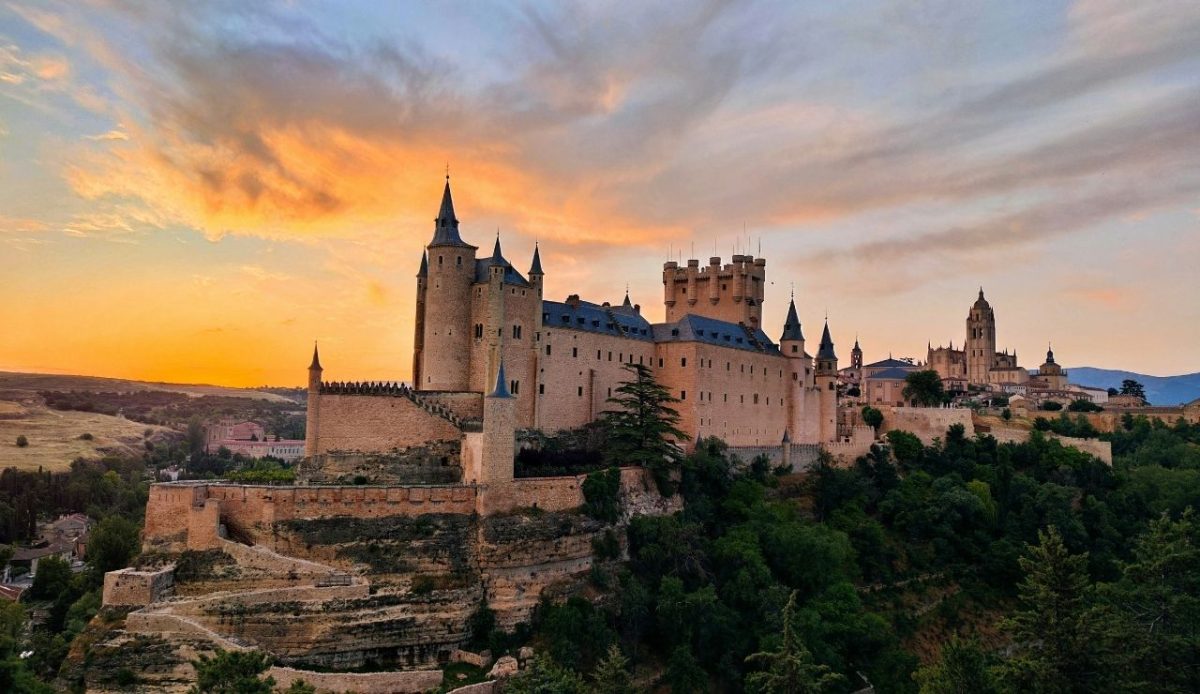
Segovia boasts strong examples of Roman, medieval, and Renaissance architecture in its compact city center. The aqueduct stands at the entrance and remains the city’s most recognized landmark. The walk toward the Cathedral leads through an active area with cafés, bakeries, and small shops. The route to the Alcázar ends at a castle with furnished rooms and open views of the countryside. High-speed trains reach Segovia quickly, though a short bus ride connects the station to the old town. Visitors typically spend four to six hours covering the main areas at a steady pace. The city’s layout is easy to follow, making it practical for first-time visitors without a guide.
3. Ávila
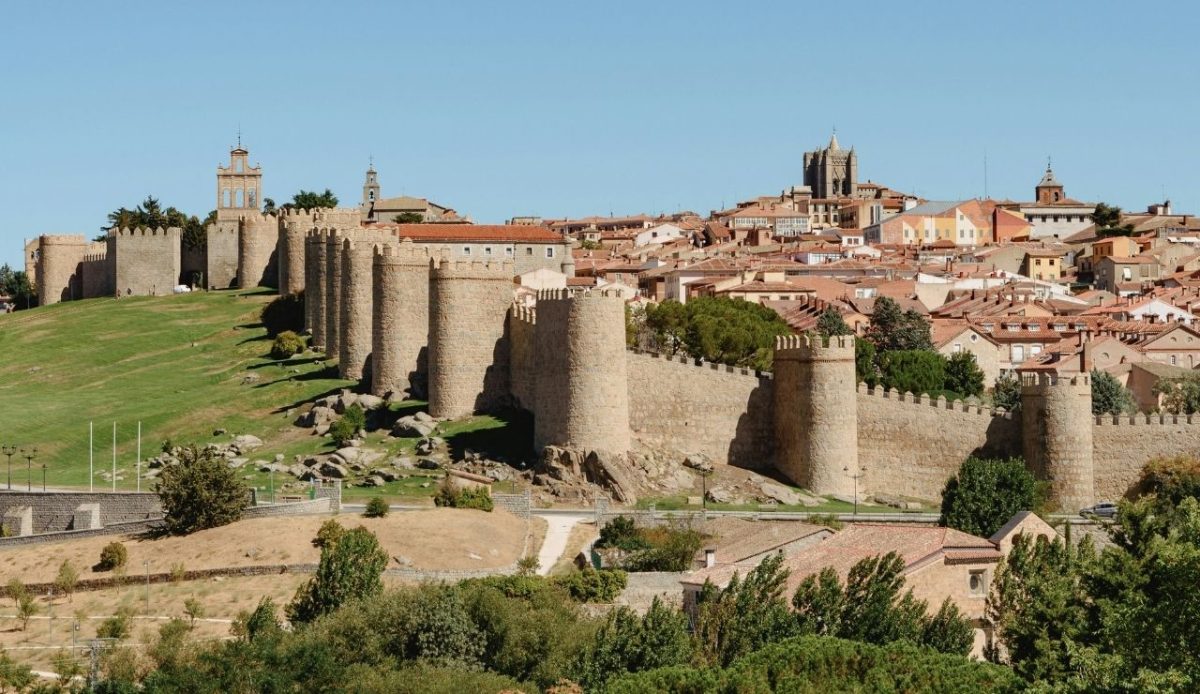
Ávila presents a calmer setting with large stone walls that fully enclose the old town and offer several entry points for rampart walks. These elevated sections give clear views of the city and nearby mountains. The Cathedral blends Romanesque and Gothic features and draws many travelers interested in direct historical examples. Morning hours remain quiet, allowing visitors to explore narrow streets at a relaxed pace. Local shops focus on regional goods, while restaurants serve simple dishes. Trains and buses from Madrid arrive in under two hours, making Ávila a convenient option for travelers who want a slower environment and an organized layout with clear walking routes.
4. San Lorenzo de El Escorial
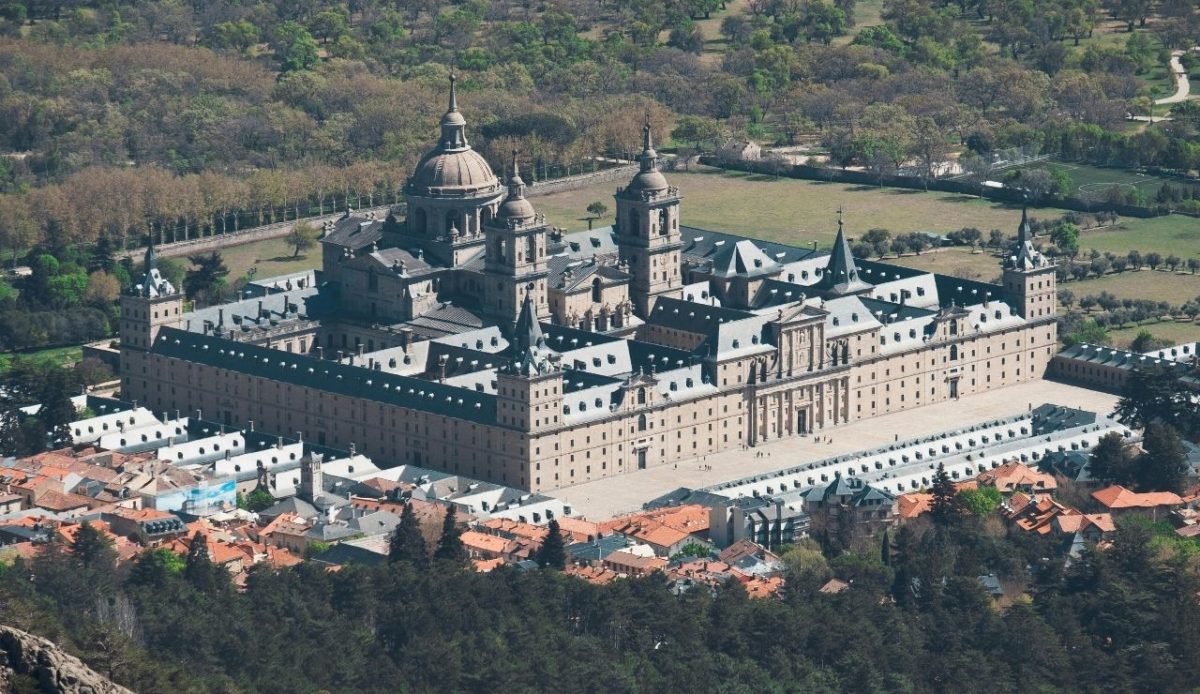
San Lorenzo de El Escorial attracts travelers who want to explore a large royal monastery with a structured layout and extensive interior rooms. The complex includes courtyards, royal chambers, long corridors, and a basilica that require several hours to cover. Many visitors comment on the amount of detail inside, so planning enough time improves the visit. The surrounding town provides cafés and shops for mid-day breaks. Buses from Madrid run frequently and take about one hour. Some visitors also walk short trails on nearby hills to view the complex from higher ground. The destination works well for travelers seeking a combination of history and a quieter mountain setting.
5. Aranjuez
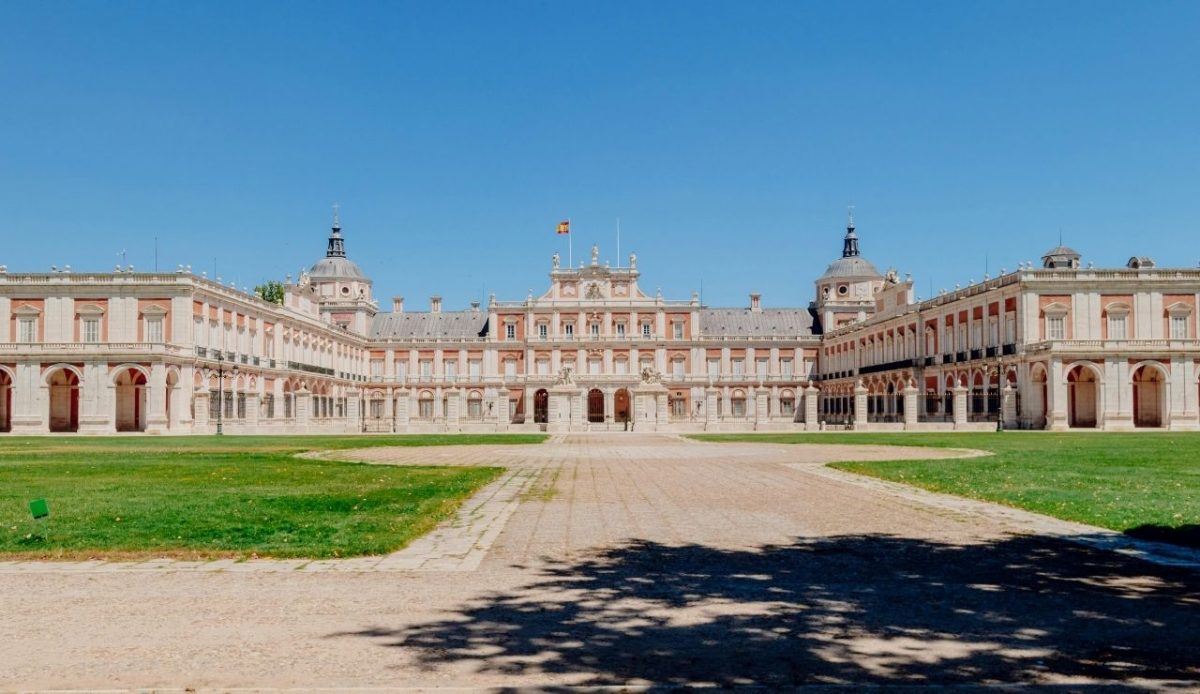
Aranjuez gives travelers access to a royal palace complex and wide gardens that remain easy to walk and explore. The palace contains decorated rooms that reflect different periods of royal use, and guided tours explain the purpose of each space. The gardens cover a broad area with tree-lined paths, fountains and open lawns, offering enough room to move without crowd pressure. A commuter train connects Madrid to Aranjuez in about 45 minutes, making it suitable for half-day or full-day visits. Restaurants near the main square provide reliable lunch options, and the town’s flat layout makes navigation simple for first-time visitors.
6. Alcalá de Henares
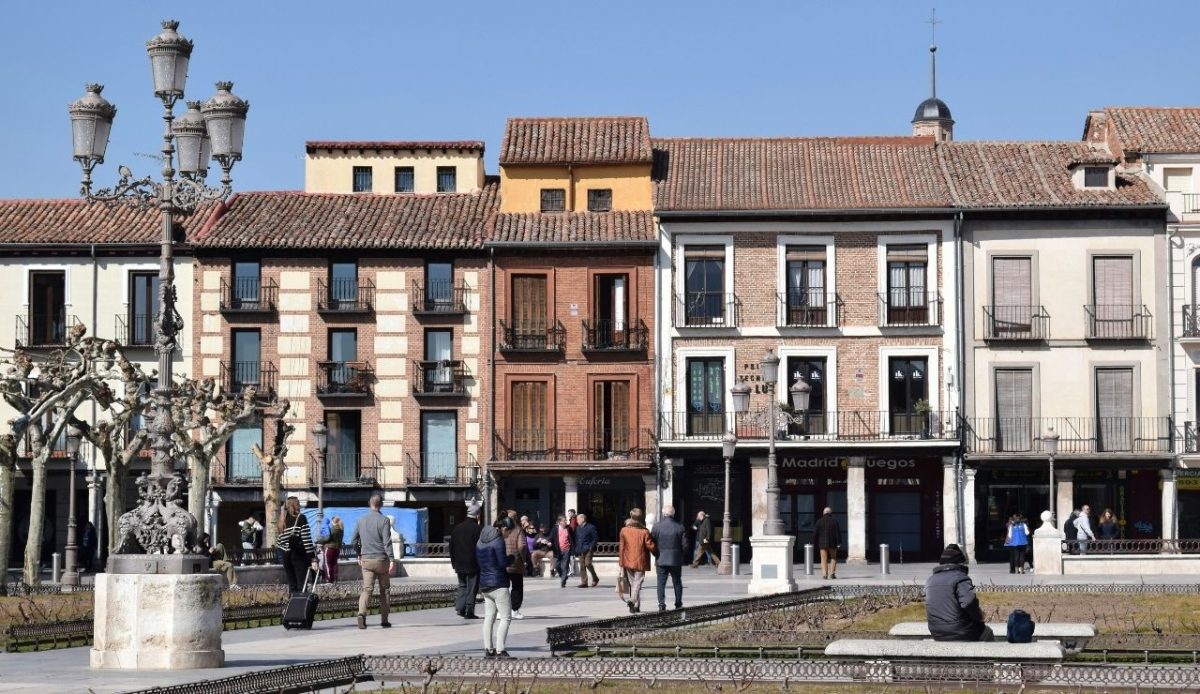
Alcalá de Henares provides a straightforward day trip with clear routes between its university buildings, museums, and old streets. The town holds UNESCO status due to its academic history and its connection to Spanish literature. Visitors often begin at the University of Alcalá, where courtyards and rooms display how the institution operated over centuries. The Cervantes Birthplace Museum remains another major point of interest with staged rooms and short exhibits. Food options along the main street stay affordable and easy to locate. Frequent commuter trains from Madrid make planning simple, and the town rarely feels overwhelming, allowing travelers to move at a comfortable pace.
7. Cuenca
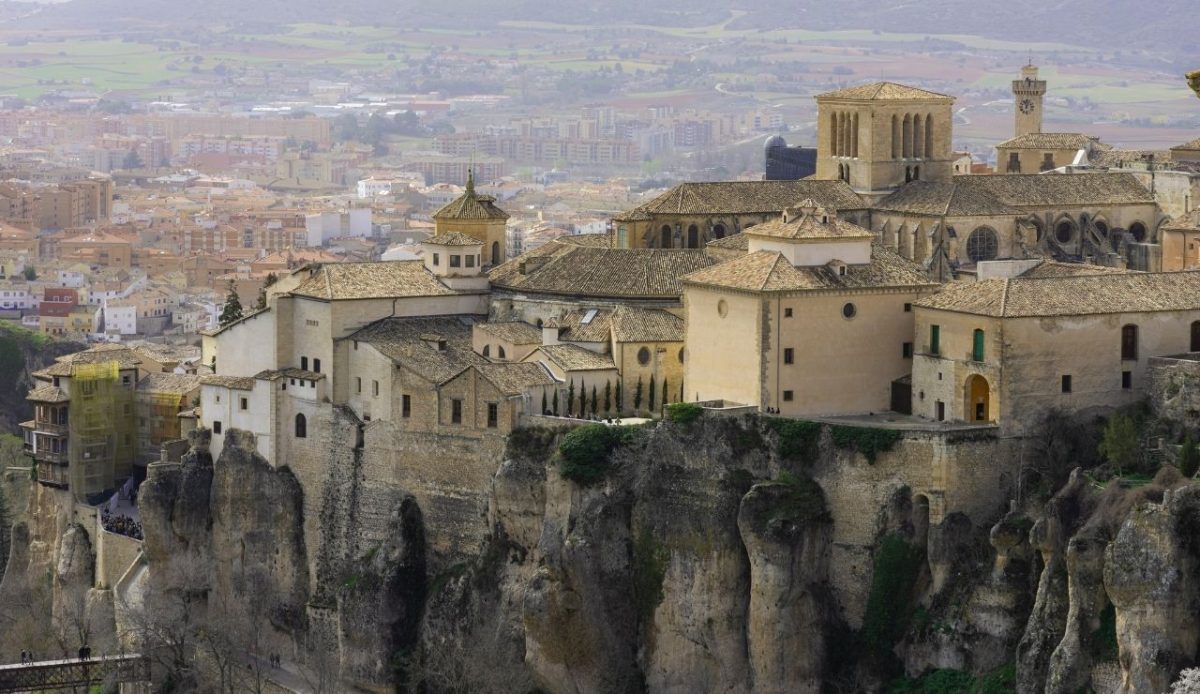
Cuenca stands out for its dramatic position over cliffs and deep gorges. The hanging houses create one of central Spain’s most recognizable views and draw steady interest from visitors. Reaching the old town requires uphill walking, but the routes remain manageable at a slow pace. The Cathedral sits near the main square and features interior rooms with elements from different architectural periods. Museums around the old town provide short, direct explanations of regional art and history. High-speed trains reduce travel time, though reaching the historic center requires a brief taxi or bus transfer. Starting early gives travelers enough time to explore without rushing.
8. Salamanca
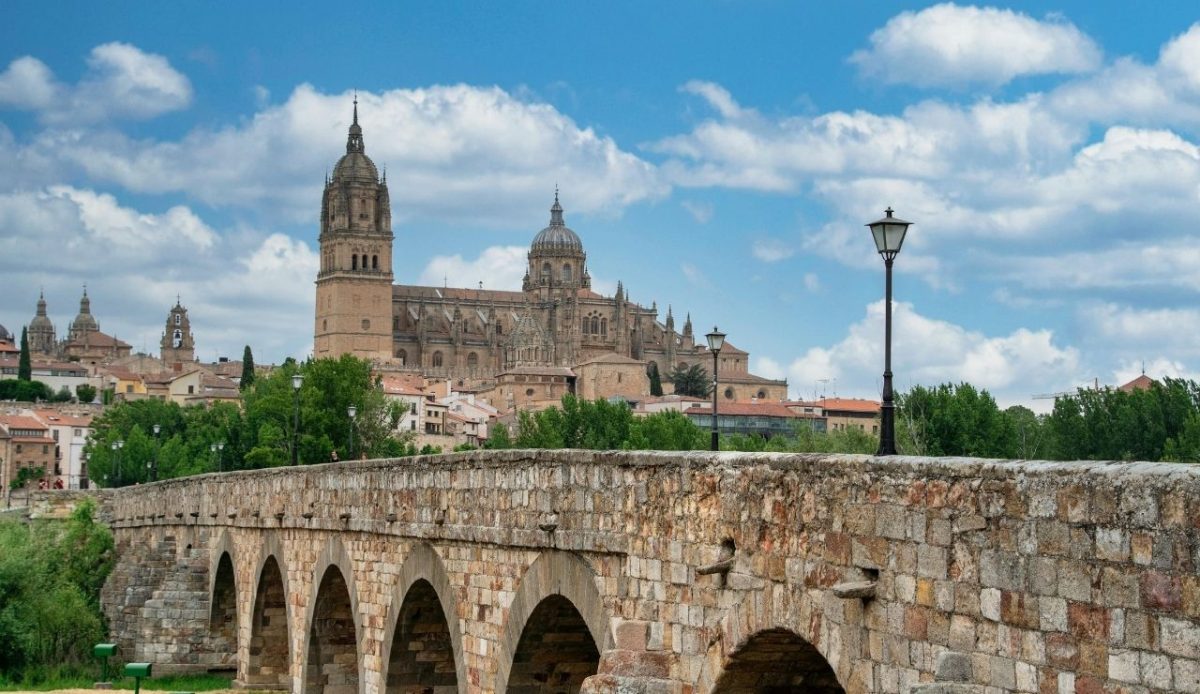
Salamanca shows a cohesive look through its golden sandstone buildings and wide plazas. The University of Salamanca serves as a major landmark with courtyards and lecture halls accessible during posted hours. The Cathedral complex includes two sections, each displaying distinct architectural features. Plaza Mayor stays active throughout the day, offering restaurants and cafés for convenient breaks between walks. Because Salamanca lies farther from Madrid than other options, travelers benefit from planning meal times and transport schedules. Many visitors spend most of the day exploring due to the size of the old town and the number of museums open to the public.
9. Sierra de Guadarrama
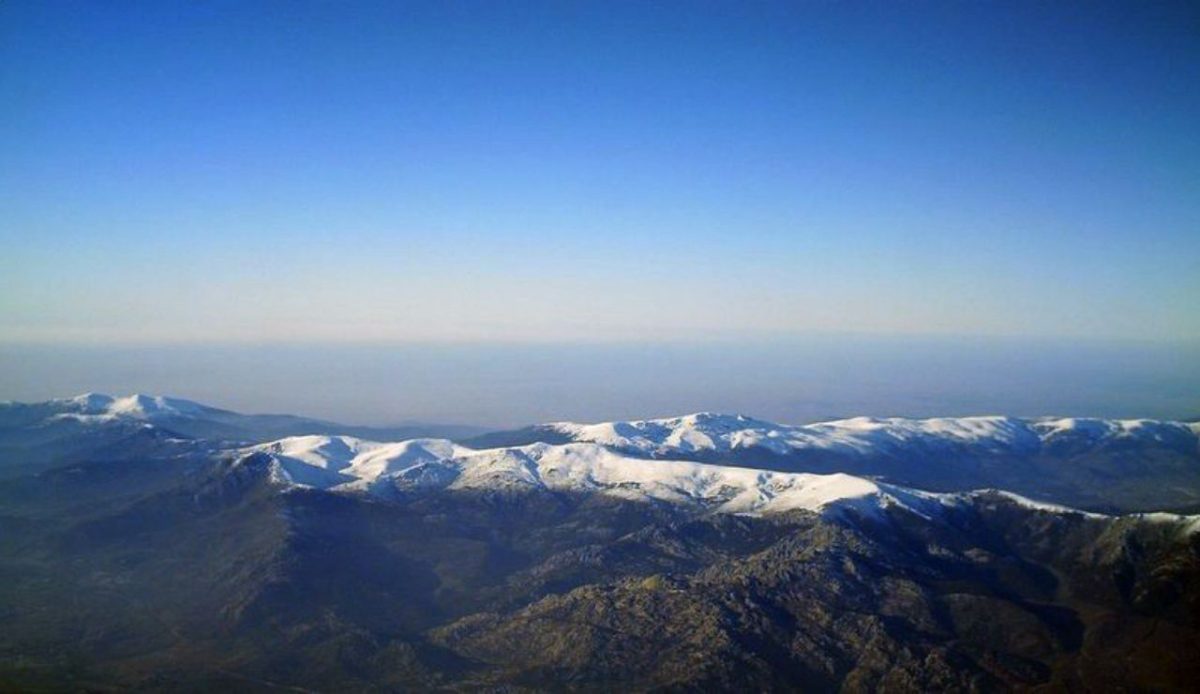
Sierra de Guadarrama offers open trails, high-altitude views, and cooler temperatures compared to the city. The national park includes several trailheads accessible by car or by traveling to nearby towns connected by train. Routes vary in difficulty, so both casual walkers and experienced hikers can find suitable paths. Lookout points provide wide views of peaks, forests, and valleys. Weather shifts quickly at higher elevations, making it important to check forecasts and carry basic gear. Small towns near the park offer simple restaurants and services that help structure the visit. The destination works well for travelers who want fresh air and a clear break from urban activity.
