
Across the wide stretches of the American West, ghost towns sit quietly with their weathered buildings and fading signs of life. These places were once centers of activity where miners hunted for gold, families raised children, and merchants stocked shelves with supplies brought in by wagon. The towns grew fast and fell even faster, leaving behind streets that now echo only with the sound of the wind. For teens, they feel like stepping into a live-action scene from a Western film. For older travelers, they bring back memories of road trips and history lessons that shaped how we picture the frontier. Each town carries its own story, and walking through them feels like opening a window into another time.
1. Bodie, California
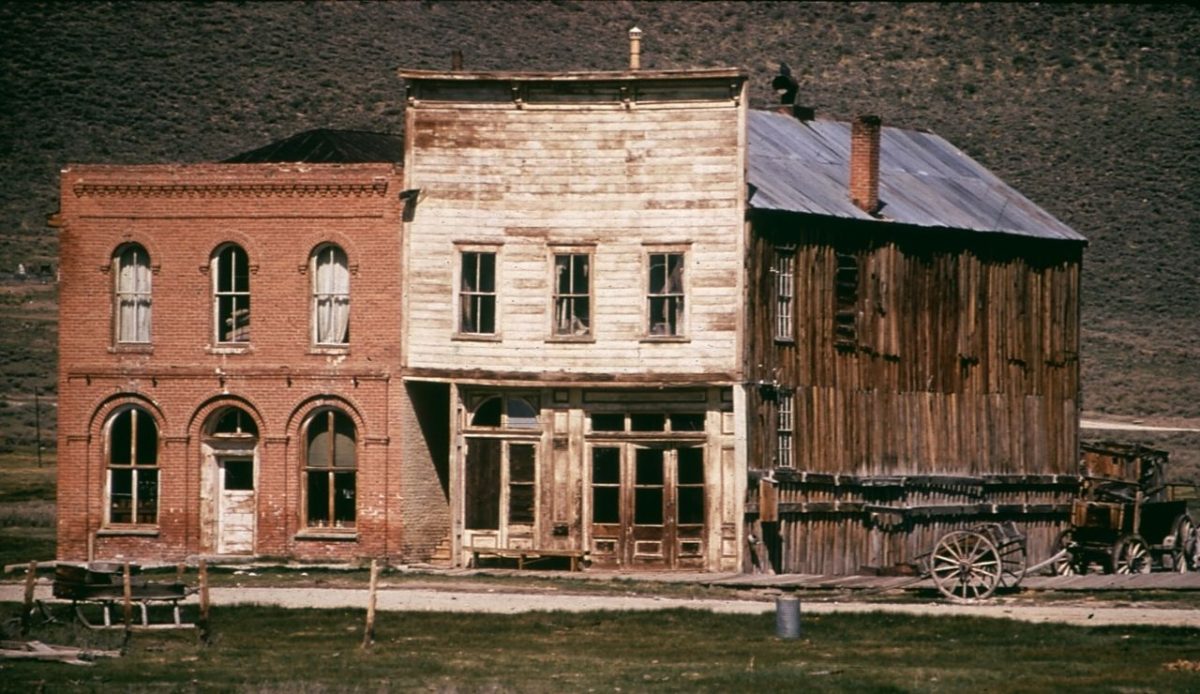
Bodie grew into a gold-mining giant during the late 1800s, with thousands of residents chasing riches in its high desert hills. Fires, harsh winters, and dwindling ore left it abandoned within decades. Now a state historic park, the town remains in “arrested decay,” with houses, schools, and shops preserved in their fragile state. Visitors can peek through broken windows to see dishes on tables and books on shelves, as if life stopped suddenly. It feels frozen between history and silence.
2. Rhyolite, Nevada
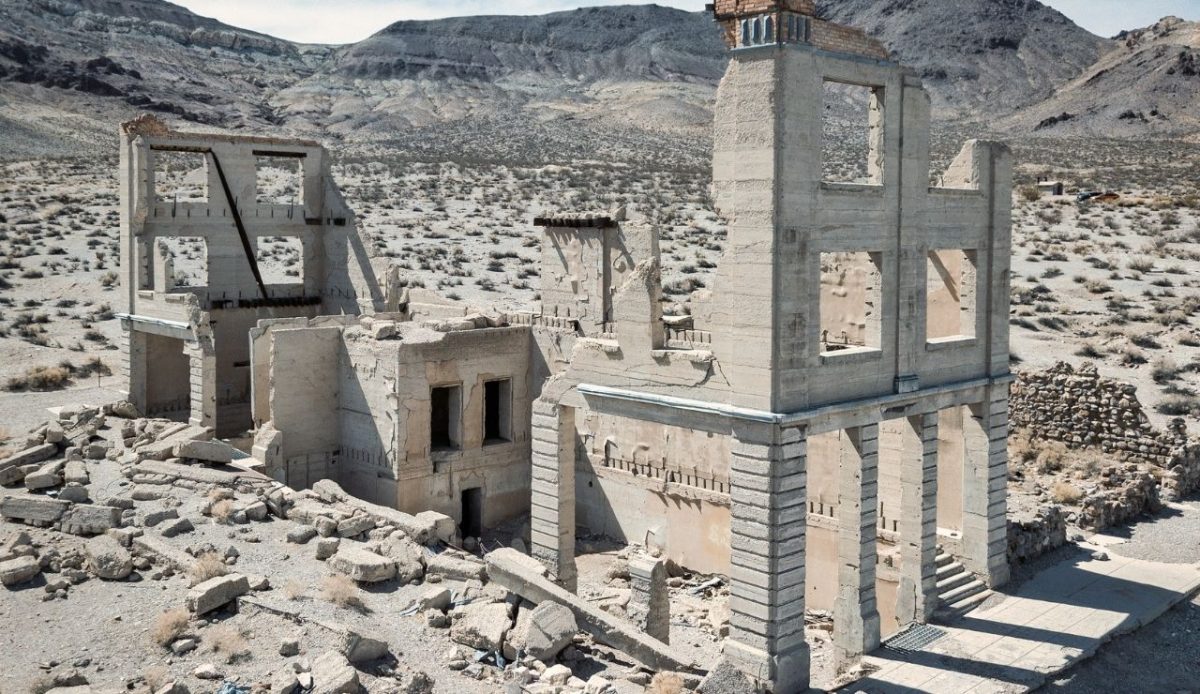
Rhyolite rose from the desert near Death Valley in 1904, after a promising gold strike drew in investors and hopeful workers. Within years, it boasted electricity, a stock exchange, and grand stone buildings. By 1916, the boom was over and the town was deserted. Today, only ruins remain, including the famous bank building and a house made from thousands of glass bottles. Its wide desert backdrop and skeletal walls make it one of the most photographed ghost towns in the West.
3. Bannack, Montana
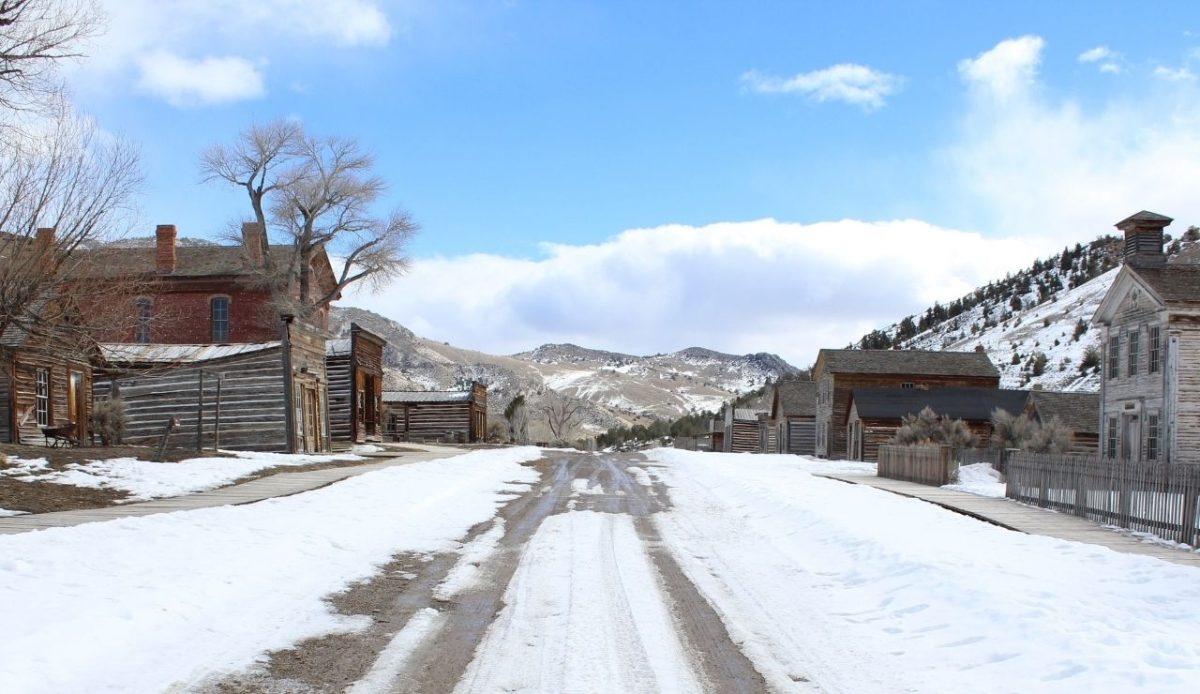
Founded in 1862 after gold was discovered in Grasshopper Creek, Bannack quickly became Montana’s first territorial capital. For a time, it thrived with saloons, hotels, and a lively main street. But as nearby mines ran dry, people moved on, leaving weathered log buildings behind. The state eventually turned Bannack into a park, carefully preserving its wooden sidewalks, schoolhouse, and jail. Walking through the quiet streets gives visitors a direct sense of frontier life, stripped of noise and distraction.
4. Jerome, Arizona
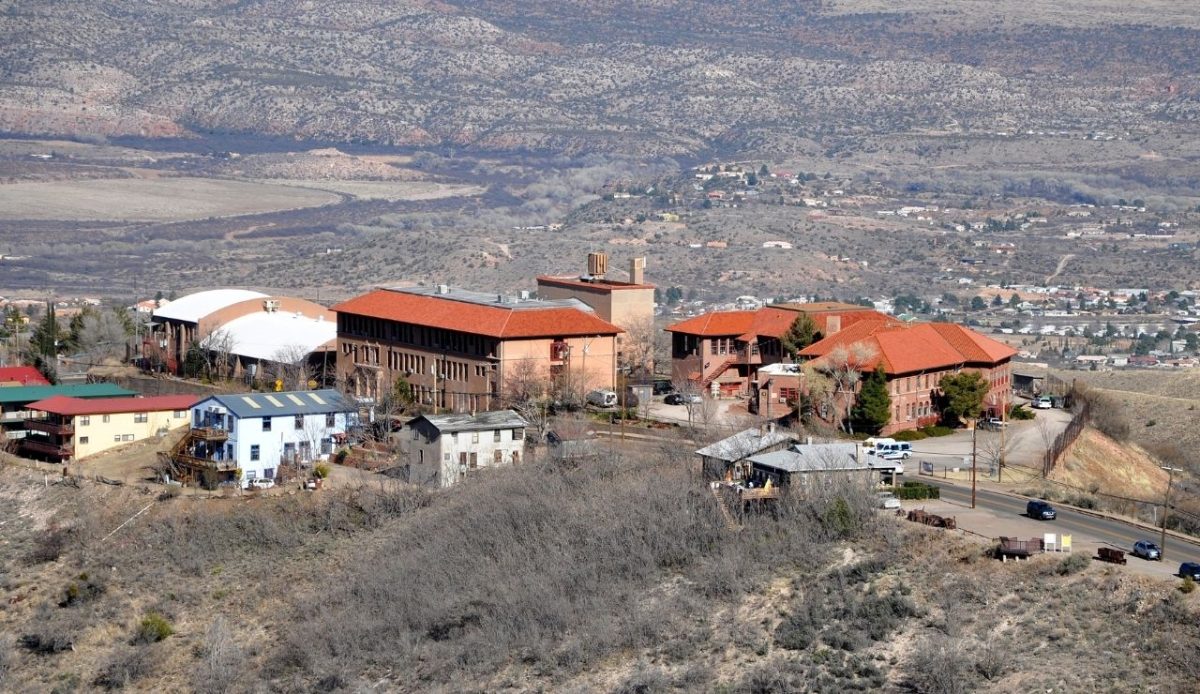
Set high on Cleopatra Hill, Jerome grew into a bustling copper town with saloons, hotels, and shops lining its steep streets. By the 1920s, thousands lived here, but the copper market collapse sent many packing. What followed was decades of near abandonment, leaving leaning wooden homes and empty storefronts behind. Today, visitors walk through restored buildings, browse art galleries, and hear local legends of haunted hotels. Teens often connect with its eerie energy, while nostalgic travelers see a community that refused to vanish completely.
5. Garnet, Montana
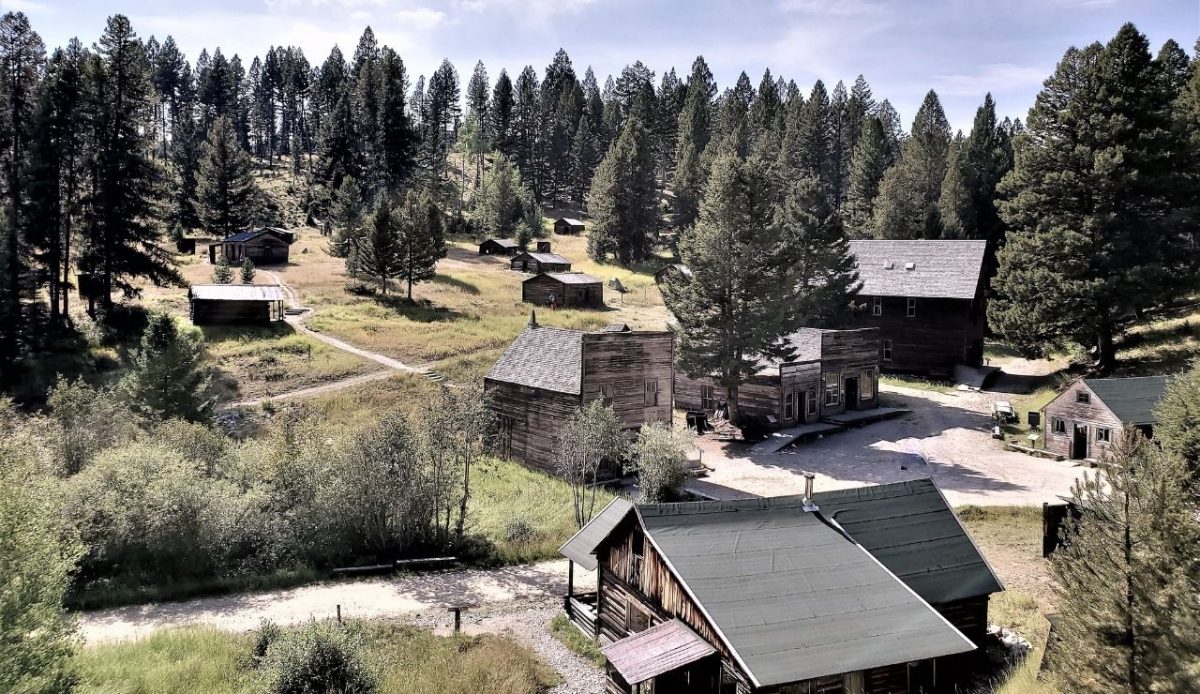
Hidden in the mountains of western Montana, Garnet offers one of the best-preserved ghost town experiences. Built in the 1890s during a mining surge, it grew quickly with hotels, saloons, and more than a thousand residents. When the gold ran out, people left, and the forest began reclaiming the town. What remains is a collection of log cabins, schoolrooms, and shops that feel frozen in time. Unlike more commercialized sites, Garnet feels raw and quiet, giving visitors an authentic walk into the late 19th century.
6. Kennecott, Alaska
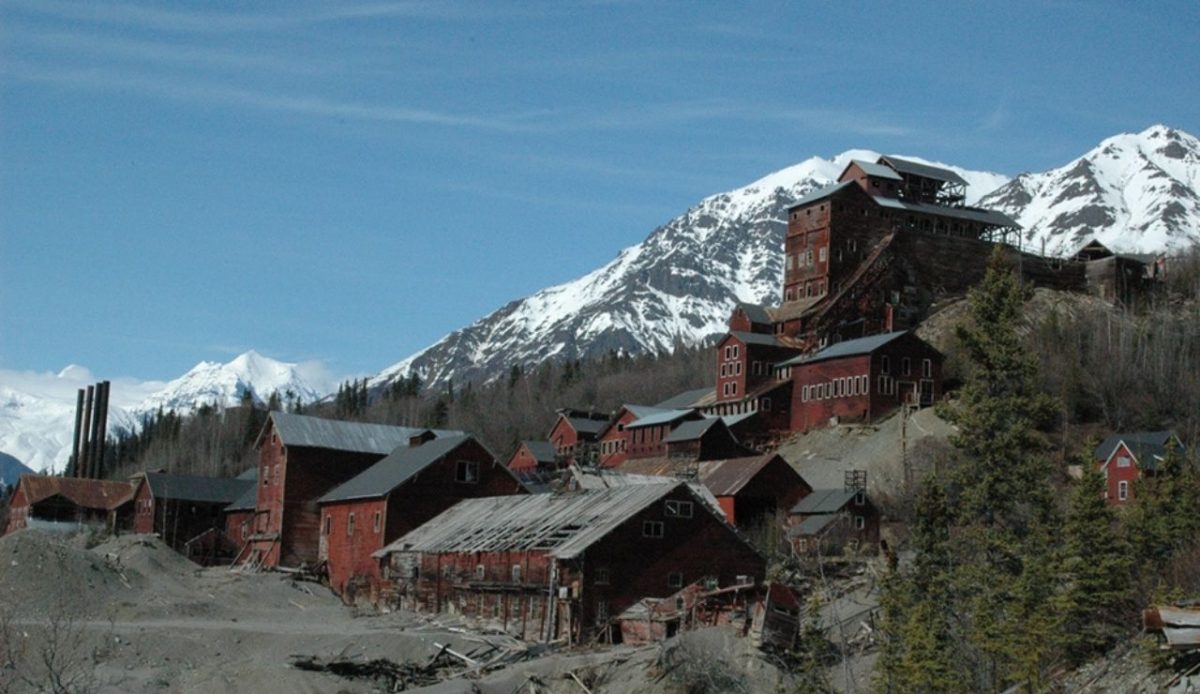
Deep inside Wrangell–St. Elias National Park, Kennecott, once stood as a powerful copper mining hub. At its peak, it had a hospital, school, and even an ice rink for workers and their families. When the mine closed in 1938, the community emptied almost overnight, leaving striking red mill buildings against a backdrop of ice fields and mountains. The National Park Service now protects the site, and tours take visitors through processing plants and weathered homes. Its mix of rugged wilderness and industrial ruins makes it unforgettable.
7. Calico, California
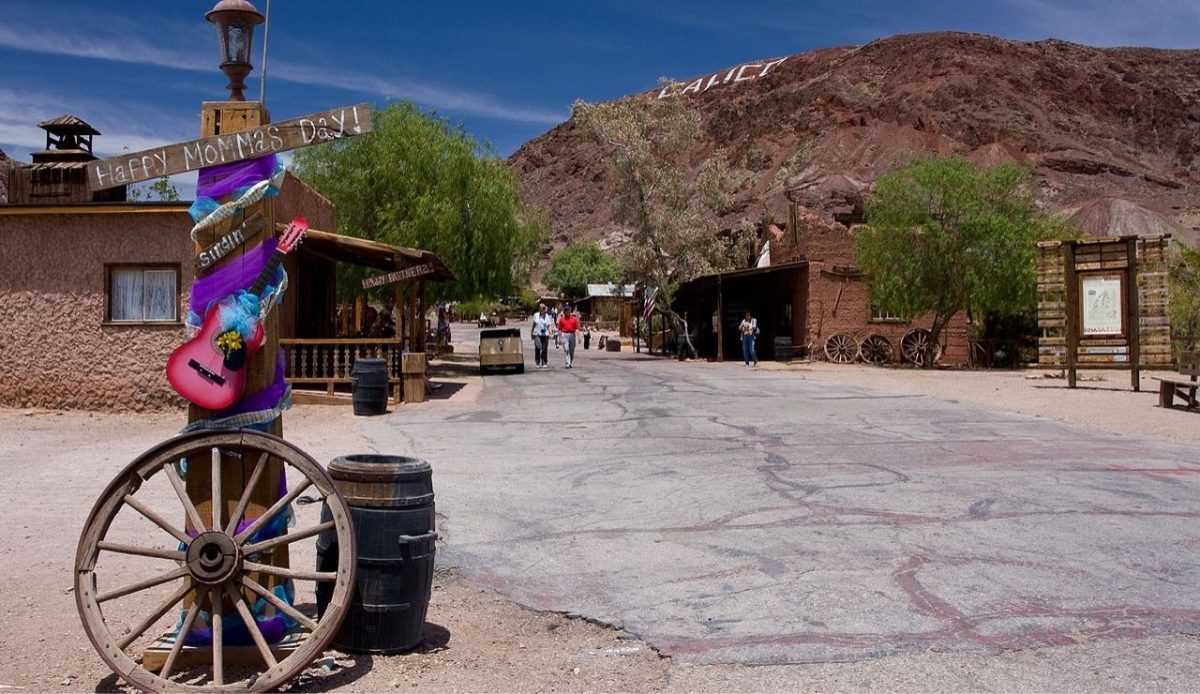
Founded in 1881 during a silver boom, Calico grew into a lively town of hundreds, with saloons, dance halls, and busy streets. When silver prices collapsed in the 1890s, residents left quickly, and Calico became almost empty. Later, it was restored to show visitors what a true Western mining camp looked like, complete with old storefronts and tours of the mine tunnels. Families often stop here for its mix of history and staged attractions, while teens enjoy the chance to walk through a setting that feels like a frontier theme park with real roots.
8. St. Elmo, Colorado
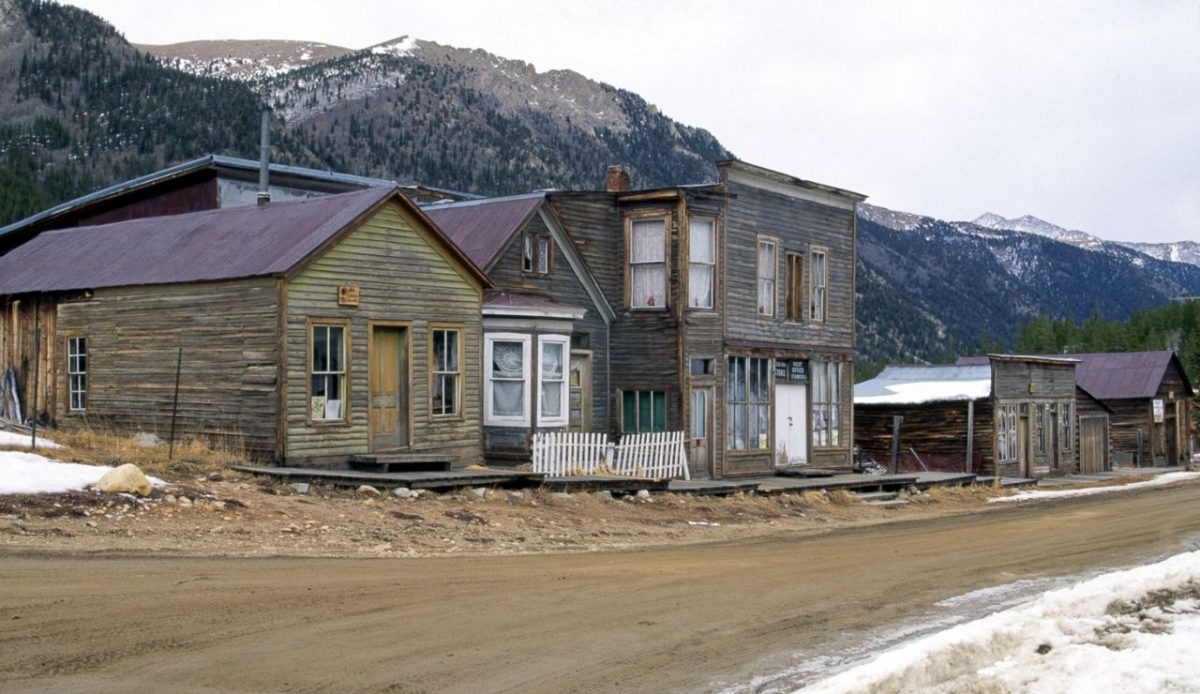
St. Elmo began as a mining community in 1880, drawing hundreds of people to its main street lined with shops, hotels, and saloons. When the mines closed in the early 1900s, nearly everyone left, leaving behind log cabins and a striking row of buildings that still stand today. Visitors are often surprised by the quiet beauty of the town, with mountains rising in the distance. The chipmunks that scurry freely through the area add a playful touch, making it memorable for teens and nostalgic travelers alike.
9. Ruby, Arizona
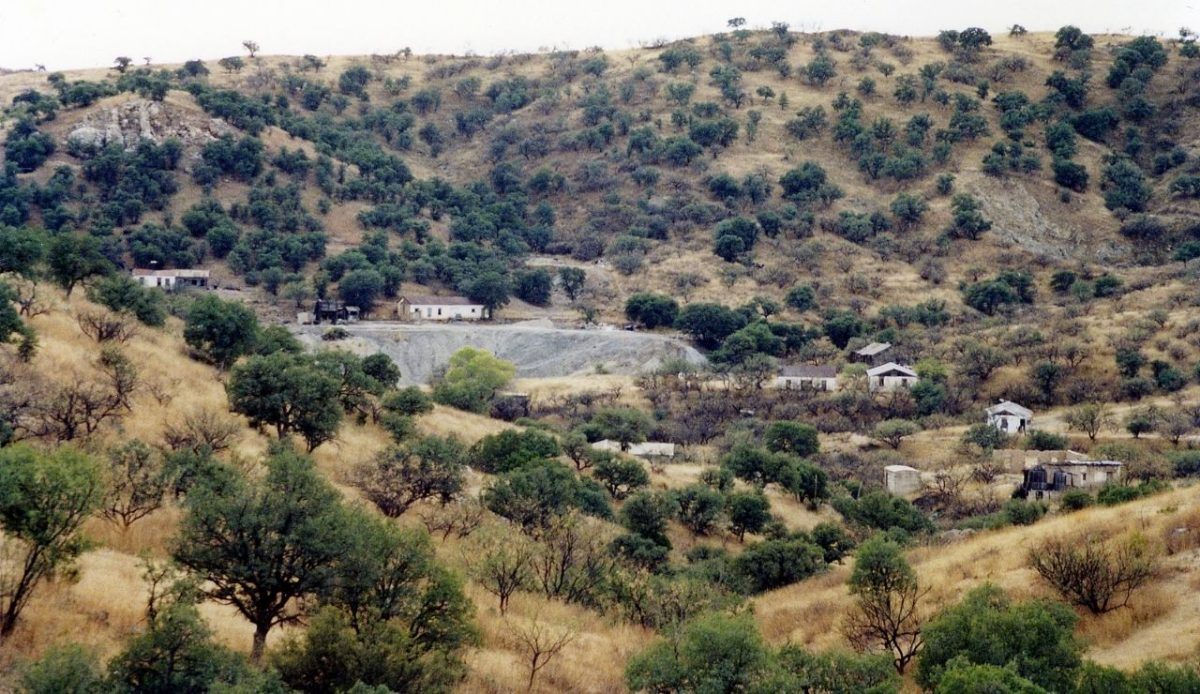
Nestled in the hills near the Mexican border, Ruby was once a bustling mining town rich in gold, silver, and lead. At its peak, more than a thousand residents filled the valley, supported by a general store, school, and post office. As the mines closed in the 1940s, the town emptied almost overnight. Today, visitors can walk through dozens of adobe and wooden structures still standing, giving Ruby one of the most complete ghost town layouts in the state. Its remote setting adds to its haunting beauty.
