
Many visitors plan for crowds and transport delays, but local fines are rarely considered until a ticket is in hand. In Europe, city councils and park authorities use penalties to protect heritage sites, prevent injuries, and reduce nuisance behavior that strains daily life. Actions that seem normal, such as taking a photo break on the steps, rinsing your feet in a fountain, or carrying a beer outdoors, can violate posted rules. Enforcement is often done on the spot, and payment may be requested immediately. The sections below cover nine fines that commonly catch travelers off guard, and note safer alternatives.
1. Venice, Italy, Ground Seating And Snacks

Venice restricts sitting or eating on the ground and on certain steps, bridges, monument bases, quays, and walkways, especially along crowded routes. The aim is to protect soft stone and keep lanes clear for residents, deliveries, and emergency access. If a visitor pauses with snacks or a drink in a prohibited area, fines of around 100 to 200 euros are commonly issued by local police. Warnings are not always given, and busy days bring more checks near canals and squares. Choose a café table or a designated bench, and keep takeaway food moving. Even resting on a low wall can be treated the same way.
2. Rome, Italy, Entering Historic Fountains
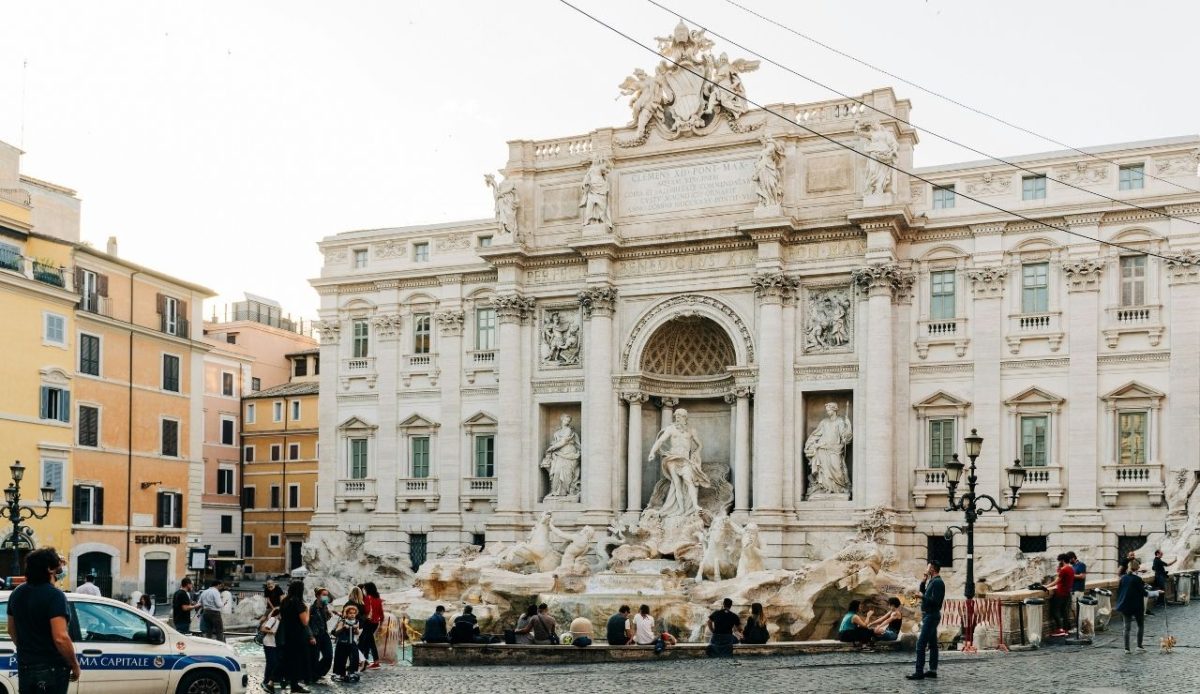
Rome treats many historic fountains as protected monuments, not public water features, so entering the basin or placing feet in the water can lead to a fine. Tourists are often surprised because the act feels minor, especially during hot weather, yet damage and contamination risks are taken seriously. Fines around 450 euros have been reported for fountain incidents, and enforcement increases near major sites when crowds gather in the evening. Keep a respectful distance, use a refill point for water bottles, and cool off in shaded areas instead. In some cases, a person may be escorted away and identified for paperwork.
3. Cinque Terre, Italy: Improper Hiking Footwear
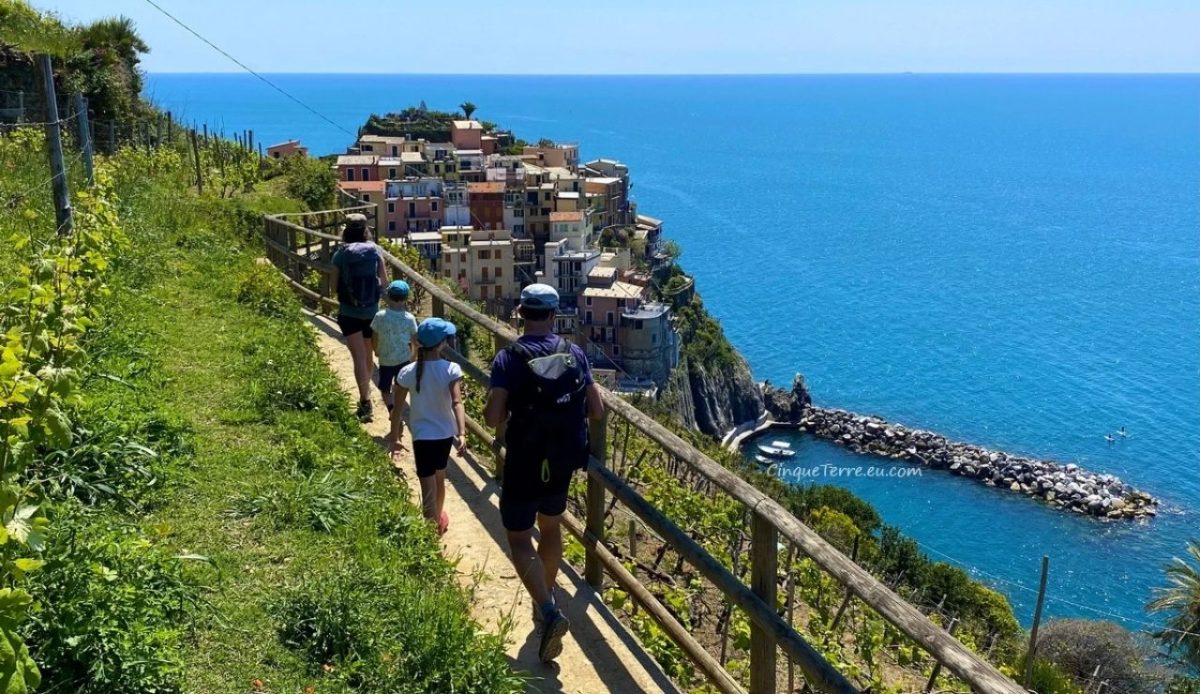
Cinque Terre National Park fines hikers who use unsafe footwear on steep trails, including flip flops, open sandals, and smooth-soled shoes. The rule is tied to real injury patterns on narrow paths with loose rock and sudden drops, where rescues are costly and dangerous. Checks are sometimes performed at trail access points during peak months, and penalties can range from about 50 euros up to 2,500 euros depending on conditions. Wear closed shoes with tread, carry water, and avoid routes that are posted as difficult after rain. Trails can also be closed, so verify the status before starting a hike.
4. Portofino, Italy, Lingering In No Waiting Zones

Portofino has used marked no-waiting areas to reduce bottlenecks caused by selfie stops on narrow lanes and viewpoints. Unlike a simple no-parking sign, the target is lingering, which blocks foot traffic and creates safety issues on slopes and near the harbor edge. Visitors who stop for too long in these zones may be fined, with reports commonly placing amounts in the tens to a few hundred euros, roughly 68 to 275. Step aside into wider spaces, keep groups compact, and take photos quickly without forming a line behind you. Signage is small, so scan poles and walls before you pause during peak hours.
5. Barcelona, Spain: Drinking Alcohol In Public

Barcelona restricts drinking alcohol in many public spaces, and enforcement tends to focus on areas where street drinking leads to noise, litter, or conflict. Tourists are often caught because buying a beer at a shop and opening it on the sidewalk can feel normal in a vacation mood. Fines may start around 30 euros for unauthorized public drinking, and higher penalties can be applied when behavior disturbs public order. To stay safe, drink at licensed terraces, follow beach rules, and keep containers sealed until you are in a permitted venue. Popular nightlife blocks are watched closely, so a quick sip outside can still be noticed.
6. Dubrovnik, Croatia, Wearing Swimwear In The Old Town

Dubrovnik expects beachwear to stay near the shore, and walking through the Old Town in swimwear can trigger a fine under local decency rules. Visitors may not realize the historic center is also a neighborhood with workplaces, schools, and homes, not only a scenic backdrop. Penalties were widely reported in the pre-Euro period at roughly 500 to 1,000 kuna, and the message remains the same after currency changes. Carry a light cover-up, change before entering the walled city, and save swim attire for the beach zone. On cruise ship days, checks are more likely as crowds spill into the main streets.
7. Prague, Czechia, Public Drinking In Restricted Zones

Prague bans alcohol consumption in many designated public zones, including parts of the historic center and areas around transport hubs. Travelers are surprised because they may see bars nearby and assume the same drink is allowed outdoors, yet the boundary can change by street. Police can issue on-the-spot fines that are commonly listed up to 1,000 Czech koruna, and further penalties may follow if the situation escalates. Check posted notices, avoid open containers near stations and squares, and move inside a licensed venue if you want to drink. A municipal map is available online, but signs at street level matter most.
8. Germany Crossing At A Red Pedestrian Signal
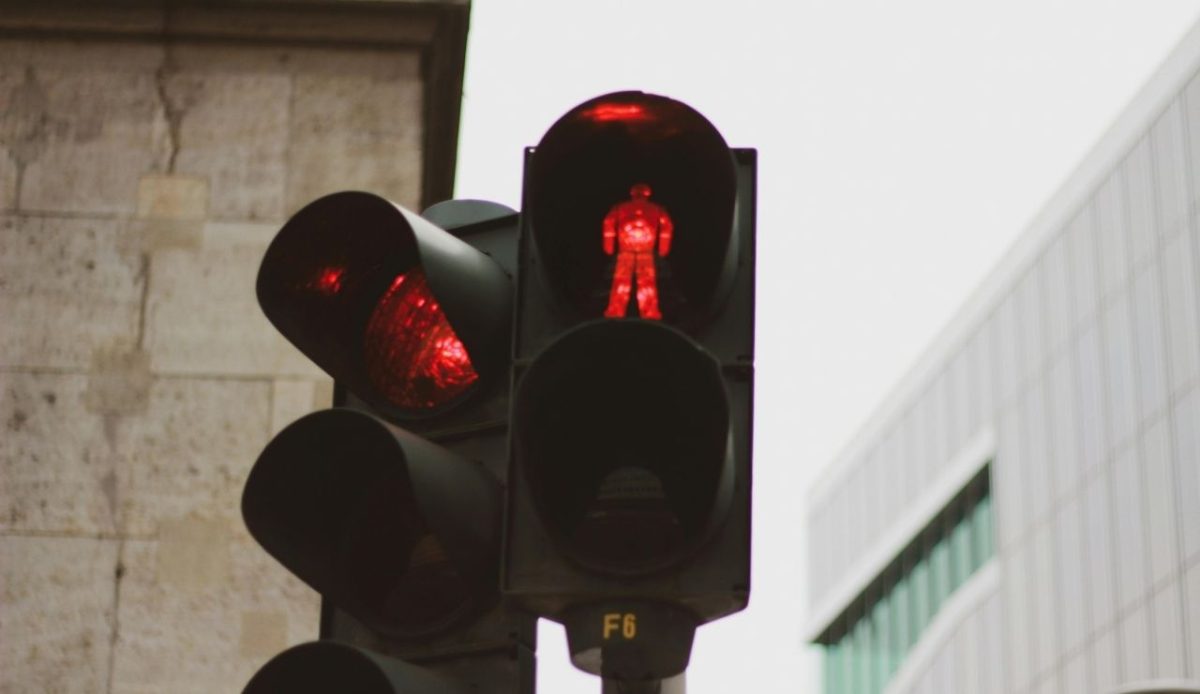
In Germany, pedestrians are expected to obey crosswalk signals, and crossing on red can bring a fine even when no cars seem near. This surprises visitors from places where informal crossing is tolerated, but traffic discipline is treated as a public safety norm. Typical fines are about 5 euros, and they can rise to around 10 euros if an accident occurs or if others are put at risk. Wait for the green figure, use marked crossings, and be extra careful when traveling with children who may copy your choice. Police checks are common in city centers, and a collision with a cyclist can complicate liability.
9. Basel, Switzerland, Littering Small Items

Basel enforces strict anti-littering rules, and even small items like cigarette butts, gum, or snack wrappers can lead to a fine. Visitors often assume minor waste will be overlooked, yet cleanliness standards are treated as a shared obligation in Swiss cities. Fines around 100 Swiss francs have been cited for littering, and enforcement can occur near tram stops, river paths, and busy squares. Use public bins, keep a pocket bag for trash when bins are full, and do not leave waste beside containers because it still counts as litter. Many streets provide ashtrays and bins, so a defense of convenience is rarely accepted.
