
Rolling suitcases seem harmless until hard wheels hit old stone at dawn. In parts of Europe, resident pressure and overtourism debates have pushed officials to respond, though true bans are rare. What is being done usually falls into three buckets. Campaigns that ask visitors to carry bags in sensitive zones, rules that limit wheeled items on protected stairways and bridges, and conduct ordinances that target obstruction when luggage blocks narrow lanes. The cities below show the most documented actions and the clearest reality checks. Visitors can reduce complaints by carrying bags in quiet hours and using porters when offered.
1. Dubrovnik, Croatia

Dubrovnik became the poster child for suitcase backlash after residents complained that wheel noise echoed off limestone walls in the Old Town. City messaging asked arriving guests to avoid dragging bags through the core and promoted luggage transfer services that keep cases outside the walls until check-in. Enforcement has been described as education first, with noise rules already on the books if a disturbance is created late at night. The practical result is a strong social signal that rolling should be limited. Hotels were asked to brief guests, and many routes now point travelers toward flatter entries where wheels make less racket.
2. Venice, Italy
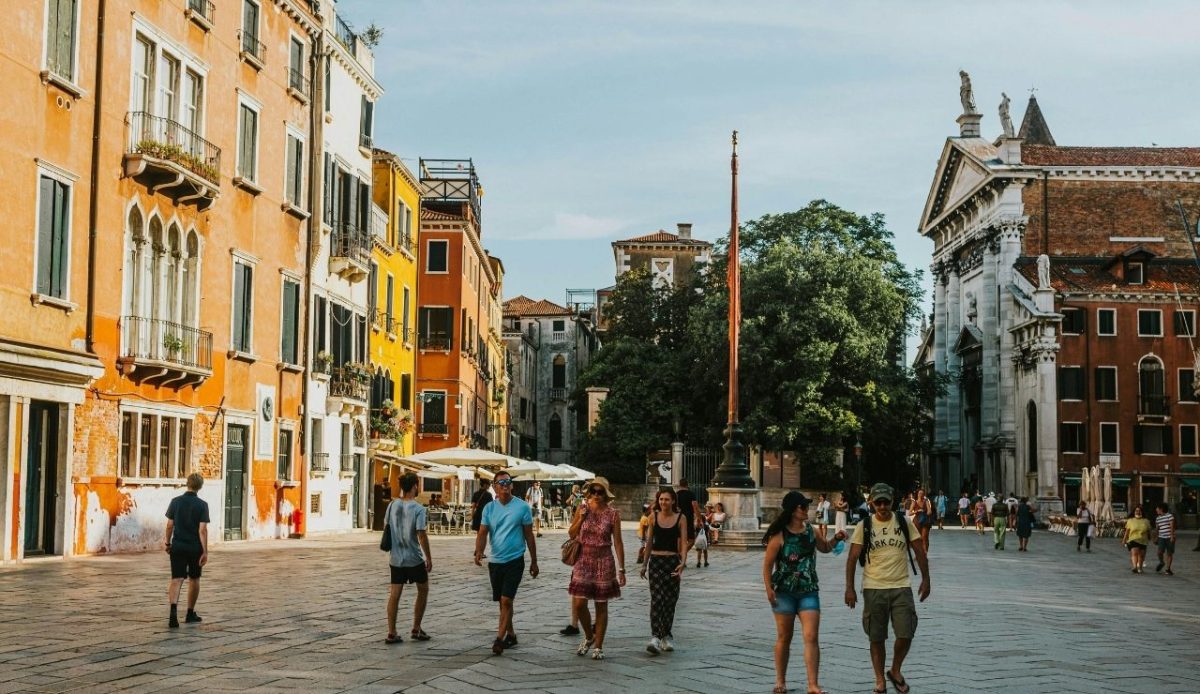
Venice has long tried to protect bridges and paving from heavy wheeled traffic. The best-known headlines about banning suitcases came from proposals and media reports, yet tourists still roll bags daily. What has been restricted consistently is the use of large trolleys and carts on certain routes, since the city depends on narrow passages and stone steps. Visitors are pushed toward waterbus stops, and porters help so cases are not bounced down stairways. The pressure is real, even when a blanket ban is not in place. Neighborhood groups have pushed for quiet hour norms, so early arrivals are often advised to lift bags rather than drag them.
3. Rome, Italy

Rome links suitcase rules to monument protection rather than street noise. City decorum regulations tied to historic sites have targeted behavior that chips stone, including dragging wheeled luggage down famous staircases. Around places like the Spanish Steps, visitors can be stopped if bags are pulled or bounced on the steps, and signage has been used to explain the preservation goal. Most sidewalks still allow wheels, yet bags are expected to stay off protected stairs and sensitive marble zones. Travelers who arrive by rail often choose taxis, buses, or a short carry to avoid conflict in crowded pedestrian corridors.
4. Portofino, Italy

Portofino’s recent tourist conduct ordinance does not ban rolling wheels, but it does name suitcases as part of a broader effort to keep tiny public spaces moving. The rule allows fines when people linger in key areas with luggage and other bulky items, which can jam the harbor front and narrow lanes. In practice, the message is that bags should be moved directly to a hotel or left in storage, not used as props while waiting for photos. It is a crowd control tool aimed at peak season pressure. Visitors arriving on day trips are being steered toward timed movement, so wheels that stop and start repeatedly are less tolerated.
5. Hydra, Greece

Hydra takes the hardest line on wheels, though the target is transport rather than luggage. A long-standing decree bans most wheeled vehicles, keeping streets as stairways and stone paths. For visitors, that reality turns rolling suitcases into a practical problem and sometimes an enforcement issue if wheels are treated as vehicles in certain contexts. Hotels often arrange porters and pack animals for heavy loads, and travelers are told to bring backpacks or duffels that can be carried up steep lanes. The crackdown is built into daily life. Even rollers can struggle on uneven steps, so lightweight packing is rewarded when the ferry docks.
6. Florence, Italy
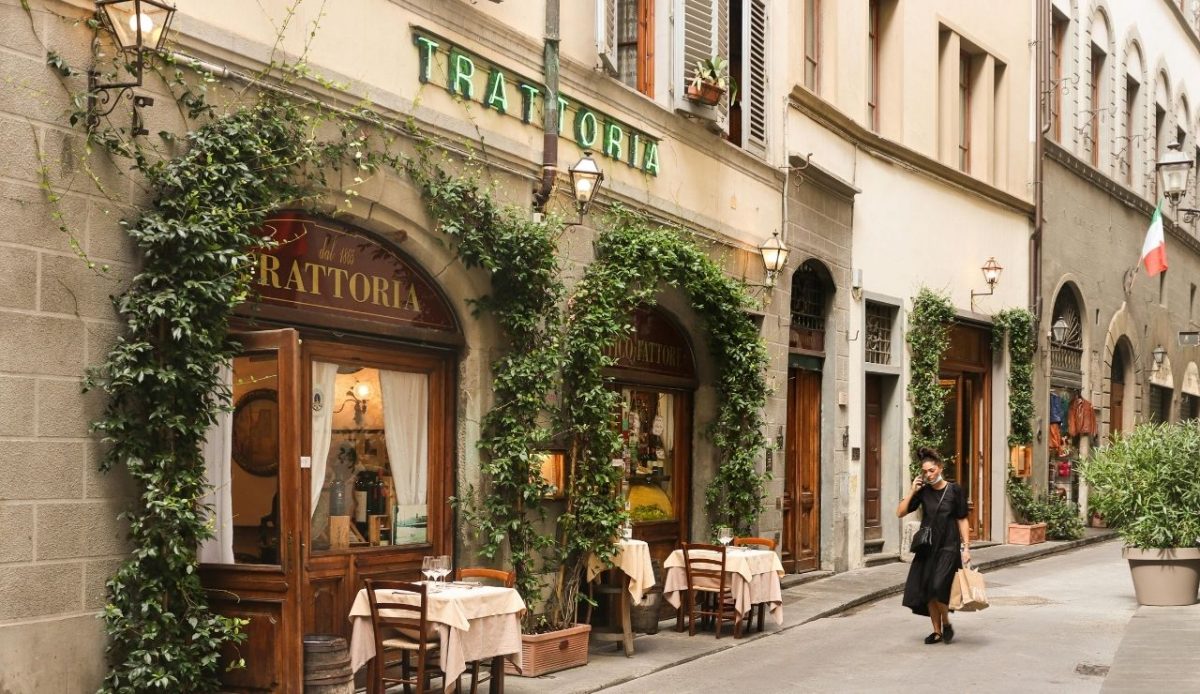
Florence is often grouped into suitcase ban talk because its historic center is dense, residential, and full of stone paving that amplifies wheel chatter. Instead of a specific law, the city relies on standard public order rules for noise at night and on policing of crowding around monuments. Many hotels now encourage guests to avoid late arrivals with hard wheels and to use taxis from Santa Maria Novella when luggage is heavy. The pressure feels like a crackdown, yet it is mostly managed through existing ordinances and accommodation policies. Softer wheels or a carry bag draw fewer complaints in the tight lanes.
7. Barcelona, Spain
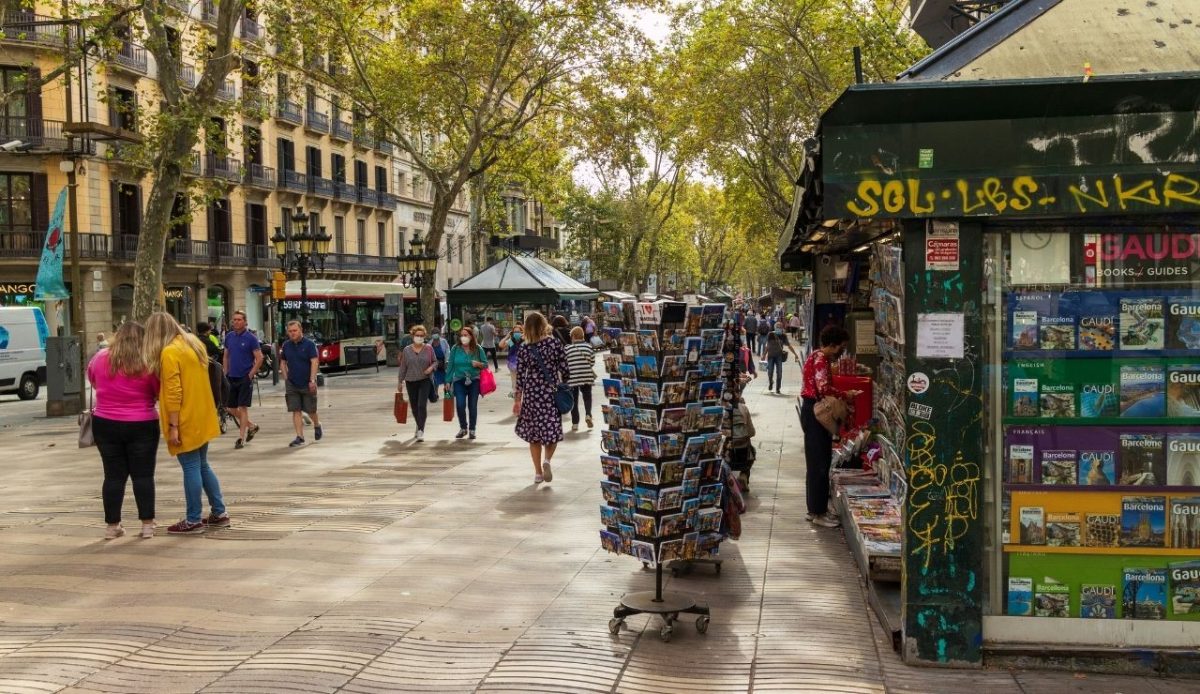
Barcelona’s tourism debates center on late-night noise and blocked sidewalks in the oldest quarters, where wheels can add a sharp rattle to already busy streets. No citywide rule bans rolling luggage, but enforcement against public disturbance has been strengthened in areas that pack bars, rentals, and homes together. When complaints rise, officers can act on noise and obstruction, and that can include travelers dragging bags at quiet hours or stopping in doorways. Many properties now steer arrivals toward day check-ins and smoother routes from transit to reduce friction with neighbors. This approach has spread.
8. Amsterdam, Netherlands
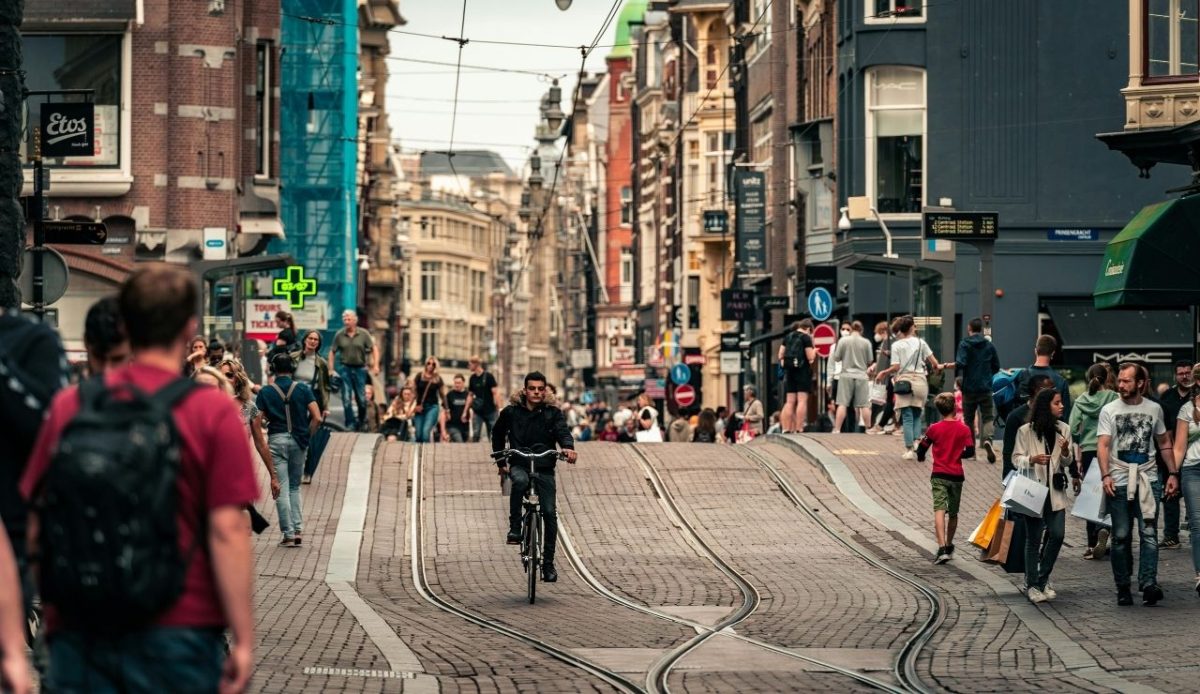
Amsterdam’s visitor rules have tightened around livability in the canal belt, where short-term rentals and party traffic have raised the stakes for residents. Suitcase wheels are not regulated on their own, yet the city’s broader push against nuisance behavior has changed how luggage is handled in practice. Hosts and hotels regularly warn guests about quiet hours, staircases, and narrow bridges, and complaints can trigger checks when groups block sidewalks while rearranging bags. The message is simple: move luggage quickly, keep voices down, and avoid rolling over bricks at night when sound carries across water.
9. Prague, Czechia
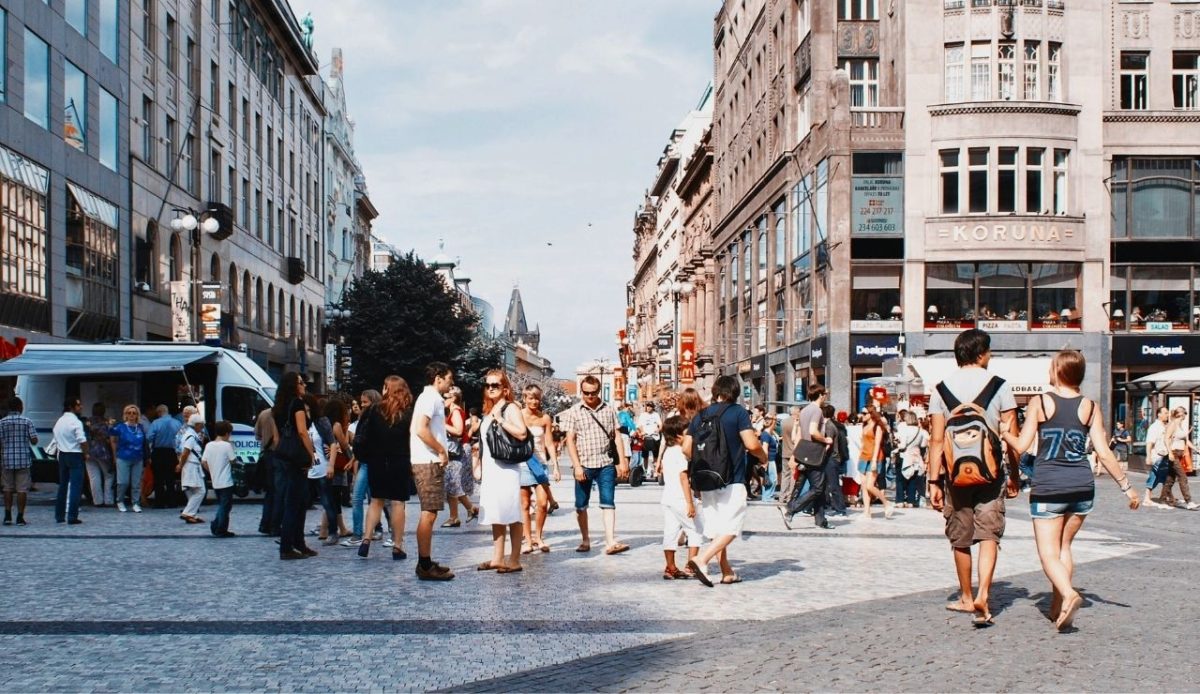
Prague’s Old Town has seen rising frustration with noise from nightlife and tour groups, and suitcase wheels add to the early morning clatter on cobbles. Despite recurring online claims, a specific rolling suitcase ban has not been widely documented as an active city policy. Instead, nuisance rules and police patrols are used when conduct crosses the line, and some accommodations require set check-in windows to prevent dawn arrivals. For travelers, the safest assumption is that rolling is allowed, but dragging loudly past apartment doors can bring warnings and a fast request to lift the bag for the last block.
