
Points and miles can help reduce travel costs, but the rules governing them can penalize even small mistakes. Each airline, hotel, and bank program sets its own limits on transfers, award pricing, expiration clocks, and cancellation fees. Those terms decide whether a redemption saves cash or leaves points stuck in the wrong account. Before making any transfer or booking, travelers should confirm availability, understand the timing, and verify the full out-of-pocket total price. It also helps to know how discounted fares are earned, what triggers expiration, and how closing a card can affect balances. With these basics, choices become safer and more repeatable.
1. Transfers To Partners Are Usually Irreversible

When bank points are sent to an airline or hotel partner, the move is usually final. After the transfer posts, points cannot be pulled back into the bank wallet, even if plans change. To reduce risk, the award space should be checked first, and the loyalty account should be linked and name matched in advance. Transfer only what is needed for that one booking, then complete checkout immediately. If the program offers a hold, it can be used while points are moved. Confirm the transfer ratio, too, since some partners require rounding that can leave leftovers behind. Act fast once space appears before it is repriced.
2. Transfers Do Not Always Happen Instantly

Some transfers post in seconds, but others are delayed by partner systems, security checks, or first-time setup. Weekend and holiday processing can slow posting, and an account mismatch can cause a transfer to be rejected. While you wait, the award seat you saw can be booked by another traveler or pulled from inventory. That is why the booking process should be prepared first, with traveler names, passport details, and dates entered. If the program allows holds, use them. A small test transfer can be done earlier to confirm the link works. Some travelers keep a refundable cash ticket as a backup until the award is ticketed.
3. Award Tickets Still Require Cash Payments

An award ticket is rarely free at checkout. Government taxes are collected, and on some international routes, carrier-imposed surcharges can be added. Those charges vary by airline, cabin, and departure country, so the same miles price can hide very different cash totals. Before transferring points, price the award all the way to the payment screen and note the cash amount per traveler. One way awards can still carry big fees, and a positioning flight may add more taxes. For hotels, resorts, or destination fees may still be charged even on points stays, depending on the brand. Also, check if foreign currency conversion fees will apply.
4. Some Low-Cost Tickets Earn Fewer Or No Miles

Earning rules matter before you even redeem. Some discounted tickets earn fewer miles, and certain basic economy fares can earn none at all. That can reduce future award options and slow progress toward elite status, where upgrades and fee waivers are given. Before buying the lowest fare, check the airline’s earning chart for your booking class and whether credit is based on distance or spending. Also, confirm that tickets bought through third-party sites or codeshares will earn as expected. Keep the receipt and fare code, since missing credit often must be requested after travel. Posting can take days.
5. Closing A Credit Card Can Erase Your Points
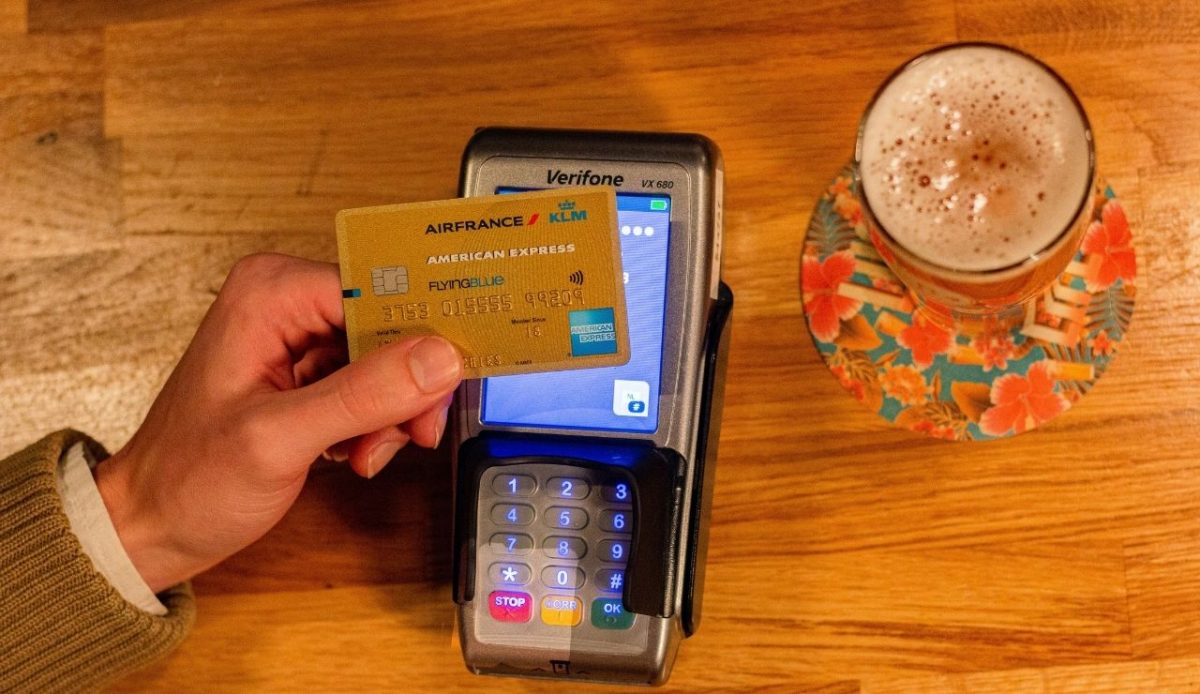
Credit card rewards can depend on the account staying open. If a card is closed, points may be forfeited, or access may be lost if they were not used in time. Some issuers give a short window after closure, while others remove points immediately, so the terms should be read before action is taken. Before canceling, points should be redeemed, transferred to an eligible partner, or combined into another active account if allowed. A downgrade can keep the rewards profile active while lowering cost. If you cash out, compare values because statement credits can be weaker. Planning the exit prevents avoidable loss.
6. Loyalty Program Rules Can Change Anytime
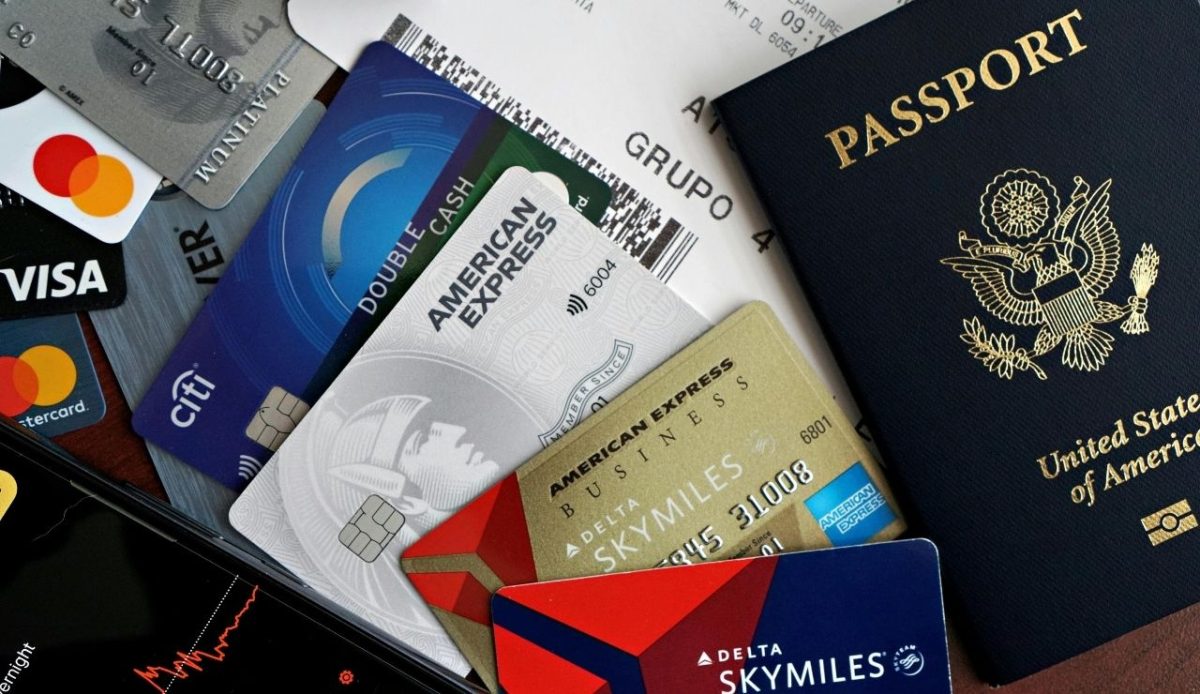
Points are not a stable currency. Airlines and hotels can change award prices, add new fees, or restrict availability, and those changes can be applied without much notice. Partner awards can be repriced, and fixed charts have been removed by many programs, which makes long-term hoarding risky. Because the same balance may buy less later, it is safer to earn with a goal and redeem within a reasonable window. If you are saving for a big trip, track typical award ranges and watch for schedule openings. Keeping points spread across a few programs can reduce the impact if one program is devalued over time.
7. Selling Or Trading Miles Can Lead To Penalties

Most loyalty programs forbid selling or trading miles for cash, gift cards, or services. If those rules are broken, accounts can be frozen, and balances can be removed. Booking an award for a friend is often allowed, but it should be done within the program rules and with clear records. Avoid sharing logins, since unusual access patterns can trigger fraud reviews, and bookings can be canceled. Be cautious with brokers that claim to buy miles, and remember that official transfers can carry fees or limits. Protect your account by earning and redeeming only through approved channels. It is safer to say no.
8. Portal Redemptions Have Set Values That Can Change

Bank travel portals let points be used like cash, often at a set value per point, and that can be useful when award space is scarce. However, portal pricing and point values can be changed when card benefits are updated, so yesterday’s math may not match today’s checkout. Before booking, confirm the current redemption rate for your card and compare it with transferring to partners for the same trip. Also, check whether portal tickets earn miles, since some are treated like paid fares. If plans change, cancellations may be handled by the portal agency first, which can add delays during disruptions.
9. Refund And Cancellation Rules Depend On The Program

Refund and change rules depend on the program that issued the ticket or room, not on where the points originally came from. An airline award may allow free redeposit, or a fee may be charged, and some tickets are nonrefundable unless a waiver is issued. Hotel awards can have deadlines too, with late cancellations charged as cash or points. Partner awards add another layer, since the program you used must process changes even if the operating airline changes the schedule. Before booking, read the policy for your fare and property, and save screenshots of the rules shown at checkout. If plans are uncertain, pick options with flexible terms.
