
Some places welcome visitors while carrying evidence of mass death, occupation, or genocide. People go for context, not thrills, and the experience is usually structured by museums, rangers, or guides. These destinations keep artifacts, ruins, and records that show how war reached civilians and soldiers alike. Rules about conduct, photography, and movement are common because the sites are also memorials. The nine locations below are widely visited today and are tied to well-documented wartime events. Planning helps, including timed tickets and reading basic history beforehand, so the visit stays respectful and clear.
1. Auschwitz Birkenau Memorial and Museum
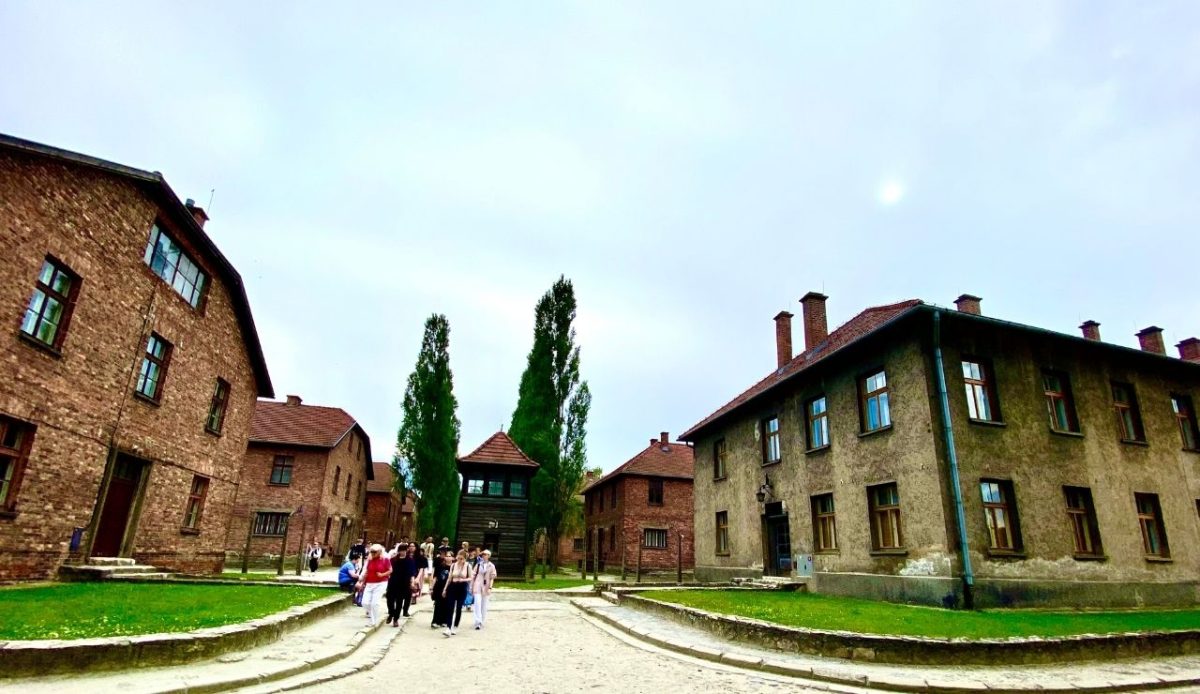
Auschwitz Birkenau near Oświęcim is preserved as the former Nazi German camp complex where mass murder was carried out at industrial scale. Visitors pass the gate at Auschwitz I, then follow the rail approach and barracks at Birkenau to see how detention, selection, forced labor, and killing were organized. Exhibits rely on transport lists, photographs, confiscated belongings, and courtroom evidence, not dramatization. Timed entry and guided paths protect fragile structures while keeping the focus on victims and on the system that enabled the crime. Quiet behavior is expected, and many leave with a clearer sense of scale and responsibility.
2. Hiroshima Peace Memorial Genbaku Dome
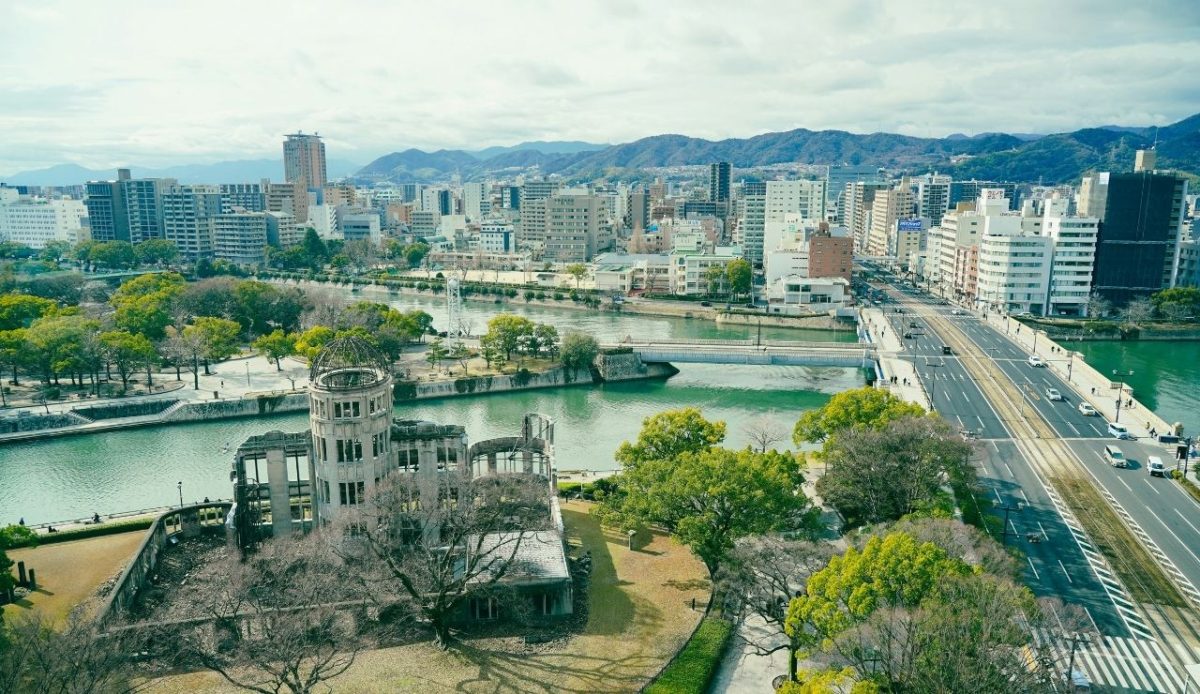
The Genbaku Dome in Hiroshima stands close to the hypocenter of the atomic bombing on August 6, 1945. The skeletal structure was kept as it was found to show the blast’s force without turning loss into spectacle. Nearby, the Peace Memorial Museum presents survivor testimony, city records, and medical findings on burns and radiation exposure. Travelers often pair the exhibits with the park’s monuments and the river setting to understand how ordinary streets became a battlefield in seconds. School groups visit year-round, and annual remembrance events reinforce why civilian targets remain a central ethical issue.
3. Nagasaki Atomic Bomb Museum and Peace Park
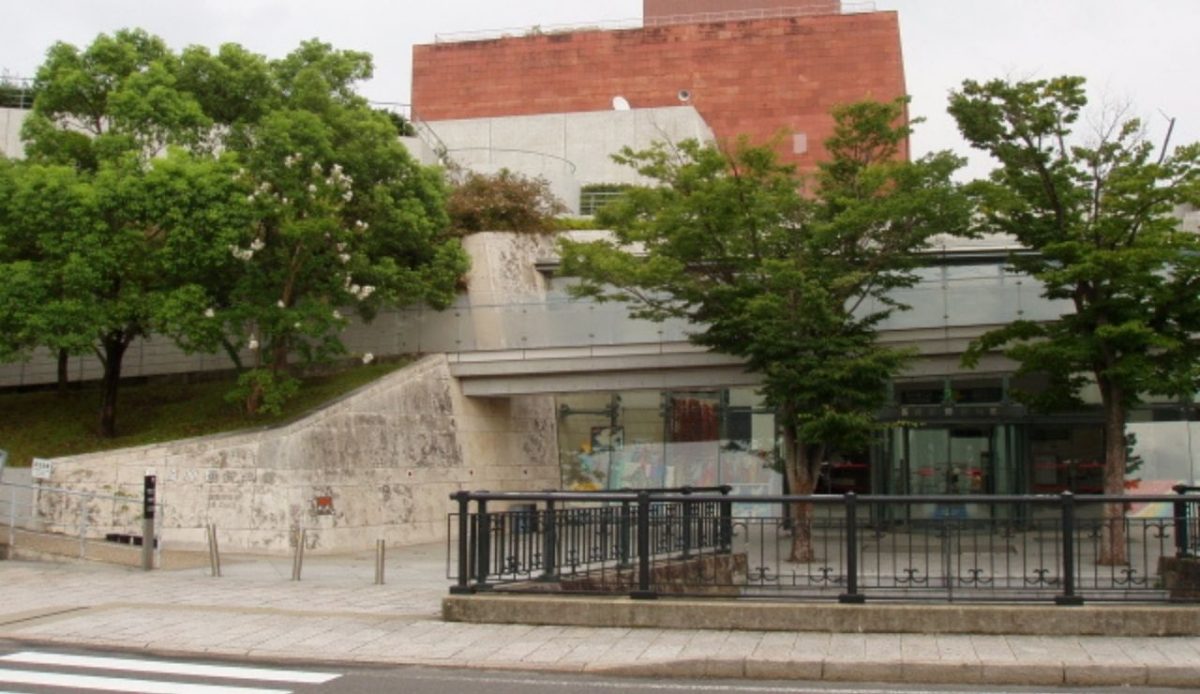
Nagasaki’s Atomic Bomb Museum and Peace Park interpret the detonation on August 9, 1945, and the destruction that followed. Displays include melted objects, photographs, and maps that trace damage across valleys and hills, showing how terrain changed the pattern of impact. Curators use municipal archives and health research to explain injuries, long-term illness, and the lives that continued after the attack. Visitors usually walk between the museum, the hypocenter area, and the memorial statues, gaining a grounded view of the second use of nuclear weapons in war. The visit is quiet, with signage that encourages reflection and careful reading.
4. Pearl Harbor National Memorial
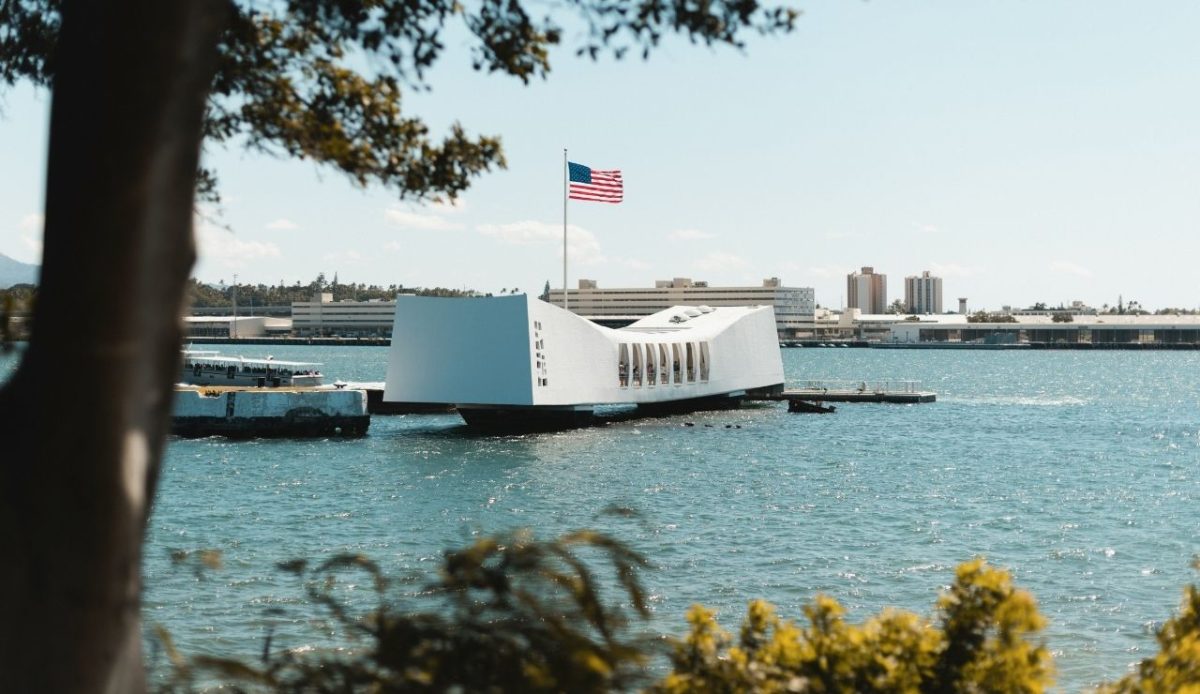
Pearl Harbor National Memorial in Honolulu marks the December 7, 1941, attack that pushed the United States into World War II. Many visitors start with orientation films and galleries that use operational reports, photos, and oral histories to set the timeline. The USS Arizona Memorial spans the sunken battleship where many sailors and Marines died, and fuel still seeps from the wreck. Because it remains a gravesite, movement is controlled, and voices are kept low, which helps visitors treat the site as both history and mourning. Reservations are common, and nearby exhibits on other ships and the wider Pacific war add needed context.
5. Normandy American Cemetery and Memorial
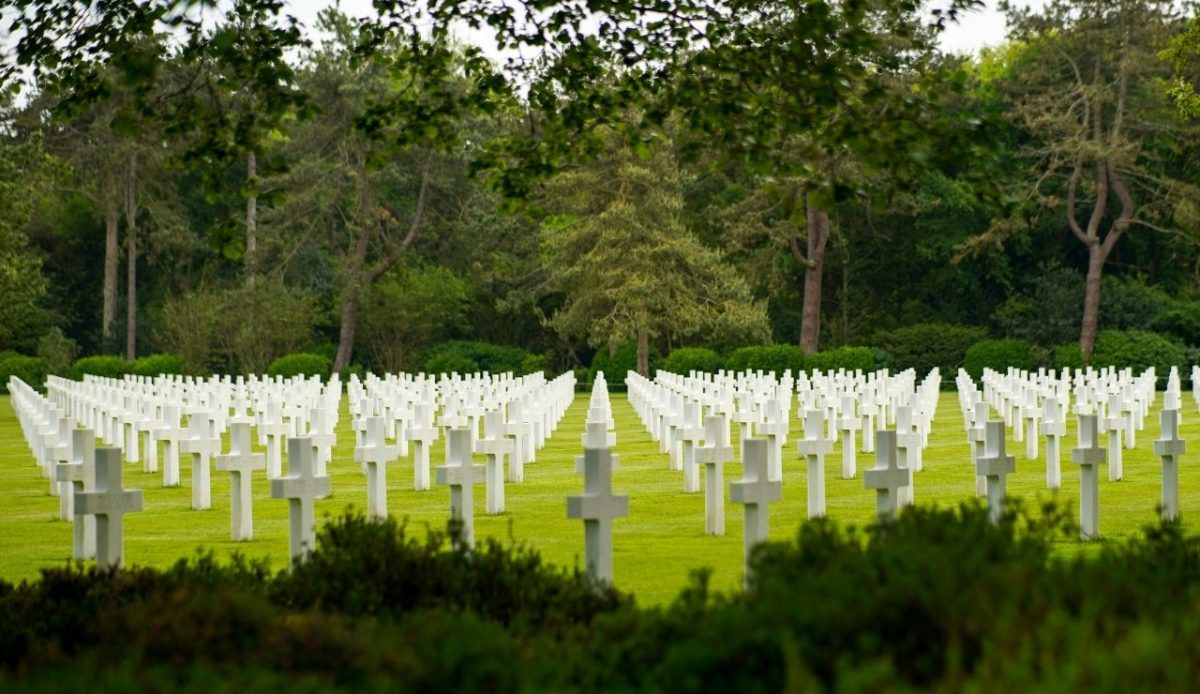
The Normandy American Cemetery at Colleville-sur-Mer overlooks Omaha Beach, linking remembrance to the ground where troops landed on June 6, 1944. Rows of white crosses and Stars of David mark more than nine thousand graves, each connected to service files and family records. The visitor center explains planning, aerial reconnaissance, and the difficult beach assault through maps, film, and recovered equipment. Travelers often walk to the cliff edge and look toward the shoreline to understand distances, exposure, and why casualty numbers rose so quickly that day. Flags are raised and lowered daily, signaling care for a living memorial.
6. Anne Frank House
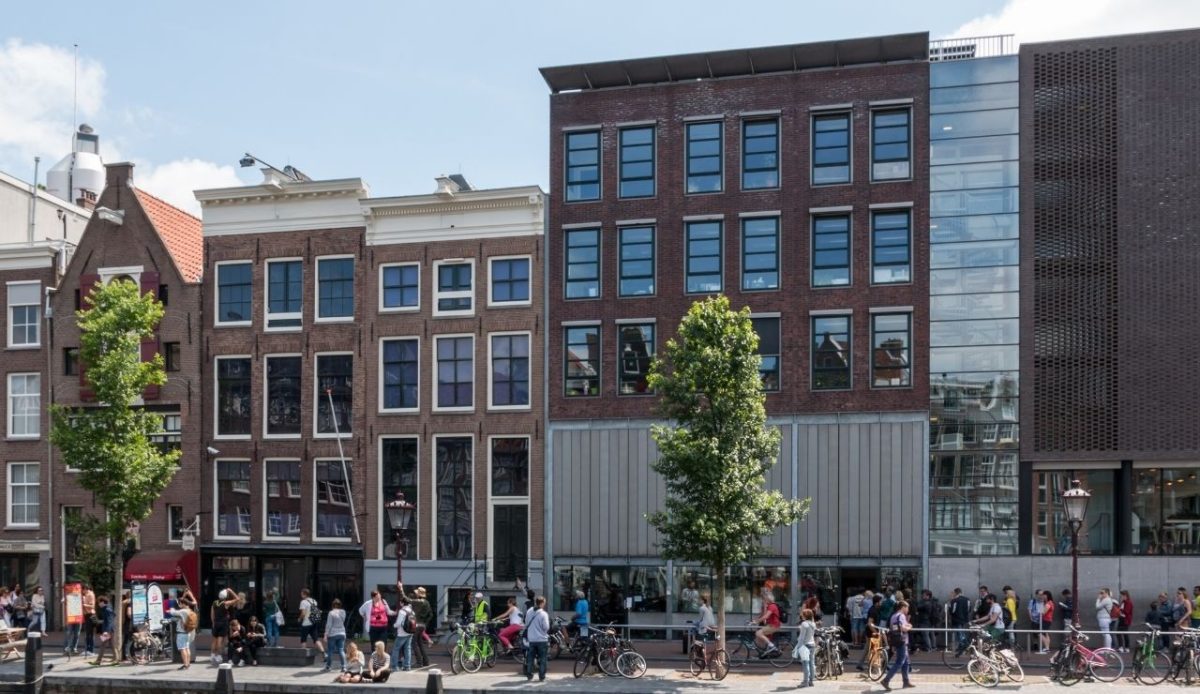
Anne Frank House preserves the Amsterdam canal building where the Frank family and others hid from 1942 to 1944 during Nazi occupation. The annex rooms are intentionally sparse, which keeps attention on the cramped conditions and the constant risk of discovery. Exhibits connect the diary to deportation machinery by using documents, photographs, and explanations of anti-Jewish measures across the Netherlands. Tickets are timed because the space is small, and visitors are guided through a sequence that moves from daily hiding routines to arrest, camps, and the postwar impact of the diary. Audio guides help keep the tone factual and calm.
7. Verdun Memorial
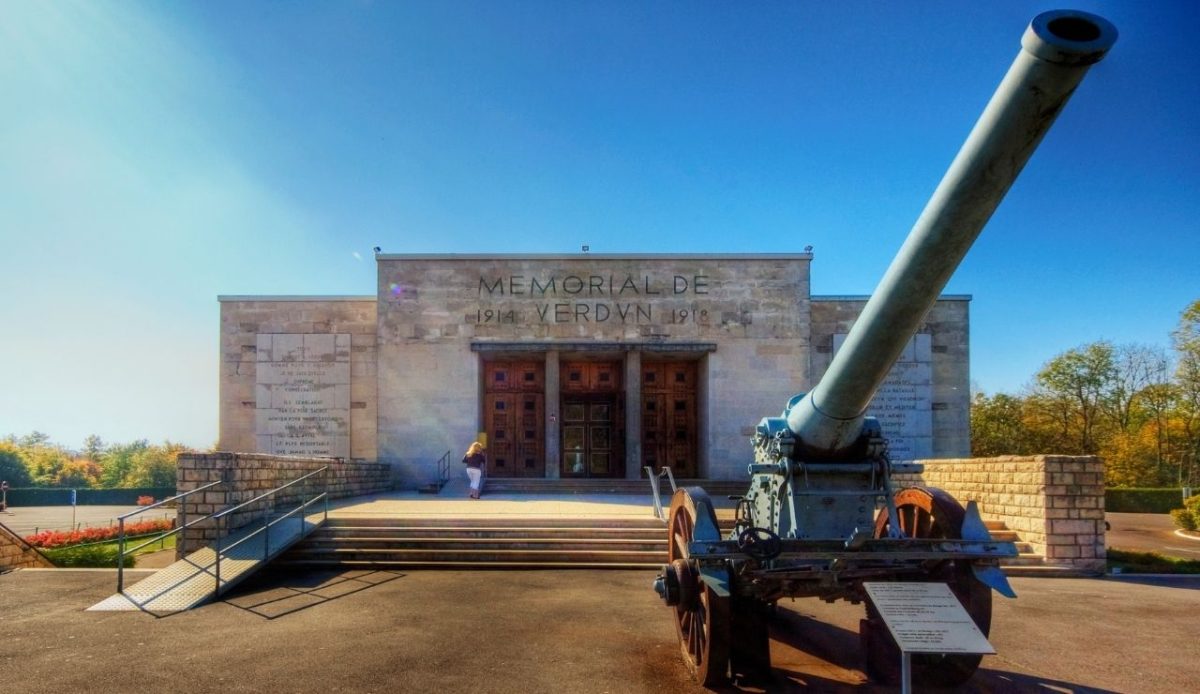
Verdun Memorial interprets the 1916 Battle of Verdun, a World War I campaign defined by artillery, trenches, and attrition. Displays draw on battlefield recovery work, showing shells, weapons, uniforms, and personal items that were buried for decades. Nearby forts and cratered ground remain visible, so visitors can link museum information to the physical terrain that shaped tactics and survival. The site also frames how national memory formed, with French and German losses presented together to stress the shared human cost of prolonged industrial war. Many also visit the Douaumont Ossuary to see how unidentified remains were honored.
8. Oradour-sur-Glane Martyr Village
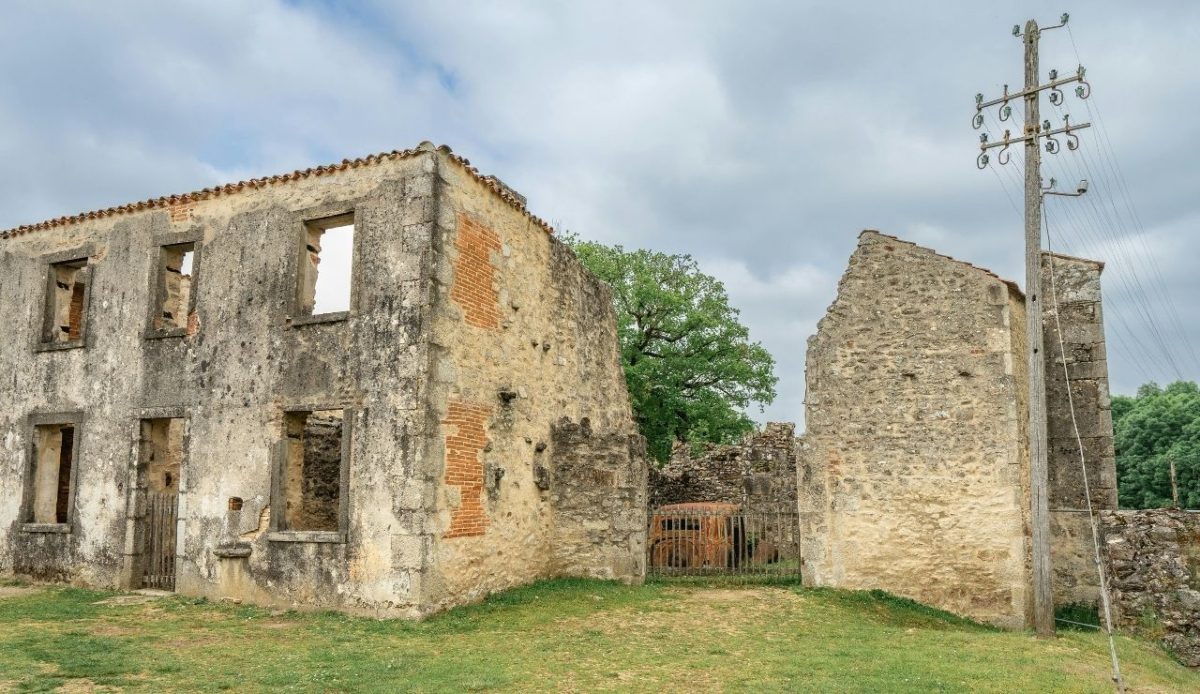
Oradour-sur-Glane in Haute-Vienne was left in ruins after Waffen SS troops killed 642 civilians on June 10, 1944. Instead of rebuilding, authorities kept the burned streets, bullet-marked walls, and abandoned objects as direct evidence of the massacre. Visitors walk past the church, homes, and shops, reading plaques that describe what occurred and how survivors testified afterward. A separate memory center provides historical framing and lists of victims, yet the silent village is what makes the crime feel immediate and real. The setting encourages slow movement and restraint, and families often plan more time to process what they saw.
9. Srebrenica Potočari Memorial Center
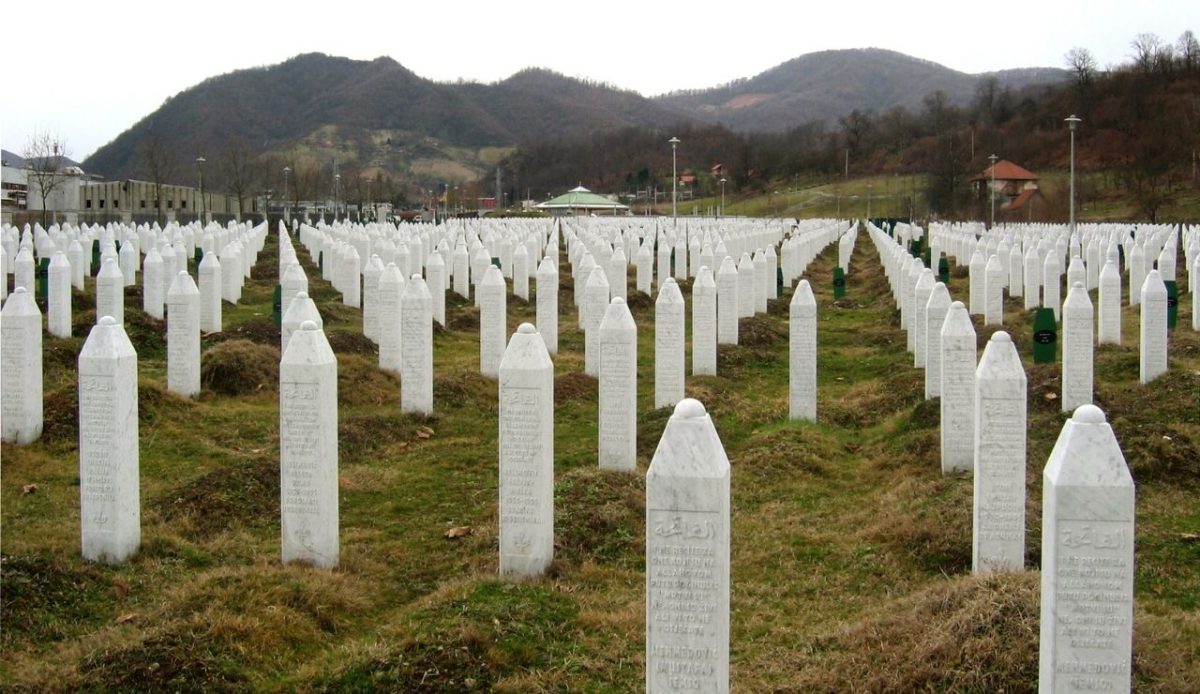
Srebrenica Potočari Memorial Center commemorates the July 1995 genocide in which more than eight thousand Bosniak men and boys were killed during the Bosnian War. The cemetery rows are paired with exhibitions that use court-established findings, witness statements, and forensic identification work. Because the violence occurred within living memory, the site functions as both an education and an active place of mourning for families. Visitors learn how a declared safe area failed, how people were separated and executed, and how international justice processes documented the crimes in detail. Signs request quiet conduct.
