
Cruise dining runs on fixed rooms and fixed hours, while thousands arrive hungry at the same time. Buffets and late counters compress strangers into narrow aisles, so a small dispute can spread fast when movement stalls near serving points. Capacity sets the tone.
Meals pull many passengers into one venue, especially late at night when fewer outlets stay open. Noise and tight spacing make it hard to hear staff directions or step aside without bumping others holding plates. Pressure builds before anyone speaks.
Each section explains a repeatable mechanism seen in ship dining fights. The focus is service design, timing, and crowd response, with one dominant intent and a distinct angle per section. The goal is safer choices.
1. Dining Area Objects Used as Weapons
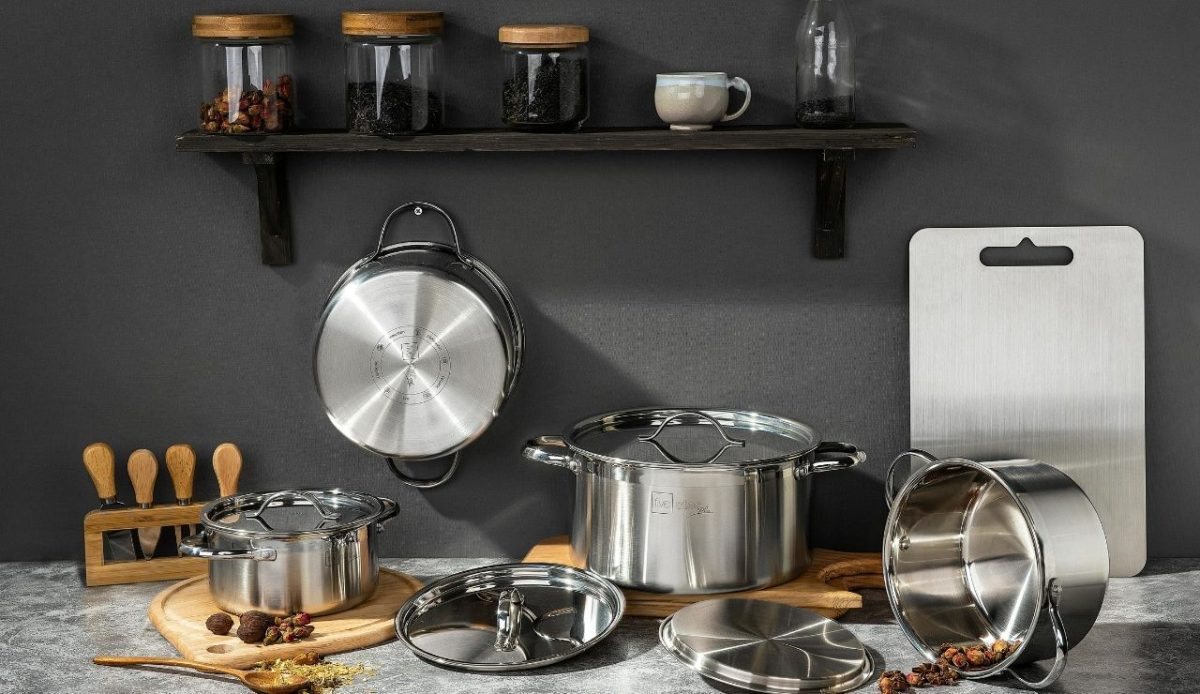
Plates, trays, cups, and light chairs sit within reach in buffet zones. In a packed room, those hard items are closer than exits, so anger can turn into thrown objects before bystanders can move away.
Tables and counters block paths and shorten sightlines. Once one item is used, others may copy the act, and the crew cannot clear the space quickly because service equipment is everywhere, and the floor can become slick.
Risk is highest in the first minute. Leaving the center, avoiding corners, and taking a clear route tothe stairs reduces exposure to flying items and the rush that follows when security pushes the crowd back.
2. Late Night Buffet Rush Window
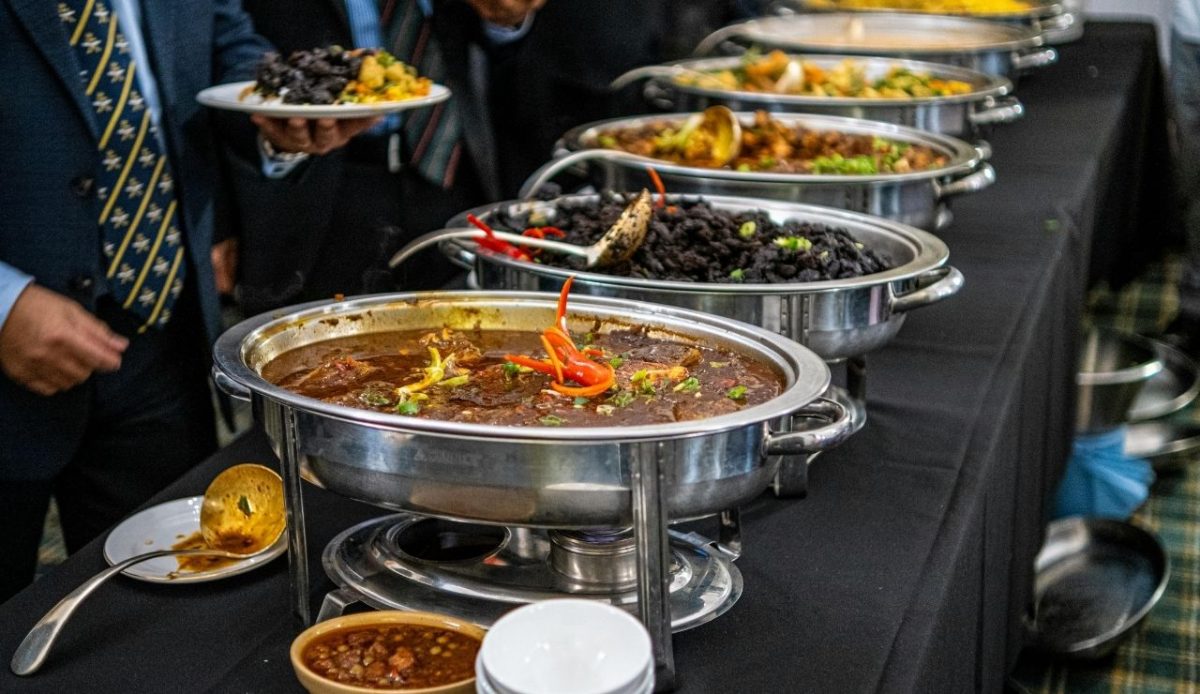
After shows end, the buffet becomes the main open option and demand spikes in minutes. Lines spill into corridors, and the doorway becomes a crowd instead of a clear queue, raising tension fast. Closing times add urgency.
Fatigue lowers patience, and bumps feel deliberate. Noise hides calm talk, so fairness complaints escalate while onlookers cluster near stations and block flow, creating more contact and more anger. People behind often assume the worst about movement.
This is a timing-driven mechanism. Arriving earlier, choosing seated dining, or returning after the first wave passes reduces time spent in the densest zone when disputes most often ignite. A ten-minute delay can change the whole atmosphere.
3. Final Night Dining Surge
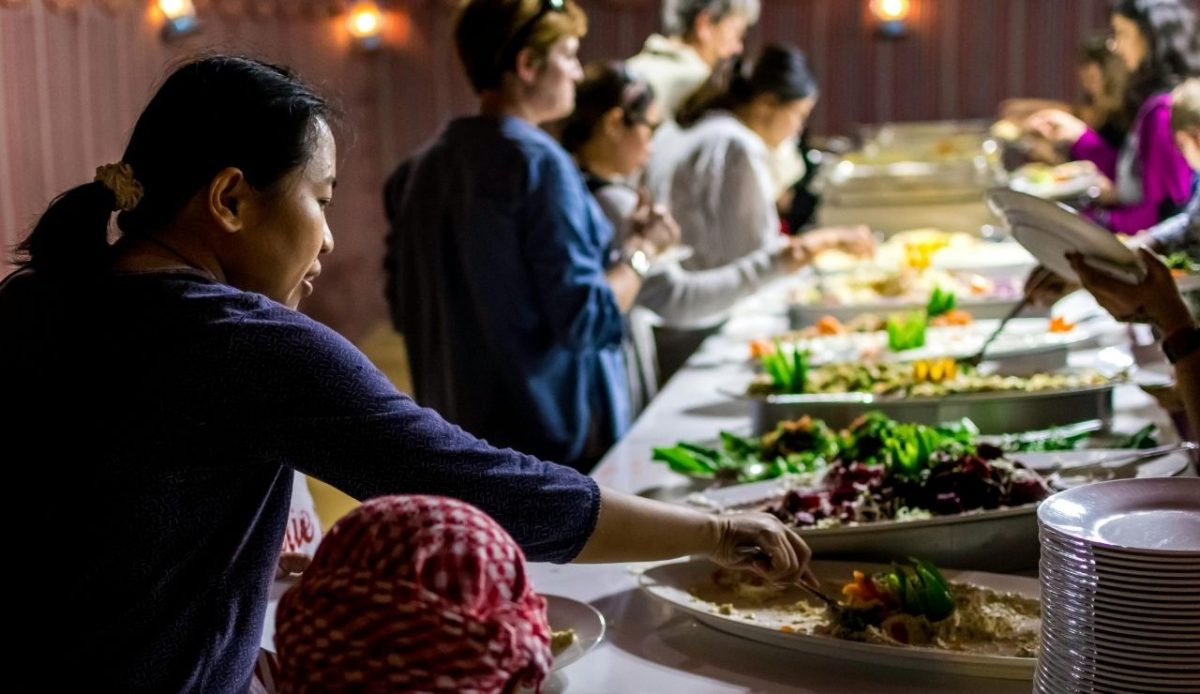
On the final evening, packing and goodbye plans push many guests toward the same meal window. Elevators feed one entrance, and the approach becomes congested, increasing accidental contact. Time pressure feels higher because departure is near.
Go choices reduce friction. Enter from a side corridor, eat earlier, or wait outside until the flow loosens. Avoid the main choke point where lines and seats meet, since that often sparks arguments on this night.
The driver is experiencing route congestion tied to the calendar. A calmer path and timing lower conflict exposure without changing food, because the pressure comes from movement and crowding near entrances. Route planning is the simplest control you have.
4. Lido Deck Traffic Overlap
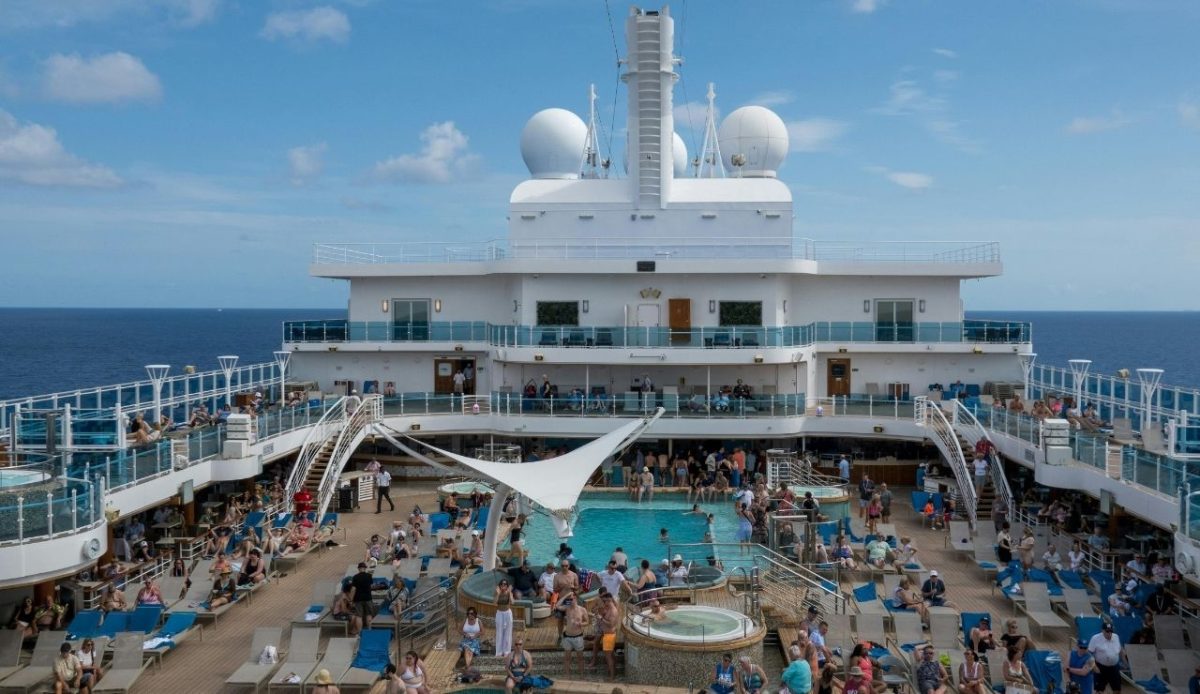
On many ships, pools, bars, and buffet service share one open deck. Crossing traffic overlaps with food lines, and repeated shoulder contact near trays and drinks can start disputes. Wet floors and deck chairs add hazards in a rush.
Go choices help. Use a side stairwell, walk the outer edge, and avoid the main doorway at peak times. Choose seating away from the main lane so you are not forced through traffic with food. Moving with the flow prevents repeated bumps.
This mechanism is about navigation in overlapping flows. Changing route or timing reduces accidental bumps that trigger arguments in open dining zones where crowds gather quickly. Choosing a quieter entrance reduces contact points.
5. Late Night Pizza Counter Funnel
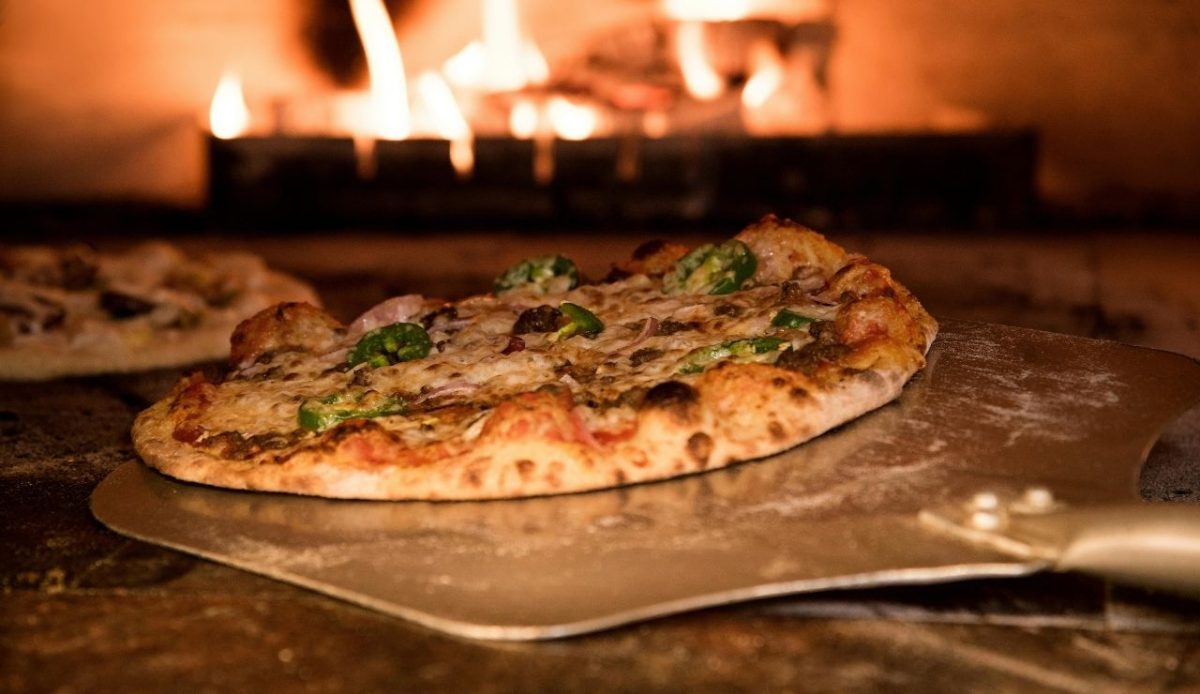
A single pizza window concentrates demand into a tight cluster. The line shape becomes unclear as people hover near the counter to watch slices, which fuels cutting accusations. A small counter cannot absorb a big wave.
Do actions prevent flare-ups? Stand alone a wall, keep space behind you, and avoid policing other guests. If the area is packed, leaving and returning later is often faster and safer. Let staff serve without crowding the window.
The bottleneck rewards crowding. Reducing your time in the cluster lowers exposure to contact and raised voices, and using another late option avoids the highest friction point on the deck. Space is the best de-escalation tool here.
6. Group Loyalty Clashes
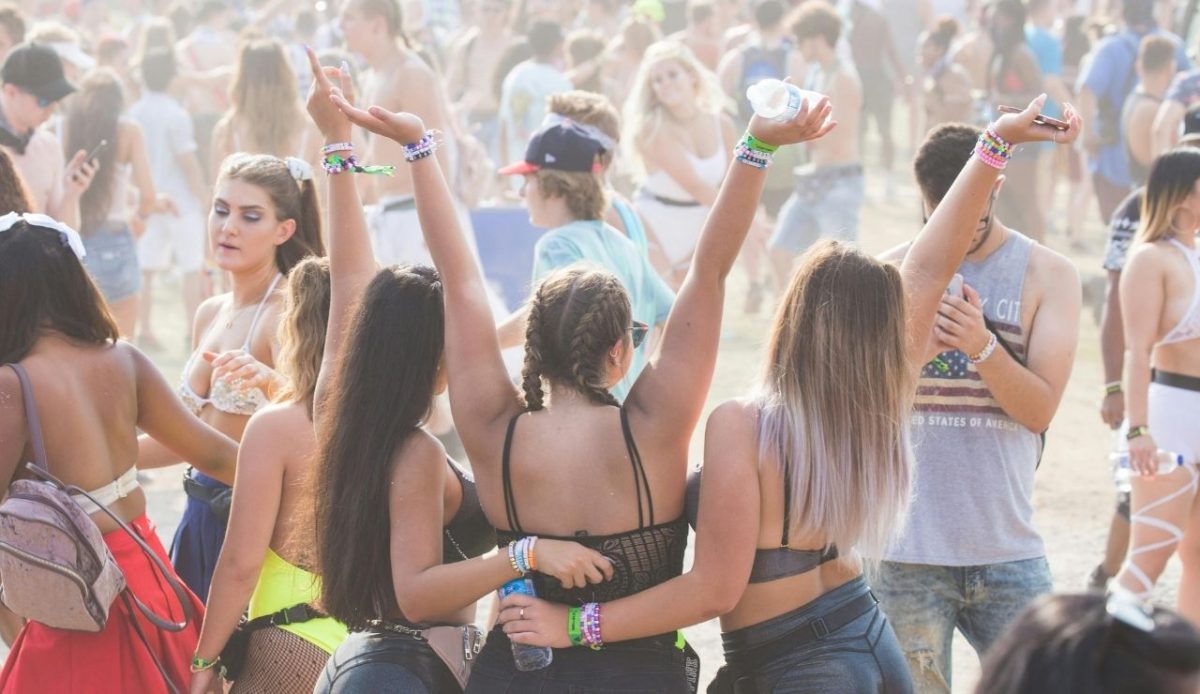
Travel parties defend their own, so a comment to one person can pull in relatives quickly. Shared tables and open seating make group boundaries easy to cross during busy meals. One raised voice can recruit several helpers.
When groups take sides, voices rise, and neutral diners feel pressure to react. The conflict scales because supporters arrive fast, and the audience is already close to a buffet room. The crowd reads silence as support for one side.
This is a social identity mechanism. Recognizing group formation early and relocating reduces exposure before the room divides into opposing clusters and staff struggle to separate parties. Relocating early keeps you out of the group boundary.
7. Video Recording Escalation

Phones appear quickly during a disturbance, and recording can change behavior. Some people perform for the camera, and onlookers crowd closer for a view, blocking exits. Recording turns bystanders into a packed wall.
Staff must manage fighters and a ring of spectators at once. The audience effect prolongs shouting and keeps the room dense, raising the chance of spills, falls, and more contact. More bodies in aisles means more accidental contact.
Know the incentive shift. Stepping back rather than filming reduces the audience and givesthe crew space to separate people, which can shorten the incident and lower bystander risk. Step back and keep paths open for staff.
8. Narrow Walkway Collisions
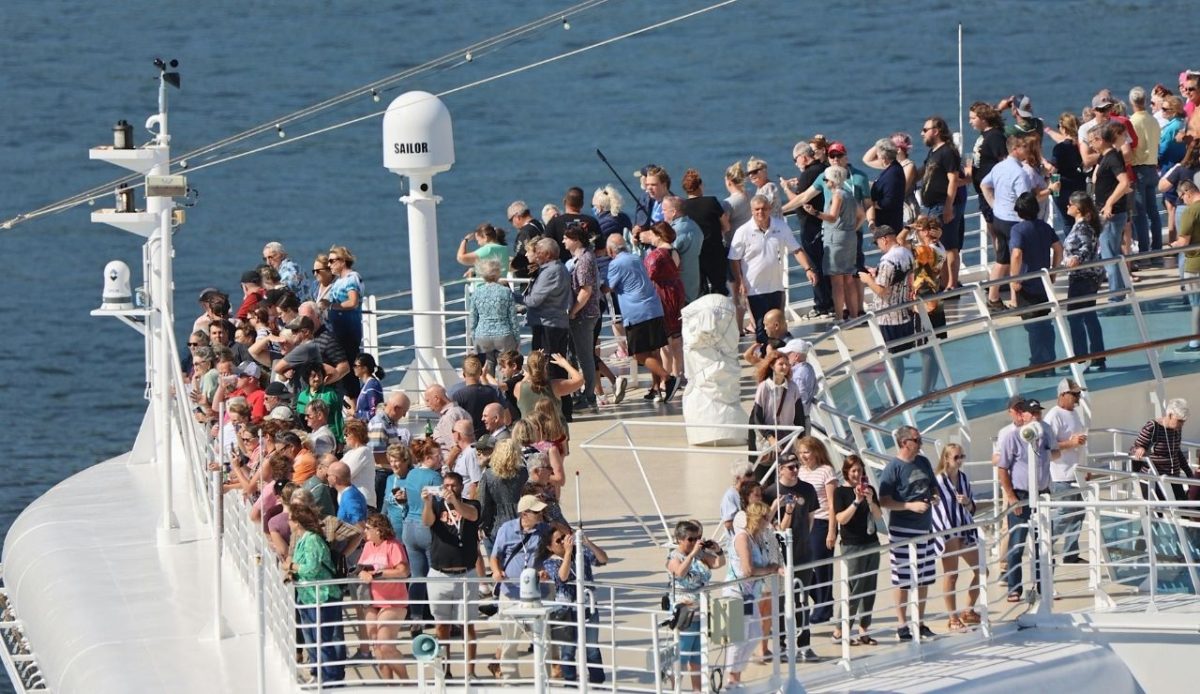
Some buffet approaches run through narrow passages beside counters and railings. Two streams with trays meet head-on, and a small bump can spill food and trigger insults. Trays and hot drinks raise the stakes of a bump.
Go for lower contact. Use an alternate stairwell, wait for the corridor to thin, and pick seating away from the main lane so you cross less with a full tray. Waiting briefly is safer than forcing a pass.
The mechanism is a spatial constraint at a high traffic lane. A clearer path reduces sparks, and quick apologies plus continued movement prevent a minor collision from turning into a crowd dispute. A clear lane prevents arguments from attracting a crowd.
9. Alcohol Near Meals
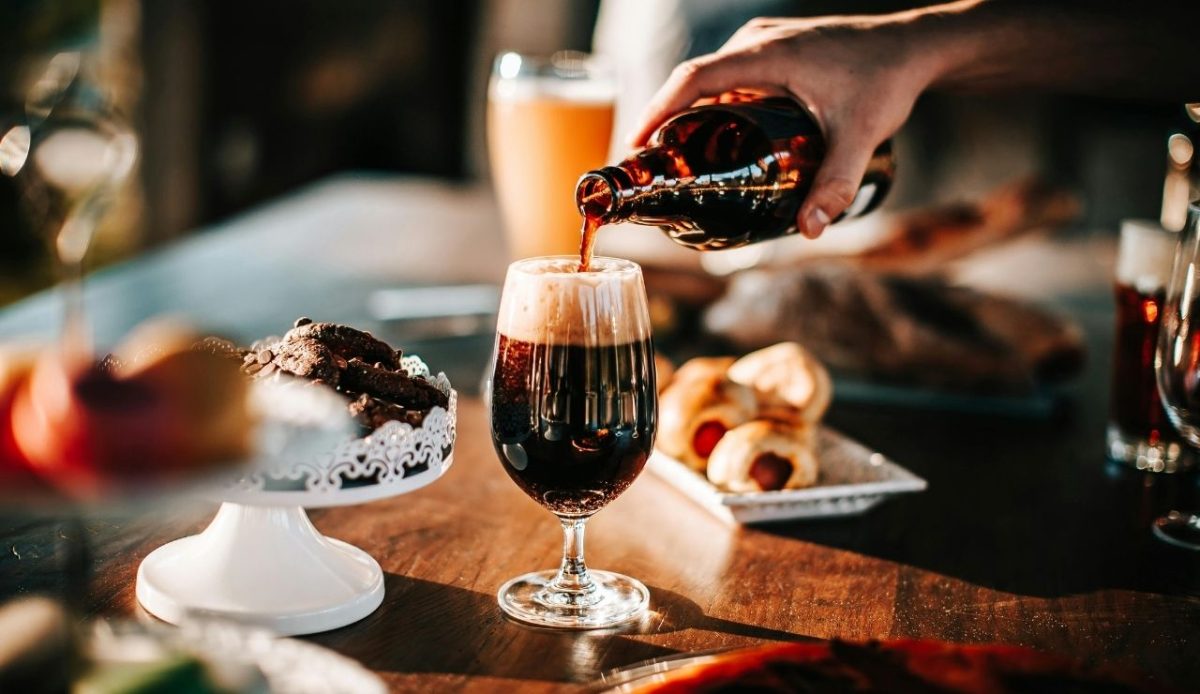
Late food often follows drinking, and impaired judgment lowers patience in crowded lines. Buffets near nightlife zones absorb louder behavior, which makes small slights feel larger. Late hours also reduce patience for small delays.
Impairment increases pushing and accidental spills. The danger includes falls and broken glass, not only fists, because balance and awareness drop in dense spaces near counters. Intoxication makes calm instructions harder to follow.
Risk reduction is timing and distance. Eating earlier or choosing venues away from bars lowers exposure to the overlap between drinking peaks and late dining peaks when disputes ignite. Pick earlier service windows when possible.
