
Understanding where U.S. travelers face higher safety risks helps explain why certain destinations appear repeatedly in non-natural death statistics. These numbers come from official reports that track incidents such as road crashes, drownings, adventure-tourism accidents, and isolated violent events involving Americans abroad. Many of these countries attract millions of U.S. visitors, so higher totals often reflect the volume of travel rather than unusual danger. Travelers visiting these destinations can reduce risk by following local guidance, preparing for environmental conditions, and choosing transportation and activities carefully.
1. Mexico
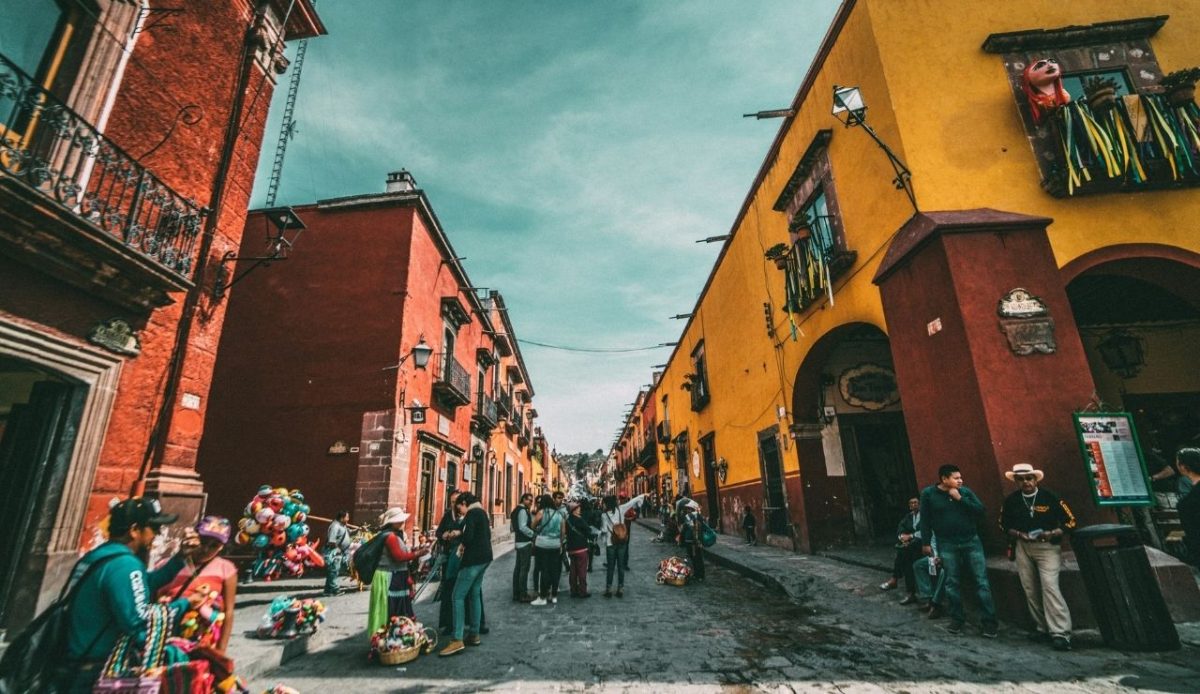
Mexico records the highest number of U.S. tourist deaths due to its massive visitor volume and varied travel environments. Road crashes remain one of the leading causes, especially on long highways or rural routes with uneven surfaces. Many drownings occur at beaches with strong rip currents where lifeguards may not always be present. Alcohol use near water contributes to misjudging physical limits or distance from shore. Although violent crime is not typically directed at tourists, some incidents affect travelers and appear in official totals. Mexico’s diverse landscapes and large tourism zones expose visitors to a wide range of conditions that increase the overall number of recorded incidents.
2. Thailand
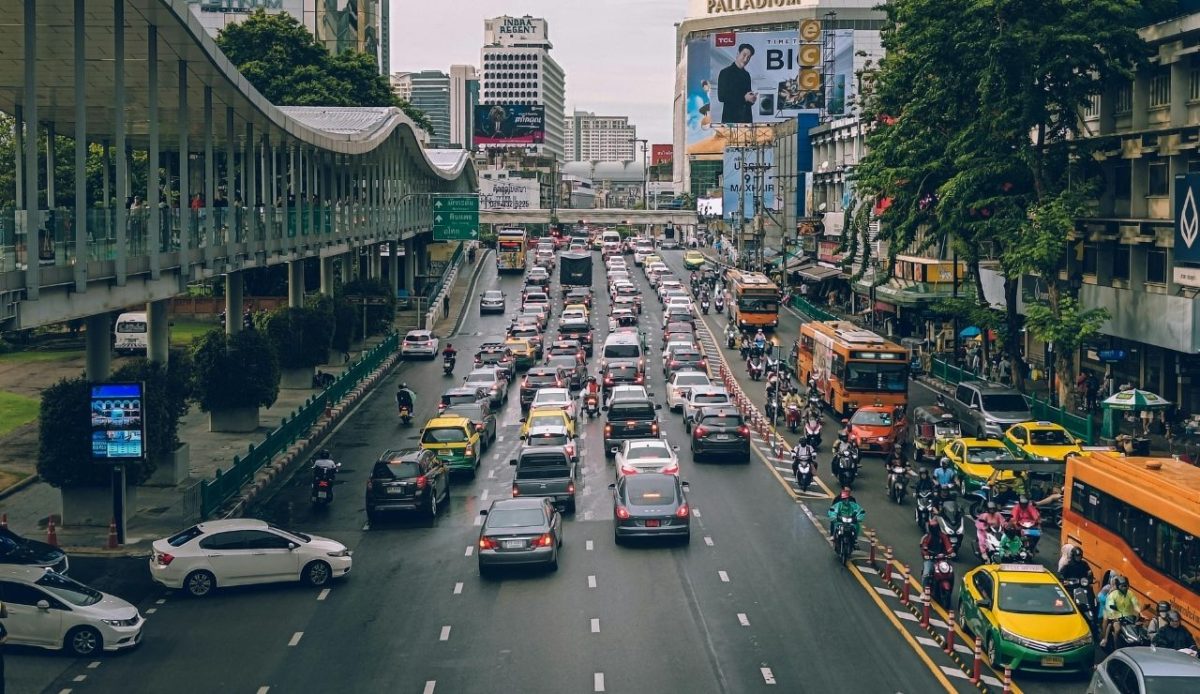
Thailand shows a consistently high number of U.S. tourist deaths, with motorcycle and scooter accidents contributing significantly. Many visitors rent motorbikes without understanding local driving habits or road layouts. Rainy seasons create slippery surfaces and lower visibility, which increase crash risks. Drownings also occur in beach areas where waves intensify during monsoon periods. Alcohol use in nightlife districts may lead to poor decision-making that heightens safety issues. Occasional violent incidents add to totals, though they represent a smaller share. The country’s popularity for adventure activities and budget travel increases exposure to environments where caution is essential.
3. Philippines
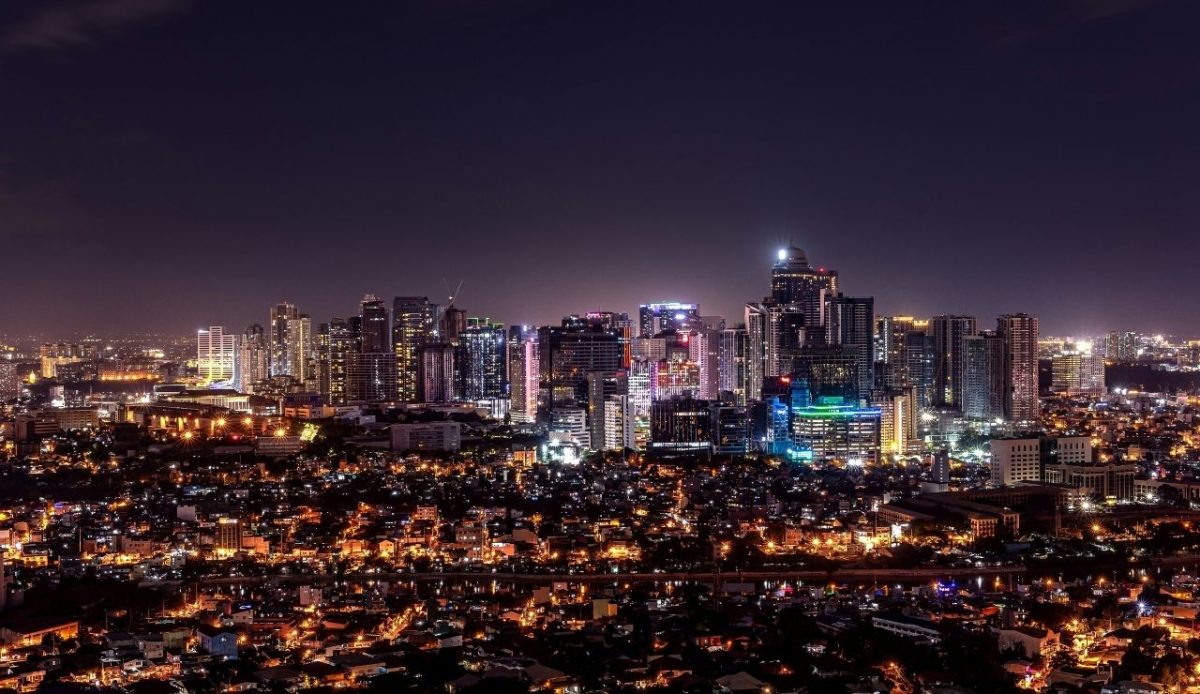
The Philippines appears often in U.S. tourist-death reports due to road accidents, boat incidents, and water-related emergencies. Island travel relies heavily on ferries and small boats that operate in changing weather, leading to conditions where accidents can occur. Diving and snorkeling are major attractions, but safety standards vary across operators, which can affect inexperienced travelers. Busy roads in cities contribute to motorcycle crashes and public-transport collisions. Some regions have higher crime levels that occasionally involve American visitors. Drownings also occur at beaches where currents strengthen quickly.
4. Dominican Republic
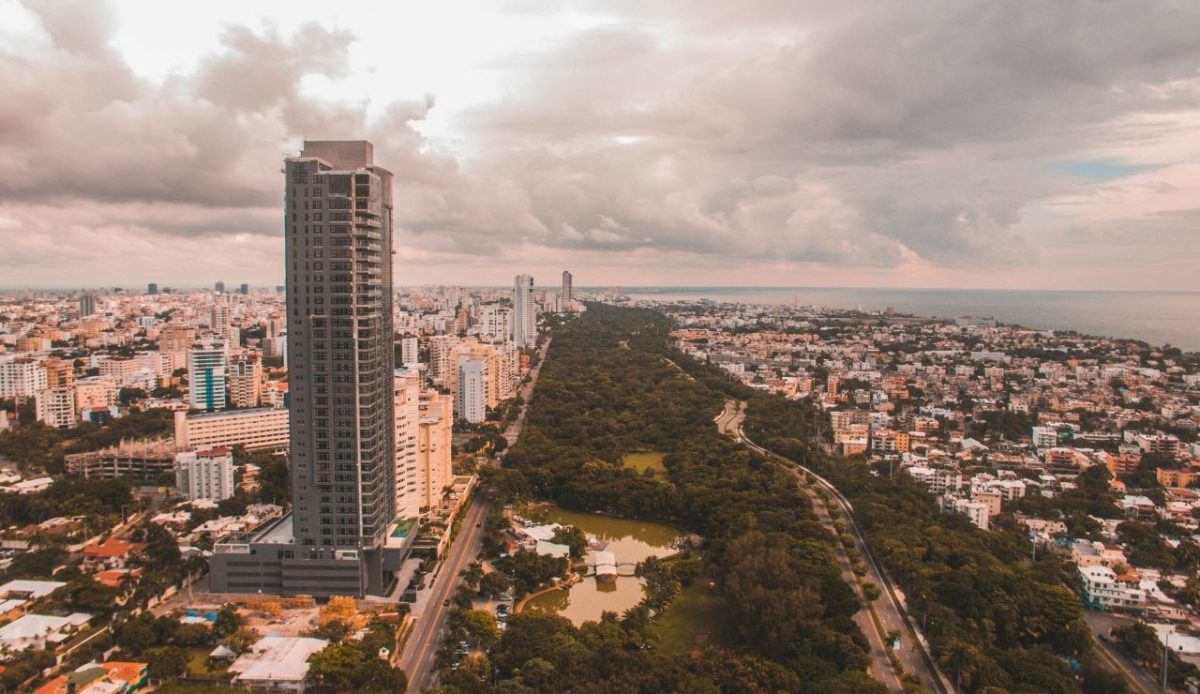
The Dominican Republic records notable numbers of U.S. tourist deaths, with drownings and traffic incidents being the most common. Beach conditions can shift without warning, and visitors sometimes overlook red-flag advisories. All-inclusive resorts often involve alcohol use, which can reduce awareness of water risks or signs of fatigue. Road crashes involving tourist shuttles, taxis, or motorcycles occur in both city areas and rural zones. Occasional violent incidents appear in State Department data, though these cases are not usually tied to tourism areas. Heavy visitor volume contributes to the overall totals. Travelers benefit from monitoring beach safety signals and choosing transportation carefully.
5. Costa Rica

Costa Rica reports a high number of U.S. tourist deaths primarily due to strong rip currents and adventure-tourism accidents. Many beaches lack full-time lifeguard staffing, and visitors may underestimate ocean strength. Activities such as rafting, zip-lining, canyoning, and hiking introduce risks when weather changes abruptly. Road crashes also contribute to incident numbers, especially on narrow mountain routes or during heavy rain. Tour operators generally maintain good standards, but not all follow identical safety procedures. The country’s active travel style draws visitors into natural settings where preparation is essential. These factors together result in higher recorded totals for Americans.
6. Jamaica
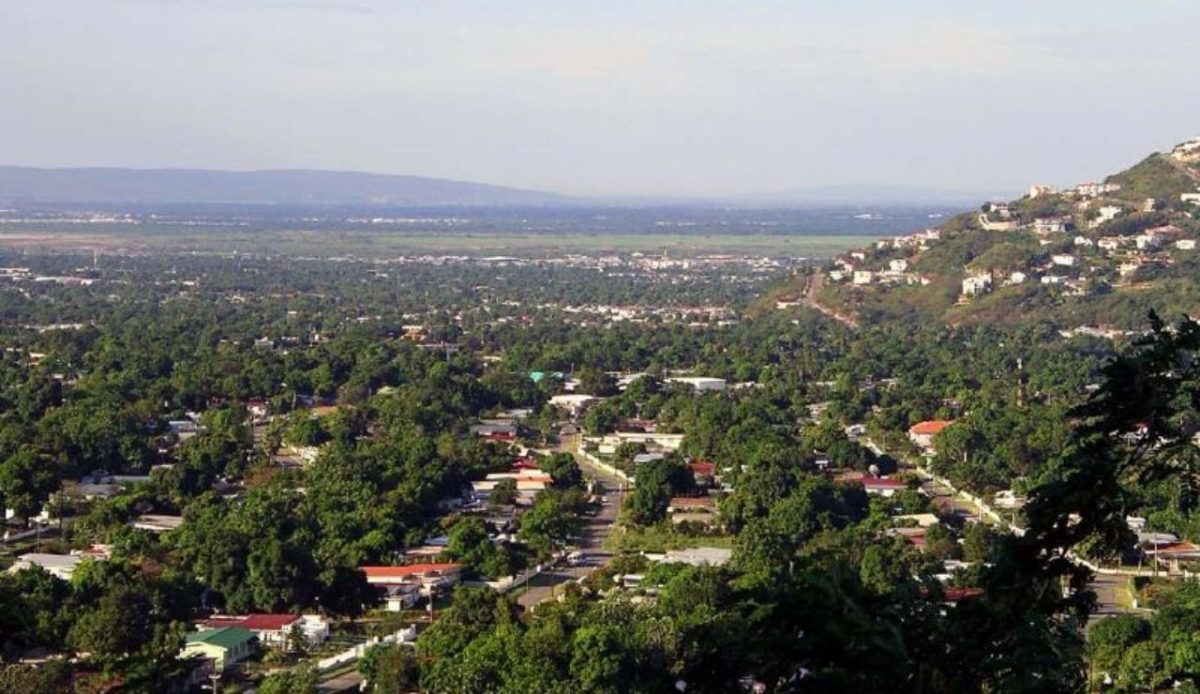
Jamaica appears regularly in tourist-death statistics involving Americans due to road crashes, drownings, and occasional crime incidents. Visitors often rely on taxis, shuttles, or rental cars, and road conditions vary between resort areas and rural routes. Limited lighting, speeding, and unfamiliar traffic patterns increase accident risks. Beach drownings occur when travelers ignore warning flags or swim during strong currents. Alcohol use near pools and beaches can affect judgment and lead to unsafe choices. Violent crime is concentrated in non-tourist districts, but isolated cases involving foreigners appear in official reports. These combined factors place Jamaica in the upper tier of destinations for U.S. incidents.
7. Honduras
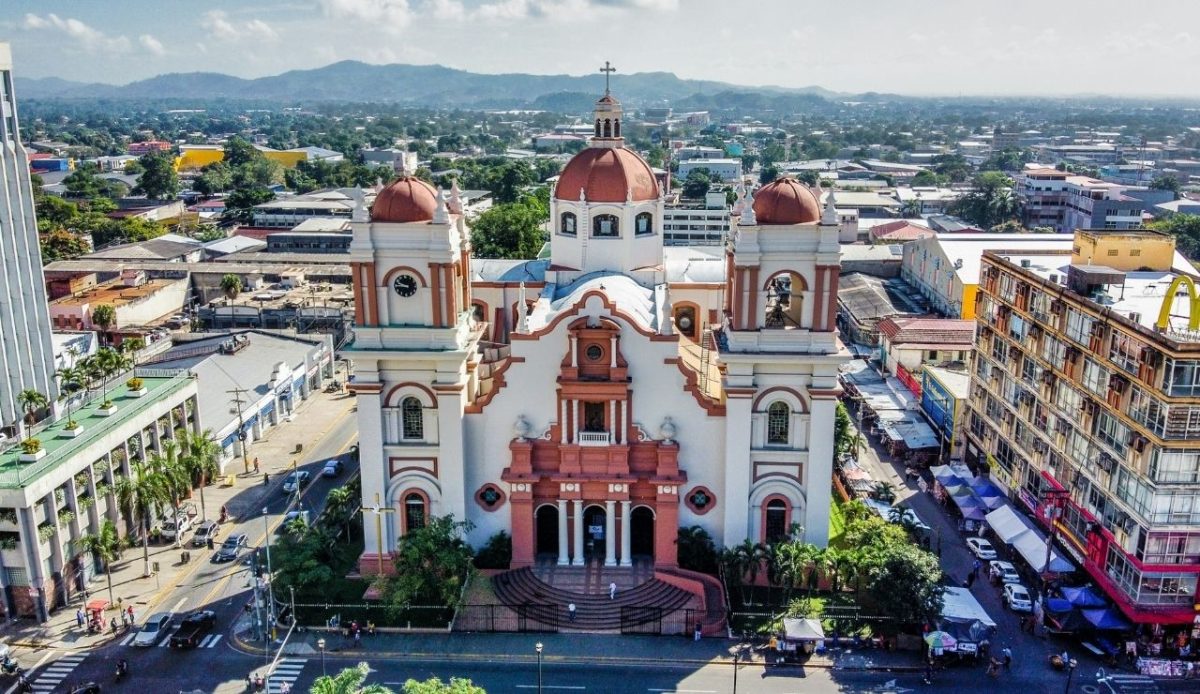
Honduras reports U.S. tourist deaths linked to diving accidents, boat incidents, road crashes, and occasional crime. Roatán attracts many American divers, and although most operators are reputable, sudden weather changes or equipment issues can create hazards. Mainland regions have uneven road conditions, increasing crash risks for visitors using taxis or rental vehicles. Some crime incidents involving Americans occur in areas outside tourist zones. Drownings also take place along beaches with shifting tides or limited supervision. Smaller visitor numbers mean each incident raises the overall rate. The country’s diverse environments make careful planning important for travelers.
8. Vietnam
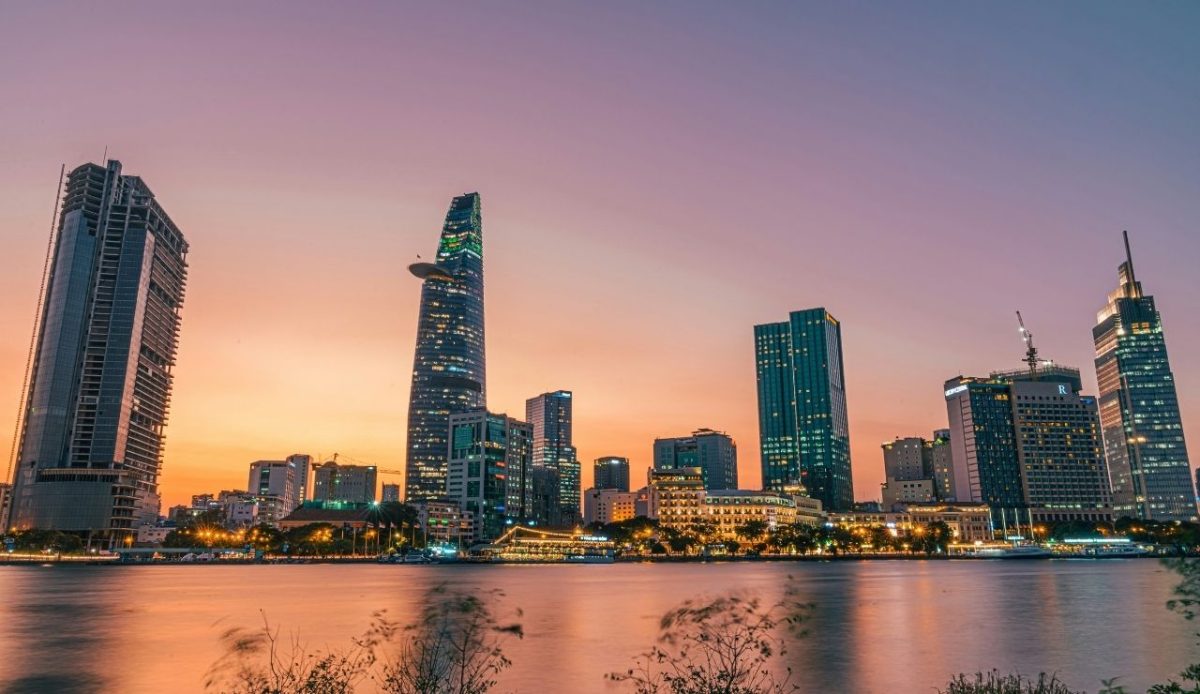
Vietnam records a higher rate of U.S. tourist deaths relative to total visitors, strongly influenced by motorbike accidents. Many travelers rent motorcycles without fully understanding local traffic, which is dense and unpredictable. Wet-season road conditions reduce traction and increase braking distance. Trekking, caving, and river activities introduce further risks when weather changes or safety standards vary. Drownings occur at beaches and rivers during peak monsoon periods. Bus and shuttle crashes on mountain roads also appear in official records. Vietnam’s growing popularity for adventure travel contributes to increased exposure to higher-risk conditions.
9. Canada

Canada appears in U.S. tourist-death data due to the massive number of Americans who visit each year for road trips and outdoor recreation. Road accidents are a major contributor, especially during winter when ice and snow create difficult driving conditions. National parks attract hikers and skiers who may face sudden temperature drops or unexpected terrain changes. Water-related incidents occur on lakes and rivers used for boating or swimming. Canada is widely considered safe, but its large wilderness areas require strong preparation. High visitor volume ensures that even moderate risks produce notable totals in official statistics.
