
Cuba can feel rewarding or exhausting because logistics stay in the foreground. Visitors run into power cuts, limited connectivity, and gaps in what shops or restaurants can offer. Some travelers prize the reality check and the chance to meet residents outside a curated resort bubble.
Others arrive expecting smooth service and get stressed by waits, cash handling, and transport uncertainty. Conditions shift by province and week as fuel, and the grid fluctuates. Preparation and flexibility decide whether the same hassle becomes a good story or a regret.
Below are experiences that reliably split opinions. Each reflects documented conditions and the tradeoffs travelers face when comfort, cost, and curiosity pull in different directions.
1. Power Outages During Peak Travel Seasons

Planned blackouts and surprise outages can affect Havana and beach areas. Air conditioning may stop, elevators may pause, and some hotels ration generator use to save fuel. Travelers who expect a stable room environment often feel cheated.
Visitors who pack a headlamp, charge batteries early, and schedule outdoor time for the hottest hours report fewer problems. Staff responses also vary, so a backup plan for dinner matters when kitchens close.
People who treat outages as a window into local constraints often say the trip felt more real. Those on tight schedules, or with kids needing routine, are the ones most likely to regret the disruption.
2. Fuel Shortages Affecting Road Travel
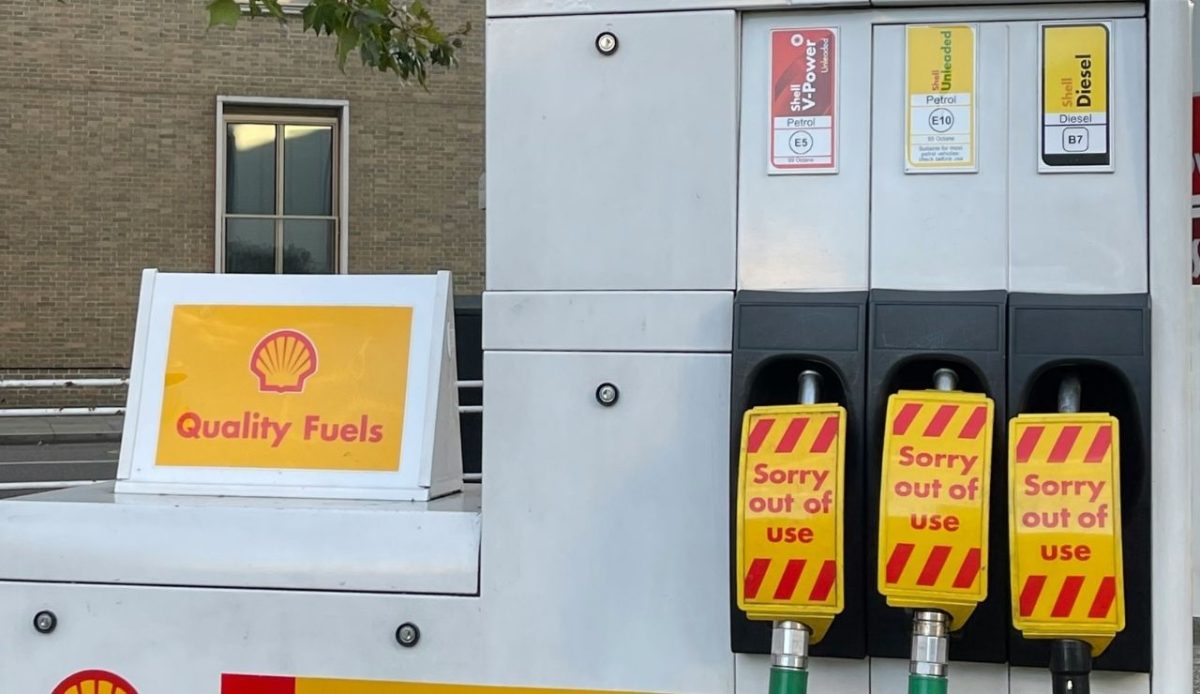
Fuel shortages can turn a simple transfer into an all-day project. Rental cars are available at times, but drivers can face long lines at stations, sudden closures, and limited availability outside major routes. For some, that uncertainty ruins autonomy.
Others like the slower rhythm and the way locals share tips on where fuel might appear next. A buffer day and early morning starts reduce risk, and private drivers sometimes have better access than self-drive travelers.
If the goal is to cover many cities fast, fuel volatility becomes a regret trigger. If the goal is to stay put longer and adapt, the same constraint can feel manageable and even clarifying.
3. Dependence On Cash Only Payments
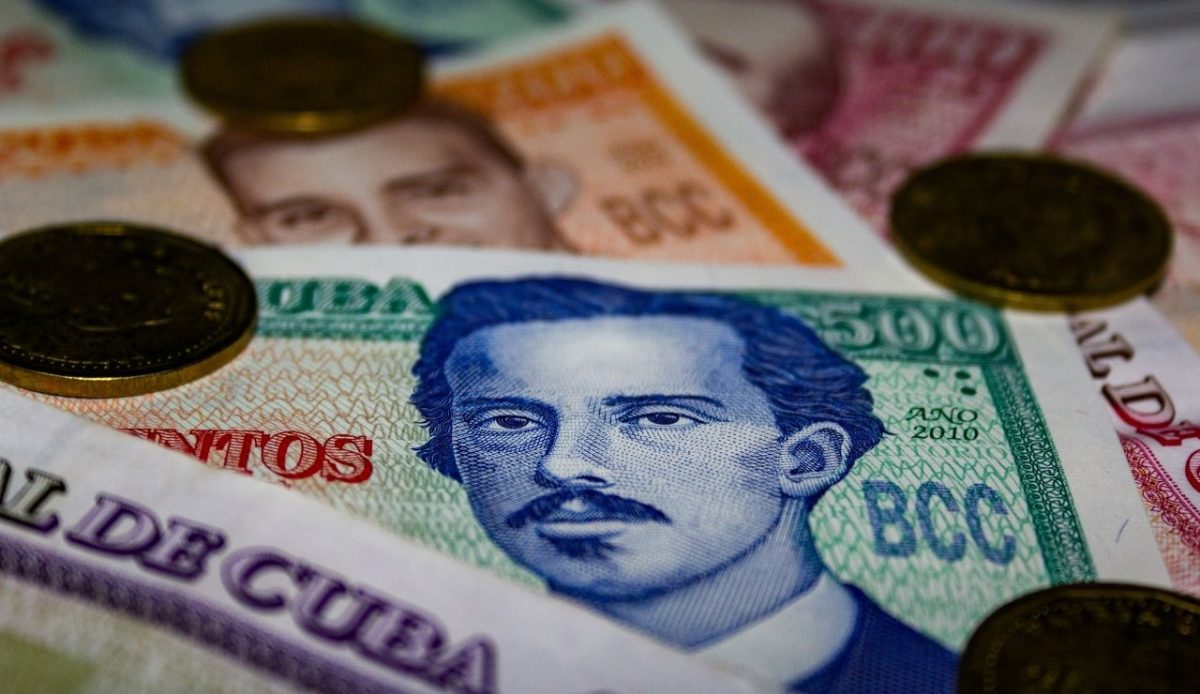
Many foreign cards do not work consistently in Cuba, and ATMs can be unreliable. That pushes visitors to carry cash for rooms, meals, taxis, and tips, which raises stress about loss and exchange mistakes. Some travelers dislike the constant math.
Others prefer cash because it forces budgeting and avoids surprise holds or network failures. Small bills help because change is not always available, and keeping money split across pockets lowers risk.
When travelers arrive without enough cash or the right denominations, the trip can start badly. When the cash plan is solid, the same system fades into the background and feels like a reasonable tradeoff.
4. Currency Exchange Outside Official Channels
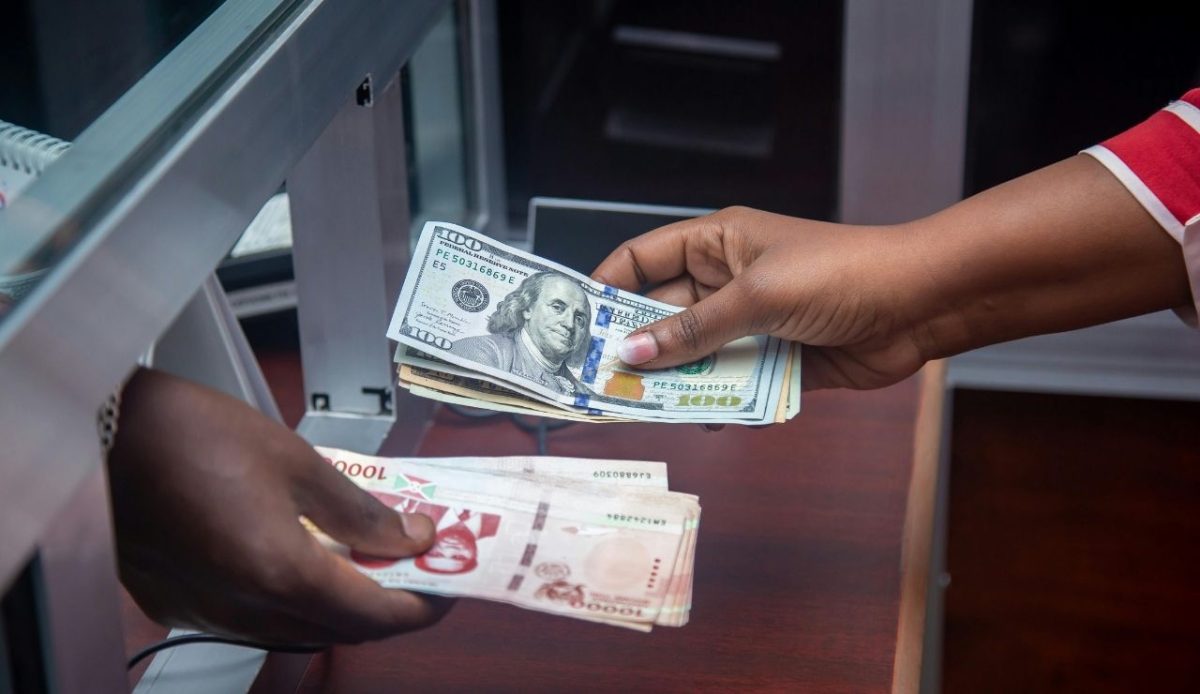
Currency exchange is a common source of regret because rates can differ sharply between official channels and the street market. Chasing a better rate can expose visitors to scams, counterfeit notes, or pressure tactics, especially near busy tourist areas.
Some travelers stick with official options for predictability, even if it costs more. Others use host recommendations, verify bills, and exchange in smaller steps to limit losses if something goes wrong on day one.
This experience divides people by risk tolerance. The savings can feel huge when it works, yet one bad exchange can erase a budget and color the entire trip for days afterward.
5. State-Controlled Internet Access

Internet access is limited, often slow, and usually tied to prepaid accounts and specific hotspots. Travelers who plan to work remotely can struggle with dropped sessions and long waits, then regret building a schedule that assumes constant connectivity.
Others love the forced quiet. They check messages once or twice a day, keep maps offline, and enjoy fewer social feeds and fewer notifications. That approach can make the same limits feel freeing instead of restrictive.
Connectivity also changes with local outages and network demand. If a trip depends on calls or uploads, Cuba can disappoint. If the goal is a partial reset, the constraint can become a highlight.
6. Shortages That Affect Daily Comfort
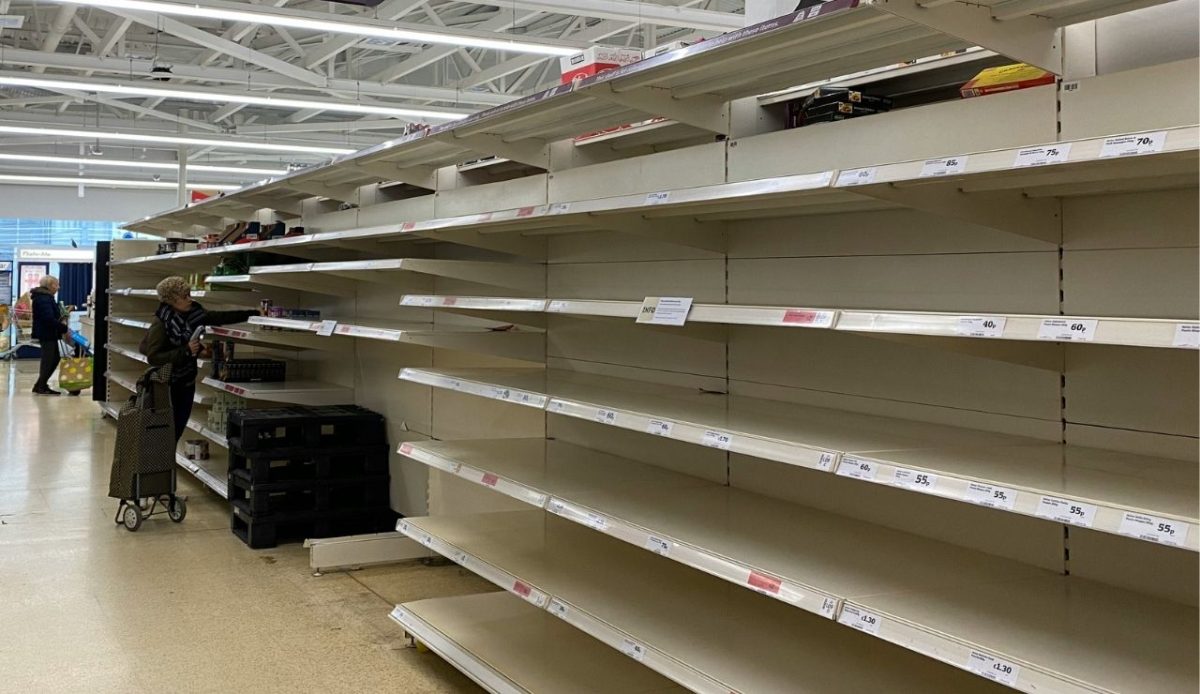
Shortages can affect bottled water, specific foods, pharmacy basics, and even hotel supplies. Travelers who expect the full menu every day may feel frustrated when restaurants run out, or a resort buffet repeats the same items. Some read it as poor service.
Others adapt by ordering what is available, carrying essential medicine, and treating substitutions as normal. Hosts often explain what arrived that morning, which helps set expectations and reduces conflict at checkout.
The split reaction comes from comfort thresholds. Visitors who accept scarcity as part of the context often leave with a perspective. Visitors who plan a strict diet or have sensitive needs are more likely to regret the unpredictability.
7. Classic Car Rides In Havana

Classic American cars are an icon in Havana, and a ride can feel like time travel. Fans love the photos, the sound, and the chance to hear how decades of repairs kept vehicles running under import limits. It can be a real history lesson on wheels.
Critics call it overpriced and repetitive, especially when routes circle the same landmarks. Confusion over rates, time limits, or stops can lead to arguments and a sour ending, which makes the splurge feel pointless.
This splits travelers by expectation. If it is treated as a curated tour with clear terms, it often feels worth it. If it is treated as cheap transport or a quick fix, regret is more common.
8. Riding Viazul Between Cities
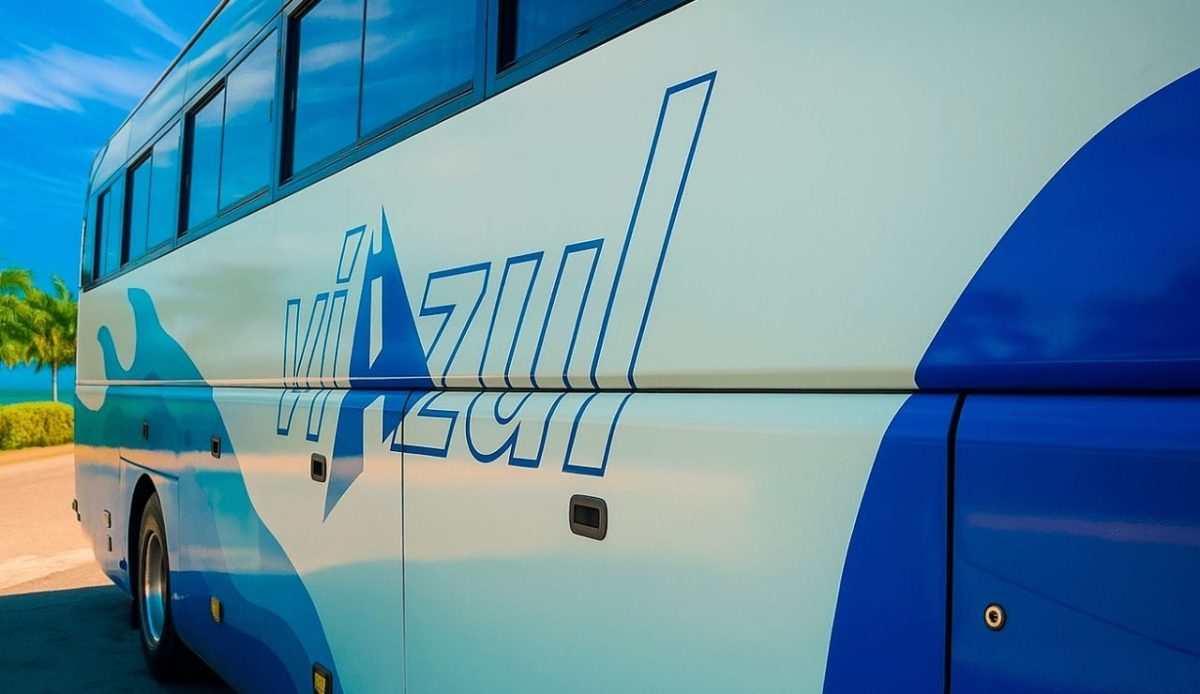
Viazul buses connect major cities and are popular with visitors who want a set ticket price. Many report decent comfort and fewer negotiation hassles than shared taxis. When buses run on time, it can be the simplest way to move between hubs.
Delays and changes still happen, and communication can be limited. If a departure shifts, hotel check-ins and tours can collapse. Some travelers feel trapped when seats sell out, and the next option is costly or unclear.
People who plan wide time windows often say Viazul is fine. People who schedule tight transfers to flights or boat trips are more likely to regret relying on it as a fixed timetable often.
9. Petty Crime And Street Scams

Cuba is often described as relatively safe, yet petty theft and scams can target visitors in crowded areas. Phones, bags, and rental car items can draw attention. Some travelers feel fine by using common sense and staying alert in nightlife zones.
Others regret letting their guard down after feeling relaxed. A single incident can dominate memories, even if the rest of the trip was positive. Secure storage, low display of cash, and using trusted transport reduce exposure.
Reactions are split because the risk is uneven by neighborhood and timing. Travelers who treat safety planning as routine often stay comfortable. Travelers expecting carefree wandering may feel disappointed by the added vigilance.
