
Scams in Southeast Asia often appear in places where travelers feel confident enough to move quickly but unfamiliar enough to miss small warning signs. Markets, temples, transport hubs, and busy streets can attract people who use confusion, rushed decisions, and unclear rules to pressure visitors into paying unfair fees. Many of these tricks rely on simple setups, such as unclear dress expectations, sudden “guidance,” surprise charges, or staged misunderstandings. When travelers know how these situations usually unfold, they can spot unusual behavior early. Awareness helps you read signs carefully, ask the right questions, and avoid dealings that do not feel official.
1. Local Clothing Rules Ignored

In many Southeast Asian destinations, dressing outside local expectations can attract fake “officials” who claim you are breaking temple or cultural rules. These people often stand near entrances and insist you must pay for scarves, cover-ups, or quick “permission cards.” They act confident to make visitors feel unsure. Actual dress rules are usually posted clearly and often include free or low-cost cover-ups at official desks. Wearing modest clothing and reading signs before entering helps you avoid these fake penalties. When you understand the rules, scammers lose their chance to pressure you into paying for things you never needed in the first place.
2. Riding Motorbikes Without Skill
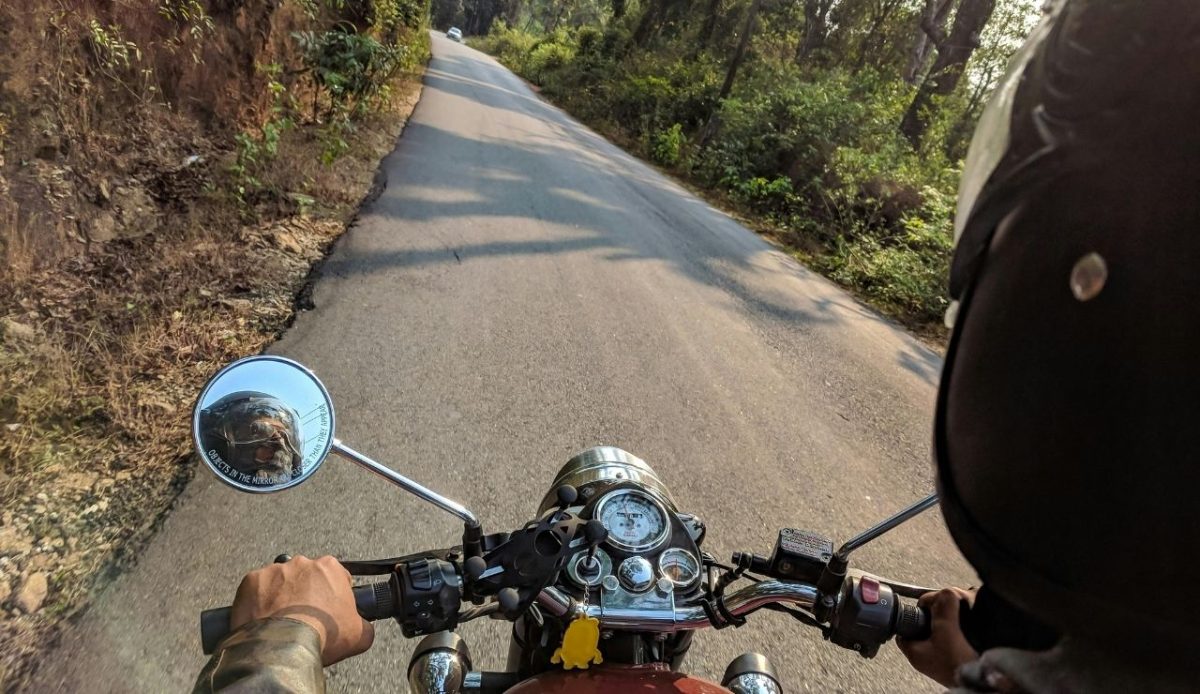
Motorbike rental scams are common in beach towns and islands where scooters are prevalent. Some shops keep old photos of scratches, waiting to accuse travelers of causing the damage. Others send someone to follow you and later claim you hit something on the road. Travelers with little riding experience cannot challenge these claims confidently, making them easy targets. Taking clear photos of the bike, confirming fuel levels, and renting only from respected shops protects you from unfair repair fees. Being steady, alert, and familiar with basic riding rules also prevents situations where scammers try to blame you for problems that existed long before your rental.
3. Eating at Places With Poor Hygiene
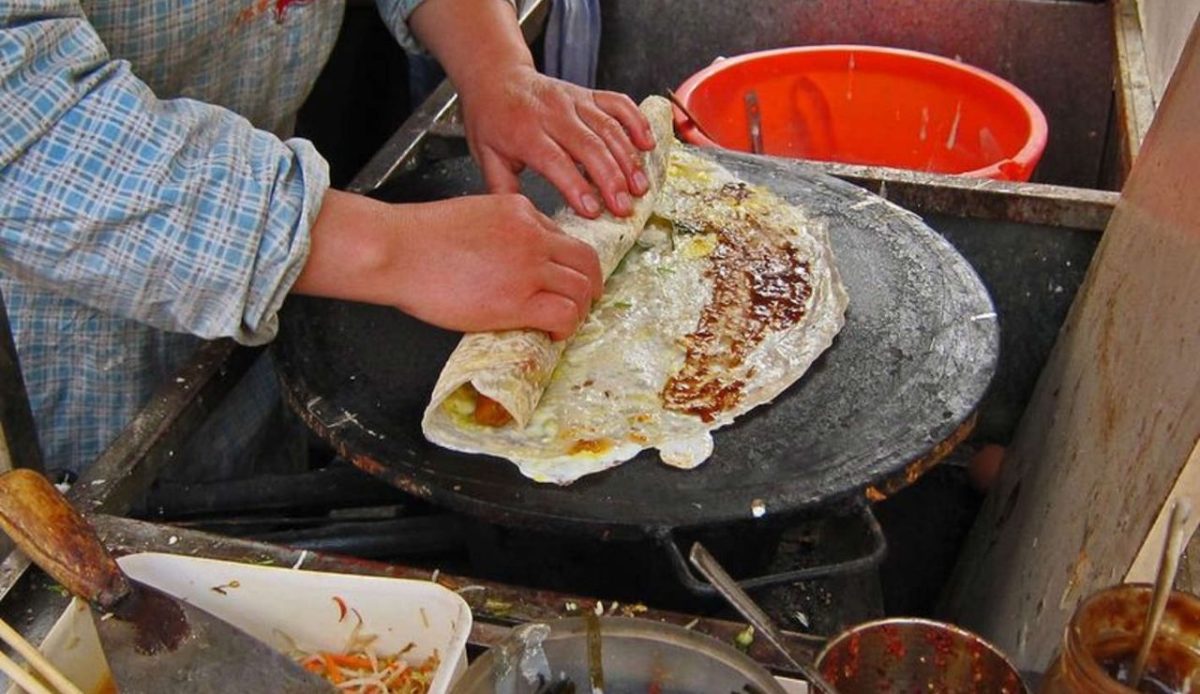
Some food stalls at busy markets raise prices after the meal is served, claiming the menu listed a different portion or currency. Others bring extra items you never ordered and insist they cannot be returned. Stalls with weak hygiene may also expose you to unsafe food, leading to medical costs or cancelled plans. Looking for busy stalls, reading menus carefully, and watching how food is handled helps you avoid inflated bills and questionable meals. Many trusted street vendors take pride in clean setups, clear pricing, and fast service. Paying attention to these signs protects both your wallet and your health during the trip.
4. Ignoring Local Manners
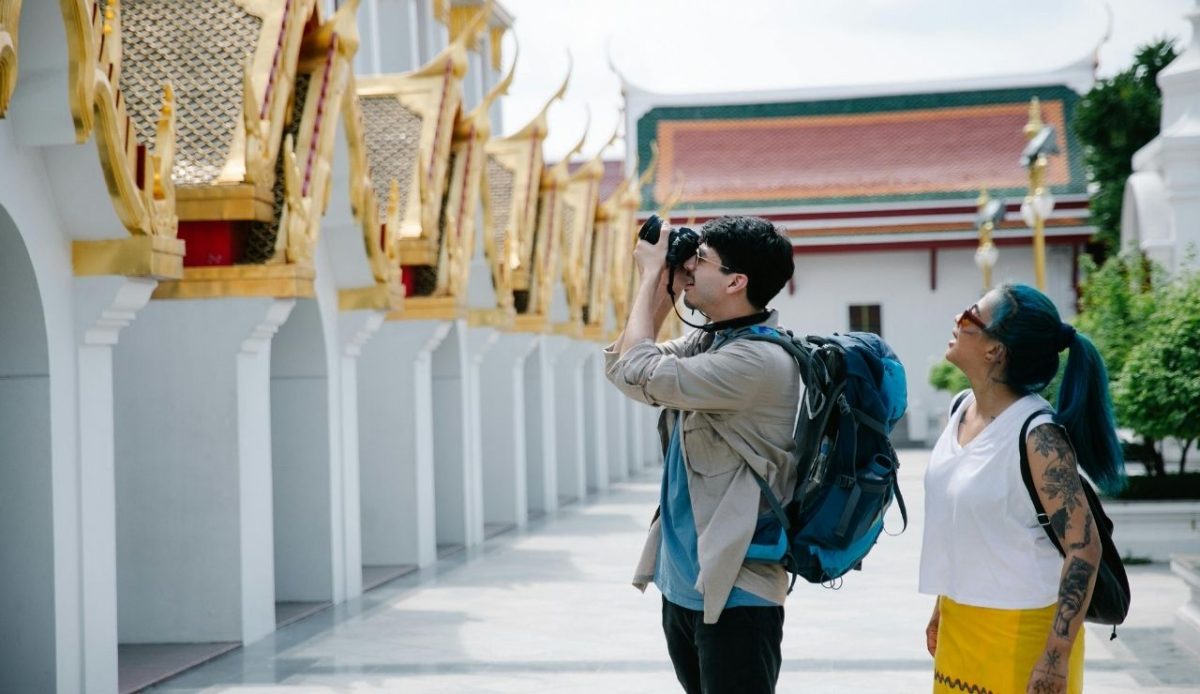
Travelers sometimes use cultural misunderstandings to create tension and then offer to “solve” the issue for a payment. They may claim you offended a vendor, stood in the wrong place, or touched something incorrectly. Their goal is to make you feel uncomfortable so you hand over money to end the situation quickly. Understanding greetings, temple behavior, and market etiquette reduces this risk. When you show basic knowledge of local manners, scammers usually avoid you because they cannot create confusion. Staying calm, asking for official staff, and avoiding emotional reactions help keep these staged conflicts from turning into expensive problems.
5. Fake Guides at Popular Spots

At major attractions, fake guides often approach visitors by saying certain areas are closed or require a private escort. They offer “help,” then lead travelers through side routes before demanding payment. Some also steer people into shops where they earn commission. Real guides stay inside official areas, wear visible badges, and follow posted rules. Checking signs, asking staff inside the attraction, and ignoring aggressive offers reduce the risk of paying for unnecessary services. A quick stop at an information desk saves you time and prevents unwanted costs. Recognizing official uniforms is one of the easiest ways to avoid this scam.
6. Too Many Activities Planned

Rushing from one activity to another makes it easier for scammers to trick you with unclear prices or quick changes. People with packed schedules often accept the first offer they hear, giving scammers an advantage. When tired or in a hurry, travelers miss small details like posted rates, official counters, or extra charges added without warning. Slowing down helps you notice genuine services and compare prices. A relaxed plan also reduces pressure, giving you time to read signs and avoid impulsive decisions. Scammers usually avoid travelers who appear alert and unhurried because they know these visitors catch small tricks immediately.
7. Skipping Health Steps

Ignoring health precautions can put travelers in situations where dishonest clinics or street sellers claim urgent treatment is needed. Some push overpriced pills or unnecessary procedures by using fear. Others pretend common travel symptoms require expensive care. Getting recommended vaccinations, carrying trusted medicine, and knowing where real clinics operate reduces this risk. When you are prepared, you do not need to rely on unknown vendors. Basic knowledge of common illnesses and safe food habits keeps you from accepting questionable advice. Preparation limits the chances of being guided into costly or unsafe medical services created to target confused visitors.
8. Not Having Insurance
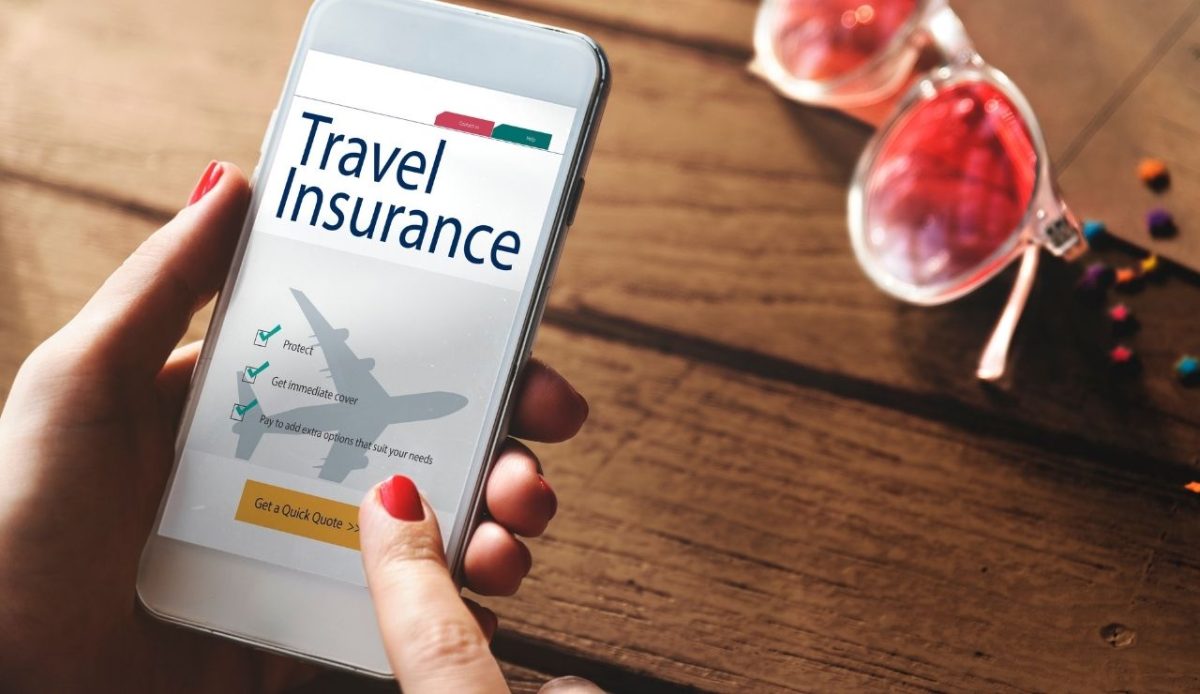
Without travel insurance, scammers know you must pay out of pocket during emergencies. Some dishonest clinics or repair shops raise prices after learning you have no support. They may suggest unnecessary treatments or claim higher service fees. Insurance lets you seek help from approved providers and avoid questionable businesses. It also shields you from costs related to lost bags, cancelled tours, or small injuries. When scammers realize you can contact your insurer, they often avoid pressuring you. Having this protection reduces stress and prevents expensive surprises during sudden problems that are common in crowded travel areas.
9. Relying Only on English
Scammers often take advantage of travelers who assume English is enough. In markets, taxis, and bus stations, dishonest vendors may claim they misunderstood your request and then charge more. Others pretend the agreed price was different because of “translation issues.” Learning a few local phrases or showing written numbers limits these tricks. Translation apps also help you confirm amounts before paying. Simple greetings and basic communication show scammers you are not easily confused. When you demonstrate even small language awareness, they lose the chance to twist the conversation into higher charges or surprise fees.
