
College life often extends far beyond the classroom. It grows through neighborhoods where students rent their first apartments, in cafés that turn into study spots, and at festivals where locals welcome new faces each semester. The towns that surround strong universities build their own identity through music, art, and community pride. They create balance between study and social life, making each season feel familiar instead of fleeting. From coastal campuses to mountain valleys, these fifteen towns prove that education thrives best where people and place work together.
1. Amherst, Massachusetts
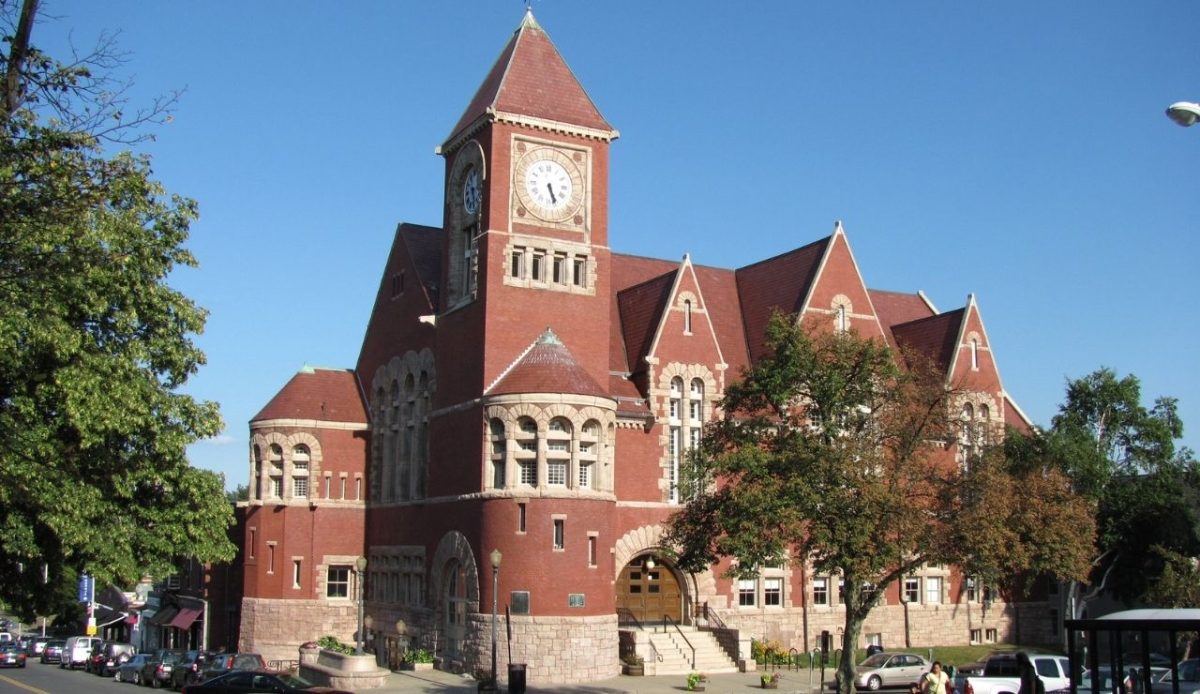
Amherst combines academic depth with neighborhood charm. Amherst College, Hampshire College, and the University of Massachusetts give the town constant activity while keeping its calm rhythm intact. Locals and students share cafés, bookstores, and weekend markets that remain lively throughout the year. Trails at Mount Holyoke Range and Puffer Pond bring relief from long study sessions. The Emily Dickinson Museum and Mead Art Museum keep their artistic spirit alive. Regular cultural events and community lectures link residents and students in shared curiosity. Amherst feels steady, engaging, and warm through every season.
2. Austin, Texas
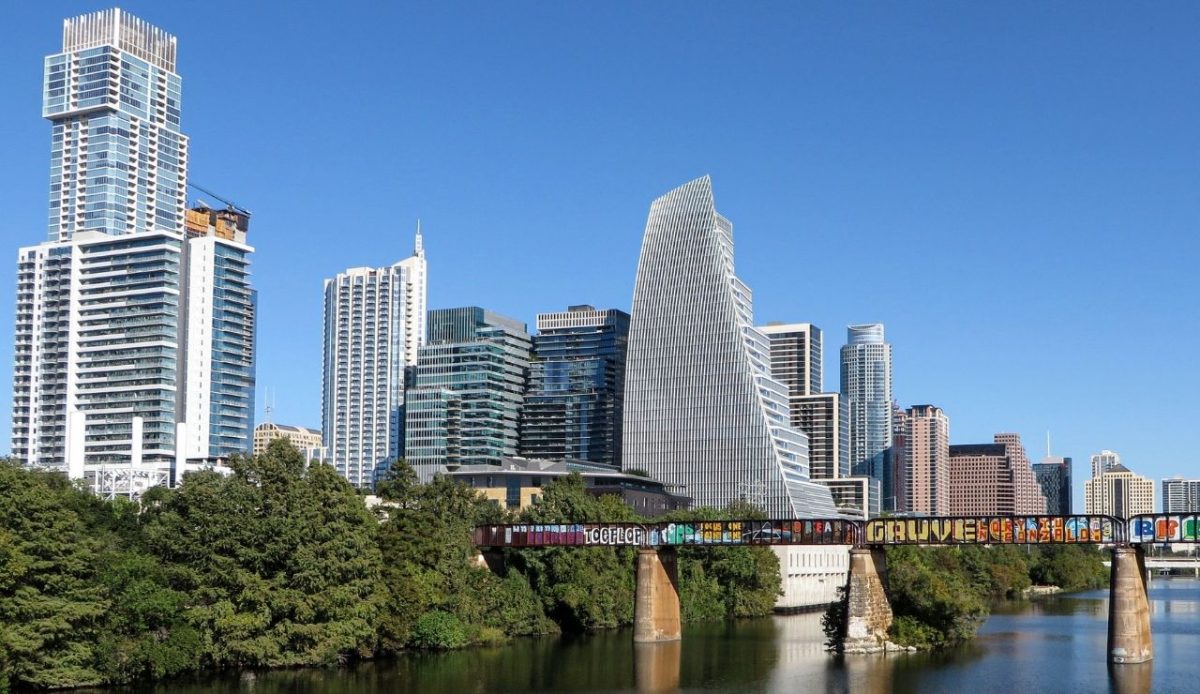
If you like cities that balance creativity with comfort, Austin fits perfectly. The University of Texas fuels the city’s academic drive, while its music venues, parks, and food culture keep daily life exciting. Students find easy connections through concerts, outdoor gatherings, and volunteer work that make the city feel personal. Barton Springs and Lady Bird Lake offer quiet breaks from urban energy. A strong job market allows many graduates to stay and build careers nearby. Austin’s openness, culture, and steady optimism turn student years into a lasting relationship with the city.
3. Boulder, Colorado
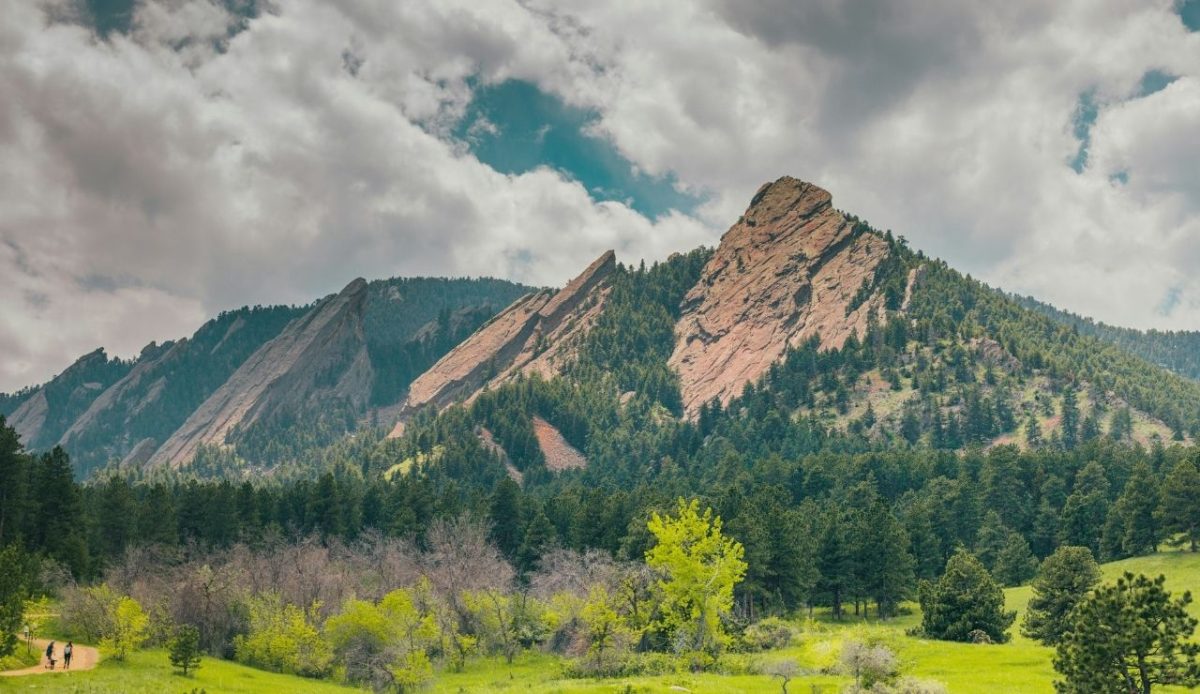
Boulder thrives on a balance between learning and outdoor living. The University of Colorado sits below the Flatirons, where mountain air and open trails invite reflection. Downtown’s Pearl Street Mall, small cafés, and markets help students and residents meet naturally. Winters encourage focus indoors, and summers fill the city with art festivals and live performances. Boulder’s economy, built on innovation and environmental science, gives students real career options. The city’s emphasis on wellness, study, and community keeps it grounded while still forward-thinking, making it one of the most balanced college environments in the country.
4. Charlottesville, Virginia
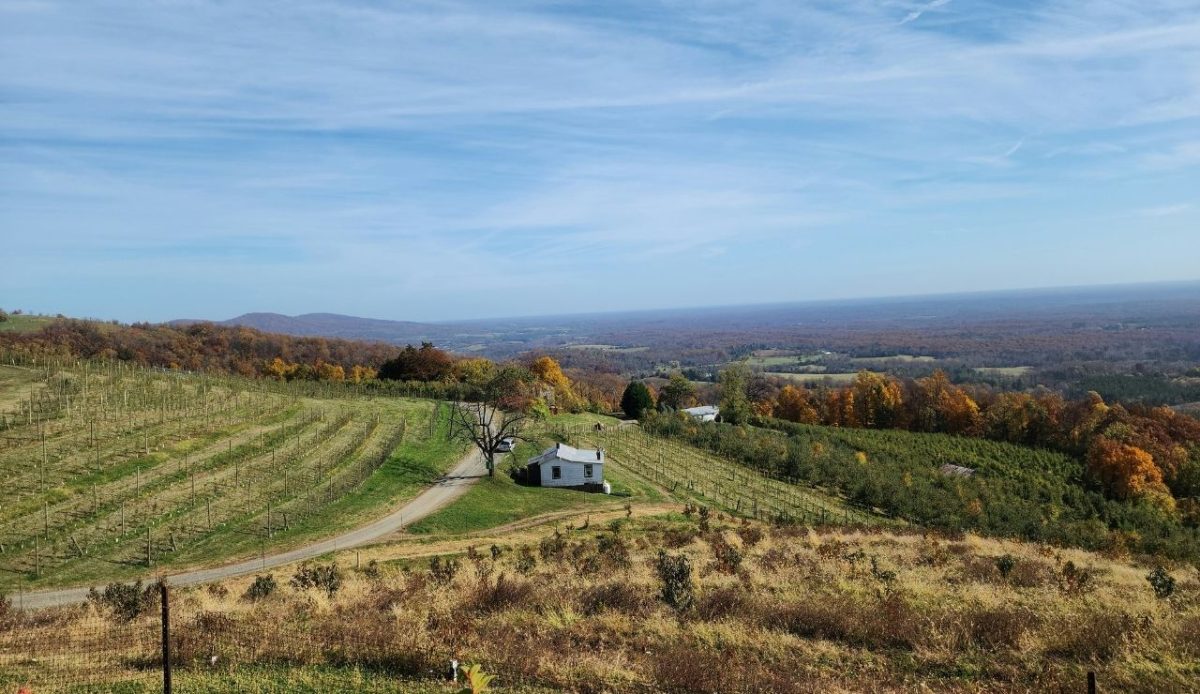
If you value history and hospitality, Charlottesville delivers both. The University of Virginia’s classical design shapes its look, while the town’s restaurants, galleries, and outdoor spaces add modern life. Markets, music events, and small festivals connect students with long-time residents. Scenic trails and local vineyards give extra depth to weekends. The blend of academic purpose and southern warmth makes every season engaging. Students often return as professionals or artists, drawn to the same welcoming tone that first made Charlottesville feel familiar.
5. Davis, California
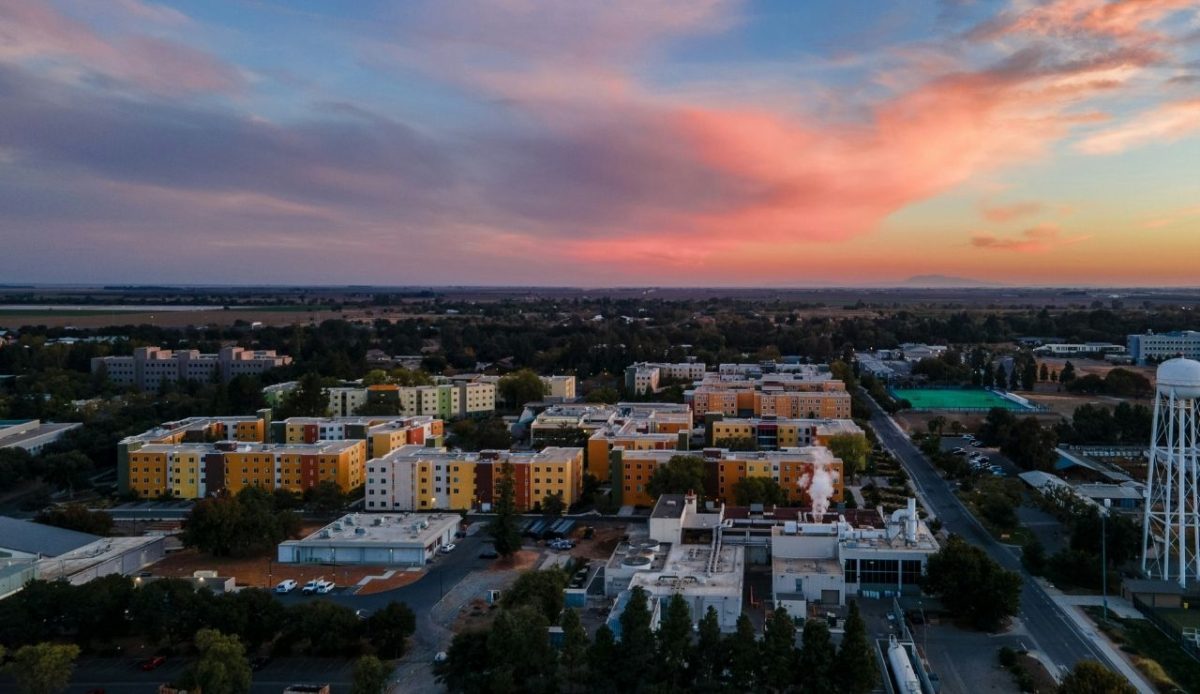
Davis builds its reputation on sustainability and learning that reaches beyond classrooms. The University of California, Davis, promotes environmental awareness that shows in everyday habits. Biking paths, public gardens, and shaded streets create a sense of calm and movement at once. The weekend farmers’ market draws both residents and students, becoming a symbol of shared purpose. Art galleries, science fairs, and research centers keep curiosity alive throughout the year. Mild weather supports outdoor gatherings, and many graduates stay to work in agriculture, education, or renewable energy.
6. Bloomington, Indiana
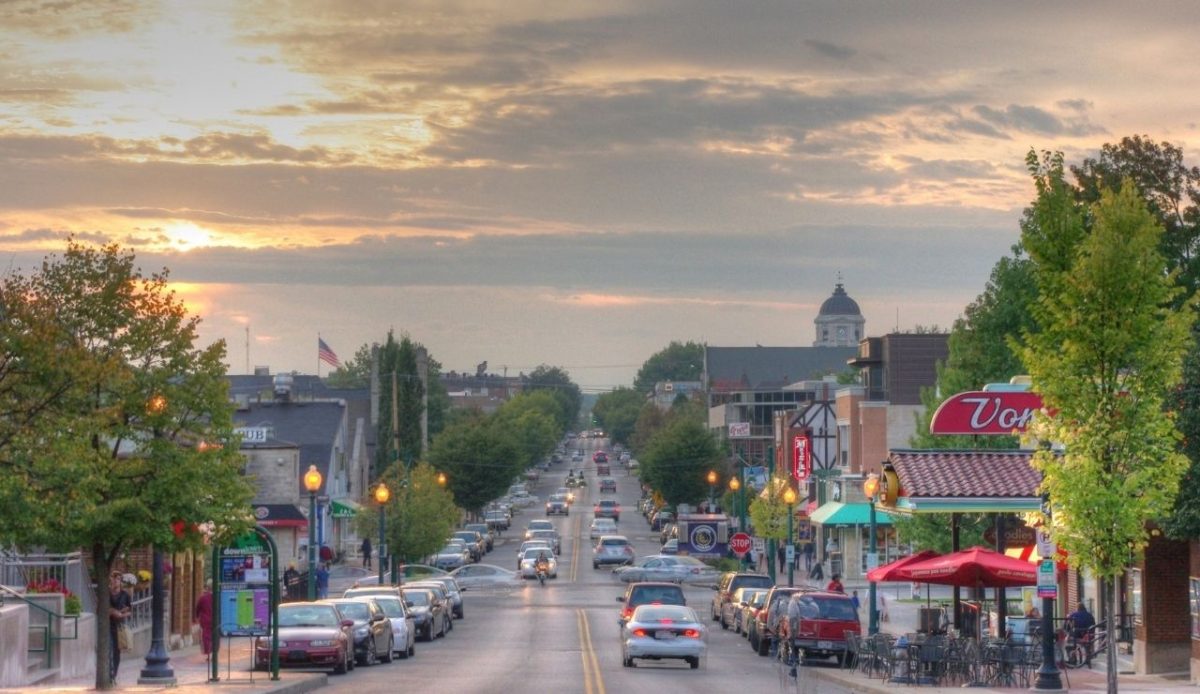
Bloomington expresses classic Midwestern hospitality wrapped in culture and learning. Indiana University supports theaters, art galleries, and music halls that stay active through every term. Brick buildings and tree-lined streets lend timeless charm. Locals welcome students as part of daily life rather than visitors. The nearby lakes and trails offer recreation without leaving town. Affordable living and a strong creative economy encourage many graduates to remain. Bloomington continues to balance academic drive and personal connection better than nearly any other regional college community.
7. Ithaca, New York
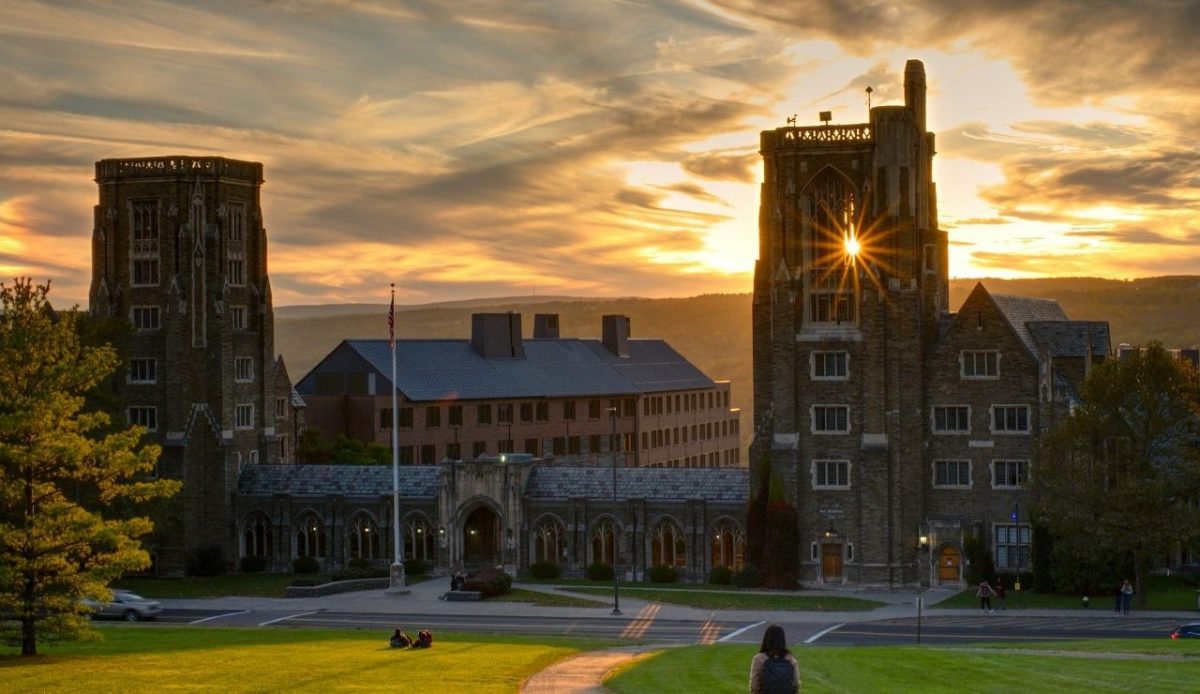
Ithaca joins scholarship with scenery better than most college towns. Cornell University and Ithaca College fill the city with students, while Cayuga Lake, gorges, and forest trails bring constant renewal. Independent bookstores and small theaters provide cultural depth during the long winter months. Local sustainability efforts give students real experience in community problem-solving. Farmers’ markets and music events remain active through every season. The steady balance between intellect, creativity, and nature makes Ithaca one of upstate New York’s most admired destinations for study and life.
8. Ann Arbor, Michigan
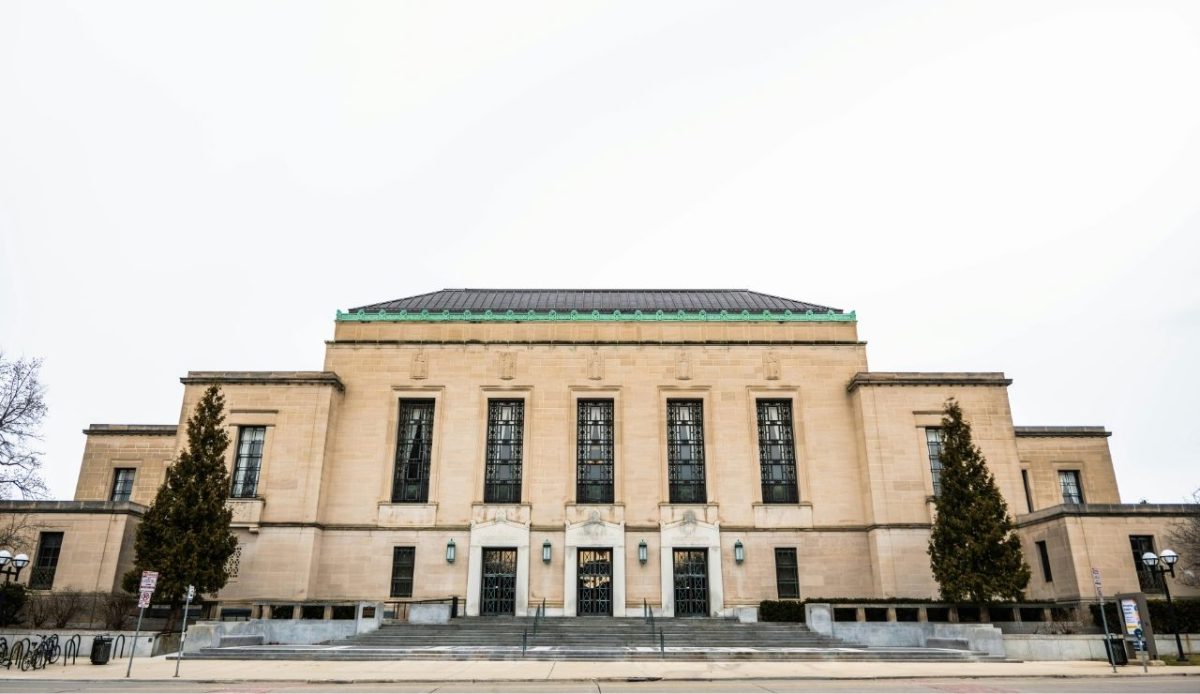
If variety inspires you, Ann Arbor rarely slows down. The University of Michigan gives it academic strength, and small businesses give it heart. Local bookstores, performance venues, and family-run restaurants provide constant activity. The city’s innovation sector offers work and research opportunities for graduates who stay. Festivals, concerts, and sports events keep its streets lively across all seasons. Ann Arbor values ideas and collaboration, creating a culture where education continues outside class. Its thoughtful pace and constant curiosity make it one of the Midwest’s most enduring college cities.
9. Madison, Wisconsin
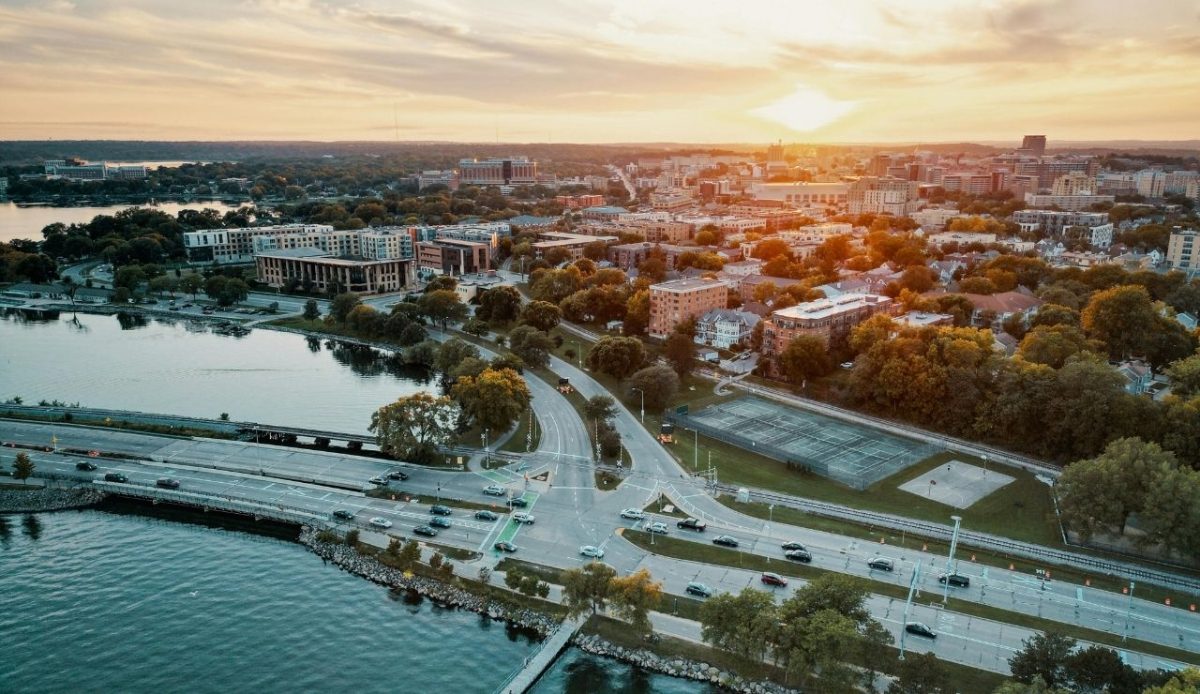
Madison demonstrates how a college city can remain personal and organized. The University of Wisconsin rests between two lakes, giving it an uncommon mix of scenery and activity. Biking paths, outdoor markets, and coffeehouses keep people connected even in cold months. Cultural festivals and sports events draw together students and locals alike. Madison’s economy supports innovation in technology and research, creating strong opportunities after graduation. The city’s sense of cooperation and movement gives it a unique stability that defines life for both residents and students.
