
Walkable streets matter most in small country towns where the main block still handles daily needs. To keep this list focused, each pick is tied to a named street or compact district that local tourism or civic sources present as the town’s central place to stroll. These are not general scenic towns, but places where sidewalks, short blocks, and closely spaced storefronts support walking between coffee, shops, parks, and local history. The goal is simple routes that work for visitors and residents without constant driving. Selection also favored calmer traffic, clear crossings, and an intact streetscape that rewards a slower pace.
1. Woodstock, Vermont
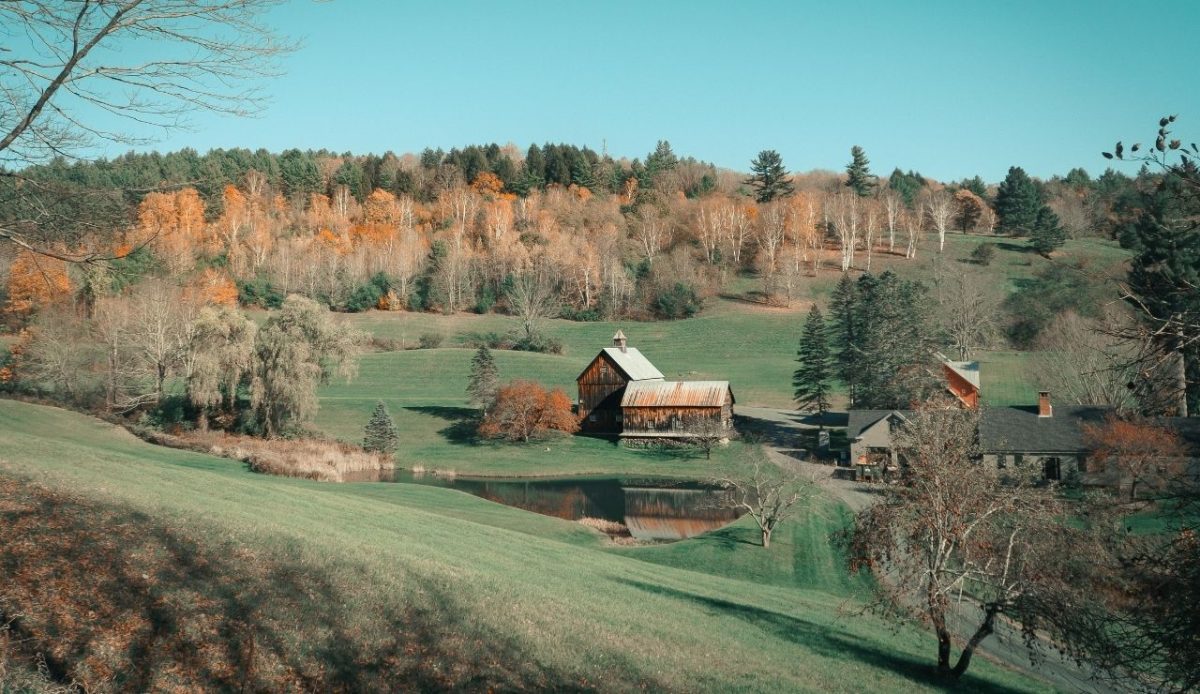
Woodstock, Vermont, centers walking around the Town Green and the short lanes that frame it. Sidewalks connect inns, small stores, and cafes within a few minutes, so a car can stay parked. Because the downtown blocks are compact, crossings are frequent, and speeds are kept low. Seasonal events often use the green as the meeting point, which keeps foot traffic concentrated. The village sits in farm country, yet the core remains easy to cover end to end on foot. From the green, walkers can reach nearby historic houses and river views without detours, and benches make short breaks easy. Winter paths stay clear.
2. Fredericksburg, Texas
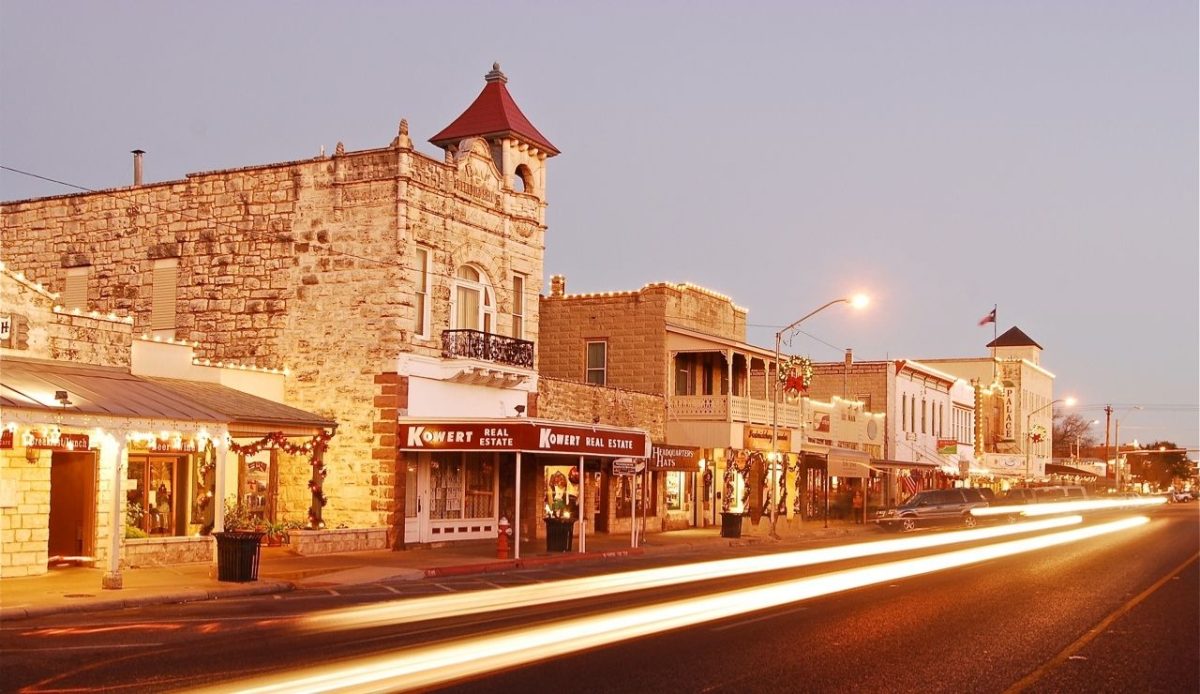
Fredericksburg, Texas is built around Main Street, a long stretch where storefronts sit close, and visits can be chained on foot. Sidewalks run past German heritage sites, galleries, and local restaurants with little need to drive between stops. Parking lots sit behind many buildings, which reduces curb cuts and keeps the walking line steady. Crosswalks are common at intersections, and the street grid makes it simple to loop back without backtracking. The Marktplatz area and nearby museums are within the same walk zone, so short visits can be stacked into one afternoon. Even during busy weekends, most movement stays on the sidewalk.
3. Galena, Illinois
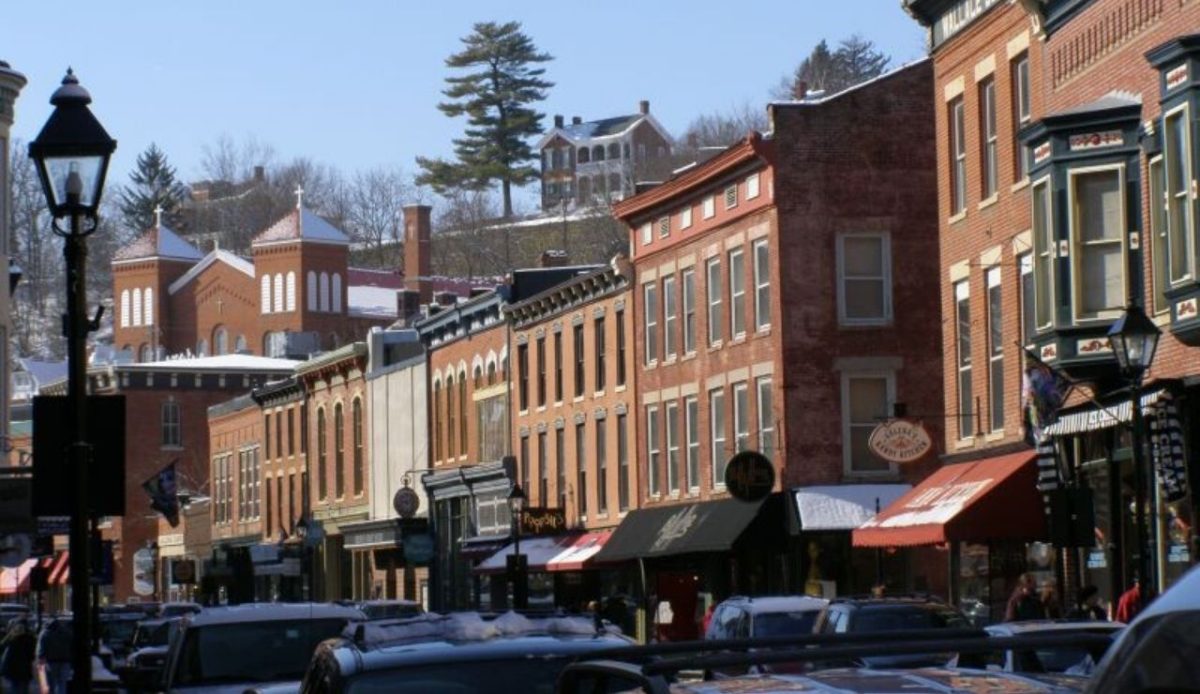
Galena, Illinois, offers one of the clearest examples of a single walkable spine in Historic Main Street. Brick buildings sit tight to the sidewalk, creating a continuous row of shops, cafes, and small museums. Because the district is compact, visitors often park once and cover the core without gaps. The street follows the valley, so navigation stays simple and turning points are easy to spot. Preserved facades keep the streetscape consistent and visually calm. Short side streets climb toward overlooks and historic homes, then return quickly to the main block, which keeps walks varied but manageable.
4. Lititz, Pennsylvania
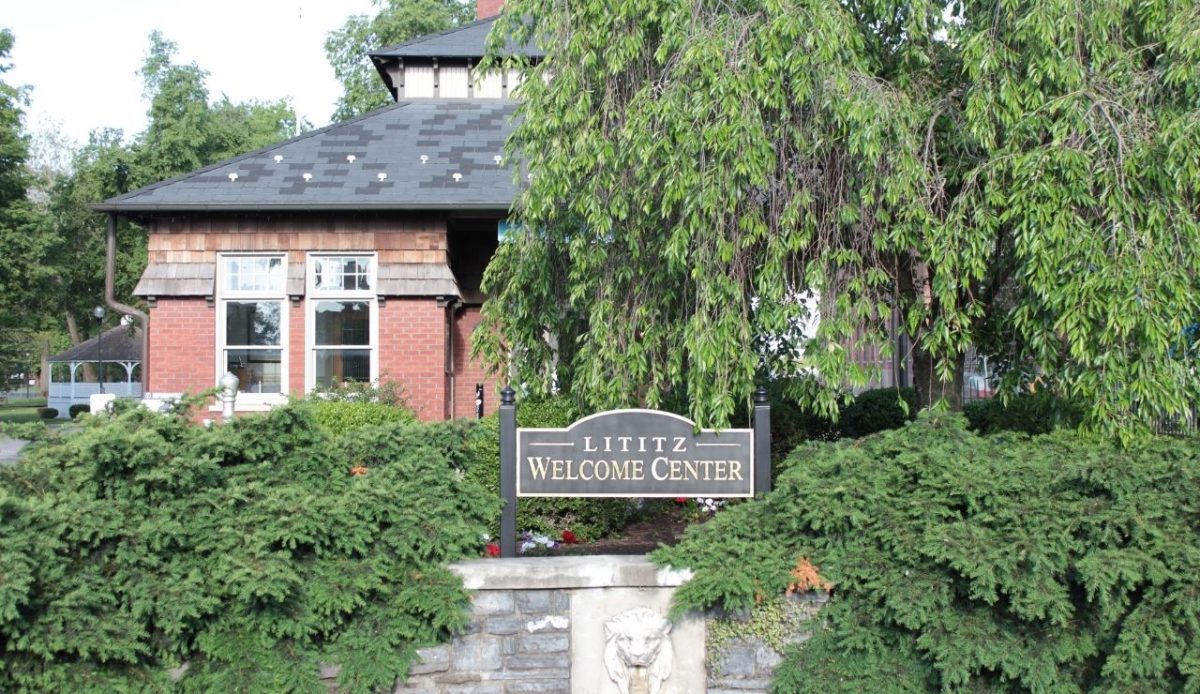
Lititz, Pennsylvania, feels designed for walking because Lititz Springs Park sits directly in the middle of town. Broad Street runs past cafes and local shops, while paths along the park create an easy loop for short errands. Crossings are close together, so pedestrians do not wait long to move between blocks. The park links public spaces to businesses, which keeps foot traffic steady throughout the day. Quiet neighborhoods and nearby farmland begin just beyond the downtown grid. A few well-known stops, including the chocolate shop and small museums, are reachable from the same parking spot, which reduces car use.
5. Skaneateles, New York

Skaneateles, New York, concentrates walking on Genesee Street, the main line through its historic downtown by the lake. Shops, dining, and inns are closely spaced, so a stroll works for both browsing and practical stops. The lakefront and the pier are a short walk from the commercial blocks, making it easy to add water views without changing plans. Intersections are frequent, and the grid supports simple out-and-back routes. Outside downtown, rural roads appear quickly, keeping the town small in scale. Public parks and a small village green provide resting points, and seasonal events keep the center active without expanding its footprint.
6. Beaufort, South Carolina
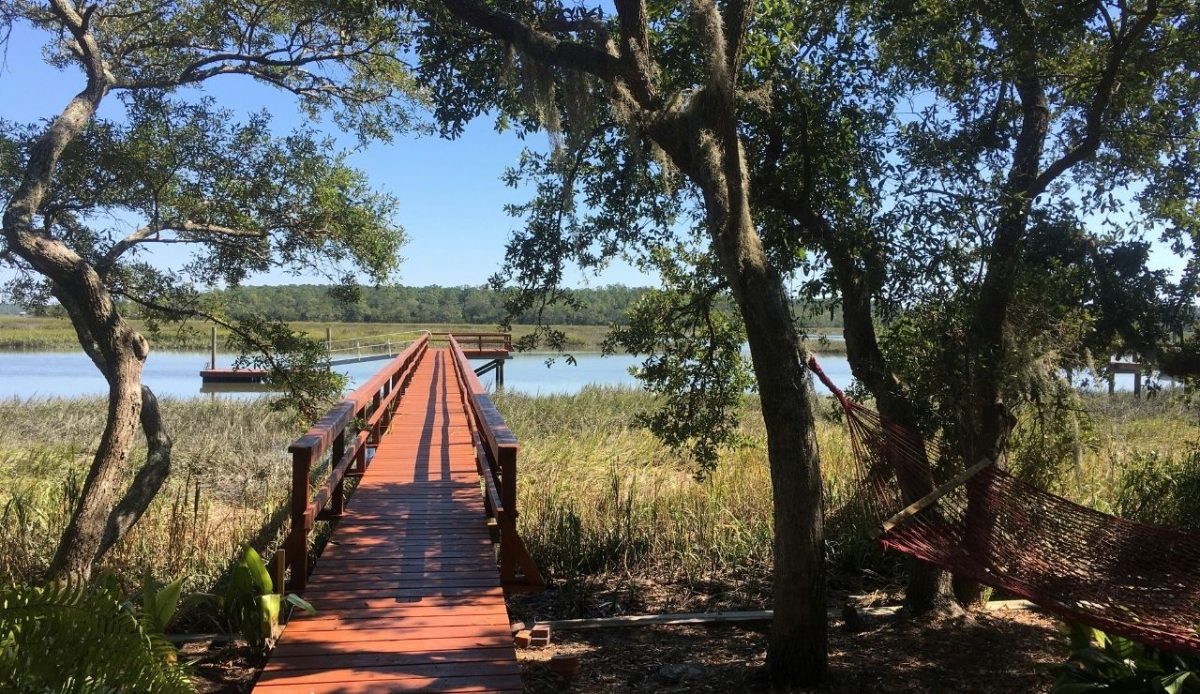
Beaufort, South Carolina, is most walkable along Bay Street, where the historic district meets the waterfront. Sidewalks connect restaurants, small shops, and shaded public areas within a short distance. Because the blocks are modest in length, crossings happen often, and walking feels direct. Many visitors handle tours, meals, and riverfront stops without moving a vehicle once it is parked. Surrounding marshland and low-density neighborhoods help the center keep a small-town rhythm. Historic homes and churches sit close to the commercial strip, so a single loop can cover architecture, food, and the waterfront park.
7. Rye, East Sussex
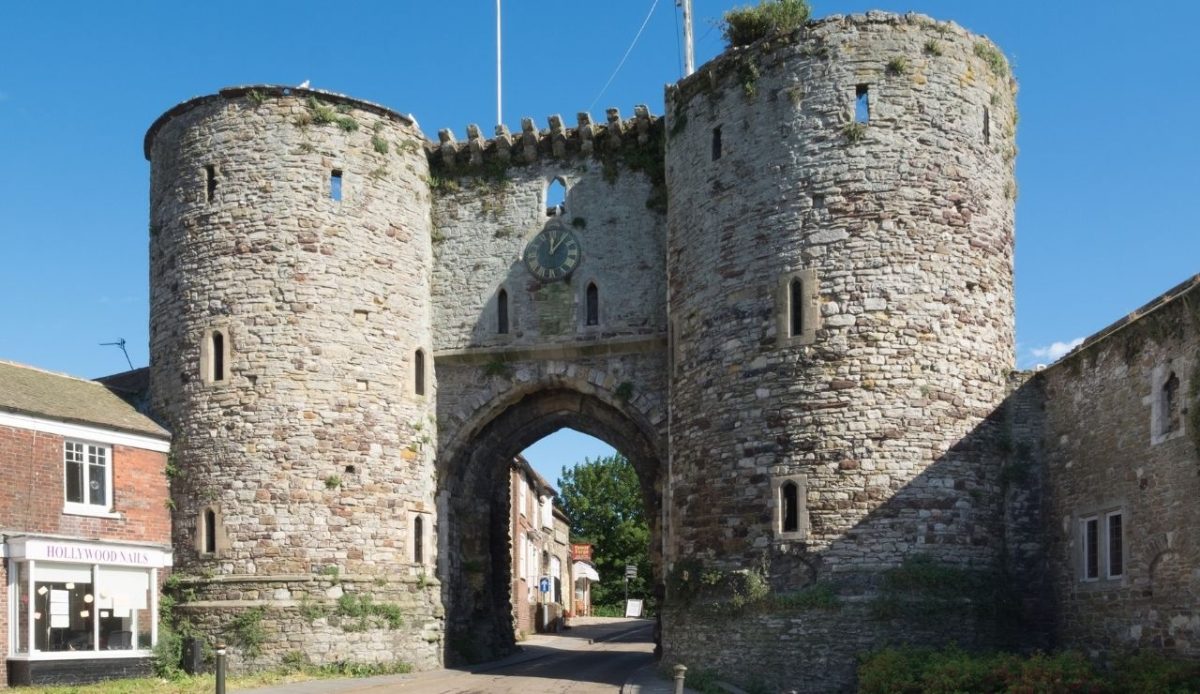
Rye, East Sussex, is best explored on foot, especially along Mermaid Street and the surrounding lanes of the old town. Road width is narrow, and surfaces are uneven, so car movement is limited and walking becomes the default. Independent shops, pubs, and small inns are packed into a compact area, which keeps distances short. Wayfinding stays simple because most routes lead back toward the town center. Countryside and marshland are close by, but the walkable core remains the main draw for visitors. Limited parking near the oldest streets encourages leaving the car outside the center, then visiting landmarks like the church and gate on foot.
8. Middleburg, Virginia
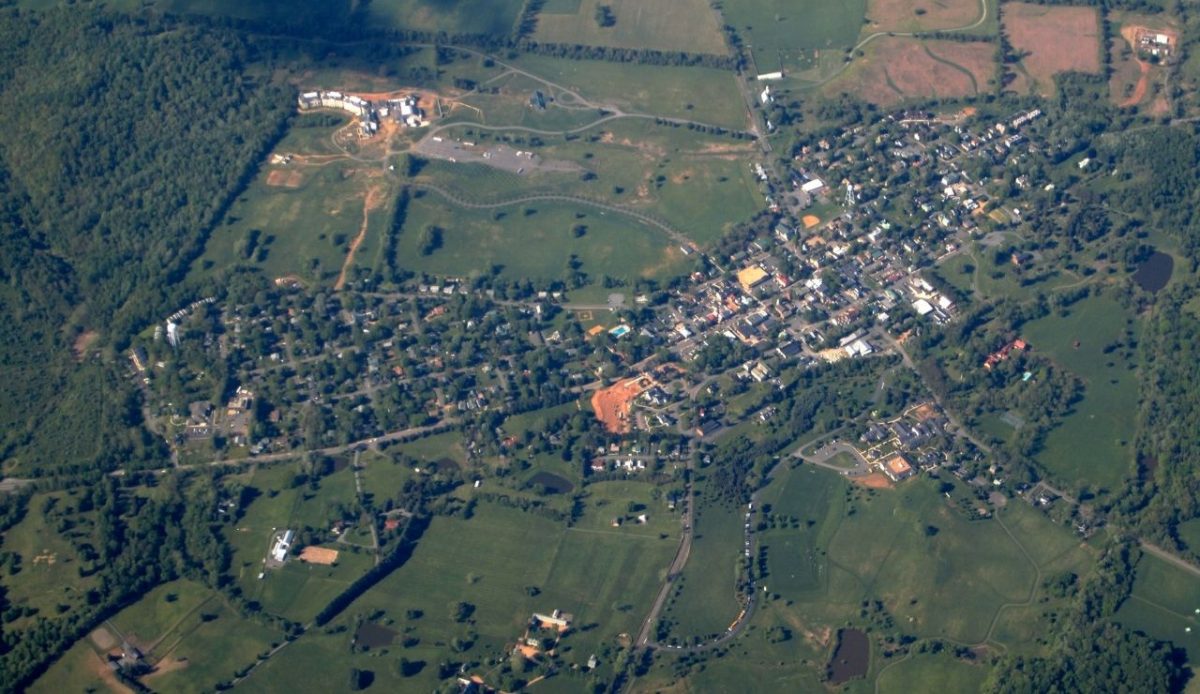
Middleburg, Virginia, keeps walking focused on Washington Street, a compact main street that runs through its historic district. Sidewalks and frequent crossings support short trips between cafes, local shops, and civic buildings. Traffic calming has been used to slow speeds and pedestrians. Because the core is small, visitors can cover most stops in one pass without planning a route. Open farmland and horse country begin quickly outside town, reinforcing the country setting while the center stays walkable. Inns, antique stores, and galleries are clustered on the same blocks, so a walk can replace several short drives.
9. Wimberley, Texas
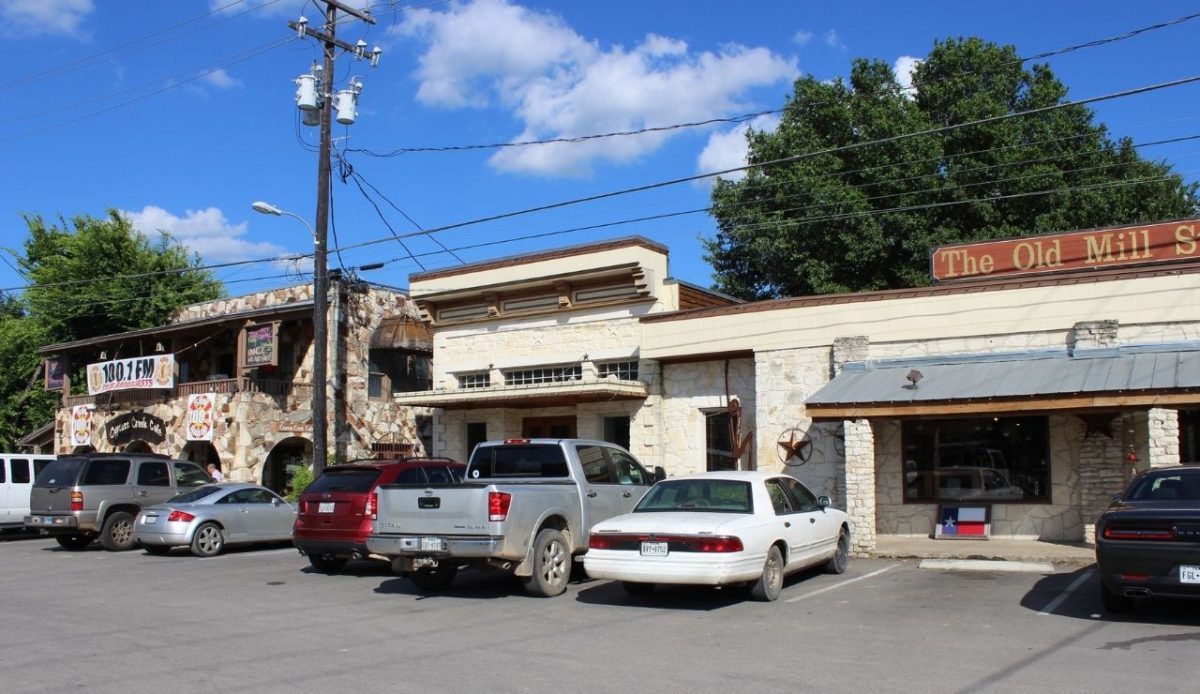
Wimberley, Texas, concentrates walking in and around Wimberley Square, where shops and galleries cluster near a central plaza. Parking is generally kept to the edges, which reduces through traffic and supports a pedestrian flow between storefronts. Because the district is small, visitors can shop, eat, and handle simple errands without driving across town. Short side streets connect back to the square, so getting turned around is unlikely. The wider Hill Country setting remains rural, yet the town center works well on foot for most daytime plans. Weekend markets and events use the same blocks, keeping the walk zone active through the year.
