
Across Central Europe, festivals are not casual celebrations but carefully preserved cultural rituals. Many communities treat these events as living history, protecting customs, clothing, music, and ceremonial roles passed down over centuries without compromise.
These festivals often originate from agricultural cycles, religious observances, or ancient pagan beliefs. Participation follows strict rules, ensuring traditions remain unchanged despite tourism growth, urbanization, and outside cultural influence.
From masked parades to seasonal fire rituals, these festivals represent cultural identity and regional pride. For travelers, they offer rare insight into traditions that are actively defended rather than adapted for modern entertainment.
1. Busójárás, Mohács, Hungary
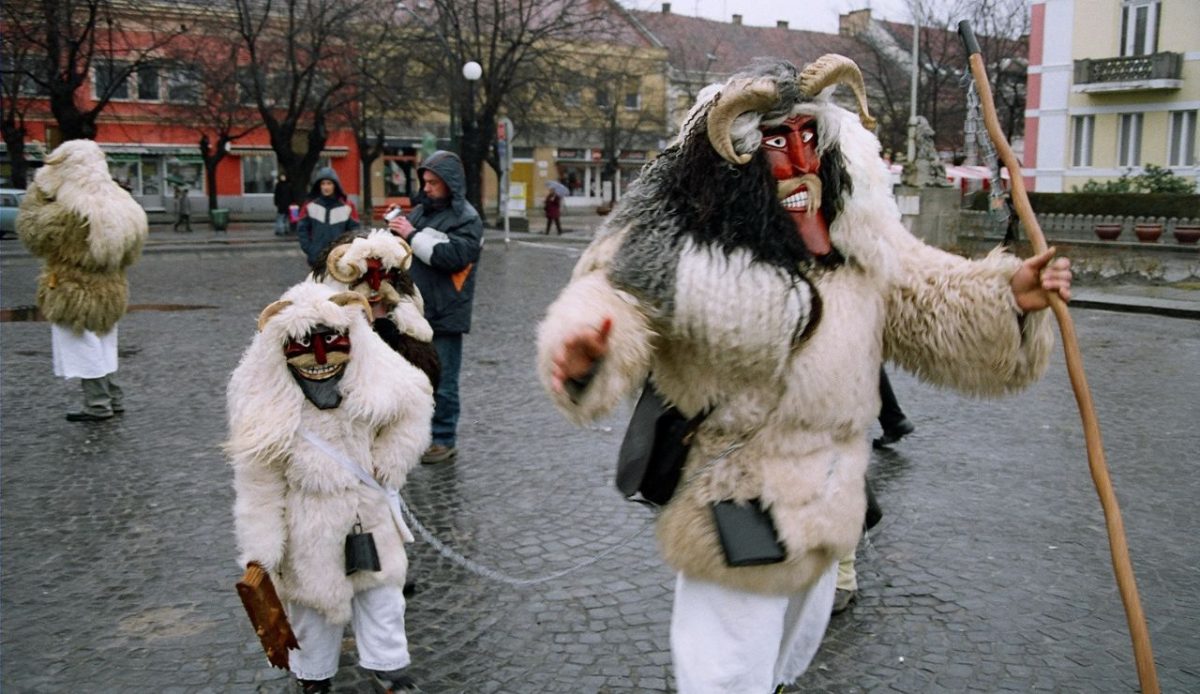
Busójárás marks the end of winter through masked processions rooted in ancient Slavic folklore. Participants wear hand-carved wooden masks, horns, and heavy sheepskin cloaks meant to frighten away evil spirits.
The costumes follow strict traditional standards, often crafted using techniques passed down within families for generations. Ritual dances, bonfires, and rhythmic noise-making processions remain central to the celebration.
Despite rising visitor interest, Busójárás remains tightly community-controlled. Organizers actively limit commercialization to preserve its raw, ancestral atmosphere and deep cultural symbolism.
2. Masopust, Czech Republic
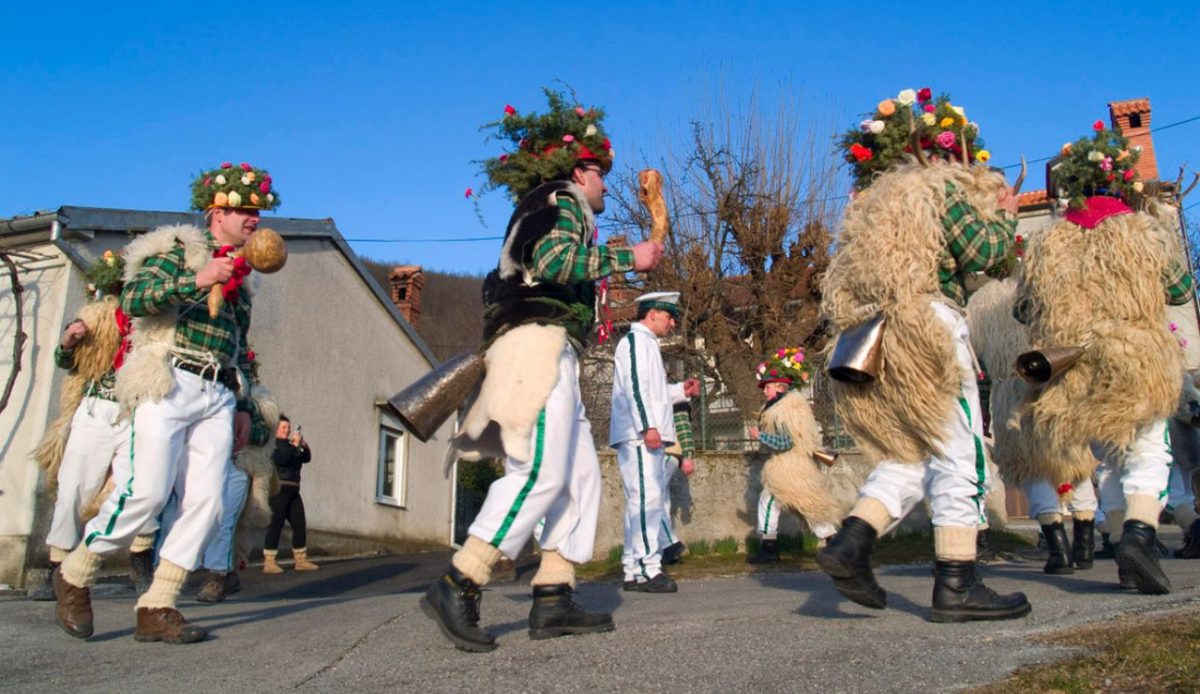
Masopust is a pre-Lenten festival celebrated in Czech villages through symbolic processions. Each costume represents a traditional role with defined behavior and meaning rooted in medieval folklore, often passed down through generations.
Participants move door to door performing ritualized interactions involving music, dance, and food offerings. Every action follows established customs preserved through oral tradition, keeping centuries-old rhythms alive.
Local authorities closely regulate Masopust events. Modern reinterpretations are discouraged, allowing the festival to remain a deeply communal and historically authentic tradition, giving travelers a genuine window into Czech medieval culture.
3. Krampusnacht, Austria
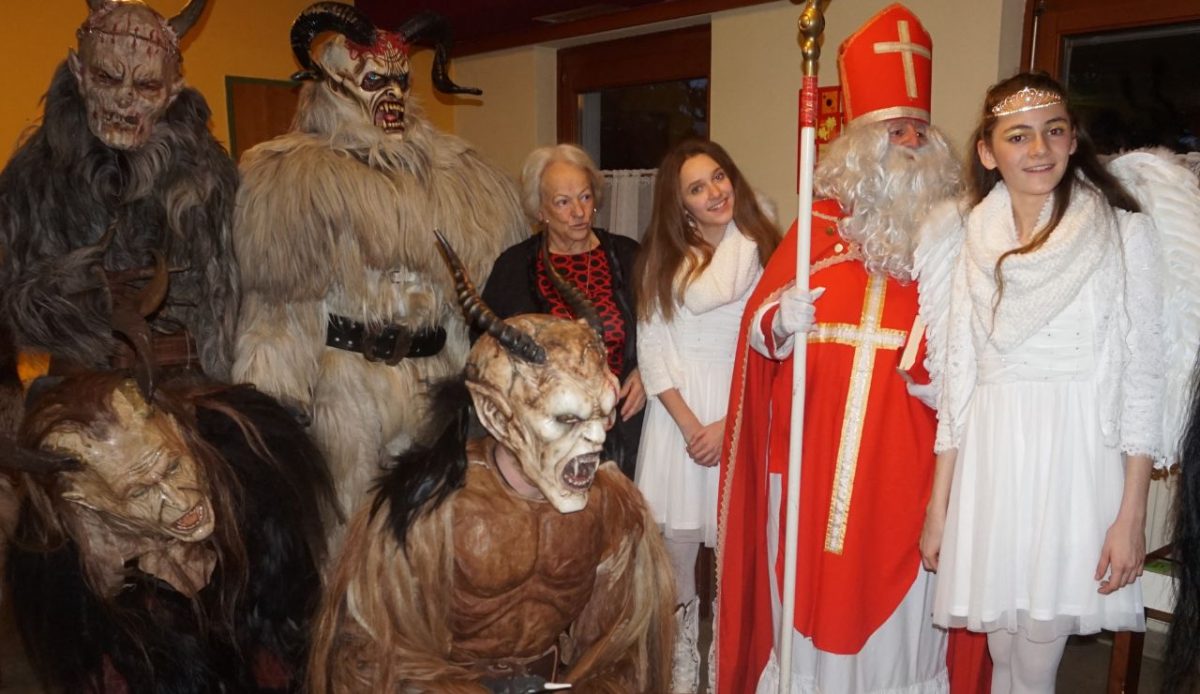
Krampusnacht is an Alpine tradition where masked figures portraying Krampus roam the streets, frightening onlookers while reminding the community of moral lessons. The event draws from pre-Christian rituals tied to winter and ancient Alpine beliefs.
Masks are handcrafted from wood and fur, often requiring months of preparation to meet exacting traditional standards. Participants follow strict conduct rules governing movement, costume accuracy, and group coordination.
Though visually dramatic, Krampusnacht is carefully regulated by local guilds. Its authenticity is preserved through rules that ensure it remains a ritual celebration deeply rooted in Alpine heritage rather than a spectacle for casual entertainment.
4. Sechseläuten, Zurich, Switzerland
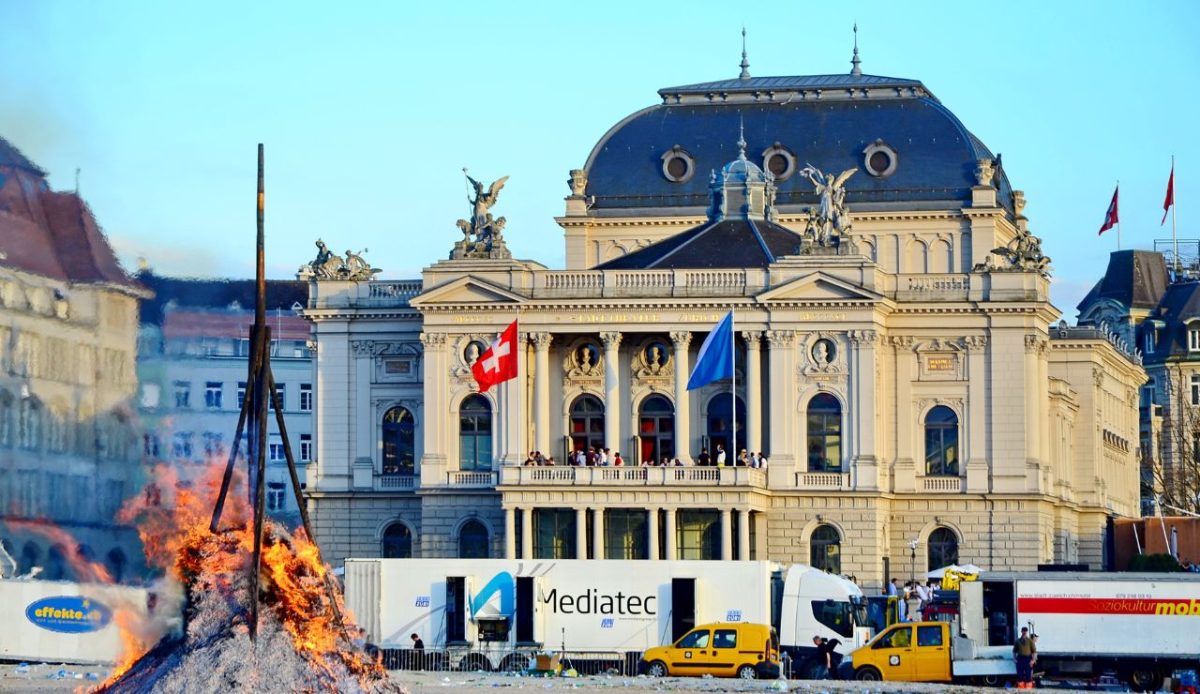
Sechseläuten marks the symbolic end of winter through the burning of the Böögg, a snowman figure filled with fireworks. The ceremony has been performed for centuries, rooted in medieval guild traditions and local culture.
Guild members parade in historical attire following strict hierarchies. Timing, procession order, and ceremonial roles are all regulated according to centuries-old protocols, maintaining precision and continuity.
Despite Zurich’s modern image, Sechseläuten remains highly traditional. Community leaders actively reject any modernization that would dilute its historic meaning, keeping the festival an authentic celebration of seasonal change and civic pride.
5. Basel Fasnacht, Switzerland
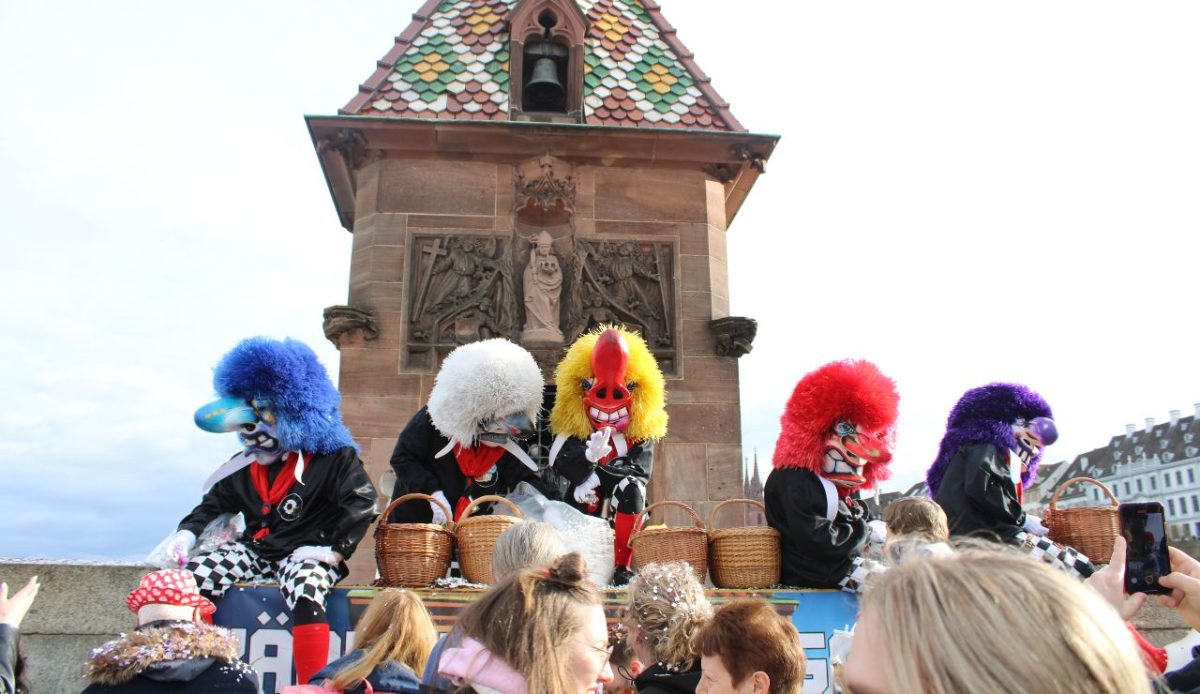
Basel Fasnacht begins precisely at 4 a.m. when city lights are extinguished, marking the start of Switzerland’s most traditional carnival. This exact timing has been preserved for hundreds of years.
Participants wear elaborate lanterns and masks while performing traditional music rhythms unchanged for generations. Parade routes and performance styles follow historic guidelines, creating a coordinated spectacle with deep cultural significance.
Organizing committees actively prevent modernization. Fasnacht remains rooted in cultural expression and historical protest rather than contemporary entertainment, making it one of the most authentic, time-honored carnivals in Europe.
6. Almabtrieb, Austria and Bavaria
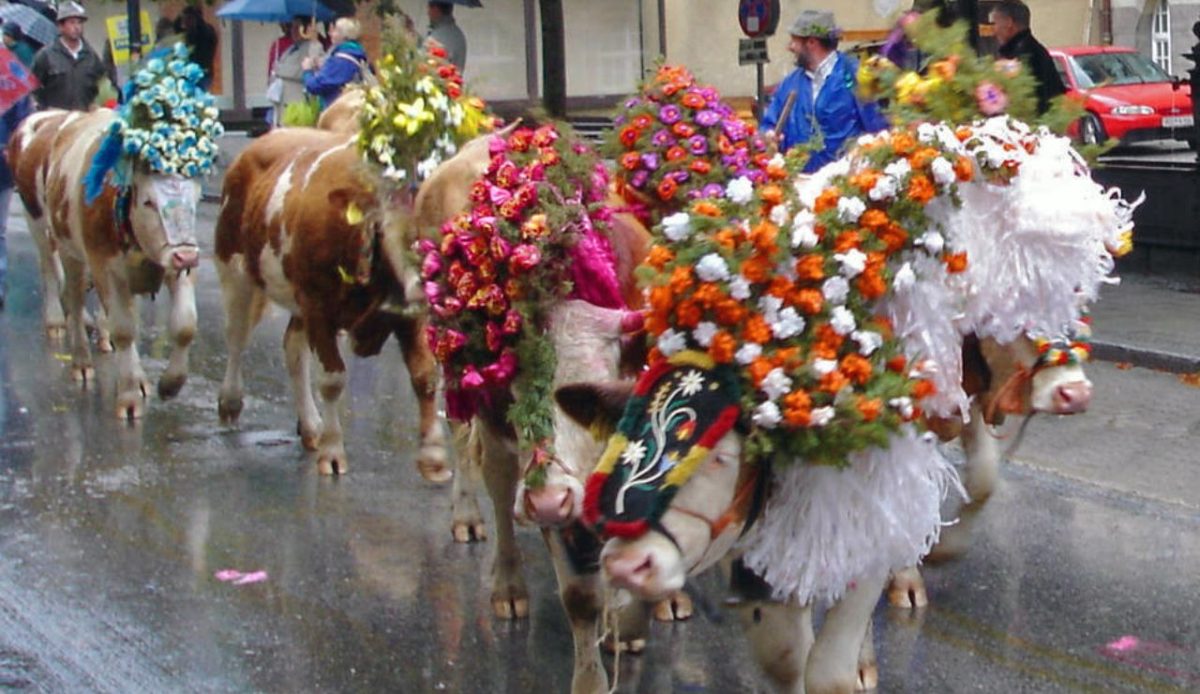
Almabtrieb celebrates the return of cattle from alpine pastures after summer grazing. Cows are adorned with flowers, bells, and ornaments, reflecting both agricultural success and aesthetic tradition.
Each decoration carries a symbolic meaning, signaling whether the grazing season passed safely. Costumes, music, and processions follow inherited patterns, which differ slightly by region but remain firmly anchored in historical practice.
Although photography draws tourists, Almabtrieb is primarily led by farmers. The festival preserves ritual significance and authentic regional character, demonstrating how centuries-old agrarian customs continue to shape community life today.
7. Kupala Night, Poland
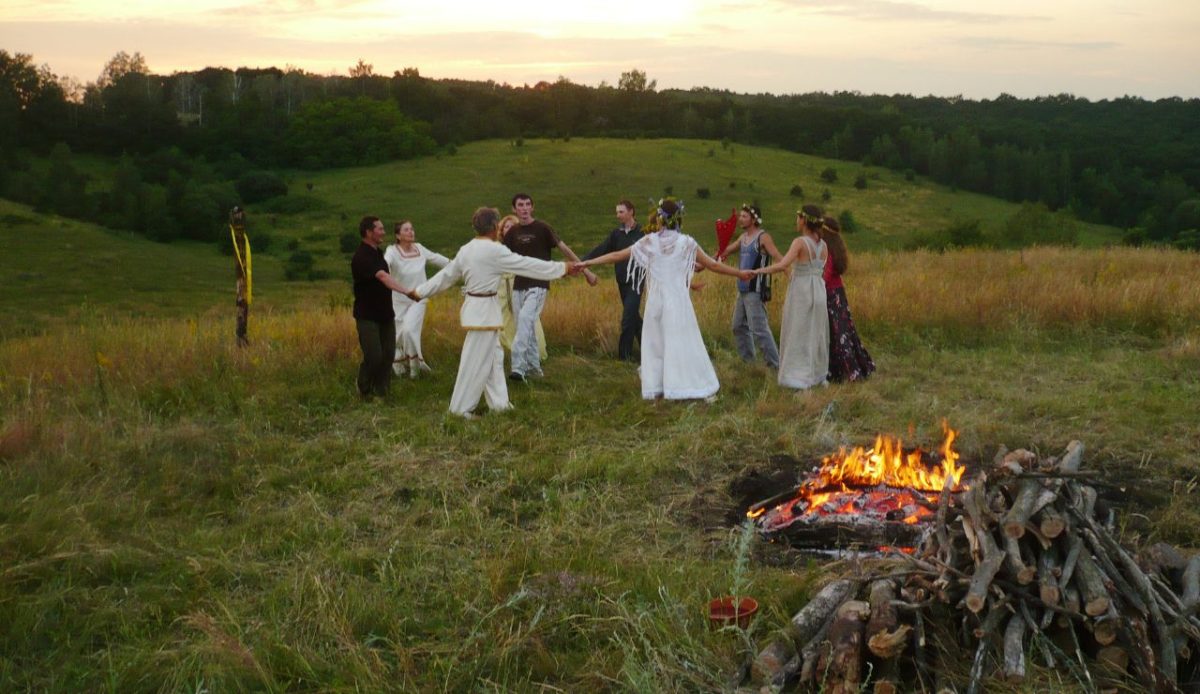
Kupala Night is a pagan midsummer festival rooted in Slavic mythology. Rituals include fire jumping, wreath floating, and water ceremonies, each symbolizing renewal, fertility, and purification in local tradition.
Participants follow ancestral practices meticulously. Music, dance, and ceremonial sequences have been passed orally for generations, maintaining continuity across centuries and regions.
Communities resist commercialization, keeping Kupala Night aligned with its ritual origins. The festival allows locals and visitors to engage deeply with authentic folklore, creating an immersive midsummer experience that celebrates ancient Slavic heritage.
8. Škofja Loka Passion Play, Slovenia
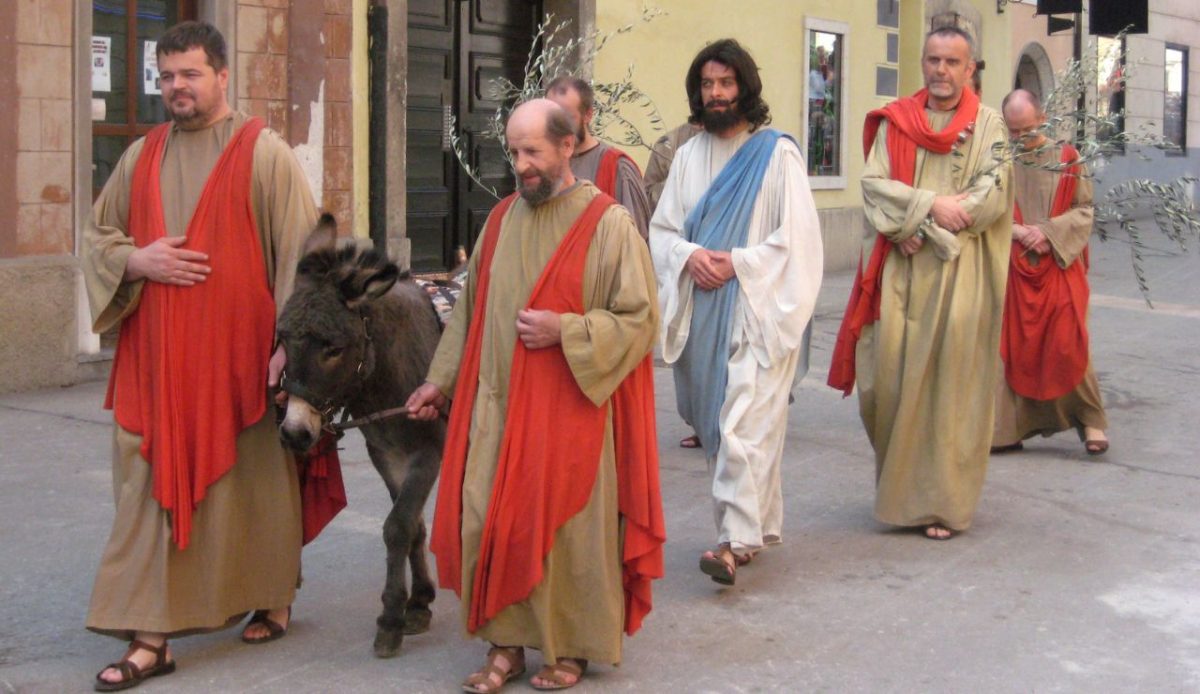
The Škofja Loka Passion Play is Europe’s oldest preserved passion play, performed using an 18th-century script. Performances are staged only every few years, enhancing anticipation and significance.
Actors wear historically accurate costumes and follow original staging methods. The script remains unchanged, recited exactly as written, while the performance preserves the religious and theatrical traditions of centuries past.
Strict oversight ensures authenticity. The play functions as both a cultural duty and devotional practice rather than theatrical reinvention, giving audiences a rare, immersive glimpse into historical European performance traditions.
9. Oktoberfest (Traditional Wiesn), Bavaria, Germany
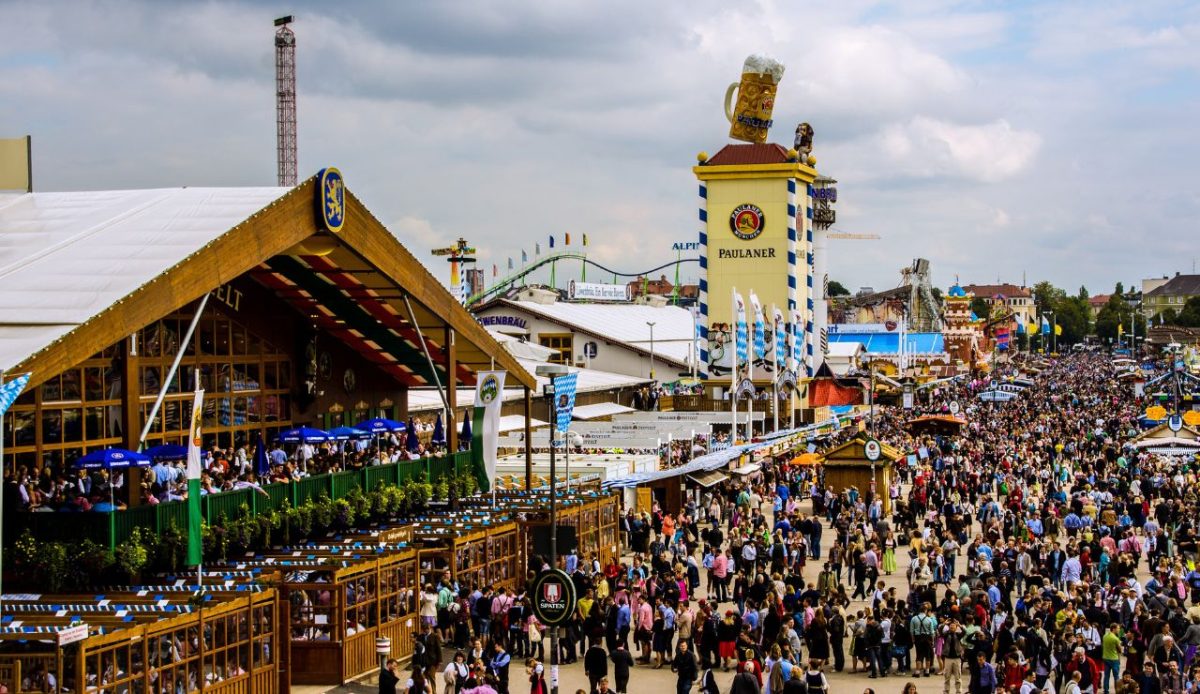
Despite its global fame, traditional Oktoberfest elements remain fiercely protected in Munich. Folk music tents, ceremonial openings, and customary dress follow strict rules and protocols maintained for generations.
Family-run tents preserve historic menus, seating arrangements, and music styles, ensuring the event reflects Bavarian culture rather than global commercial trends. Modern entertainment formats are carefully restricted.
Behind the crowds and festivities, Oktoberfest continues as a deeply rooted folk festival. Its authenticity reinforces Bavarian identity and tradition, preserving centuries-old celebration practices while still welcoming visitors from around the world.
