
Belarus protests surged after the August 2020 presidential election and met a coordinated security response. Across several cities, gatherings were labeled unlawful, enabling quick detentions and short jail terms. Rights monitors recorded riot gear and detention vans.
Crushing here means two linked steps. Crowds were dispersed with stun grenades, rubber bullets, or tear gas, then pressure arrived through searches, workplace threats, and brief hearings. Participation fell as detention risk became predictable.
The cities below appear because reporting shows a specific suppression channel. Some saw mass roundups; others faced prosecutions based on video evidence. The aim is to explain how protest activity was constrained in each location.
1. Minsk
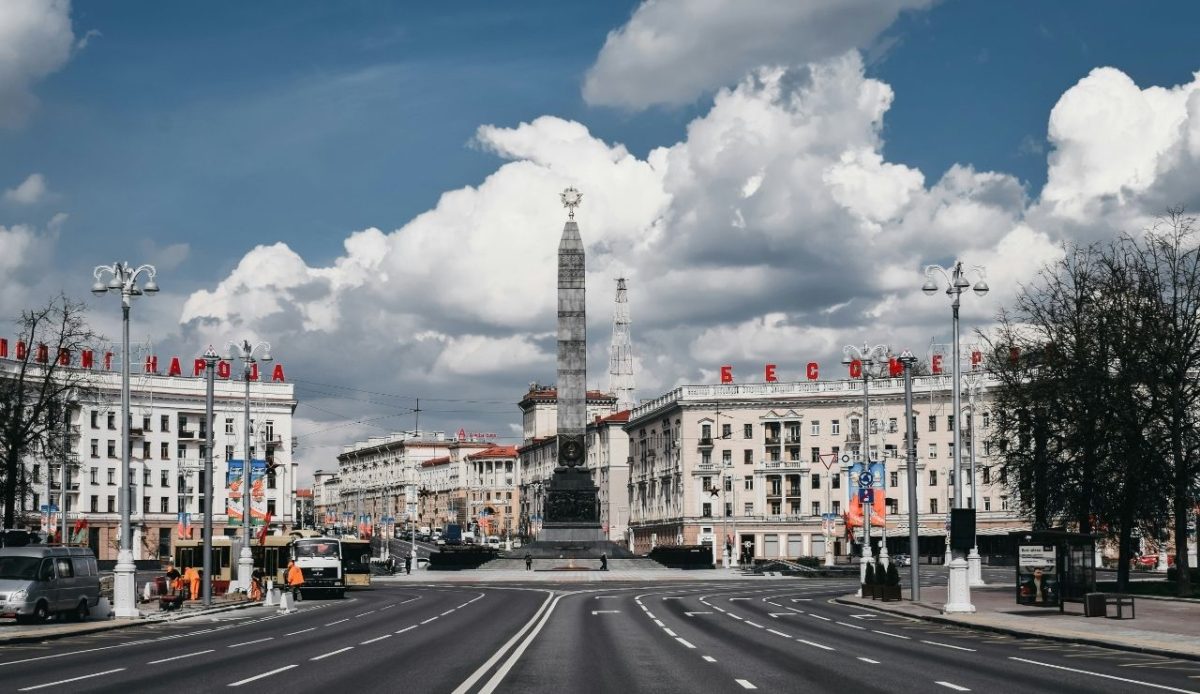
Minsk hosted the largest marches, so policing focused on choke points near key avenues and squares. OMON lines pushed crowds into side streets and used flashbang grenades at night. Verified video showed snatch detentions at the edges of columns.
Detention scaled fast. Many people were taken to the Okrestina center and nearby holding sites, where monitors reported overcrowding and abuse. High arrest volume removed participants for days and signaled that turnout would trigger a sweep.
Once clashes eased, pressure shifted to cases built from CCTV and online clips. Administrative charges came first, then criminal files for alleged disorder. The blend of force and legal follow-up narrowed protest space in the capital.
2. Brest
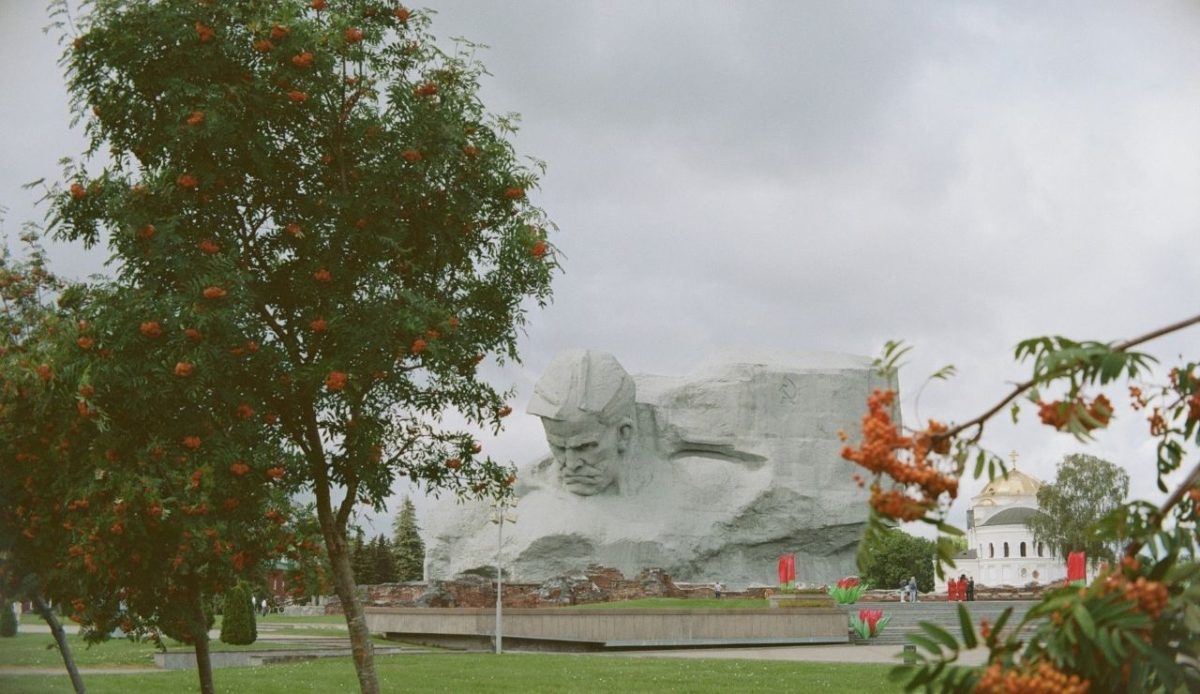
In Brest, protesters gathered near the streets and met with rapid dispersal. Riot police used shields and stun grenades to break groups into clusters, making detentions easier. Night operations grew as checkpoints and patrols limited movement.
Severity was underscored when officials acknowledged that security personnel opened fire during unrest. Even if framed as warning shots, gunfire raised the stakes and discouraged crowds from holding ground. Detainees were moved to holding sites with limited access to lawyers.
Pressure continued after the street. Participants faced administrative cases for unsanctioned events, and repeat attendance drew harsher penalties. That blend of dispersal force and fast court processing reduced new rallies in Brest.
3. Hrodna
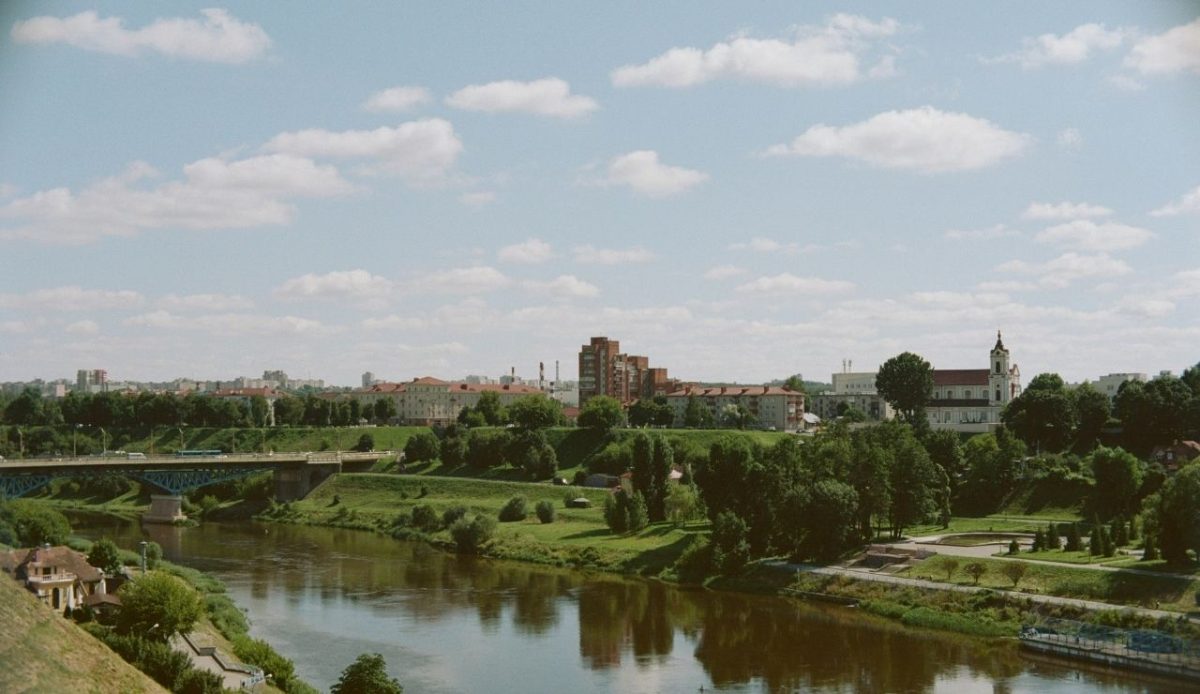
Hrodna saw sustained rallies in central squares, often organized through neighborhood channels. Police blended cordons with selective grabs, removing organizers while avoiding one raid. Access routes were monitored, and buses were stopped to limit arrivals.
Labor action added pressure. Workers at plants joined gatherings, so repression extended into workplaces. Management pressure and detentions of outspoken employees were reported, tightening control without constant street violence.
Administrative cases moved fast. People were fined or jailed for joining an unsanctioned rally, then warned about repeat offenses. By linking protest to job risk and court penalties, authorities reduced Hrodna networks’ ability to remobilize.
4. Homel
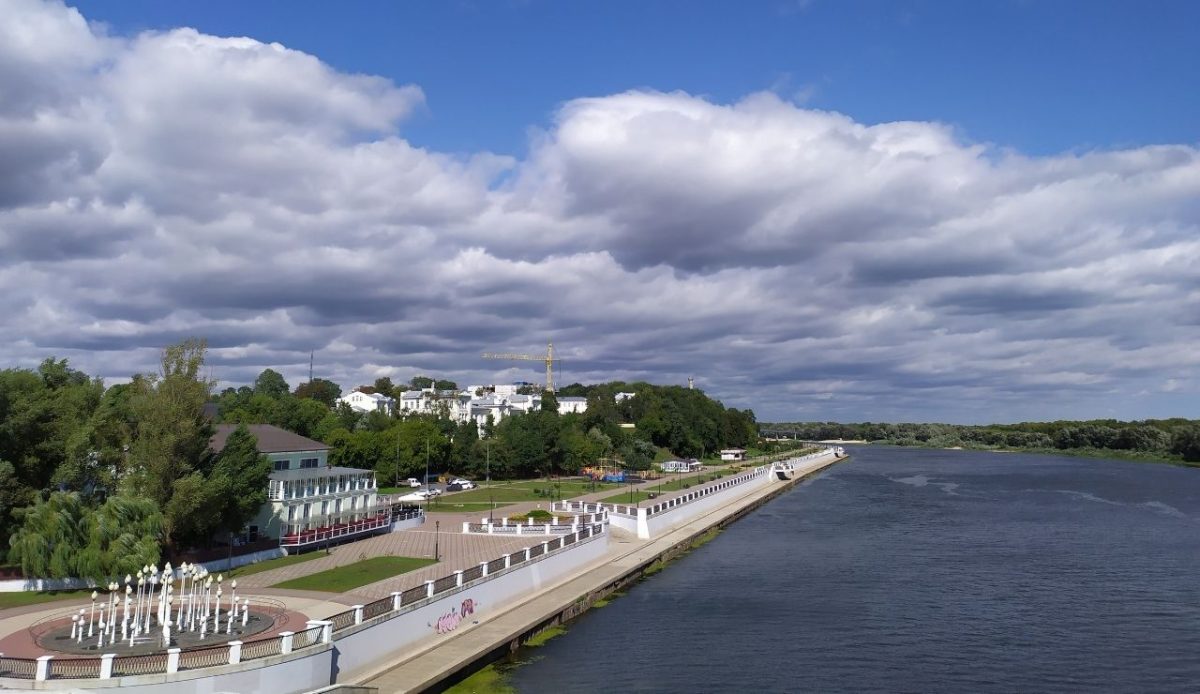
Homel protests formed around streets soon after the election, then met patrol surges and detentions. Small groups were broken up before they could merge, and people were detained for protest symbols. This reduced visibility while keeping police numbers manageable.
Administrative detentions were followed by hearings lasting minutes, leading to short jail terms or fines. The speed mattered because it turned each weekend into a cycle of detention and release, disrupting plans for the next action.
Criminal investigations extended the crackdown. Cases were opened for alleged disorder or online coordination, and activists faced searches and pressure on relatives. By stretching enforcement beyond street days, Homel officials limited regrouping.
5. Vitebsk
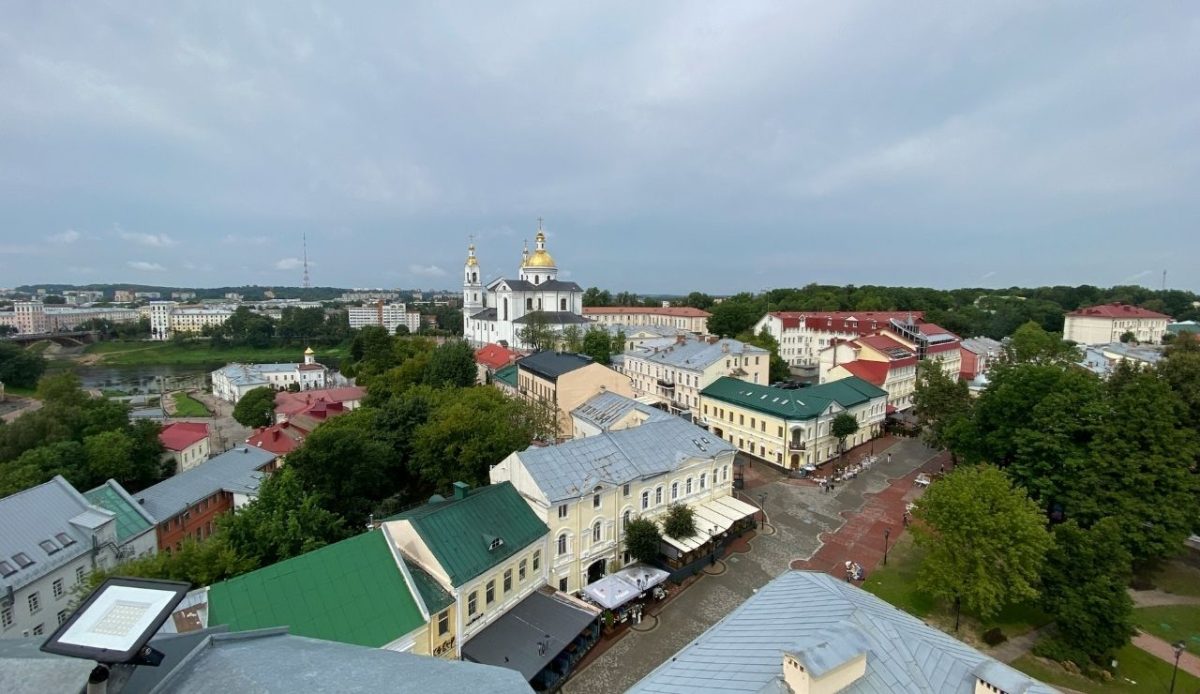
Vitebsk gatherings formed in public spaces and met riot control tactics that mirrored those of larger cities. Police set shield lines, used tear gas in dispersals, and cleared streets fast to prevent a second wave nearby. The aim was to keep crowds fragmented and brief.
Detention was the main tool. People were held for being tied to an illegal assembly, sometimes after being identified near routes rather than while chanting. That made simple presence risky and reduced later turnout.
Penalties followed quickly through courts, with fines and jail sentences. When protests persisted, surveillance rose, and document checks appeared on rally days. This combination of dispersal and detention, plus frequent stops, limited renewed protests in Vitebsk.
6. Salihorsk
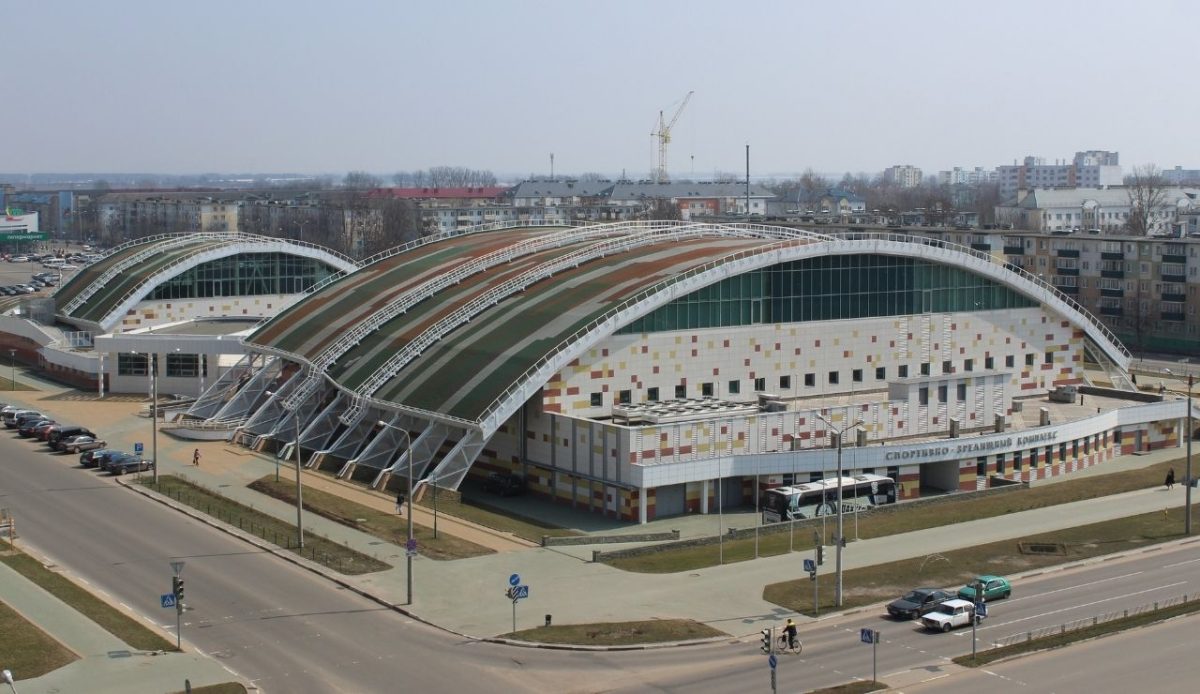
Salihorsk drew attention because Belaruskali miners voiced demands that linked workplace issues to politics. Gatherings near the plant put dissent inside an industry. Authorities treated this as containment, not a local dispute.
Pressure centered on organizers. Strike leaders were detained and given jail terms, while others faced threats to employment and criminal liability. Isolating visible figures weakened coordination and made collective action harder to sustain.
Workplace discipline reinforced street policing. Employees faced interrogations and dismissals tied to protest support, while police monitored routes and broke up meetings. When protest risks arrest and income loss, fewer people show up, suppressing activity in Salihorsk.
7. Pinsk
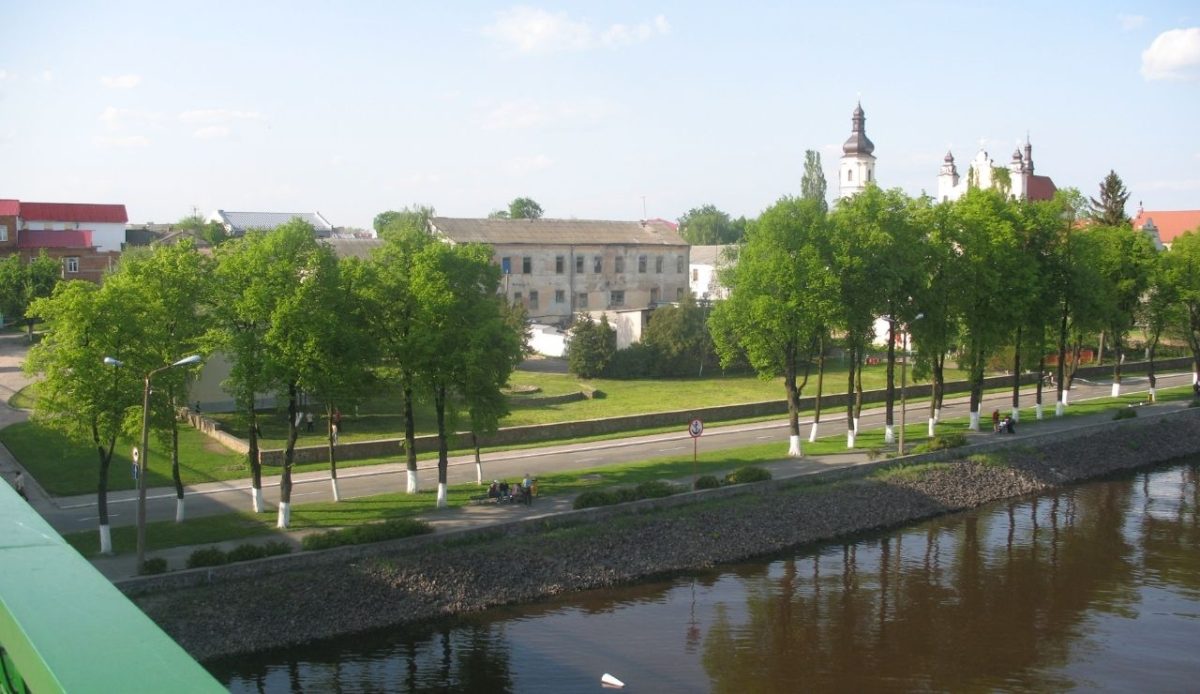
Pinsk entered the protest record through the Pinsk case tied to August 2020 events. Demonstrations were followed by detentions that targeted specific participants rather than random passersby. That selectivity suggests evidence collection began during the street phase.
Investigators used witness statements, police reports, and video material to build criminal charges such as violence against officers or disorder. Trials led to prison terms for some defendants, showing that a protest could bring long sentences.
The mechanism was delayed punishment. Even after street action faded, the case kept pressure through court dates and fear of later identification. Turning the local incident into a legal campaign deterred renewed mobilization in Pinsk.
8. Zhodzina
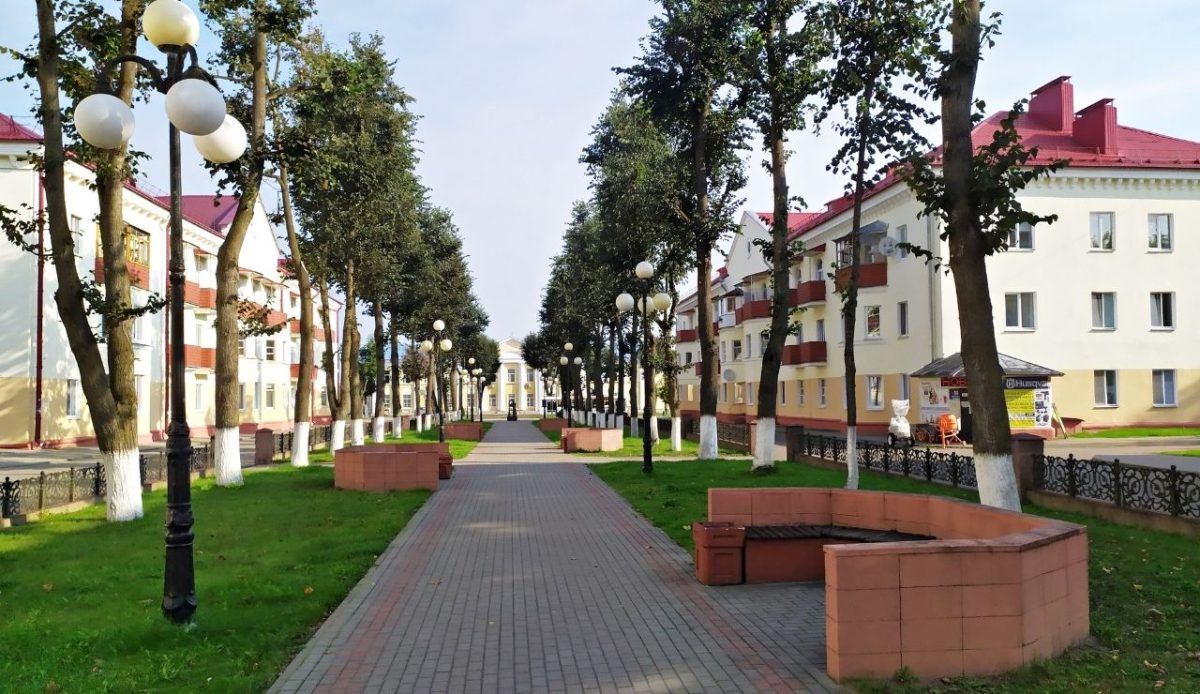
Zhodzina is linked to the BelAZ plant, so worker protests carried weight beyond the city. After the election, assemblies and statements drew attention from security services. The response paired street policing with measures aimed at the workforce.
Detentions and administrative cases targeted people tied to protest calls, including those seen as organizers. In a monitored factory town, gatherings can be stopped early through checkpoints, document checks, and detentions near meeting points.
Workplace retaliation reinforced the message. Reports described interrogations and threats of dismissal for protest support. By tying political activity to job security in a single-employer city, authorities reduced willingness to appear in Zhodzina.
9. Novopolotsk
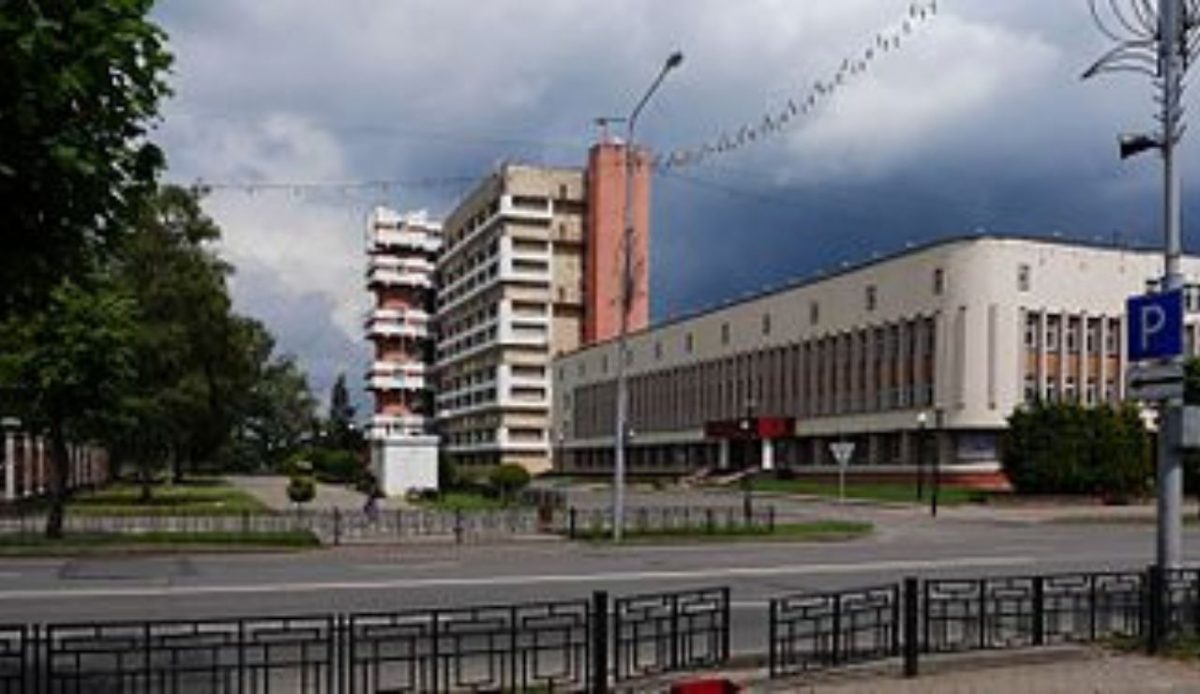
Novopolotsk was cited among cities where early post election demonstrations occurred. Small marches met police deployments meant to prevent crowds from stabilizing. Time spent in central areas carried a risk of detention even without confrontation.
Reports referenced detention figures that included Novopolotsk, signaling operations beyond Minsk. Detentions served as a preemptive removal of likely participants, effective in smaller cities where networks overlap, and organizers are easier to identify.
Routine controls reinforced the message. Document checks, transport monitoring, and workplace pressure kept protest calls from turning into street actions. Early detentions plus ongoing surveillance constrained demonstrations in Novopolotsk.
