
Once pristine and full of natural wonder, some of the world’s most beautiful destinations have suffered under the weight of over-tourism and pollution. Years of neglect, careless behavior, and commercial pressure have left lasting scars on delicate ecosystems and historic sites. From beaches now choked with plastic to coral reefs losing their color, these places remind travelers of the urgent need for responsible exploration. Here are nine once-breathtaking locations now struggling to survive human impact.
1. Maya Bay, Thailand
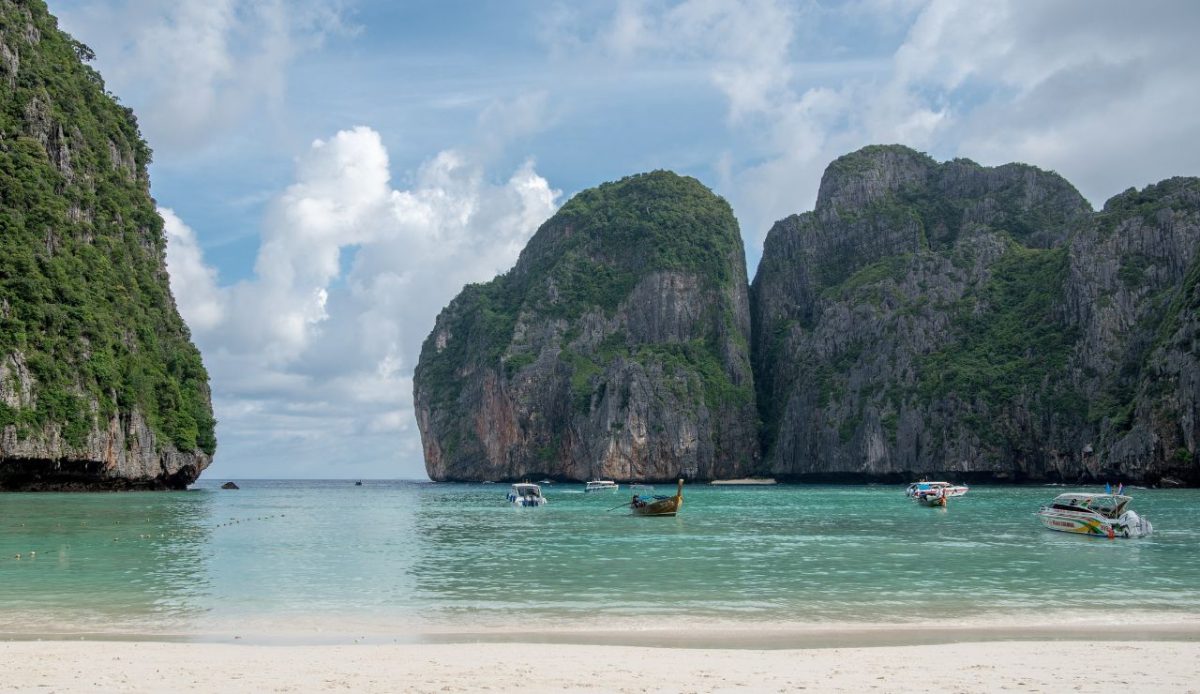
Made famous by the movie The Beach, Maya Bay became overwhelmed with tourists, speedboats, and litter that damaged its fragile coral reefs. Once home to bright fish and crystal waters, the bay turned cloudy and barren from pollution and overcrowding. Authorities shut it down in 2018 to allow marine life to recover, and limited reopening began under strict rules. Today, Maya Bay stands as both a fragile paradise and a reminder of how human pressure can quickly destroy natural beauty.
2. Venice, Italy
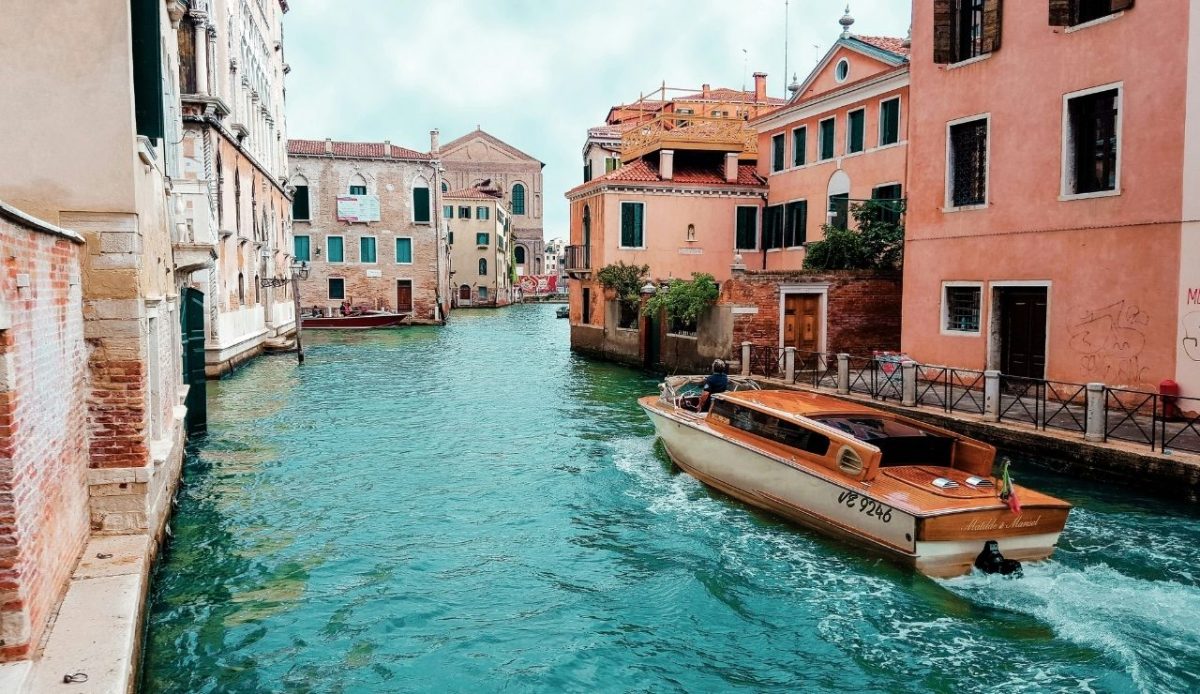
Venice’s canals once symbolized timeless romance, but mass tourism has eroded its charm. Cruise ships, pollution, and rising water levels now threaten the historic city. Overcrowded alleys and litter have pushed residents away, leaving Venice struggling with sustainability. Authorities introduced visitor limits and entrance fees to protect it, yet damage to the delicate foundations continues. Venice’s plight shows how over-tourism can transform a cultural treasure into a fragile, sinking landmark.
3. Great Barrier Reef, Australia
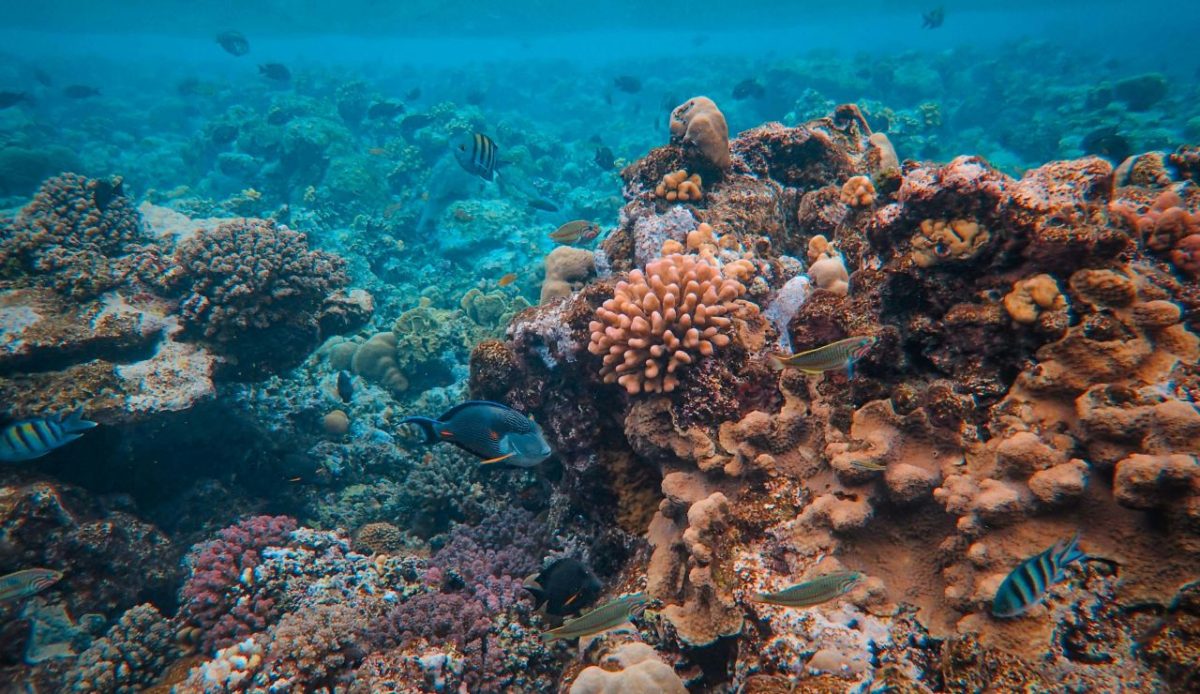
One of Earth’s greatest natural wonders, the Great Barrier Reef has suffered massive coral bleaching from pollution and rising ocean temperatures. Once bursting with color and life, large sections now appear ghostly white. Tourism, agricultural runoff, and global warming have accelerated the damage. Conservation efforts aim to protect and restore parts of the reef, but recovery remains uncertain. This vast underwater world serves as a tragic symbol of humanity’s environmental footprint.
4. Mount Everest, Nepal
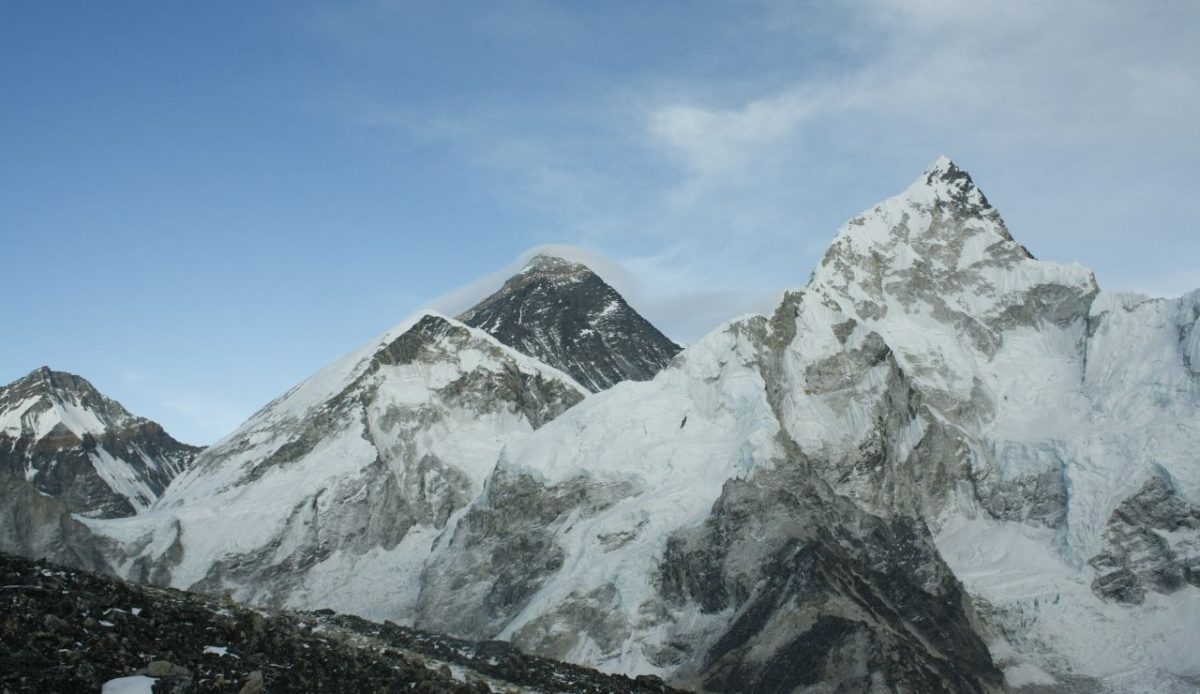
The world’s highest peak now struggles under the weight of its own popularity. Thousands of climbers leave behind trash, oxygen cylinders, and waste each season, littering the once-sacred slopes. Crowded base camps and traffic jams on summit routes have turned Everest into a dangerous, polluted site. Cleanup projects continue, but the mountain’s fragile environment bears the marks of years of human exploitation. Everest’s story reflects the dark side of adventure tourism.
5. Komodo Island, Indonesia
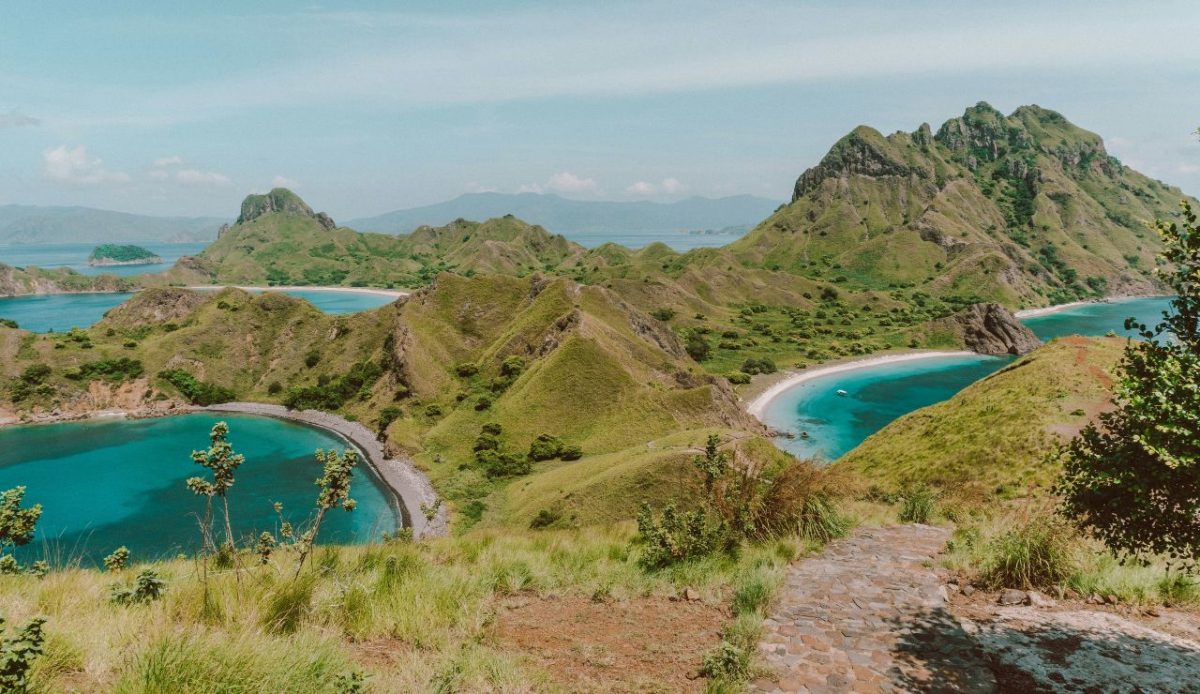
Home to the famous Komodo dragons, this Indonesian island faced a surge in visitors that threatened its wildlife and habitats. Tourists often disturb the animals and leave behind waste, prompting the government to limit access. Rising plastic pollution and illegal activities further harmed the ecosystem. While protective measures have begun, Komodo Island remains a reminder that even rare and powerful species need protection from human curiosity and careless tourism.
6. Galápagos Islands, Ecuador
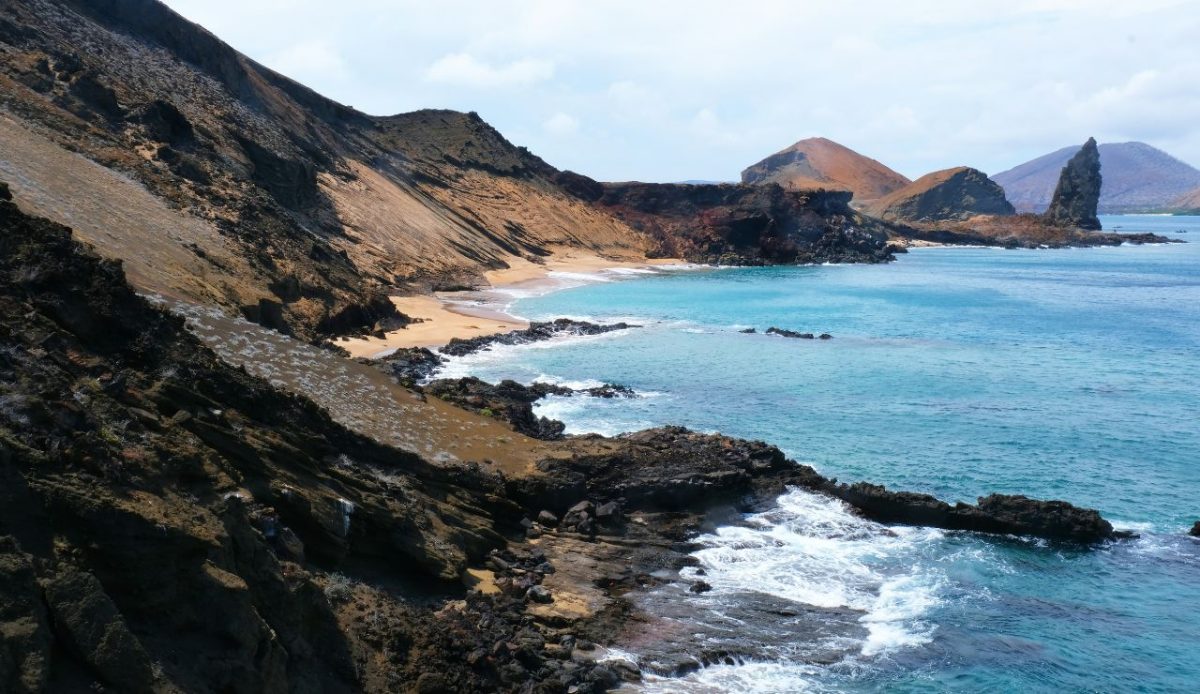
Once an untouched paradise that inspired Charles Darwin, the Galápagos Islands now battle pollution, invasive species, and rising tourism. Cruise ships and plastic waste have disturbed the fragile balance of its ecosystems. Native animals face new threats from human interference. Strict visitor controls have been introduced, but the islands continue to feel the strain. The Galápagos highlight how even protected natural wonders can be damaged when preservation falls behind popularity.
7. Machu Picchu, Peru
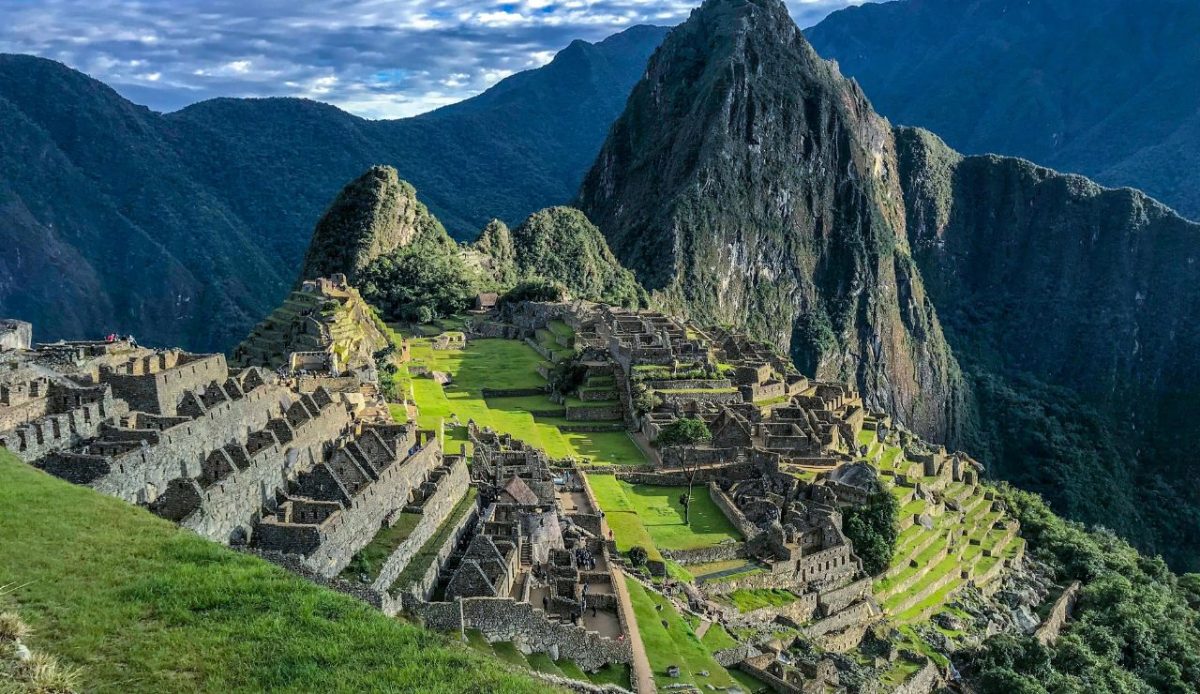
This ancient Incan citadel draws millions of visitors each year, leading to erosion and structural wear on its stone terraces. Tourist traffic, litter, and unregulated tours have accelerated the site’s deterioration. In response, Peru limited daily visitors and introduced timed entry tickets. Despite these efforts, Machu Picchu still struggles to balance preservation and access. The site’s fading beauty is a reminder that even world wonders can be undone by excessive admiration.
8. Boracay Island, Philippines
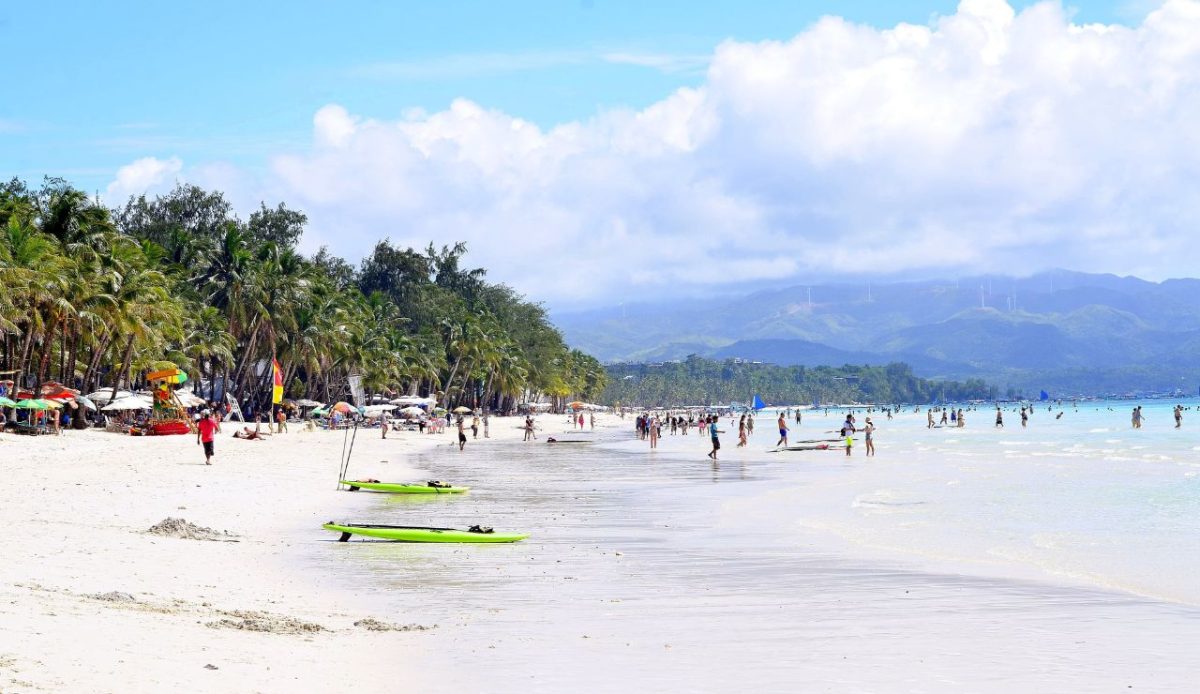
Once known for its powder-white sand and turquoise waters, Boracay became overrun with resorts, sewage problems, and pollution. Uncontrolled development polluted the beaches and surrounding reefs, forcing authorities to close the island in 2018 for rehabilitation. Today, Boracay has reopened under strict regulations, but the damage lingers. Its story shows how tourism without proper planning can quickly destroy the natural beauty that first drew visitors in.
9. Taj Mahal, India
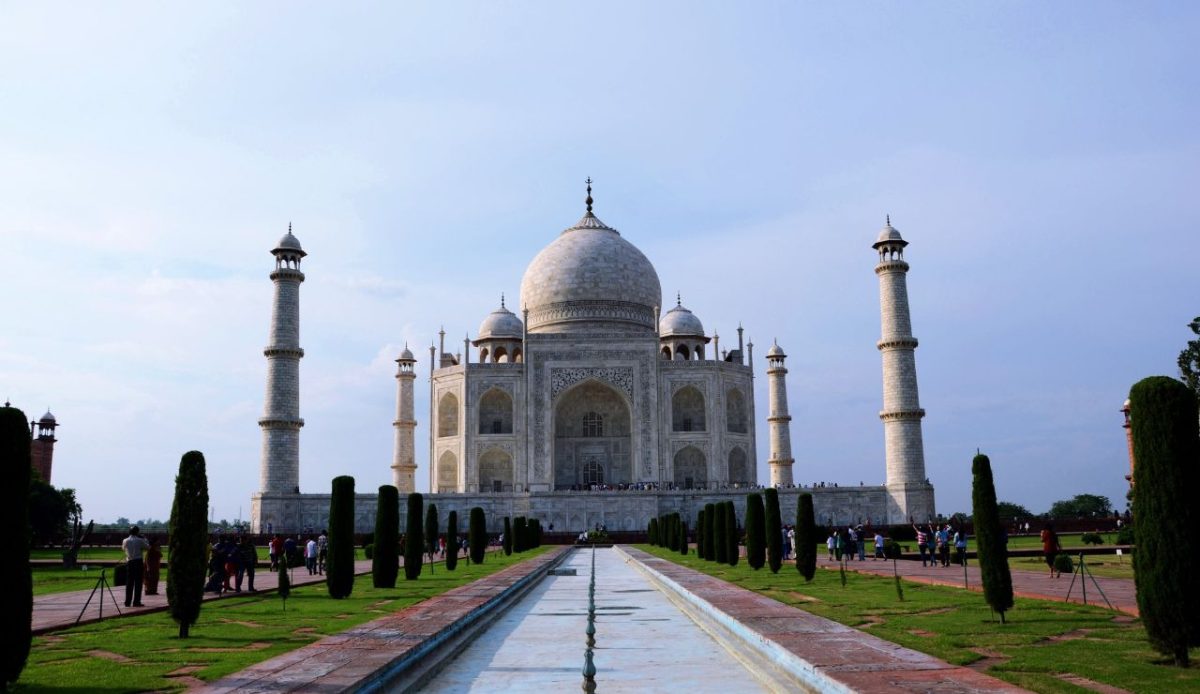
The Taj Mahal, one of the world’s greatest architectural masterpieces, faces a silent enemy: air pollution. Smog and industrial emissions have yellowed its white marble, while heavy foot traffic wears down its structure. Efforts to restore and protect it continue, including limits on nearby factories and tourist access. Despite conservation attempts, pollution remains a constant threat, reminding the world that even timeless monuments are vulnerable to human neglect.
