
Asia is home to breathtaking landscapes and vibrant rural traditions, from rolling plains to secluded valleys. These wide-open spaces offer travelers a chance to disconnect from urban life and immerse themselves in local culture. Villages maintain centuries-old customs, festivals, and farming practices that define regional identity. Whether it’s tea plantations, nomadic lifestyles, or mountain rituals, these destinations offer unique experiences. In this article, we explore nine Asian locations where open landscapes meet enduring traditions, giving travelers adventure, cultural insight, and a sense of timeless connection with nature.
1. Luang Prabang, Laos
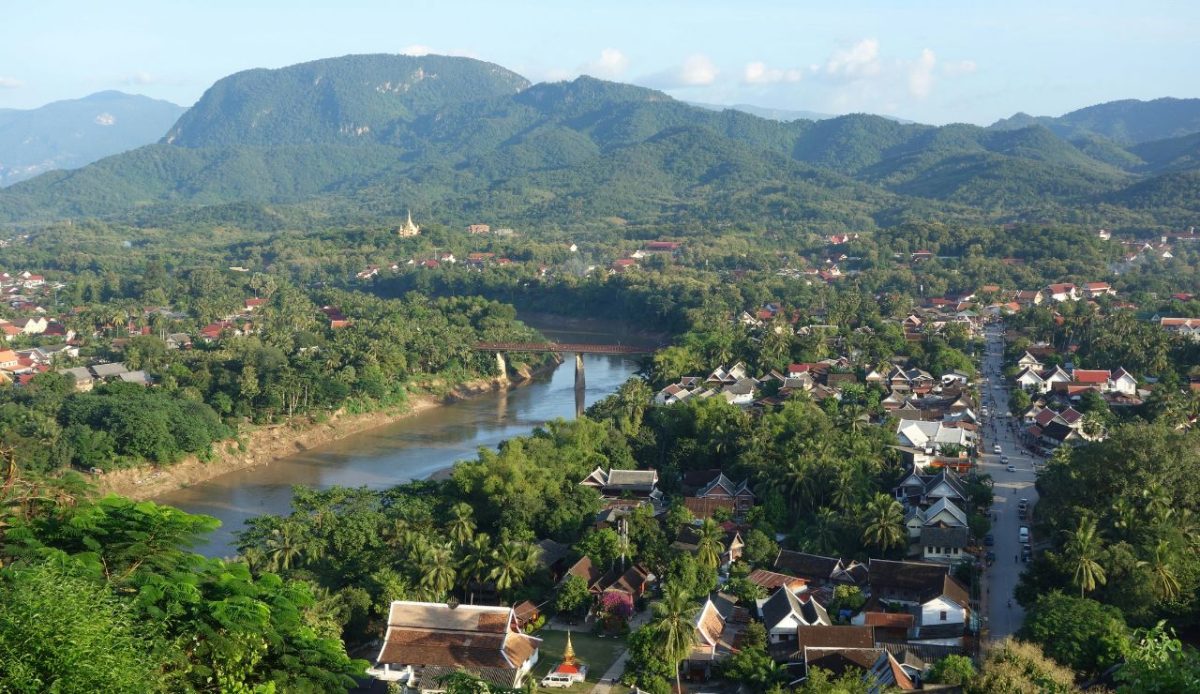
Luang Prabang sits amid lush river valleys and mountains, offering a serene rural atmosphere. Villagers continue traditional weaving, rice farming, and morning alms-giving ceremonies. Travelers can explore the surrounding countryside, interact with local artisans, and witness Buddhist rituals that have endured for centuries. The city’s location along the Mekong River provides scenic landscapes and opportunities for eco-friendly excursions. Luang Prabang demonstrates how spiritual life, agriculture, and heritage blend seamlessly, giving visitors a rare glimpse into a community where traditions and nature define daily life.
2. Sapa, Vietnam
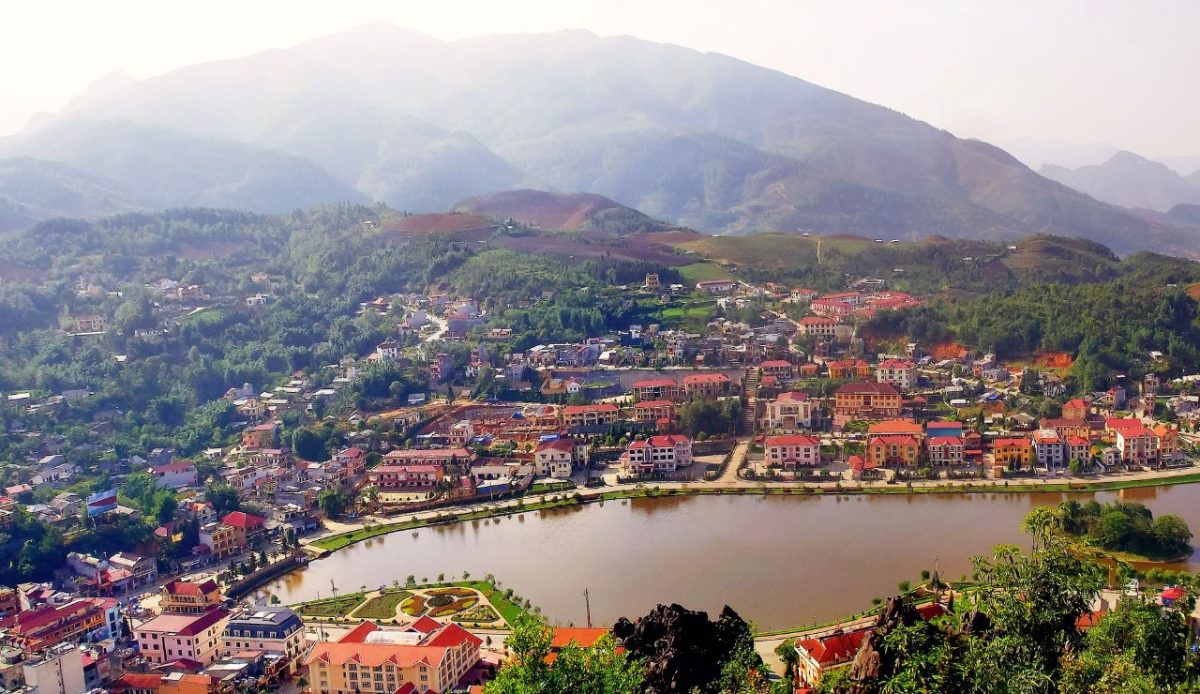
Sapa is a mountainous region famous for terraced rice fields and ethnic minority communities. Locals continue centuries-old farming techniques, crafting textiles and celebrating seasonal festivals. Travelers can trek through valleys, visit remote villages, and engage in cultural exchanges with Hmong and Dao communities. The sweeping landscapes provide awe-inspiring views and a sense of tranquility. Sapa exemplifies how rural life preserves heritage, connecting visitors to centuries of agricultural practices and traditional craftsmanship while offering immersive experiences amid some of Vietnam’s most picturesque scenery.
3. Shirakawa-go, Japan
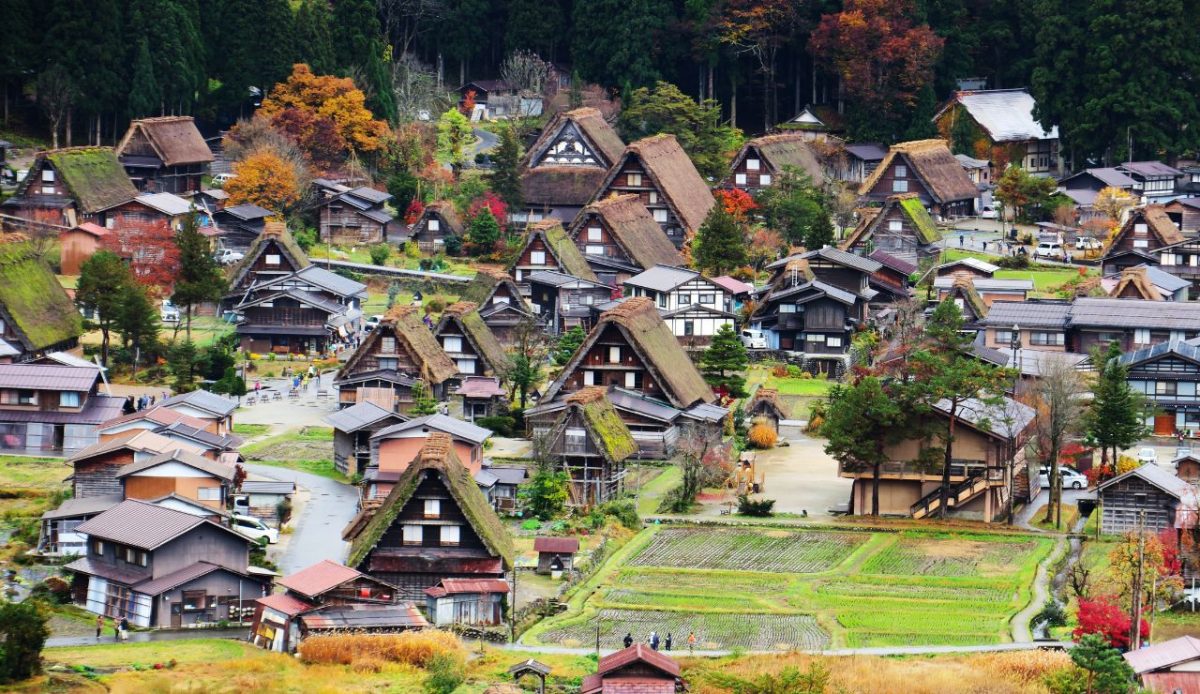
Shirakawa-go is a UNESCO World Heritage village, known for gassho-zukuri farmhouses and scenic mountain landscapes. Locals maintain traditional crafts, seasonal festivals, and rice cultivation despite modern changes. Travelers can explore thatched-roof homes, observe winter light displays, and learn about sustainable living practices. The surrounding valleys and river systems enhance the village’s charm, offering a peaceful retreat. Shirakawa-go illustrates how rural Japanese communities preserve centuries-old architecture and customs, giving travelers an authentic glimpse into a lifestyle deeply connected to land, nature, and tradition.
4. Bhutanese Countryside, Bhutan
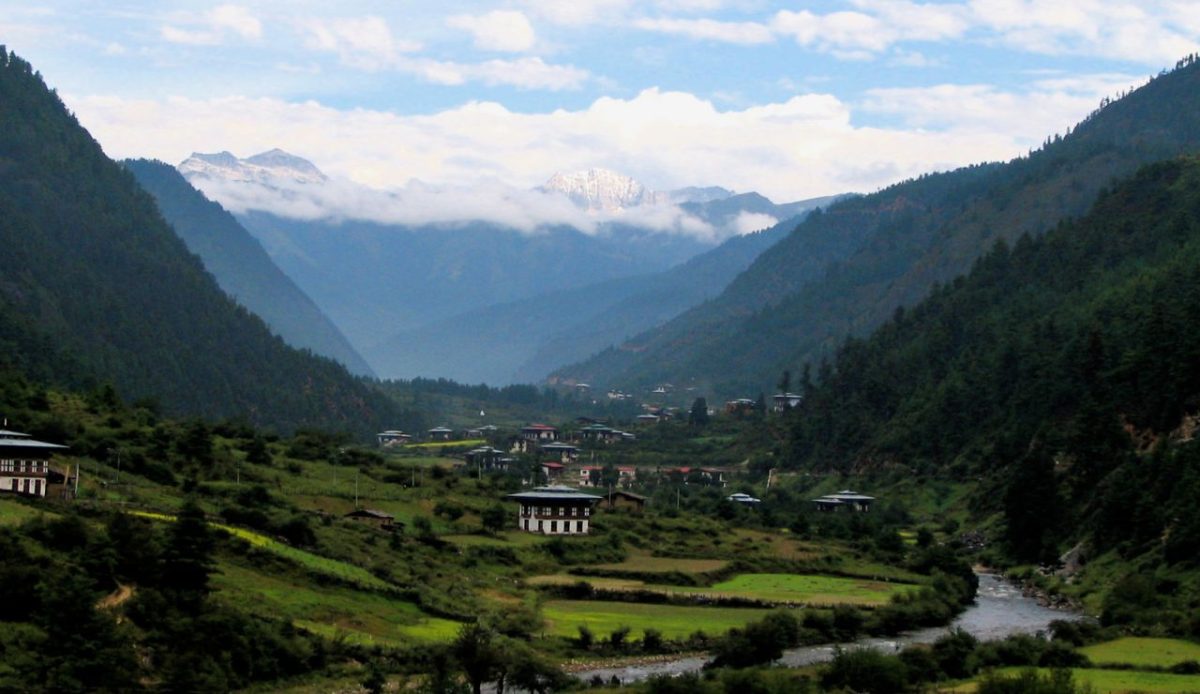
Bhutan’s countryside features terraced farms, monasteries, and panoramic mountain views. Villagers uphold unique traditions, including festivals, prayer rituals, and organic farming practices. Travelers can hike remote trails, visit local markets, and join cultural activities that highlight Bhutanese heritage. Rural communities prioritize sustainability and spiritual well-being, reflecting centuries of preservation and mindful living. The combination of natural beauty and cultural integrity makes Bhutan a destination where visitors experience harmony between landscape, tradition, and rural life.
5. Hokkaido, Japan
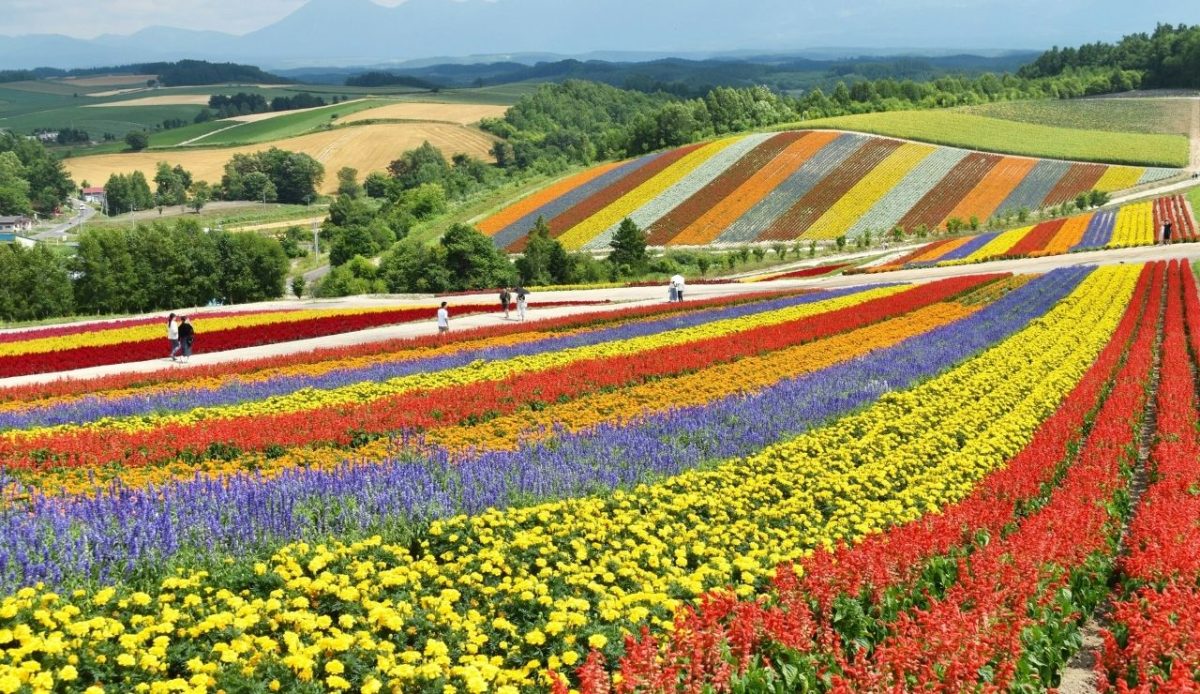
Hokkaido’s wide plains, volcanoes, and farmlands offer visitors a chance to explore rural Japan beyond the cities. Locals maintain dairy farming, traditional festivals, and seasonal harvest celebrations. Travelers can join cultural workshops, sample local produce, and explore natural parks. The island’s open landscapes, including fields, lakes, and coasts, provide breathtaking scenery for hiking, cycling, and photography. Hokkaido demonstrates how rural traditions thrive alongside modern tourism, allowing visitors to engage with communities preserving heritage, celebrating seasonal rhythms, and living in harmony with nature.
6. Gyeongju, South Korea
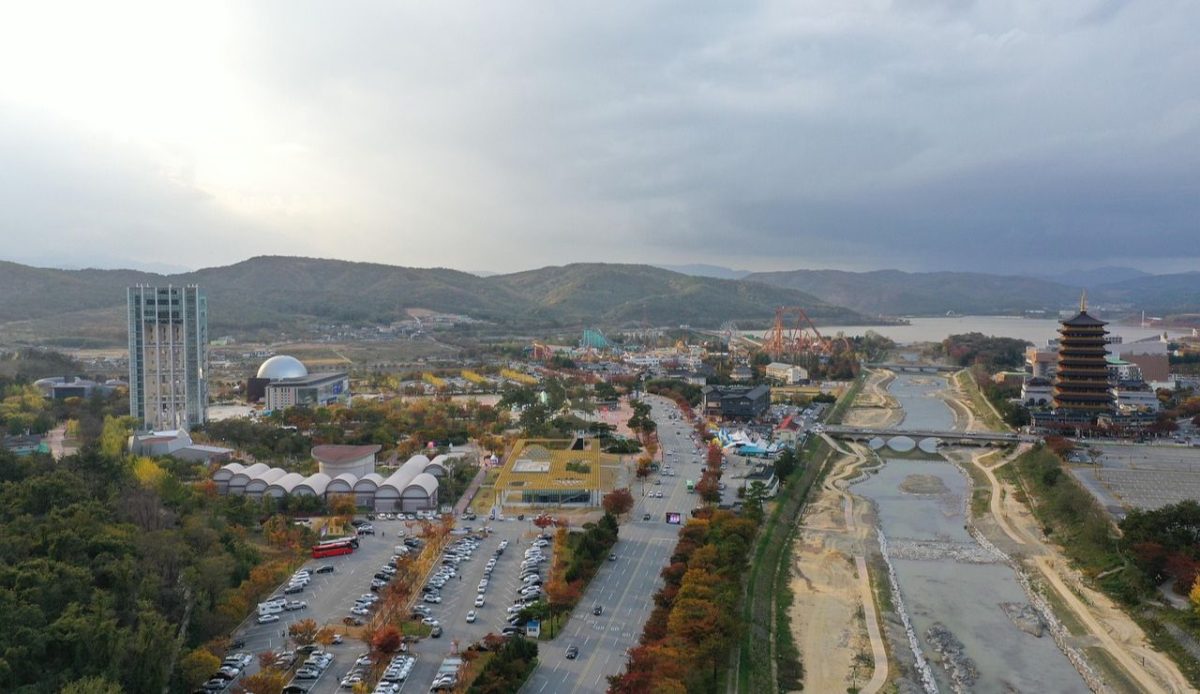
Gyeongju, surrounded by hills and rice fields, is a historic city where rural life and cultural heritage intersect. Villagers uphold Confucian rituals, traditional crafts, and farming practices reflecting centuries of Korean culture. Travelers can visit ancient tombs, temples, and countryside festivals showcasing agricultural life. The combination of expansive plains and mountains provides scenic trekking opportunities. Gyeongju illustrates how traditional lifestyles coexist with historical preservation, offering visitors immersive experiences where rural practices, cultural rituals, and landscapes are deeply intertwined.
7. Hoi An Hinterlands, Vietnam
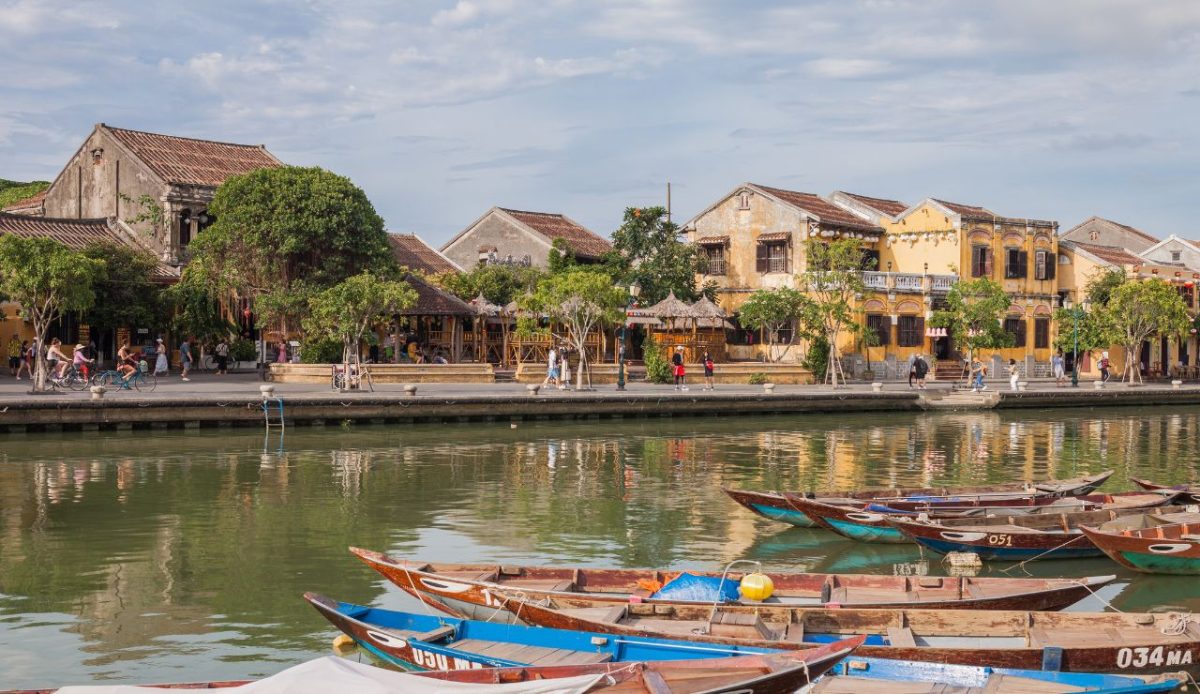
The rural areas around Hoi An feature rice paddies, river networks, and farming villages maintaining centuries-old traditions. Local artisans continue weaving, pottery, and farming techniques passed down through generations. Travelers can cycle along quiet paths, explore waterway villages, and participate in cooking or craft workshops. Seasonal festivals highlight harvest rituals and communal celebrations. Hoi An’s hinterlands demonstrate how wide-open landscapes support cultural continuity, giving visitors the chance to experience authentic rural life where tradition, nature, and daily routines are preserved with care.
8. Ladakh, India
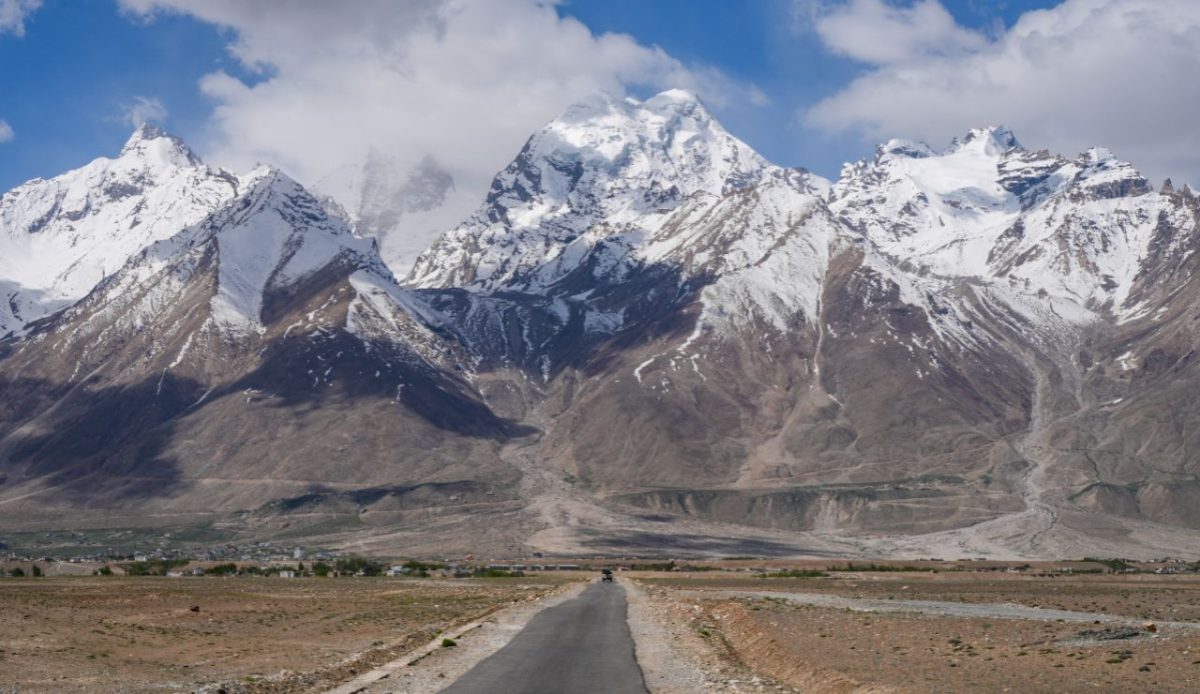
Ladakh, in northern India, features high-altitude plains, rugged mountains, and remote villages. Nomadic and agrarian communities uphold Tibetan Buddhist traditions, weaving, and seasonal festivals. Travelers can trek through valleys, stay in homestays, and engage with locals in farming or religious ceremonies. The region’s open landscapes, including lakes and monasteries, create a serene and majestic backdrop. Ladakh exemplifies how geography, culture, and tradition shape rural life, offering travelers a profound sense of connection to both nature and the enduring customs of Himalayan communities.
9. Chiang Rai Countryside, Thailand
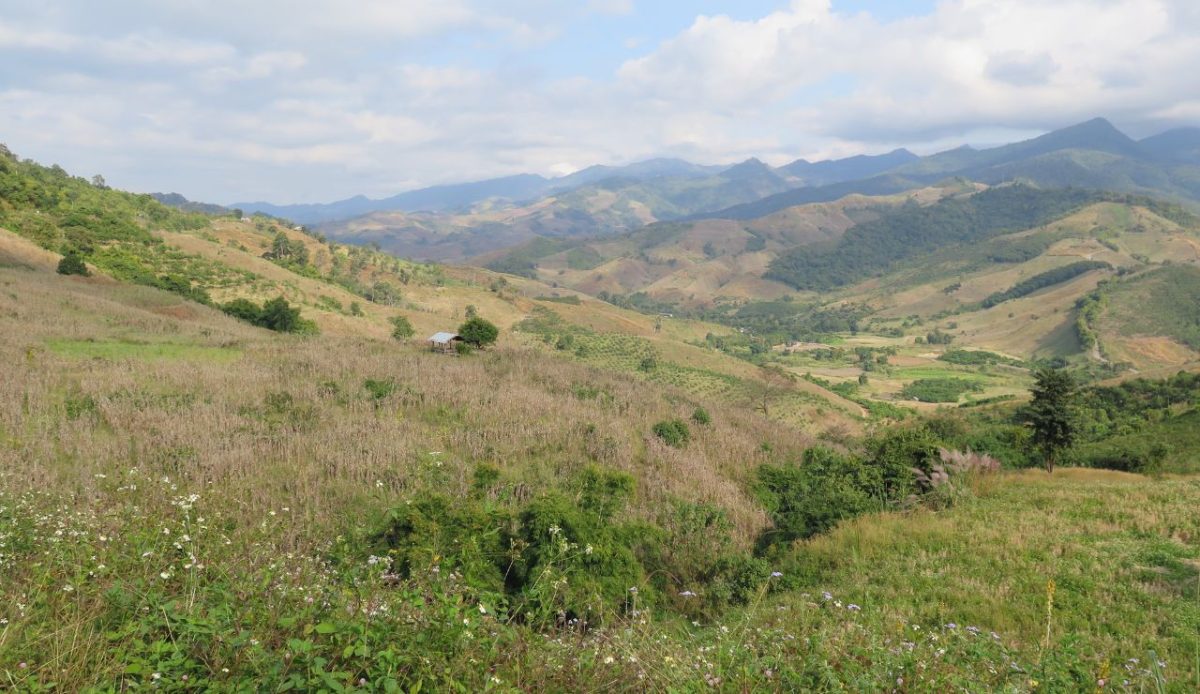
Chiang Rai’s countryside features lush rice fields, rolling hills, and river systems where local tribes maintain ancestral traditions. Villagers continue weaving, farming, and performing cultural rituals tied to land and seasons. Travelers can explore hill-tribe villages, participate in workshops, and witness seasonal festivals. The wide-open landscapes provide a tranquil escape from urban centers, highlighting sustainable agricultural practices and community life. Chiang Rai shows how rural traditions persist alongside tourism, offering visitors an authentic experience of heritage, nature, and local culture embedded in everyday life.
