
Family travel in the U.S. used to follow a few predictable scripts: the same roadside stops, the same souvenirs, and the same “we do this every summer” routines. Younger travelers aren’t rejecting travel itself so much as reshaping it around budgets, flexibility, and different ideas of what’s worth the time.
Rising costs, remote work, and app-based planning have changed how people book, where they stay, and how they move around. So have shifting tastes toward experiences over stuff.
Below are nine classic American travel traditions that many younger generations are increasingly skipping, or doing in smaller, updated ways, as habits and priorities shift.
1. Retiring the printed road atlas ritual
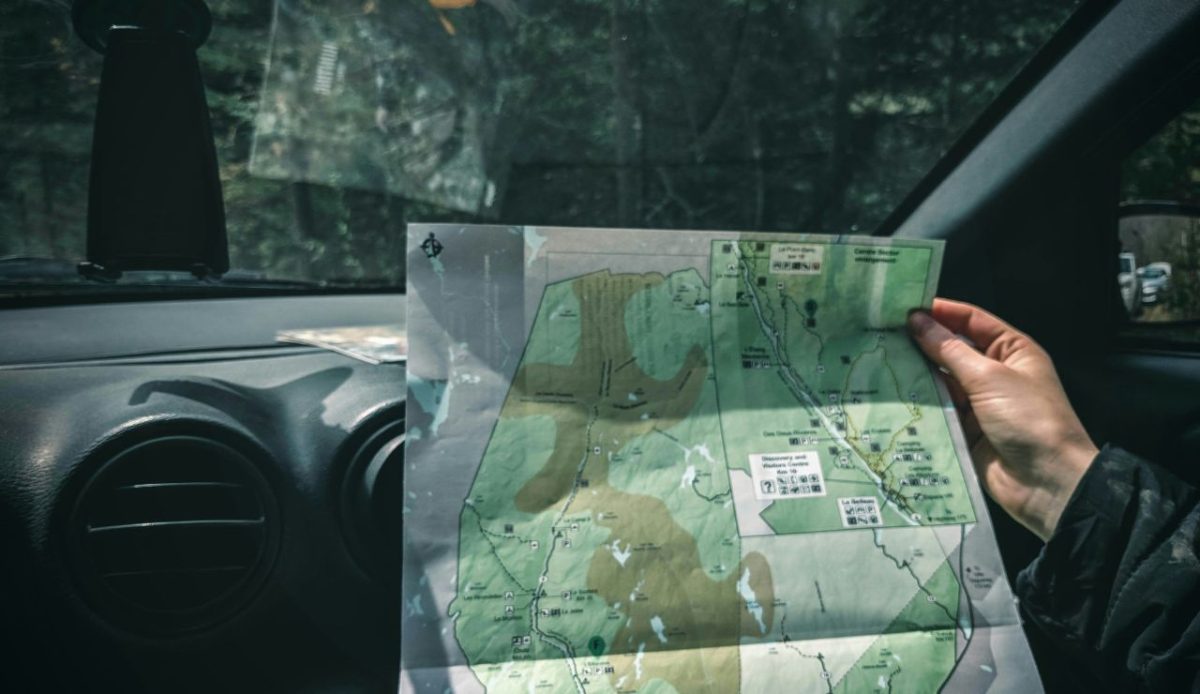
The big annual printed road atlas once lived in every glovebox, updated before a long drive and highlighted with careful routes. Today, real-time navigation apps handle traffic, construction, and detours faster than a paper map ever could, and they update automatically.
For younger travelers, the appeal is convenience and accuracy, especially in unfamiliar cities. They can compare routes, avoid tolls, and save offline maps when needed. Voice directions and lane guidance also make it easier to drive without constant passenger navigation.
Some still keep a paper backup for remote areas or national parks, but the ritual of planning trips around a folded atlas is fading fast. For many, the phone mount has replaced the map pocket.
2. Stopping at a random highway motel without booking

For decades, families planned vacations around a chain motel off the highway, usually booked by phone or found at dusk by scanning neon signs. It was part convenience and part tradition after a full day on the road. Younger travelers are more likely to reserve ahead, compare reviews, and choose based on location, design, or amenities.
Apps make price and quality differences obvious, and loyalty to one chain matters less when options are a tap away. Many also prefer short-term rentals, hostels, or boutique hotels. Flexible cancellation policies also reward planning early, even for simple overnight stops.
The “pull in and hope for a vacancy” tradition still happens on some road trips, but far less often, especially during peak weekends.
3. Building the trip around visitor-center brochures

Stopping at a visitor center to collect brochures and paper maps used to be a first step after crossing state lines. Shelves of booklets helped families choose attractions, plan routes, and learn local history before smartphones did that job.
Now, many younger travelers rely on digital guides, social media, and map searches that surface hours, pricing, and recent reviews instantly. That information feels more current than printed pamphlets. Many discover stops through short videos and curated lists rather than rack cards.
Visitor centers still matter for restrooms, weather updates, and local tips, but the habit of building an itinerary from brochures is declining. They function more like a quick info desk than a planning hub.
4. The must-buy souvenir for every destination

Buying a T-shirt, snow globe, or magnet at every stop was once a standard way to “prove” you went somewhere. Younger generations often prioritize photos, digital albums, and shareable memories over collecting physical items that clutter closets.
Budget and minimalist living trends also play a role, as does the rise of experience spending. When souvenirs happen, they’re more likely to be practical, locally made, or food-related, like coffee, spice blends, or small crafts.
The tradition isn’t gone, but the automatic souvenir-shop detour after every attraction is less common than it used to be. Many skip the shop entirely unless something feels truly specific to the place.
5. Making a printed photo album after every vacation
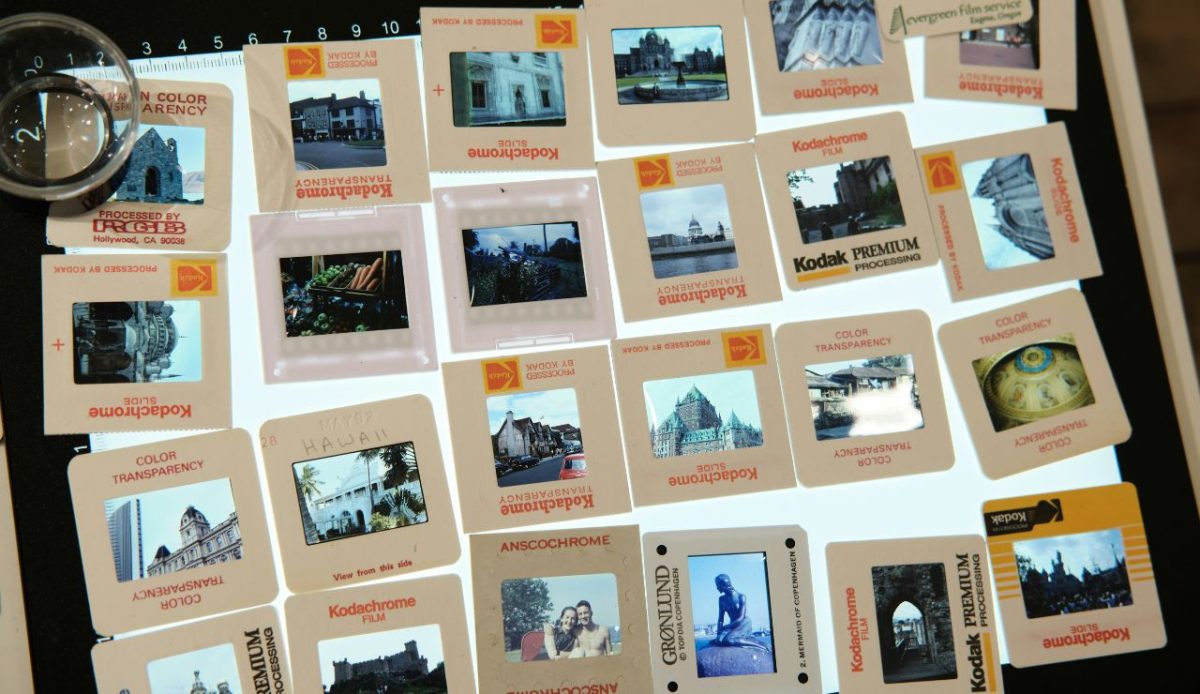
The classic family vacation photo album depended on film rolls, disposable cameras, and waiting days for prints. Trips were documented through carefully posed shots and a stack of envelopes from the drugstore photo counter.
Younger travelers take far more photos, but they store and share them digitally, often in real time. Edits, backups, and cloud albums replace the physical scrapbook, and the “one photo per moment” approach has shifted to bursts of images and video.
Printed albums still appear for weddings or milestone trips, but routine vacation scrapbooks are being skipped in favor of digital keepsakes. If prints happen, they’re often a few favorites rather than a full trip record.
6. The all-night endurance drive to save a hotel night

Driving long distances straight through the night was a rite of passage for many American families, with rotating drivers, fast-food coffee, and roadside naps. Younger travelers are often less interested in endurance driving, especially with stricter work schedules and safety concerns.
They may break trips into shorter legs, fly for time savings, or choose trains and buses where available. When they do drive, they’re more likely to plan stops for food, scenery, or sleep rather than treating travel time as an obstacle to defeat.
The road trip remains popular, but the “power through at all costs” mindset is fading. For many, arriving rested matters more than shaving a few hours.
7. Treating a major theme park as the default family trip

For many families, the itinerary centered on big theme parks, especially as a once-in-a-childhood milestone. Younger travelers still go, but some are postponing or skipping the tradition due to rising ticket prices, added fees, and the complexity of planning.
They may choose smaller regional parks, festivals, or outdoor trips that feel cheaper, less crowded, and easier to plan with friends. Others prefer cities with walkable neighborhoods, museums, and food scenes that fit shorter getaways.
Theme parks remain a major draw, but they are no longer the default “must do” vacation for every family. The shift is often about value and simplicity, not lack of interest.
8. Relying on the same chain restaurants as the travel meal plan
Stopping at a sit-down chain restaurant on the road, ordering from a laminated menu, was a dependable travel routine. Younger travelers often prefer local food spots, food halls, or quick options found through ratings and recommendations.
Dietary preferences also shape choices, with more people looking for vegetarian, vegan, or allergen-friendly menus that vary widely by location. Apps make it easy to find what fits without settling for the same meal in every state, and tipping expectations can factor in too.
Chains still offer predictability, but the “we always eat at this place on trips” tradition is less common than it was. Predictable meals still have a place, but they’re not the whole plan.
9. Sending postcards from every destination

Mailing postcards home used to be a small, expected travel gesture, with kids picking designs at gift shops and families hunting for stamps. Now, quick texts, photo sharing, and social posts accomplish the same “wish you were here” update instantly.
Postcards also require time: finding a mailbox, paying postage, and hoping delivery beats your return. For travelers on tight itineraries, it’s an easy step to skip. Digital updates feel more interactive, with quick replies and location sharing.
Some still send postcards as a retro habit, but it’s increasingly an intentional choice, often saved for special trips or close relatives. When postcards are sent, they’re often treated like a small collectible.
