
A visitor’s first judgment of a city often forms before a skyline or landmark comes into view. The drive out of an airport exposes land use priorities through roads, buildings, noise, and surrounding activity. That short stretch can quietly set expectations.
Many U.S. airports were built where space favored industry, freight access, or infrastructure efficiency. Over decades, ports, refineries, warehouses, and highway systems expanded around them, shaping what travelers see first.
The following article looks at cities where those surroundings work against initial impressions. The focus is on the environment immediately outside major airports, where location alone influences how a place is perceived.
1. Newark, New Jersey
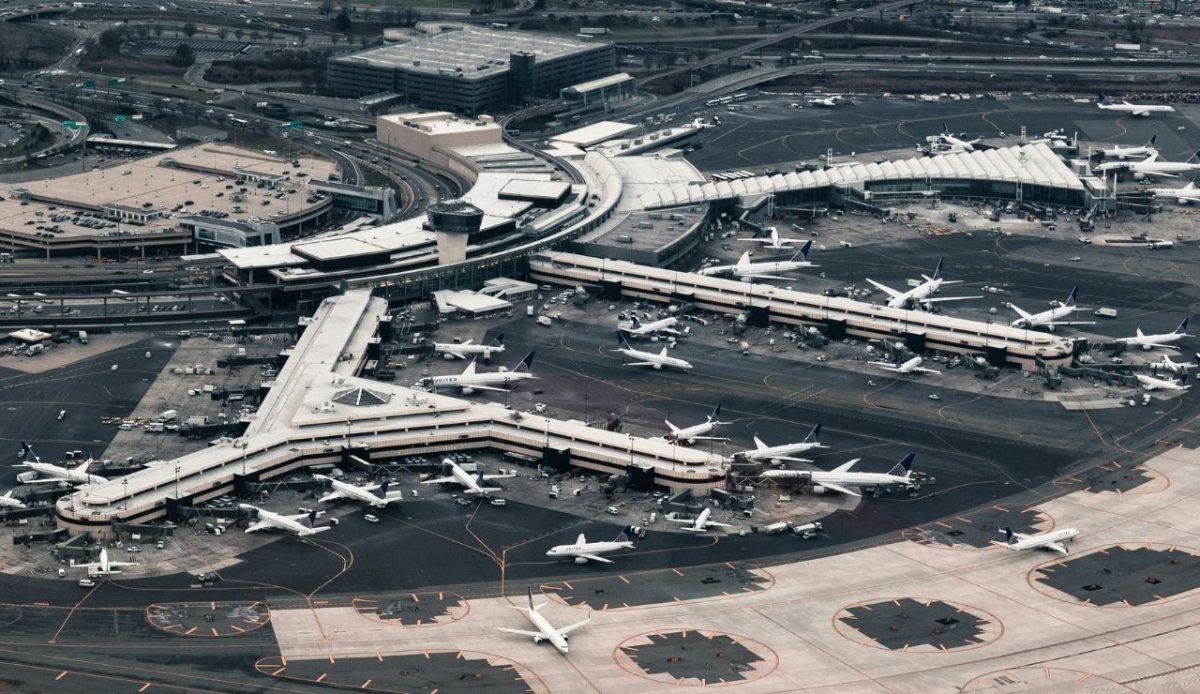
Newark Liberty sits on the edge of Port Newark and the Elizabeth marine terminals, where container stacks, cranes, and truck queues dominate the horizon. Approach paths and taxiways place arriving passengers next to cargo ramps and fuel storage rather than parks or neighborhoods.
Ground access reinforces that image. Exit roads run alongside rail spurs, industrial fencing, and heavy vehicle traffic tied to port logistics. Even short delays at interchanges can amplify the sense that the region runs on freight movement.
The city’s cultural assets are real, but they arrive later in the sequence. Because the gateway landscape is port industry first, many visitors form an initial picture that feels utilitarian and gray.
2. Philadelphia, Pennsylvania
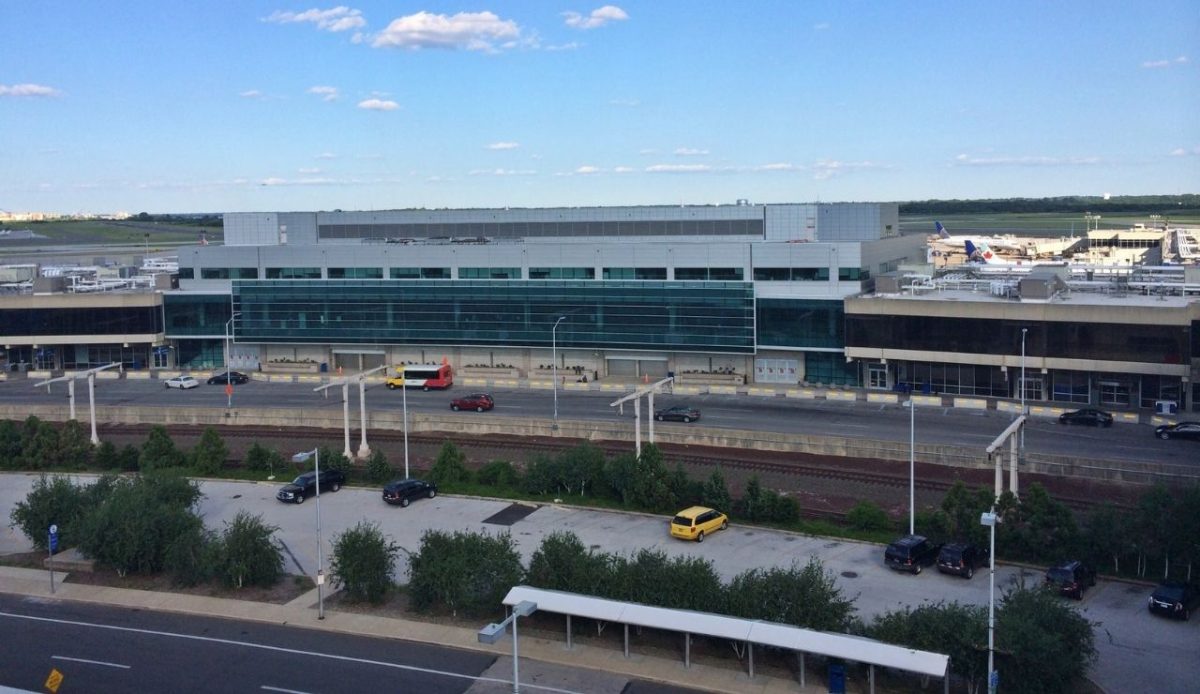
Philadelphia International is positioned along the city’s southern industrial belt, close to energy and utility footprints and wide highway infrastructure. From above, the scene reads as river edge industry and transport corridors more than a historic city.
After arrival, the early drive passes through zones shaped by former refinery land, tank farms, and distribution parcels. The built form is low, fenced, and vehicle-heavy, so street life and architecture that define central Philadelphia are not yet visible.
That sequencing matters because first impressions are formed quickly. When the gateway view is dominated by industrial remnants and interchanges, the city can feel colder than it actually is once visitors reach older districts.
3. Oakland, California
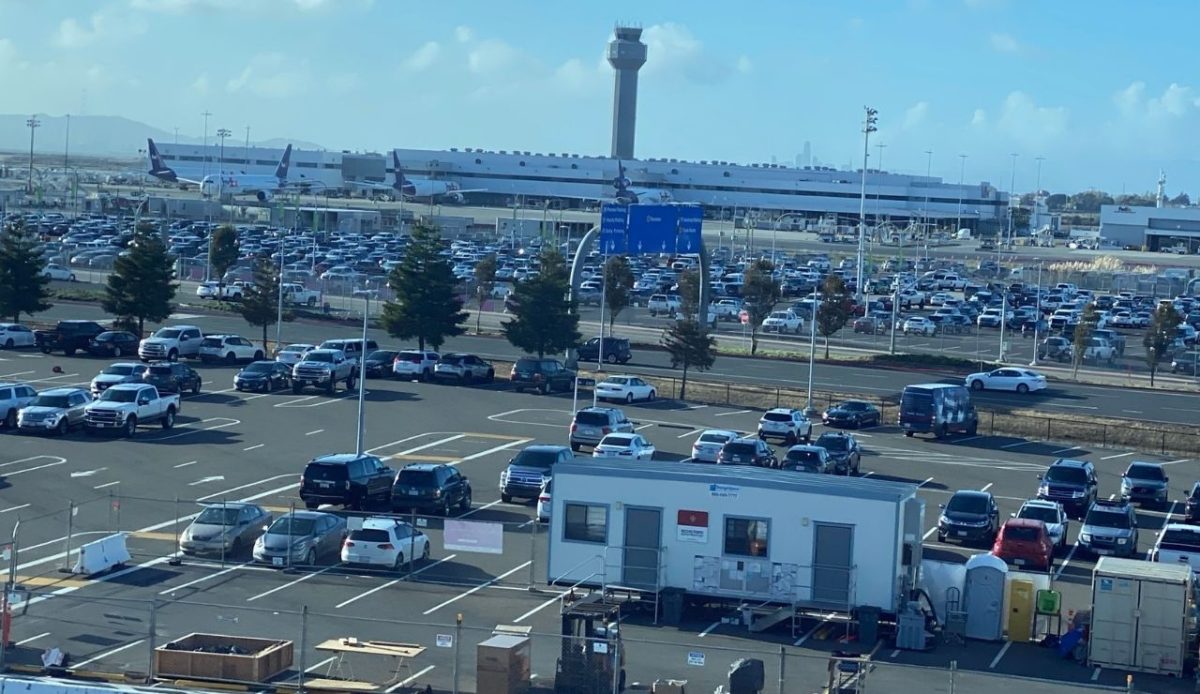
Oakland International lies beside port linked industry on the East Bay shoreline, with warehouse blocks and truck routes shaping the airport’s setting. The approach often reveals yards, docks, and hardscape that signal logistics before any neighborhood texture appears.
Exiting by Hegenberger Road and nearby arterials, travelers pass industrial parcels and big road geometry built for throughput. The corridor has been targeted for freight access and services, so the visual language is utilitarian and repetitive.
Oakland’s creative districts and hillside views can surprise visitors later. Yet that opening impression is tied to port economy land use, which can leave the city seeming like infrastructure first and community second.
4. Chicago, Illinois
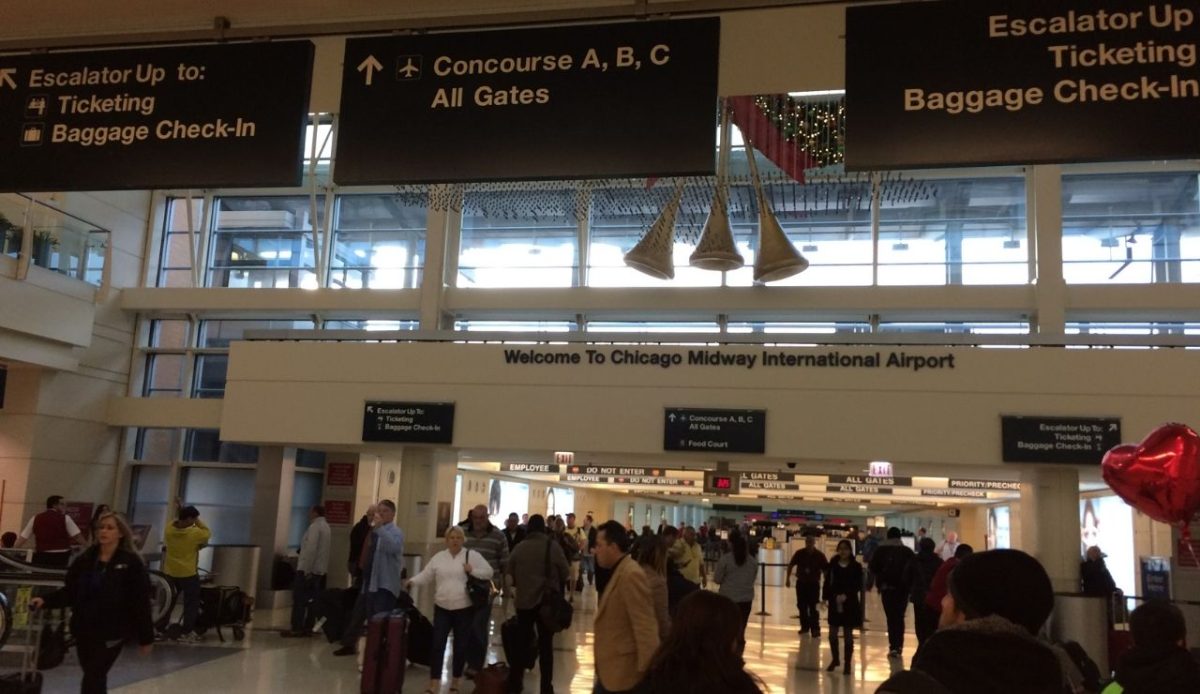
Midway is surrounded by dense street grids, yet the main access experience is filtered through heavy arterial traffic and auto-focused corridors. Cicero Avenue and nearby routes carry freight, buses, and constant local driving, so arrival feels loud and mechanically busy.
The first miles offer long commercial strips, service lots, and layered signage rather than a clear sense of place. Because Midway sits in a built-up area, visual relief is limited and the gateway moment can feel cluttered.
Chicago’s lakefront, skyline, and historic streets are genuine draws, but they arrive after a lengthy corridor transition. When the entry sequence is dominated by traffic and asphalt, first impressions can undersell the city’s strengths.
5. New York City, New York
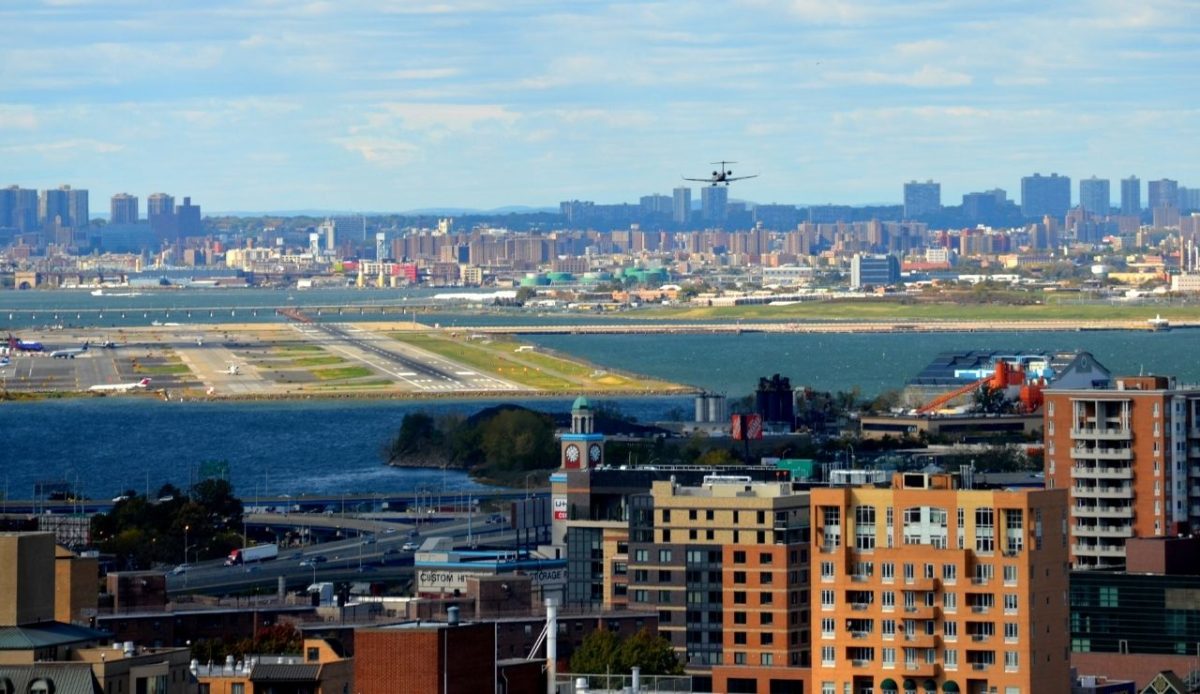
LaGuardia occupies a constrained waterfront site ringed by highways, bridges, and engineered shoreline. On approach, passengers see interchange ramps, maintenance areas, and industrial edges tied to marine and utility activity.
The drive toward Manhattan or Queens begins with tight merges and elevated roadways that keep travelers inside the infrastructure. Nearby waste handling and service facilities have also shaped the surrounding land use, reinforcing a functional rather than scenic arrival.
Because the airport is so close to iconic districts, the contrast is sharp. A visitor can be minutes from world-class neighborhoods while early perception stays defined by concrete, traffic noise, and working waterfront surfaces.
6. Boston, Massachusetts
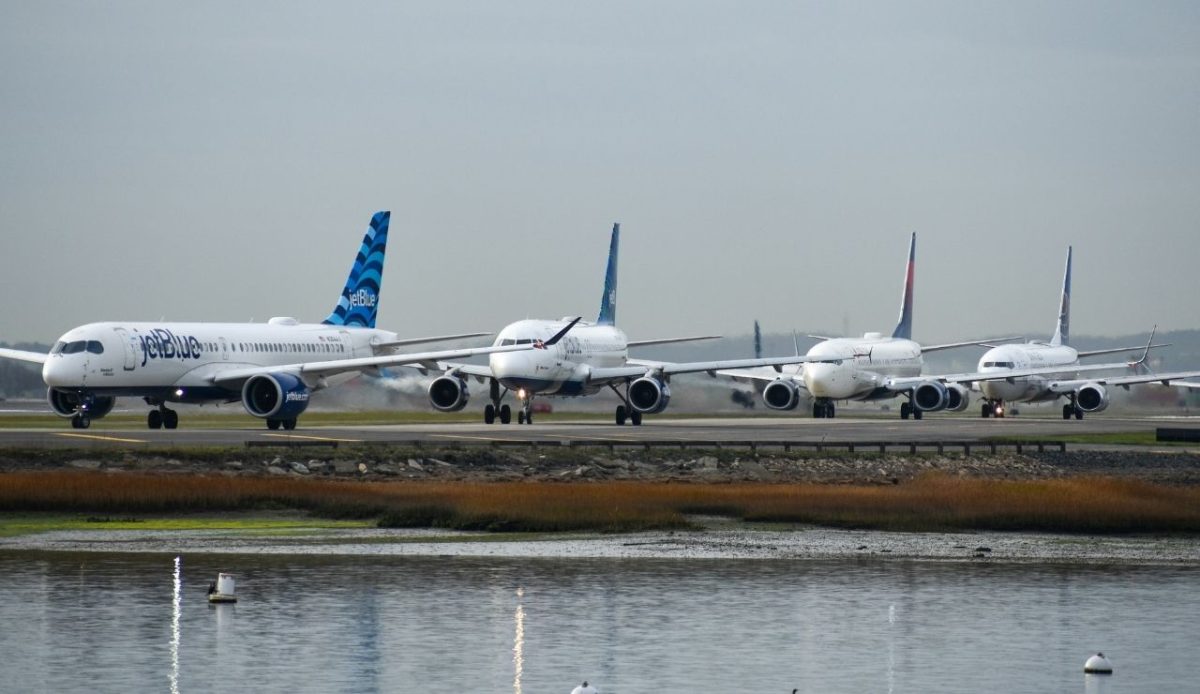
Logan is situated on filled harbor land beside Chelsea Creek, an active industrial channel with fuel storage and marine terminals. Jet fuel supply and port logistics have placed tank farms and working shoreline facilities close to the airport perimeter.
Leaving the airport, travelers often pass industrial waterfront scenery and tight road geometry before reaching older neighborhoods. The visual field is shaped by fences, pipes, and service roads, which can make the city feel more industrial than historic.
Boston’s brick streets and compact districts deliver a different experience once reached. Still, the initial gateway sequence is influenced by working port infrastructure, so first impressions can start with utility rather than charm.
7. Los Angeles, California
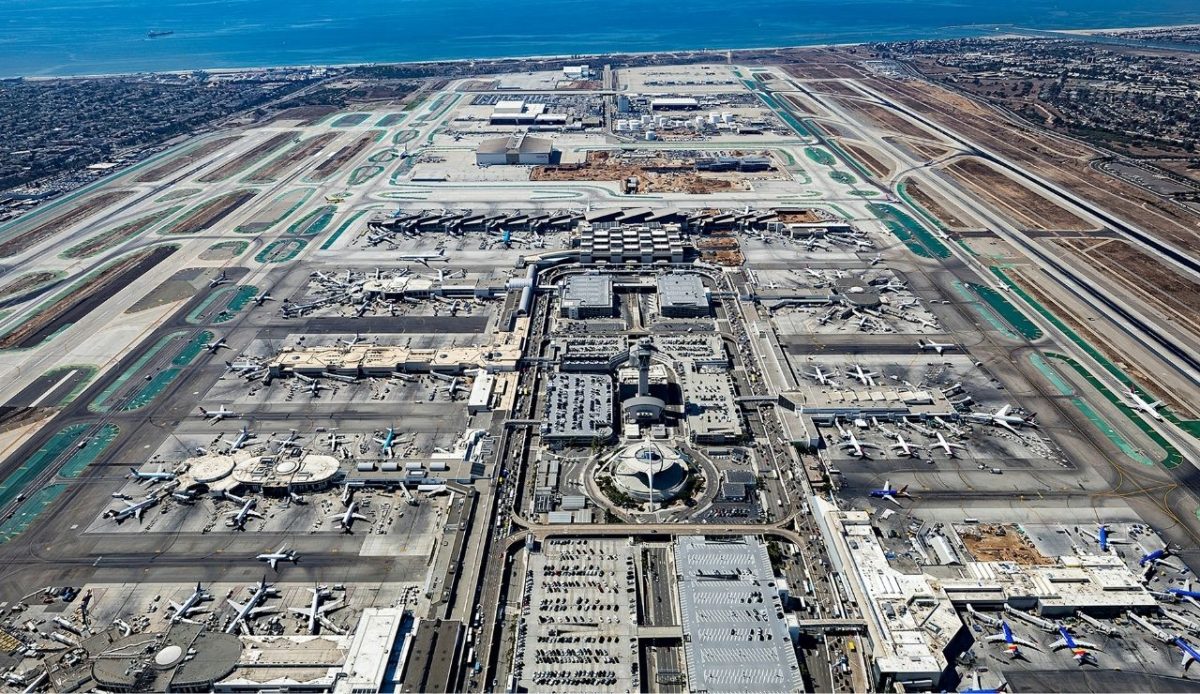
Los Angeles International is set within a dense corridor of freeways and large-scale industrial activity on the Westside. Refinery and energy facilities in the nearby El Segundo area, along with broad road infrastructure, shape parts of the airport’s surroundings.
After landing, travelers confront heavy traffic channels and long asphalt vistas before any coastal scenery appears. Because the gateway is built for volume, the first impression can feel like congestion and infrastructure, not beach city ease.
Neighborhoods with stronger identity exist nearby, but the approach and exit sequence filters them out. When visitors first see oil and transport landscapes, the region’s cultural variety is harder to sense in those early minutes.
8. Atlanta, Georgia
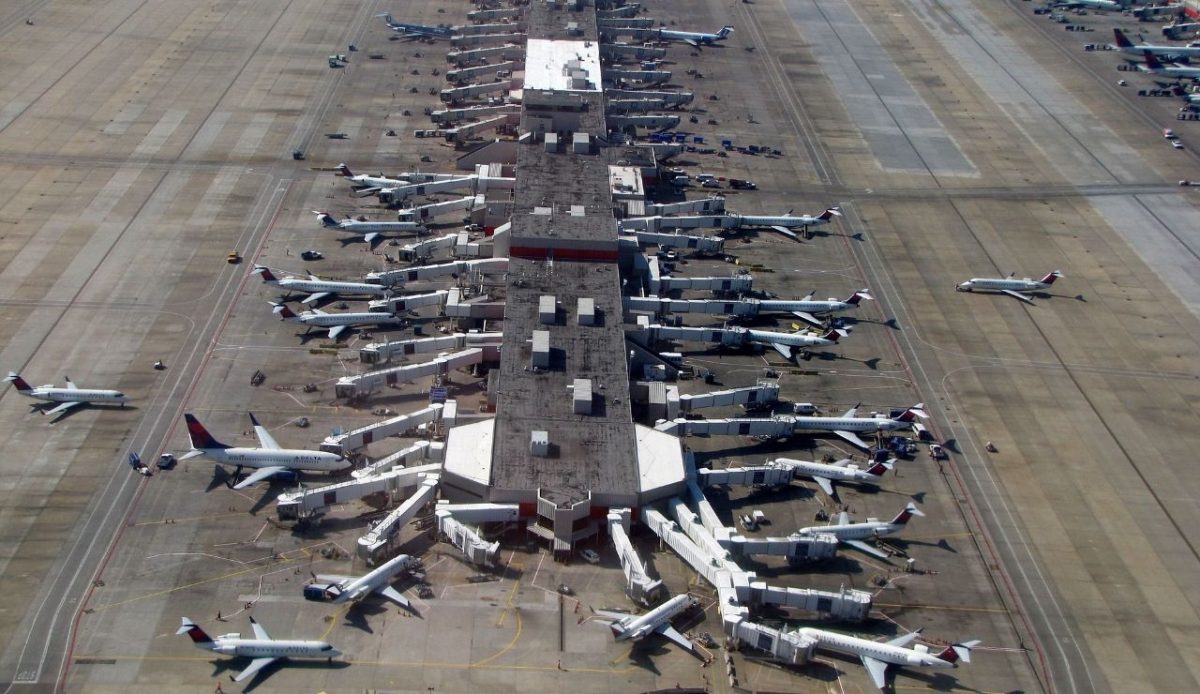
Hartsfield-Jackson anchors a major air cargo and distribution ecosystem south of central Atlanta. Warehouses, trucking corridors, and logistics parks cluster around the airport because freight access and highway proximity reduce transfer time.
As travelers exit, the landscape is dominated by interchanges, sound walls, and large parcels built for loading and staging. The first look can feel generic and industrial, with few cues that signal the city’s neighborhoods or cultural districts.
This is a situational effect rather than a terminal issue. When the gateway environment is optimized for goods movement, visitors may assume the city is defined by infrastructure until they reach more human-scaled areas.
9. Phoenix, Arizona
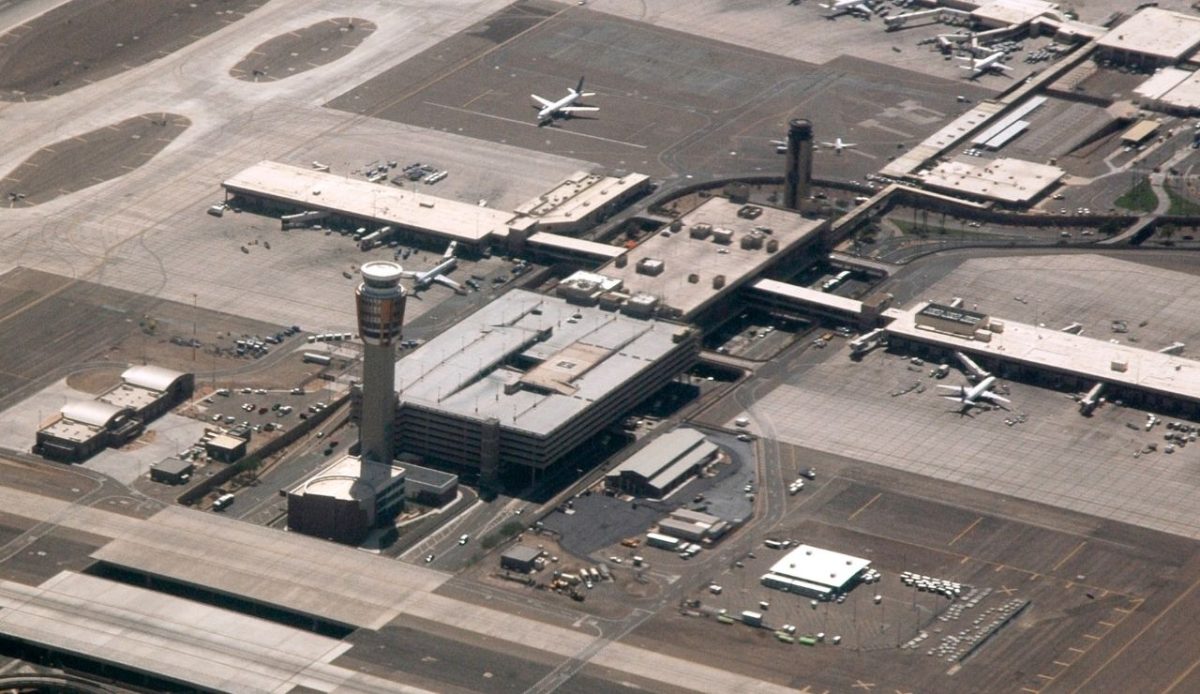
Sky Harbor lies within the city core yet remains framed by freeways, rail lines, and industrial parcels near the Salt River. Because buffers are limited, the approach shows roadway grids, freight infrastructure, and wide paved surfaces that hold heat.
The exit sequence quickly places travelers onto major interchanges where views are dominated by ramps and traffic flow. In many directions, the first corridor runs past utilitarian land uses before visitors encounter desert scenery or distinctive architecture.
Phoenix has strong landscape assets, but the airport gateway can hide them. When the first minutes feel like heat, pavement, and infrastructure, travelers may form an impression that is more mechanical than the city’s actual character.
