
Airlines are leaning into nostalgia, bringing back classic logos, retro typography, and heritage paint schemes to stand out in a crowded market. Vintage branding can signal reliability, evoke the “golden age” of flying, and remind frequent flyers why they fell in love with a carrier in the first place.
For travelers, these throwbacks are more than aesthetics. They often show up alongside cabin refreshes, service tweaks, and anniversary campaigns that aim to rebuild trust after years of disruption.
Below are nine airlines using vintage cues, sometimes a full retro livery, sometimes a revived emblem, to reconnect with loyal customers and win curious new ones.
1. Lufthansa
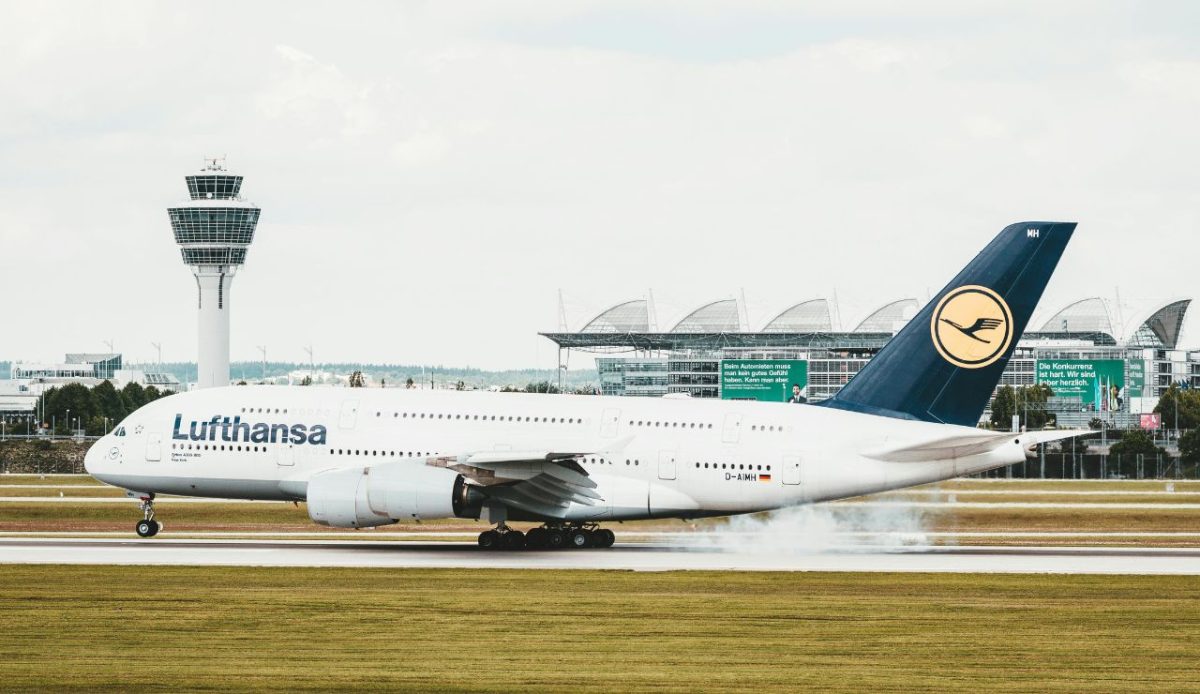
Lufthansa’s 100th anniversary push leans hard on heritage, including aircraft painted in historic designs. In early 2026 it unveiled an Airbus A321 in a retro “parable” livery inspired by the 1950s look of its Lockheed Super Star era.
That choice isn’t random: the simplified shapes and period colors read as “classic Lufthansa” even to casual flyers, while still looking sharp on a modern narrow-body. Anniversary liveries also create free marketing every time the jet shows up at a gate or in a traveler’s photo roll.
For flyers, it’s a visible promise of continuity, an old-school identity paired with today’s routes and cabins, meant to rebuild confidence and spark a little joy.
2. American Airlines
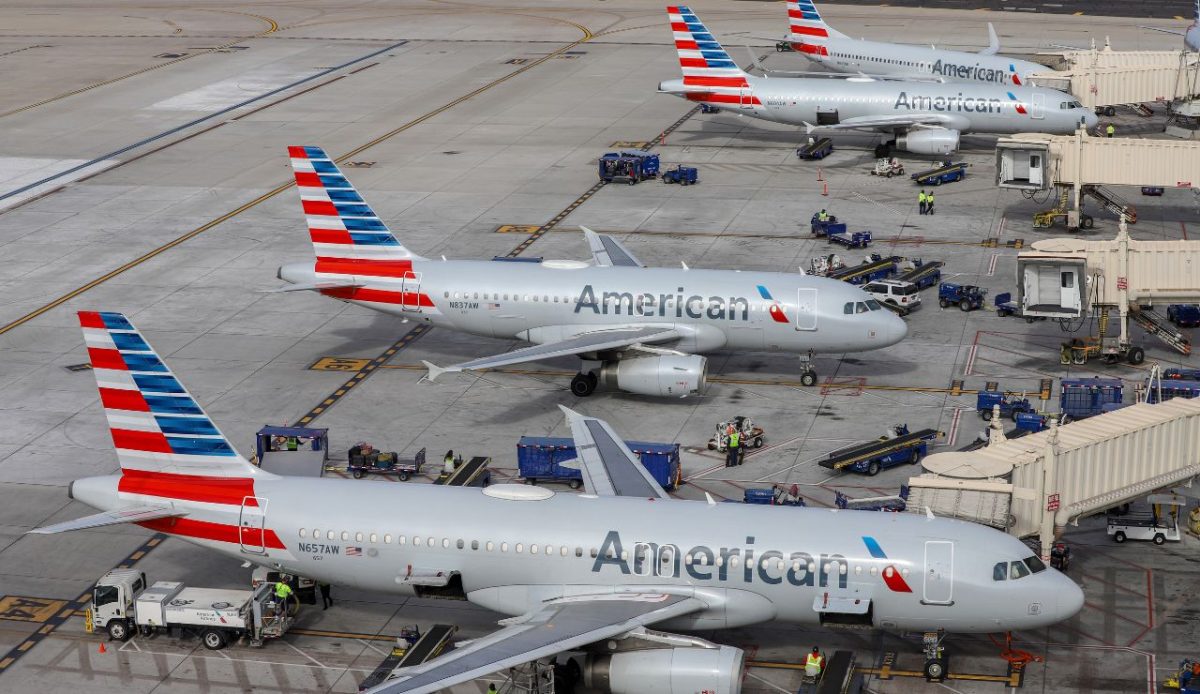
As American Airlines heads toward its 100th year in 2026, it’s rolling out a special “Flagship” look that blends an early-era scheme with modern touches. The airline has said the commemorative livery will debut on a Boeing 777-300ER, pairing retro cues with an updated onboard product.
The strategy is straightforward: remind customers that American isn’t a new kid chasing trends, but a legacy carrier with deep roots in U.S. aviation. That heritage message plays well with premium travelers who equate longevity with operational know-how.
In practice, a throwback paint job becomes a moving billboard, one that turns airport spotting into brand storytelling and nudges loyalty back into focus.
3. Air Canada
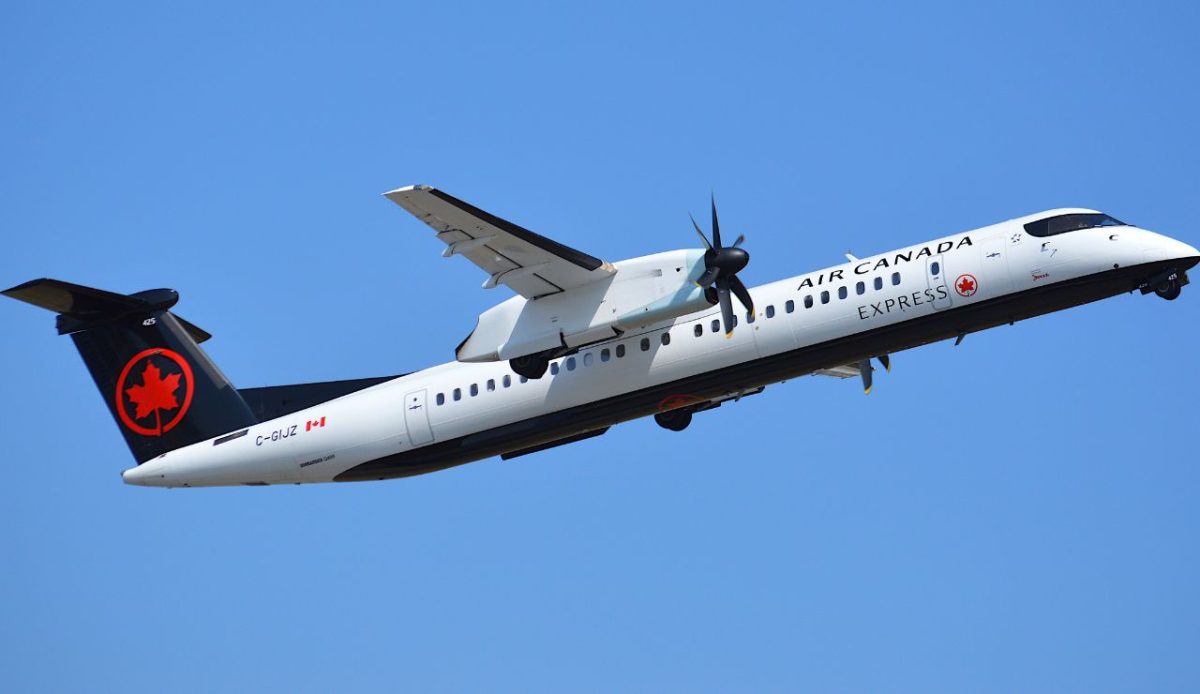
Air Canada has used heritage paint schemes to keep its past visible in the present, and in 2025 it shifted a retro livery onto a newer Airbus A220-300. With older jets retiring, moving the classic look to a modern aircraft keeps the nostalgia alive without sacrificing efficiency.
That’s the sweet spot of vintage branding: the visuals nod to earlier decades, while the product is still built around today’s priorities, fuel burn, quiet cabins, and reliable schedules. It also gives frequent flyers a “spotter moment” on routes they actually fly.
For travelers, the message is subtle but clear: the airline is modernizing, but it’s not abandoning the identity and trust built over generations.
4. Alaska Airlines
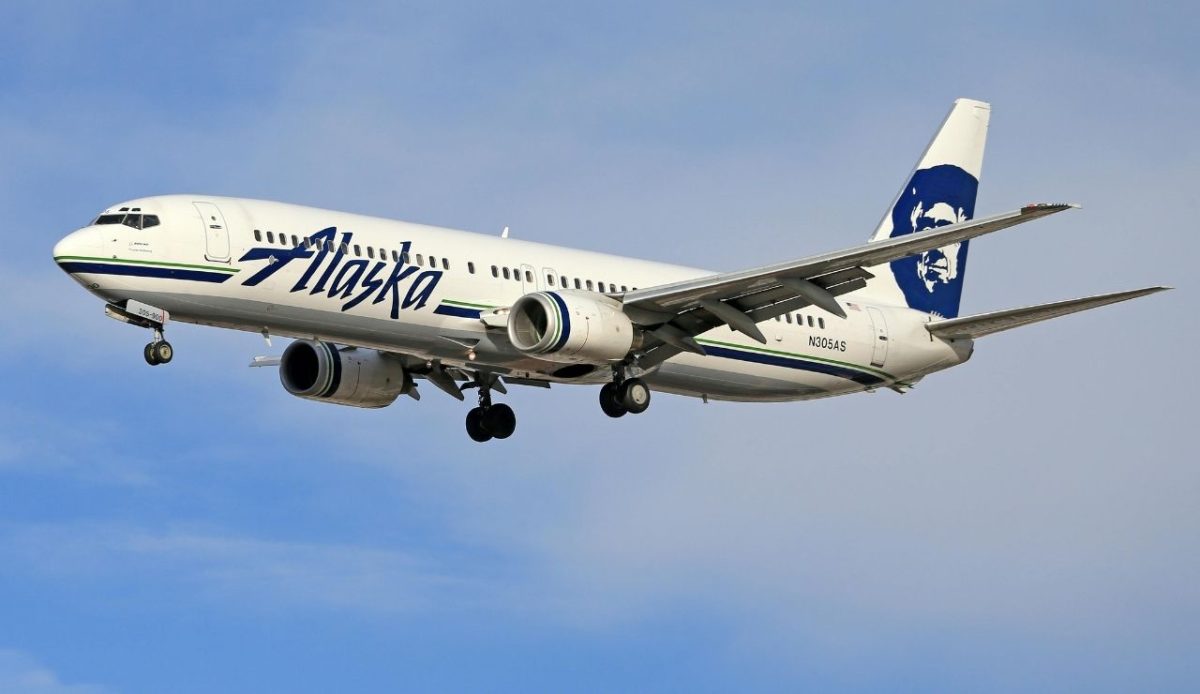
Alaska Airlines is dressing its long-haul ambitions in a throwback vibe. As it prepared wide-body Boeing 787s for new international routes, it unveiled a fresh livery with sweeping blue and cyan lines inspired by the northern lights, echoing designs from the 1970s and ’80s.
It’s a clever mix: the look feels nostalgic without being “museum retro,” and it signals a bigger, more global Alaska while still leaning into the carrier’s Pacific Northwest identity. Even the decision to keep the iconic “Chester” face off the 787s makes the new brand chapter feel distinct.
For travelers, that visual reset helps reintroduce Alaska in markets where it’s less familiar, while giving loyalists a reason to feel proud of the brand’s evolution.
5. British Airways
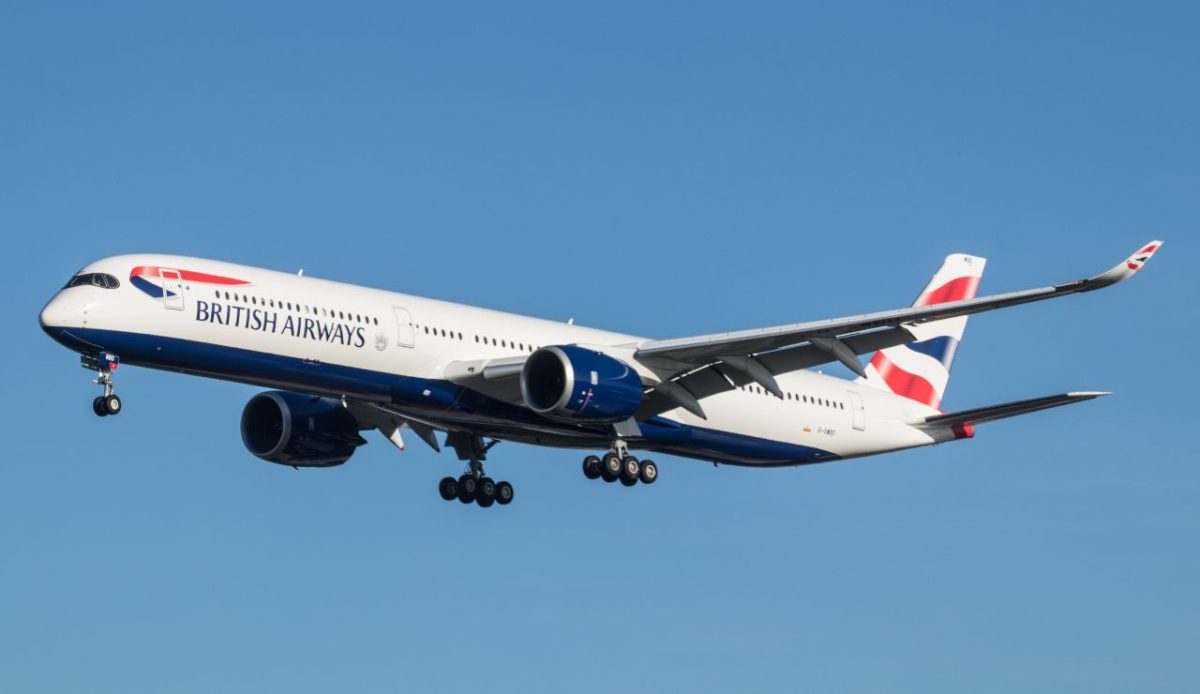
British Airways made heritage branding headline-worthy for its 100th anniversary by painting multiple aircraft in retro schemes tied to its own history and predecessors. In 2019 it introduced liveries such as BOAC-inspired colors and the classic Landor and Negus designs, turning modern jets into flying time capsules.
These weren’t just fan-service for aviation nerds. The campaign reinforced BA’s “we’ve been doing this forever” positioning at a time when travelers were comparing legacy carriers on trust, reliability, and network strength.
For passengers, a retrojet at the gate adds personality to an otherwise standardized airport experience, and it quietly reminds you that the airline’s brand story didn’t start with today’s app.
6. Qantas
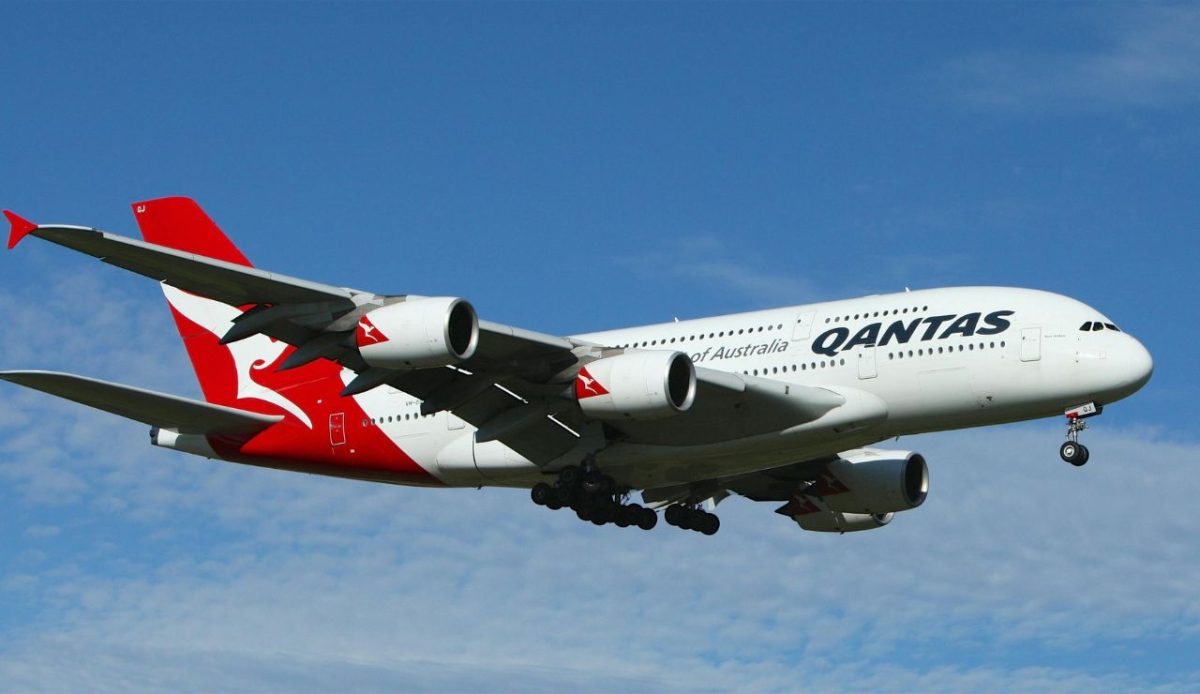
Qantas has leaned into nostalgia with its “Retro Roo” aircraft, repainting modern jets in liveries that recall different eras of Australian aviation. Ahead of its centenary celebrations, the airline showcased heritage schemes on 737s nicknamed Retro Roo and added special centenary markings to keep the story visible.
The reason it works is emotional and practical: Qantas is a long-distance specialist, and history is part of its safety-and-reliability pitch. A classic kangaroo tail or old-school cheatline makes that longevity obvious in a single glance.
For travelers, especially Australians, the vintage look is a moving reminder that the airline has been connecting a big, far-apart country for generations, now with newer cabins and aircraft.
7. Japan Airlines
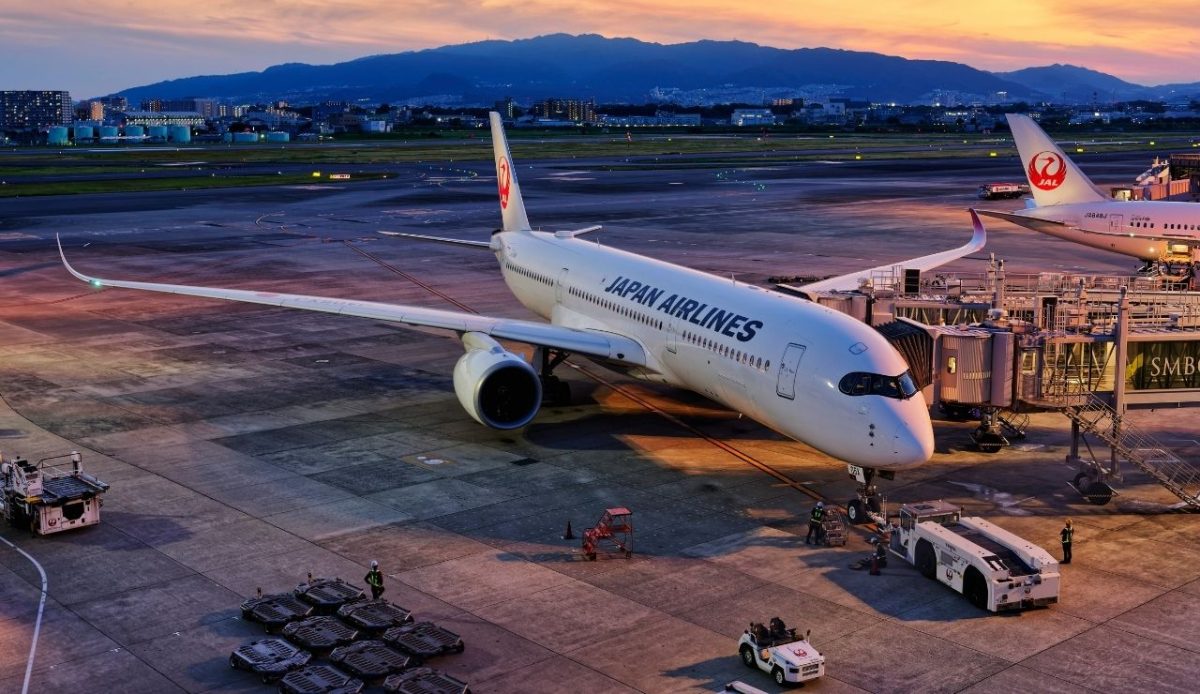
Japan Airlines is a case study in how a brand can modernize by looking backward. After its restructuring, JAL introduced a livery in 2011 that brought back the iconic red crane emblem, a symbol strongly linked to the airline’s earlier identity.
That return to the crane wasn’t about nostalgia for nostalgia’s sake. The mark communicates Japanese design values, clean lines, restraint, and tradition, while also signaling stability to international travelers who may not follow airline news.
For customers, the revived emblem is a quick visual shortcut: it says “this is the classic JAL you remember,” even as the fleet, cabins, and route strategy keep evolving.
8. TAP Air Portugal
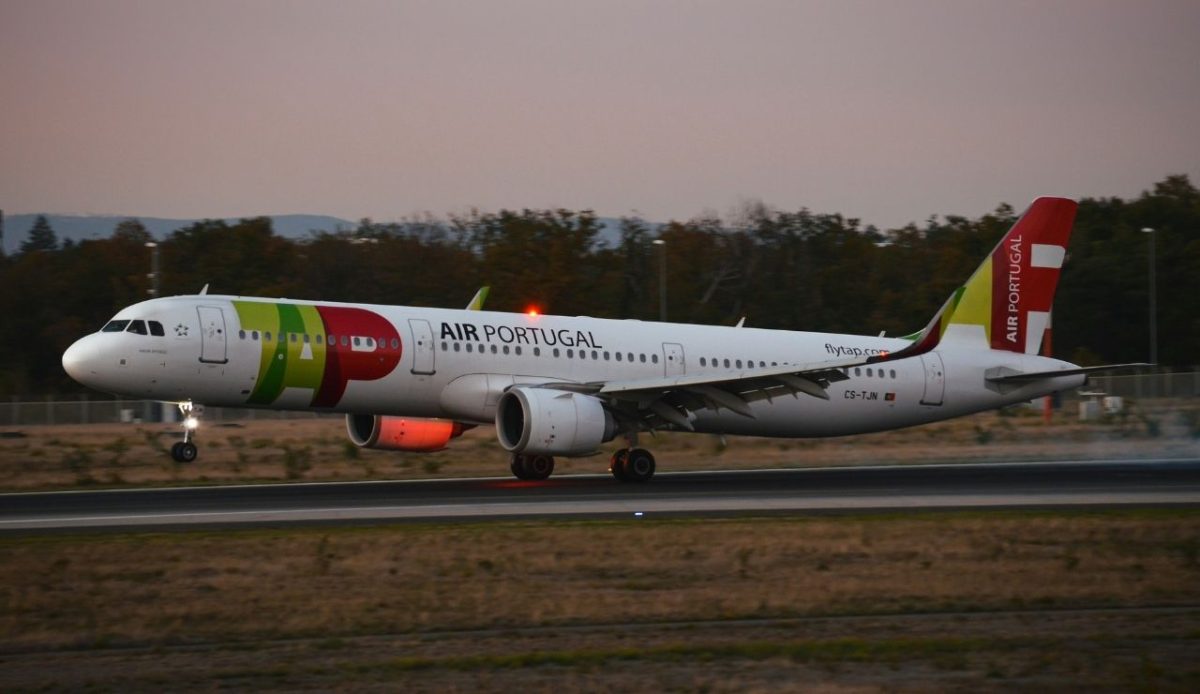
TAP Air Portugal has used anniversary aircraft to bring its older visual identity back into view. For its 75th anniversary, the airline applied special markings and messaging to an Airbus A330neo, turning a new long-haul jet into a rolling celebration of its past.
TAP has also leaned into true “retrojet” aesthetics with liveries that echo earlier decades, which plays well in Lisbon where aviation history is part of the airport’s identity. These designs create instant recognition in photos and social posts, cheap attention, basically.
For travelers, heritage branding can soften perceptions after operational hiccups: it frames the airline as established and resilient, not just another low-margin carrier chasing the next trend.
9. Iberia
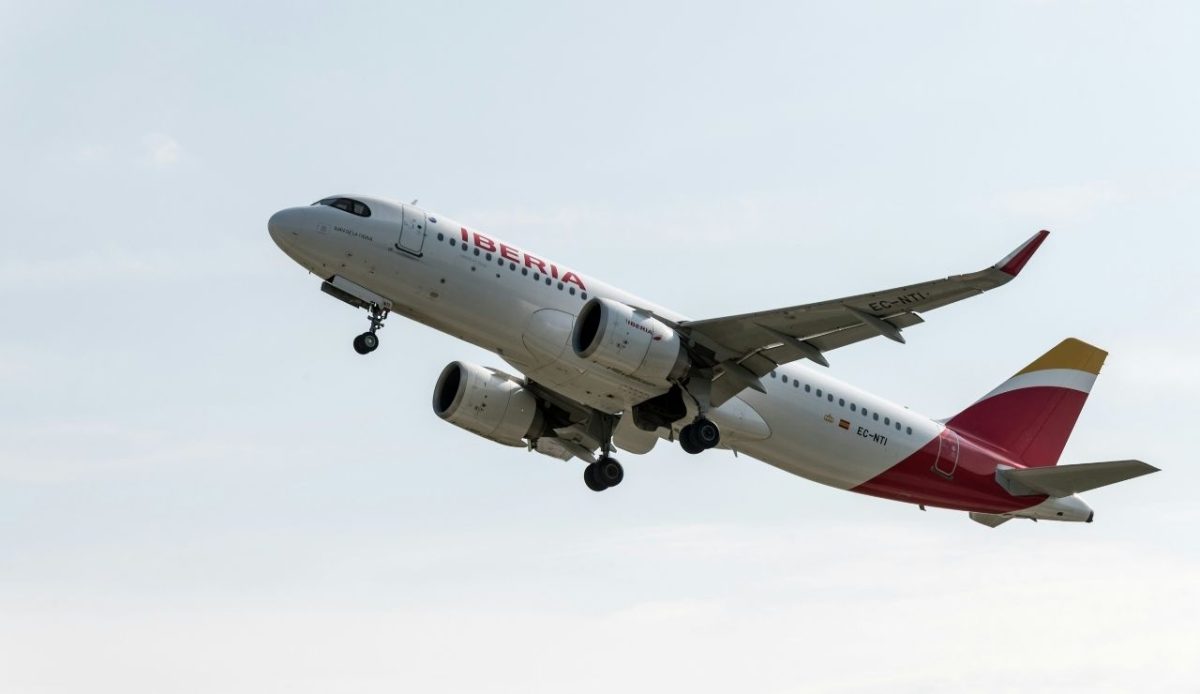
Iberia has played with its own visual history by putting retro colors on modern aircraft, reminding travelers what “classic Iberia” looked like before newer identities took over. After major brand changes in the 2010s, the airline used aircraft in a throwback scheme recalling earlier red-and-yellow styling.
The appeal is strong in Spain’s leisure markets, where many passengers have flown Iberia for decades and recognize the older palette instantly. A heritage jet also differentiates Iberia inside the oneworld ecosystem, where liveries can blur together at busy hubs.
For customers, the retro look is a quick trust signal: familiar colors, familiar name, and the sense that the airline is anchored in a long-running national aviation story.
