
Perceived safety at night tells an important story about how cities function beyond daylight hours. It reflects the success of public lighting, neighborhood design, and civic trust that allows people to walk without hesitation after sunset. In many American cities, the question is not only how safe the streets are statistically, but how confident residents feel when using them. This ranking combines results from the Gallup–Healthways survey and the City Health Dashboard to identify places where residents most often report feeling secure walking alone after dark.
1. Minneapolis and St. Paul, Minnesota, and Wisconsin

The Twin Cities lead the nation with 80 percent of residents saying they feel safe walking alone at night. While about one in five still report unease, the region’s community partnerships and infrastructure improvements maintain high levels of comfort. Local associations work closely with police and city departments to ensure lighting, sidewalks, and signage remain in good condition. Parks and riverfront areas benefit from clear sightlines and steady evening activity, which help residents stay aware of their surroundings. Reliable transit and visible security patrols add another layer of assurance.
2. Denver and Aurora, Colorado
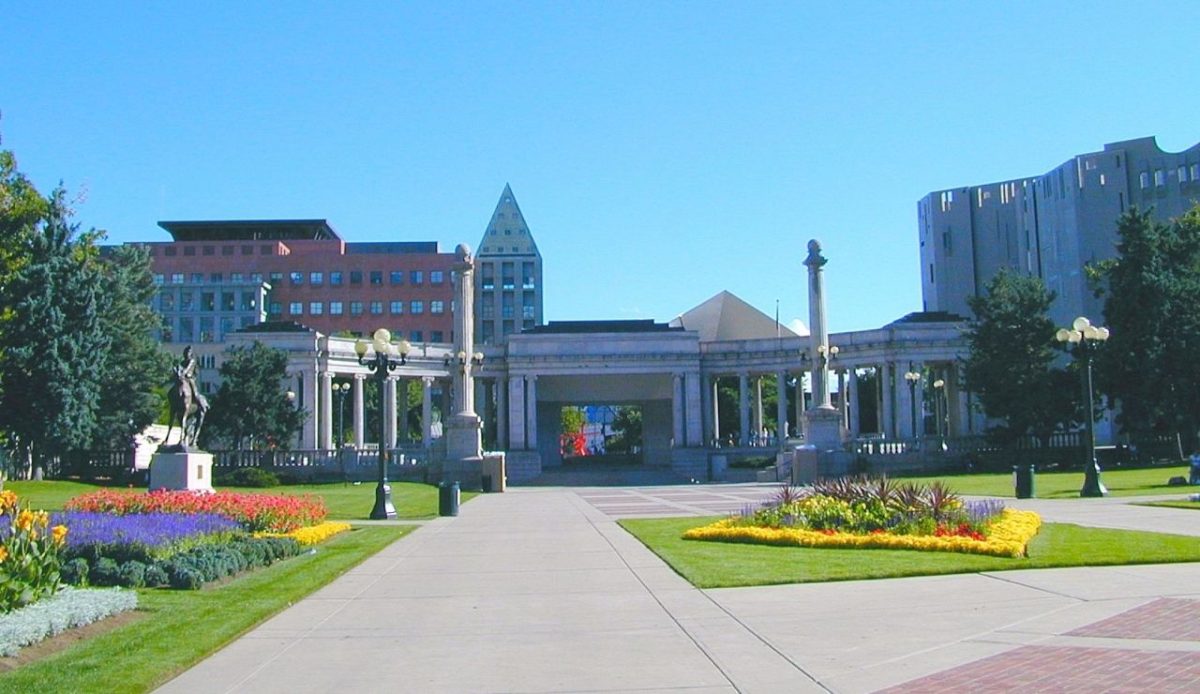
Denver ranks near the top, with 78 percent of residents feeling safe walking at night. The city’s compact blocks, strong public transit system, and community-oriented approach to safety play a major role. Business owners and residents take part in local reporting programs that address issues such as broken lighting or damaged walkways before they become risks. In entertainment districts, storefronts and restaurants stay open late, helping create natural surveillance that deters unwanted behavior. Police regularly meet with neighborhood groups to discuss perceptions of safety and adjust patrol routes accordingly.
3. Raleigh and Cary, North Carolina
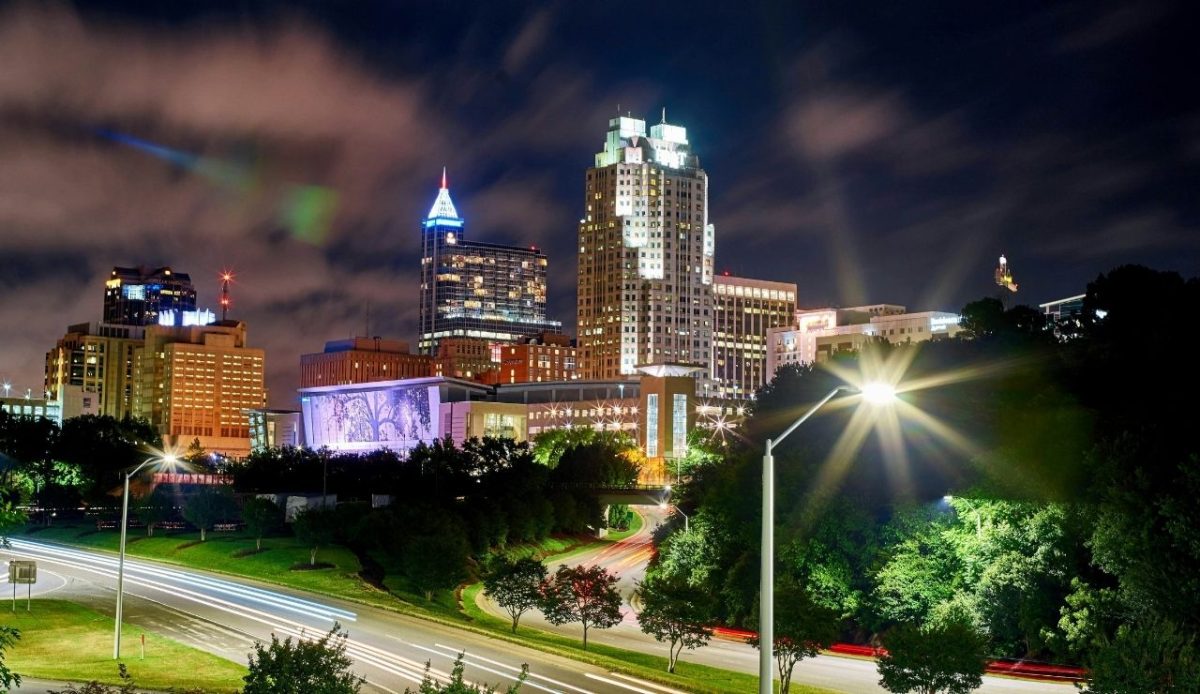
The Raleigh–Cary area matches Denver’s results, with 78 percent of residents reporting they feel comfortable walking alone after dark. Both communities have built reputations for thoughtful planning that blends suburban comfort with accessible downtown areas. In Raleigh, visible crosswalks, reliable streetlights, and safety call boxes around major corridors make walking predictable and secure. Cary’s well-organized neighborhoods and park systems benefit from steady patrols and active community watch programs. The region’s universities and research centers help sustain evening activity, while coordinated awareness campaigns encourage personal responsibility without alarm.
4. Boston, Cambridge, Quincy, Massachusetts, and New Hampshire
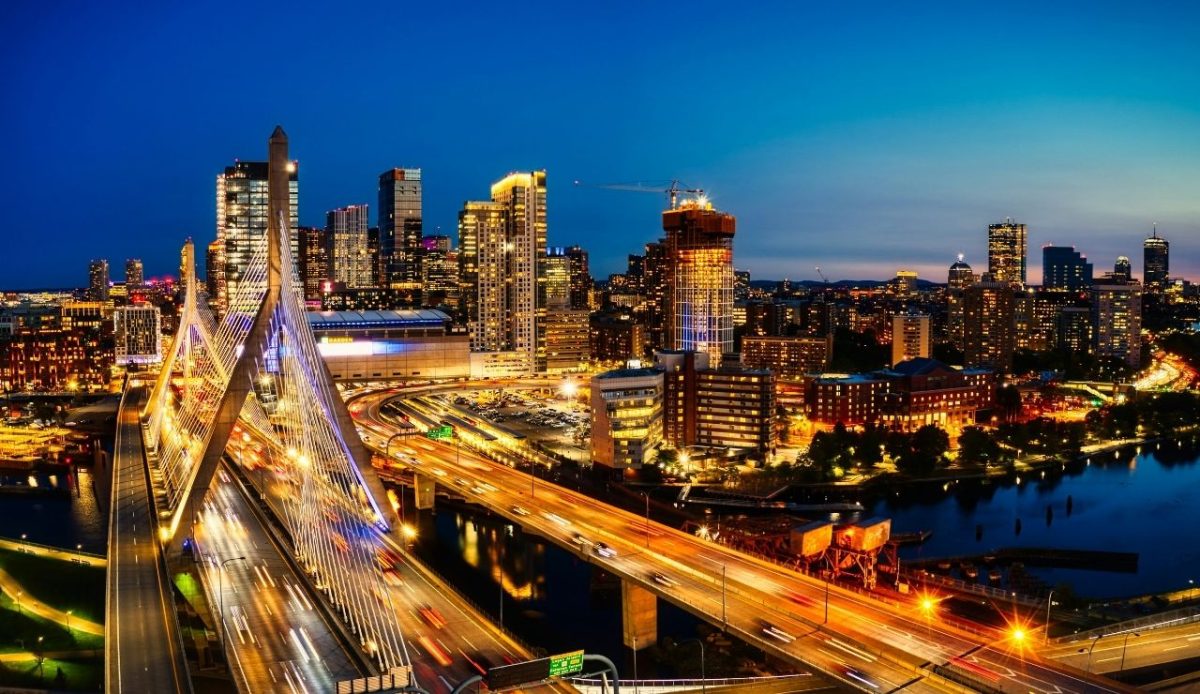
Seventy-seven percent of Greater Boston residents say they feel safe walking alone at night, supported by strong transit systems and steady city maintenance. The region’s historic yet compact layout makes it easy for people to navigate well-lit paths between residential and commercial areas. Local universities and business districts invest in patrol coordination and 24-hour maintenance crews that repair lighting or clear snow promptly. Late-night shuttles and bike lanes extend access to neighborhoods that might otherwise feel isolated after hours.
5. Salt Lake City, Utah
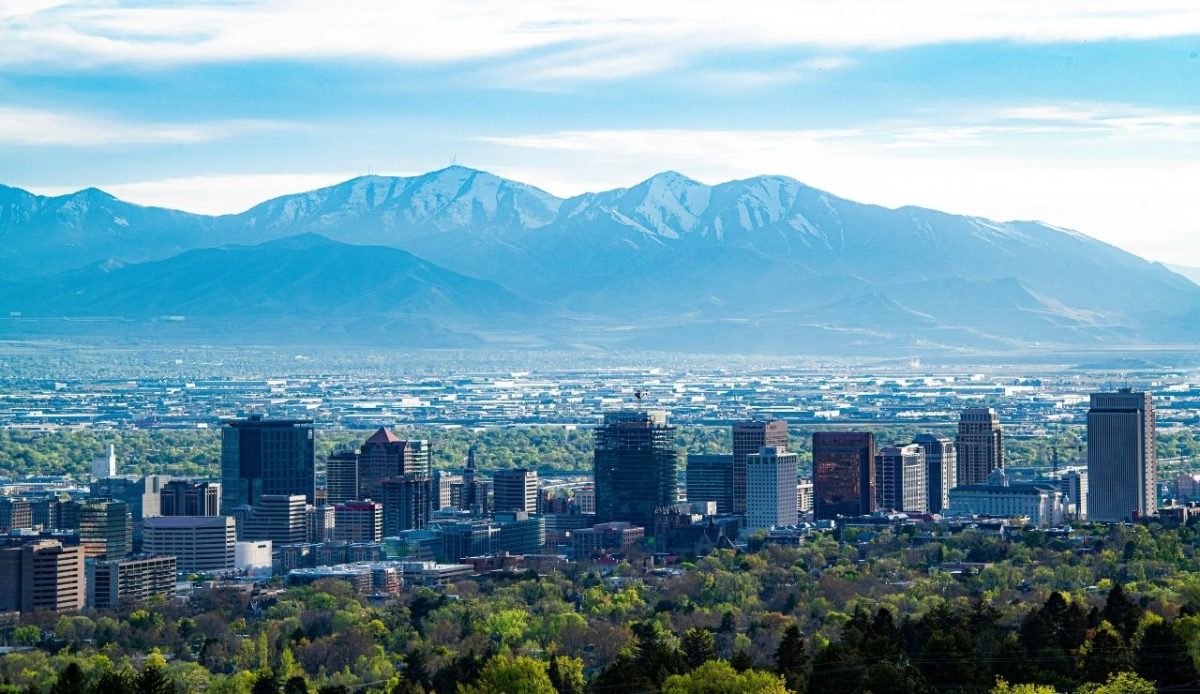
Salt Lake City maintains the same 77 percent confidence level, supported by its spacious downtown grid and balanced mix of business and residential areas. Wide sidewalks, strong lighting, and accessible public transport help residents feel in control of their surroundings. Local authorities coordinate with event organizers to stagger crowd releases, which prevents congestion and keeps public spaces open and calm. Neighborhood groups conduct regular safety walks, noting dark areas or maintenance needs before they grow into larger issues.
6. Austin and Round Rock, Texas
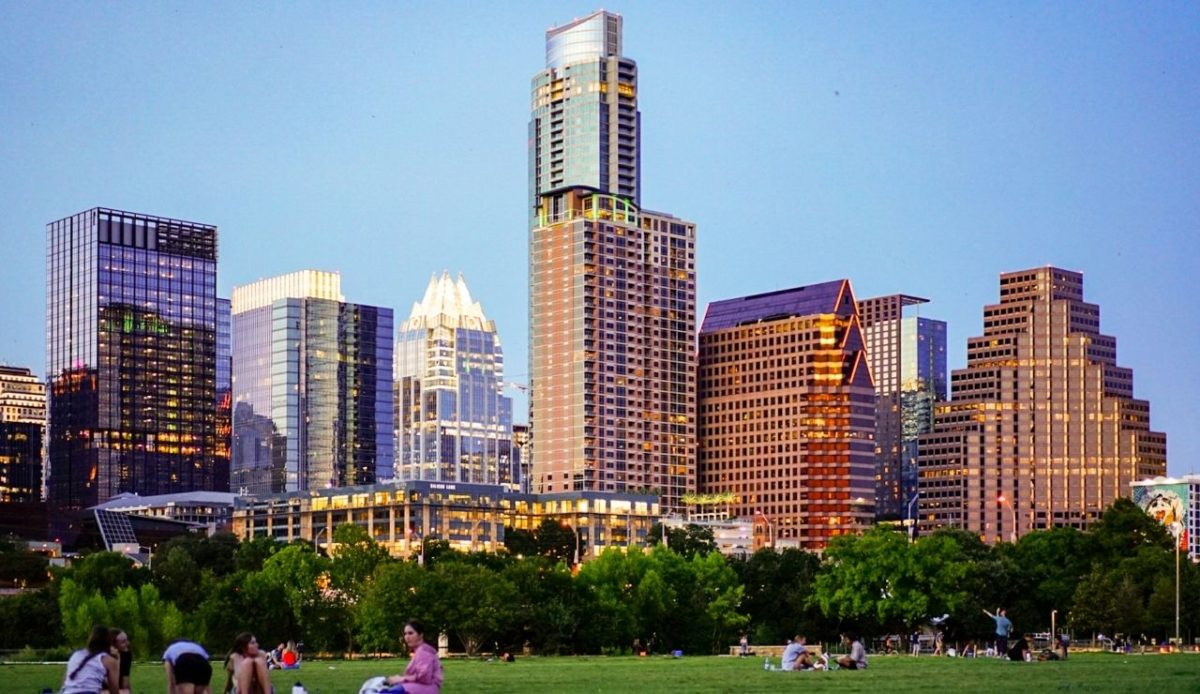
Austin holds steady with 77 percent of residents feeling safe walking at night, reflecting its focus on maintaining a balance between nightlife and order. Downtown Austin benefits from upgraded lighting, crosswalk signals, and a visible police presence near high-traffic venues. Public transit runs extended hours on weekends to support residents and visitors returning from events. In Round Rock, smaller neighborhoods emphasize structured watch programs and neighborhood patrols that encourage connection between residents.
7. Irvine, California
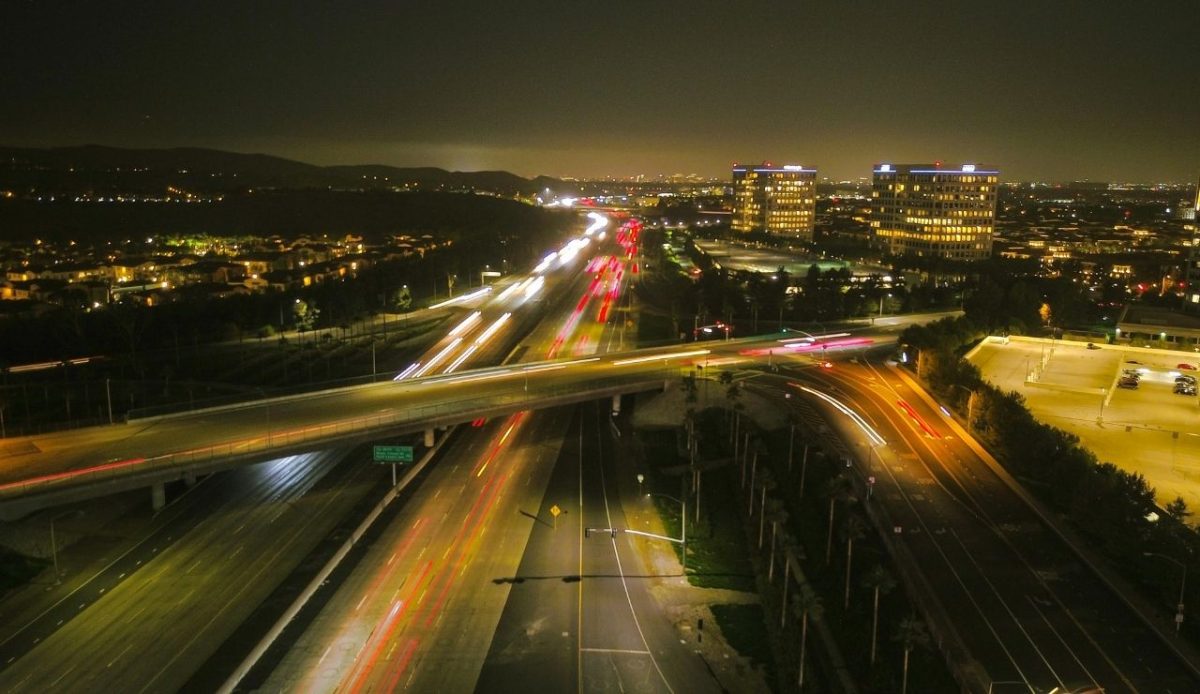
Irvine’s planned design and emphasis on community engagement keep it among the safest-feeling U.S. cities. Its network of residential villages reduces long commutes and maintains bright, walkable routes across the city. Parks and commercial areas include clear lighting, maintained landscaping, and patrol stations that ensure visibility. Law enforcement focuses on relationship-building rather than reactive measures, making officers approachable and trusted within neighborhoods. Frequent local gatherings and cultural events keep public areas active during evenings, which discourages neglect and fosters natural oversight.
8. Gilbert, Arizona
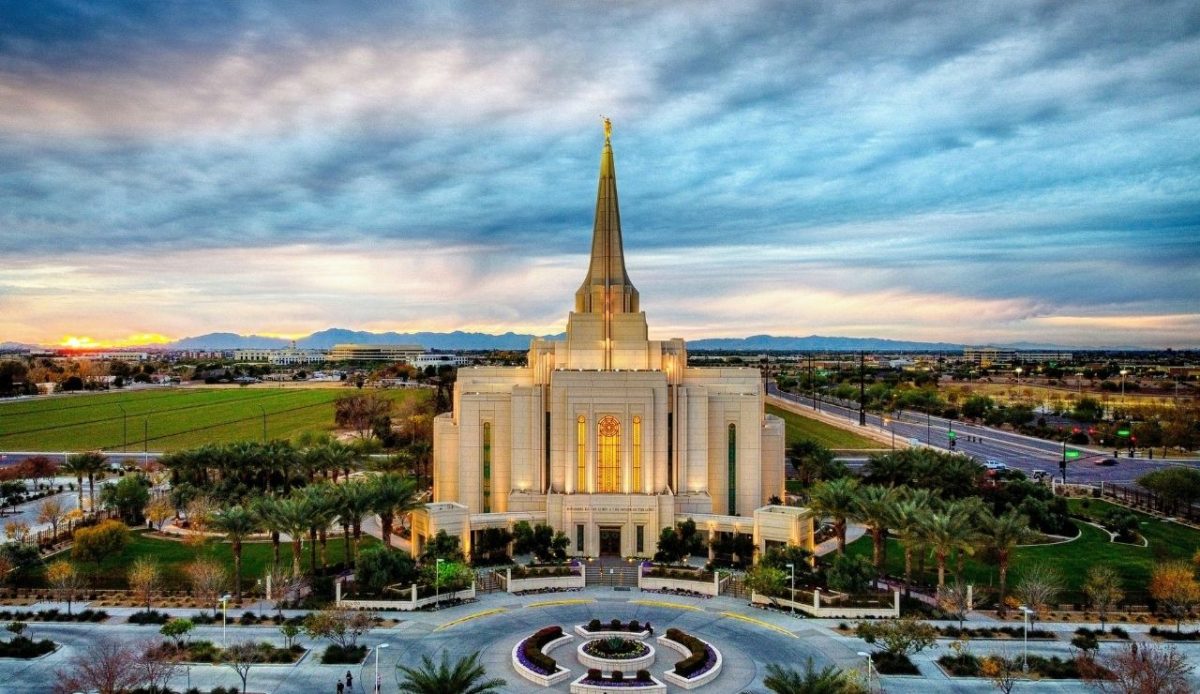
Gilbert ranks highly in perceived safety, supported by careful city planning and strong civic communication. Wide sidewalks, visible intersections, and reliable lighting make it easy for pedestrians to navigate confidently. Business districts remain open later than many suburban counterparts, bringing steady traffic that keeps public spaces active. Parks include motion-sensitive lights and scheduled patrol rounds that reassure evening visitors. Residents receive regular updates through newsletters and community portals about small steps that help maintain a secure environment, such as reporting outages or suspicious activity. These habits combine with structural improvements to create a welcoming atmosphere for nighttime walks.
