
The route, not the waterline, often decides public beach access. States may treat tidal lands as public, yet entry depends on stairs, paths, and parking controlled by cities or nearby owners. When those connectors narrow, the public right is harder to use.
Across the coast, restrictions have shifted from fences to policy tools. Gated easements, limited hours, permit caps, and parking rules can reduce who reaches the sand. The court fights, then sets boundaries, and those rulings are enforced locally.
This article lists eight waterfront towns where access has been reduced or put at risk through a specific mechanism. Each example is tied to agency actions, court filings, or municipal rules, showing how access can be lost.
1. Malibu, California
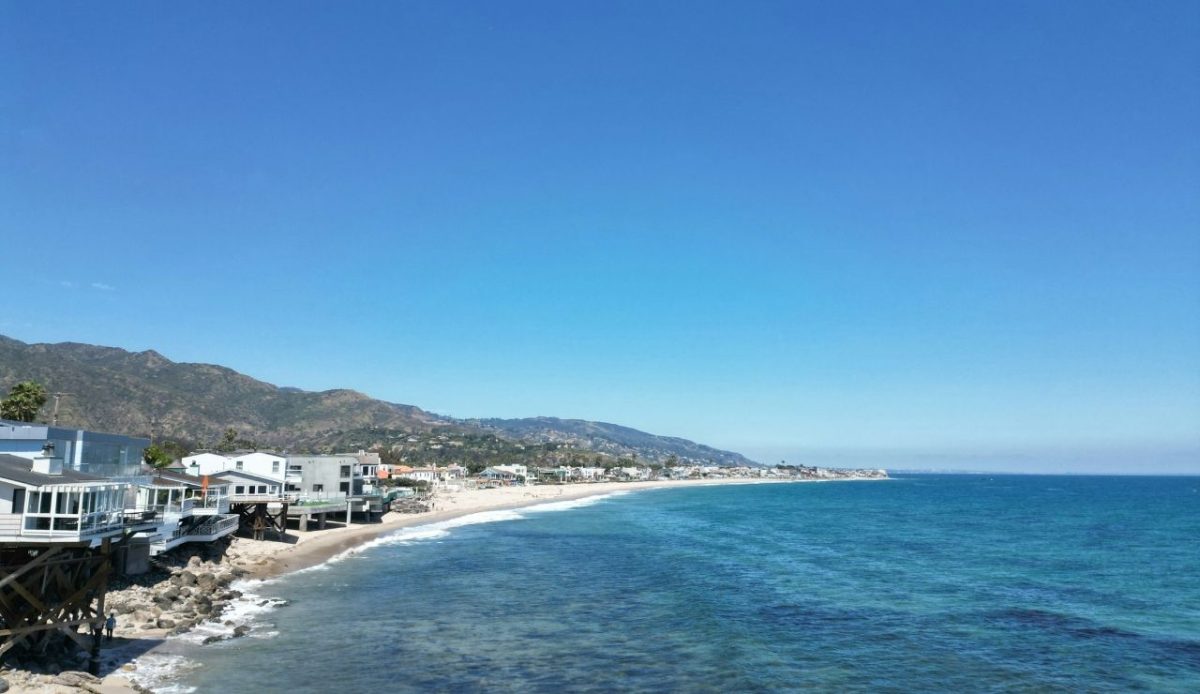
Malibu access often hinges on permit conditions requiring public easements and stairs along Pacific Coast Highway. In 2016, the California Coastal Commission imposed multimillion-dollar penalties and ordered access improvements after years of obstruction.
Records describe barriers like gates, fences, security patrols, and misleading parking controls near access points. Legal rights remained, but entry was reduced until violations were documented and pursued.
An appellate decision upheld a penalty for blocking an easement, reinforcing the Commission’s authority. Yet access can still be limited while complaints, inspections, and hearings run their course.
2. Dana Point, California
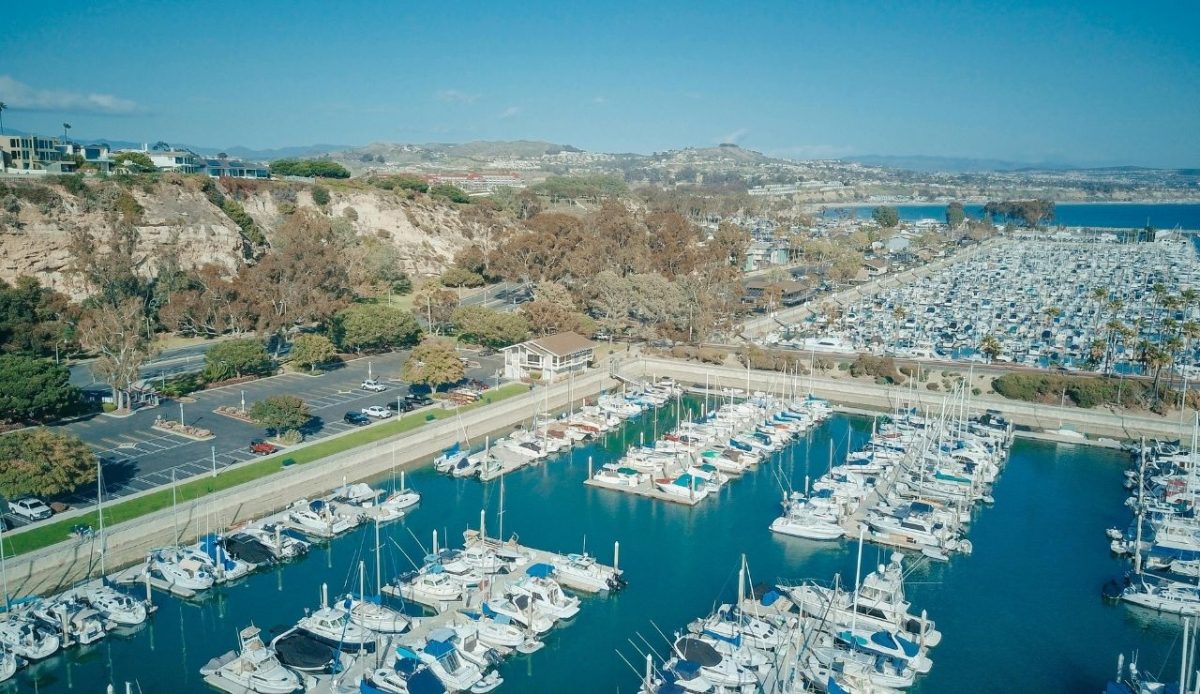
Dana Point’s Strand Beach access became disputed after gates and time limits were applied to accessways in the Headlands area. The issue was whether the city controls matched the coastal approvals issued with public access expectations.
A settlement sets operating rules for named routes. It required the Mid Strand gate to be removed or locked open, set access from 5 a.m. to 10 p.m. on central routes, and required 24-hour access on other specified paths.
This is an access loss mechanism because the connector becomes a timed barrier. When entry is limited by gates, use shifts to those who can plan around set hours, while drop-in visitors are turned back.
3. Santa Rosa Beach, Florida
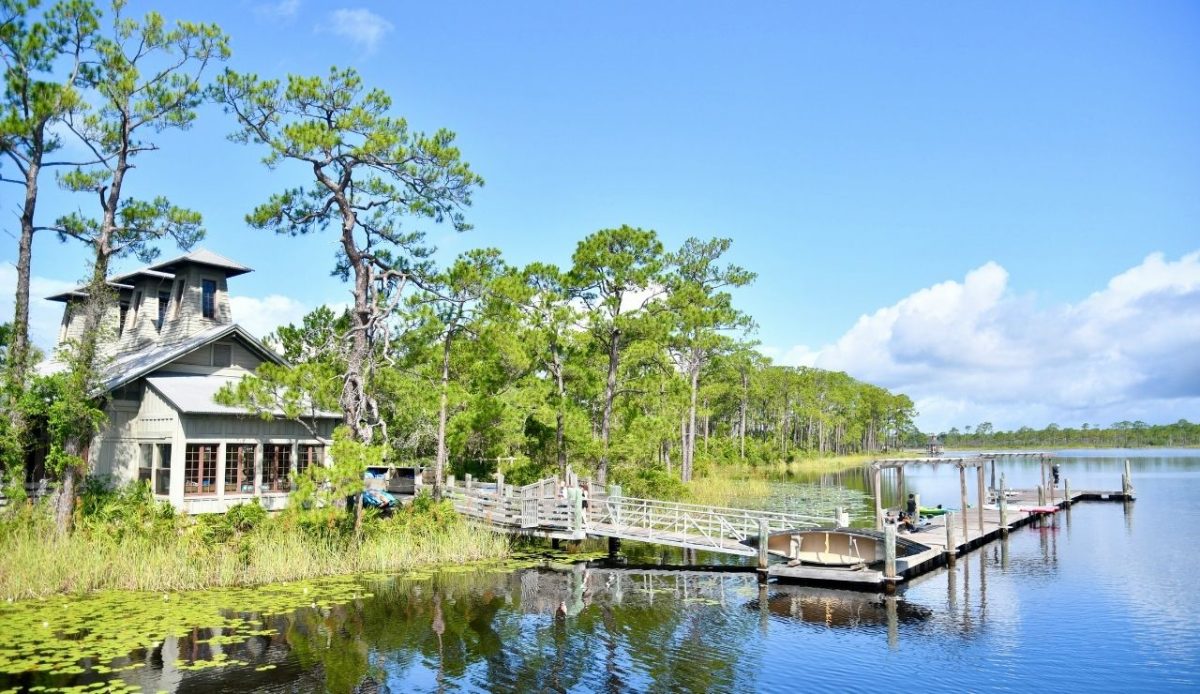
Santa Rosa Beach in Walton County has faced conflict over dry sand because much of it is privately titled above the mean high water line. In 2018, Florida required a court process before a local government could rely on customary recreational use.
That rule slowed local responses while owners posted signs or hired security and alleged trespass. A recent dispute in the area shows how access can become a policing issue rather than beach management.
In June 2025, Florida repealed the 2018 provision and restored authority to recognize customary use. The mechanism is legal recognition, and when it shifts, public access can change across beachfront segments.
4. Ocean Grove, New Jersey

Ocean Grove’s beach has been managed by a private association that for years closed the sand on Sunday mornings during the summer. The rule reduced access at a time when many day visitors would otherwise arrive.
New Jersey regulators treated the closure as inconsistent with public access duties tied to beach operation. In December 2025, the NJDEP commissioner issued a decision ordering the beaches opened during those Sunday hours.
The mechanism is temporal closure, which can be as limiting as a fence for people with fixed schedules. Access was kept open during the summers while litigation proceeded, showing how use can change season by season under agency orders.
5. Westerly, Rhode Island
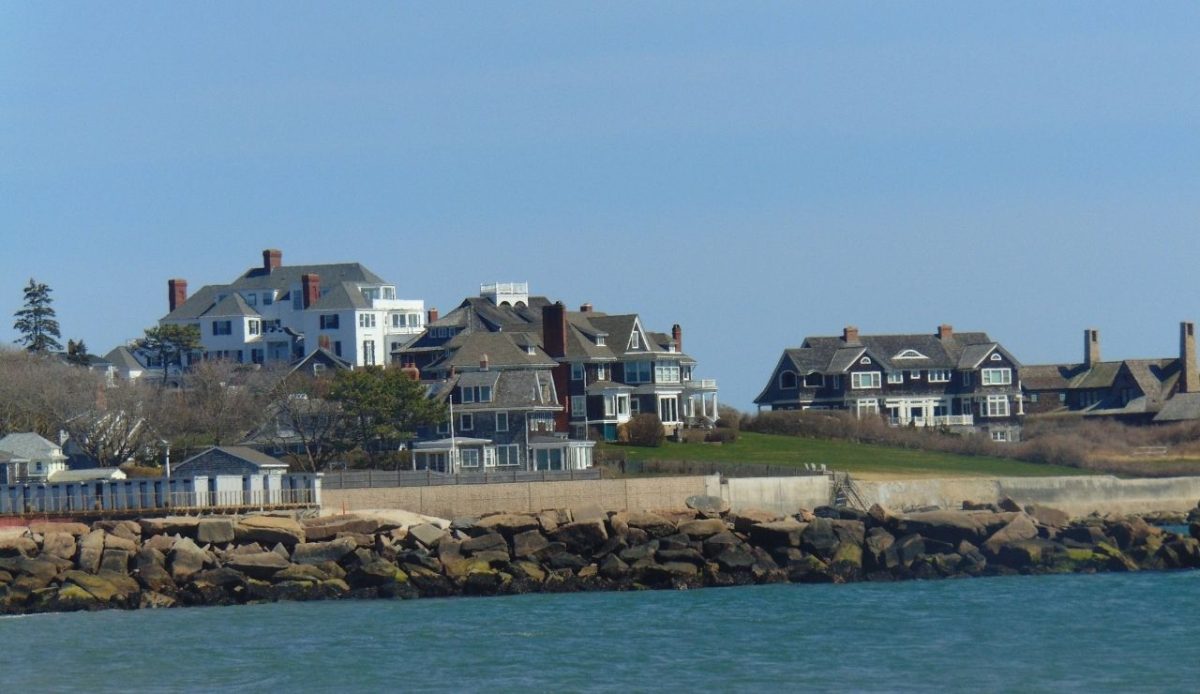
Westerly’s Watch Hill area relies on Fort Road for access to Napatree Point. The Watch Hill Fire District and Watch Hill Conservancy sued the town and the state, arguing the public should not be directed across parcels they own.
The complaint seeks limits on marking or building a right of way while the case proceeds. If the corridor is constrained, alternatives are limited, so reaching the beach can depend on a single contested route.
The mechanism is corridor litigation, where one pathway controls entry to a large shoreline area. Uncertainty can reduce visits because people avoid routes that might be treated as trespass until the legal status is clarified.
6. Wells, Maine
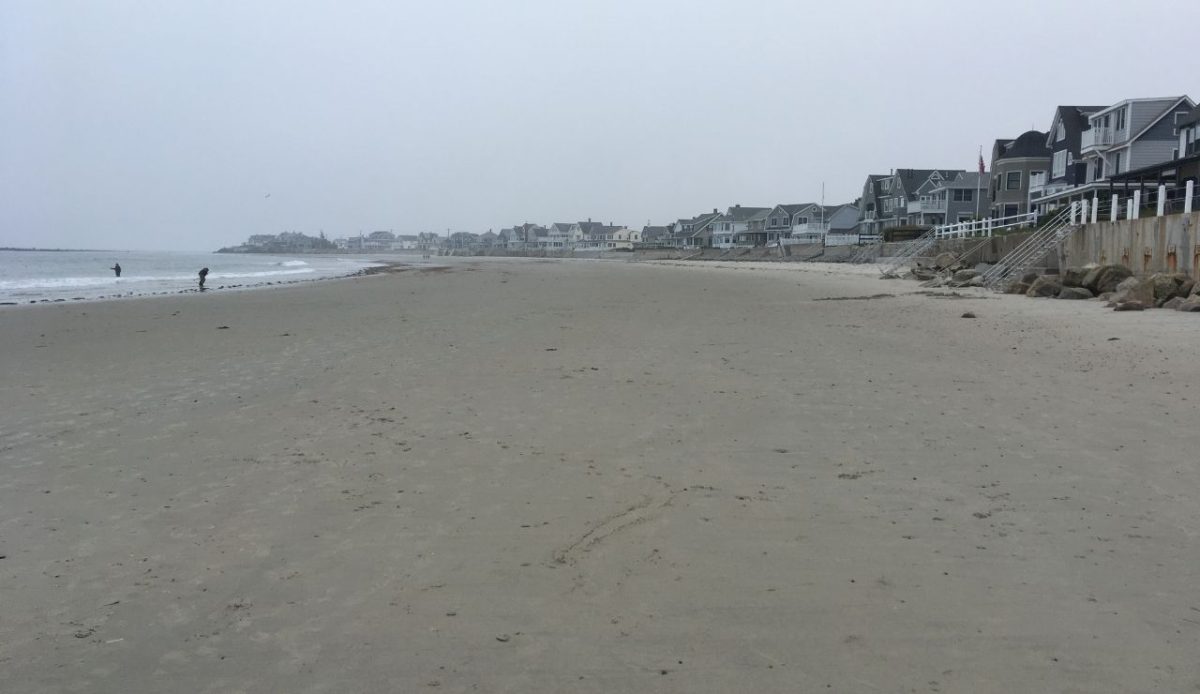
Wells includes Moody Beach, where Maine law treats much of the intertidal land as privately owned, with public rights largely limited to fishing, fowling, and navigation. A high court decision confirmed owners could limit broader public use.
In 2024, a trial court granted summary judgment for Moody Beach owners in a case seeking wider access. That result kept the narrower framework in place while appeals continued.
The mechanism is doctrinal narrowing that defines which activities are lawful in the intertidal zone. When recreation is treated differently from navigation, the usable area shrinks, and access depends on boundaries and enforcement choices.
7. East Hampton Village, New York

East Hampton Village controls practical beach entry through non-resident parking permits for its ocean beaches. The village posts a seasonal window and requires a permit, with online sales and a limited quantity.
For 2026, permits are required from May 15 to September 15, priced at $750, and capped at 3,100 full-season permits. After the cap is reached, lawful car access becomes scarce even though the shoreline is not blocked.
The mechanism is vehicle access rationing. In a place where most visitors drive, limiting permits acts like a gate at the lot, not the sand. This shifts access toward residents and early buyers and reduces spontaneous day trips.
8. Isle of Palms, South Carolina

Isle of Palms adopted emergency parking rules in July 2020 that reduced where people could park near beach access points. The ordinance cut the lot capacity and restricted non-residents from parking on parts of Palm Boulevard, with $100 fines.
A lawsuit argued the cuts limited access because many visitors rely on those spaces to reach public paths. A judge declined to pause the restrictions while litigation proceeded, so the limits stayed in effect.
The mechanism is accessed by parking supply. When spaces are removed or limited by residency, reaching the shore requires longer walks or scarce alternatives, which reduces use and concentrates demand at fewer entry points.
