
America’s history stretches far beyond the rise of its major cities. Scattered across the country are towns that existed long before New York, Los Angeles, or Chicago became iconic urban centers. These towns preserve centuries of architecture, culture, and traditions, offering travelers a glimpse into early American life. Cobblestone streets, historic homes, and local lore create immersive experiences that connect visitors with the past in meaningful ways. In this article, we explore eight U.S. towns that existed long before America’s biggest cities, where history and charm define every corner.
1. St. Augustine, Florida
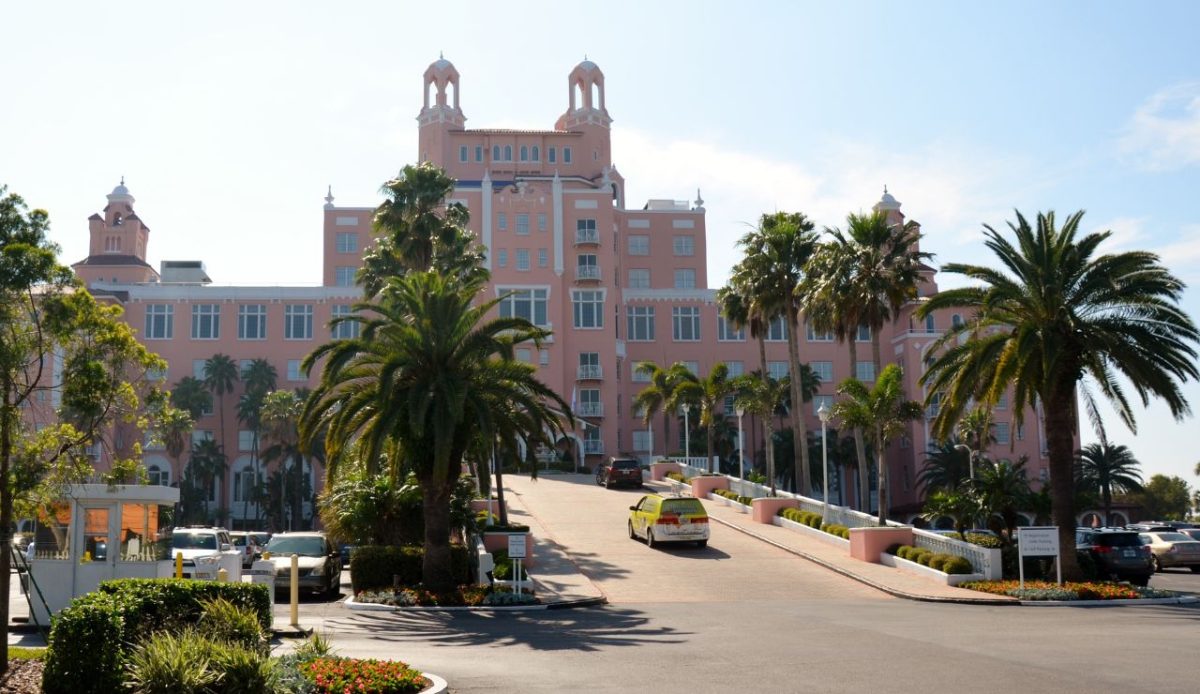
Founded in 1565, St. Augustine is the oldest continuously inhabited European-established settlement in the U.S. Spanish architecture, cobblestone streets, and historic forts reflect its colonial past. Travelers can explore Castillo de San Marcos, centuries-old churches, and quaint plazas that tell stories of early settlers and maritime trade. Local museums highlight Native American and Spanish influences, while nearby beaches provide modern leisure alongside historic exploration. St. Augustine offers a blend of history, charm, and coastal beauty, allowing visitors to step back in time while enjoying the oldest town in America.
2. Jamestown, Virginia
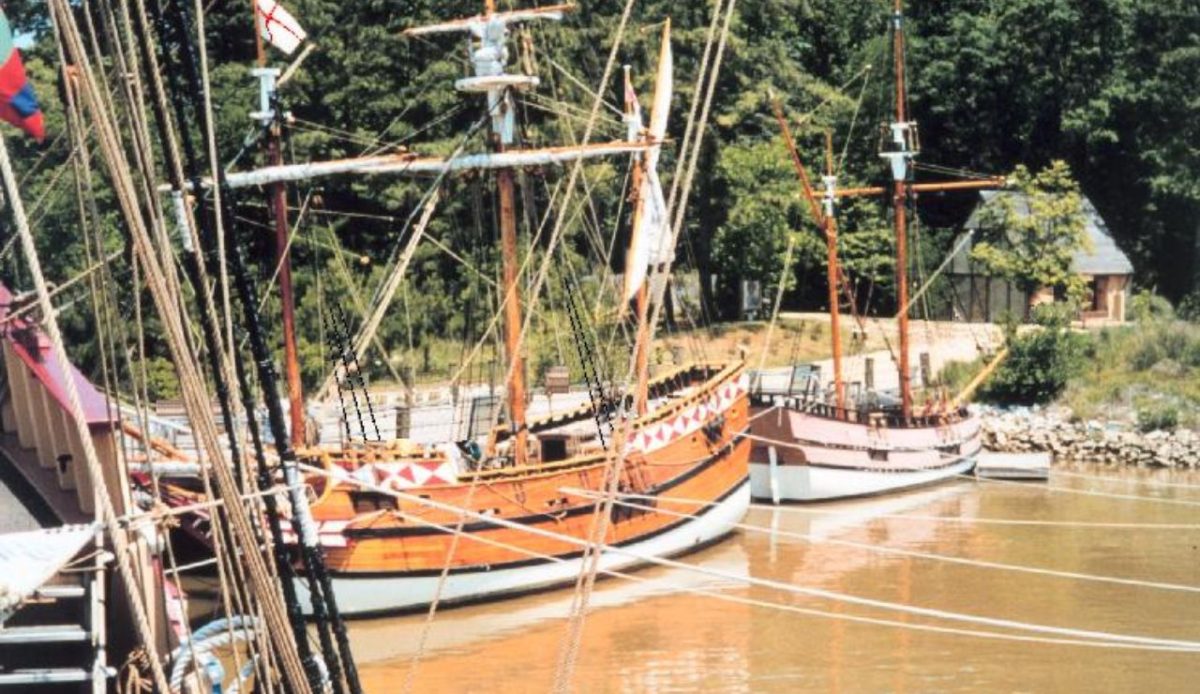
Established in 1607, Jamestown is famous as the first permanent English settlement in America. Visitors can explore reconstructed fortifications, archaeological sites, and museums detailing early colonial life, struggles, and interactions with Native Americans. Walking the trails along the James River, travelers witness the site where history unfolded, from the arrival of settlers to early tobacco cultivation. Jamestown preserves the beginnings of English colonial history, making it a must-visit for those interested in America’s earliest chapters, offering both educational insight and scenic river views.
3. Plymouth, Massachusetts
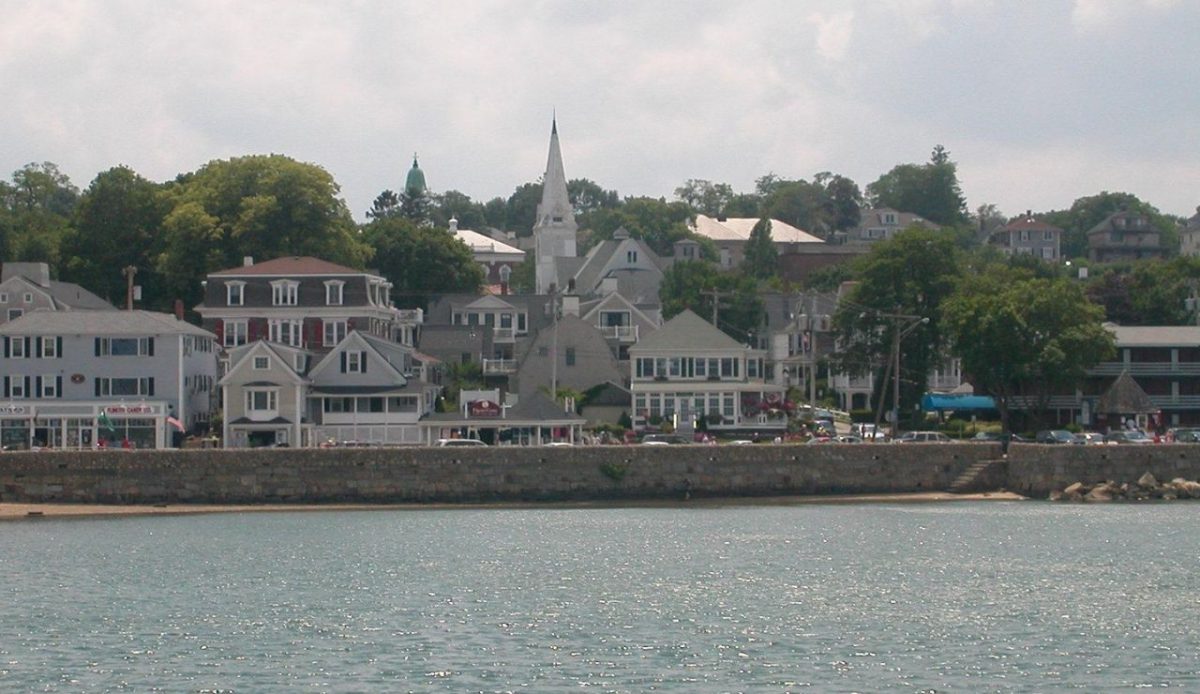
Plymouth, settled in 1620 by the Pilgrims, is synonymous with Thanksgiving and early colonial life. Visitors can explore Plymouth Rock, Plimoth Patuxet Museums, and historic meetinghouses that showcase the Pilgrims’ journey and early governance. Harbor walks reveal where settlers first landed, while local museums highlight Native American interactions and survival stories. Cobblestone streets and colonial architecture preserve the town’s 17th-century charm. Plymouth allows travelers to experience one of the first English settlements in New England, connecting with history that predates America’s largest cities by centuries.
4. Santa Fe, New Mexico
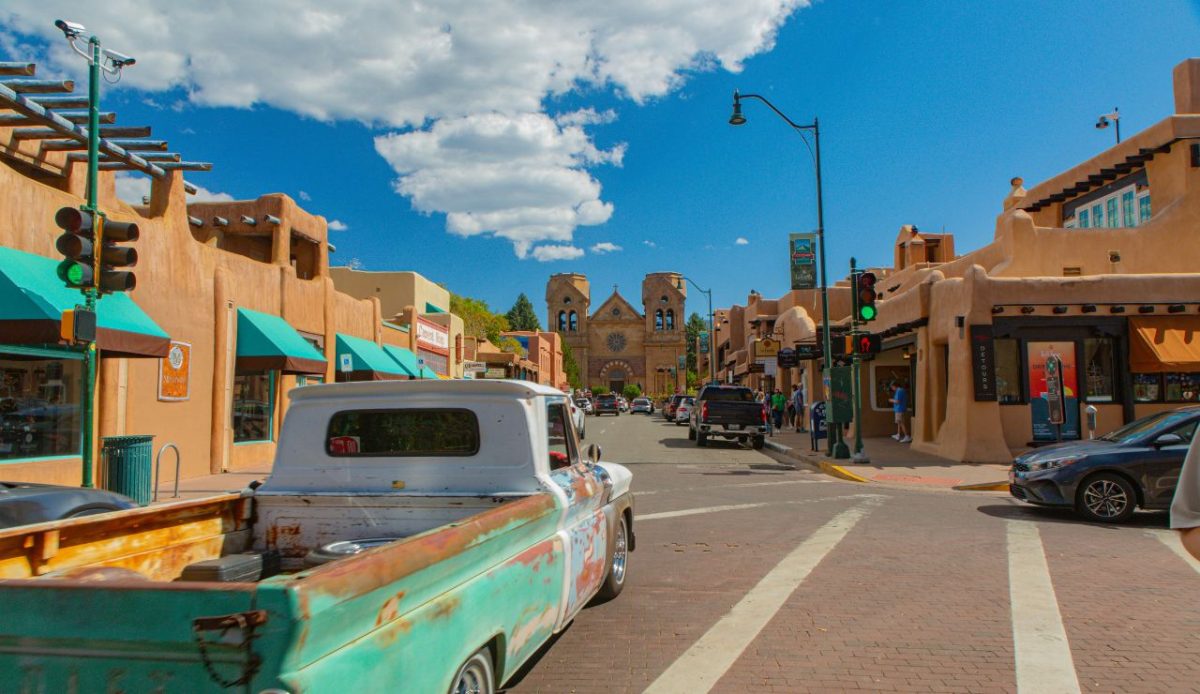
Santa Fe, founded in 1610, is the oldest state capital in the United States. Its adobe architecture, historic plazas, and centuries-old churches reflect Spanish colonial influence. Travelers can visit the Palace of the Governors, art galleries, and local markets, preserving Native American traditions. The town’s unique blend of Spanish, Native American, and Mexican heritage creates a rich cultural tapestry. Cobblestone streets and historic adobe buildings transport visitors to an era long before modern U.S. cities emerged. Santa Fe offers history, culture, and stunning Southwestern landscapes, making it a captivating early American settlement.
5. New Bern, North Carolina
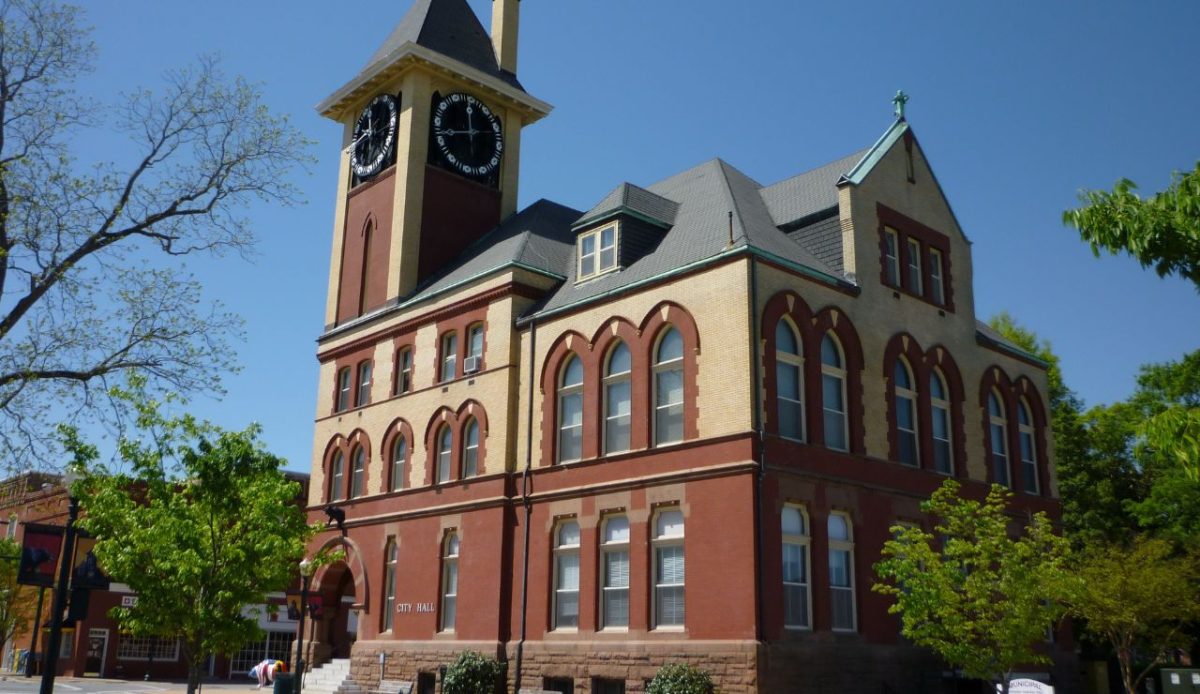
Founded in 1710 by Swiss and Palatine settlers, New Bern predates major cities like Charlotte and Raleigh. Its historic downtown features colonial-era homes, brick streets, and early government buildings. Visitors can explore Tryon Palace, museums, and riverfront paths that showcase the town’s role in colonial trade and politics. The Neuse River adds scenic beauty, while local festivals celebrate cultural heritage. New Bern combines architectural charm, historical significance, and river views, offering travelers a glimpse into early settlement life that shaped North Carolina long before modern urban centers developed.
6. Albany, New York
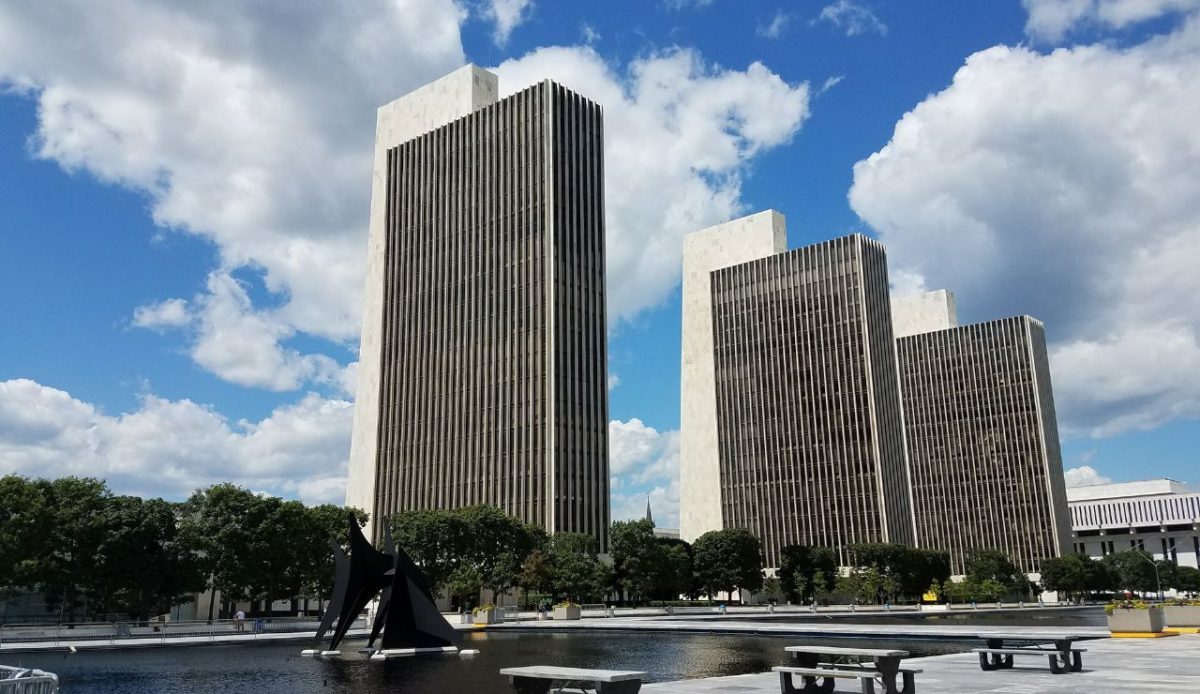
Established in 1614 as Fort Orange by Dutch settlers, Albany predates New York City’s urban boom. The city’s Dutch heritage is visible in historic buildings, streets, and cultural institutions. Visitors can explore museums, colonial landmarks, and the Hudson River waterfront that facilitated trade and growth. Albany played a key role in early American governance and commerce, influencing regional development. Cobblestone streets and preserved colonial architecture offer immersive historical experiences. For travelers interested in America’s earliest settlements, Albany provides a deep connection to the Dutch colonial era.
7. Williamsburg, Virginia
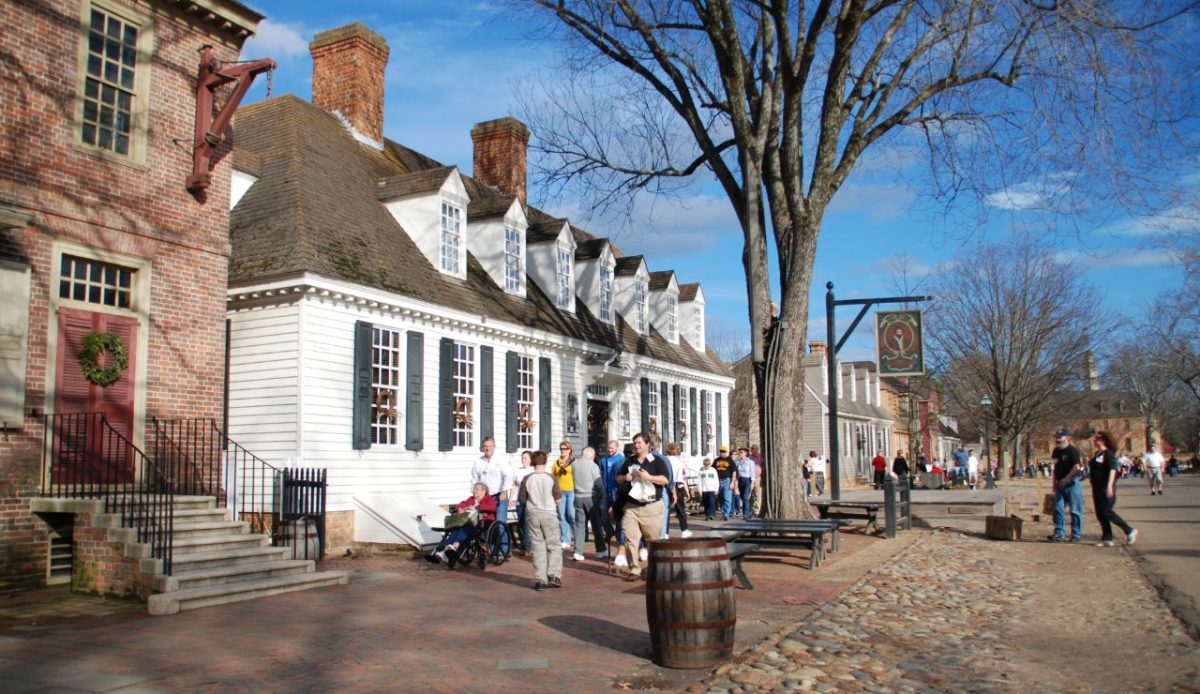
Founded in 1632 and becoming the colonial capital in 1699, Williamsburg preserves 18th-century colonial America. Historic Colonial Williamsburg recreates life with period architecture, costumed interpreters, and traditional crafts. Visitors can explore the Governor’s Palace, churches, and taverns, witnessing governance and daily life from centuries ago. The town bridges the colonial period with revolutionary history, showcasing educational programs and museums. Williamsburg allows travelers to step into the past, experiencing a pre-industrial American town that existed long before the country’s major cities emerged.
8. New Orleans, Louisiana
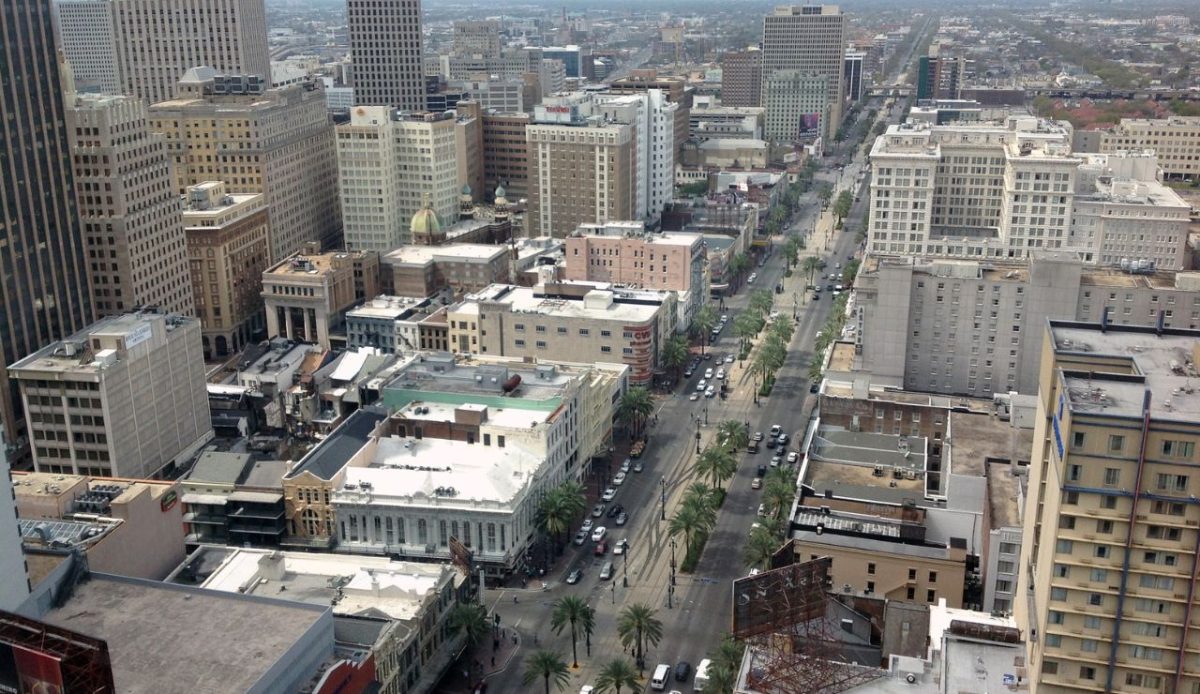
Founded in 1718, New Orleans predates many U.S. metropolises. Its French and Spanish colonial architecture, historic neighborhoods like the French Quarter, and vibrant cultural heritage reflect centuries of settlement. Travelers can explore historic homes, churches, and the city’s unique blend of music, cuisine, and festivals. Riverfront walks along the Mississippi reveal the importance of trade in the city’s growth. New Orleans offers a living connection to early colonial history, blending European influence with local culture, making it a town that existed long before America’s biggest cities rose to prominence.
