
Scenic drives used to be the low-effort way to feel like you escaped your inbox. Now, on some famous routes, the bottleneck is the attraction. When traffic stacks up, the “drive” turns into a crawl, viewpoints fill, and a quick stop becomes a full schedule.
This isn’t about banning road trips; it’s about timing and expectations. Congestion often peaks on weekends, holiday weeks, and mid-day, especially where lanes are limited, wildlife crossings slow speeds, and pullouts are scarce.
Below are eight routes that are still beautiful, but easier to enjoy with early starts, shoulder seasons, and a simple backup plan for stops, parking, and snacks when the line barely moves.
1. California’s Pacific Coast Highway (Big Sur stretch)
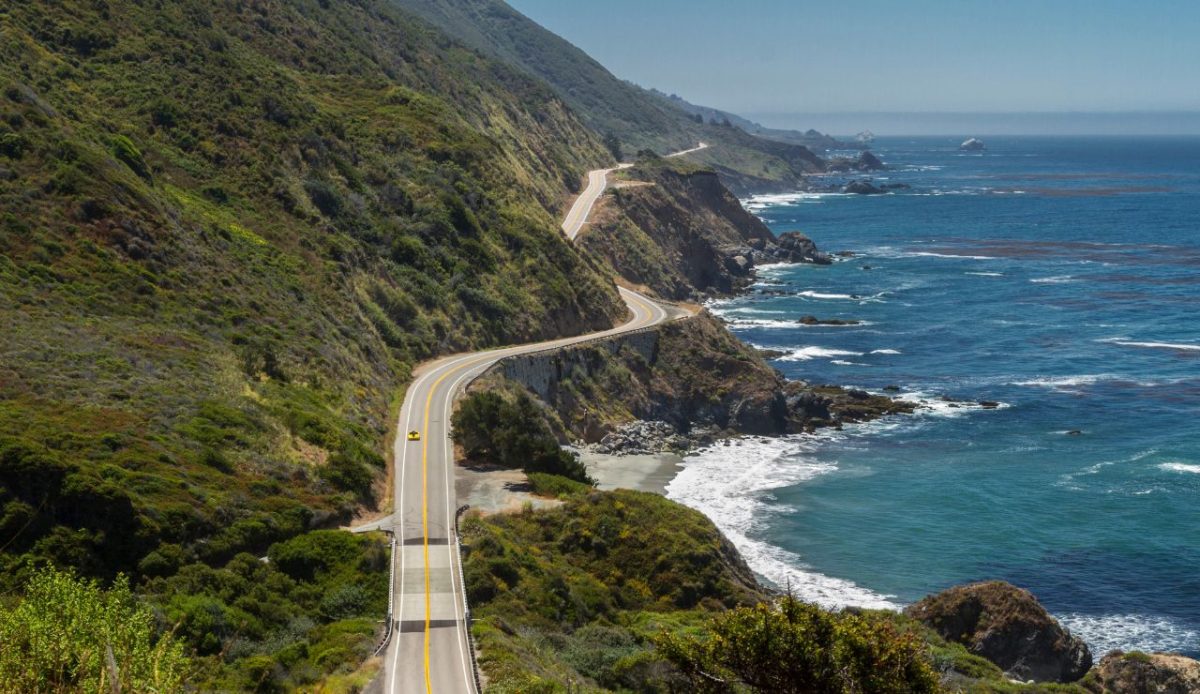
Pacific Coast Highway is iconic for a reason, but the cliffs and curves also mean limited passing and limited places to pull over. A single slow RV or a roadside photo stop can ripple for miles.
In peak season, the best overlooks can feel like parking lots, and short stretches take far longer than maps suggest. Cell service gaps make it harder to reroute on the fly. Expect spur-of-the-moment stops to back up the lane, especially near the most famous bridges and beaches, and it can also slow emergency and maintenance vehicles that need space to work.
If you want the scenery without the gridlock, start at sunrise, aim for weekday drives, and pick a few stops instead of trying to “see everything” between viewpoints.
2. Blue Ridge Parkway (Virginia–North Carolina)
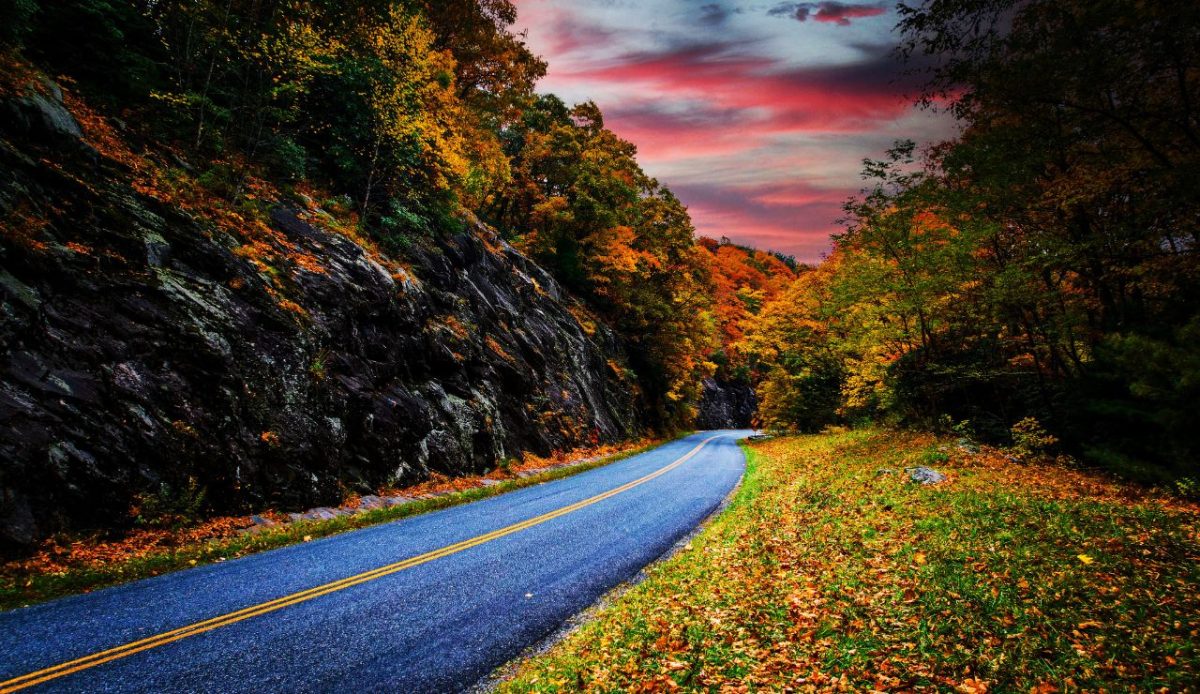
Blue Ridge Parkway traffic builds fast when weather is perfect and leaves are changing. The road was designed for slow cruising, so even normal volumes can create a steady parade with few chances to pass.
Popular trailheads and overlooks fill early, and drivers braking for every curve can turn a relaxed drive into stop-and-go. Nearby towns add weekend surge when festivals are on. When traffic is heavy, even a short hop between overlooks can take an hour, and parking hunts become the main activity.
To keep it scenic, choose lesser-known overlooks, drive earlier than you think you need to, and consider a shorter segment instead of committing to an all-day run.
3. Going-to-the-Sun Road (Glacier National Park, Montana)
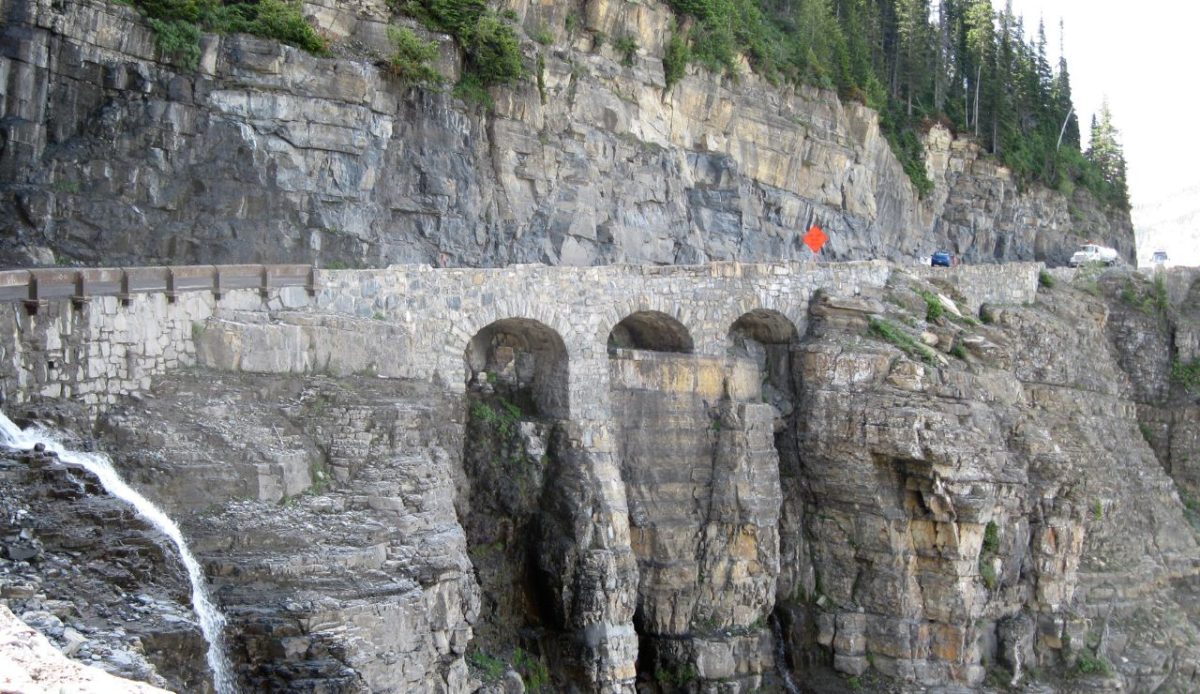
Going-to-the-Sun Road is narrow, steep, and packed with must-stop viewpoints, which is exactly why congestion hits hard. When one pullout fills, cars queue behind it, and the delay multiplies.
Construction windows and wildlife slowdowns can add to the squeeze, and parking near Logan Pass is famously competitive. Once it’s jammed, there aren’t many alternative routes nearby. If you miss a parking spot, you may not find another for a while, so people hesitate, stop short, and clog the lane.
The drive is smoother if you enter very early, plan your key stop first, and build extra time for shuttles or a mid-day break when the road is at its busiest.
4. Overseas Highway (Florida Keys)
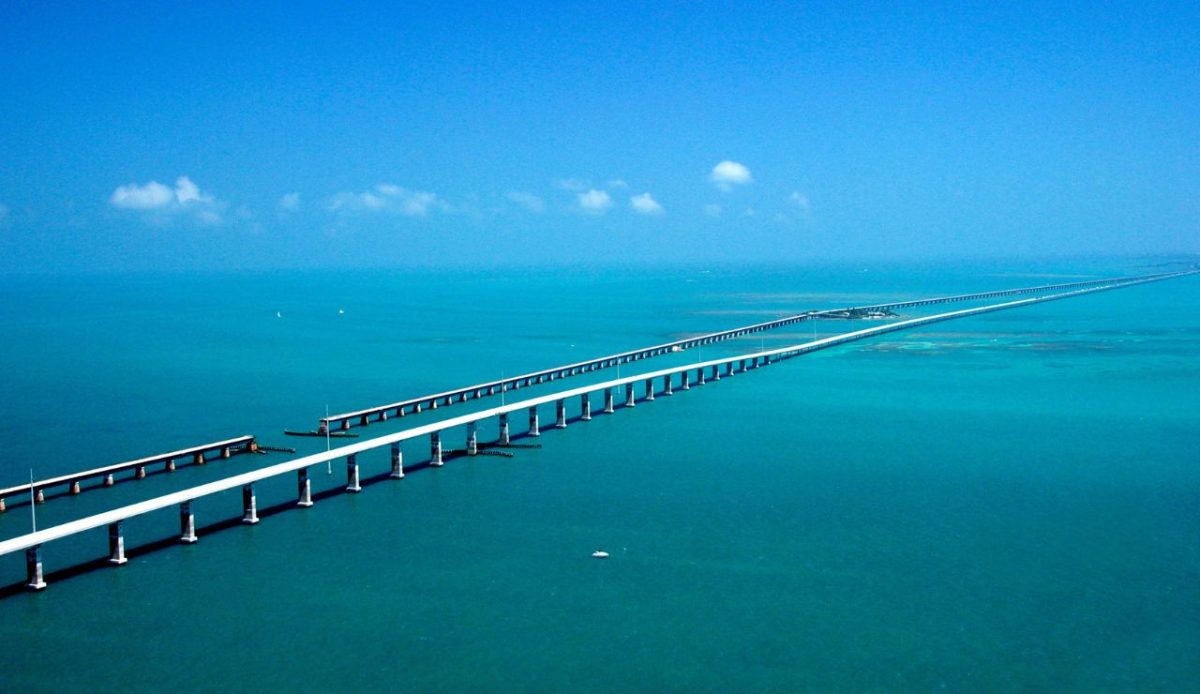
The Overseas Highway is basically one long bridge-and-causeway chain, which means there’s nowhere for traffic to “spread out.” A fender-bender, drawbridge delay, or heavy weekend flow can turn the Keys into a slow queue.
Because businesses and beaches sit right off the main road, frequent turns and pedestrians also reduce speed. Even getting a meal can mean rejoining the same line of cars. On busy days the drive can feel like one continuous check-in line, with beautiful water views you barely have time to notice.
For a better drive, avoid Friday afternoon and Sunday return waves, fuel up early, and pick one or two islands to focus on instead of hopping constantly.
5. Tail of the Dragon (US 129, Tennessee–North Carolina)
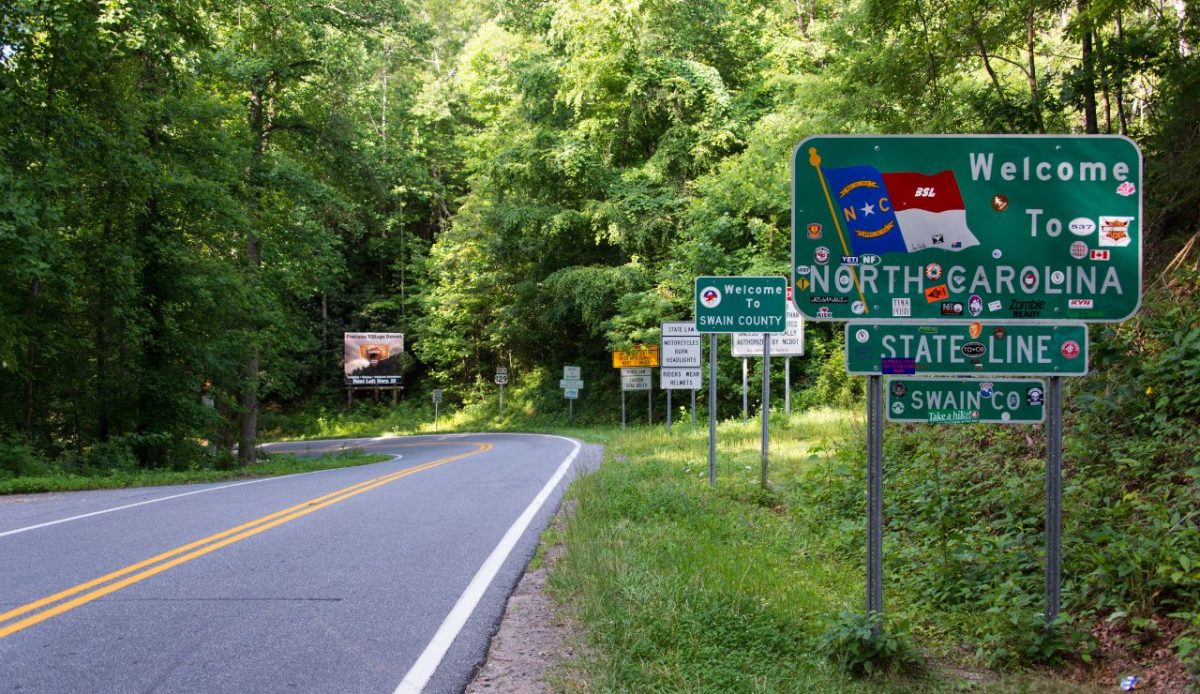
Tail of the Dragon is only 11 miles, but it’s famous, and fame attracts volume. Mix sports cars, motorcycles, tourists, and cautious drivers, and the result is often a rolling bottleneck.
Small pull-offs fill quickly, and slow vehicles can create long trains behind them. Add in enforcement stops or minor incidents and the pace drops fast. Even if you drive carefully, the mix of speeds makes it easy to get stuck behind a long line, which removes the fun and raises risk, especially when impatient passing happens in the wrong places.
If you’re going for the drive, go midweek, start early, and treat it like a short experience, not a place to camp in traffic while chasing a perfect corner photo.
6. Zion area drives (Utah’s SR-9 corridor)
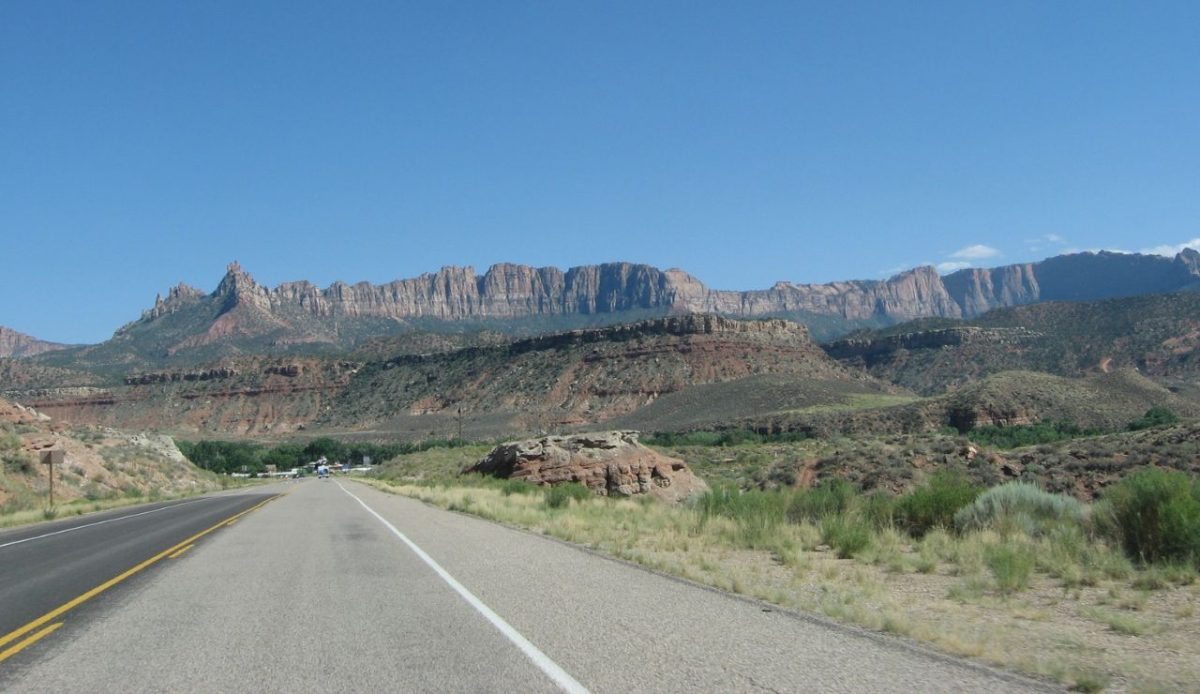
Zion’s main canyon approach and nearby scenic roads funnel huge numbers of visitors into a small space. Even if you’re not entering the park, the same pinch points affect the drive.
Parking and shuttle demand can push cars into long lines, and the roads have limited shoulders and limited room for turnarounds. Midday congestion is common in peak seasons. Tour buses, rental cars, and day-trippers often arrive in the same window, so the experience changes fast from scenic to cramped.
To keep it enjoyable, arrive before the rush, use shuttles when available, and consider nearby alternatives like a shorter out-and-back segment rather than looping during peak hours.
7. Million Dollar Highway (US 550, Colorado)
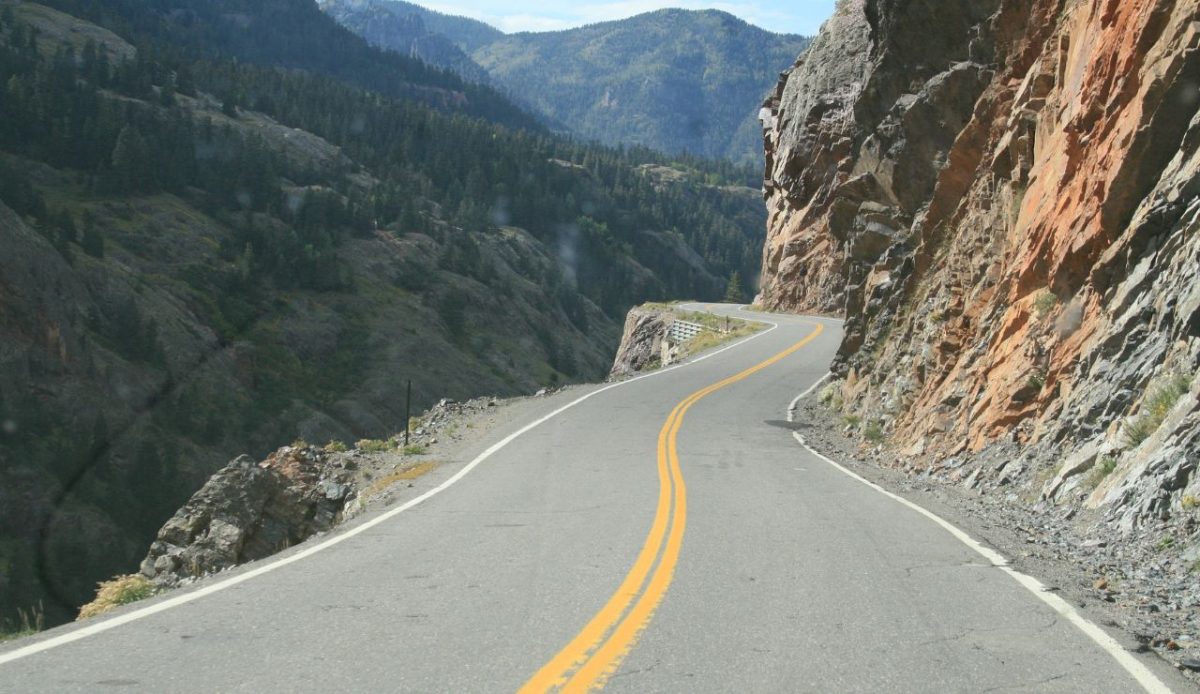
The Million Dollar Highway has dramatic drops, tight turns, and little shoulder, so traffic moves at the pace of the most cautious vehicle. When summer tourism peaks, that pace can become a crawl.
Pullouts are limited, and sudden weather or rock work can slow things further. Drivers who aren’t used to mountain roads often brake hard, creating accordion effects. Because there are few safe places to let others pass, one slow stretch can hold up dozens of vehicles for miles at a time.
For a calmer drive, start earlier, keep your stops planned, and consider driving one direction for the views, then returning by a faster alternate route if time matters.
8. Park Loop Road (Acadia National Park, Maine)
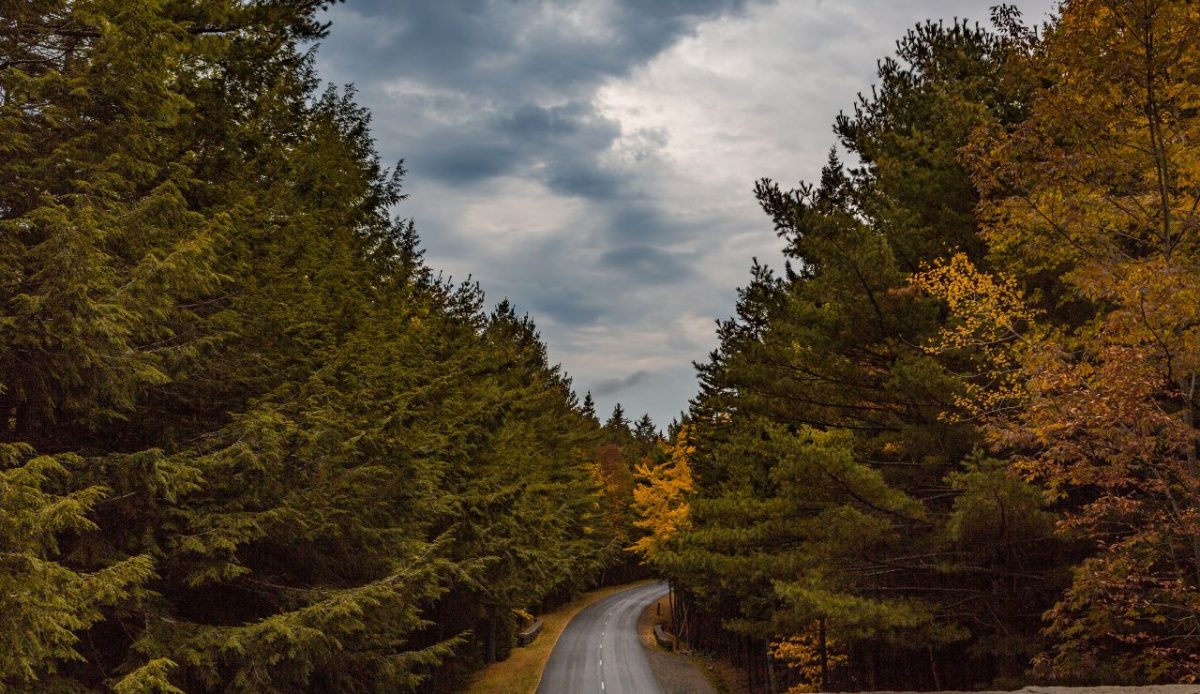
Park Loop Road in Acadia packs ocean views, cliffs, and trail access into a compact circuit, so congestion arrives quickly once lots fill. When parking is full, cars circle, and the loop slows for everyone.
Summer and fall weekends can mean long waits at entrances and crowded pull-offs at the most photographed spots. Bikes and pedestrians also share the same tight corridors. Once Sand Beach and the big viewpoints are full, the road becomes a slow circle of people waiting for someone else to leave.
You’ll enjoy it more by starting at dawn, using shuttles where possible, and prioritizing one sunrise or sunset viewpoint rather than chasing every stop on the loop.
