
While many U.S. cities have made progress toward equality, others still struggle to provide women with safety, opportunity, and economic balance. Recent data reveal that some communities lag in areas like healthcare, income, and crime prevention. These cities highlight the ongoing challenges many women face when it comes to affordable living, job access, and quality of life. From low wages to limited healthcare resources, here are eight American cities that, according to data, rank among the worst for women today.
1. Jackson, Mississippi
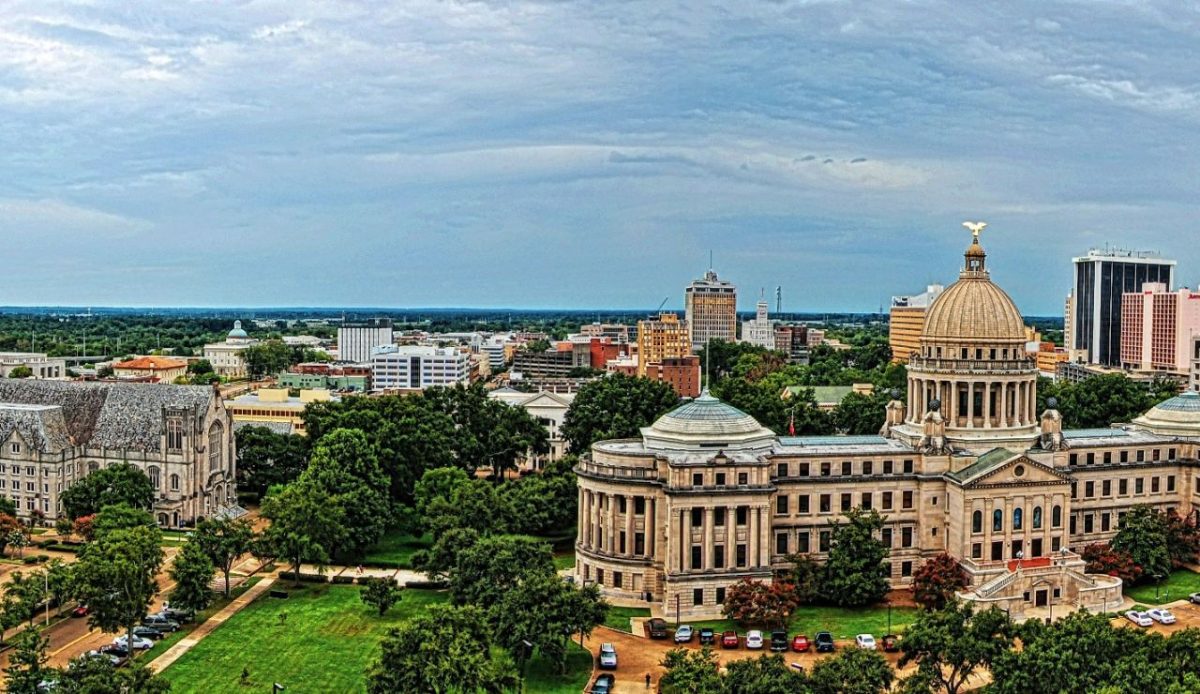
Jackson continues to rank poorly for women due to persistent economic gaps and limited healthcare access. High poverty rates and a shortage of medical facilities have created serious challenges, especially for single mothers. The city’s gender wage disparity remains significant, and safety concerns compound the issue. Despite its rich cultural history, Jackson’s struggles with infrastructure, job stability, and rising living costs make it one of the most difficult places for women seeking financial independence and wellbeing.
2. Huntington, West Virginia
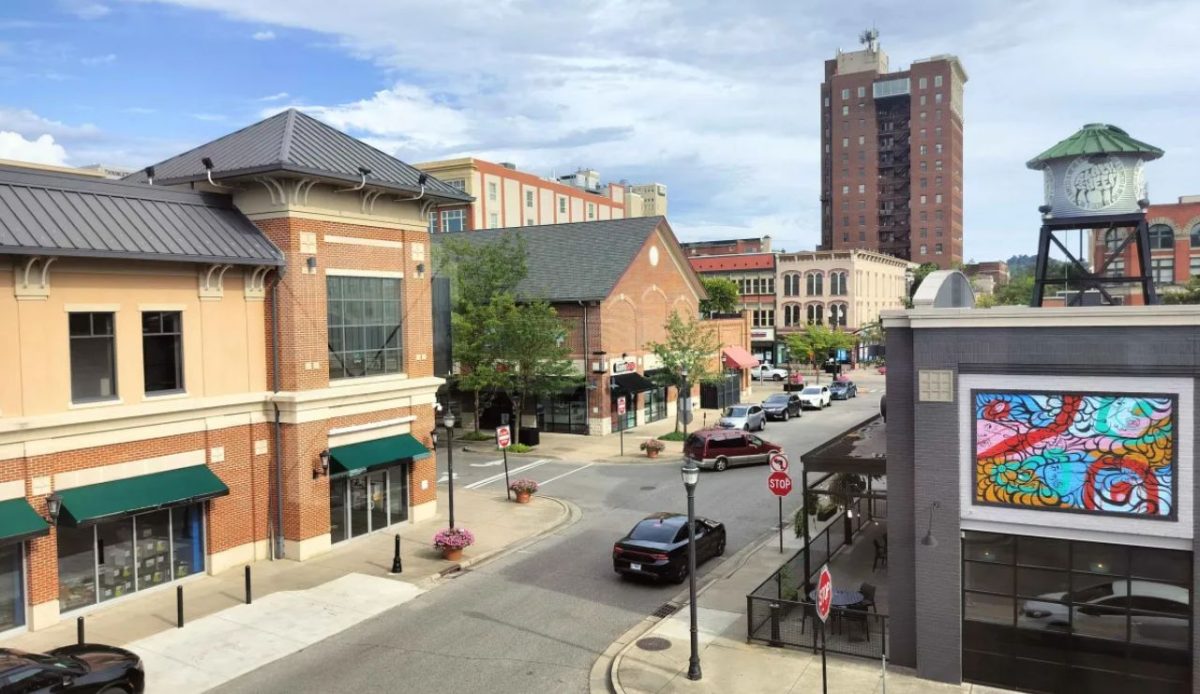
Huntington faces a mix of social and economic issues that disproportionately affect women. Limited career options, low median wages, and high healthcare costs have made it a tough place for working women. Access to quality childcare remains a major concern, often forcing women to leave the workforce. The area’s declining population and uneven job market reflect broader regional challenges. While locals cherish its community spirit, Huntington still falls short on the resources women need to thrive.
3. Fort Smith, Arkansas
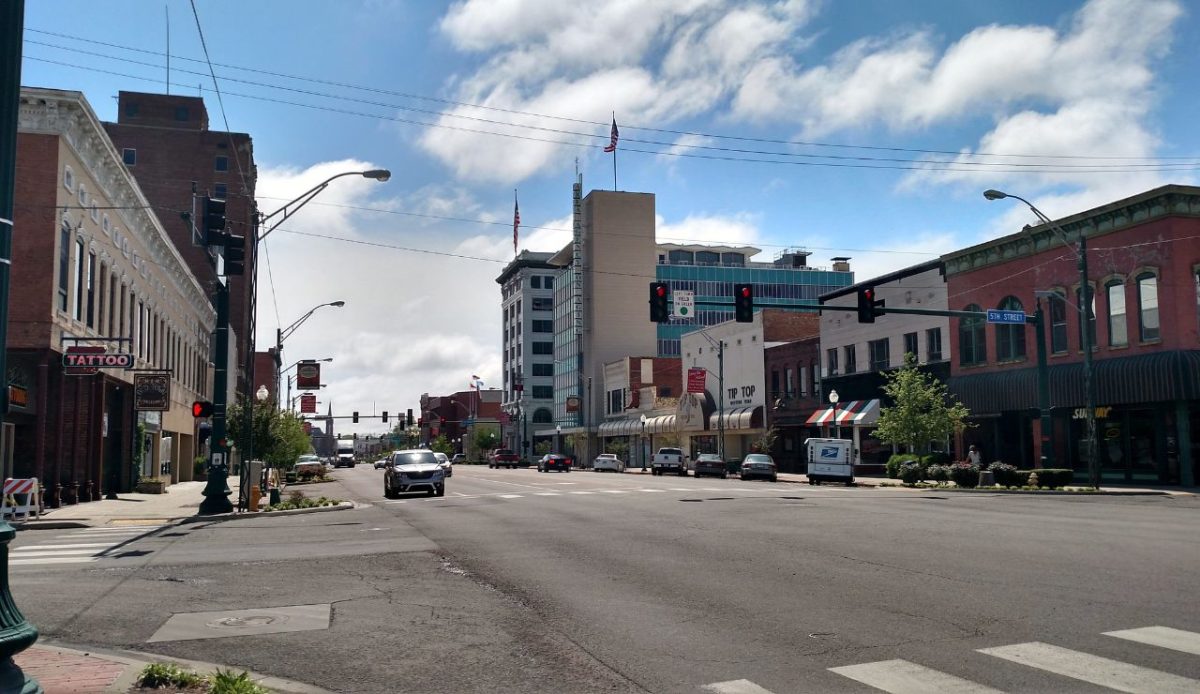
Fort Smith’s small-town charm hides significant struggles for female residents. Women here face one of the highest gender pay gaps in the South, paired with limited professional advancement opportunities. Healthcare access, especially for reproductive and mental health, remains insufficient. The city’s crime rate adds another layer of concern. Though affordable housing draws families, low wages and lack of support systems make it difficult for women to achieve both stability and independence in Fort Smith.
4. Shreveport, Louisiana
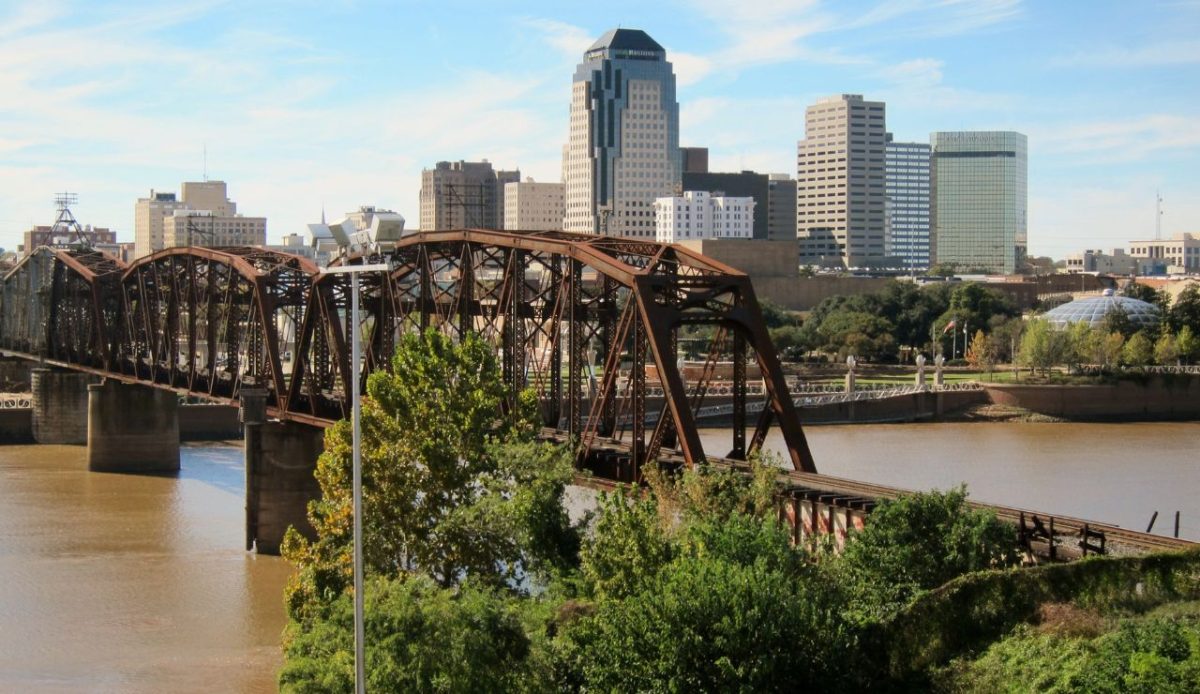
Shreveport ranks low for women’s safety, healthcare access, and job opportunities. High violent-crime rates and underfunded public services contribute to a sense of insecurity. Many women also face economic challenges tied to stagnant wages and limited professional growth. Affordable housing is scarce, and childcare resources remain stretched thin. While Shreveport’s music and food scenes add vibrancy, persistent structural inequalities continue to overshadow daily life for many of the women who call it home.
5. Gulfport, Mississippi
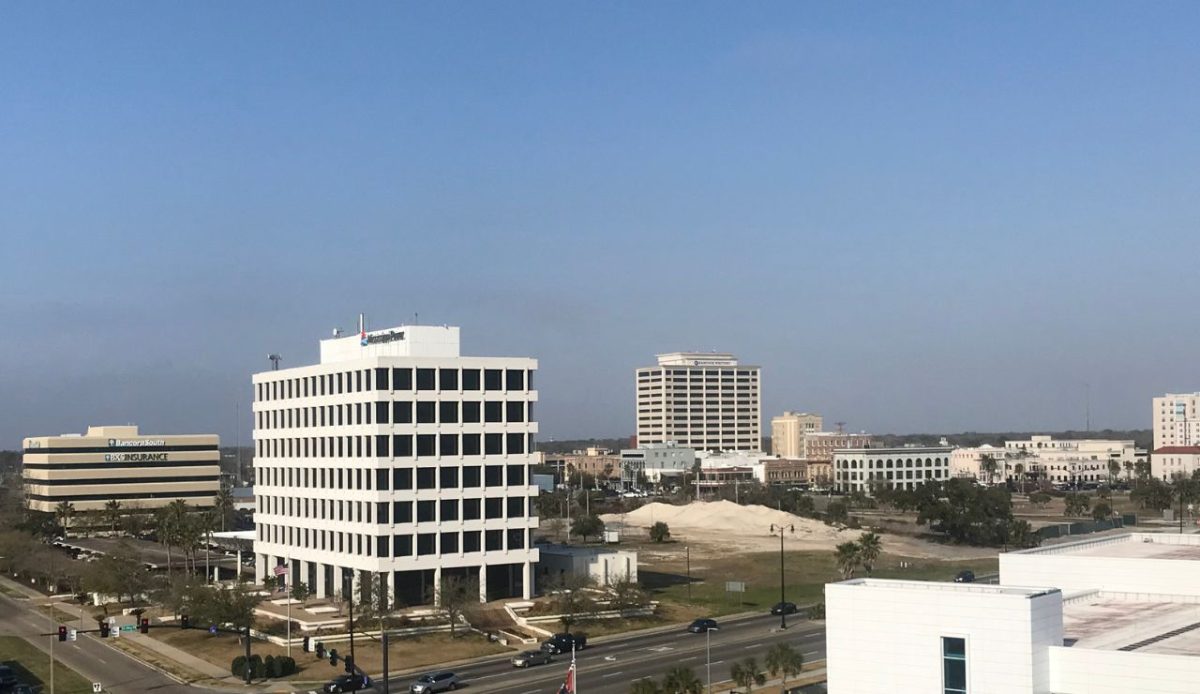
Gulfport’s coastal charm contrasts sharply with the difficulties many women face there. Persistent income inequality, low access to healthcare, and elevated crime levels create a fragile environment. The job market offers few high-paying opportunities for women, and those available often lack advancement potential. Rising living expenses and limited safety infrastructure add further pressure. Although its beaches attract tourists, the realities for local women remain tied to economic instability and scarce community support.
6. Mobile, Alabama

Mobile rounds out the list with ongoing struggles in safety, income equality, and access to care. The gender wage gap remains wide, and opportunities for career advancement are limited. Public transportation gaps make commuting difficult, especially for working mothers. Healthcare costs continue to climb while wages stagnate. Though Mobile’s coastal charm and culture attract visitors, daily life for many women is shaped by financial strain, insecurity, and limited pathways to upward mobility.
7. Baton Rouge, Louisiana
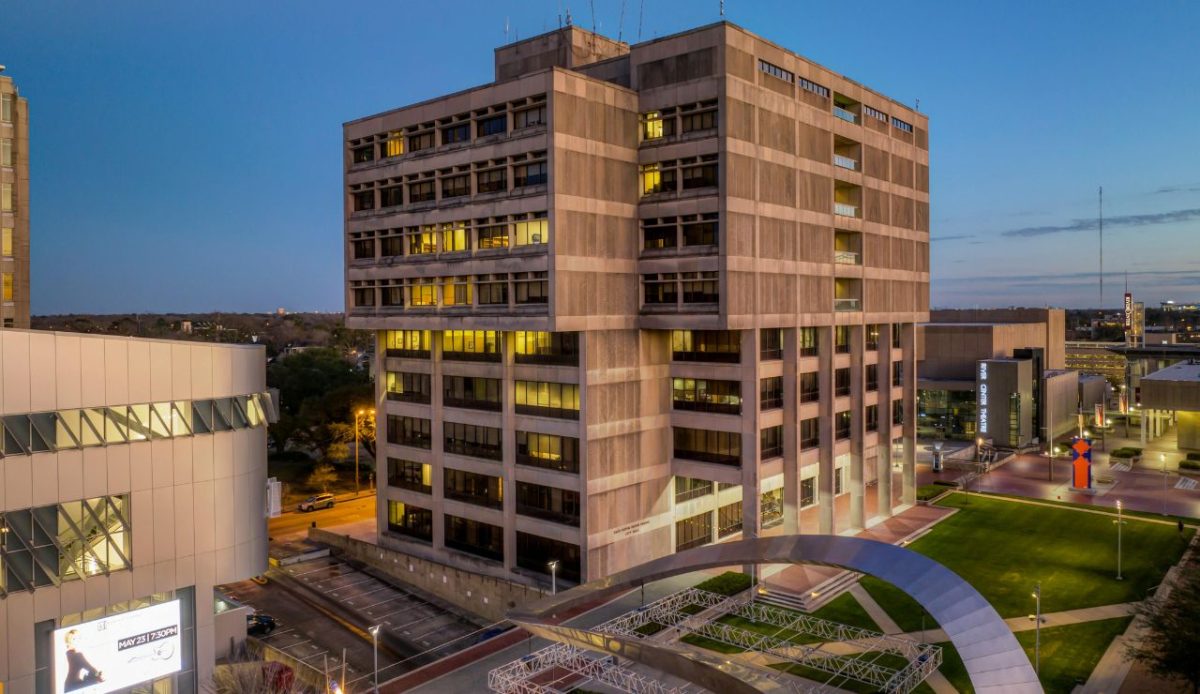
Baton Rouge struggles with high crime rates and persistent gender pay disparities that affect nearly every sector. Many women juggle multiple jobs to meet basic needs, while affordable housing and childcare remain scarce. Healthcare access, particularly for preventative care, lags behind the national average. These issues, paired with the city’s uneven job market, make progress slow. Baton Rouge’s vibrant culture and history can’t fully offset the systemic hardships many local women endure daily.
8. Montgomery, Alabama
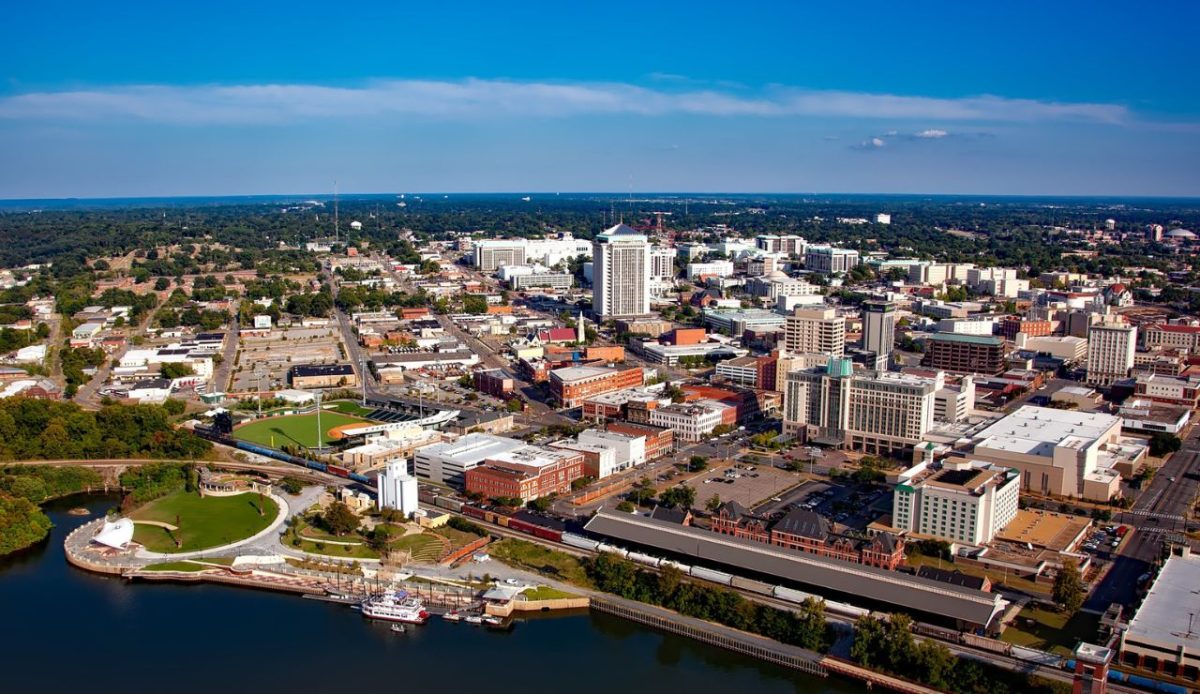
Montgomery, though rich in civil rights history, faces modern-day challenges that make life difficult for many women. Low median incomes, limited job growth, and rising crime rates are key concerns. Healthcare deserts in surrounding areas exacerbate inequality. Women here often bear the weight of caregiving while lacking financial mobility. Despite strong community resilience and a growing arts scene, Montgomery’s persistent economic and social gaps keep it near the bottom for women’s overall well-being.
