
Every traveler loves the idea of outsmarting the system, but not every popular travel hack leads to real savings. In fact, plenty of “expert tips” can backfire and cost you more in fees, time, and stress. Tricks like booking through sketchy sites, using too many loyalty programs, or overpacking seem clever at first, until reality hits. Before your next trip, learn which hacks are misleading so you can avoid costly mistakes and save money the smart way.
1. Booking Ultra-Cheap Flights Through Sketchy Third-Party Sites

That unbelievably low airfare might look like a win, but some third-party booking sites offer poor customer support and hidden fees. If your flight gets delayed or canceled, the airline may refuse to help because the ticket wasn’t purchased directly. Even simple changes can cost more than the original fare. Paying a little extra to book through the airline or a reputable platform protects you from costly surprises and makes rebooking dramatically easier.
2. Flying Into a “Nearby” Airport to Save Money

Booking a cheaper flight into an airport far outside the city seems like a clever hack, until you start paying for trains, rideshares, or long-distance buses just to reach your hotel. Add late-night arrivals, limited transportation options, and long travel times, and the savings disappear fast. Smaller airports also have fewer flights, which means less flexibility if things go wrong. Unless the math is truly in your favor, the “cheaper” airport almost always costs more in both money and time.
3. Booking Separate Flights Instead of a Single Ticket

At first glance, booking separate tickets for connecting flights looks like an easy way to slash costs, but it also eliminates your safety net. If your first flight is delayed or canceled, the second airline has no obligation to help you, and you’ll likely pay full price for another ticket. Missed connections can turn a bargain into a nightmare. Booking all legs under a single itinerary gives you protection, automatic rebooking, and peace of mind when delays happen.
4. Packing “Just in Case” Items

Packing every possible item to prepare for every possible scenario sounds smart, but overpacking leads to overweight fees and frustrating luggage hassles. You’ll spend more time hauling bags, waiting at carousels, and digging through clutter. Most destinations sell anything you might unexpectedly need anyway. Sticking to essentials, layering outfits, and packing multipurpose items saves money, reduces stress, and makes travel genuinely easier. Less stuff equals more freedom on the road.
5. Buying Travel-Sized Toiletries Instead of Using Refillables

Those tiny bottles look convenient, but travel-size products are one of the most overpriced items in the entire travel industry. You pay more per ounce, run out quickly, and end up buying even more during the trip. Multiply that over a few vacations, and you’ve easily spent the cost of refillable silicone bottles that last for years. By filling your own containers with products you already use at home, you cut waste, save money, and pack smarter, not smaller.
6. Constantly Exchanging Cash at Currency Kiosks
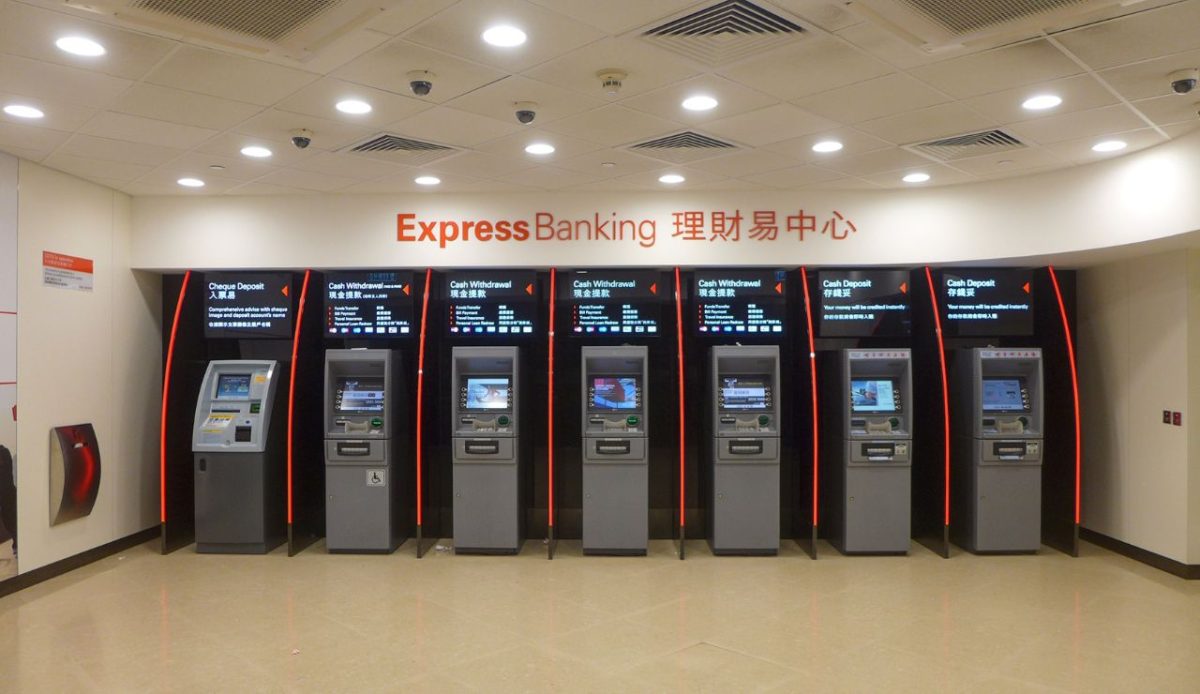
Exchanging small amounts of cash every time you need it seems smart, but airport kiosks and tourist counters often offer the worst possible rates. Add hidden service fees, commissions, and rounding tricks, and you’ll lose far more money than you expect. Some travelers lose the equivalent of a full meal or tour every time they exchange cash. A better plan is to use an ATM once or rely on a debit or credit card with low foreign transaction fees. One good withdrawal beats ten expensive exchanges.
7. Joining Every Loyalty Program You See
It feels smart to sign up for every airline, hotel, and reward program, but spreading your travel too thin usually means you never earn enough points to redeem anything meaningful. Some points expire, some programs require paid memberships, and others encourage extra spending just to reach a status you’ll never realistically use. Instead, pick one or two programs that fit your travel habits and stick with them. Focusing your loyalty earns real rewards, not a digital graveyard of unused logins.
8. Adding Free Stopovers Just Because They’re Free

A free stopover sounds like a clever travel hack, but it often turns into an expensive detour once you add hotel nights, airport transfers, meals, sightseeing, and transportation. Instead of saving money, many travelers end up spending hundreds more on a city they never planned to visit in the first place. A stopover is only worth it if you genuinely want to explore that destination and have the budget and time to enjoy it. Otherwise, “free” becomes the most expensive part of your trip.
