
Designers often draw creative fuel from places that show how culture, architecture, and environment blend beautifully, inspiring fresh ideas for interiors, art, and fashion. While major design capitals like Paris and Milan are classics, many designers also seek less-obvious places that spark fresh perspectives. These destinations offer rich visual culture, from sustainable urban planning to historic craftsmanship and landscapes that tell stories in stone, color, and structure. For creative travelers and design lovers alike, these spots reveal artistic influences shaping future trends, making each visit scenic and creatively invigorating.
1. Ljubljana, Slovenia
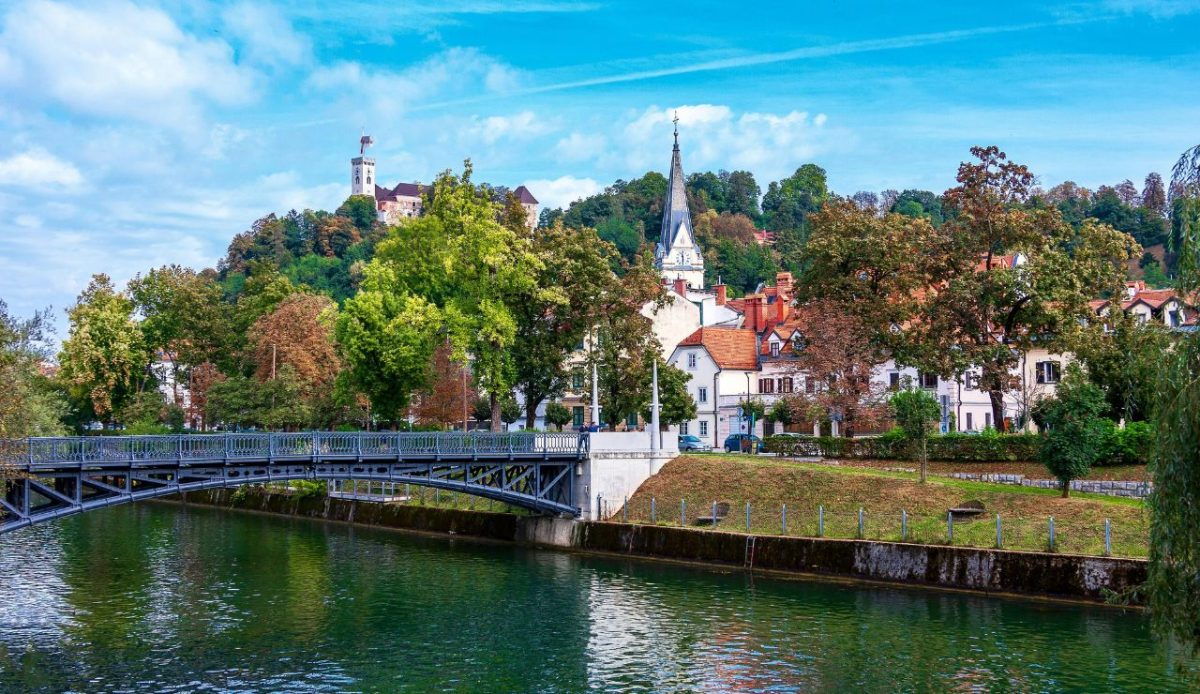
Ljubljana, Slovenia’s compact capital, is beloved by designers for its human-centered urban design and beautifully integrated public spaces. The city’s planning emphasizes walkability, sustainable transportation, and green spaces that feel natural rather than planned, all while preserving historic architecture. Its mix of riverside promenades, sculpture parks, and local galleries builds a sense of everyday beauty that designers find refreshing. In Ljubljana, public art conversations and architectural layers from different eras make it easy to feel inspired just wandering the streets and plazas, where form and function coexist in harmony.
2. Dubai, United Arab Emirates
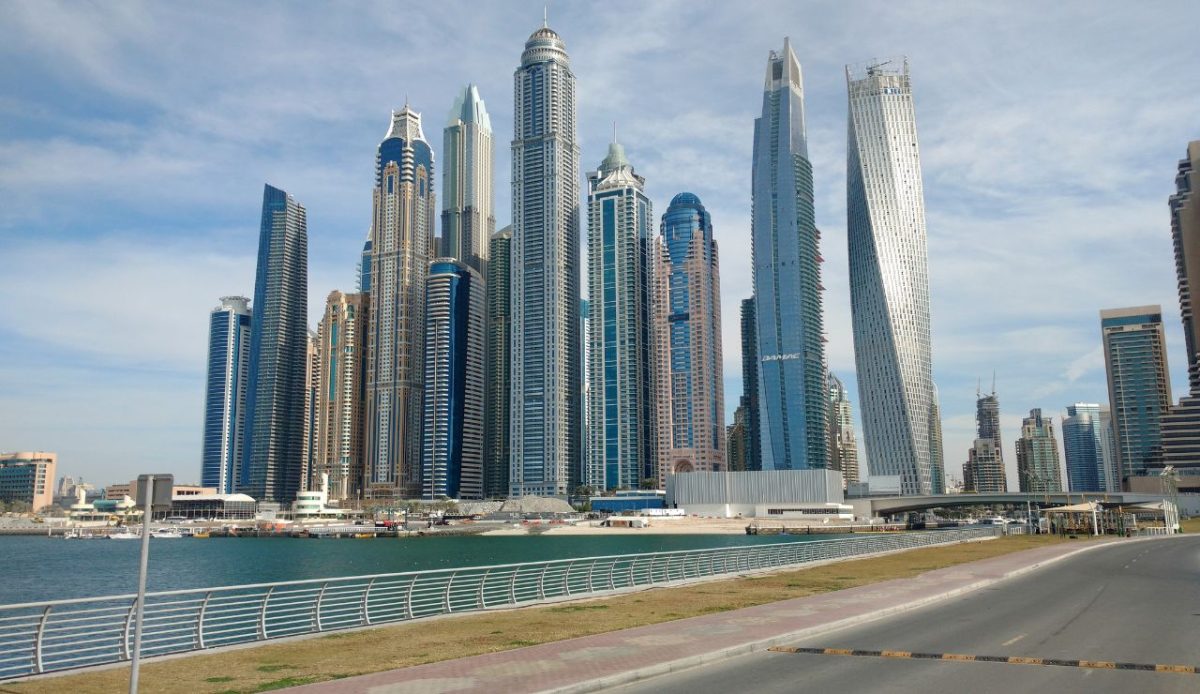
Dubai’s extraordinary skyline and inventive architecture offer designers a bold view of modern innovation at scale. From ultramodern skyscrapers and futuristic museums to thoughtfully integrated public spaces, this city is a case study in possibility. Designers admire how rapid development hasn’t diminished ambition; instead, it accelerates it, driving new uses of sustainable design, mixed-cultural influences, and experimentation in materials, light, and urban landscaping. For travelers and creatives, Dubai’s layers of luxury, scale, and innovation make it an eye-opening source of design inspiration, constantly sparking new ideas.
3. Rabat, Morocco
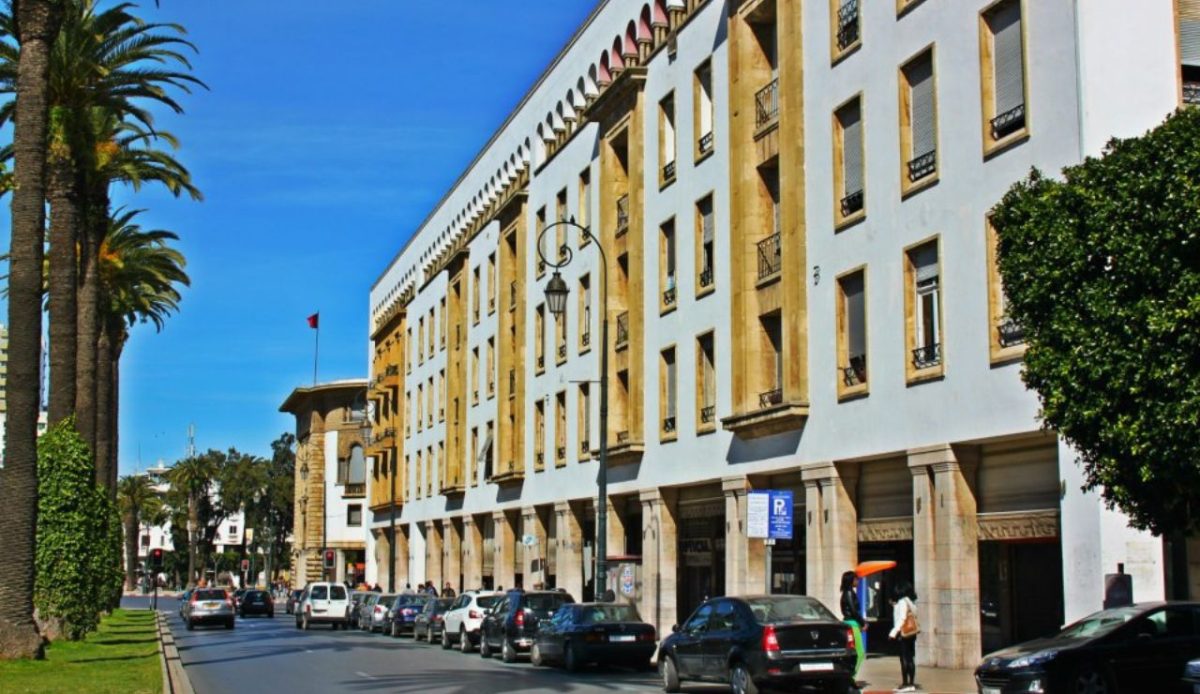
Rabat, Morocco’s elegant capital, blends centuries of cultural influences with a rising contemporary art and design scene that intrigues creatives. Its historic medina, intricate mosaic tiling, and evolving modern art spaces showcase how tradition and innovation can coexist. Designers often point to Rabat’s ability to transform heritage into something fresh, with texture and thoughtful detail woven into daily life. Local craftspeople continuously reinterpret classic motifs, while new museum spaces and festivals celebrate emerging design voices, making Rabat a place where travel becomes a study in cultural fusion and aesthetic richness.
4. Mallorca, Spain
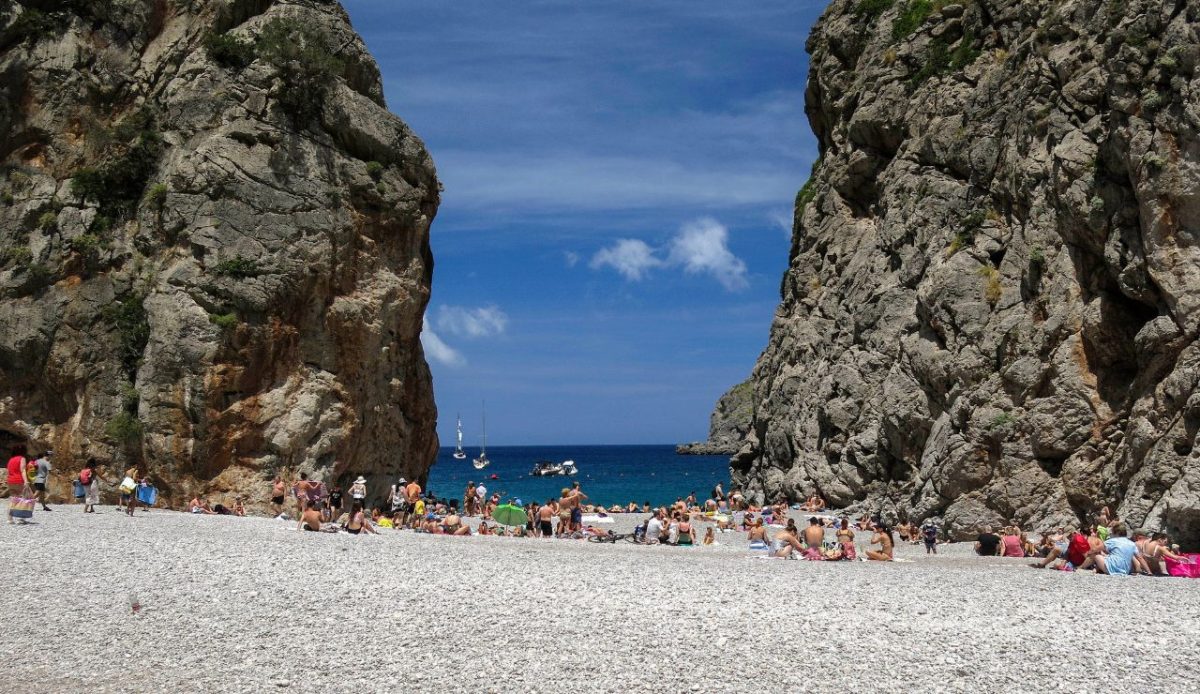
Mallorca is treasured by designers for its effortless blend of natural charm and architectural character. The Balearic island’s historic towns brim with neoclassical and Spanish-style facades, while Mediterranean light amplifies every hue and texture. Designers appreciate the way buildings relate to landscape, soft stone, vibrant finishes, and tree-lined avenues that feel both timeless and rooted in place. Mallorca’s ability to fuse a strong local identity with an inviting sense of openness makes it visually rich and stimulating. For creatives, roaming its historic squares and coastal walks feels like interacting with a living palette.
5. AlUla, Saudi Arabia
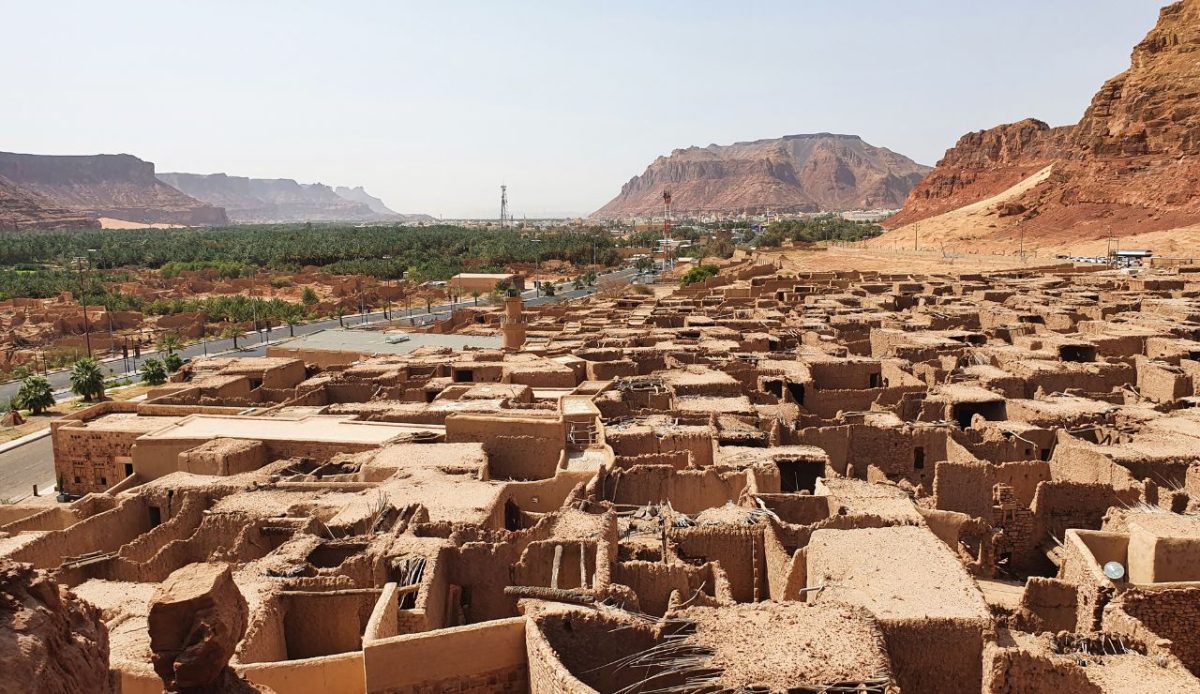
AlUla is gaining recognition as a compelling design destination where ancient landscapes meet modern architecture. Set among majestic sandstone formations and Nabataean heritage sites, the region’s emerging hospitality projects emphasize harmony between built environments and the natural world. Innovative designs are carefully crafted to echo geological forms, inspire contemplation, and celebrate the landscape rather than alter it. Designers drawn to AlUla often return with ideas about integrating context, tradition, and innovation, showing how materials, forms, and structures that respect nature can result in powerful design statements.
6. Douro Valley and Comporta, Portugal
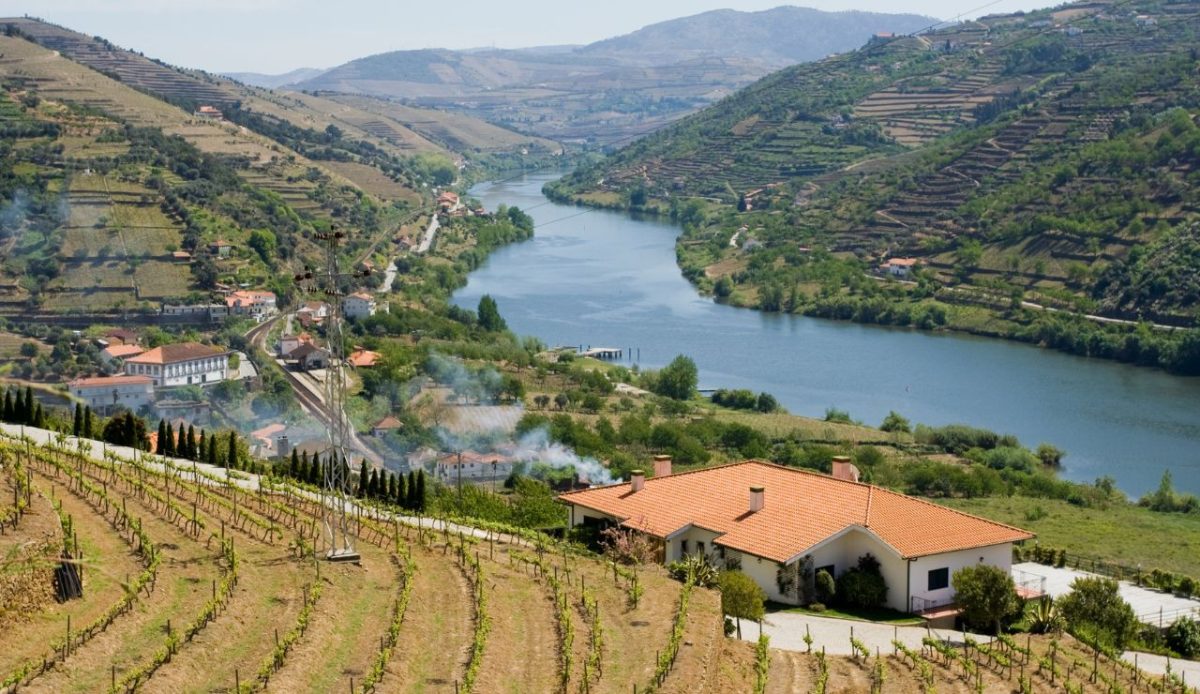
In Portugal’s Douro Valley and the coastal region of Comporta, designers find inspiration in how architecture connects to topography and lifestyle. The Douro’s terraced vineyards and historic estates reveal how human design can complement dramatic slopes. Meanwhile, Comporta draws creatives with its understated sophistication, sustainable eco-luxury, and how rustic materials and contemporary simplicity create relaxed elegance. This combination encourages designers to consider scale, earth tones, and environmental respect, showing that luxury and subtlety can be part of the same creative vision.
7. Bandung, Indonesia
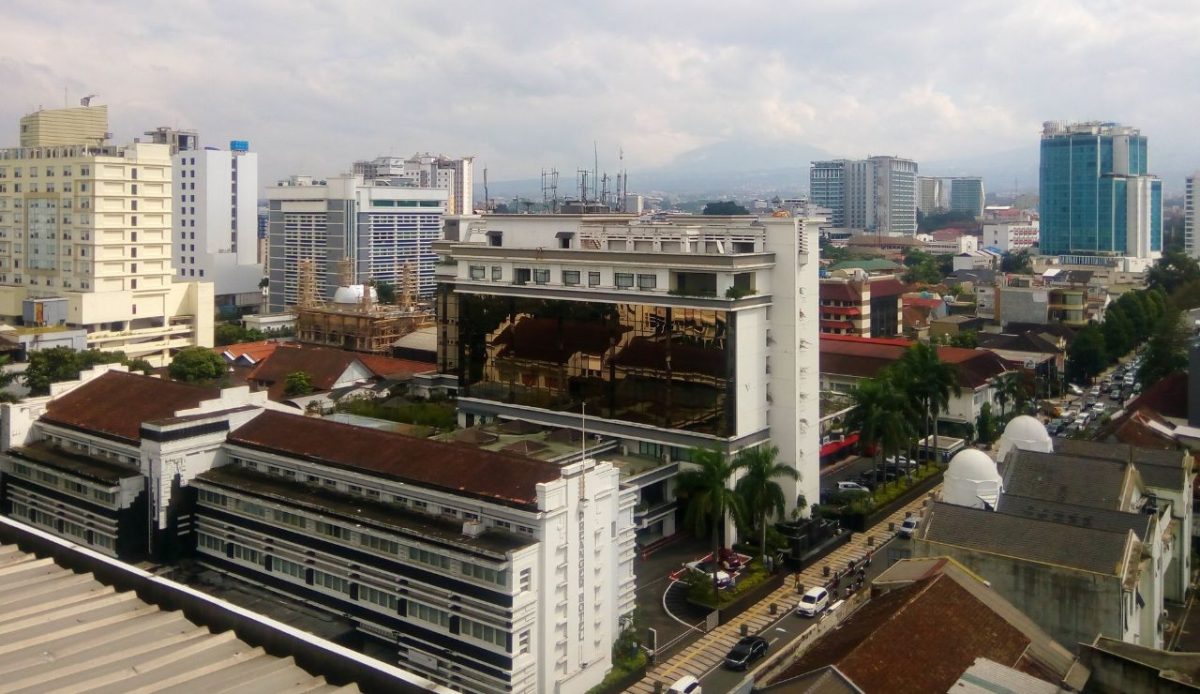
Bandung’s blend of tradition and modern design makes it compelling for creatives worldwide. Known for its Art Deco heritage, colonial-era buildings, and thriving independent design scene, the city acts as a creative hub where visuals are born from mixing old and new. Its cool tropical setting and natural surroundings add context to workshops, galleries, and fashion studios that thrive here. Designers appreciate how Bandung respects craftsmanship, promotes sustainable practices, and fosters cultural hybridity, all qualities that feed fresh ideas across disciplines, from textiles to spatial design and urban planning.
8. Costa Brava, Spain
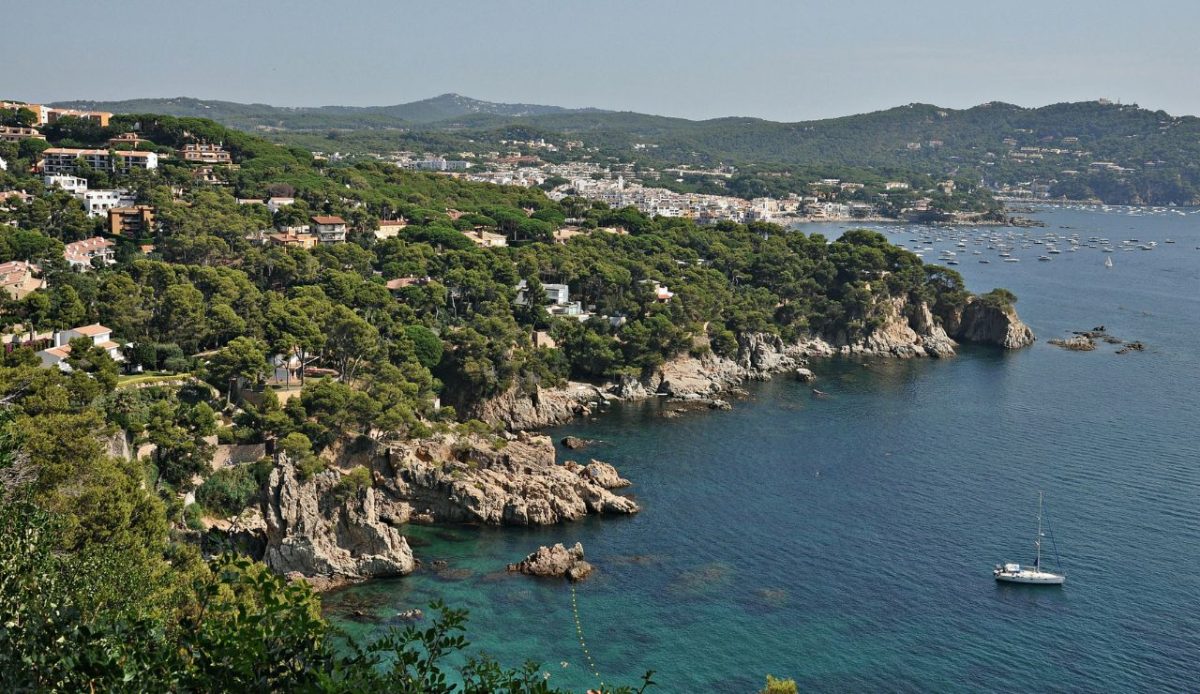
Costa Brava’s picturesque Mediterranean landscapes and cultural depth make it a fertile ground for design inspiration. Beyond beaches and coves lies a region dotted with botanical gardens, artisan hubs, and historic towns that show diverse Mediterranean influences. Designers are particularly drawn to how local crafts and materials are manifested in everyday architecture and artistic communities. The region’s reinvention through artistic retreats, heritage preservation, and boutique environments invites creatives to reflect on how space and history can be woven together to shape inspiring settings for living, working, and creating.
