
Train travel still carries a reputation for being the relaxed, sensible alternative to flying. Spacious seats, city-center stations, and fewer security hassles make rail feel like the smarter choice. Yet on some of the world’s busiest routes, ticket prices have climbed so high that flying now costs less, sometimes by a wide margin. Rising demand, limited rail capacity, and dynamic pricing have quietly reshaped the math. For travelers comparing options today, these routes reveal how convenience and popularity have turned trains into a premium choice rather than a budget one. What surprises many travelers is how often this price gap appears on routes once known for affordable rail travel.
1. London to Edinburgh
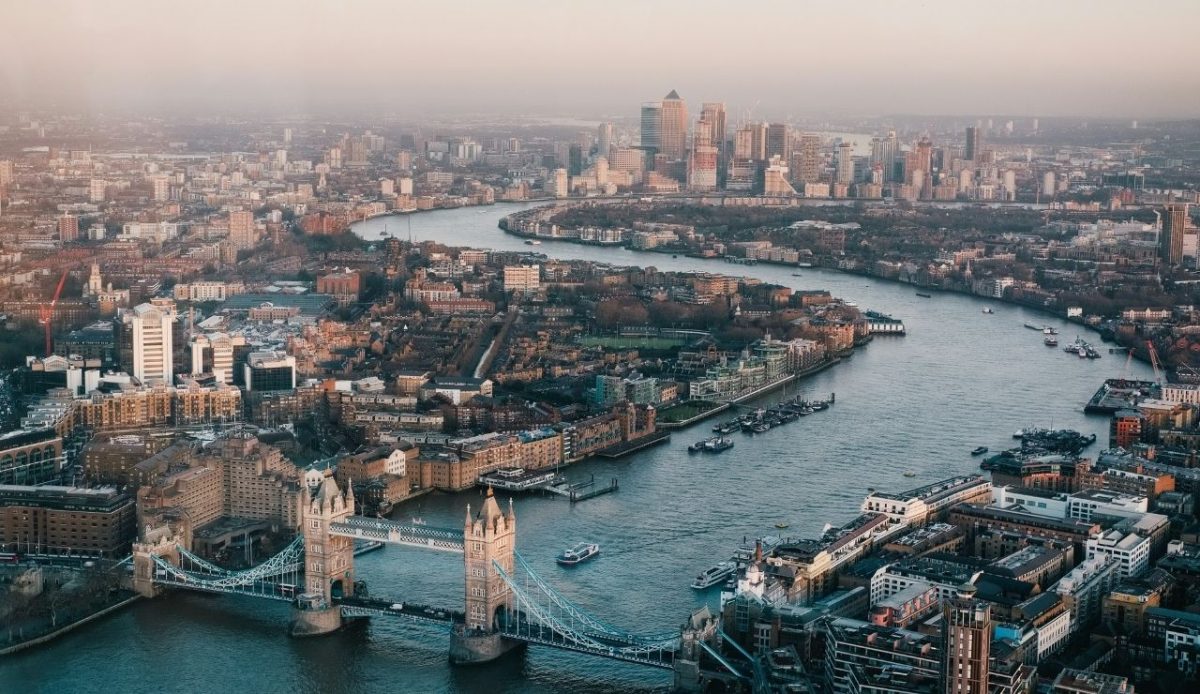
This route shows how rail lost its price edge through popularity and limited flexibility. Trains run frequently, connect city centers, and avoid airport security, which keeps demand consistently high. Because seats fill quickly during business hours and weekends, rail operators rely heavily on dynamic pricing. Advance fares can still be reasonable, but flexible or last-minute tickets rise sharply and often exceed flight prices booked the same day. Airlines benefit from intense competition and short flight times, which keeps base fares low even during busy periods. Rail tickets bundle comfort, speed, and flexibility into one price, while airlines separate services to advertise cheaper fares.
2. Paris to Nice

High-speed rail between Paris and Nice is comfortable and scenic, but demand drives prices higher than many expect. The route is long and heavily used throughout the year, especially during summer and holiday periods. As departure dates approach and seats sell out, rail fares increase quickly. Airlines counter this with frequent flights and discounted tickets designed to fill planes. Rail pricing also reflects infrastructure maintenance and energy use across a long distance. While trains offer a relaxed journey and central arrival, their cost structure makes them less competitive unless tickets are booked well in advance.
3. Rome to Milan
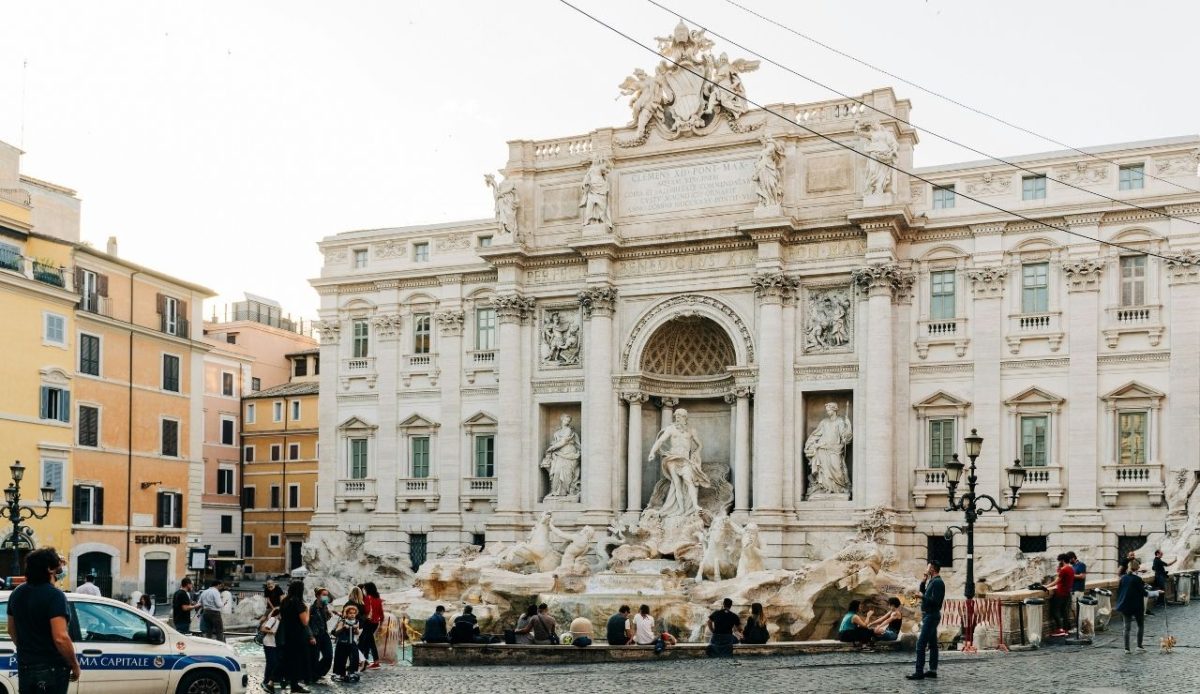
This corridor once benefited from competition that pushed prices down, but demand eventually reshaped fares. Trains are fast, frequent, and centrally located, attracting tourists and business travelers alike. Peak hours sell out quickly, allowing operators to charge higher prices for standard seats. Premium seating and flexible tickets raise the average cost further. Airlines respond with aggressive short-haul pricing and frequent promotions, especially for advance bookings. As a result, flying can be cheaper than rail for travelers who do not need last-minute flexibility. The train remains convenient, but its price advantage has narrowed or disappeared during busy travel windows.
4. Tokyo to Osaka
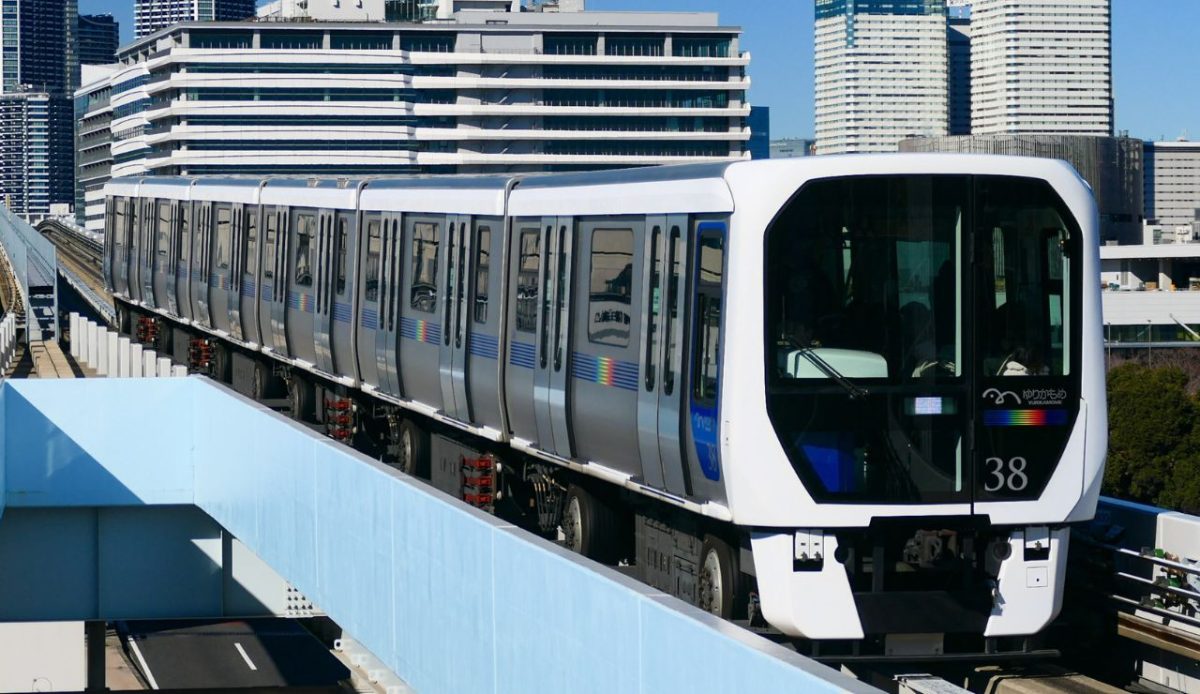
The Shinkansen is prized for speed, reliability, and punctuality, but it is priced as a premium service. Ticket prices are stable rather than discounted, reflecting high operating standards and constant demand. Airlines, including budget carriers, compete aggressively on this route with advance deals and promotional fares. For travelers who book ahead, flying can cost significantly less than the train. While rail often saves time door to door, the price difference is noticeable for cost-focused passengers. This route illustrates how rail excellence does not guarantee affordability when pricing prioritizes consistency over competition.
5. New York City to Boston
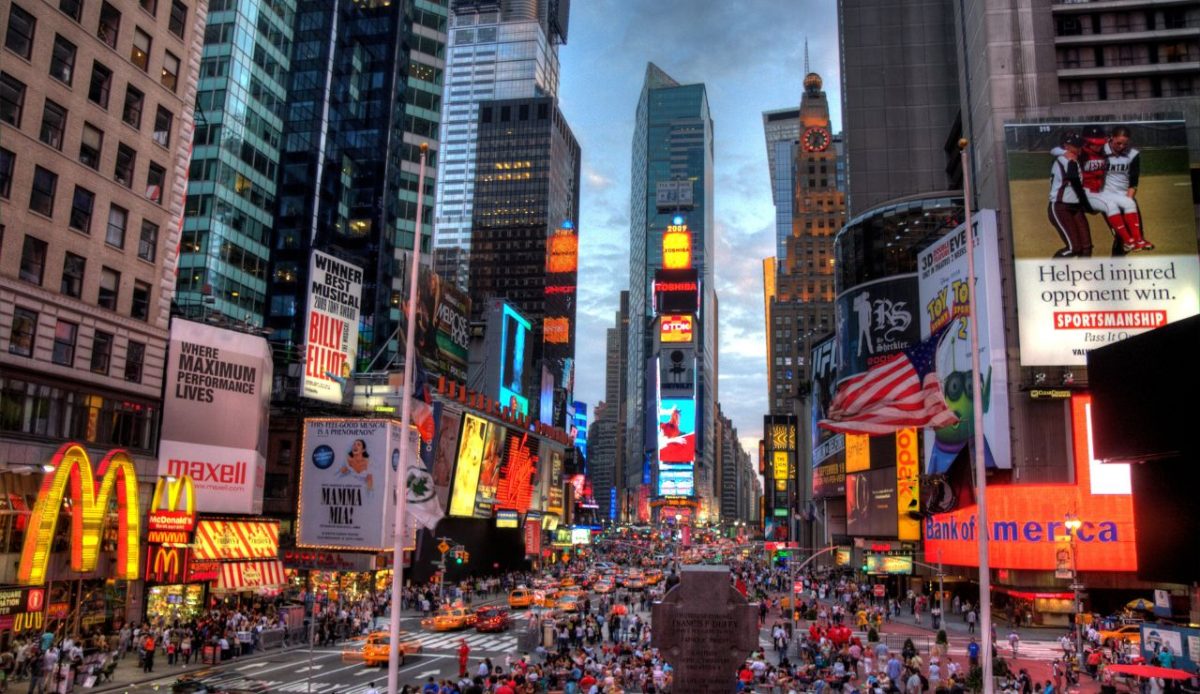
Rail pricing here is shaped by limited track capacity and heavy weekday demand. Premium services charge high fares for speed and flexible schedules, particularly during business travel hours. Because expanding rail infrastructure is difficult, operators manage demand through pricing rather than added service. Airlines benefit from short flight times and strong competition, which keeps fares relatively low. Travelers booking late or needing schedule flexibility often find train tickets far more expensive than flights. Downtown stations still offer convenience, but that benefit no longer ensures better value compared with flying.
6. Madrid to Barcelona

Once a symbol of affordable high-speed rail, this route now reflects demand-driven pricing. Trains are fast and frequent, but popular departure times sell out quickly, pushing fares higher. Airlines continue to compete strongly, offering low prices to maintain market share. While rail avoids airport transfers, the cost difference can outweigh that convenience. Infrastructure investment and energy prices also influence rail fares. For travelers with flexible schedules or advance planning, flying can be cheaper, reversing the traditional expectation that trains are always the better value. For many travelers, the decision now comes down to timing rather than loyalty to rail.
7. Zurich to Paris
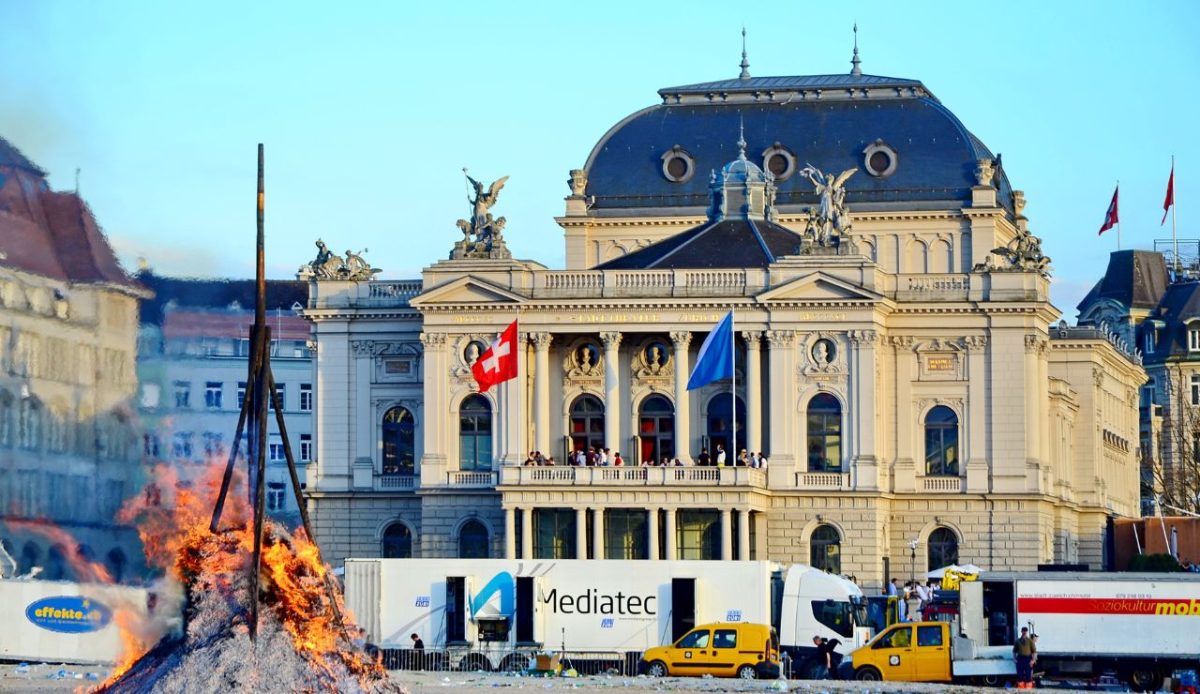
Cross-border rail travel here is smooth and scenic, but it reflects Switzerland’s higher cost structure. Trains are reliable, well-maintained, and comfortable, which contributes to higher fares. Airlines benefit from competitive European pricing and often undercut rail, especially for early bookings. Currency differences, labor costs, and infrastructure investment all influence ticket prices. While the train offers a seamless experience without airport transfers, the fare can exceed the cost of flights enough to surprise travelers expecting rail to be cheaper. The route shows how national cost structures can outweigh the traditional advantages of rail travel.
8. Stockholm to Gothenburg
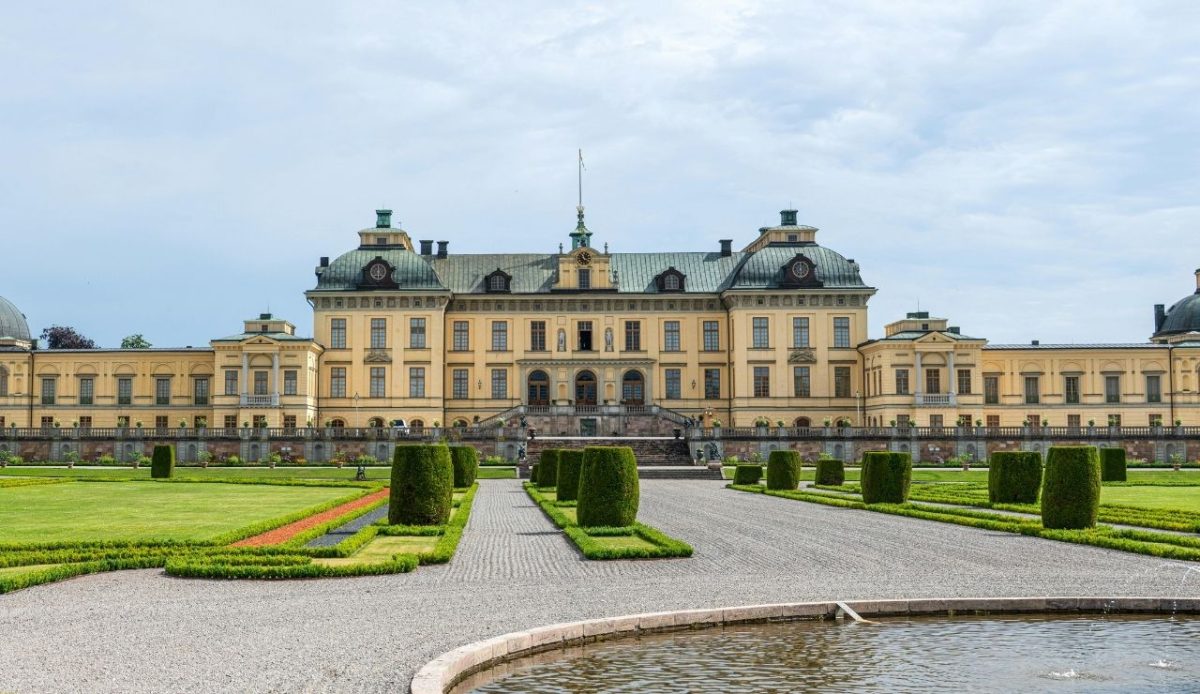
Rail demand between these cities has grown due to convenience and environmental awareness. That popularity allows operators to raise prices during busy periods. Airlines respond with competitive fares, particularly outside peak travel times. Rail infrastructure upgrades and energy costs also factor into pricing. Travelers booking late or traveling during popular hours often see train tickets exceed flight prices. This route highlights how rail’s success and public support can drive costs higher, even as flying remains price competitive for many passengers. As demand continues to rise, price has become the main trade-off for choosing the train.
