
Some towns welcome visitors with smiles, but a rare few go much further. They design their streets, services, and daily rhythms around the idea that guests should feel safe, informed, and genuinely cared for from the moment they arrive. In these places, hospitality is not limited to hotels or tour desks. It is built into transportation systems, signage, local habits, and even how crowds are managed. The result is travel that feels calmer and more human. These towns take visitor care seriously because they understand that a good experience is created long before the first attraction is reached.
1. Kyoto

Kyoto’s care for visitors comes from a deeply ingrained sense of responsibility rather than tourism marketing. As a city that receives millions of guests each year, it prioritizes order, clarity, and mutual respect. Public transportation is meticulously organized, with multilingual signage that helps visitors move confidently without constant assistance. Historic districts are clearly marked, rules are communicated politely, and staff in hotels, shops, and temples are trained to guide rather than rush. Even crowd management is handled subtly, using design and flow instead of force. This approach allows visitors to feel respected and supported without ever feeling controlled.
2. Queenstown
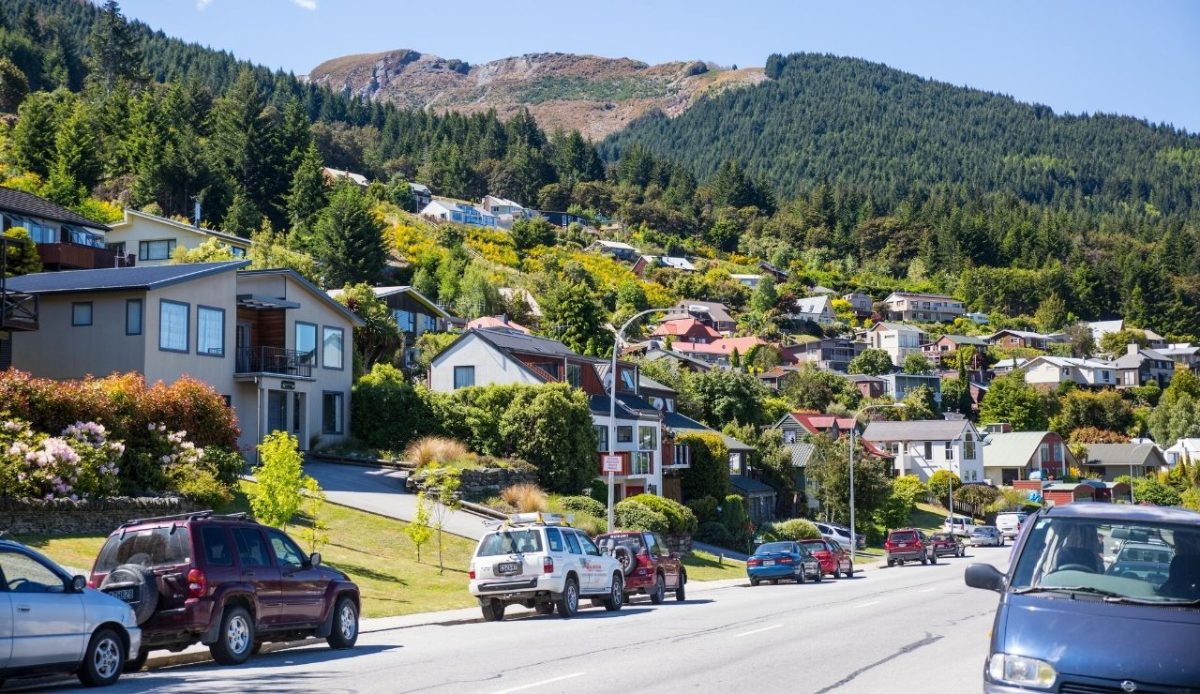
Queenstown’s reputation for looking after visitors is shaped by necessity as much as kindness. As a global adventure tourism hub, the town deals with activities that carry real risk. That reality has produced a culture of preparation, communication, and accountability. Tour operators follow strict safety standards, instructions are clear and repeated, and staff are trained to assess comfort levels rather than assume confidence. Transportation between activities is coordinated to reduce confusion, and visitor centers act as genuine support hubs. Even casual interactions reflect attentiveness, with locals checking that travelers understand conditions and expectations.
3. Reykjavík
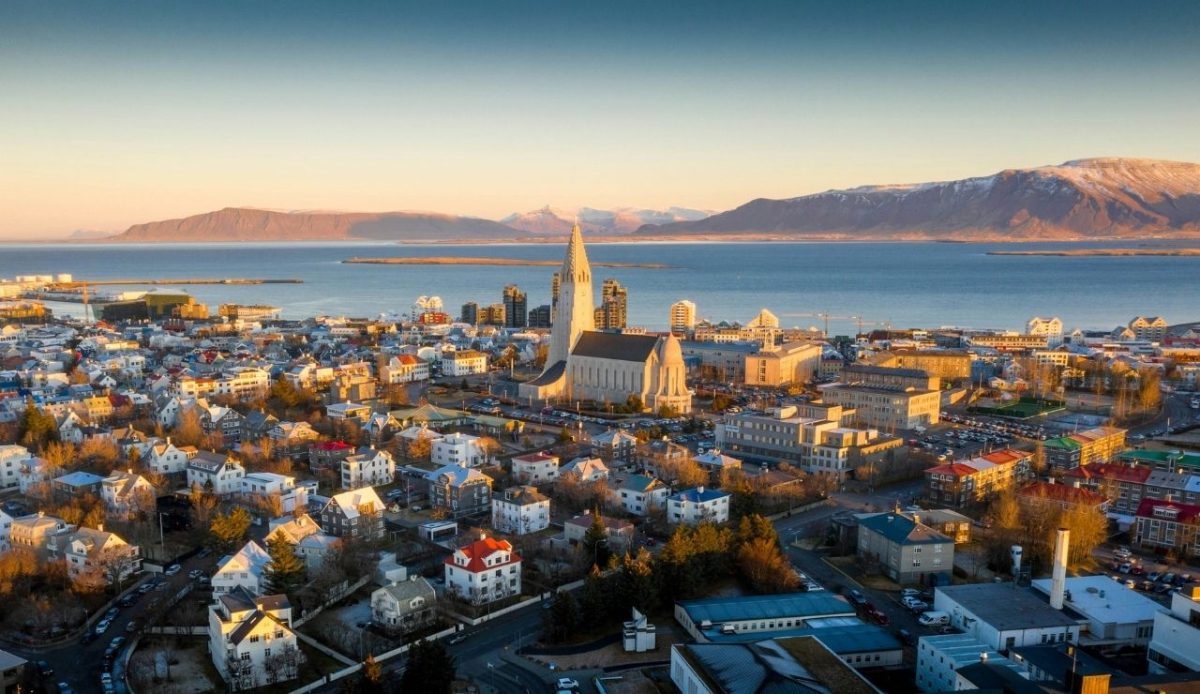
Reykjavík takes visitor well-being seriously because Iceland’s environment demands it. Weather can shift quickly, daylight changes dramatically by season, and natural sites pose real hazards if misunderstood. The city responds by prioritizing transparency and education. Tourist information is centralized, accurate, and easy to access. Emergency services are responsive, and public messaging about safety is clear without being alarmist. Locals are accustomed to helping travelers understand conditions rather than dismissing their inexperience. Infrastructure is designed to function reliably in harsh weather, which benefits visitors as much as residents.
4. Vienna
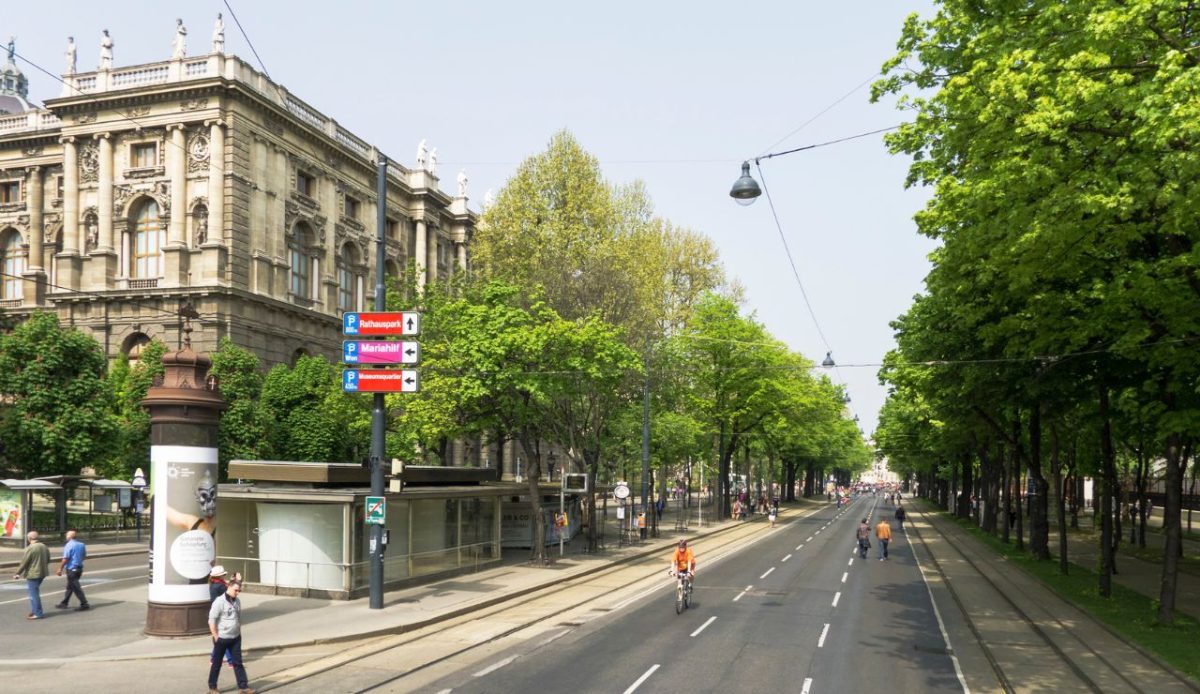
Vienna’s visitor care is systematic and understated. The city operates on the belief that clarity equals comfort. Public transportation is intuitive, punctual, and clearly labeled, allowing visitors to navigate independently. Museums, concert halls, and public buildings provide consistent information and staff trained to assist calmly. Streets are clean, signage is logical, and services run on time. This reliability reduces uncertainty, which is often the biggest source of travel stress. Vienna does not overwhelm visitors with friendliness, but it rarely leaves them confused or stranded. Its approach treats hospitality as part of civic order rather than emotional performance.
5. Singapore
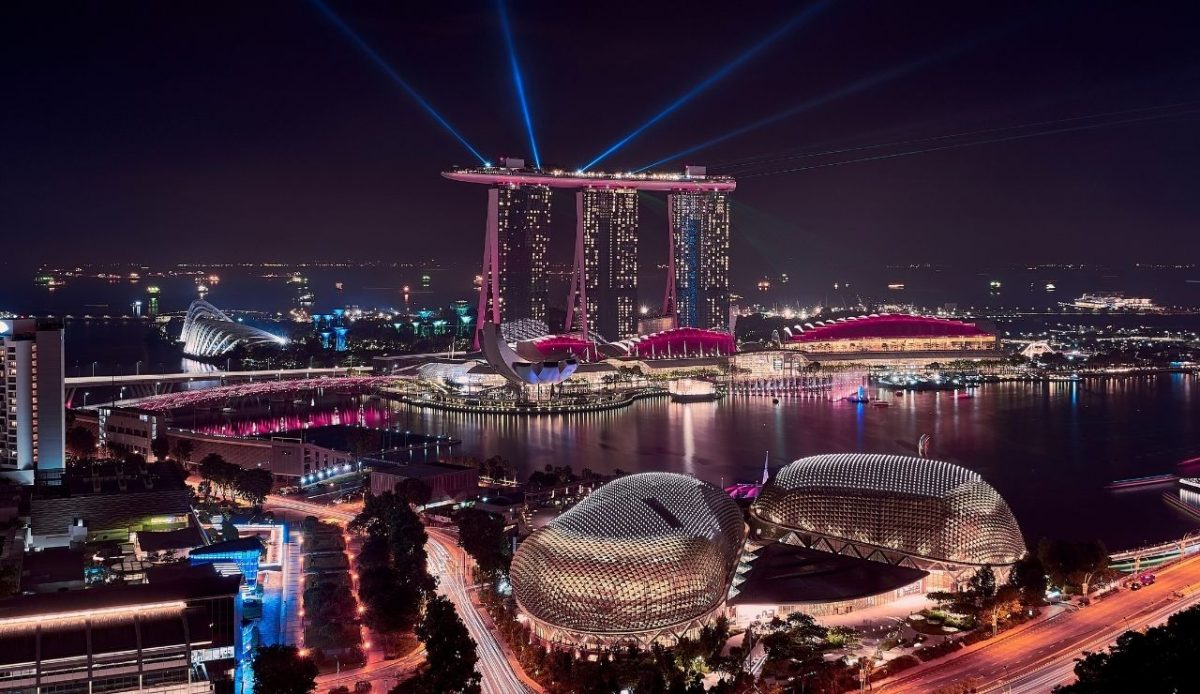
Singapore is often cited as one of the most visitor-conscious places in the world because it designs hospitality into infrastructure. Airports, transit systems, sidewalks, and public facilities are built for clarity, accessibility, and safety. Multilingual signage is standard, rules are clearly explained, and assistance is easy to find. Cleanliness is enforced not for image alone, but to ensure comfort in a dense urban environment. Staff across sectors are trained to anticipate confusion and resolve it quickly. Singapore’s approach removes guesswork from daily movement, which allows visitors to focus on experience rather than logistics.
6. Bruges
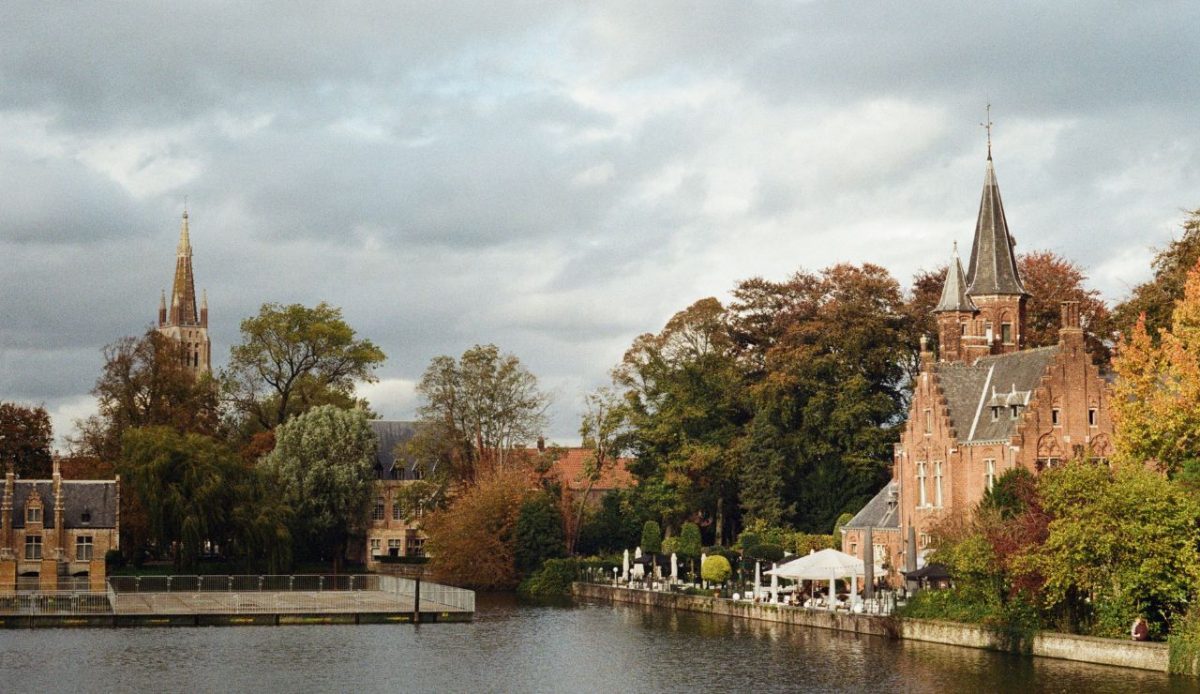
Bruges manages its visitors carefully because it understands the risks of being overwhelmed by popularity. Rather than ignoring tourism pressure, the town invested in thoughtful systems that protect both guests and heritage. Visitor routes are clearly marked, historic areas are preserved without becoming inaccessible, and staff across hotels, museums, and transport services are trained to orient guests gently. Information is paced rather than dumped, which helps visitors slow down and absorb the experience. Bruges prioritizes walkability and signage that reduces confusion in narrow medieval streets.
7. Cusco

Cusco’s attentiveness to visitors is shaped by experience and necessity. Sitting at a high altitude, the city knows that visitors often arrive unprepared for physical effects. Hotels, guides, and transport providers proactively educate guests about acclimatization, hydration, and pacing. Assistance is offered before problems arise, not after. Cultural sensitivity is also emphasized, with guides explaining local customs and sacred spaces clearly. This approach reduces misunderstanding and discomfort. Cusco’s hospitality feels protective rather than commercial. It reflects a long history of hosting outsiders and learning what support actually improves their experience.
8. Hallstatt
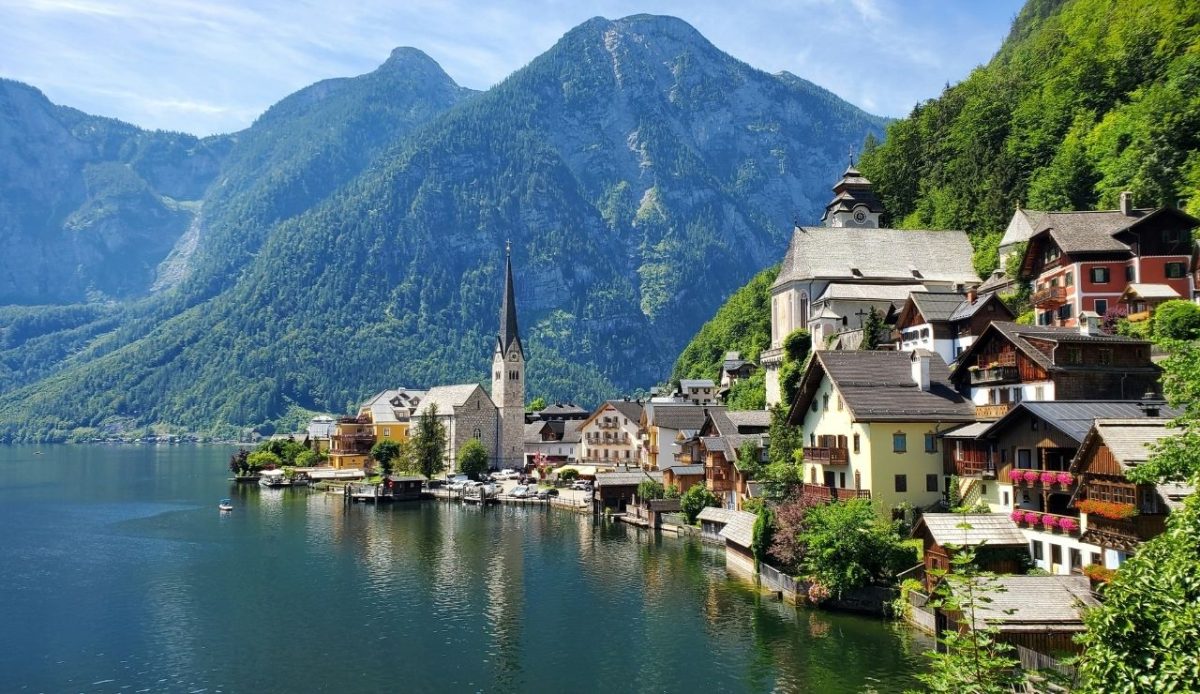
Hallstatt’s visitor care is shaped by the challenge of popularity in a small space. Instead of allowing chaos, the town implemented structure to protect both guests and residents. Transportation access is controlled, pedestrian flow is managed, and information is clearly provided before arrival. Facilities are maintained carefully to prevent strain, and staff are trained to assist visitors without hostility. The goal is not to discourage guests, but to make visits manageable and respectful. Hallstatt demonstrates that caring for visitors sometimes means setting boundaries. By doing so thoughtfully, the town ensures people still feel welcomed rather than overwhelmed or unwelcome.
