
Brochures are built for perfect light, empty walkways, and tidy angles. Real travel comes with crowds, weather, scaffolding, and rules that don’t fit in a glossy photo.
This doesn’t mean a place is “bad,” just that expectations can be off. A famous view might be farther away than it looks, the “quiet” street may be a busy thoroughfare, or the best shot might be from a specific corner at a specific time.
Use these eight examples as a reality check before you book. With smarter timing, the right entrance, and a little patience, you can still get the experience you came for, just not always the postcard version shown online or in print every day.
1. Times Square, New York City
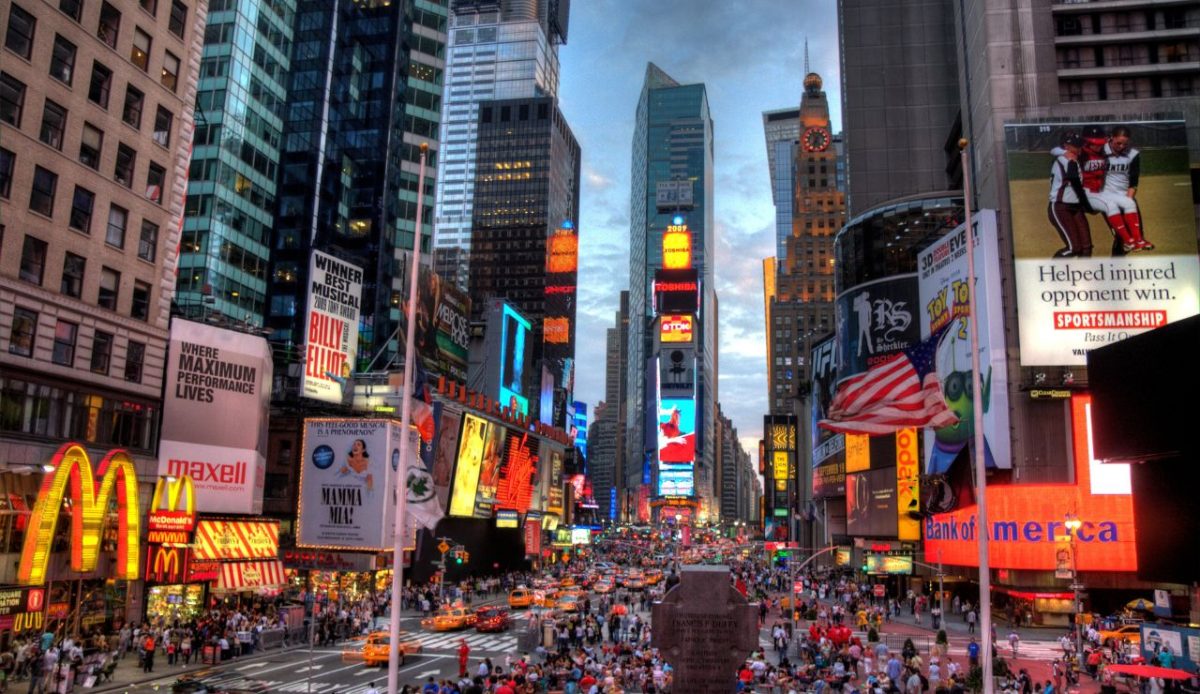
Times Square, New York City, is often marketed as a sparkling canyon of screens. In reality, it’s also a working intersection with constant foot traffic, amplified sound, and a steady rotation of costumed characters and promoters.
The “classic” photo usually comes from a tight frame looking up, which hides delivery vehicles, police barriers, trash pickup, and the everyday logistics that keep the area running. At peak hours, you may move at a shuffle, and the air can feel surprisingly warm and still.
If you want a closer match to the brochure look, go early in the morning, aim your camera upward, and expect security checks around events. The spectacle is real, but it’s rarely serene or spacious.
2. Trevi Fountain, Rome
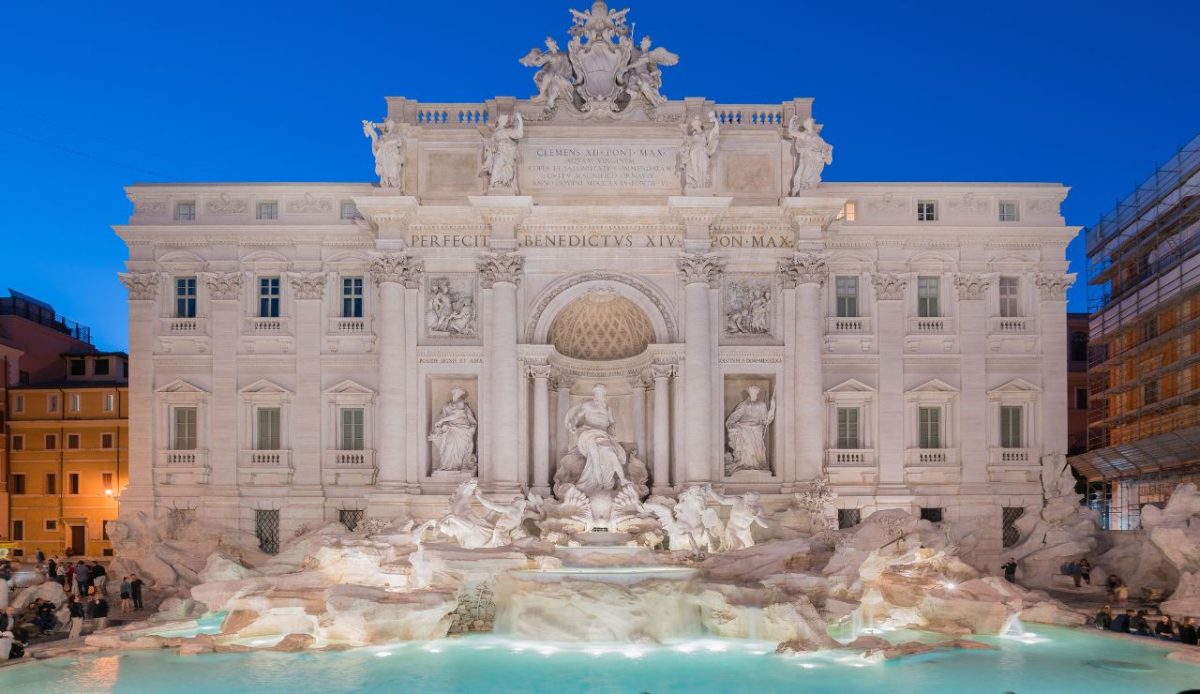
The Trevi Fountain in Rome is famous for its dramatic statues and turquoise water, but brochure shots rarely show how tight the space is. The plaza is small, and the crowd fills it quickly.
Most visitors experience it shoulder-to-shoulder, with phones raised and security controlling where people can sit or lean. Depending on season and maintenance, parts may be fenced off, and the water color can look different in shade. Street performers and nearby traffic noise are often constant.
To see it closer to the postcard version, arrive before sunrise or late at night, then step back to the edges for a wider view. You’ll still hear the city around you, which is part of the real scene.
3. Oia, Santorini, Greece
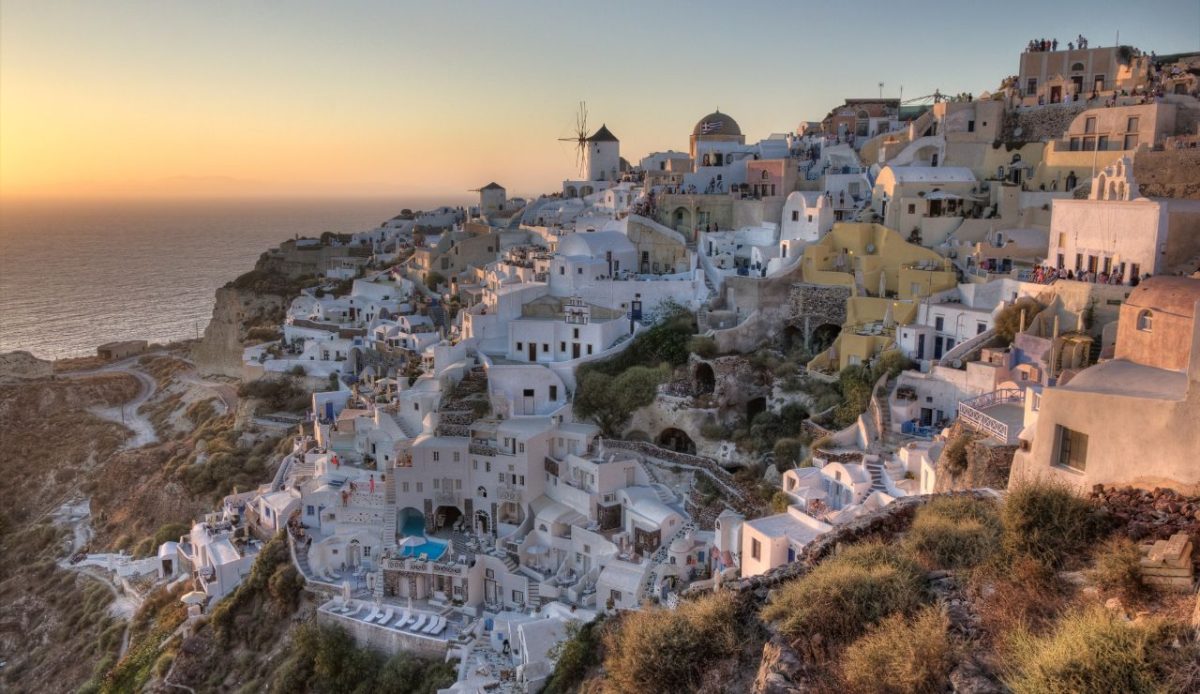
Oia, Santorini, is sold as whitewashed calm with endless blue domes. What photos don’t show is how concentrated those “iconic” views are, often from a few narrow lanes and specific terraces.
At sunset, the village becomes a slow-moving line of people hunting the same angle. Cruise ship schedules can swell numbers, and wind can make it feel colder than expected. Many rooftop spots are private or tied to reservations, so access isn’t always casual.
For a brochure-like moment, visit in the morning light, explore side streets away from the main path, and use longer focal lengths to isolate details. The scenery is stunning, but the famous frame is a shared resource.
4. Machu Picchu, Peru
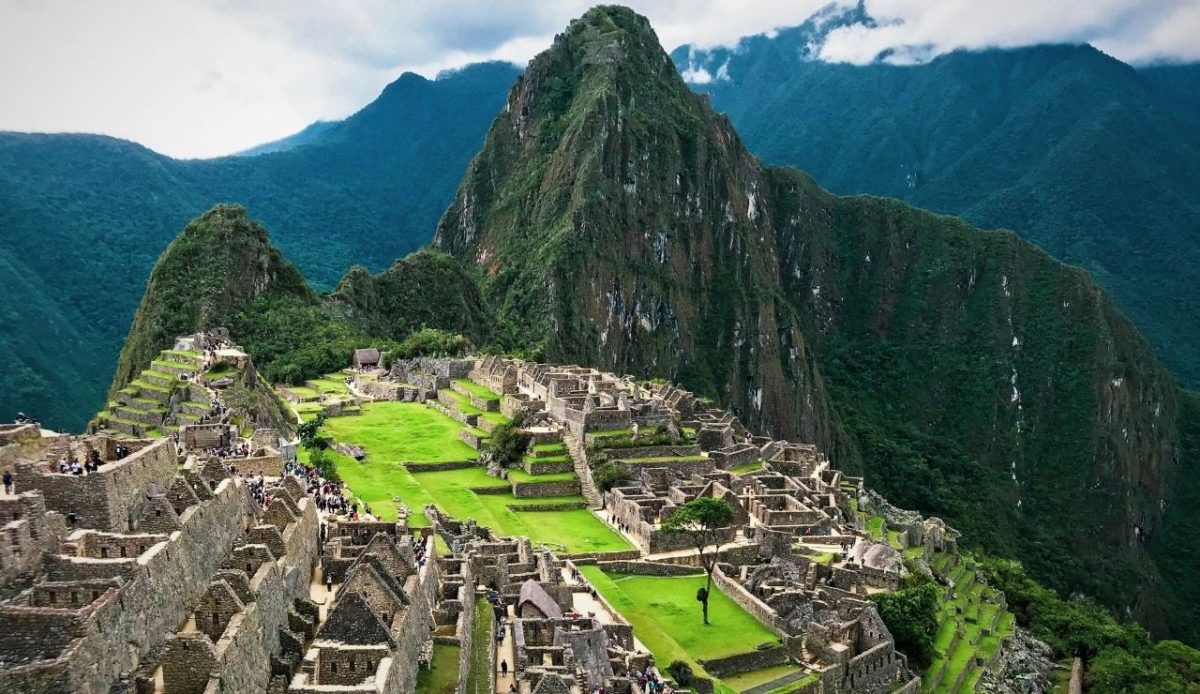
Machu Picchu is often pictured under bright sun with empty terraces, but conditions on the ground vary fast. Morning fog is common, and timed entry means you may see it in shifting cloud rather than clear skies.
The classic “postcard” viewpoint is tied to a specific route, and staff manage one-way movement to protect the site. That can make the visit feel more structured than expected, with limited time for lingering in one spot.
To get closer to the brochure look, aim for shoulder-season days with earlier entry slots, and be ready to wait out weather changes. Even with mist, the experience can be memorable, just different from the crisp promo image.
5. Great Wall of China, Badaling Section

The Great Wall of China is marketed as a lonely ribbon over green ridgelines, but many visitors start at popular sections like Badaling. These areas are developed for access, with rail links, shops, and wide paths.
Brochure images are usually taken from quieter stretches or from angles that crop out crowds. On busy days, the Wall can feel like a moving queue, and the climb is steeper than it looks in flat photos. Weather can shift quickly on the ridges.
For a different vibe, consider Mutianyu on weekdays or take early lifts before tour groups arrive. You’ll still see infrastructure, but you can find calmer moments and better views with smart timing.
6. Taj Mahal, Agra, India
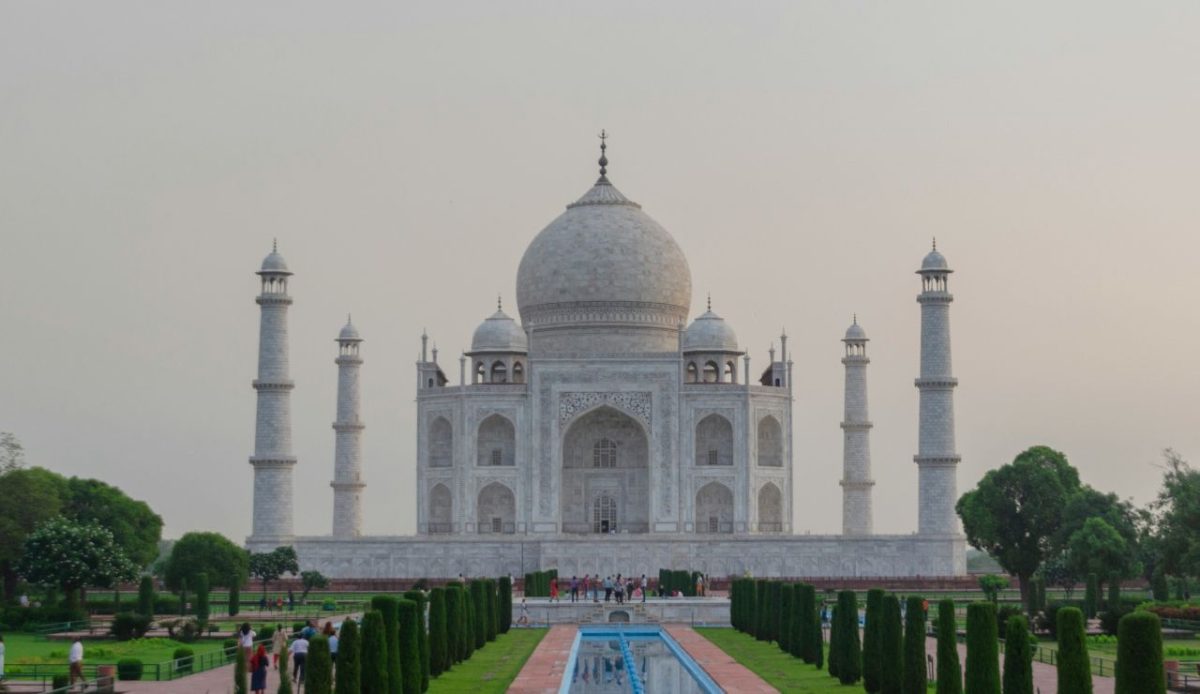
The Taj Mahal is often shown as a flawless, empty marble monument reflecting in still water. In Agra, your visit is shaped by security lines, shoe covers, and crowd flow that keeps people moving through key points.
Haze and air quality can soften the bright-white look, especially in warmer months, and restoration work may appear in the background. The famous reflection pools are real, but the “perfect mirror” depends on light and wind, not just location.
For a closer match to brochure photos, enter at opening time, choose clear-season mornings, and use the garden axis for symmetry. Expect checkpoints and rules, but also expect the craftsmanship to hold up in person.
7. Venice’s Grand Canal Area, Italy
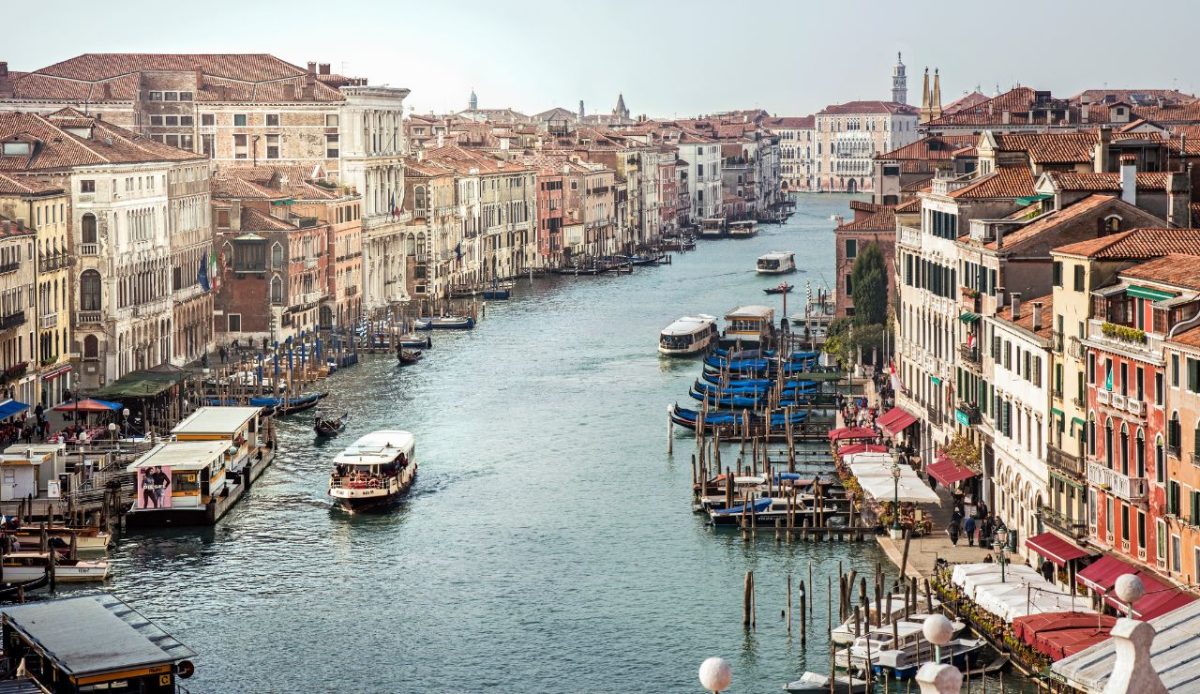
Venice is marketed as quiet canals with empty gondolas gliding past pastel walls. What’s missing from many brochures is the day-to-day reality: delivery boats, commuter traffic, and crowds that funnel through a few famous corridors.
Water levels and weather affect the look and smell of some areas, and the “romantic” ride can include long waits and higher-than-expected costs in peak season. Some of the most photographed spots are also the most congested.
To see a calmer side, go early, walk beyond San Marco and Rialto, and look for smaller canals in Cannaregio or Dorsoduro. Venice still feels unique, but it’s a living city, not a movie set anymore.
8. The Mona Lisa, Louvre Museum, Paris
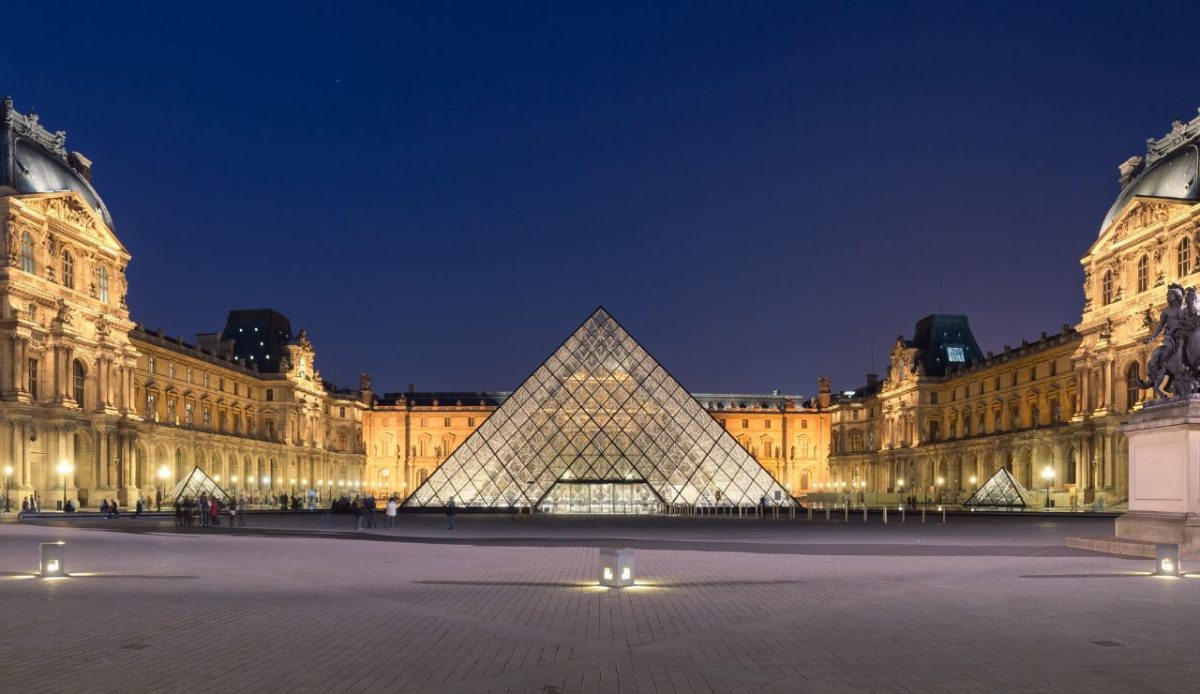
The Mona Lisa at the Louvre is usually presented as an intimate encounter with a masterpiece. In practice, it’s a high-traffic room where visitors gather behind barriers, often several rows deep, while staff manage flow.
The painting is smaller than many people expect, and you view it from a distance that can feel surprising if you’re imagining a close-up. Lighting, reflections, and the surrounding crowd shape what you actually see more than the brochure framing does.
For a better experience, arrive at opening, head straight there, then return later when the room thins out. Also plan time for nearby works, which can be easier to enjoy without the same bottleneck.
