
Spain is famous for cities like Barcelona and Madrid or beach resorts that draw millions each year, but many of its regions remain outside the main tourist flow. These places combine history, culture, and nature without the pressure of mass travel. From river valleys in Galicia to volcanic islands in the Canaries, each destination offers a quieter way to experience the country. The following list shows destinations that remain authentic, well-preserved, and welcoming, yet have not been overrun by heavy tourism.
1. Ribeira Sacra, Galicia
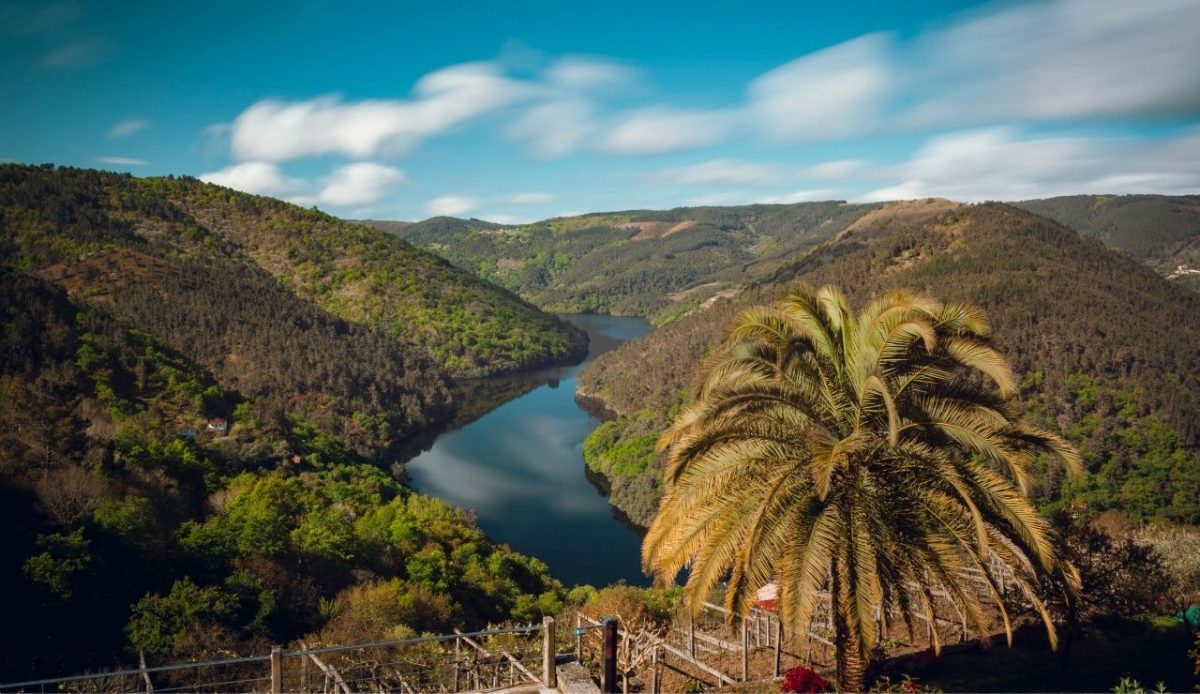
Ribeira Sacra in Galicia is known for steep valleys, terraced vineyards, and monasteries that date back centuries. The Sil and Miño rivers shaped canyons where wine has been produced since Roman times. Visitors can take boat trips, follow scenic drives, or explore hiking paths between small villages. Wine tastings highlight Mencía reds and Godello whites, paired with rustic Galician food. Several monasteries remain in use or preserved as landmarks. Unlike Spain’s busier wine regions, Ribeira Sacra stays quieter, giving travelers a chance to enjoy history and culture without the stress of large tourist groups.
2. Cíes Islands (Illas Atlánticas), Galicia
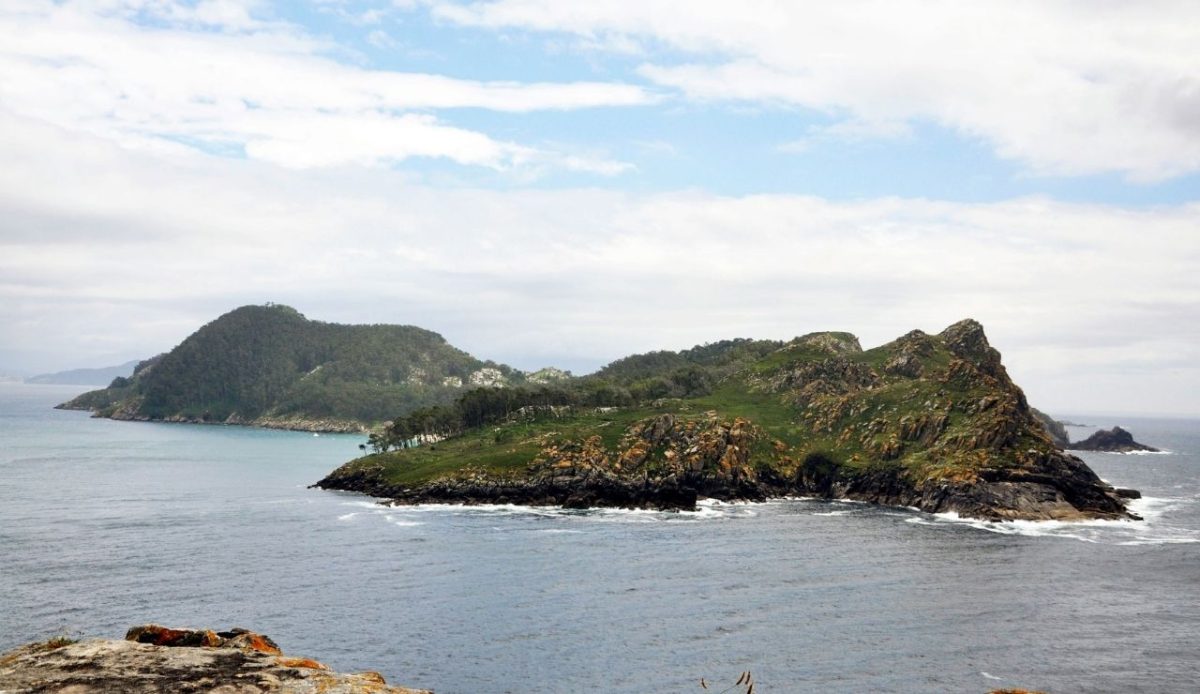
When you want to find a quiet island escape, the Cíes Islands provide a strong option. Located off Vigo and part of a national park, they limit visitor numbers each day to protect wildlife and beaches. Rodas Beach has a wide sandbar and clear waters that are often ranked among the best in the world. Hiking trails pass pine groves, cliffs, and bird colonies. Campgrounds are the only choice for overnight stays, keeping the area simple and calm. Without large hotels, the islands offer a natural setting that feels different from Spain’s crowded coasts.
3. Úbeda & Baeza, Jaén (Andalusia)
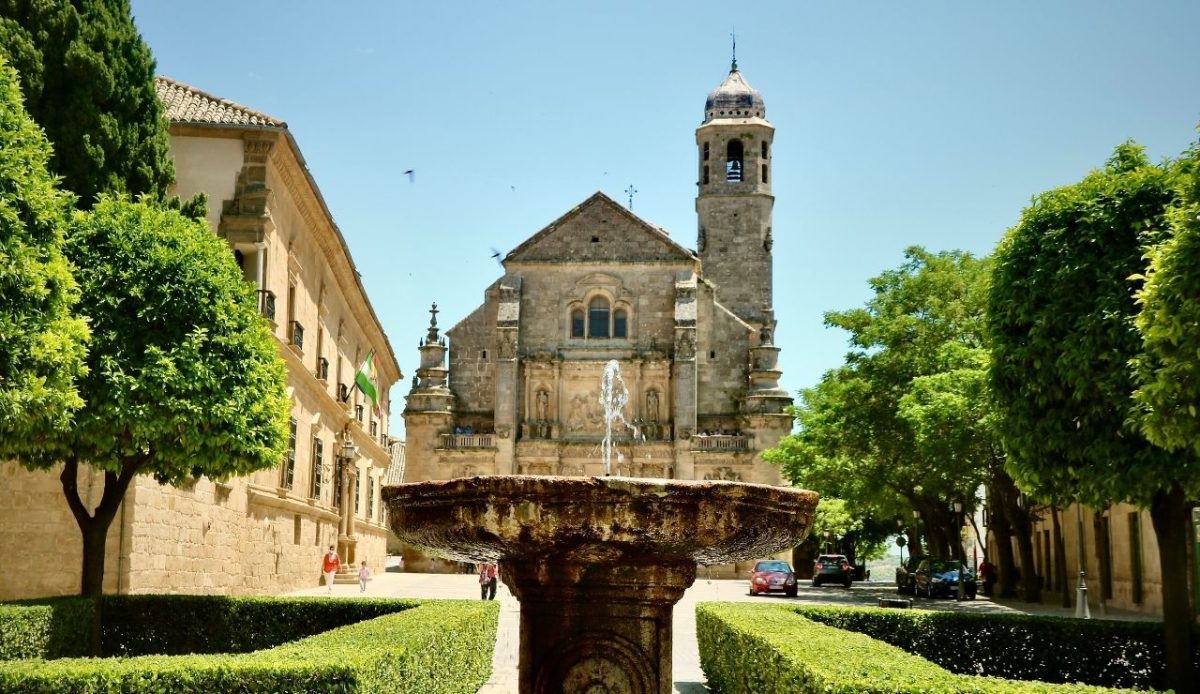
For a taste of Renaissance Spain, Úbeda and Baeza in Jaén offer two strong examples. Their plazas, churches, and palaces were built in the 1500s and carry Italian influence. Both towns are UNESCO sites and show the height of Andalusian culture during that era. Úbeda features grand civic buildings, while Baeza highlights education and church life. Visitors can tour landmarks, see art museums, and sample olive oil from local groves. Unlike Seville or Granada, these towns remain less crowded, giving travelers more space to enjoy the architecture and regional culture without pressure.
4. Las Alpujarras (Granada & Almería)
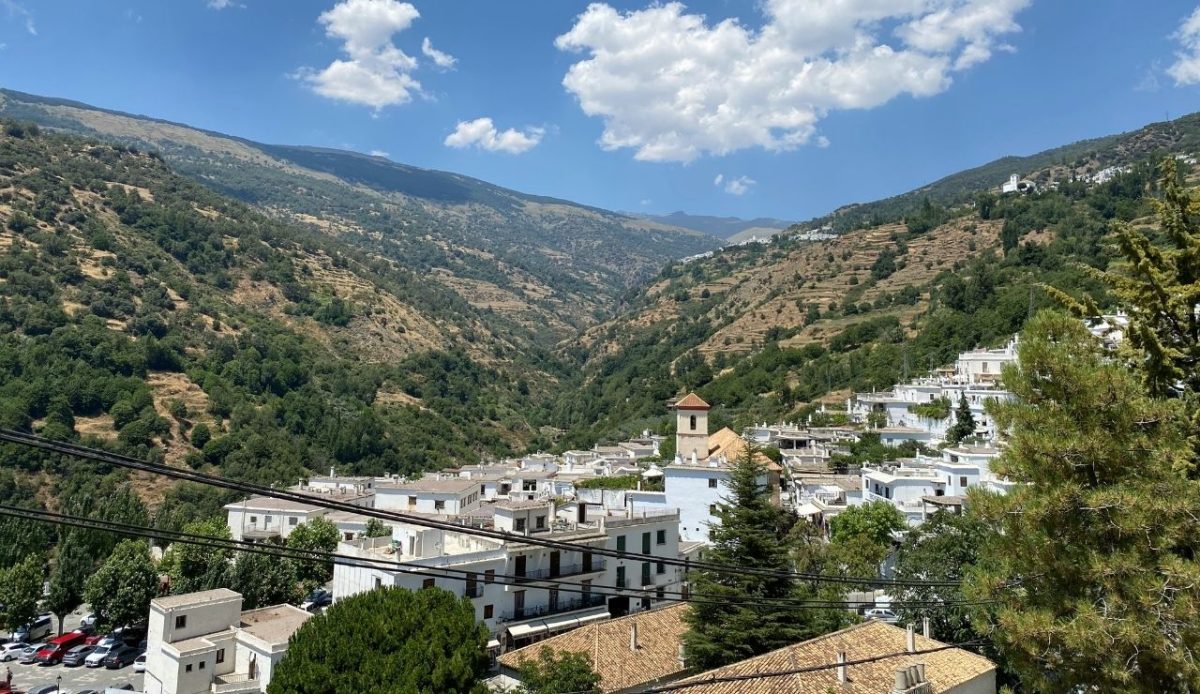
Las Alpujarras cover the southern side of the Sierra Nevada, where whitewashed towns still carry Moorish traditions. Travelers can walk between Pampaneira, Bubión, and Capileira, all known for crafts, weaving, and food such as air-dried ham and stews. Terraced fields remain in use, while pottery and local goods add to the visit. Trails give mountain and sea views, linking culture with outdoor travel. Anyone curious about rural Andalusia can spend days in small guesthouses and family restaurants. Though Granada is nearby, the Alpujarras remain less crowded, offering a slower pace and strong cultural character.
5. Aínsa & the Sobrarbe, Aragon
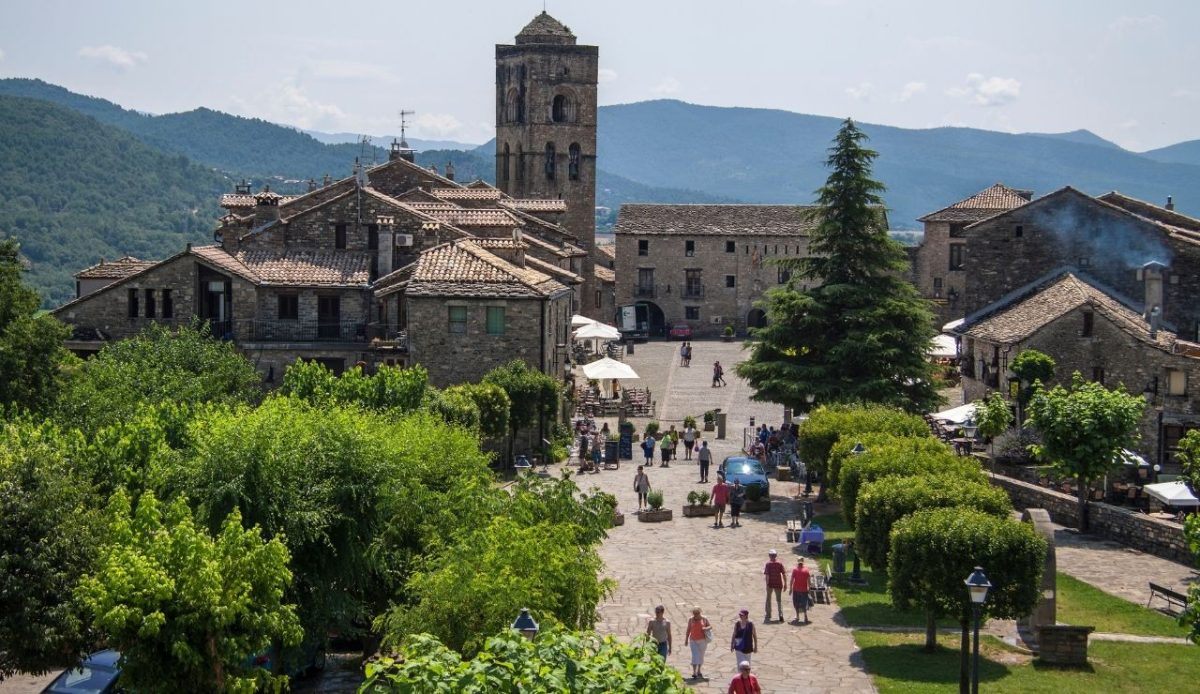
Aínsa is a medieval town in Aragon with a well-kept square, castle ruins, and stone houses. It is also a base for Ordesa y Monte Perdido National Park, where trails lead to waterfalls, gorges, and mountain paths. Small villages nearby contain Romanesque churches, while rivers support kayaking and fishing. Aínsa itself has museums and family-run inns, giving it a balanced mix of history and hospitality. Unlike other Pyrenean towns, Aínsa has fewer crowds, so visitors can enjoy cultural sites and outdoor activities at a slower pace.
6. Maestrazgo, Teruel (Aragon)
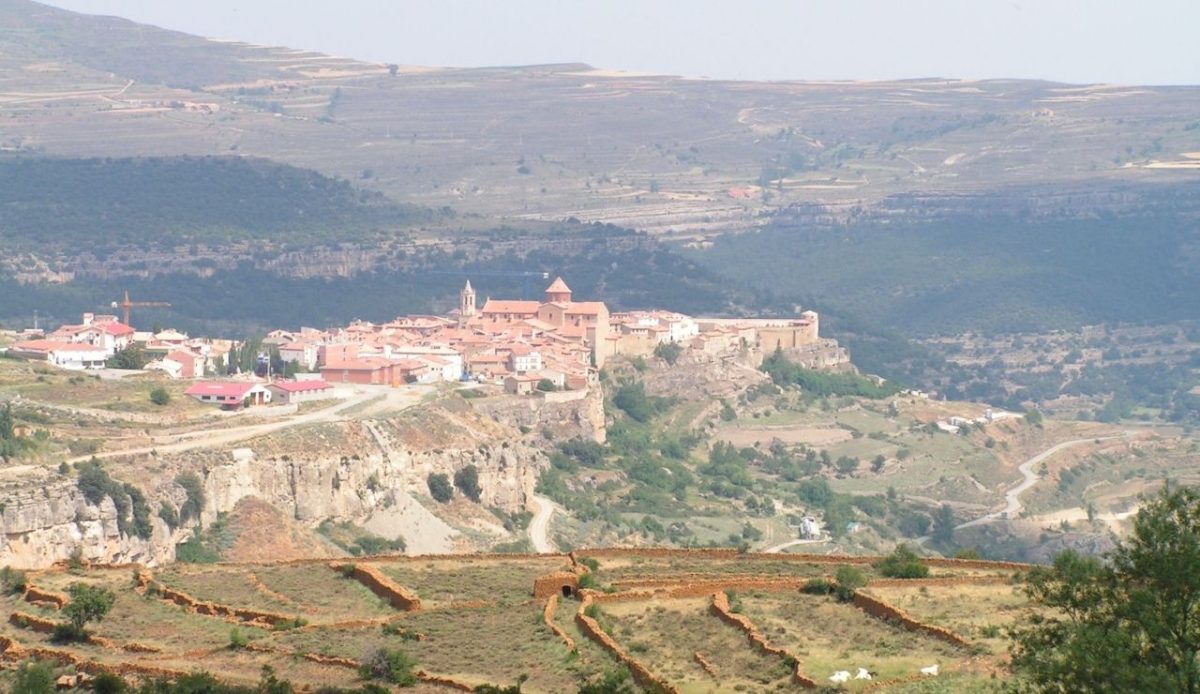
Those who are drawn to remote areas will find Maestrazgo in Teruel rich in history and scenery. Villages like Mirambel and Cantavieja show Gothic churches, medieval walls, and quiet plazas. The surrounding mountains hold caves, cliffs, and valleys that interest hikers. Museums explain the Carlist wars, and festivals highlight shepherding traditions that continue today. With limited tourism, Maestrazgo keeps its rural culture intact. Travelers who want to see historic towns and spend time in open landscapes can find both here without the busier pace of Spain’s better-known regions.
7. Sierra de Cazorla, Segura y Las Villas Natural Park, Jaén
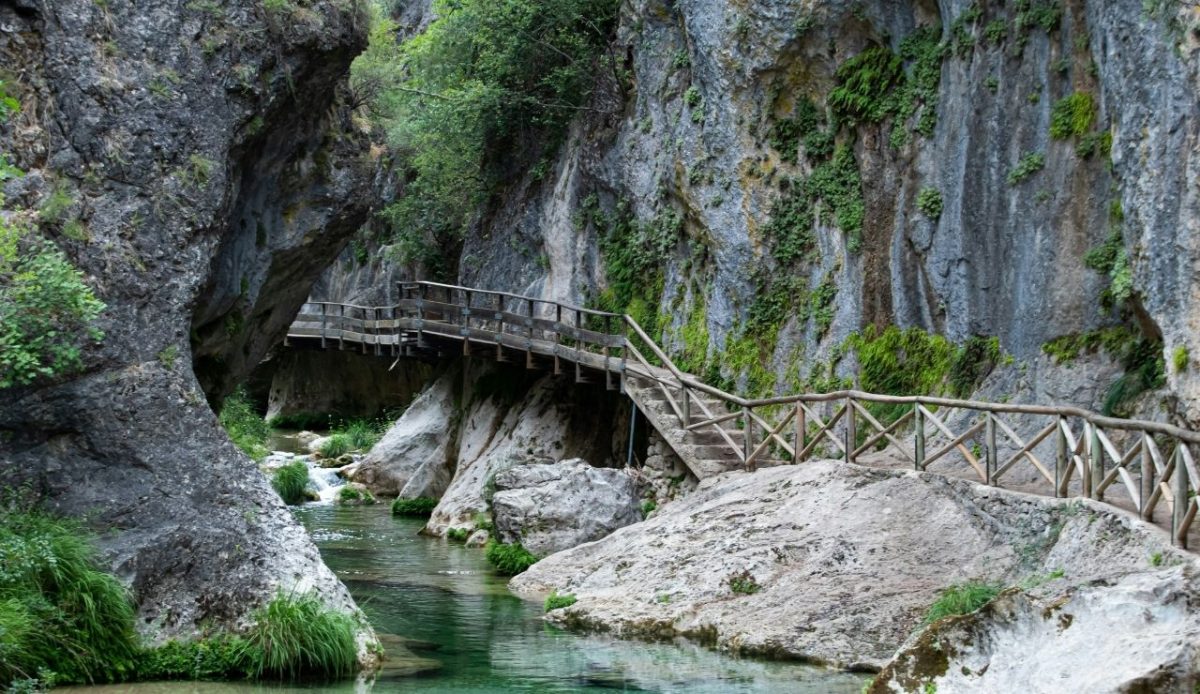
Sierra de Cazorla is the largest natural park in Spain, covering rivers, forests, and mountain ridges. The Guadalquivir River starts here, and trails lead to canyons, cliffs, and waterfalls. Visitors often see ibex, deer, and birds of prey. Activities include hiking, climbing, and kayaking. The village of Cazorla offers castle ruins, local markets, and inns that serve as bases for exploring. Local dishes highlight the olive oil of the region. Despite its size and variety, the park remains far less crowded than Andalusia’s major cities, making it a peaceful choice for nature travel.
8. Old Town of Cáceres, Extremadura
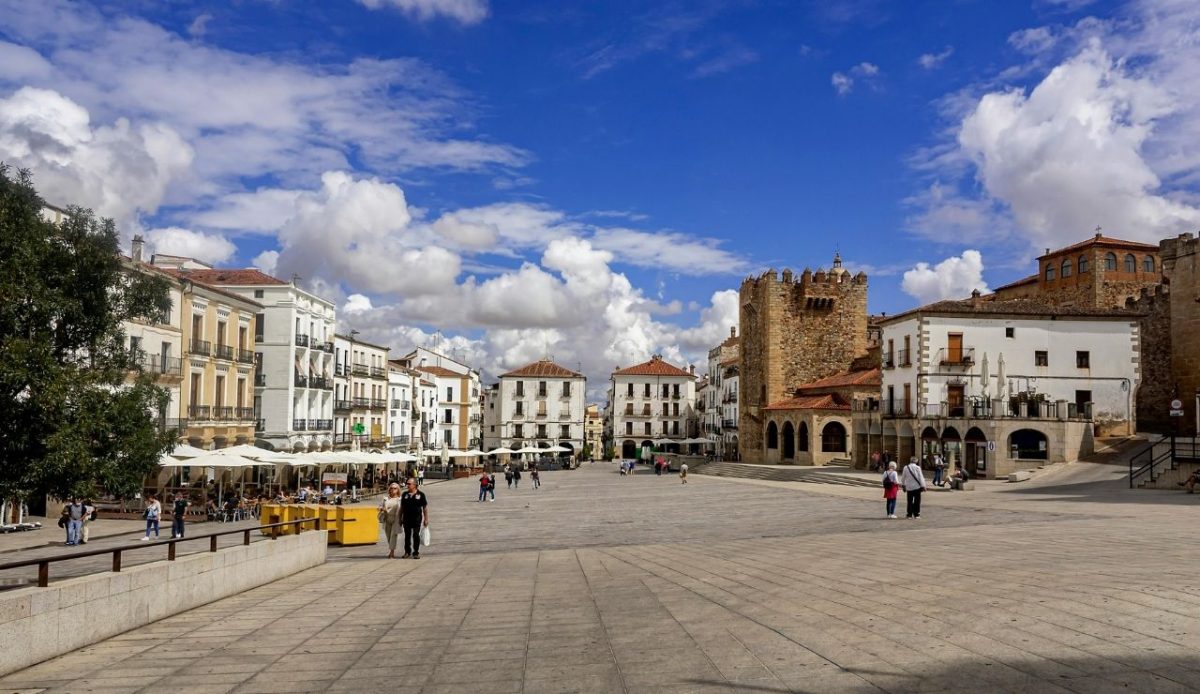
Cáceres is one of Spain’s best-preserved medieval towns, with Roman walls, Moorish towers, and Renaissance palaces. Narrow lanes lead past stone houses that remain from centuries ago. Museums, churches, and art galleries provide insight into its past, while foods such as Iberian ham and migas tie the city to its region. It has also been used as a filming site for its authentic look. While bigger southern cities attract more attention, Cáceres remains quieter. Visitors can spend more time exploring at ease, making it easier to enjoy the mix of history and culture.
