
Amtrak can handle most of the distance for a national park trip, but only certain parks have a clear, documented path from station to entrance or visitor services. The eight picks below were chosen because an Amtrak route reaches a nearby station and the remaining connection is defined through an official shuttle, bus, or partner rail line. That means fewer improvised rides and more predictable timing. Plan around limited frequencies, confirm seasonal service, and pack for walking between stops when needed. Each section explains the simplest chain so the trip can be booked with confidence. Schedules change.
1. Glacier National Park
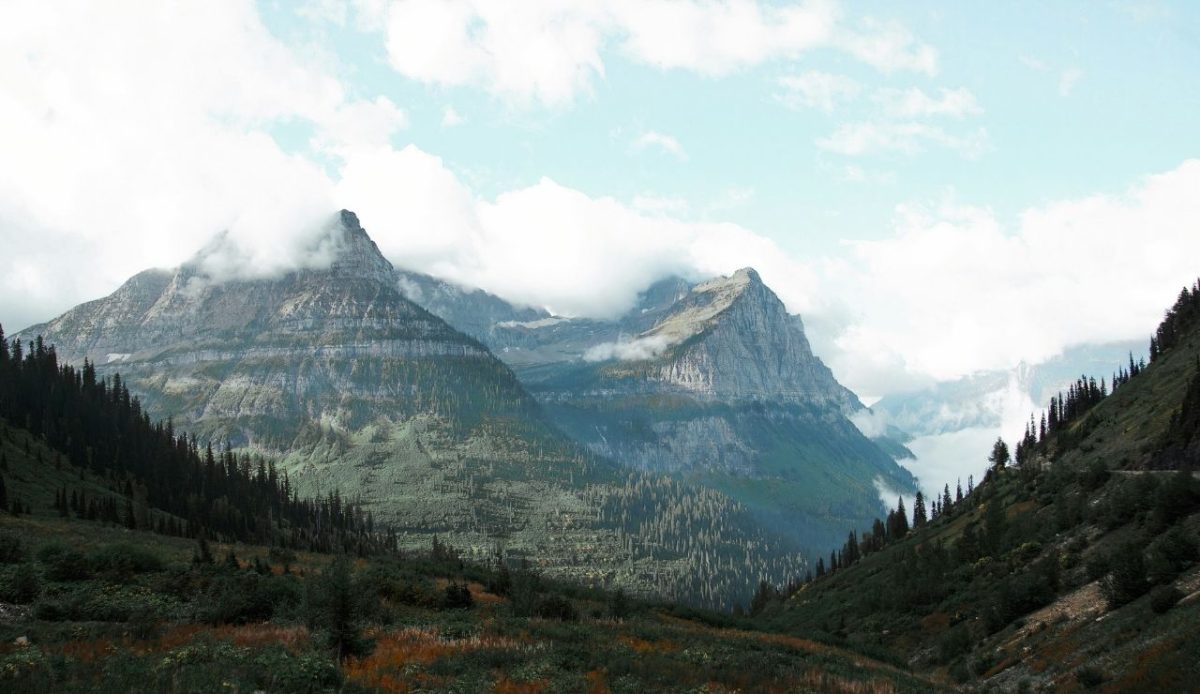
Glacier is the closest thing to a true step off the train and into the park trip. The Empire Builder serves West Glacier and East Glacier Park, and both stops sit next to established gateways. From West Glacier, the park boundary is minutes away, and lodging and tour pickups are nearby. At East Glacier Park, access to the east side is supported by local transport and walkable services in the village. Because the stations were placed for visitors, extra transfers can often be avoided. Seats sell out in summer, so reservations should be made early, and arrival times should be checked against shuttle hours.
2. Yosemite National Park
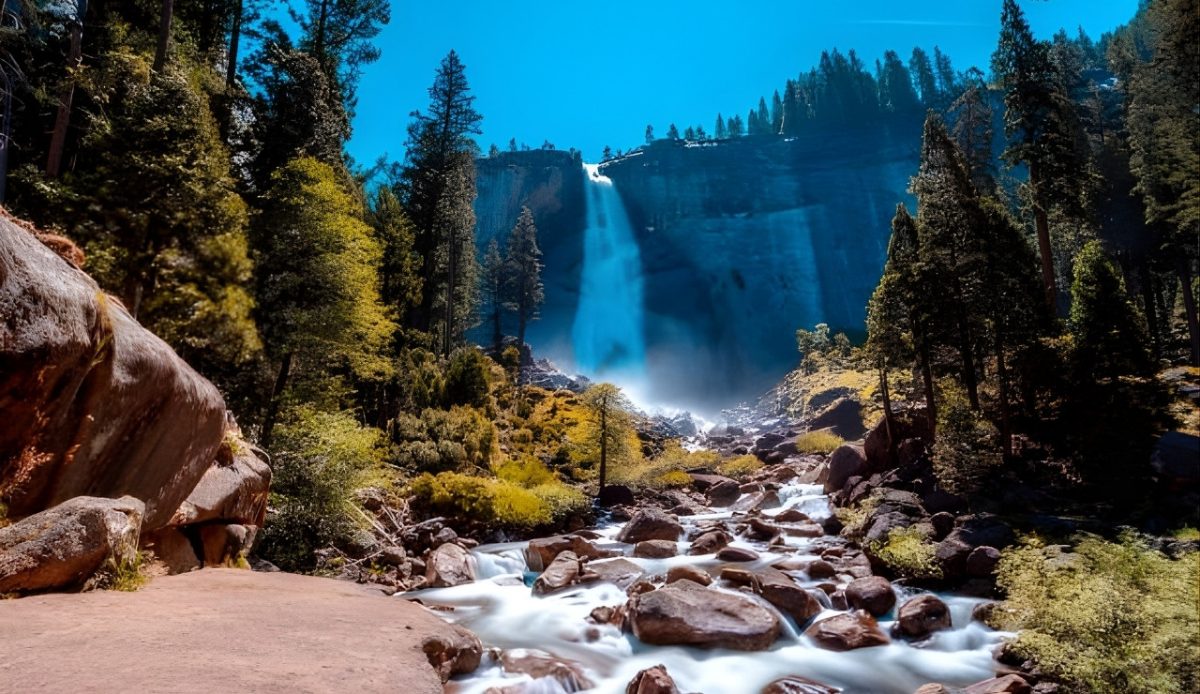
Yosemite works well by train because the last leg is a named connection, not a guess. Ride the San Joaquins to Merced, then board the YARTS bus that continues into Yosemite Valley. Tickets are sold in a way that links the train and bus, which helps align departure times. Once inside the valley, the local shuttle system can handle most movement between trailheads, lodging, and visitor areas. In winter, fewer runs may be offered, so day of week planning matters. If staying overnight, reservations for lodging or campgrounds may be required, and food stops should be planned around bus arrival windows.
3. Grand Canyon National Park
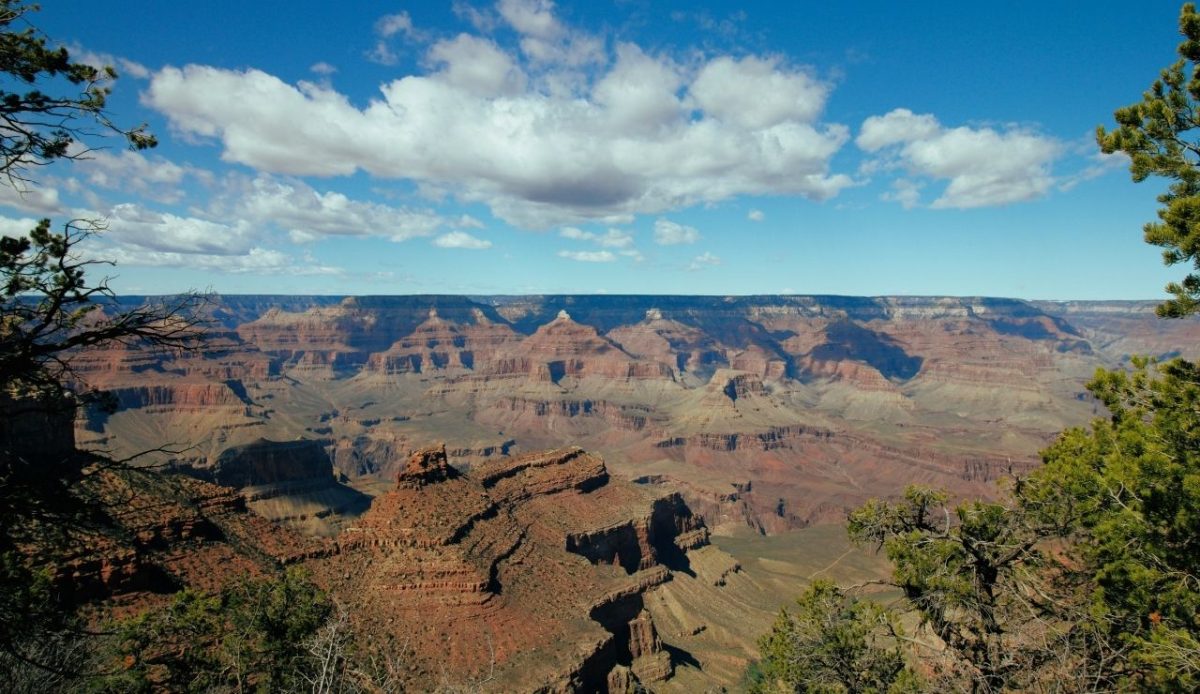
Grand Canyon access by Amtrak is easiest when the trip is routed through Williams, Arizona. Take the Southwest Chief, connect to the Grand Canyon Railway, and arrive at the South Rim without driving. The railway schedule is built for visitors, and baggage handling is straightforward. After arrival, park shuttles and paved rim paths make it possible to reach viewpoints and visitor centers with minimal climbing. Because services run on set timetables, overnight plans should match the train days. A Flagstaff stop can also be used with onward ground transport, but Williams keeps the chain simpler for most travelers.
4. Rocky Mountain National Park
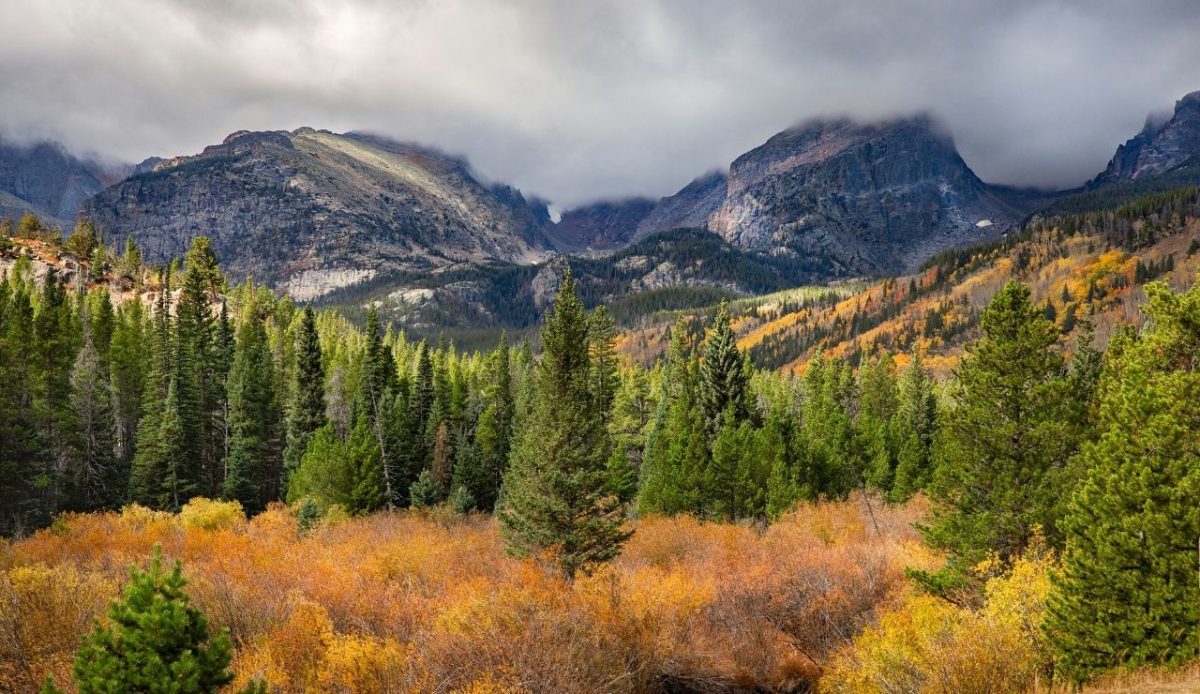
Rocky Mountain National Park is reachable by pairing the rail with Colorado’s state transit. Amtrak arrives at Denver Union Station, where travelers can catch the seasonal Bustang service to Estes Park. That route is intended to reduce congestion, and it places riders near common entry points and trail access. Because the bus runs mainly in peak months, travel dates should be chosen carefully, and seats may need to be booked. Once in Estes, short local rides or walks can bridge the remaining distance. Timed entry rules and parking limits can still affect plans, but a transit-based arrival avoids the hardest part of the traffic.
5. Sequoia and Kings Canyon National Parks
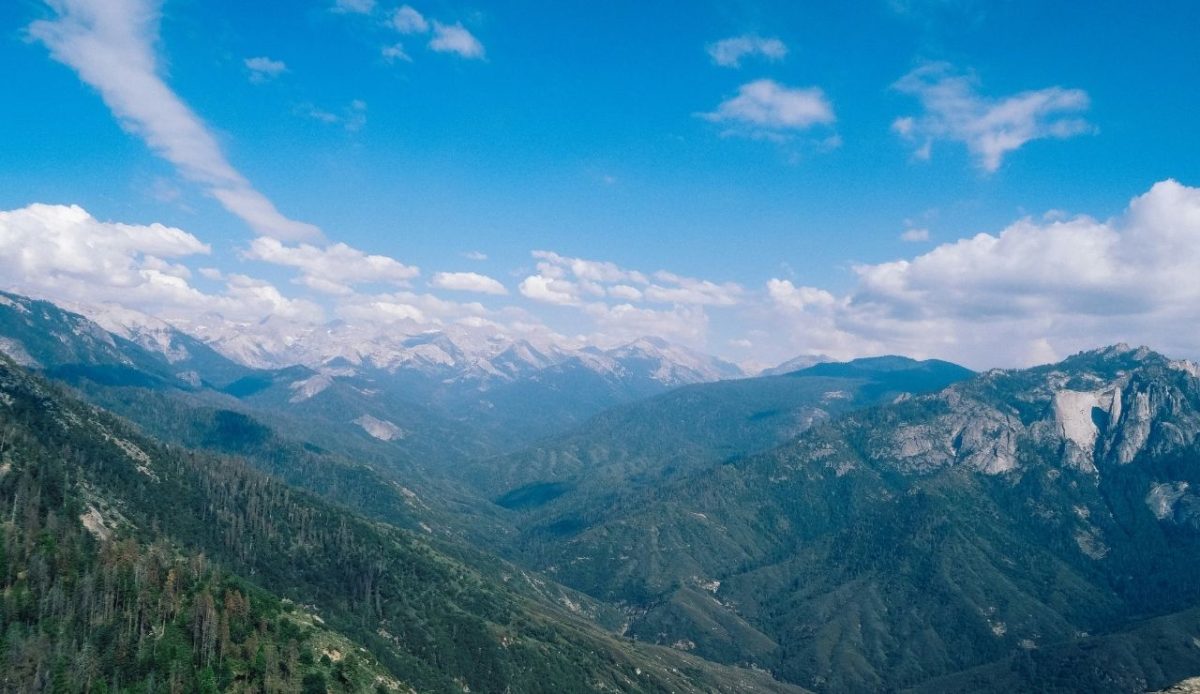
Sequoia and Kings Canyon can be done car-free, but the timing has to be treated like a small itinerary. Arrive by Amtrak at Fresno or Hanford, continue by bus to Visalia, then use the Sequoia Shuttle when it is operating. This route is described for visitors who arrive without vehicles, and it reaches key areas along the Generals Highway. Service is seasonal and limited, so missed connections can be costly in time. Plan lodging around shuttle stops and carry food and water between transfers. In shoulder seasons, snow or road conditions may change access, so park alerts should be reviewed before departure.
6. Cuyahoga Valley National Park
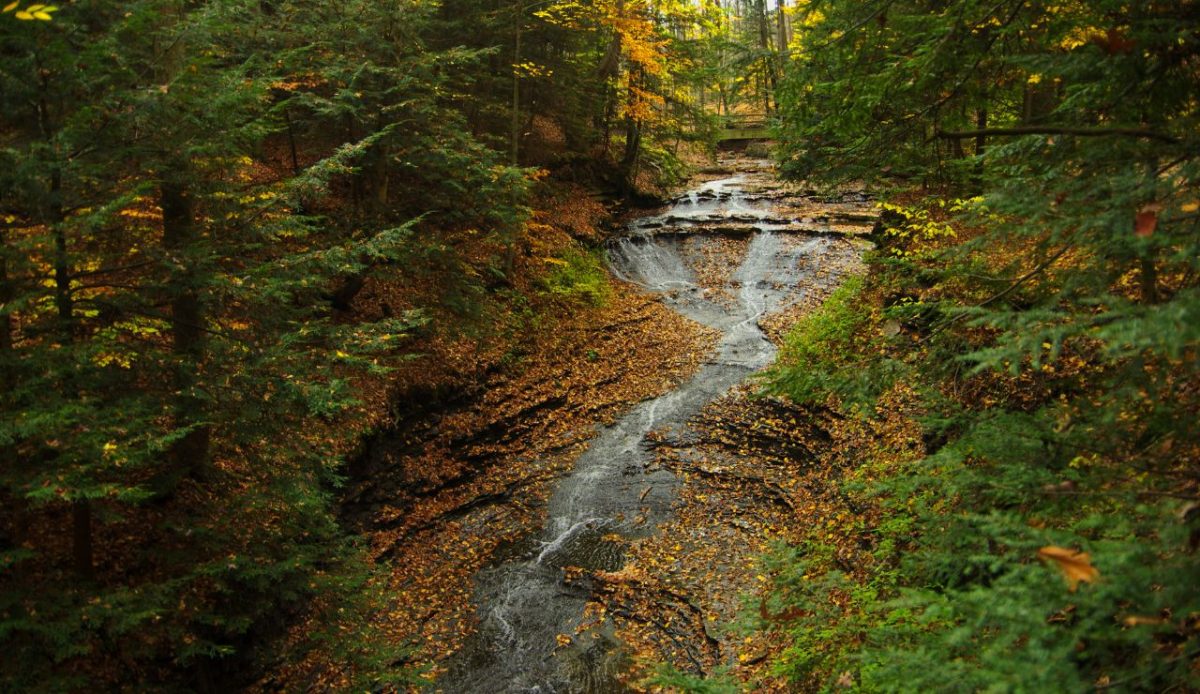
Cuyahoga Valley is a strong train option because it sits inside a metro area with regular transit. Amtrak brings riders to central Cleveland, and from there, regional buses can reach the north end near common trailheads. The park also has a scenic railroad, but it is primarily a visitor experience rather than an intercity connector. For a practical day trip, pick one zone, such as Brandywine Falls or the Towpath Trail, and route transit accordingly. Expect some walking from stops to sites. If schedules do not line up, a short rideshare can close the gap, but the core trip can still be handled by rail and public buses.
7. New River Gorge National Park and Preserve
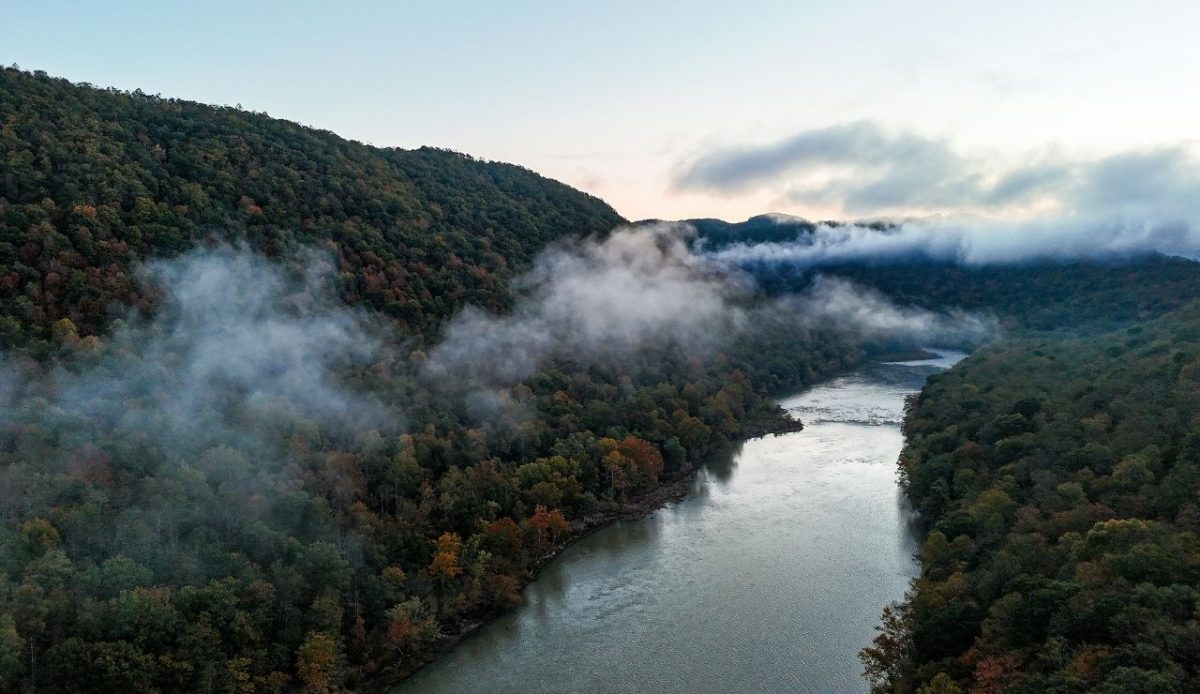
New River Gorge is unusual because an Amtrak long-distance route reaches communities inside the park area. The Cardinal stops at Hinton and Prince, and Thurmond can be served as a reservation stop, putting riders near river access and historic sites. Service is not daily, so the calendar must be checked before committing to lodging. Once off the train, local movement is harder than in urban parks, so plans should focus on one hub at a time. Guided trips can be arranged from nearby towns when needed. Bring offline maps and confirm pickup points, since some areas have limited coverage and facilities may be sparse.
8. Channel Islands National Park
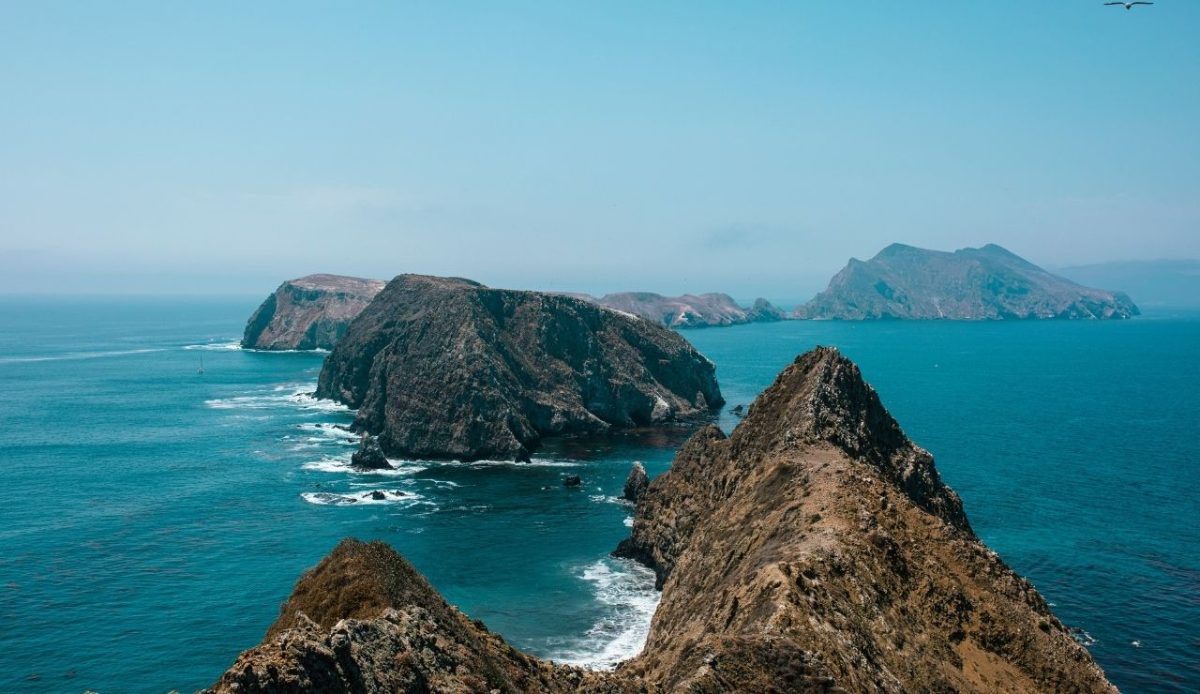
Channel Islands require a ferry, but the mainland approach can still be done without a car. Use Amtrak to reach the Ventura area, then take local buses or a short taxi ride to Ventura Harbor, where official ferries depart. The visitor center is located at the harbor, so permits, trip briefings, and gear checks can be handled before boarding. On the islands, services are limited, and many visits are day trips, so food, water, and layers should be packed in advance. Return times should be built around the boat schedule, not the train. A buffer night in Ventura can help if rail delays occur, since late arrivals may miss the last sailing.
