
Black sand beaches are created when volcanic rock meets surf, cools quickly, and is ground into dark grains by waves and wind. Because the material absorbs heat and contrasts sharply with foam and cliffs, the scenery can look almost unreal. These shores also carry clues about nearby eruptions, lava flows, and coastal currents that keep the sand in place. The eight destinations below were chosen because their black sand is widely documented, easy to verify on maps, and tied to clear volcanic sources. Travel plans should account for strong undertows, shifting tides, and local access rules that protect fragile dunes and wildlife.
1. Reynisfjara Beach, Iceland
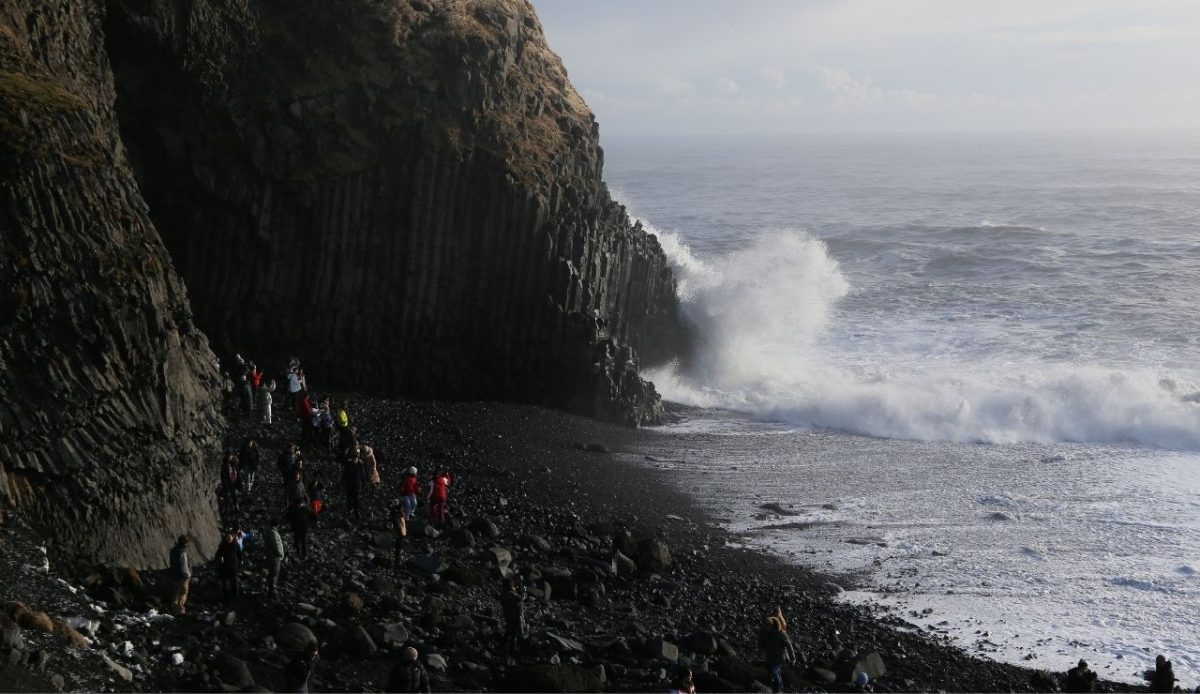
Reynisfjara near Vík on Iceland’s south coast is famous for a pitch-dark shoreline made from eroded basalt. Behind the beach, hexagonal columns rise where lava cooled and cracked into tight patterns, and offshore, the Reynisdrangar stacks stand like spires. Atlantic swells can surge far up the sand, so visitors are warned to stay well back from the waterline. On calm days, the contrast between black grit, white spray, and gray cliffs is sharp enough to photograph without filters. The beach lies within the Katla volcanic zone, and the weather can shift fast, so checking forecasts helps both safety and views.
2. Punaluʻu Black Sand Beach, Hawaii
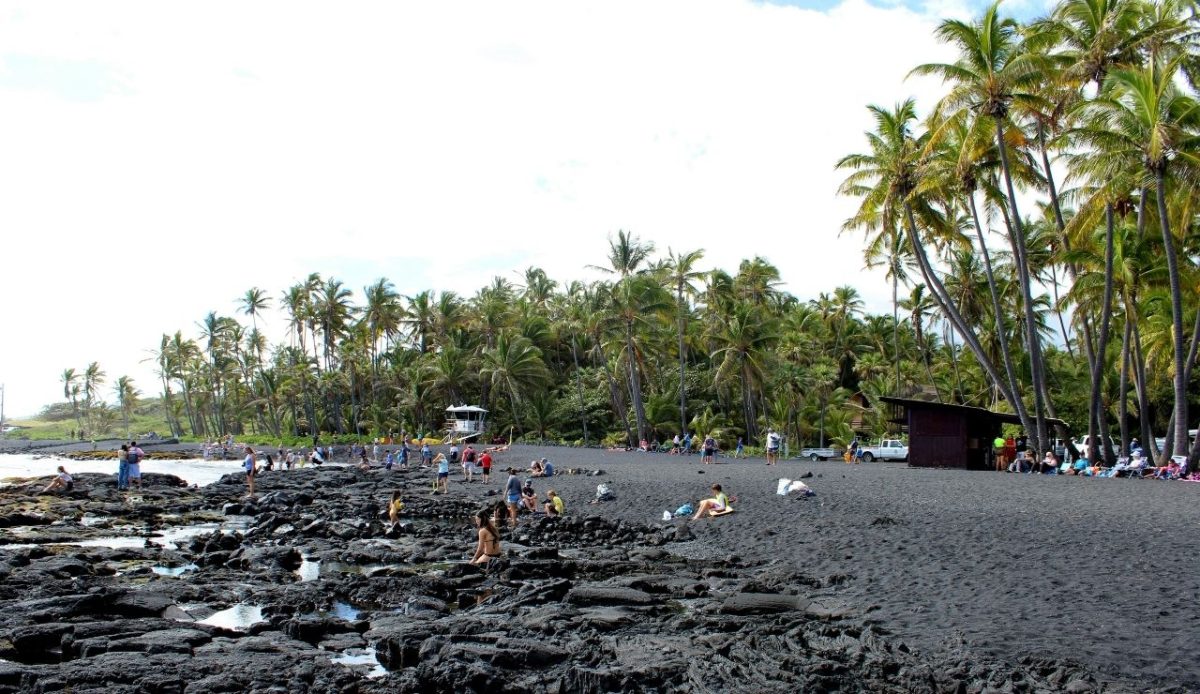
Punaluʻu on Hawaiʻi Island is a widely recognized black sand beach, formed when lava reached the sea and shattered into glassy basalt. Those fragments were rounded into fine grains and arranged along the bay by shifting currents. Green sea turtles often rest on the warm surface, and visitors are expected to keep a generous distance. Nearby lava fields, palms, and bright water create a strong contrast that reads well in photos. Services are minimal, and wet rocks can be slick, so careful footing and basic supplies help. Interpretive signs explain how volcanic sand forms, and the best color appears when the surf is active but the wind is light.
3. Paʻiloa Beach, Maui
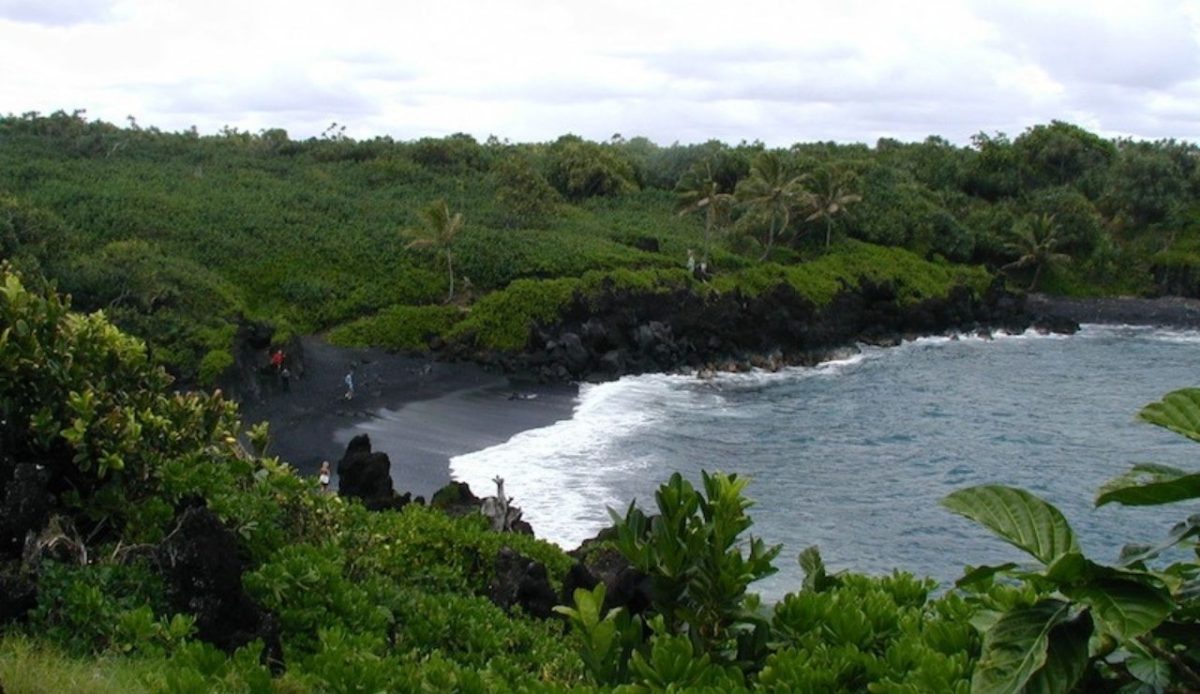
Paʻiloa Beach inside Waiʻānapanapa State Park on Maui is situated in a small cove framed by lava rock and sea caves. The sand is dark because it comes from basalt that cooled quickly and later broke down under wave action. A short coastal trail links the beach to blowholes and natural arches, so the scenery changes within minutes of walking. Because access is managed through timed entry, planning can reduce crowds and give more space for pictures. Tides can cover much of the sand, so arriving at mid to low tide reveals the widest shoreline. Wind and spray can be intense, so protecting cameras and skin makes the stop more comfortable.
4. Playa Jardín, Tenerife
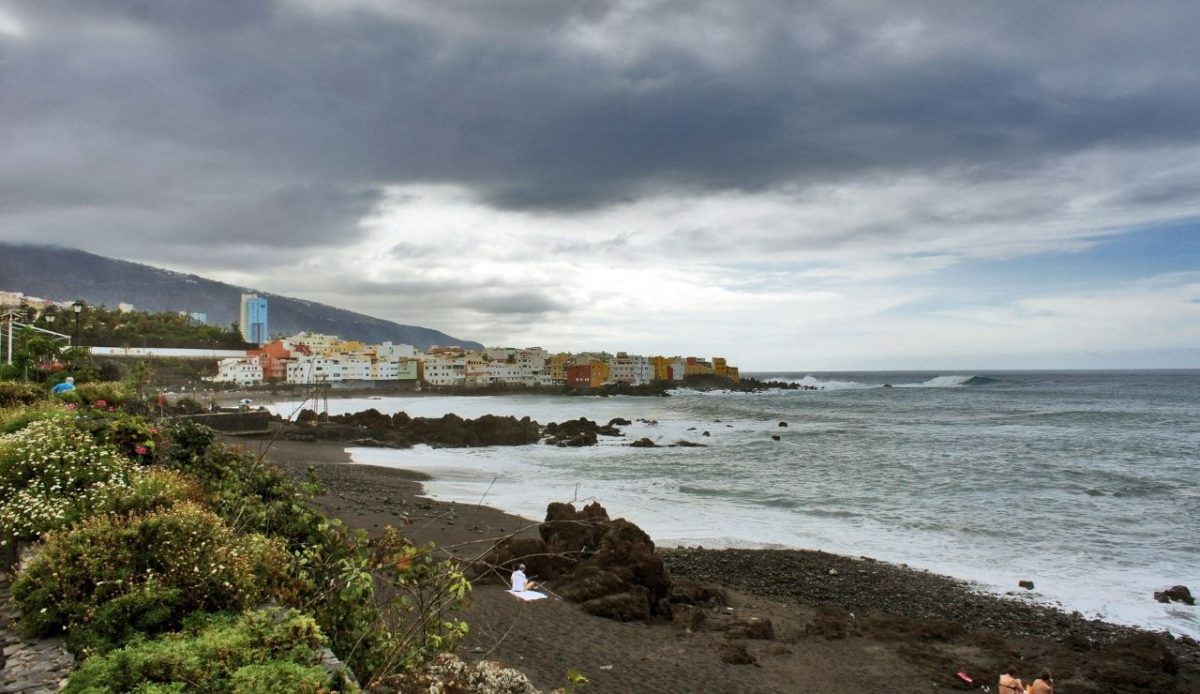
Playa Jardín in Puerto de la Cruz shows how black sand can work in a busy town without losing its volcanic character. The shoreline is naturally dark, sourced from Tenerife’s basaltic terrain, while promenades and planted gardens were added to shape a usable public beach. Mount Teide is often visible on clearer days, giving context to the island’s volcanic backbone. Wave conditions vary with Atlantic weather, and swimming flags are posted when currents strengthen. Early morning visits bring softer light on the sand and more room to notice how the black grains heat up faster than nearby stone paths.
5. Perissa Beach, Santorini
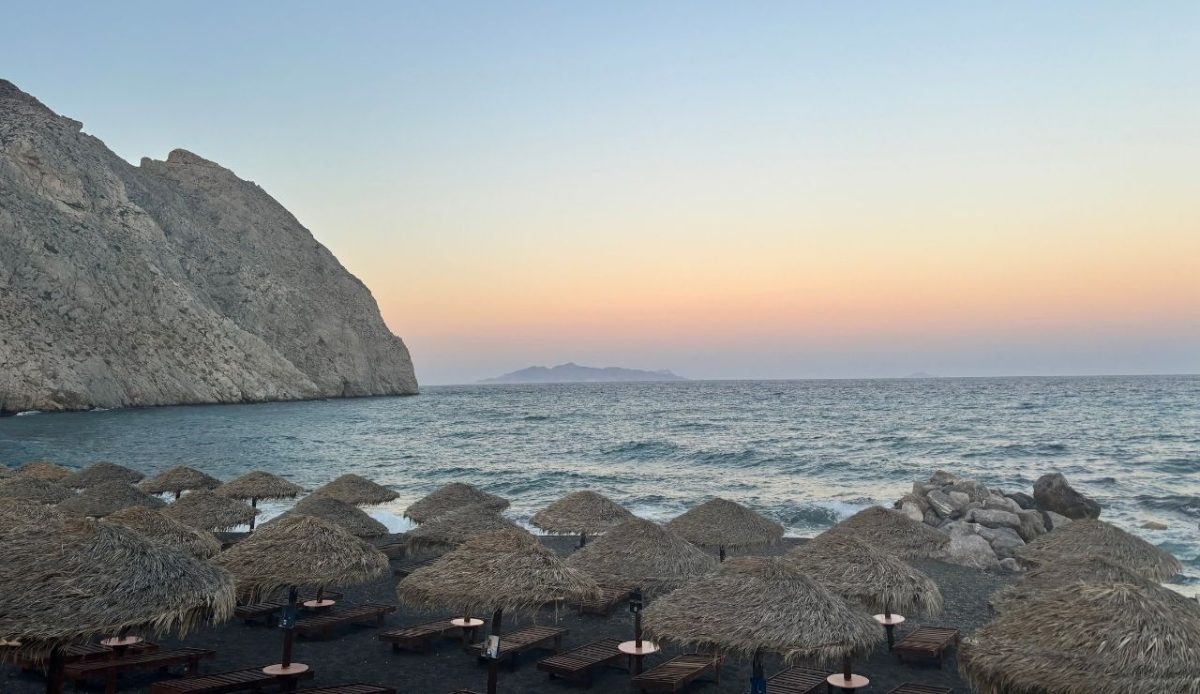
Perissa on Santorini’s southeast coast offers a long stretch of dark sand and small pebbles created from iron-rich volcanic deposits. Unlike the caldera rim, the beach is broad and level, so travelers can combine geology with an easy shoreline walk. Clear water makes the color shift visible, from near black at the dry edge to deep green where waves roll in. Beach services are common, yet the volcanic surface still feels gritty underfoot, especially away from the busiest entrances. Late afternoon light warms the cliffs behind town and can make the sand look almost metallic without any editing. Even in winter, it stays striking.
6. Piha Beach, New Zealand
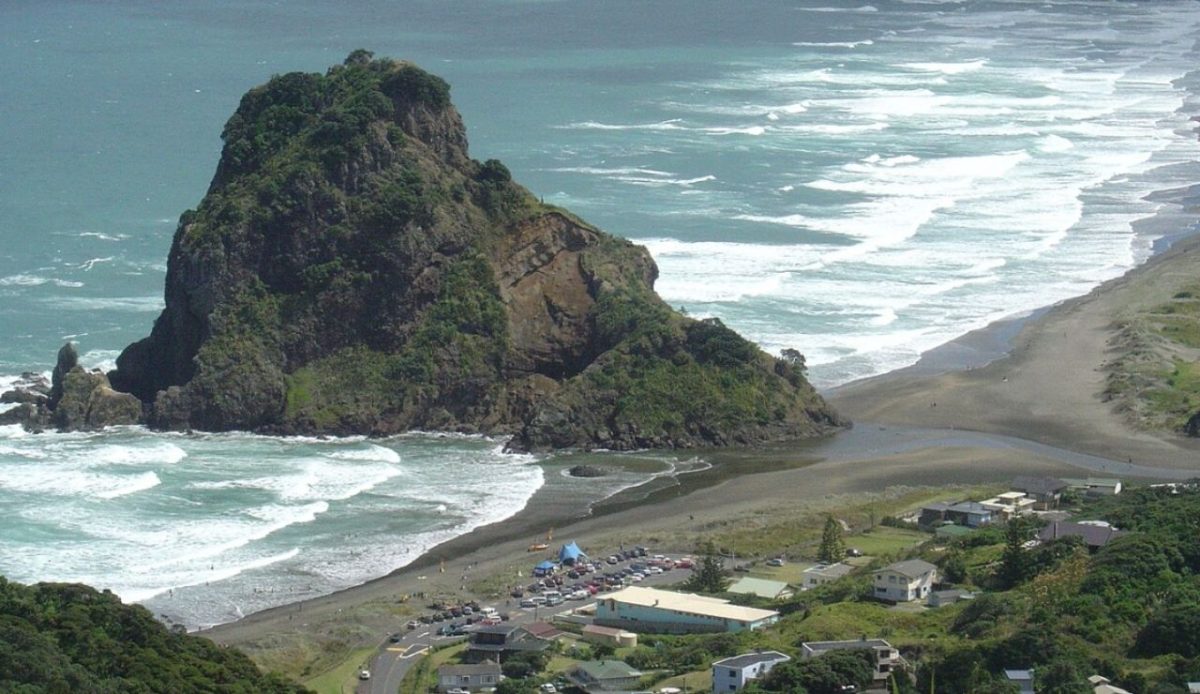
Piha Beach on New Zealand’s west coast, about an hour from central Auckland, is known for black iron sand and powerful surf. The dark grains come from volcanic rock that eroded inland and was carried seaward, then sorted by longshore currents. Lion Rock rises between the two main stretches, acting as a landmark and a reminder of the area’s volcanic past. Rip currents are common, so swimming is safest near lifeguarded zones during patrol season. From headland tracks, the shoreline looks ink colored, and sunset can turn wet sand into a reflective mirror. Grains may cling to skin due to magnetite.
7. Playa Negra, Costa Rica
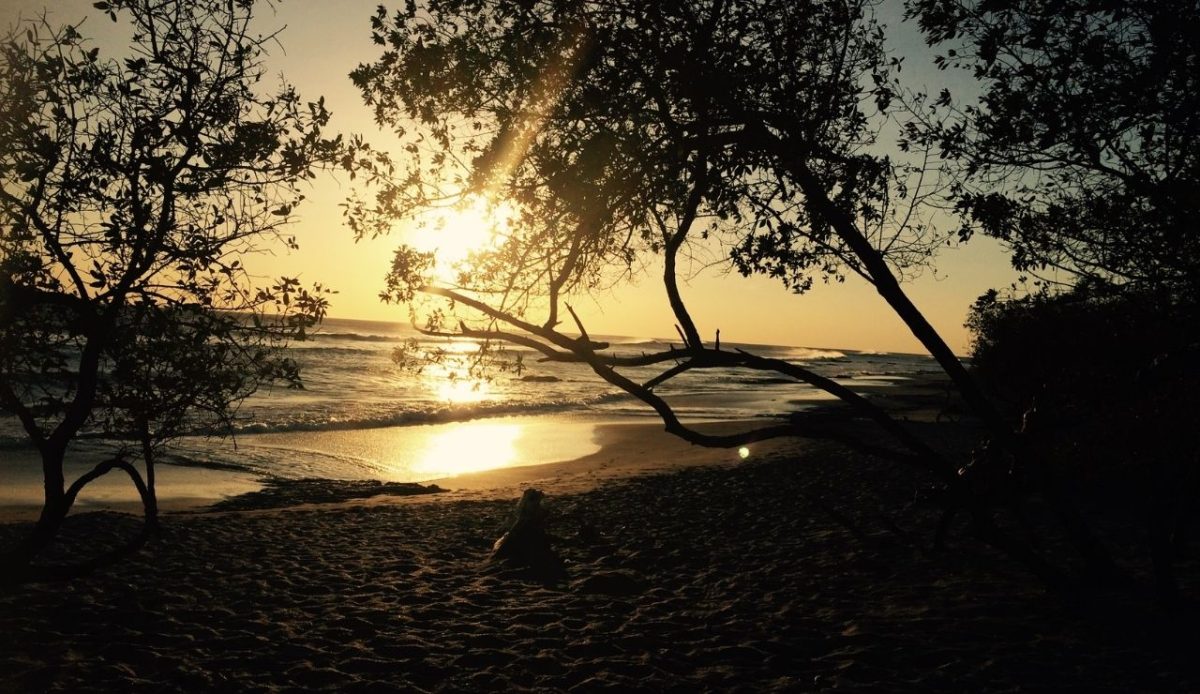
Playa Negra in Guanacaste, Costa Rica, is named for its dark volcanic sand that stands out against bright tropical water. The beach is best known for surf breaks that form over rock shelves, so tide timing matters for both scenery and safety. At low tide, pools and exposed stones add texture, while high tide narrows the walking area and brings waves close to the treeline. Road access is easier in the dry season, yet the coast can still feel quiet compared with nearby resort corridors. Sunrise often produces the most dramatic contrast, with warm light skimming across the black surface. Closed-toe shoes help on sharp rocks.
8. Lovina Beach, Bali

Lovina Beach on Bali’s north coast has dark sand that comes from volcanic rock weathered and carried down to the sea. Instead of steep headlands, the shoreline is gentle, and the water is usually calmer, so the black sand pairs with easy wading. Traditional fishing boats add color against the dark ground, especially at dawn when the surface is smooth. Nearby hot springs and inland crater views give context for the processes that produced the sand. Many visitors wear sandals because midday heat can rise quickly on dark grains, and shade is limited outside café areas. Small boats often depart before sunrise for dolphin spotting.
