
Certain Southern hotels draw visitors for reasons beyond comfort because their histories were recorded in court files, newspapers, renovation notes, and staff lore. The buildings below are not random haunted picks. Each has a specific past that can be traced, plus a steady fan culture built around particular rooms, tours, or long-repeated stories. Some details are disputed, and legends can grow, yet the underlying events are real enough to keep curiosity alive. This list focuses on properties where the unease is part of the address, not a seasonal stunt. Travelers often come to compare what they read with what they feel on site.
1. 1886 Crescent Hotel and Spa, Eureka Springs, Arkansas
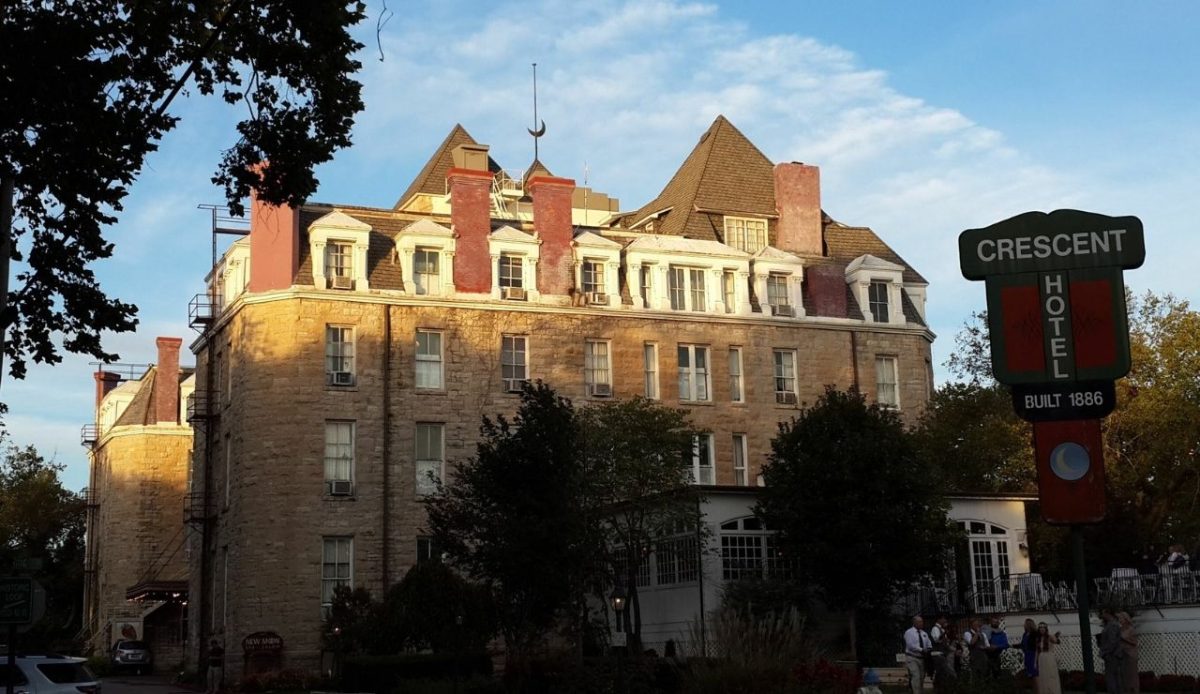
1886 Crescent Hotel and Spa in Eureka Springs, Arkansas, carries a documented scandal from the 1930s, when radio promoter Norman Baker ran a fake cancer hospital there. Patients were treated with useless methods, and deaths were reported; the episode has been preserved through exhibits and archival material. Visitors book it for the uneasy blend of health fraud and Victorian resort glamour. Hallway footsteps, voices, and elevator oddities are described in many accounts, but the strongest pull is the verified Baker chapter that made the building infamous. That history is what keeps repeat guests returning.
2. Hotel Monteleone, New Orleans, Louisiana
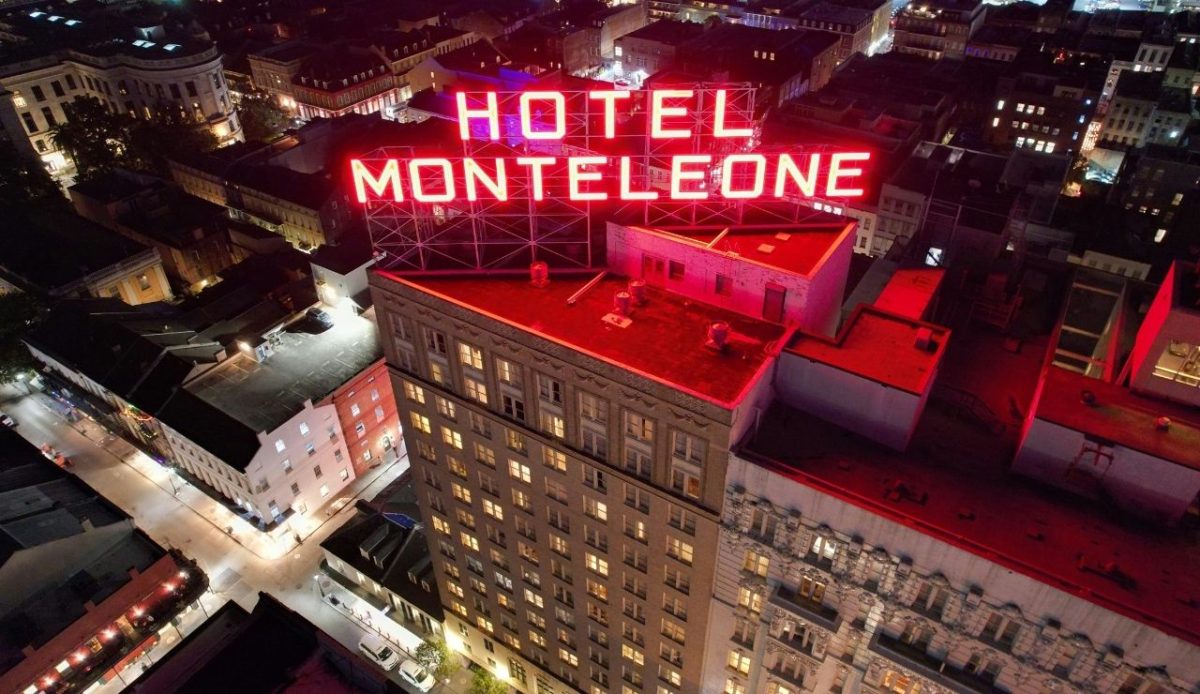
Hotel Monteleone in New Orleans, Louisiana, has operated for generations in the French Quarter and has become known as a home base for writers, performers, and long-term residents. Its haunted reputation was built slowly through staff testimony and local storytelling tied to recurring figures, including reports of children on upper floors and familiar faces in mirrors. Because the property never had to invent a backstory, the vibe feels lived in rather than staged. Many guests come for the Carousel Bar, then stay to hunt for the same details that others have logged. Room choices are often made by number, not by rumor.
3. Omni Grove Park Inn, Asheville, North Carolina
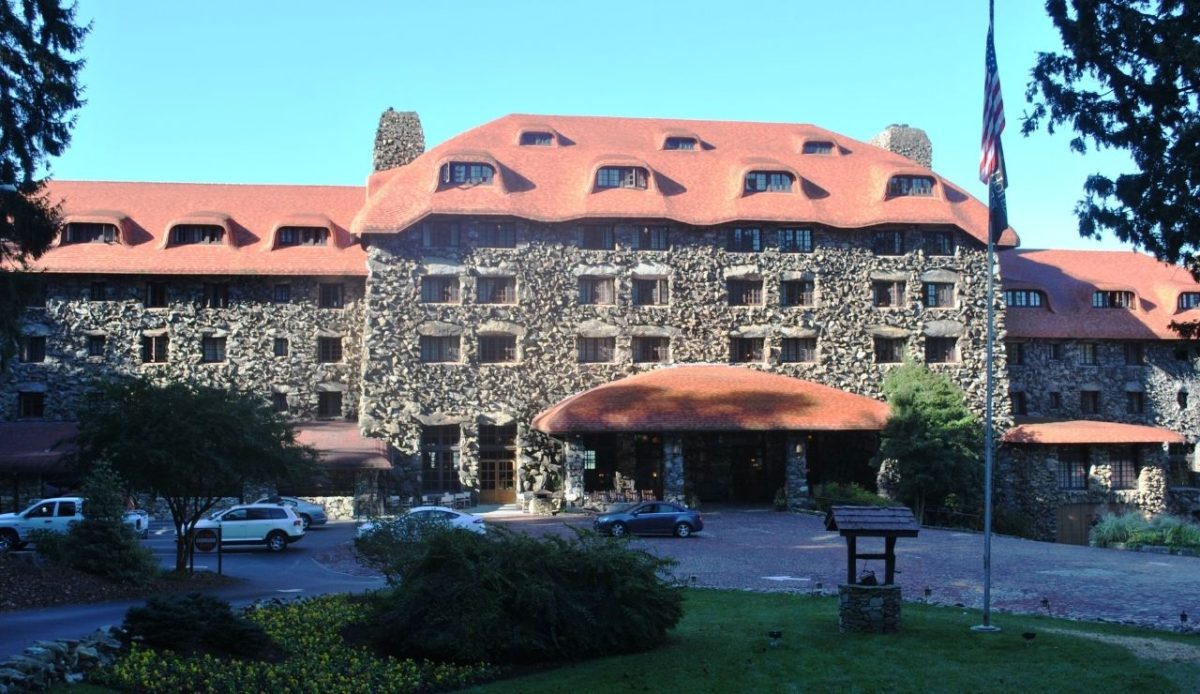
Omni Grove Park Inn in Asheville, North Carolina, opened in 1913 and gained a lasting legend about the Pink Lady, a figure linked to a fatal fall from an upper level. Across decades, similar descriptions were repeated by employees and visitors, which helped the story persist without needing a themed attraction. People who know the tale often ask for the area associated with the sightings, and some report a soft scent of perfume or a shadow near doorways. The appeal comes from continuity, since the narrative has stayed consistent over time. That steadiness has turned curiosity into a loyal tradition for many guests.
4. The Read House, Chattanooga, Tennessee
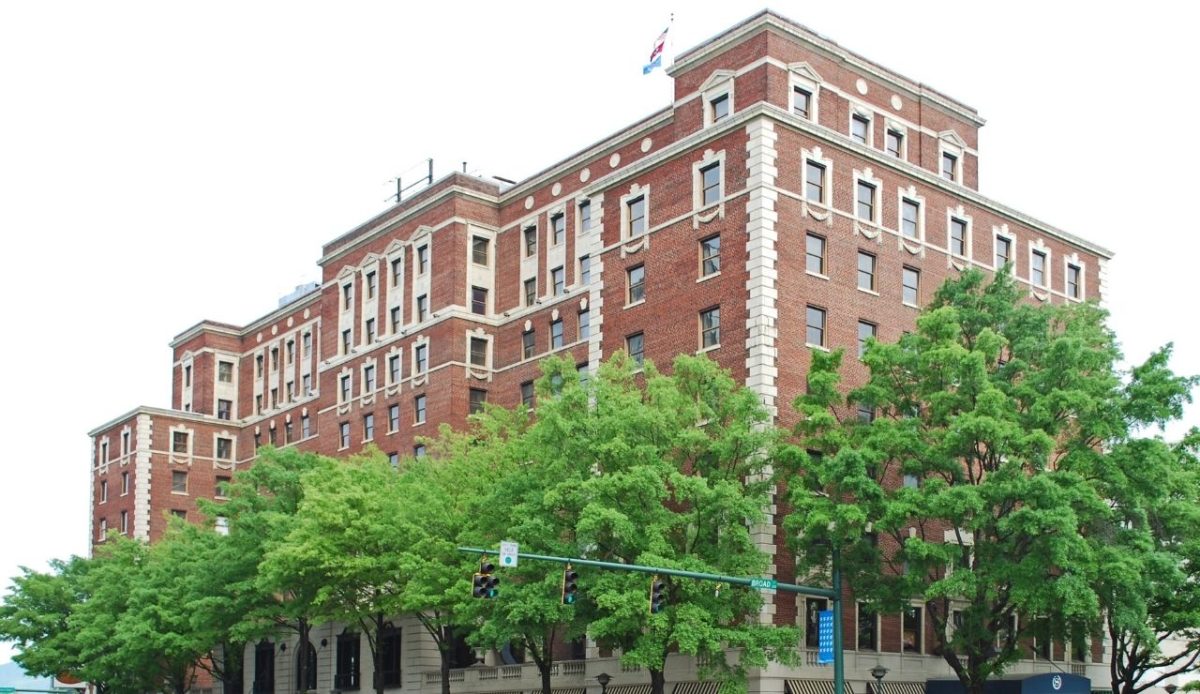
The Read House in Chattanooga, Tennessee, is most associated with Room 311, a suite linked in popular retellings to a violent death involving a past guest. Old coverage and staff recollections kept the story alive, and the room became the focus instead of the whole building. Travelers chasinga true crime history book on purpose to sleep behind that door. Reports include taps on windows, lights switching without touch, and a sense of being watched in the bathroom. Whether paranormal or not, the fixed room narrative fuels the cult following. Many visitors also tour the lobby displays to connect dates with places.
5. Grand Galvez, Galveston, Texas
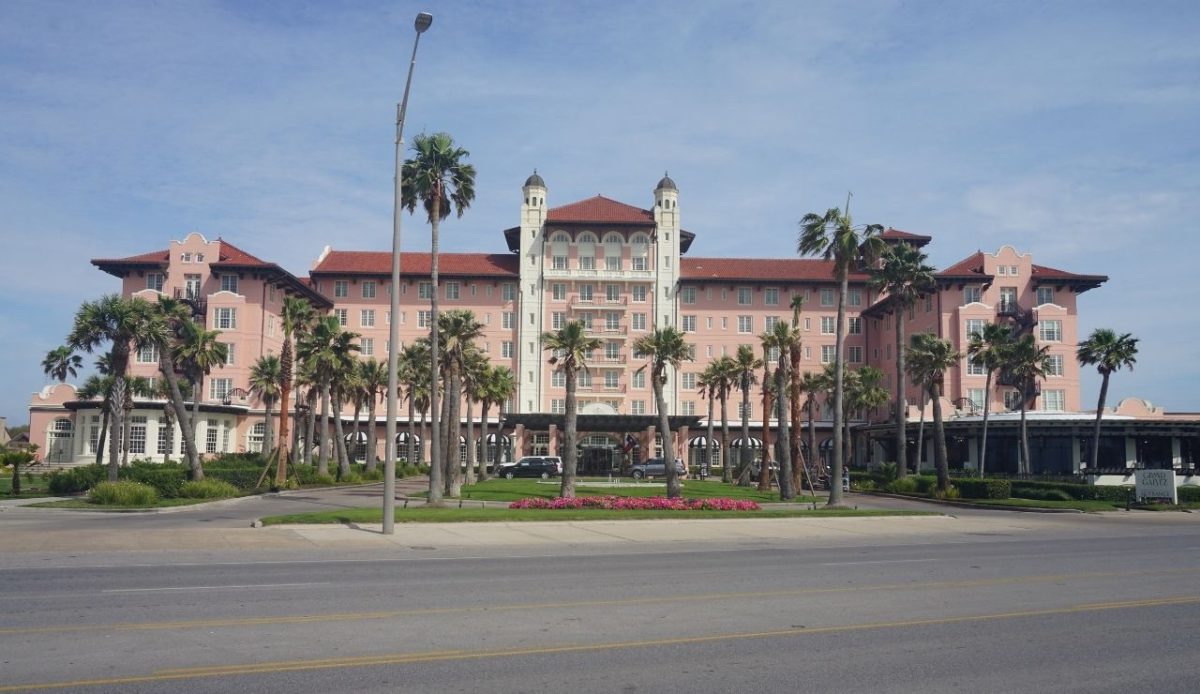
Grand Galvez in Galveston, Texas, was built as a showpiece after the 1900 hurricane and later served military needs during World War II. Its signature ghost story centers on a bride figure linked to Room 501, a tale that is repeated in tours and guest journals. The building’s scale, long corridors, and Gulf weather set a mood that is hard to ignore. Guests mention doors that latch on their own and voices in empty hallways, while historians point to the hotel’s role in recovery and wartime travel as the true backbone of its mystique. The legend is kept alive because it is attached to a precise room and era.
6. The Myrtles Plantation, St. Francisville, Louisiana
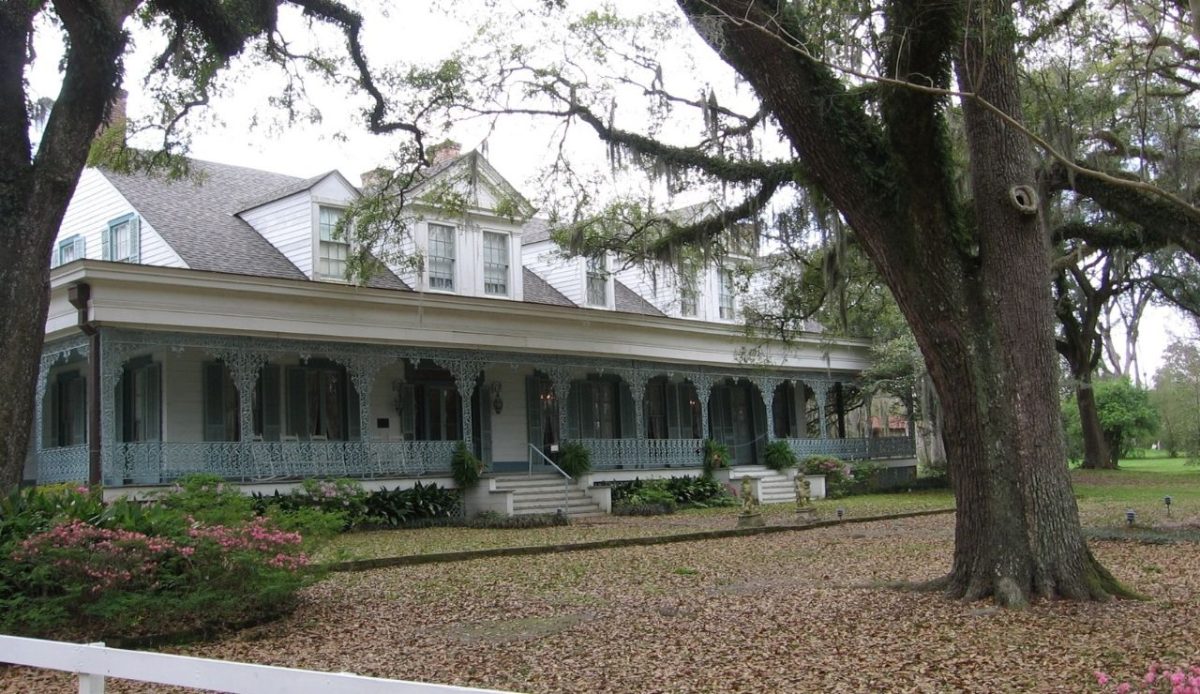
The Myrtles Plantation in St. Francisville, Louisiana, operates as a lodging property with a reputation built on plantation era history and a thick layer of legends. Accounts tied to enslaved people, former owners, and reported deaths are used in guided walks, and the stories have circulated nationally for decades. Guests arrive expecting a specific mood, and that expectation is reinforced by the old house layout, creaking stairs, and candlelit tours. Reports of a woman in period dress and unexplained photos are common in the visitor culture, yet the draw is how the site frames everyday life and violence from its documented past.
7. The Driskill, Austin, Texas
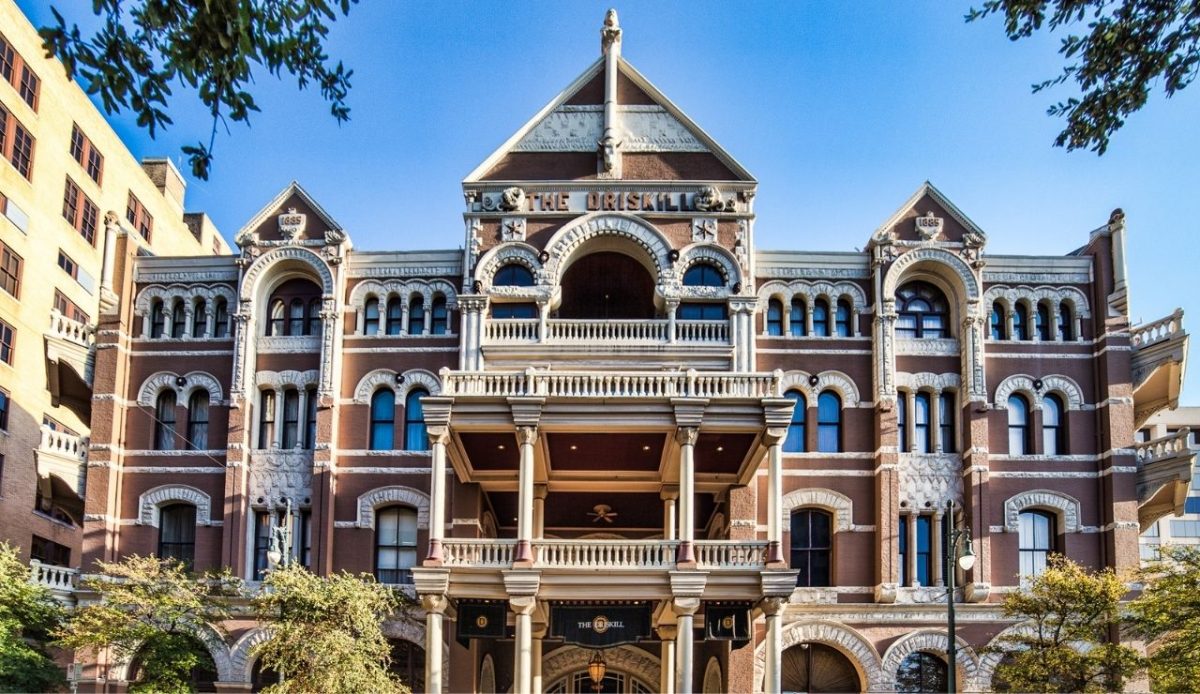
The Driskill in Austin, Texas, opened in 1886 and quickly became tied to politics, wealth, and personal tragedy in the city’s early public life. Stories of suicides, a child on the grand staircase, and lingering former residents have been repeated by staff for years, and they remain part of what visitors come to test. The hotel’s bar culture adds to the cult factor, since people swap experiences late into the night. Guests report flickering lights and distant laughter in quiet halls, while others point to the building’s long residence history as the reason it feels unusually intimate. Tours and podcasts keep the stories in rotation.
8. Mills House, Charleston, South Carolina
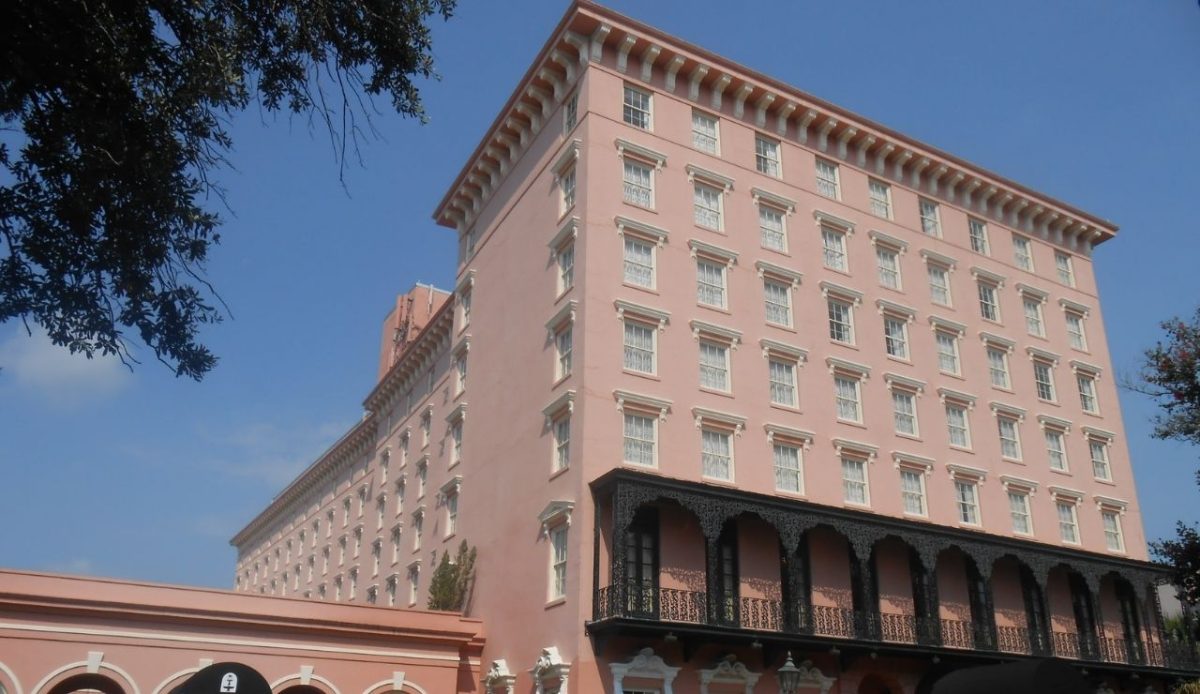
Mills House in Charleston, South Carolina, has nineteenth-century roots and survived periods marked by fire, epidemics, and citywide loss. Its ghost tales have been collected by preservation-focused groups, which gives the lore a paper trail that many travelers trust. Reports often mention a woman in a long dress, shifting shadows on stair landings, and sudden temperature drops in specific corridors. Because Charleston’s history includes repeated disease outbreaks and mass burials, the setting adds weight to the stories. Visitors who want a refined stay with a darker edge often place it high on their list.
