
Small-city airports are having a rough 2026. When a single carrier pulls a route or an Essential Air Service deal wobbles, the whole terminal can go quiet almost overnight.
Below are eight U.S. airports where scheduled commercial flying has ended, paused, or is under active threat this year, usually because the math (loads, subsidies, aircraft availability, or network shifts) stopped working.
For travelers, the impact is real: longer drives, fewer same-day connections, and higher fares once competition disappears. If you rely on one of these fields, watch schedule updates early, and keep the nearest larger airport and ground options as your backup plan.
1. Dubuque Regional Airport (DBQ), Iowa

Dubuque’s airport lost its only daily scheduled passenger service in mid-January 2026, after the city directed its airport commission to end the service agreement with Denver Air Connection.
The termination date was January 15, 2026, cutting the Dubuque–Chicago O’Hare connection that fed travelers into a major hub. Local reporting noted weak ridership and the high cost of keeping the route afloat.
Even the “last flight” story got messy: the final scheduled departure was canceled due to mechanical issues, leaving passengers to scramble by car to bigger airports. For business travel, that’s the hidden cost, lost time and fewer reliable same-day options.
2. Greater Binghamton Airport (BGM), New York

Greater Binghamton Airport faced a full commercial shutdown when Delta said its last flight would run on February 14, 2026, which would have left the region without any scheduled passenger airline.
That kind of one-carrier dependency is common: once the last regional jet goes, the airport isn’t just “missing a route”, it loses the entire scheduled network and many support services tied to it.
State officials later said Delta planned to restart daily service in spring 2026, but the episode shows the fragility: if aircraft or staffing get reassigned, small markets can lose connectivity fast, even after terminal upgrades, marketing, and local investment.
3. Salem Municipal Airport (McNary Field), Oregon
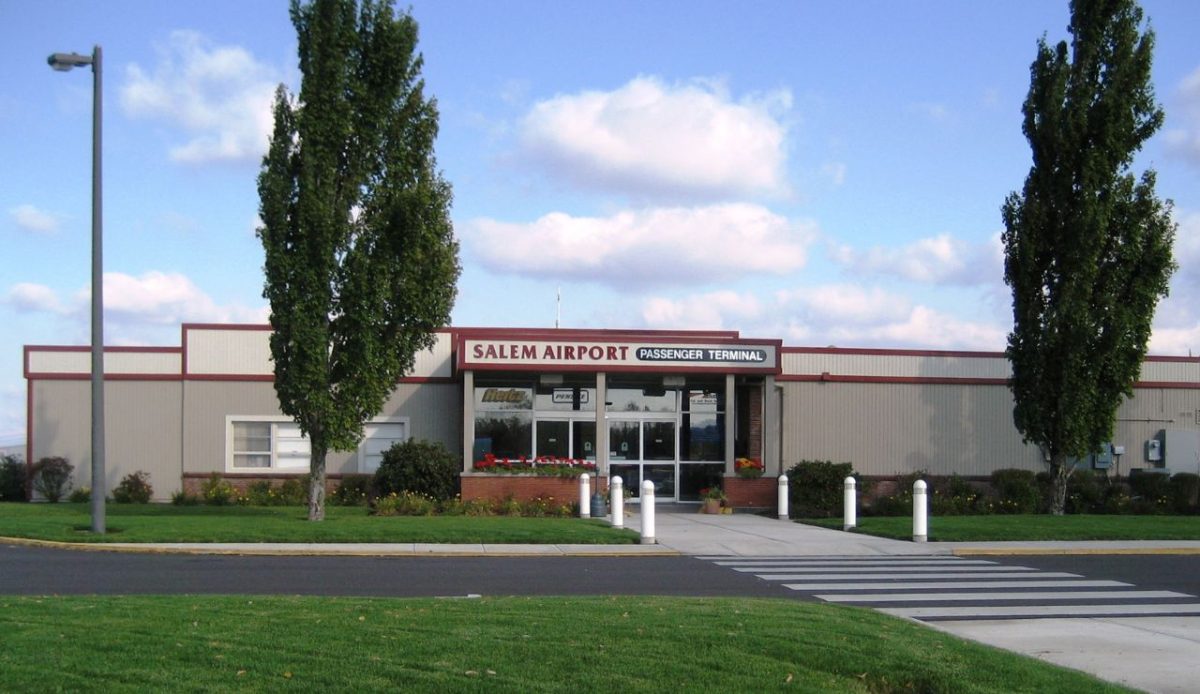
Salem’s McNary Field is a cautionary tale of what happens when a small airport loses its only carrier and can’t quickly replace it. After Avelo ended Salem service, TSA set a deadline tied to maintaining federalized screening.
When no replacement airline materialized, the airport’s commercial setup effectively unraveled, without TSA screening, scheduled passenger flights aren’t realistic, and restarting service becomes a bigger hill to climb.
For travelers, that means Salem becomes a “drive-first” market again, with Portland, Eugene, or other regional airports doing the heavy lifting. It also shows why airports chase dependable frequency, not just splashy route launches.
4. Mid-Ohio Valley Regional Airport (PKB), West Virginia
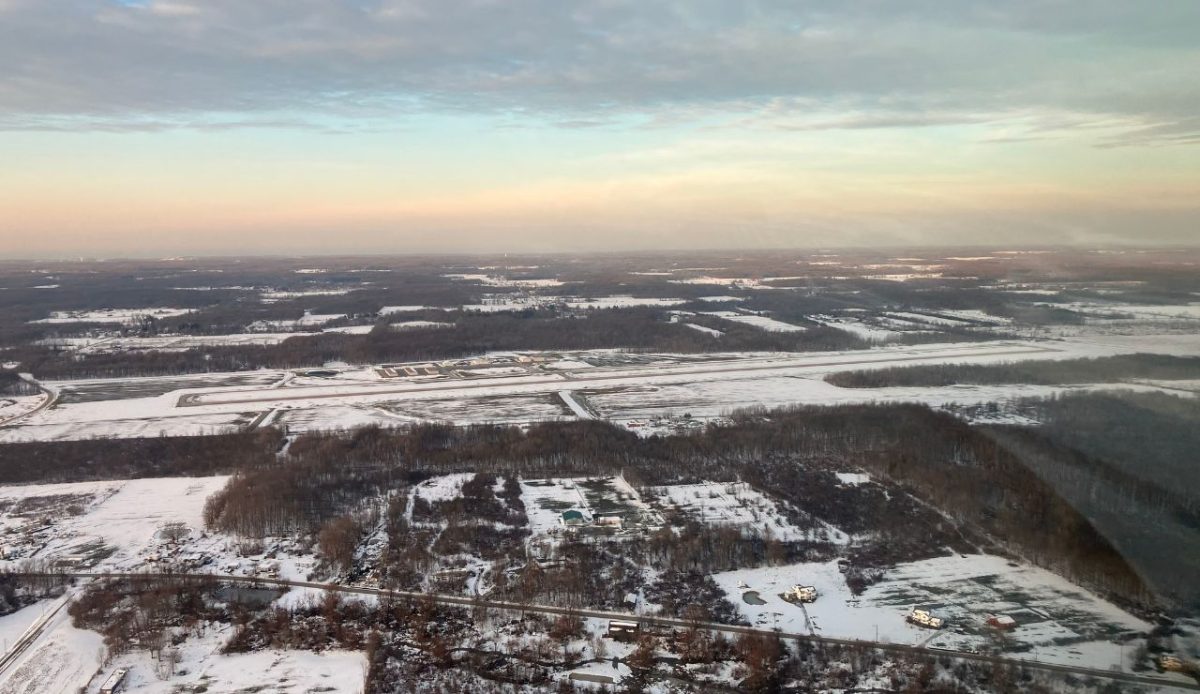
Mid-Ohio Valley Regional Airport (Parkersburg/Williamstown) has been living in contract limbo. After Air Wisconsin withdrew from taking over federally supported service, Contour continued flying under interim arrangements while the route was rebid.
USDOT paperwork and local coverage pointed to a temporary window that ran into 2026, with interim service expected through at least spring 2026 while officials evaluated replacement bids.
The practical risk for passengers is the same as a hard cancellation: schedules can shrink, ticket sales can pause, and connections become unreliable. In markets like this, one administrative decision can turn “I’ll fly out next week” into “I guess we’re driving.”
5. Adirondack Regional Airport (SLK), New York
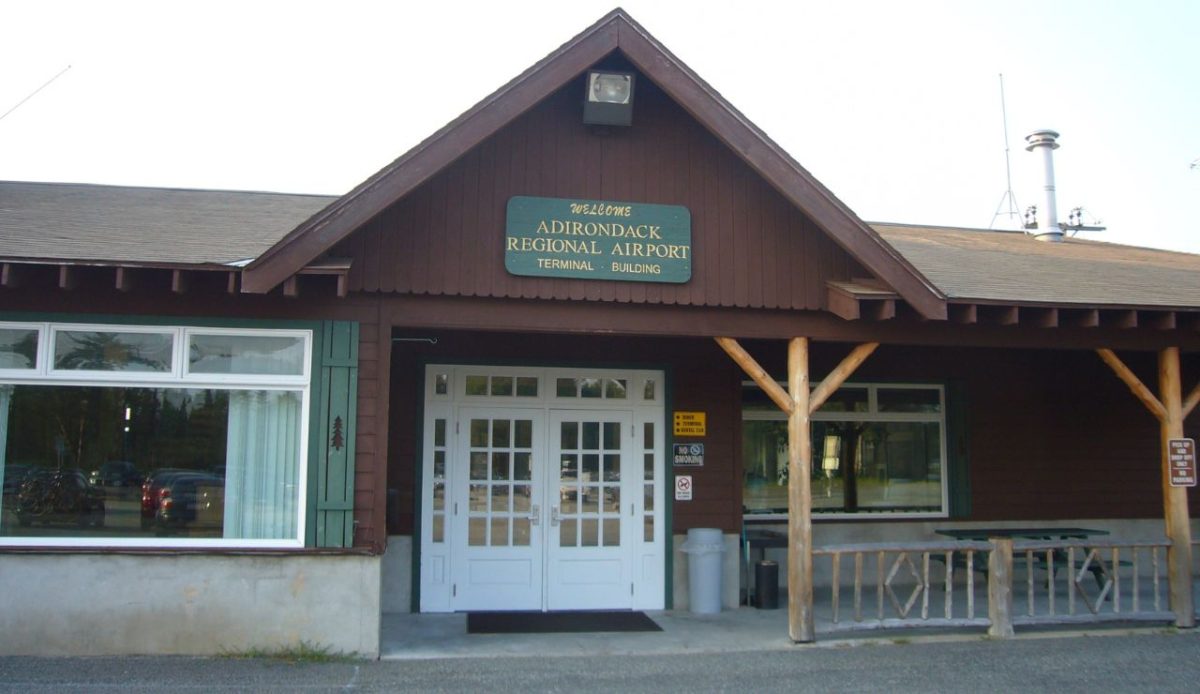
Adirondack Regional Airport in Saranac Lake is one of several North Country New York airports that lean heavily on the federal Essential Air Service program to keep scheduled flights viable.
In early 2026, local and federal leaders publicly pushed to protect and boost EAS funding after the region faced the prospect of major reductions, a reminder that these routes can hinge on budget decisions as much as passenger demand.
Even when flights remain on the board, uncertainty alone can hurt: airlines hesitate to add frequency, travelers stop trusting the schedule, and businesses plan meetings around long drives instead. For a small airport, stability is the real product it’s selling.
6. Eastern Oregon Regional Airport (PDT), Oregon
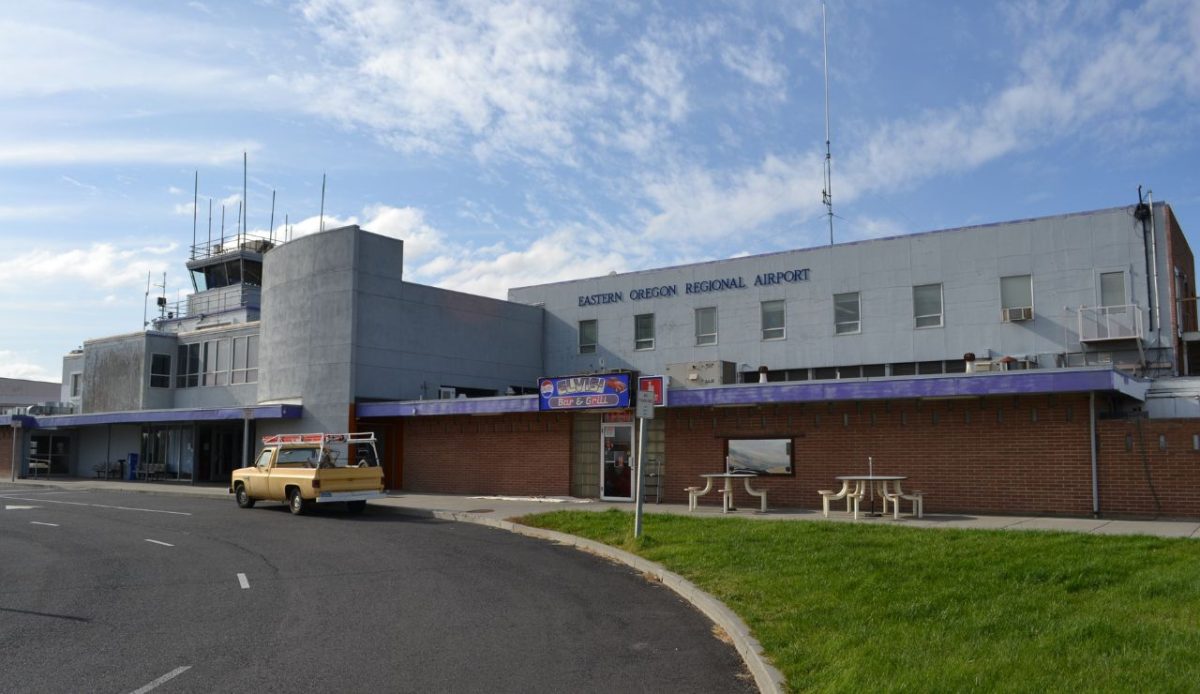
Pendleton Regional Airport in eastern Oregon has something rare: it’s been the only Essential Air Service community flight in the Pacific Northwest, linking Pendleton to Portland on a federally supported schedule.
In February 2026, city leaders voted to change air service providers, arguing that right-sized aircraft and reliable operations are key to protecting the subsidy-backed route and keeping the service from collapsing.
This is the quiet way flights “get lost” in 2026: not a dramatic press conference, just a contract change driven by performance and compliance. If the provider can’t meet metrics or costs spike, the community risks fewer frequencies, or none, until a new deal is in place.
7. Santa Barbara Airport (SBA), California

Santa Barbara Airport is actually adding a lot of flying in 2026, but it’s also a good example of how “network optimization” still takes flights away.
Delta is set to discontinue its nonstop Santa Barbara–Atlanta route effective January 21, 2026, even as other hubs and frequencies expand. For a smaller airport, losing a single hub link can remove dozens of onward one-stop itineraries.
If you used ATL for same-day connections (East Coast, Caribbean, international partners), expect more routing through Salt Lake City, San Francisco, or Chicago depending on airline and season. The airport stays busy, but your specific trip may get longer and pricier.
8. Manchester-Boston Regional Airport (MHT), New Hampshire
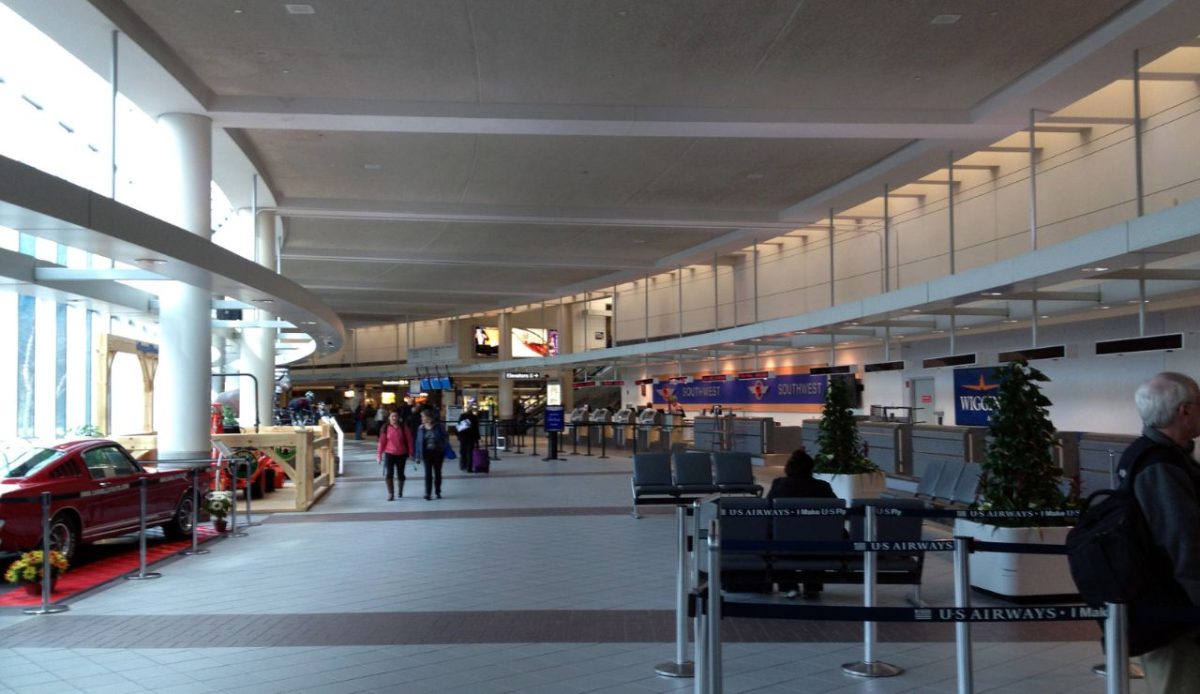
Manchester-Boston Regional Airport in New Hampshire took a hit when Avelo chose to pause service, with the airport noting the latest flight departed on January 5, 2026.
For MHT, the issue isn’t just losing a route, it’s losing an entire low-fare competitor that had been offering nonstop options. Once a carrier pauses, it can take a full season (or longer) to rebuild demand, staffing, and marketing momentum.
Travelers still have Boston Logan as a nearby safety valve, but the whole point of MHT is skipping that drive and congestion. If Avelo’s return depends on finding the “right mix” of aircraft and markets, the gap can last longer than passengers expect.
