
Small tour companies play an important role in local travel economies by offering guided experiences that larger operators often overlook. Many focus on regional tours or niche activities and operate on slim margins that depend on seasonal demand. Rising insurance costs have increasingly challenged these small businesses.
Liability insurance and vehicle coverage have grown more expensive as insurers reassess risk and respond to higher medical and legal costs. For small operators, these increases often arrive with little notice and few alternatives.
This article examines eight small tour companies affected by rising insurance expenses and how higher premiums can disrupt operations or force difficult decisions.
1. Coastal Path Adventures
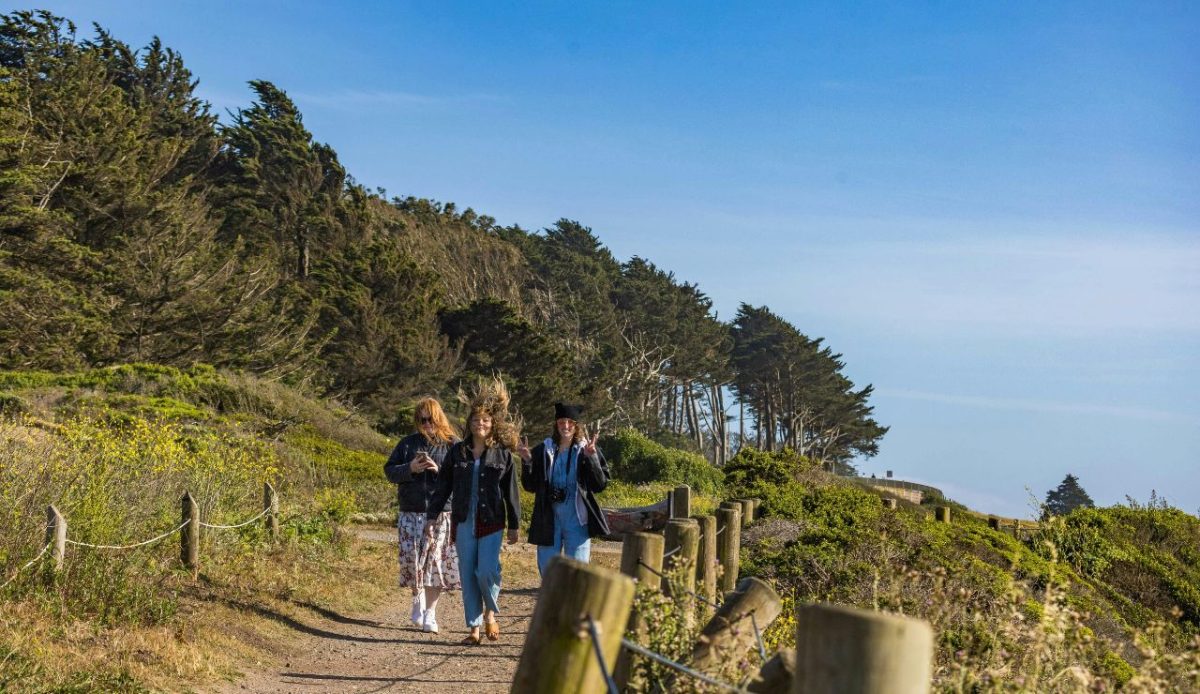
Coastal Path Adventures built its business around guided walking tours along scenic shorelines, attracting visitors interested in slow-paced, educational travel. The company worked with small groups and local guides, keeping overhead low while prioritizing safety and environmental awareness.
Insurance costs began rising as insurers reclassified coastal terrain as higher risk due to erosion and weather exposure. Premium increases affected both liability coverage and guide protection policies, pushing annual expenses beyond original projections.
Unable to pass these costs fully onto customers without reducing demand, the company cut its tour schedule and seasonal staff, leaving a once-flexible operation constrained by insurance-driven pressure.
2. Alpine Ridge Tours
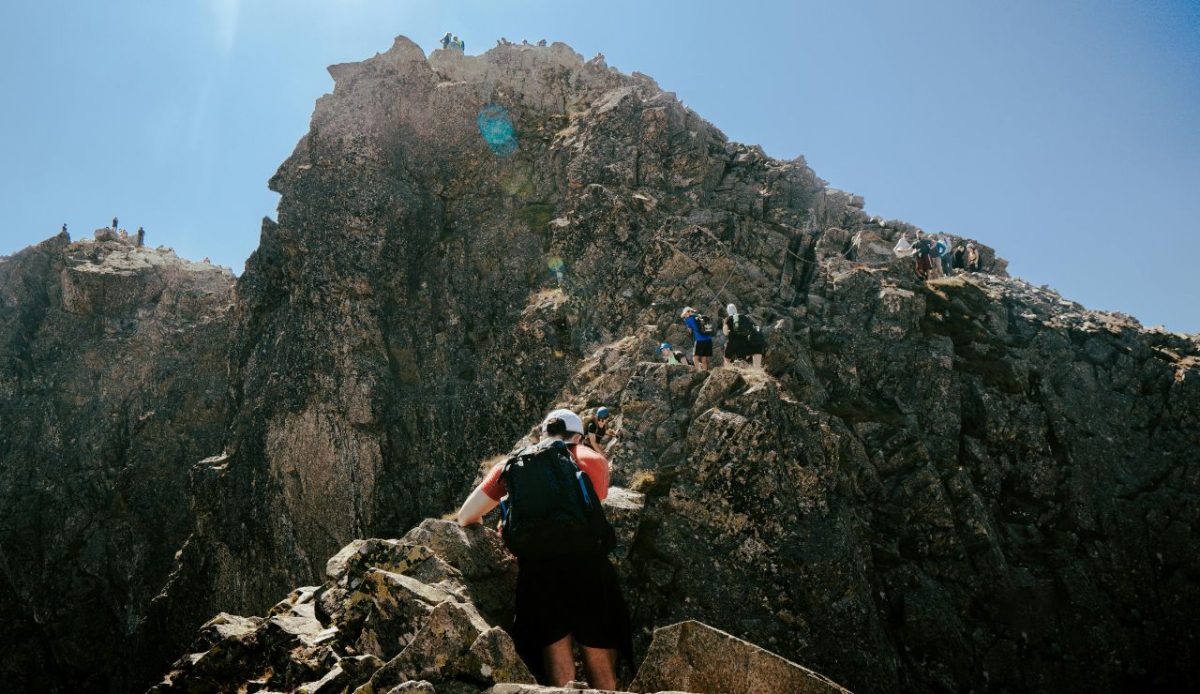
Alpine Ridge Tours specializes in guided hiking and snowshoe trips in mountainous regions. Its offerings attracted outdoor enthusiasts seeking expert-led excursions without the structure of large tour groups or resort-based packages.
As accident claims in adventure tourism increased industry-wide, insurance providers raised premiums for mountain-based operators. Coverage requirements expanded to include higher limits, increasing costs regardless of the company’s strong safety record.
The rising expense forced Alpine Ridge Tours to cancel some routes and shorten operating seasons. Despite steady interest from travelers, insurance pricing became a limiting factor in maintaining its full range of experiences.
3. Riverbend Kayak Co.

Riverbend Kayak Co. offered guided river tours focused on beginner and intermediate paddlers. The company emphasized training, calm-water routes, and certified instructors, which initially helped keep insurance costs manageable.
Over time, insurers grouped all paddling businesses into broader high-risk categories. Premiums rose despite Riverbend’s limited exposure and lack of major incidents, reflecting industry-wide adjustments rather than individual performance.
To remain viable, the company reduced group sizes and eliminated multi-day trips. These changes affected revenue potential and altered the business model that originally set Riverbend apart from competitors.
4. Heritage City Walks

Heritage City Walks provided historical walking tours in urban districts, often viewed as lower risk compared to adventure-based travel. The company relied on knowledgeable guides and predictable routes through public spaces.
Insurance providers began increasing rates due to general liability concerns, including pedestrian accidents and public safety claims. Even without incidents, premiums climbed steadily year after year.
The higher costs limited the company’s ability to expand into new neighborhoods or add evening tours. Insurance expenses became a fixed burden that reduced flexibility in pricing and long-term planning.
5. Desert Sky Jeep Tours
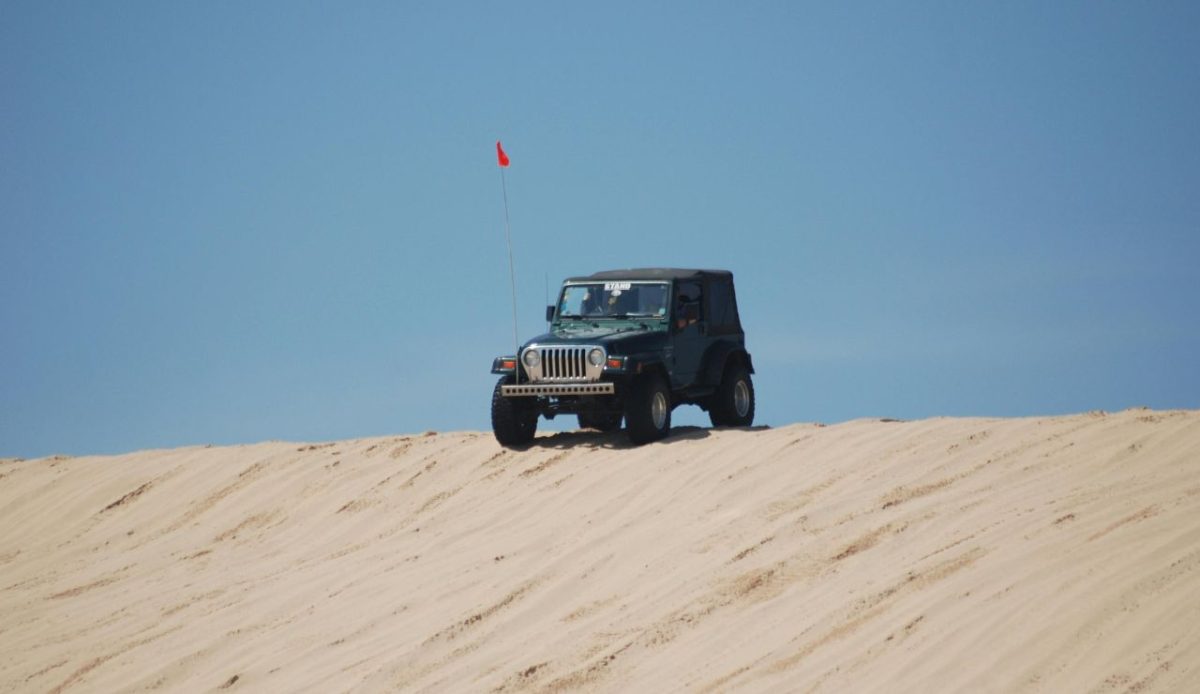
Desert Sky Jeep Tours operated guided off-road excursions through remote desert landscapes. The company maintained strict vehicle standards and required guide training to manage terrain-related risks.
Insurers responded to rising vehicle repair costs and liability claims by increasing coverage requirements. Vehicle insurance alone became one of the company’s largest expenses, affecting fleet maintenance budgets.
As a result, Desert Sky reduced the number of vehicles in operation and scaled back departure times. These changes lowered capacity and made it harder to meet peak-season demand consistently.
6. Island Loop Cycling
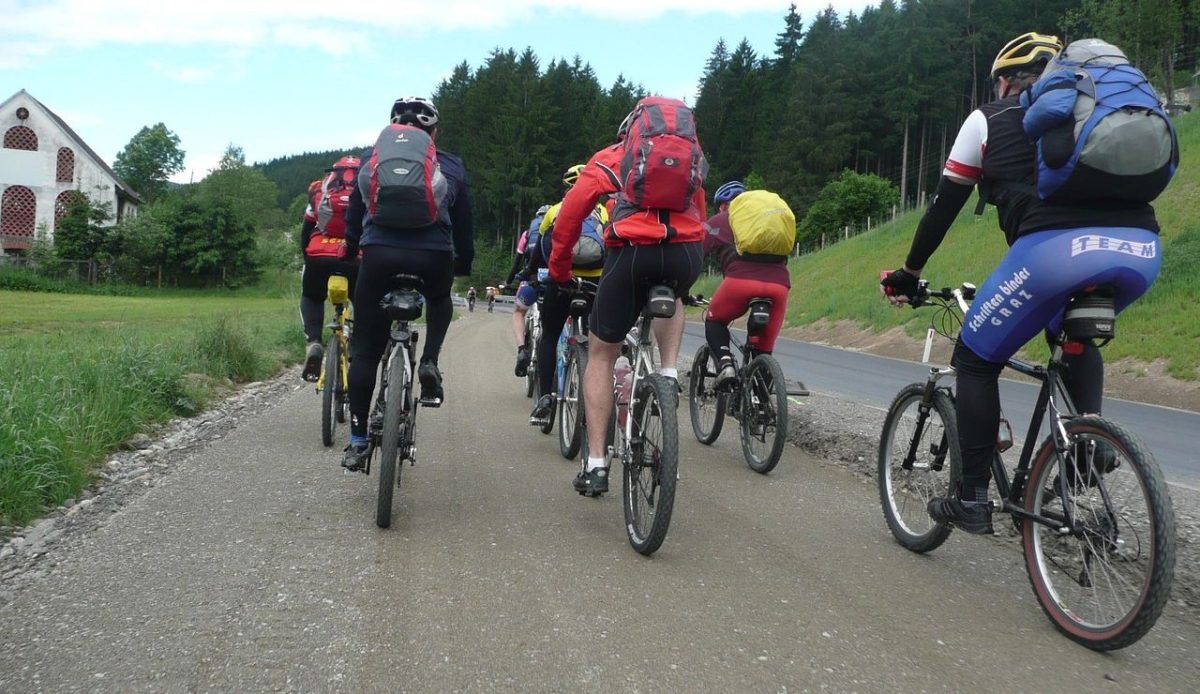
Island Loop Cycling organized guided bike tours on coastal and island routes, catering to casual riders and small private groups. The business focused on low-speed cycling and support vehicles to reduce risk.
Despite these precautions, insurers raised premiums due to broader concerns about cycling accidents and shared road use. Policies became more expensive while offering less flexibility in coverage terms.
The company responded by limiting route options and shortening tour durations. Insurance costs ultimately shaped the experience offered, narrowing what had once been a diverse set of cycling itineraries.
7. Forest Canopy Zip Tours
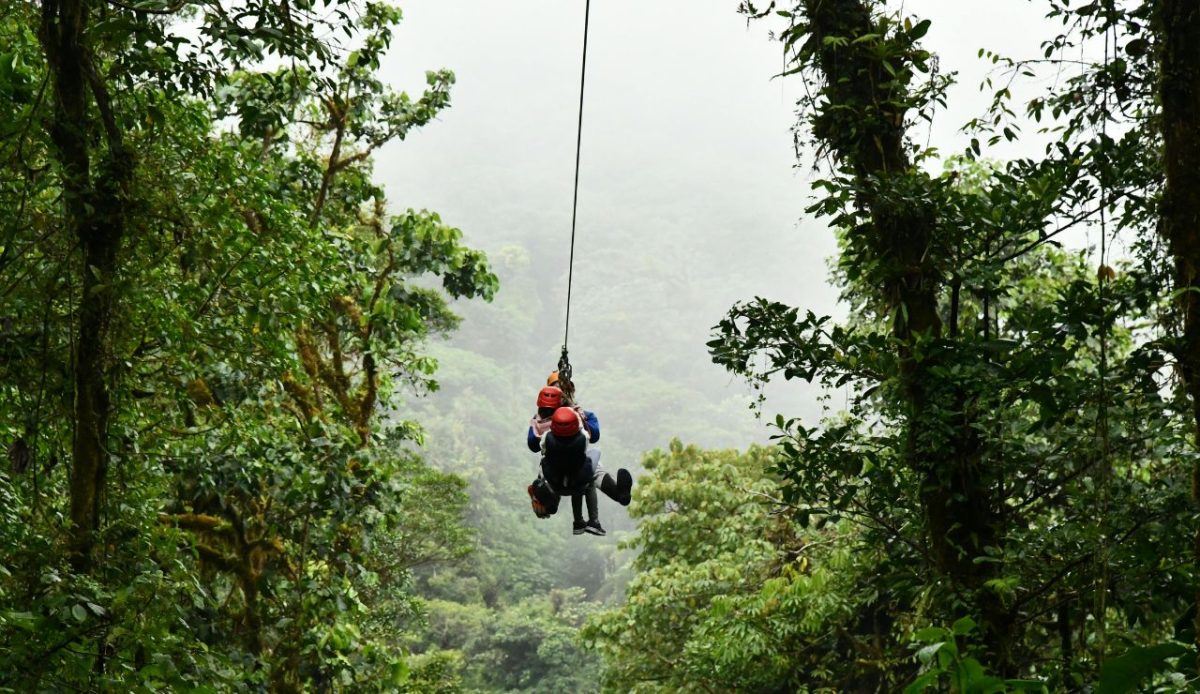
Forest Canopy Zip Tours provided short zipline experiences designed for families and first-time participants. The company invested heavily in safety systems and routine inspections to meet regulatory standards.
Even with strong compliance, insurers classified ziplining as high-risk recreation. Premiums increased sharply, and some providers withdrew coverage options entirely, reducing competition among insurers.
To cope, the company raised ticket prices and reduced operating days. These adjustments affected visitor numbers and highlighted how insurance availability can determine whether niche attractions remain viable.
8. Backroads Food Trails

Backroads Food Trails combined culinary experiences with guided rural travel, visiting farms, markets, and small producers. The tours relied on vans and frequent stops, keeping activities relatively low-impact.
Insurance costs rose as transportation and food-related liability were bundled into broader policies. Premium increases outpaced revenue growth, creating a mismatch between operating costs and tour pricing.
Eventually, the company limited its service area and reduced departure frequency. Rising insurance expenses reshaped a business that depended on flexibility and close coordination with local partners.
