
Small European airports can rely on a handful of international routes from a single carrier. When that carrier responds to fee or tax shifts, cross-border service can vanish fast because there is no transfer network to hold demand.
International flying at these fields is seasonal and low frequency, so fixed costs like security and handling weigh more per seat. If schedules fall below workable cadence, aircraft move to larger airports with stronger yields and more flexibility.
The eight airports below pose near-term risk due to announced exits, route cancellations, or cost disputes. Each section treats the airport as an access node with limits in catchment size, surface links, or competitive overlap.
1. Asturias Airport, Asturias, Spain
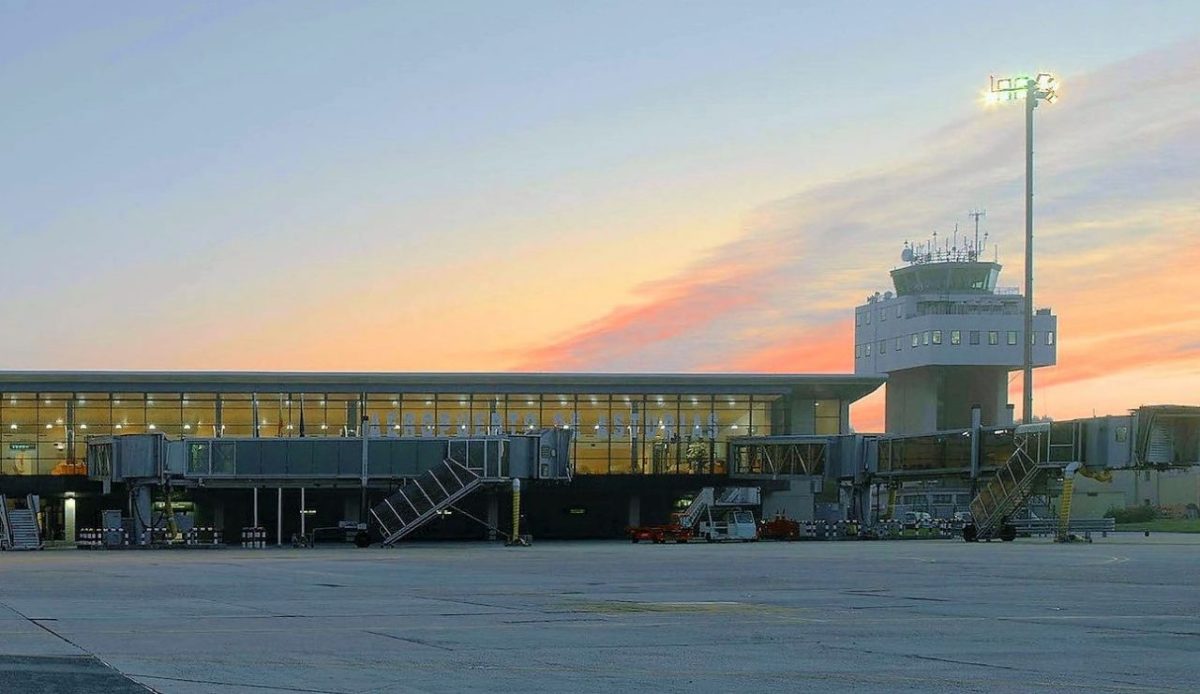
Asturias Airport sits on Spain’s Bay of Biscay coast with road access that funnels through mountain corridors. Its international schedule has been concentrated in low-cost point-to-point routes, so carrier dependence is high.
Ryanair has said it will close all Asturias flights in regional Spain cuts linked to airport charge policy. When a dominant operator exits, other airlines seldom add international capacity because demand is split across many city pairs.
With those flights removed, international trips shift to Bilbao or Madrid using longer surface legs and onward connections. The airport can keep domestic service, but the cross-border layer shrinks because replacement routes face the same fee and load factor limits.
2. Vigo Airport, Galicia, Spain
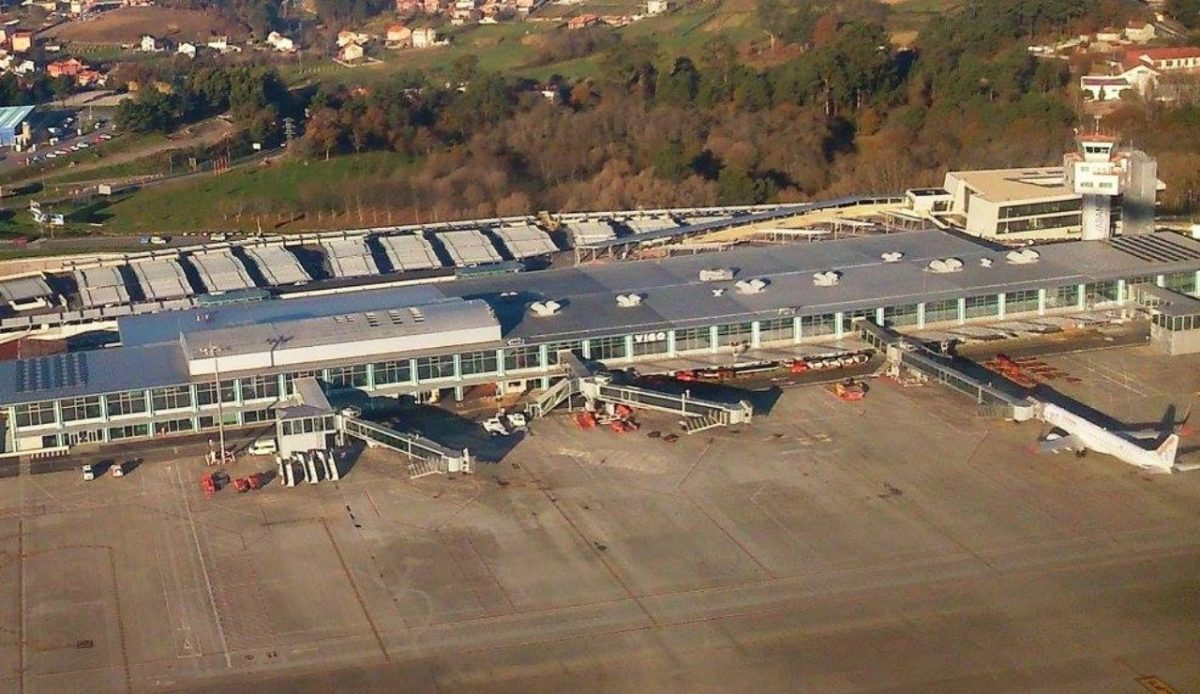
Vigo Airport serves a compact metro area in Galicia near the Portuguese border, with overlapping catchment from Porto and Santiago. International services have been limited and often tied to one low-cost operator, so route resilience is low.
Ryanair has been reported as ending flights at Vigo during its capacity pullback. Because the airport lacks hub feed and depends on discretionary demand, a single cancellation can remove the only international city pair in the timetable.
Once cross-border flights drop, travelers reroute by highway or rail to Porto for international departures. This shifts parking and surface traffic patterns and reduces terminal use during off-peak months, which raises unit operating costs and discourages reentry.
3. Valladolid Airport, Castile and León, Spain

Valladolid Airport operates inland in Castile and León with a small catchment and strong competition from Madrid and high-speed rail. International flights have been sporadic and carrier-led rather than supported by transfer networks.
Reports on Ryanair’s Spain reductions include stopping flights at Valladolid. With low frequency schedules, fixed staffing and handling costs per departure stay flat while seats fall, so margins compress fast on international sectors.
After an exit, service narrows to domestic links because these align with national demand and schedule needs. International trips shift to Madrid by road or rail, increasing transfer time and concentrating passenger flow at larger terminals.
4. Brive–Souillac Airport, Nouvelle-Aquitaine, France
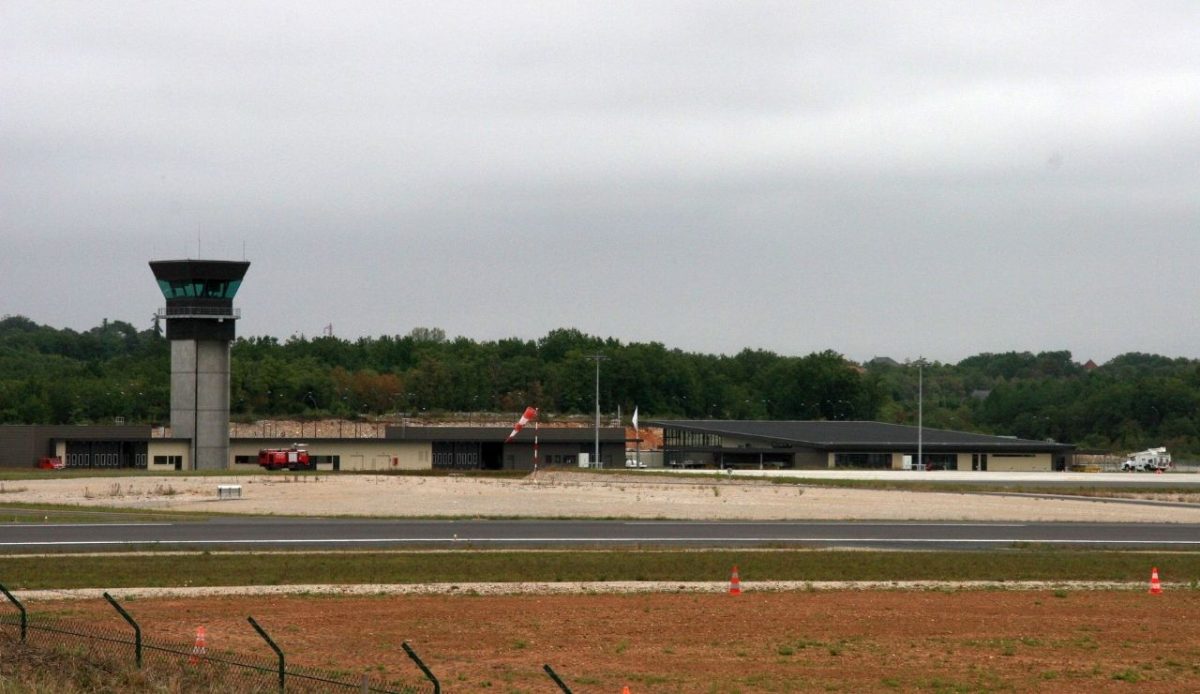
Brive–Souillac Airport sits in southwest France with a small catchment and a schedule that peaks around holiday demand. International links have been thin and dependent on low-cost leisure routes, making capacity sensitive to tax and fee shifts.
Ryanair announced it would drop service at French airports after air ticket tax increases, including Brive. Airlines cut stations with few frequencies because handling and staffing costs cannot be spread across many departures.
Loss of international flights shifts cross-border travel to Bordeaux or Toulouse, adding highway distance and concentrating passenger flow. At Brive, fewer passengers reduce revenue and weaken the case for keeping international processing resources in low-demand months.
5. Strasbourg Airport, Grand Est, France
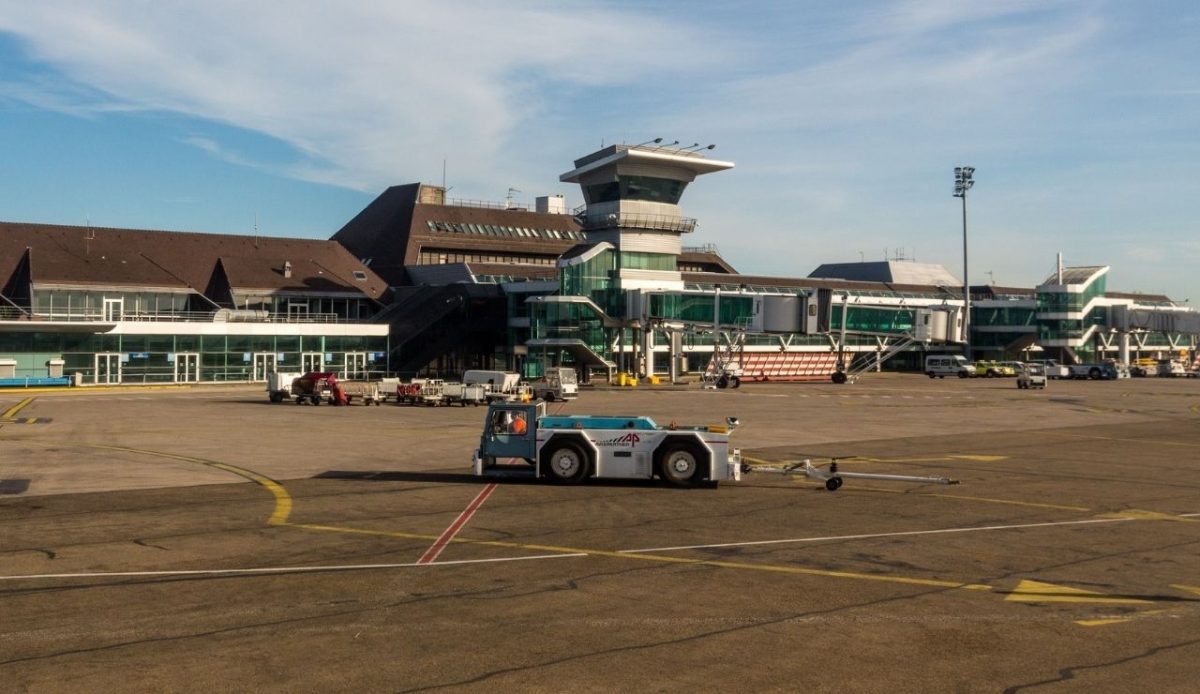
Strasbourg Airport sits near the Rhine with cross-border access to Germany and high-speed rail to Paris. Rail substitution reduces domestic air demand, so international routes carry more of the airport’s passenger value.
Ryanair has stated it will end operations at Strasbourg in response to higher French aviation taxes. When a price-sensitive operator exits, replacement seats are hard because rail and nearby airports cap fares and limit yield recovery.
As international frequencies fall, travelers shift to Basel Mulhouse Freiburg, Frankfurt, or rail to Paris for onward flights. Lower throughput reduces the use of international facilities and raises per-passenger cost for security and border staffing.
6. João Paulo II Airport, Ponta Delgada, Azores, Portugal
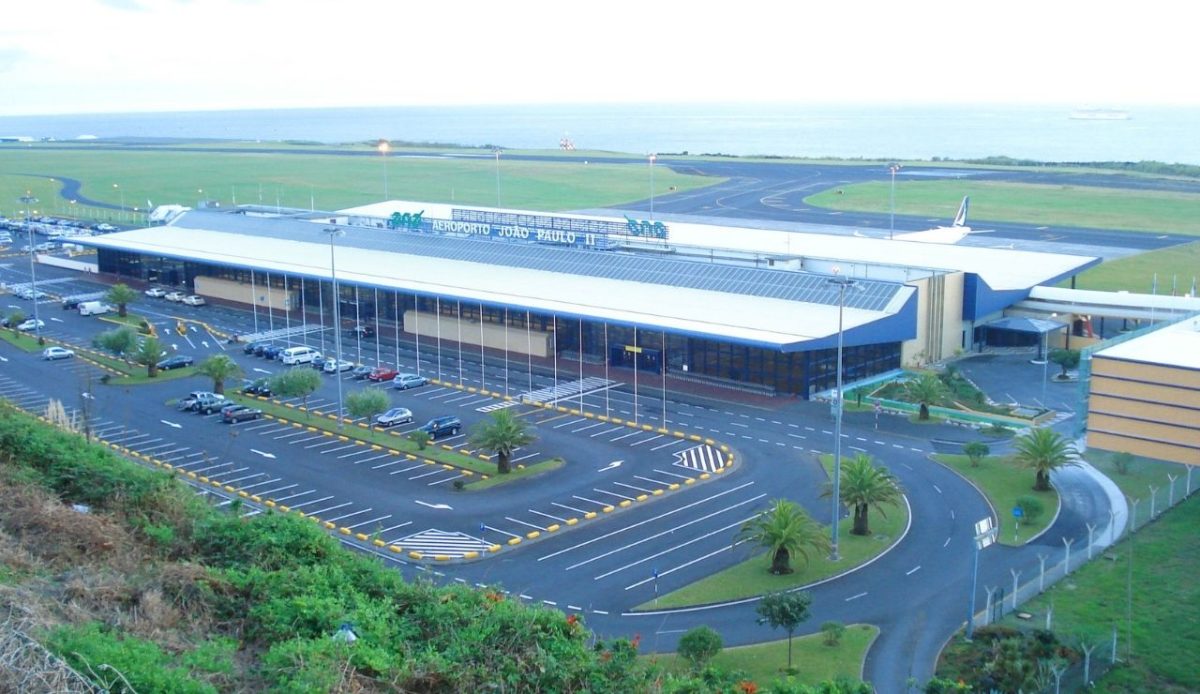
João Paulo II Airport on São Miguel is the Azores’ main gateway, with ocean distance that removes surface alternatives. International access depends on limited terminal capacity and airline willingness to serve a remote base.
Ryanair announced it will close all Azores flights from late March 2026, citing airport fee levels and policy response. Replacement is harder because aircraft utilization drops and demand concentrates in the summer weeks.
If international routes are removed, most cross-border travel must connect through Lisbon, adding transfer steps and crowding at that hub. At Ponta Delgada, lower international volume cuts tourism revenue and reduces incentives to keep year-round international processing resources.
7. Maastricht Aachen Airport, Limburg, Netherlands

Maastricht Aachen Airport sits in the Netherlands near Belgium and Germany, inside a dense market of larger hubs. Surface links allow quick switching to Eindhoven, Brussels, or Düsseldorf, so airlines need clear cost advantages to keep routes.
Ryanair has announced the cancellation of all Maastricht flights from the end of October. When an airport loses its primary carrier, demand disperses to nearby airports rather than supporting a new entrant at the same field.
As international flights drop, throughput falls below levels that justify frequent security staffing and border processing readiness. Lower passenger volume also reduces retail revenue, which can push fees up and make future international service harder to restart.
8. Dresden Airport, Saxony, Germany
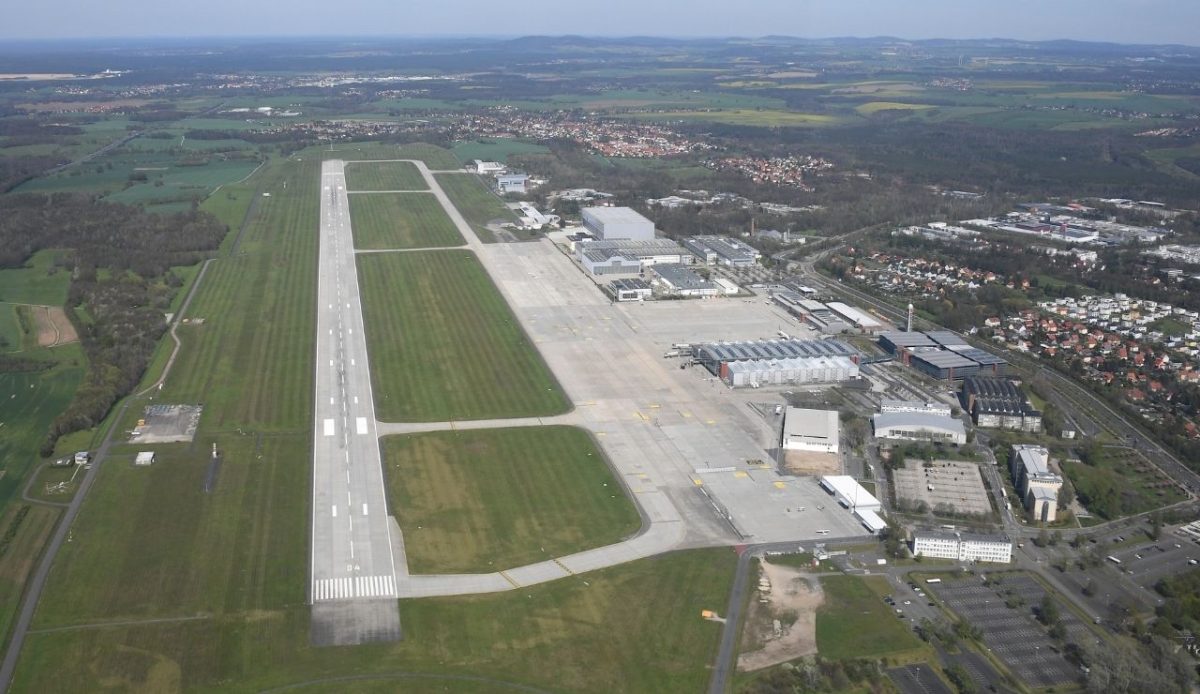
Dresden Airport serves Saxony with a catchment that competes with Berlin and Prague for international access. International routes have been low frequency, making them sensitive to cost changes and aircraft redeployment.
Ryanair has listed winter route cancellations and seat cuts in Germany tied to high access costs. When a low-cost operator reduces activity, secondary airports can lose the small set of international routes that sustained demand.
With fewer departures, travelers shift to rail or highway links to Berlin Brandenburg or Prague. This concentrates processing at larger terminals and reduces Dresden’s commercial revenue base. Lower utilization can also limit incentives to keep ground handling capacity for international peaks.
