
Scenic byways are corridors where pavement, guardrails, and pullouts determine how cars slow and stop. After 2012, dedicated National Scenic Byways grant funding was cut, pushing many corridors into broader programs.
With less federal participation, state DOTs and park units defer overlays, drainage work, and slope repair because match rules and limited crews that cap annual output. Deferral raises defect rates, triggering lane controls, weight limits, or closures that compress traffic into fewer open miles.
The cases below show failure patterns tied to constrained federal dollars, from shoreline erosion to freeze-thaw breakup and aging bridges. Each section links a maintenance gap to an agency action that changes access.
1. Blue Ridge Parkway
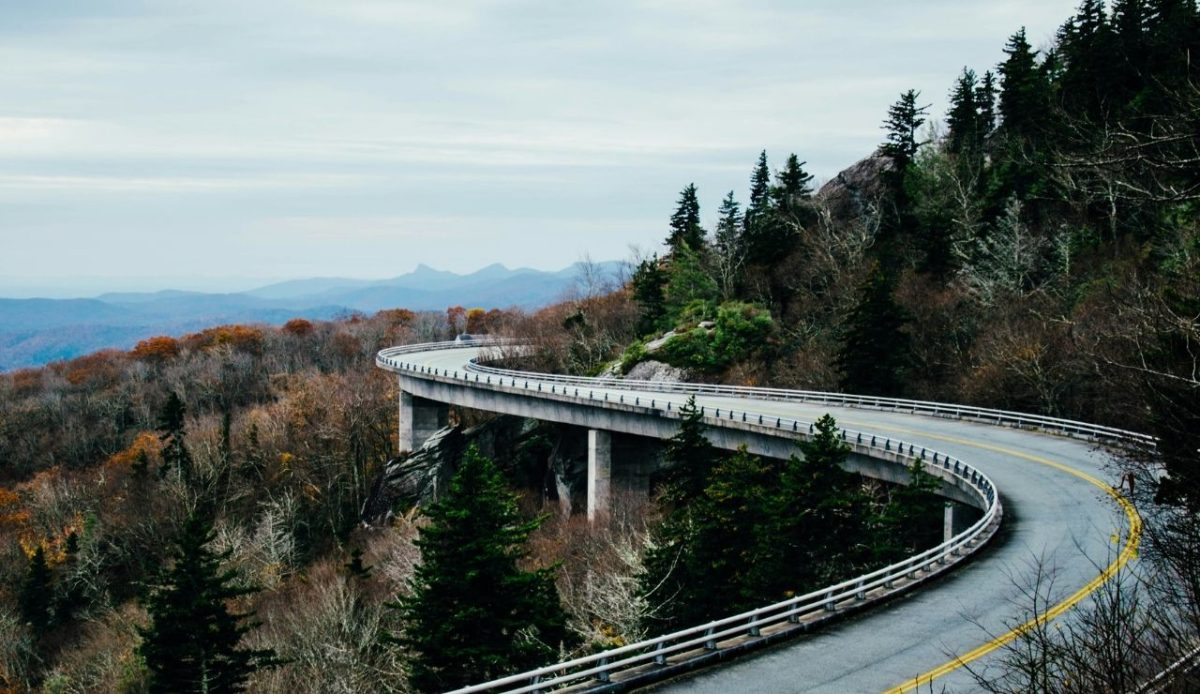
Blue Ridge Parkway is a federally managed ridge road with limited access points and few parallel routes in the North Carolina and Virginia highlands. When pavement edges break or guardrails fail, overlook loops lose width, and stopping capacity drops.
NPS construction plans show rehabilitation corridors and scheduled mainline closures into 2026 near Blowing Rock. When federal dollars arrive in blocks, work is bundled, pushing trips onto adjacent highways and concentrating use at open overlooks.
Reporting has highlighted tight operating dollars per visitor, leaving defects to grow between major contracts. The result is fragmented driving access where route continuity depends on work zones and detours.
2. Colonial Parkway
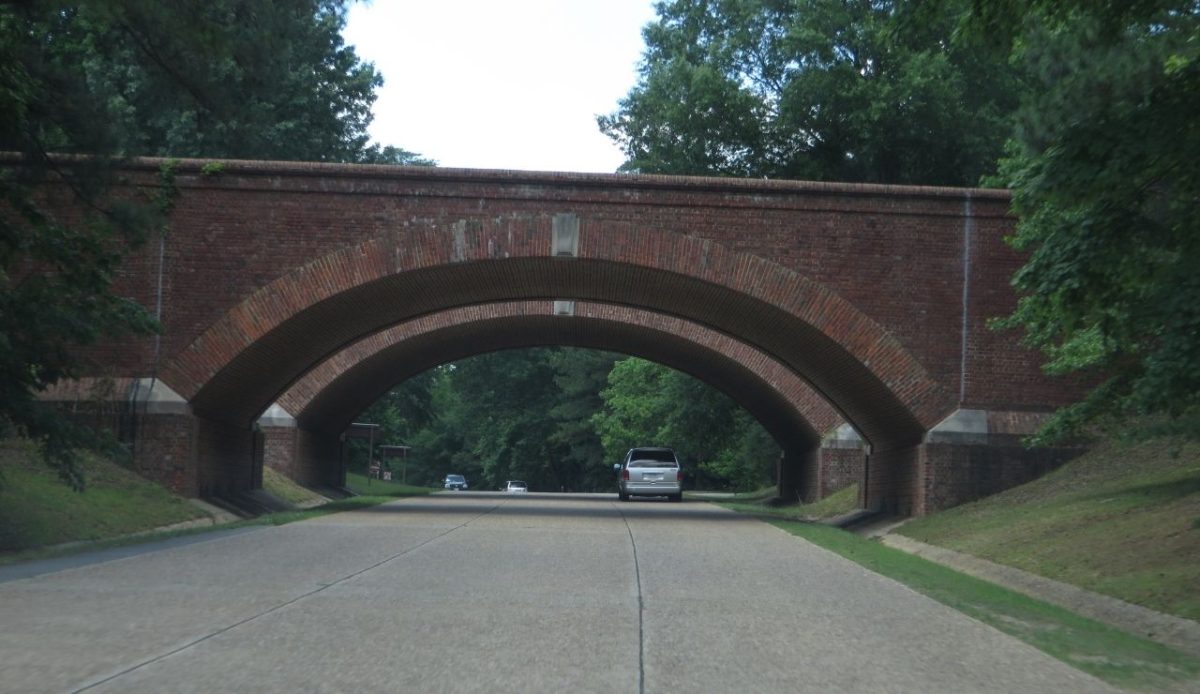
Colonial Parkway is a limited-access road in Colonial National Historical Park linking Jamestown, Williamsburg, and Yorktown. Much of it sits on shoreline fill along the James River, so erosion and soils can undermine the road edge.
Deferred maintenance left worn pavement and drainage, increasing ponding and speeding base failure during summer use. NPS announced a $122.8 million GAOA rehabilitation to rebuild about 10.3 miles, showing how fixes can wait for federal allocations.
Closures remove access to river pullouts and trailheads, shifting parking demand toward visitor centers and corridor ends. Detours use local arterials, so traffic concentrates at a few interchanges, and delay becomes an access limit.
3. Natchez Trace Parkway
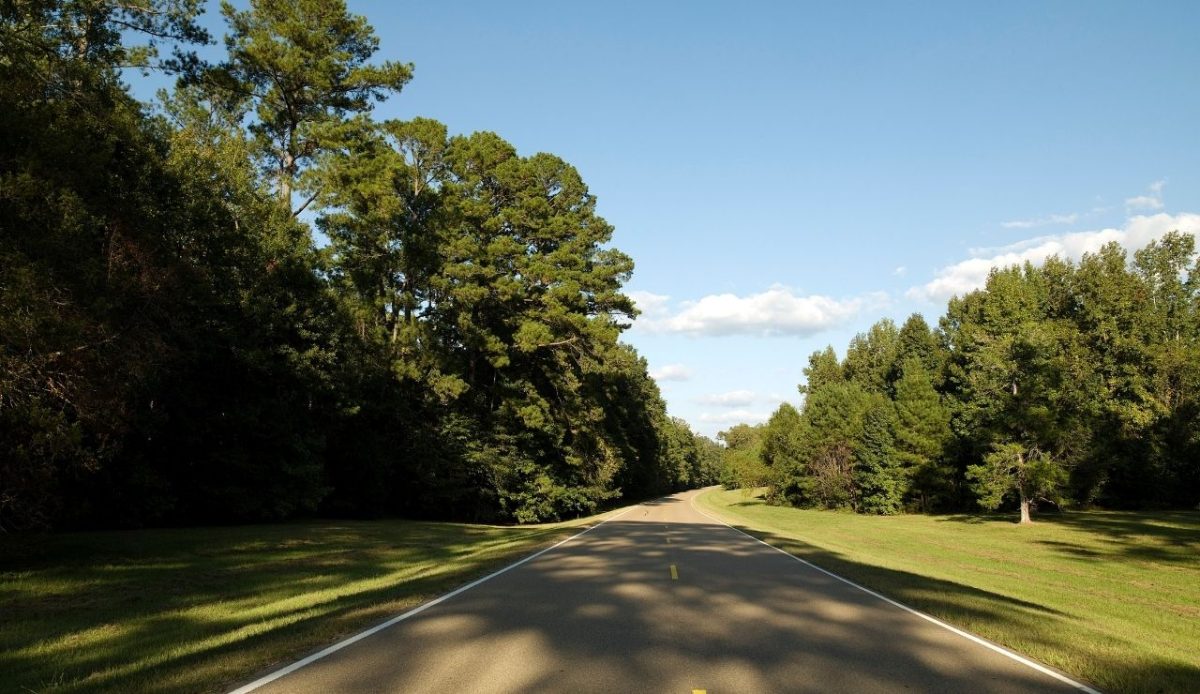
Natchez Trace Parkway is a 444-mile NPS road across Mississippi, Alabama, and Tennessee with many at-grade access points and limited services. Pavement defects reduce pullout utility, so traffic dispersal weakens.
NPS has reported deferred maintenance in the hundreds of millions for this parkway, with most of it in roadway assets. With constrained federal funding, rehabilitation is bundled into contracts pairing pavement recycling with drainage, culvert, and bridge work.
Work zones and closures shift visitor flow onto state highways and toward fewer milepost clusters, raising turning demand at junctions. Resurfacing can stabilize a segment, but access stays uneven until the next phase is funded.
4. Beartooth Highway
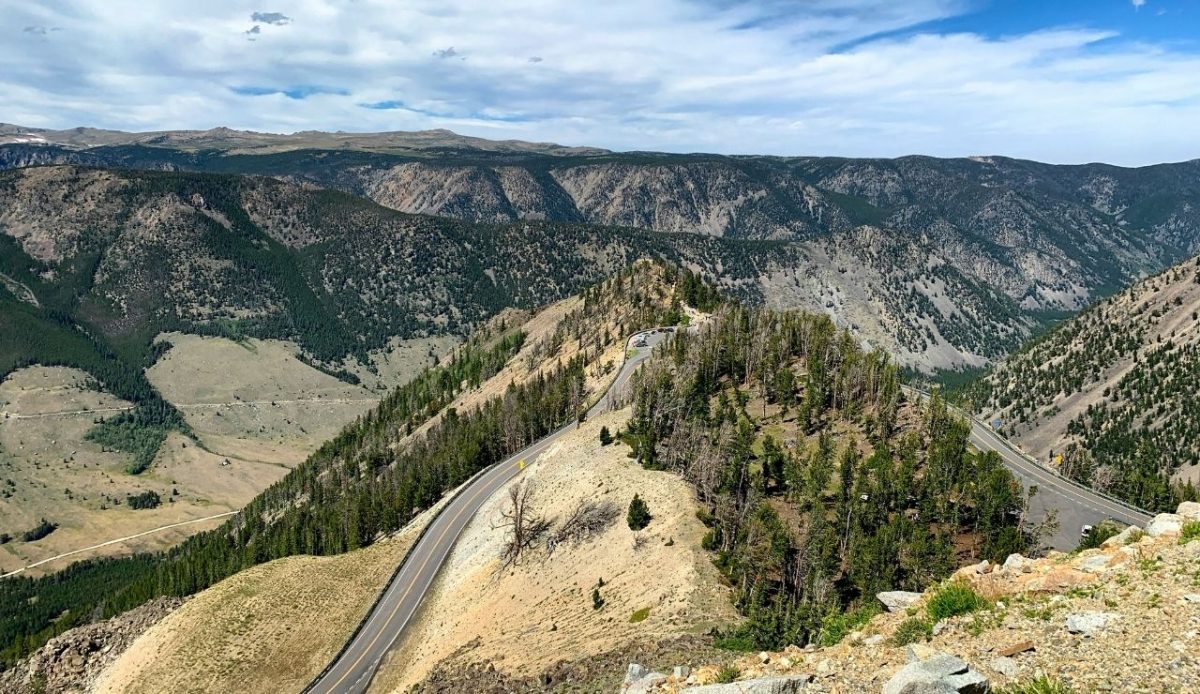
Beartooth Highway on US 212 is a seasonal route between Red Lodge, Montana, and Cooke City near Yellowstone. Steep slopes and narrow cuts mean rain and snowmelt can trigger debris flows that strip shoulders and damage the base.
Montana planning documents note recurring slope failures, and winter closure compresses construction into a short summer window. Limited federal dollars make stabilization compete with overlays, so cracking spreads before a full project starts.
Lane controls and closures reduce access to overlooks and push traffic toward other entrances that already see summer queues. Retaining work and drainage upgrades help, but the limited right of way keeps detour options tight.
5. Historic Columbia River Highway
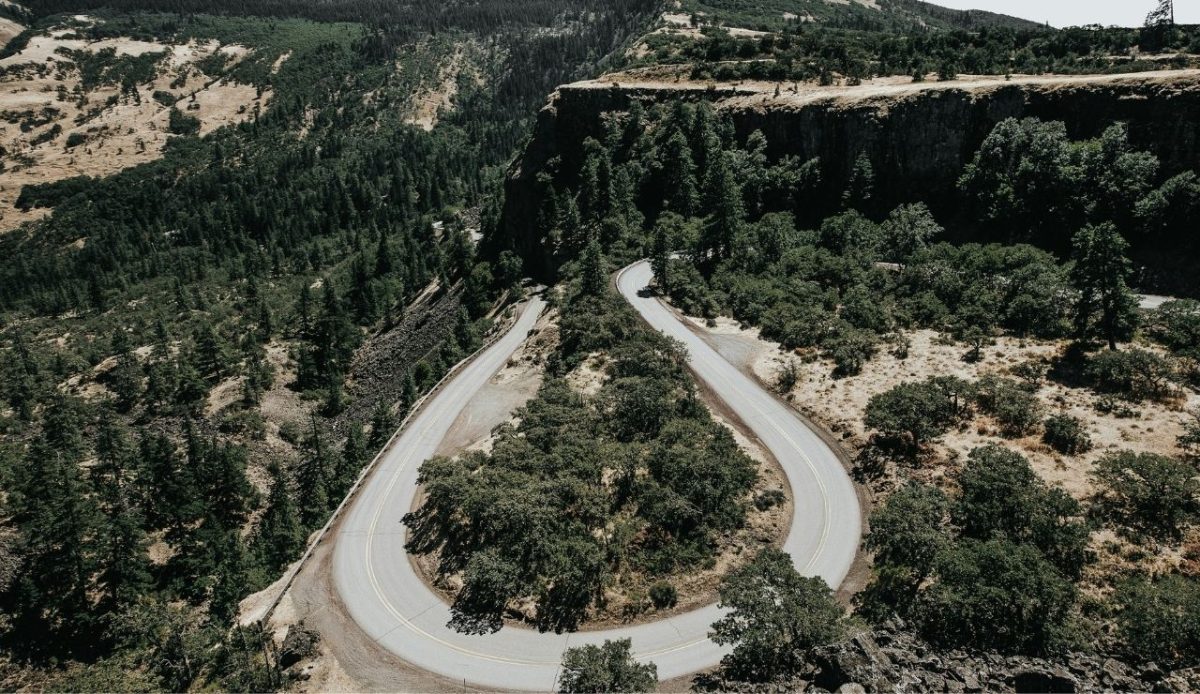
The Historic Columbia River Highway on US 30 in the Columbia River Gorge carries local trips and traffic to trailheads. It is pinned between the river, rail, and cliff, so detour capacity is limited.
Oregon DOT closed a segment in 2025 for settlement on an ancient slide and rebuilt drainage and embankment support to reopen it. The Forest Service scheduled a Falls viaduct closure from October 2025 into spring 2026 for repairs, so one structure can halt travel.
Closures cut trail parking access and push demand to I-84 exits and a few lots, increasing conflict along narrow shoulders. Even after anchors and outfall work, the corridor stays sensitive because slide zones cannot be bypassed inside the gorge.
6. Cherohala Skyway
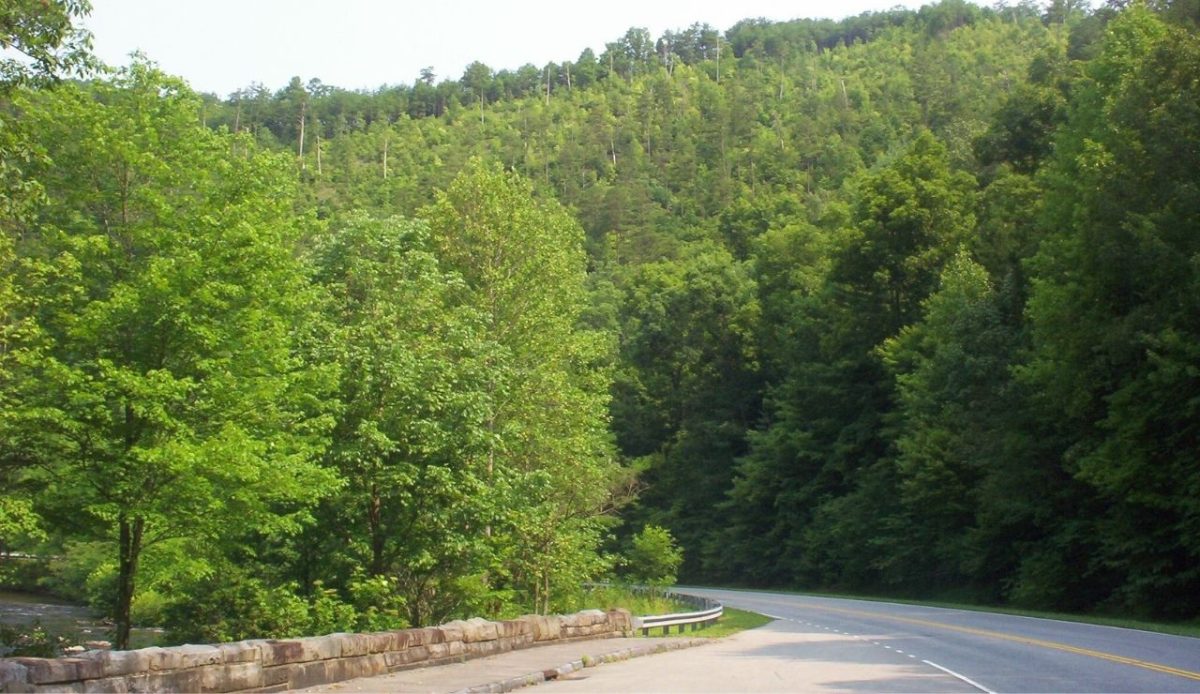
Cherohala Skyway is a National Scenic Byway crossing the Unicoi Mountains between Tellico Plains, Tennessee, and Robbinsville, North Carolina. Elevation and narrow shoulders limit pullouts, so defects reduce turnout capacity.
Flooding damage near Tellico Plains in 2023 caused closures and temporary repairs, showing how one washout can block the traverse. Without dedicated federal byway funding, recovery depends on emergency aid and state match rules, which can slow repairs.
Closures concentrate use at lower access points and shift parking pressure to trailheads near each end, where lot size is fixed by forest boundaries. Traffic control and staged slope work reduce risk, but there is no parallel crossing.
7. Kancamagus Scenic Byway
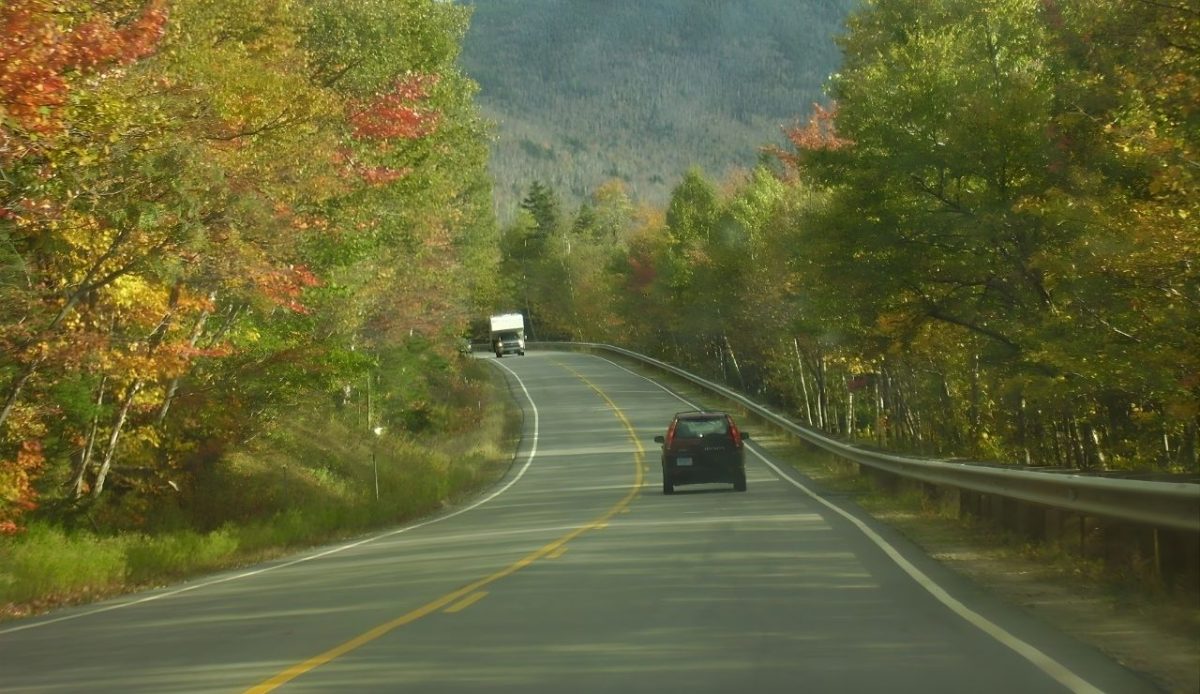
Kancamagus Scenic Byway runs on New Hampshire Route 112 through White Mountain National Forest between Lincoln and Conway. The corridor has few intersections, so pullouts and access lots regulate traffic release during weekends.
Freeze-thaw and steep grades accelerate potholes and edge breakup, while forest boundaries limit shoulder rebuilding. After federal byway grant funding was cut, resurfacing must compete within broader programs, extending the time between cycles.
Rough pavement lowers speeds and increases queues at pullouts, which leads to more roadside parking on narrow shoulders. Staged paving, drainage clearing, and guardrail work reduce risk, but widening conflicts with forest land limits.
8. San Juan Skyway
San Juan Skyway includes the US 550 segment between Durango and Silverton in southwest Colorado, where cliffs and curves limit lane width. Rockfall is frequent, so maintenance timing affects whether the route stays open.
CDOT completed wall replacement and rockfall mitigation in 2025 at Coal Bank Pass, showing how stabilization becomes urgent after wear accumulates. With no dedicated federal byway grant stream, projects must compete as safety work, extending the time between preventive repairs.
During closures and traffic holds, vehicles stack on a few turnouts, and access to trailheads and forest roads becomes less predictable. Catchment barriers and drainage control reduce hazard, but right-of-way limits prevent widening.
