
More U.S. passengers are noticing added checks at European airports, from longer passport control interviews to extra bag inspection. The shift is driven by new border technology and strict aviation security rules that apply to non-EU travelers.
Many steps are automated, yet any mismatch forces manual handling. That can mean re-scanning a passport, repeating biometrics, or answering routine prompts about length of stay and onward plans. Small errors in names or dates can slow clearance.
Extra screening is usually procedural, not personal. Understanding the triggers helps travelers prepare documents, pack smarter, and budget time for queues, especially at large Schengen hubs.
1. Biometric Enrollment In The Entry Exit System
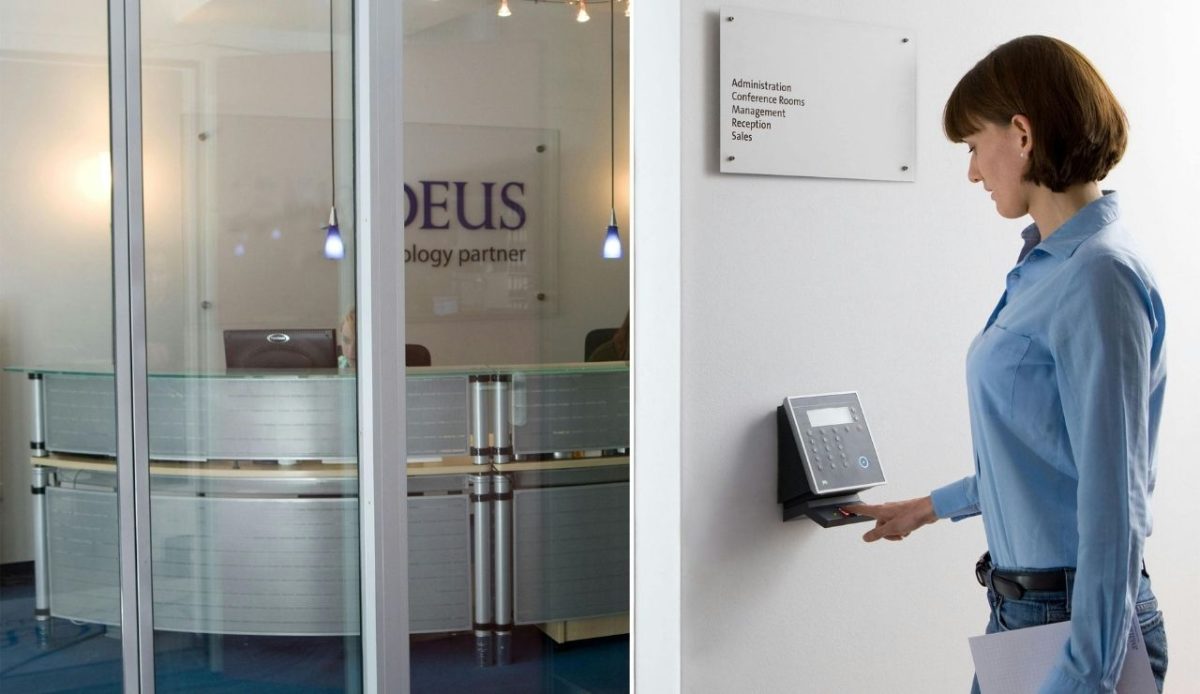
Schengen states are introducing an entry-exit system that records visitors’ fingerprints and facial images from outside the EU. Americans who have not yet been enrolled may be routed away from e-gates to have their biometrics captured.
Enrollment adds steps that did not exist with a simple passport stamp. If a scan fails because of dry skin, glare, or a chipped passport page, officers must repeat capture and confirm identity through manual checks.
Once a record exists, later trips can still trigger extra screening when the system cannot match quickly. A changed appearance, a worn passport chip, or a prior data entry error can push a traveler into a secondary lane.
2. Pre Arrival Screening From API And Booking Data
Before takeoff, airlines transmit Advance Passenger Information and booking data that is often called the passenger name record. European authorities screen those fields against watchlists and entry rules, then may tag some arrivals for manual review.
Flags are not limited to criminal concerns. A typo in the passport number, a name that does not match the ticket, or an itinerary that conflicts with stated dates can require an officer to verify details in person.
Because the decision happens upstream, extra screening can appear sudden at the border desk. Travelers may be asked for return proof, hotel details, or the business contact tied to the trip so the record can be cleared.
3. Tighter Review Of The 90 180 Day Stay Limit
Schengen short-stay visitors are limited to 90 days within any rolling 180-day window. With more digital tracking, officers can check a traveler’s past entries and exits faster and with fewer gaps than stamp-based methods.
Americans who visit often for work, family, or multi-country tours can land close to the limit without realizing it. When the system shows tight margins, an officer may run extra lookups and ask pointed prompts about departure plans.
Extra screening also occurs when prior exits were recorded late or not at all, such as after a missed stamp. In those cases, the traveler may need to explain the routing and show evidence like boarding passes to resolve the issue.
4. Passport Validity And Document Condition Checks
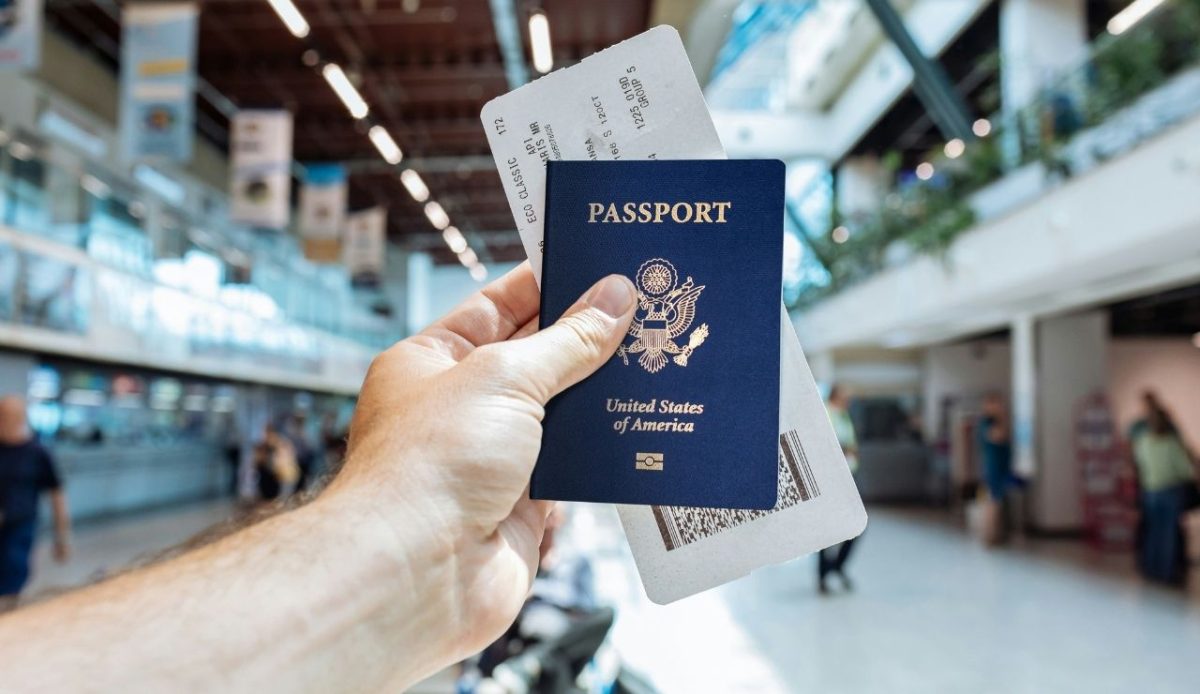
Many Schengen countries require a passport that was issued within the last 10 years and has enough validity beyond the planned departure date. If an American arrives with a near-expiry passport, the check is often escalated for supervisor review.
Damaged documents also trigger extra screening. A cracked cover, water damage, or a chip that will not read at the gate can force manual inspection, added database lookups, and closer comparison of the photo and biographic page.
Travelers using an emergency passport, a recently replaced passport after theft, or a new name after marriage may face added prompts. Officers may verify supporting documents or prior passport numbers to confirm continuity of identity.
5. Mandatory Secondary Checks After Scanner Alerts
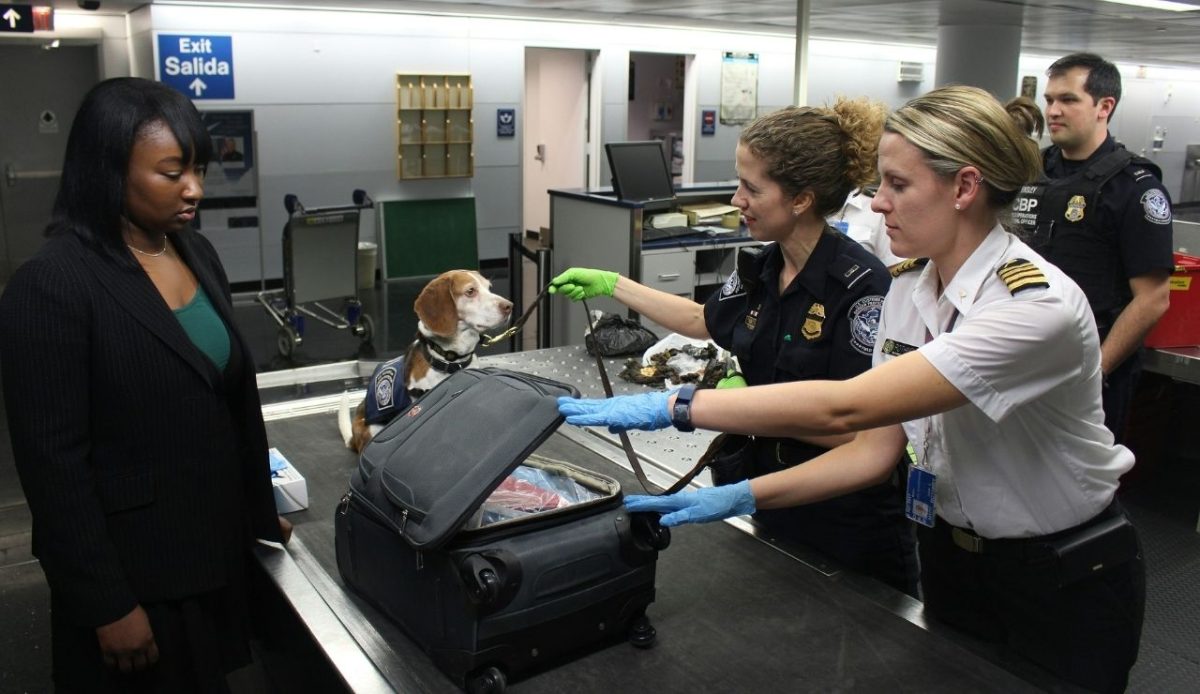
At security, European rules require alarms to be resolved before a passenger can proceed. If a body scanner detects an anomaly or a bag image is unclear, staff must perform additional screening until the alert is cleared.
Resolution can include targeted pat-downs, re-screening the item, and explosive trace swabbing of hands, electronics, or bag surfaces. These steps are routine, but they add time and feel more intense than a standard walk-through.
Americans may notice this more when carrying dense tech, camera gear, or medical devices. Packing cables loosely, separating power banks, and declaring medical equipment early can reduce the chance of repeat scans and manual inspection.
6. Liquids And Electronics Rules That Differ By Airport

Carry-on rules differ by airport because screening equipment and local procedures vary. Some European checkpoints still enforce the 100 milliliter liquids rule strictly, while others allow limited flexibility only when a new scanner type is in use.
When rules shift or a lane reverts to older equipment, more bags get pulled for secondary inspection. Toiletries packed in large bottles, gels, or spreadable foods often lead to bag opening, item testing, and a longer conversation with staff.
Americans used to one set of rules from the U.S. TSA may be caught off guard by these differences. Using small containers, a clear bag, and separating liquids and laptops can speed resolution when a checkpoint is operating under stricter settings.
7. Airline Check-In Verification Before Boarding
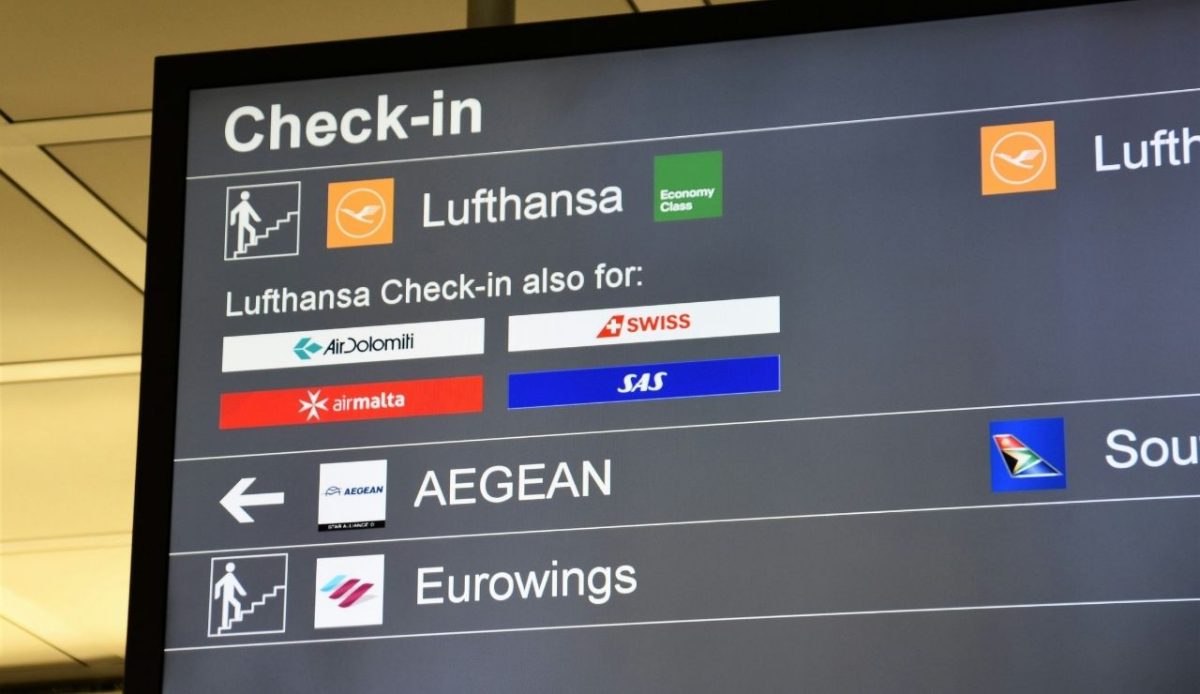
Extra screening can start before boarding because airlines face fines and return costs if they fly someone who lacks entry permission. Check-in agents may conduct detailed document checks for Americans, especially on one-way tickets or complex routings.
That review can include verifying visa-free status, onward travel, and sufficient passport validity for the first Schengen entry point. If a traveler is transiting, staff may also confirm whether an airport transit visa is required for the itinerary.
When uncertainty remains, agents may call a supervisor or run a document check system, delaying boarding and increasing scrutiny at arrival. Carrying printed confirmations and a clear itinerary helps reduce back and forth at the counter.
8. Added Gate Screening On Selected Departures
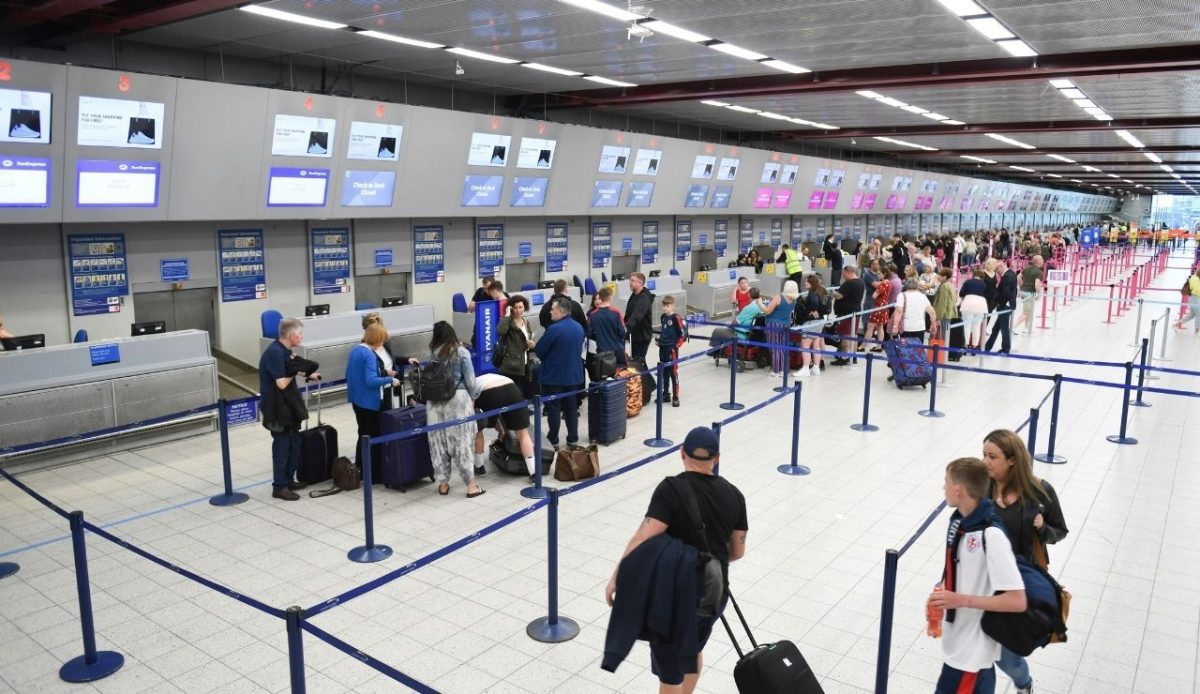
Some European airports add a second layer of checks at the gate on selected departures. Passengers may see hand luggage opened again, their identity compared to the boarding pass, or trace swabs taken after they have cleared main security.
These measures are used when airports apply extra controls tied to threat assessments, route history, or airline security programs. Because many long-haul flights include a high share of U.S. citizens, Americans often notice the pattern.
Gate screening can also be triggered by late bag changes, duty-free liquids, or carrying items that were not screened in the main terminal. Arriving early at the gate and keeping liquids accessible can prevent last-minute delays.
