
Ferry service looks simple, yet it depends on tight staffing rosters, certified officers, and ships that need constant upkeep. When crews are short or a vessel is sidelined, the timetable can collapse within hours.
Across North America and the South Pacific, aging fleets and slow replacement programs have reduced backup capacity. Operators often cancel sailings first, then cut published schedules to keep remaining trips reliable.
This article reviews eight high-use routes where cancellations have been linked to vessel unavailability or crew gaps. Weather stoppages are not the focus, only shortages that limit how many crossings can run day after day.
1. Seattle to Bainbridge Island
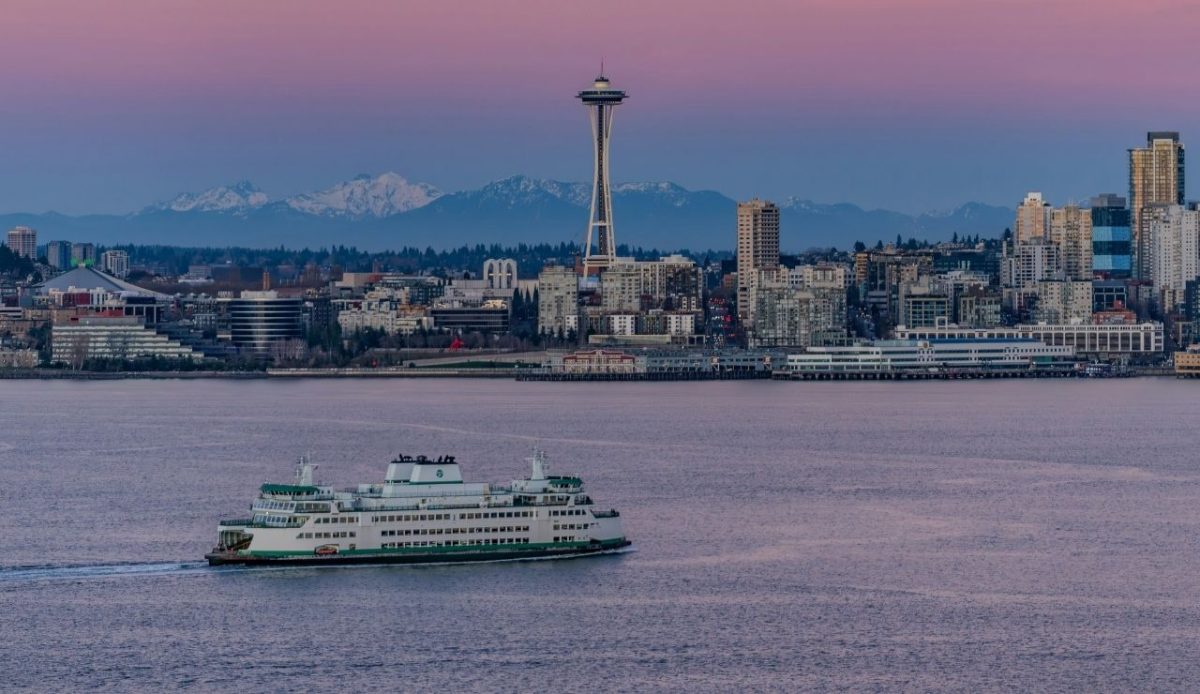
Seattle to Bainbridge Island is a cornerstone run for Washington State Ferries, carrying commuters and day visitors on a short, frequent schedule each week. That frequency makes the route sensitive to any missing crew position.
In recent years, the system has reported cancellation spikes tied to staffing shortfalls, especially licensed deck and engine roles. When a crew cannot be assembled, a departure is dropped rather than delayed at short notice.
Fleet limits add another layer. When a boat goes into unscheduled repair, relief vessels are scarce, so service may shift to single-boat operation. Riders then see longer waits, crowding, and missed connections.
2. Seattle to Bremerton
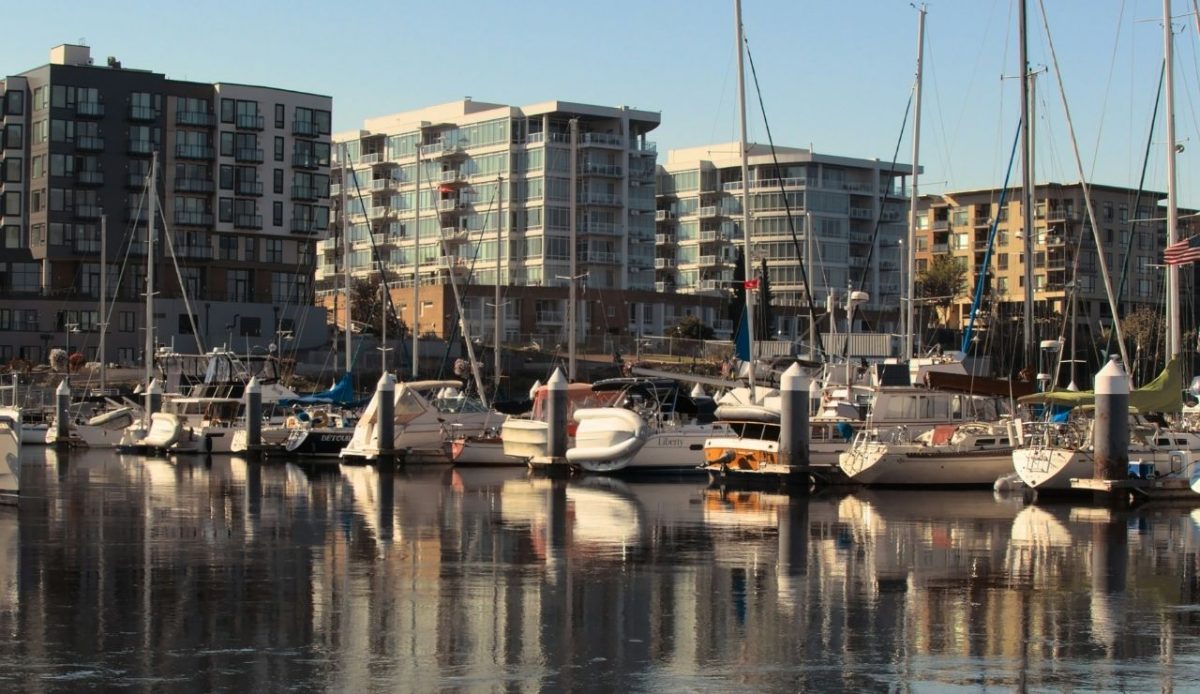
Seattle to Bremerton is a longer Puget Sound crossing that depends on a small set of vessels that fit the docks and meet speed needs. It also carries many vehicles. That narrow match limits what can be swapped in during breakdowns.
Washington State Ferries has attributed many canceled sailings to workforce gaps, including shortages of mates, captains, and engine room staff. If required roles are unfilled, a full trip is removed.
Aging hulls and propulsion systems raise maintenance time, reducing days in service. With fewer operational boats available systemwide, this route can lose departures at rush hours, pushing travelers to drive around the Sound or wait.
3. Horseshoe Bay to Langdale
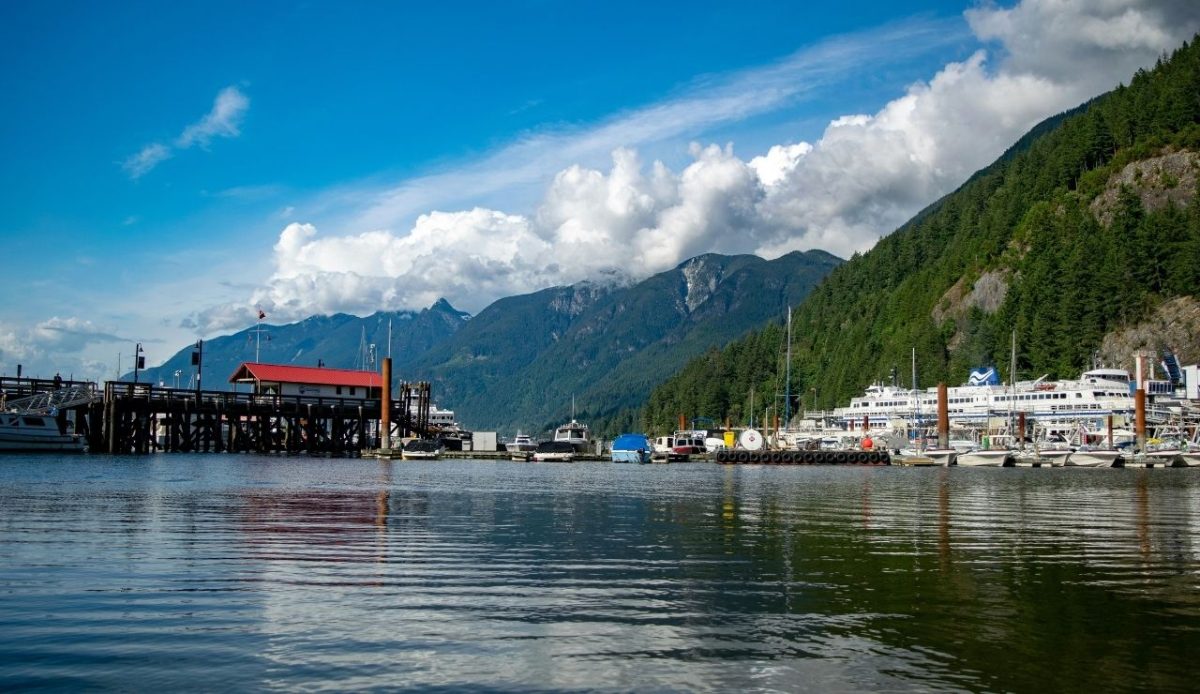
Horseshoe Bay to Langdale is the main link between Metro Vancouver and the Sunshine Coast year-round. The route runs a tight cycle, so a single vessel issue can often erase several round-trip.
BC Ferries has posted cancellation notices on this corridor after mechanical faults and other operational limits reduced available tonnage. When spare ships are already assigned elsewhere, replacements cannot be positioned quickly.
During shortages, sailings may be consolidated, and waits grow for both walk-on passengers and vehicles. For residents who commute or move freight, reduced frequency can turn a routine crossing into an all-day planning problem.
4. Horseshoe Bay to Departure Bay
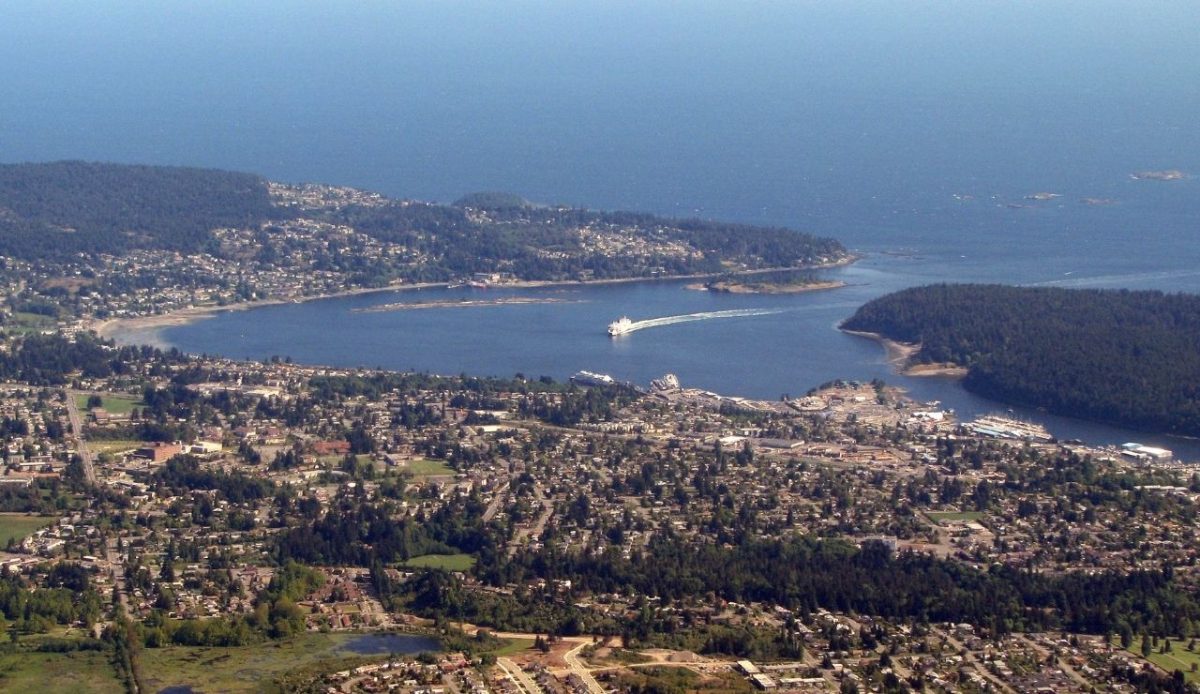
Horseshoe Bay to Departure Bay connects Vancouver with Nanaimo and is one of the busiest vehicle corridors on the BC coast. High volume demand leaves little slack when a ship is pulled from service.
Service notices have documented groups of canceled sailings after mechanical difficulties affected assigned vessels. With a limited pool of large ships, the operator may keep one route running by cutting another.
When capacity drops, reservation inventory disappears, and standby lines expand quickly. Because the crossing supports freight and essential regional travel, cancellations can shift traffic to other terminals, spreading delay across the network.
5. Ardrossan to Brodick
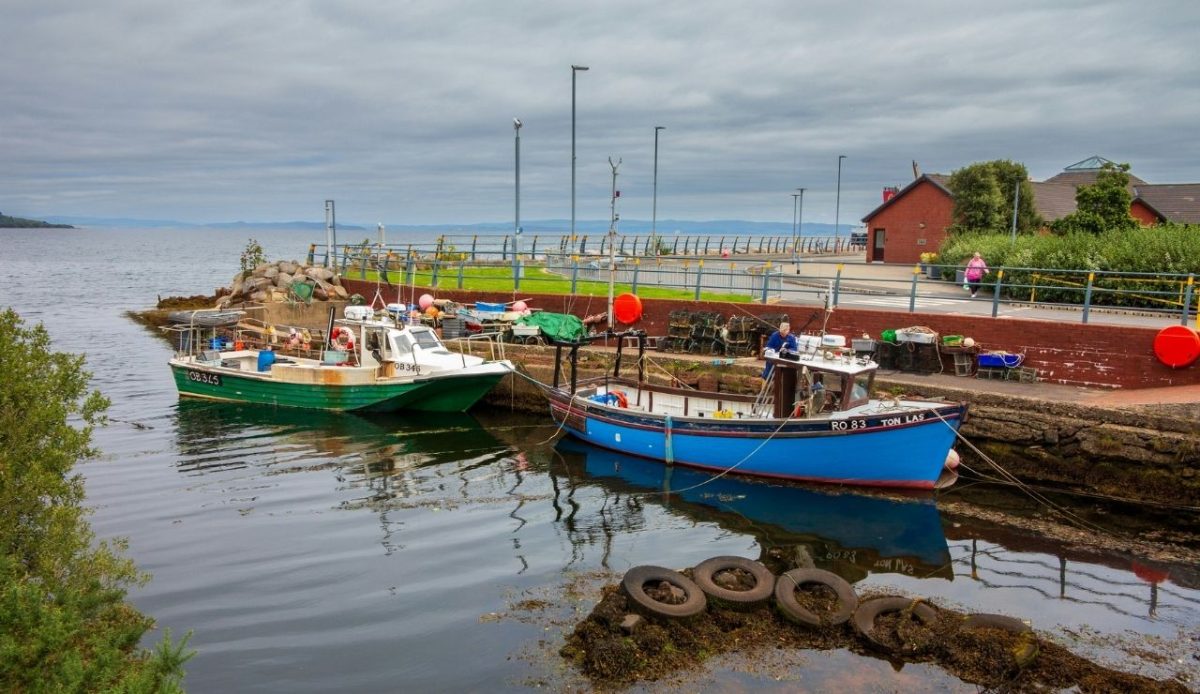
Ardrossan to Brodick is a key link between mainland Scotland and the Isle of Arran. The route depends on specific ships that can handle vehicle loads and berth limits at both ports.
Extended repair periods for the usual vessel have led to altered timetables and loss of direct Ardrossan calls at times. When a substitute ship is used, capacity or sailing times can change, reducing throughput.
CalMac has managed disruptions by redeploying tonnage from other services, but that approach spreads shortage effects across the wider network. For residents and businesses, fewer sailings translate into tighter booking windows and a higher risk of missed travel plans.
6. Campbeltown to Ardrossan
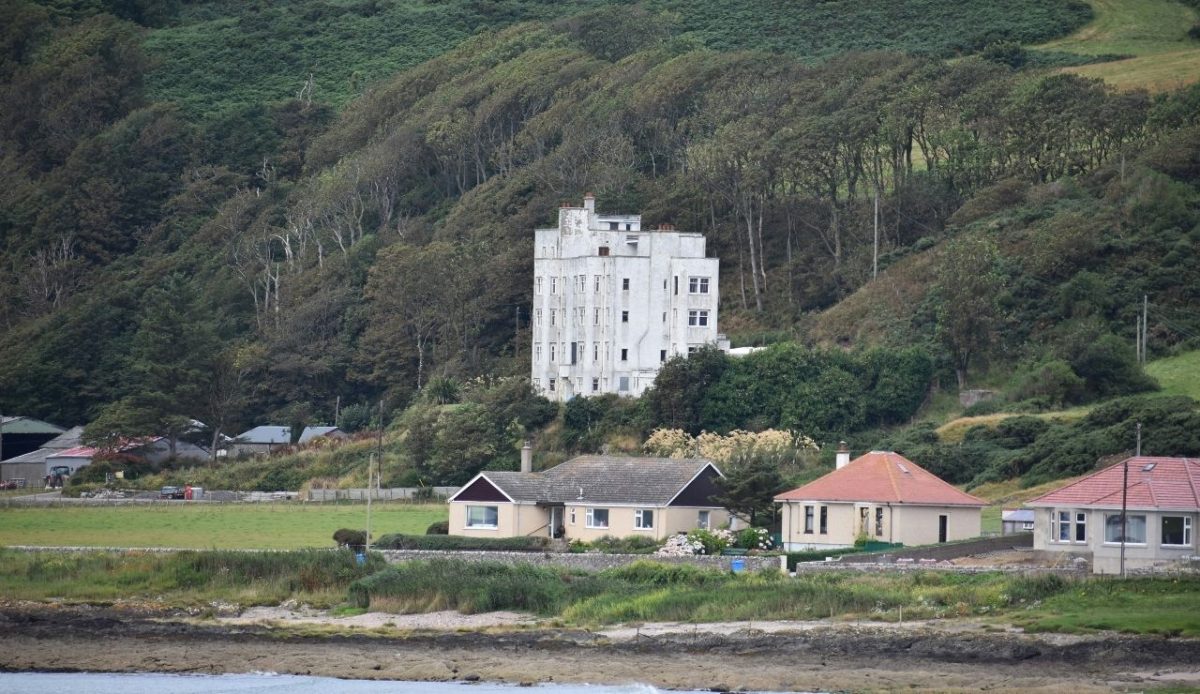
Campbeltown to Ardrossan is a seasonal West Scotland service that normally provides a direct car ferry link during summer. It requires a vessel with the right ramp setup and passenger certification for longer open water runs.
The operator has cancelled full timetable periods on this route after stating that no suitable vessel was available. That decision reflects how tight the fleet has become when major ships are in overhaul or covering lifeline routes.
Unlike a short-term delay, a full-season cancellation removes capacity entirely and pushes travelers to longer driving options and alternative sailings. It also shows how fleet shortages can turn a popular route into a non-service for months.
7. Wellington to Picton Interislander
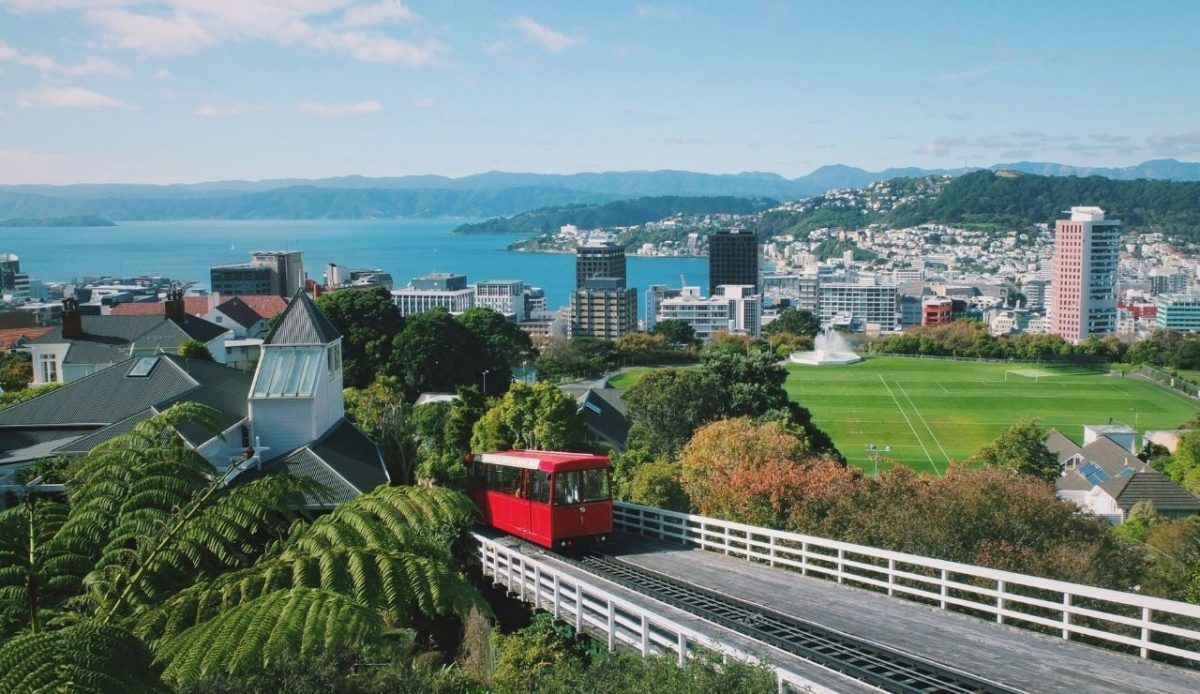
Wellington to Picton on the Cook Strait is New Zealand’s primary ferry corridor, carrying passengers, vehicles, and rail freight. The service depends on a small number of large ships, so redundancy is limited.
Plans to retire a major vessel have reduced fleet depth before replacement capacity is fully online. With fewer ships in rotation, maintenance outages or faults can trigger multiple canceled crossings in a short span.
Operators may rebook passengers, yet space is constrained when demand is high. Because the corridor links the North and South islands, disruptions can ripple into supply chains, tourist itineraries, and time-sensitive travel.
8. Wellington to Picton Bluebridge
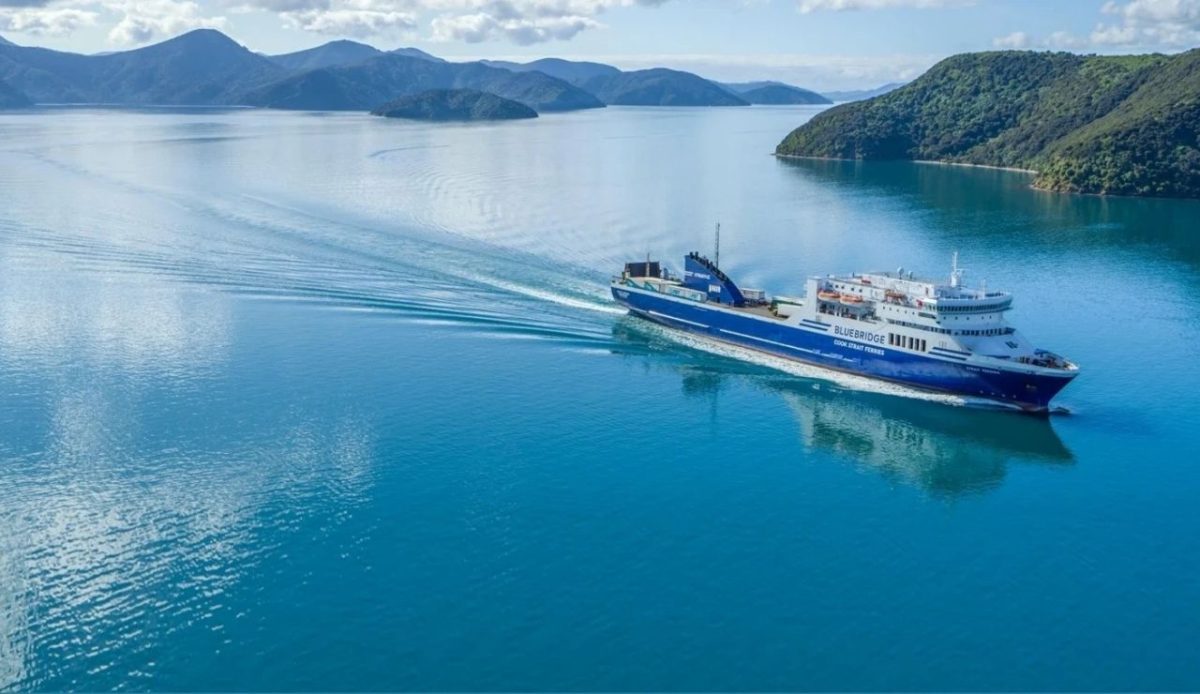
Bluebridge also runs Wellington to Picton, typically with a small fleet and tight turnaround times. When one ship develops a ramp or propulsion fault, there is little spare capacity to absorb the loss.
Recent incidents have led to blocks of cancellations after mechanical problems affected loading equipment. Because the operator cannot instantly charter a like-for-like vessel, cancelled sailings may persist until repairs are complete.
During these periods, remaining crossings can sell out, and standby travel becomes uncertain. The route is a clear example of how limited vessel numbers make even routine failures translate into widespread schedule cuts.
