
Many international trips fail at the check-in desk because passport rules are enforced before you ever reach security. Airlines can be penalized for carrying travelers who cannot enter a country, so staff must verify your documents against destination and transit requirements. A passport can look fine yet still be rejected due to validity windows, issue dates, damage, missing pages, or a name mismatch. When a problem is found, rebooking fees and lost reservations can follow, and a new passport usually cannot be issued instantly. Checking these details weeks ahead keeps your itinerary intact and avoids being turned away before boarding.
1. Flying With Insufficient Passport Validity
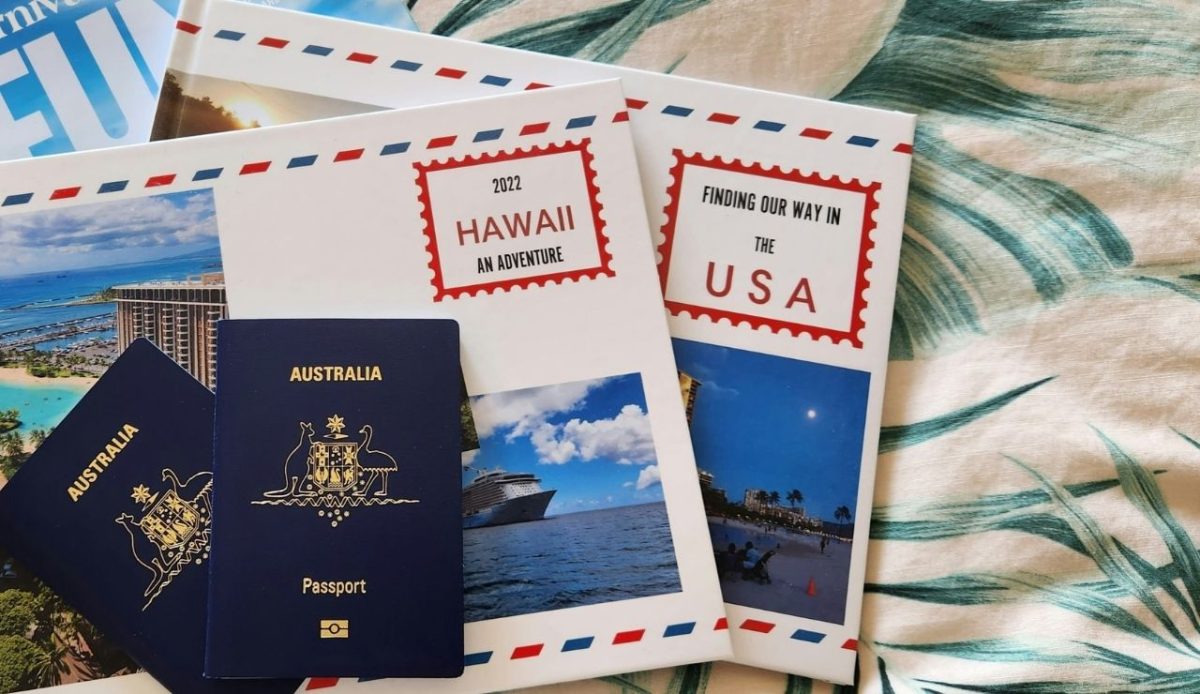
Some countries require your passport to stay valid well past your return date, and airlines will deny boarding if you fall short. A common rule is six months of validity beyond entry, while others require a buffer beyond your planned exit. This is checked in the airline system at check-in, not negotiated at the gate. If your passport expires soon, renew it before booking nonrefundable flights so the date cannot ambush you days before departure. Travelers on cruises or multi-stop routes can be caught because each port applies its own rules. A child’s passport with a shorter validity period can also trigger refusal, even when adults are fine.
2. Overlooking The Schengen Ten-Year Issue Rule

For Schengen entry, the expiration date is not the only test. Your passport must have been issued within the last ten years on the day you arrive. Some older renewals carried extra months forward, so a book can look valid yet fail this rule. Airlines read the issue date on the data page and may deny boarding if it is too old. This can also affect a transit through a Schengen airport. If you are nearing the ten-year limit, renew early so the issue date does not cancel the trip at check-in. Travelers often miss it because the passport still has months left, and a return ticket will not help once the document fails the entry test.
3. Traveling With A Damaged Passport
A passport that is torn, water-damaged, or coming apart can be treated as invalid even if the dates are fine. Border agencies and airlines rely on machine-readable lines, embedded security features, and intact pages to confirm identity. If the cover is loose, pages are frayed, or ink has run, the document may be rejected at check-in because a refusal on arrival would become the airline’s problem. Do not tape or glue it. Replace it as soon as damage is noticed, since wear tends to worsen during travel. Even small tears near the photo page or a chewed corner can raise doubts. A rushed inspection at the counter often ends with a hard no.
4. Booking Tickets That Do Not Match The Passport Name
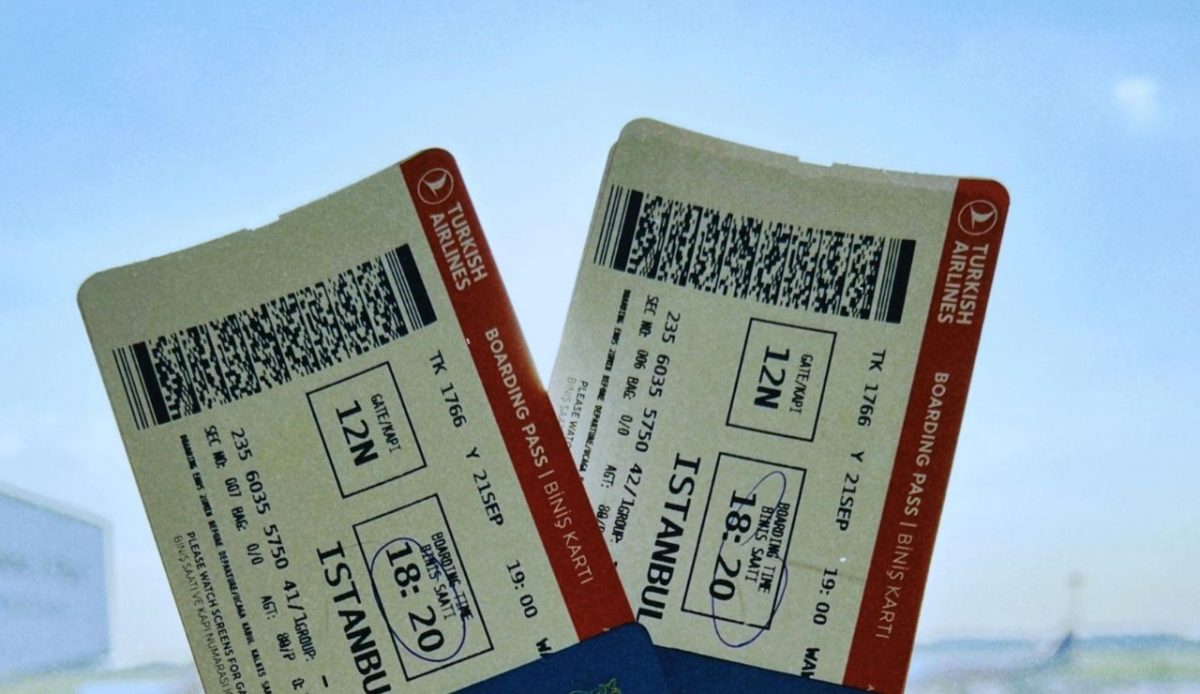
If the name on your ticket does not match the name on your passport, check-in can fail even when you arrive early. Airline systems send passenger data for security screening, and mismatches can block the boarding pass from being issued. Common causes include marriage changes, missing middle names, swapped first and last names, or diacritics handled differently. Fixing it may require a ticket reissue or a passport update, and fees can be added close to travel. Compare every character before you pay. Group bookings add risk because one typo can block the record. A marriage certificate may not override the passport name at the counter.
5. Running Out Of Blank Visa Pages
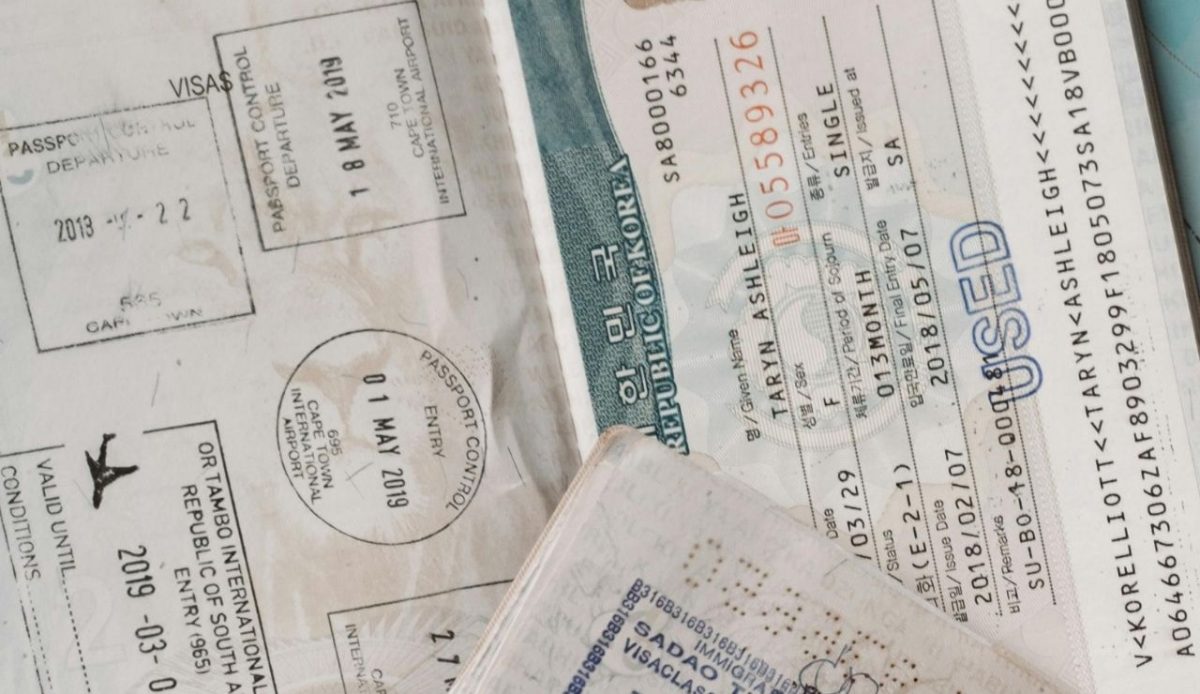
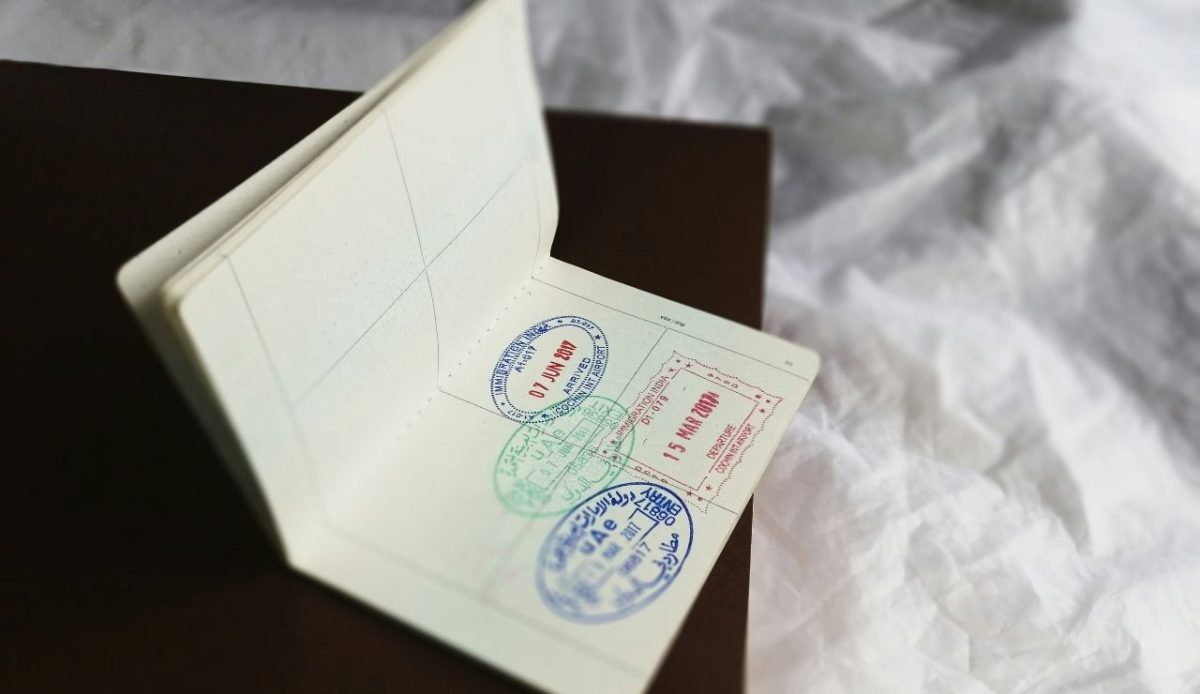
Running out of blank pages can end a trip before it begins, especially on routes that involve visas or multiple border crossings. Some countries require a minimum number of blank visa pages, and immigration stamps also need space. If your passport is nearly full, a visa application can be refused, or an airline may question whether you can be admitted. Check both passport books if you carry two, and remember that amendment pages do not count as blank visa pages. Renew before the last pages are used. Some embassies require two facing blank pages, and a single half-page left near the back may not be accepted.
6. Assuming Emergency Or Limited Passports Are Accepted

Emergency or limited validity passports are not accepted everywhere, and that surprise often appears at the airport. These documents can be issued quickly after loss or theft, yet some countries refuse them for entry, and others limit transit or visa-free access. Airlines check acceptance rules for each stop because a denial in transit still creates a return obligation. Before you fly, confirm that every country on your itinerary accepts the document type, including layovers, and carry extra time for manual checks at check-in. Automated e-gates may also reject them, so a longer line at staffed control should be expected.
7. Entering Incorrect Passport Details In Online Approvals
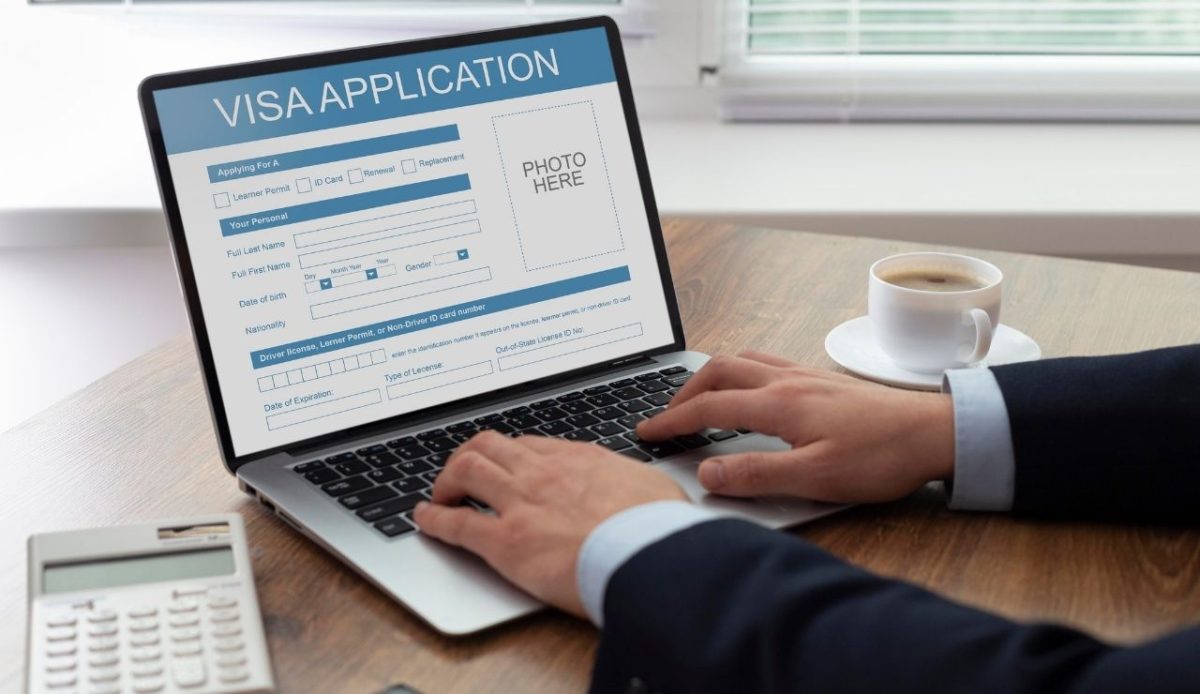
A single wrong digit in a passport number entered for an eVisa, ESTA-style authorization, or airline profile can stop boarding. Many systems link approval to the exact passport details, and the record is matched automatically at check-in. If the number, issue date, or expiration date is mistyped, the authorization can appear missing even if you paid and received an email. Correcting it may require a new application and fee, and processing time can be lost. Enter details from the data page, then verify them again before submission. Avoid autofill from old trips, since a renewed passport changes every field that matters.
8. Forgetting The Passport Or Checking It In A Bag
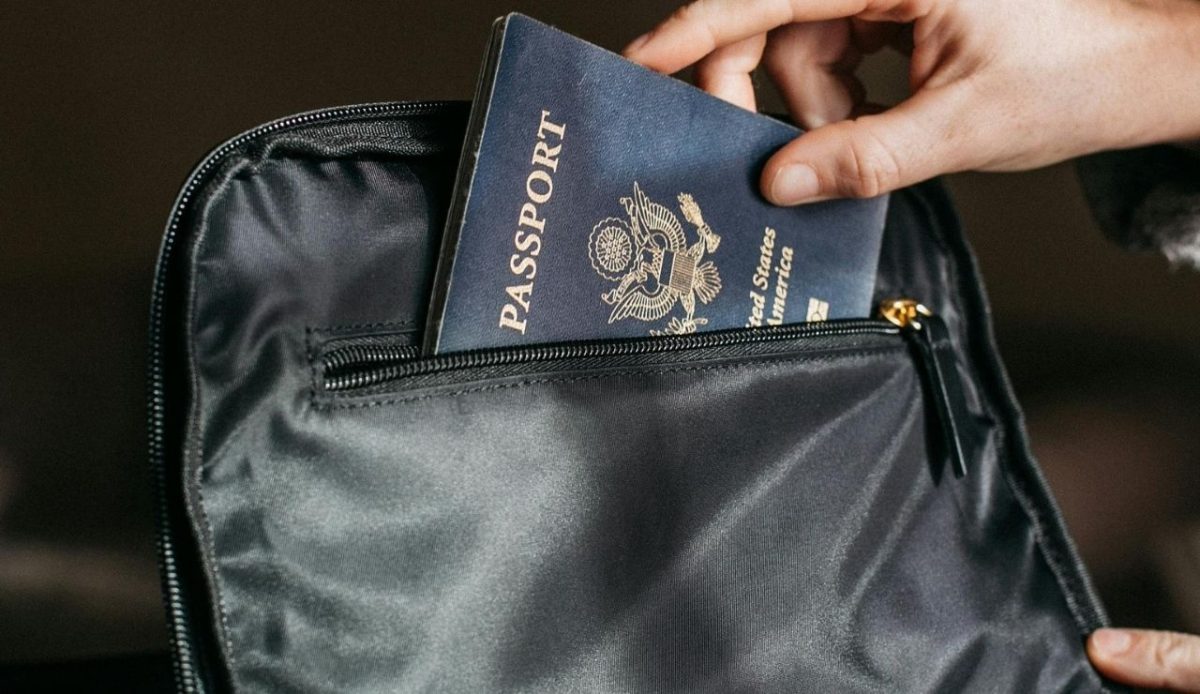
Arriving at the airport without the physical passport, or placing it in checked luggage, can end travel before it starts. A photo on your phone is not accepted for international boarding, and a digital wallet entry cannot replace the booklet for most routes. If the passport is checked, you may be separated from it after bag drop, and retrieving luggage can take too long to make the flight. Keep the passport in a secure carry-on pocket, and check it again when leaving home, the hotel, and the rideshare so it stays with you. This mistake is common on early mornings, and it is not fixable by calling someone to read the number aloud.
