
National parks rarely shut their gates completely, but 2026 has a steady drumbeat of targeted closures, a trail here, an entrance road there, or a campground temporarily offline while crews fix what visitors depend on.
These partial closures usually come from weather, construction, or safety work, and they can affect access to popular viewpoints, visitor centers, and even signature hikes.
Before you lock in flights or lodging, check the park’s current alerts and build a backup plan for the same region. If a must-see spot is closed, you can often swap in a nearby overlook, a different trailhead, or a ranger program. The key is knowing the limits before you arrive.
1. Yosemite National Park
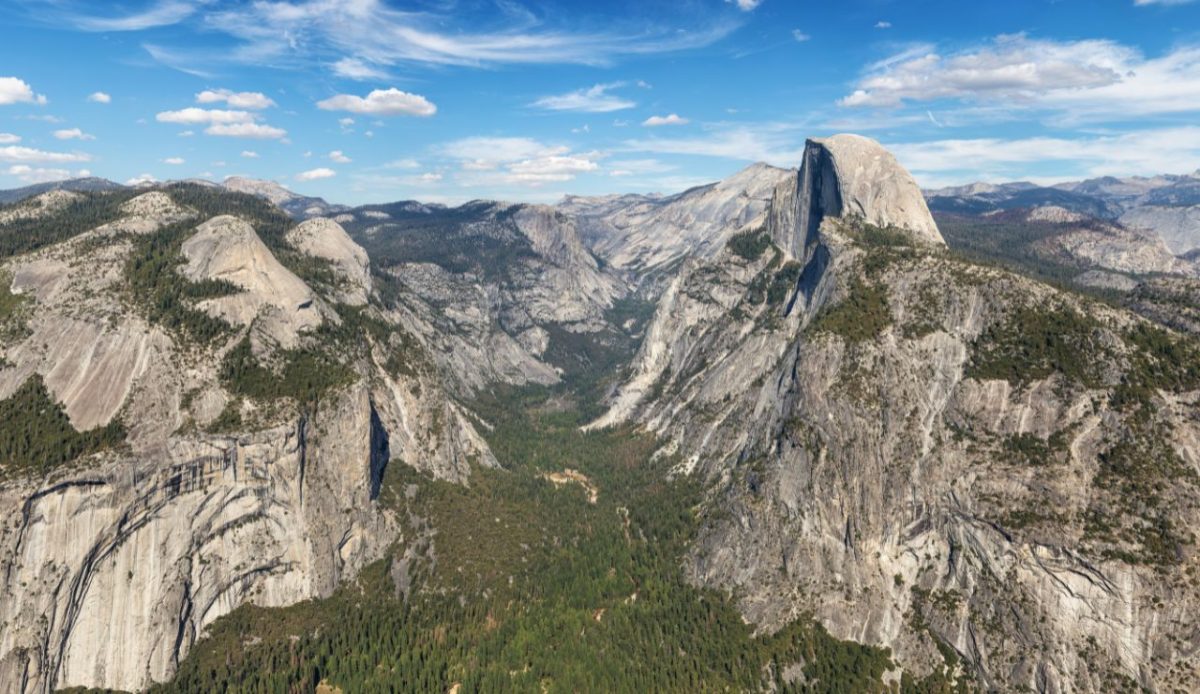
Heavy winter storms can flip Yosemite’s access in hours, and this year the park has already used temporary closures when snowfall, avalanche risk, and falling trees made roads and developed areas unsafe.
Even when the park reopens, expect rolling restrictions: entrances may close, chain controls can limit travel, and high-country routes like Tioga Road are typically closed in winter and reopen later based on conditions.
If you’re visiting in 2026, treat Yosemite Valley as the “plan A” but not the only plan. Keep alternate days for lower-elevation walks, scenic drives outside the park, and flexible lodging so a weather-driven closure doesn’t wipe out the whole trip.
2. Glacier National Park
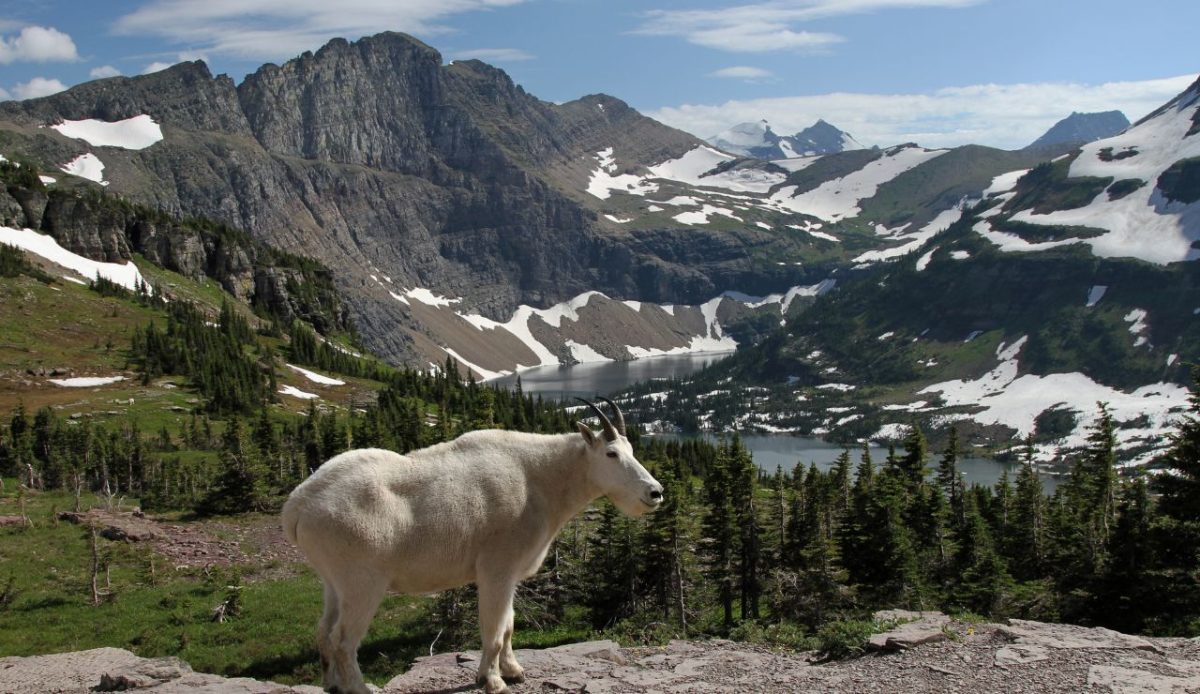
Glacier is flagging construction impacts in 2026 that go beyond the usual “expect delays” warning. A utility project is scheduled to trigger spring and fall closures in the Two Medicine developed area, including the campground, which the park says will be closed.
On the east side, water-system work around St. Mary is expected to create partial campground closures later in the year, with work stretching from fall 2026 into spring 2027.
For trip planning, focus on what stays open: Going-to-the-Sun Road access windows, shuttle options, and nearby trailheads not tied to the work zone. If Two Medicine or St. Mary is your anchor, book refundable stays and build in a Many Glacier or West Glacier alternative.
3. Grand Canyon National Park
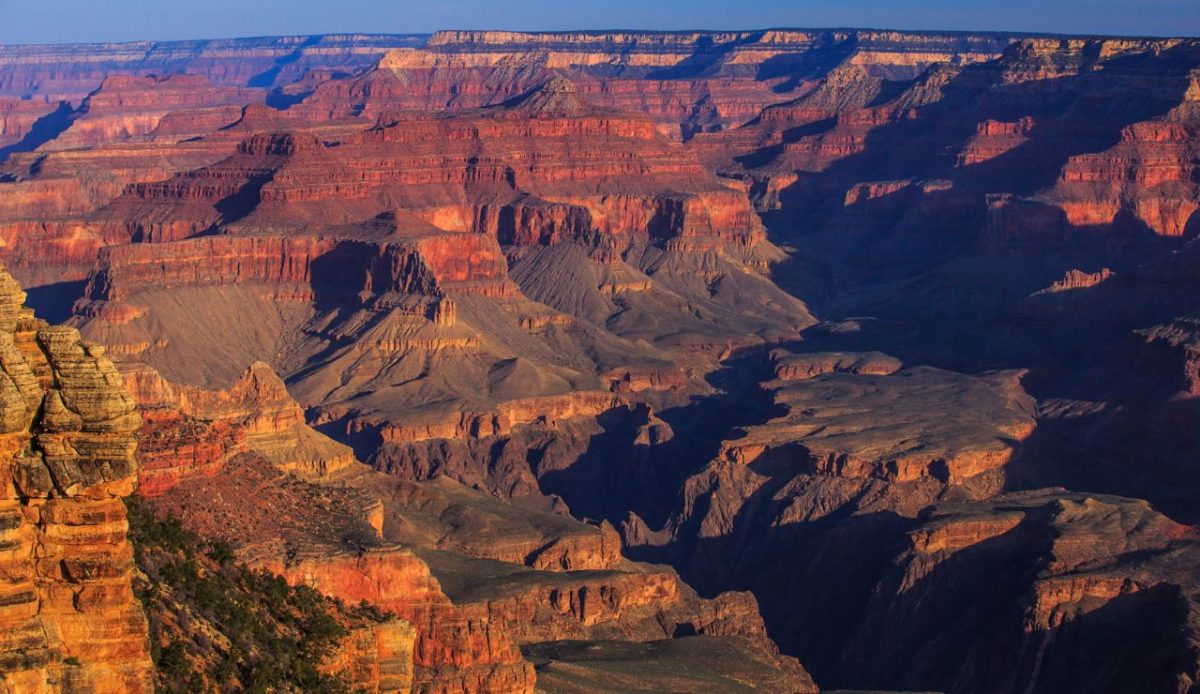
Grand Canyon’s 2026 access changes are tied to the multi-year Transcanyon Waterline project and related safety repairs. Several inner-canyon segments remain closed through June 30, 2026, including the Plateau Point Trail beyond the Tonto junction and parts of the River Trail.
The park has also kept key river crossings constrained: Silver Bridge stays closed through June 30, 2026, and hikers are directed to use Black Bridge to cross the Colorado.
For most visitors, the rims and the main corridor viewpoints still deliver, but serious hikers should map routes carefully. If Phantom Ranch or a specific loop is your goal, confirm which connectors are open and be ready to pivot to a Bright Angel out-and-back or a Tonto traverse.
4. Lassen Volcanic National Park, Old Station, California, United States
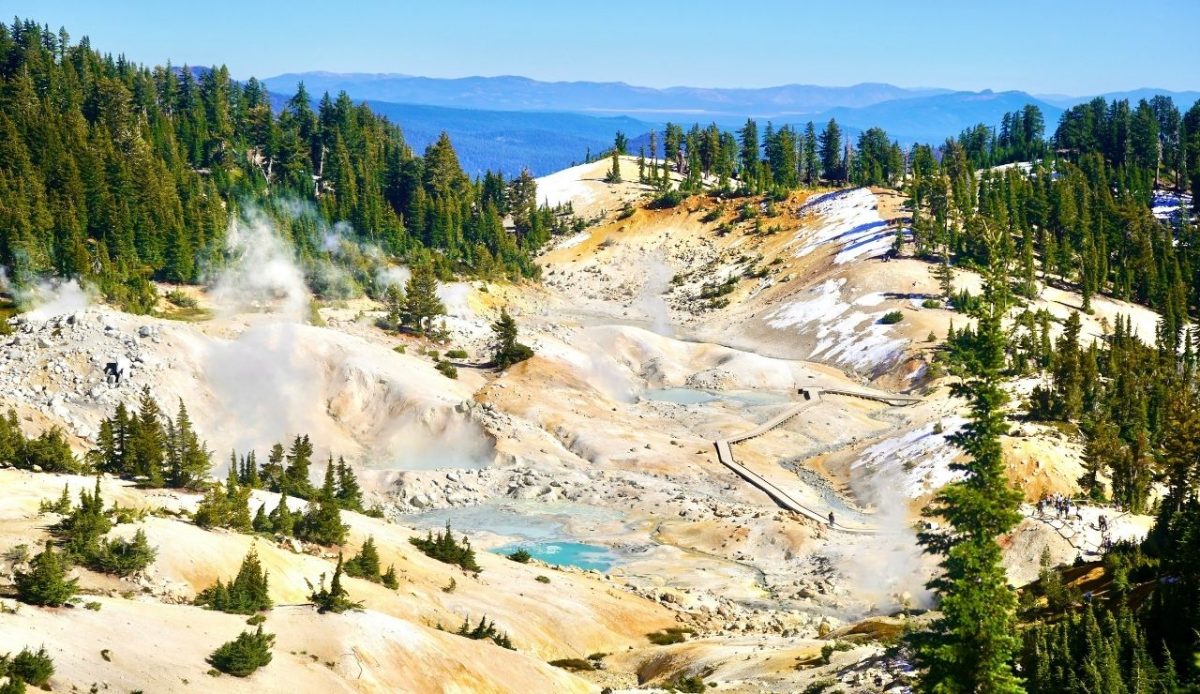
At Lassen Volcanic, “partial closure” often means the main park highway is shut while the rest of the park operates in winter mode. Highway 89 through the park closes for the snow season, cutting off the through-route between the southwest and northwest entrances.
That closure limits access to high-elevation features and some trailheads, while unpaved approach roads to other entrances may close too. Snow clearing usually starts in March or April, and reopening depends on depth and avalanche conditions.
For a 2026 road trip, plan a “two-entrance” visit instead of a drive-through. Pick one side for the day, pack winter gear, and verify road status before booking lodging that assumes the highway is open.
5. Rocky Mountain National Park
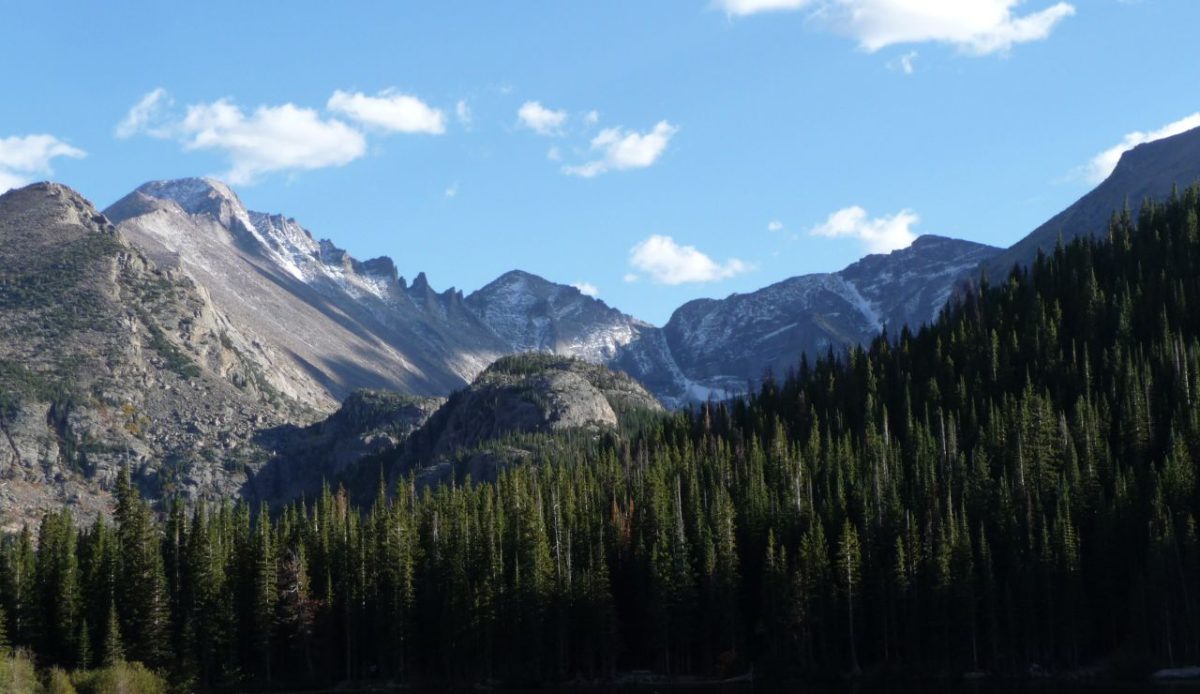
Rocky Mountain National Park is calling out a specific 2026 closure that matters for anyone targeting the quieter west side. Timber Creek Campground will close at noon on August 10, 2026 and remain closed through the end of the 2026 summer season for sewer-system rehabilitation.
The campground still opens in mid-May, but the last night to camp there is August 9, and the park expects it to reopen for the 2027 summer season once the work is finished.
If Timber Creek is your base for Trail Ridge Road, the Colorado River corridor, or west-side trailheads, book early alternatives outside the park or shift to east-side campgrounds that remain open. Either way, lock in plans with the closure date in mind so you’re not scrambling mid-trip.
6. Saguaro National Park
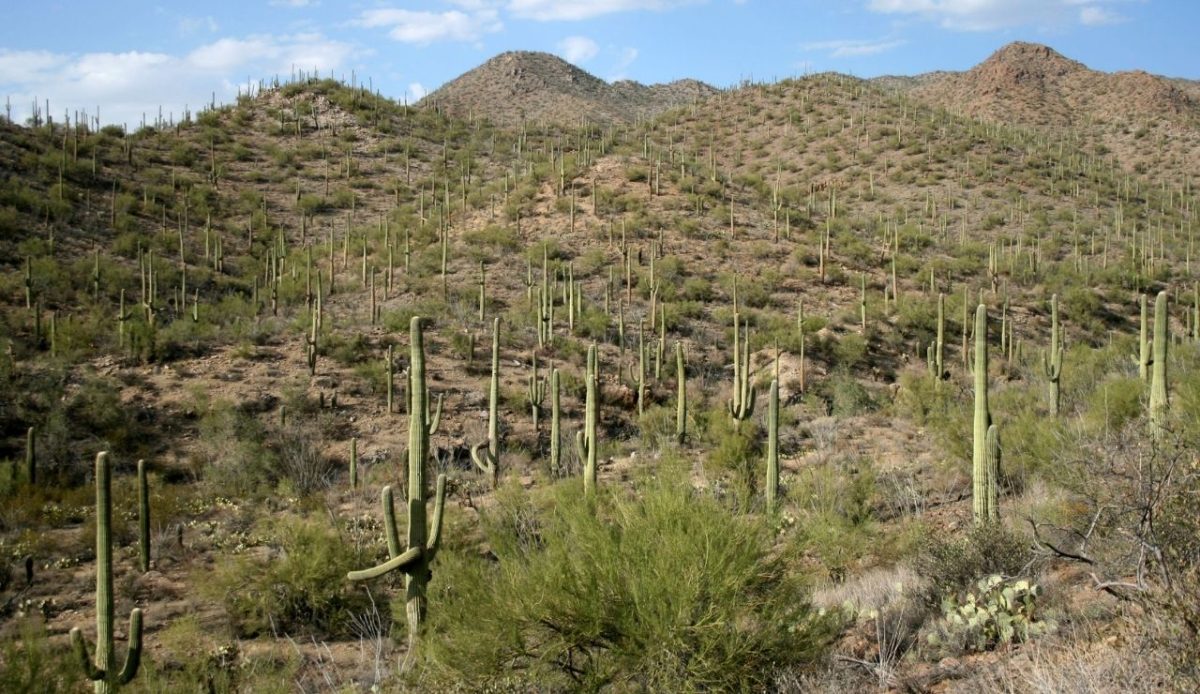
Saguaro National Park’s 2026 impacts are more surgical, but they hit a popular, accessible route. In the park’s east district, the Mica View Trail is closed for resurfacing from January 5 through March 7, 2026.
The good news is that the Mica View Picnic Area and Broadway Trailhead remain open, and the park notes that you can still reach the area via the Cactus Forest Trail, which connects to Mica View south of the picnic area.
If you’re visiting in winter or early spring, treat this as a reroute rather than a dealbreaker. Build your day around other east-district loops, watch for heavy equipment near the work zone, and keep an eye on updated trail status so you don’t arrive expecting the closed segment to be passable.
7. Great Basin National Park, Nevada, USA
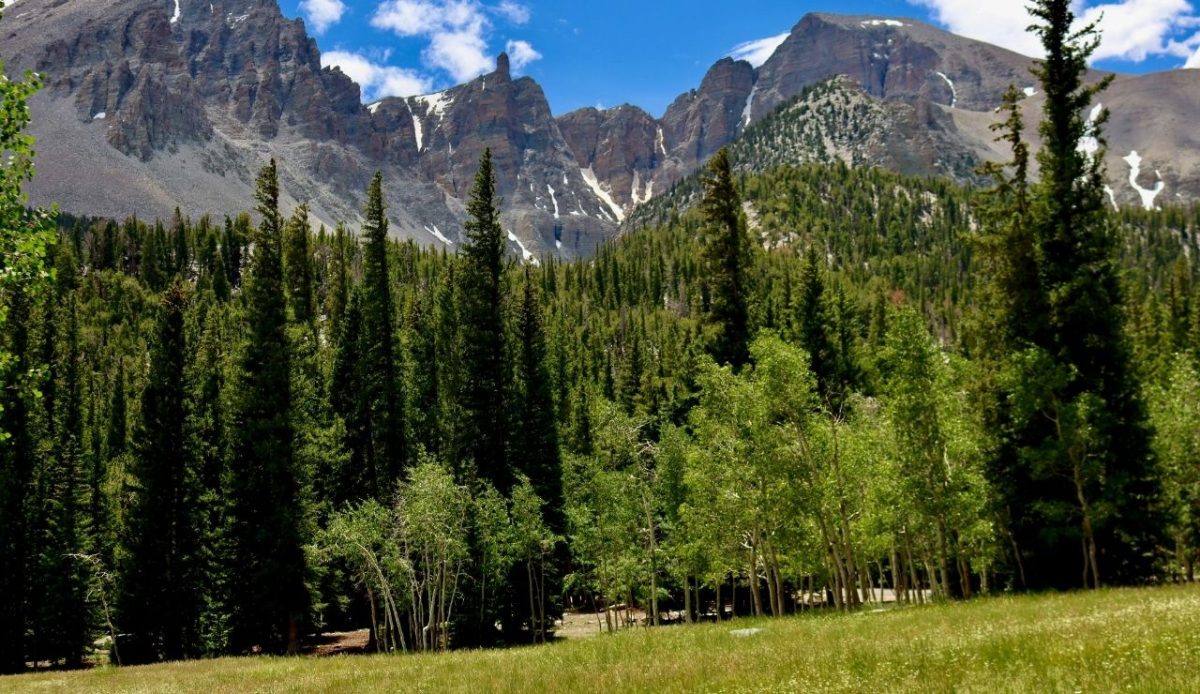
Great Basin National Park is warning visitors that one of its signature experiences is offline during an infrastructure upgrade. Lehman Caves and the Lehman Caves Visitor Center are closed during a lighting and electrical replacement project running from winter 2025 through summer 2026.
Park updates say the closure is needed because aging components were failing and replacement parts are no longer available, so the work is about safety and long-term reliability.
For a 2026 visit, pivot toward what’s still open: mountain hikes, winter recreation, and the Great Basin Visitor Center in Baker for orientation. If cave tours were your main reason to come, consider shifting your trip later in the summer when the project is expected to wrap up.
8. Joshua Tree National Park
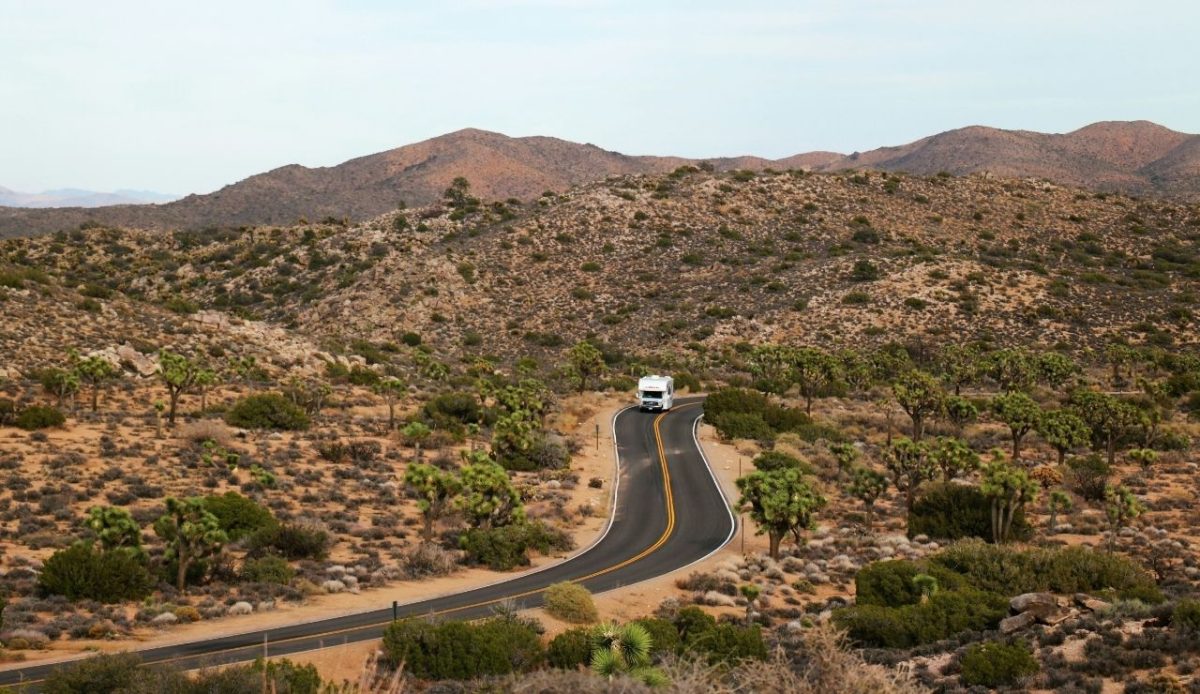
Joshua Tree’s 2026 disruption is short but important if you plan to use the main gateway. The park’s west entrance is closed to inbound and outbound traffic from 6 a.m. January 12 through 7 a.m. January 17, 2026.
In that window, Park Boulevard is closed to vehicles for about six miles from the west entrance to Quail Springs Picnic Area, and visitors cannot drive to or park at the Maze Loop or Bigfoot Trailhead parking areas.
Other park roads are expected to remain open, and you can enter via the north entrance in Twentynine Palms or the south entrance at Cottonwood. Build your hike plan around those access points and add a small drive-time buffer so the detour doesn’t steal your best light.
