
National parks have seen record visitation in recent years, and the pressure shows up fastest on the ground: eroded tread, failing boardwalks, washed-out bridges, and people stepping off-trail to pass slower hikers. When damage reaches a safety or resource threshold, the Park Service may close a route fully or on a limited schedule to rebuild it.
The trails below are in U.S. national parks and have had closures tied to repairs, rehabilitation, or resource protection. Dates and access can shift quickly, so treat this as a snapshot and confirm current status before you go.
If you arrive and a gate is up, choose a different hike and stay on signed routes so the repair work can actually stick.
1. Laurel Falls Trail, Great Smoky Mountains National Park
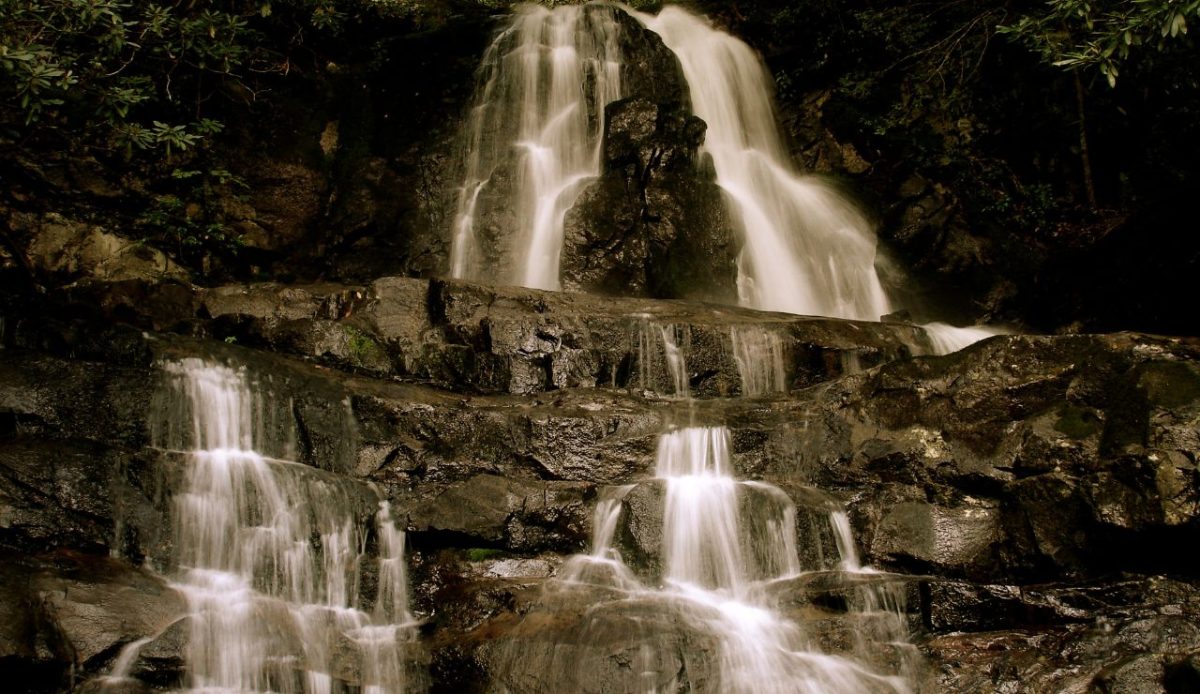
Laurel Falls is one of Great Smoky Mountains’ busiest short hikes, and its narrow, steep paved path has struggled to keep up with traffic. The park scheduled a long closure starting January 6, 2025 to rebuild the route and the trailhead area.
Work includes upgrades meant to reduce slips and bottlenecks near the waterfall, including new viewing areas and improved wayfinding. The goal is safer access without people spilling onto fragile edges.
During the closure, the best substitute is choosing another waterfall hike in a different corridor, which spreads use across the park. Avoid “social trails” around barriers, since they quickly widen into new scars.
2. Cleetwood Cove Trail, Crater Lake National Park
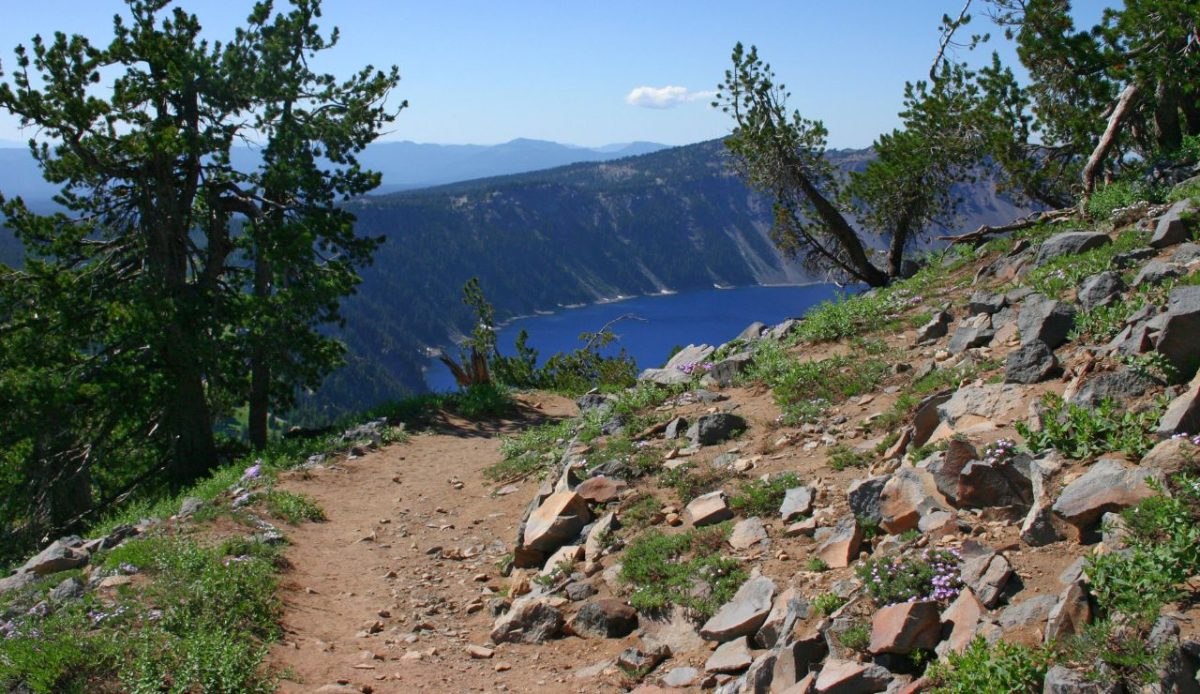
Cleetwood Cove is Crater Lake’s only maintained trail to the shoreline, which means thousands of boots concentrate on one steep mile. The park cites highly erosive soils, tread loss, and undermined retaining walls, along with rockfall hazard zones identified in geotechnical studies.
Construction is planned to start in early summer 2026 and run across three short work seasons. During that period the trail is expected to be closed to the public, and lake-shore access including public boat tours is paused for the summers of 2026, 2027, and 2028.
The practical workaround is planning for rim viewpoints and hikes that stay on higher terrain, then saving swimming and boat time for another year.
3. Heritage Trail, Mammoth Cave National Park
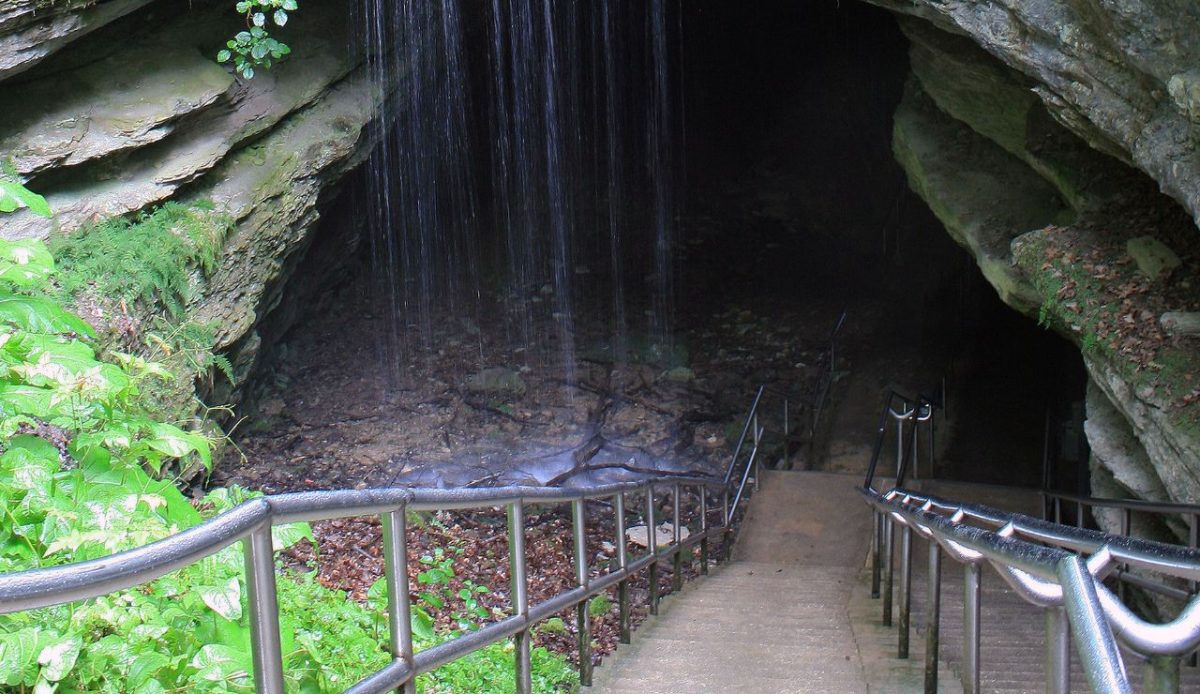
Near the Mammoth Cave visitor center, the short Heritage Trail is popular because it’s easy, scenic, and close to the lodge. Its raised wooden boardwalk sections take a beating from rain and freeze-thaw cycles, which drives frequent maintenance just to keep the surface safe.
To reduce that wear, the park set a construction window from January 2025 through January 2026. During the project, the Heritage Trail and the nearby Old Guides Trail are closed, along with the visitor center pedestrian bridge and the hotel’s north entrance access route.
If you still want a low-commitment walk, use other signed trails around the visitor area rather than hopping onto closed decking, which can damage boards and slow reopening.
4. Bumpass Hell Trail and Boardwalk, Lassen Volcanic National Park
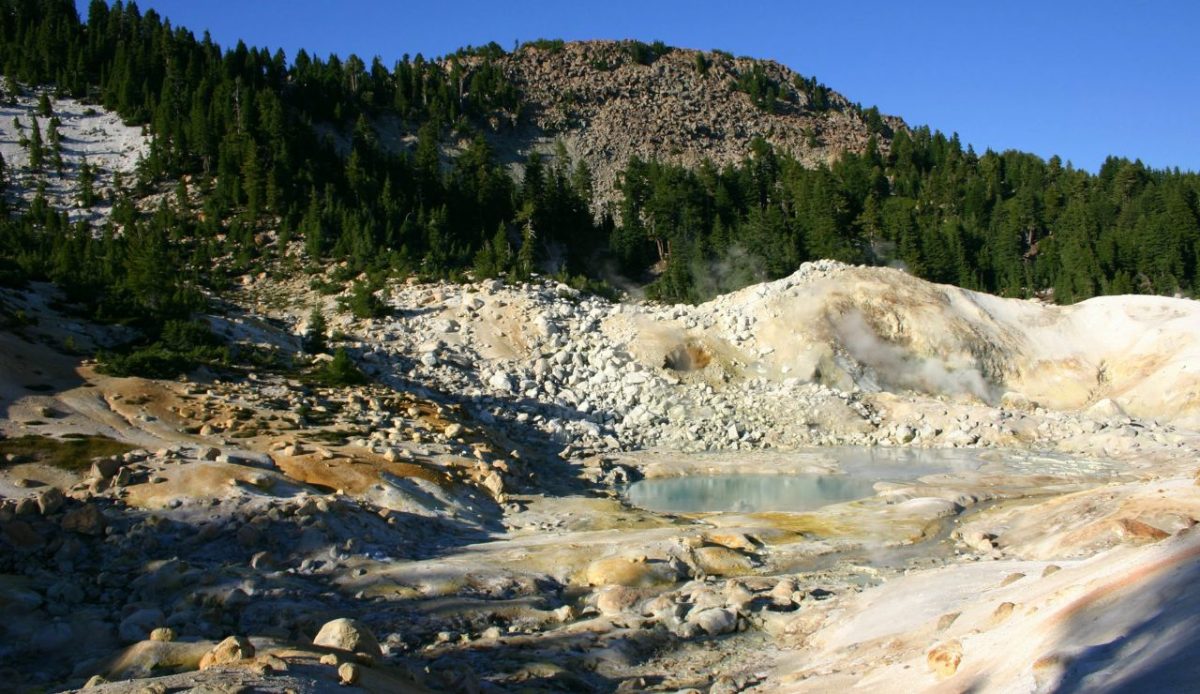
Bumpass Hell is Lassen Volcanic’s signature hydrothermal walk, and the mix of high visitation and an active landscape is hard on trails and boardwalks. The park began a multi-year rehabilitation in 2018 to cut maintenance needs while protecting historic work and sensitive basin features.
Upgrades include restoring the historic trail’s four-foot width, rebuilding stone retaining walls, and adding erosion-control systems to stabilize the tread. In the basin, the boardwalk was reconstructed with materials meant to hold up in acidic gases and other caustic conditions.
Closures during work help keep visitors off unstable ground and concentrate foot traffic onto a single durable route through a fragile thermal area.
5. Cadillac Cliffs Trail, Acadia National Park
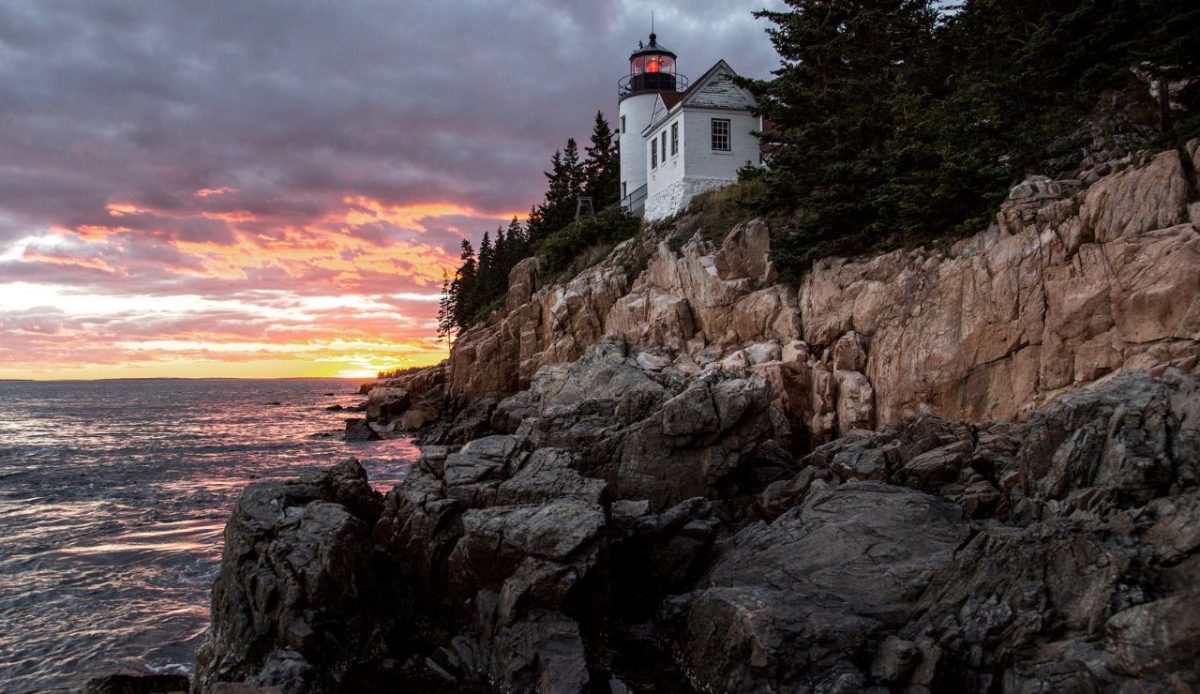
Acadia’s Cadillac Cliffs Trail on Gorham Mountain has been periodically closed to let crews rebuild worn sections before problems spread. In one rehabilitation effort, the park scheduled weekday closures starting July 13, 2015, keeping the route shut Monday through Friday from 7:00 a.m. to 4:00 p.m. while work was underway.
The closure window was tied to heavy tools and overhead lifting systems, where access would have conflicted with crew safety and staging. Limiting use during work also reduces the temptation to step around barriers and widen the tread.
If you hit a weekday closure, choose another marked route on the same ridge system rather than shortcutting across vegetation, which is how “one detour” becomes lasting damage.
6. Dream Lake and Emerald Lake Access Trail, Rocky Mountain National Park
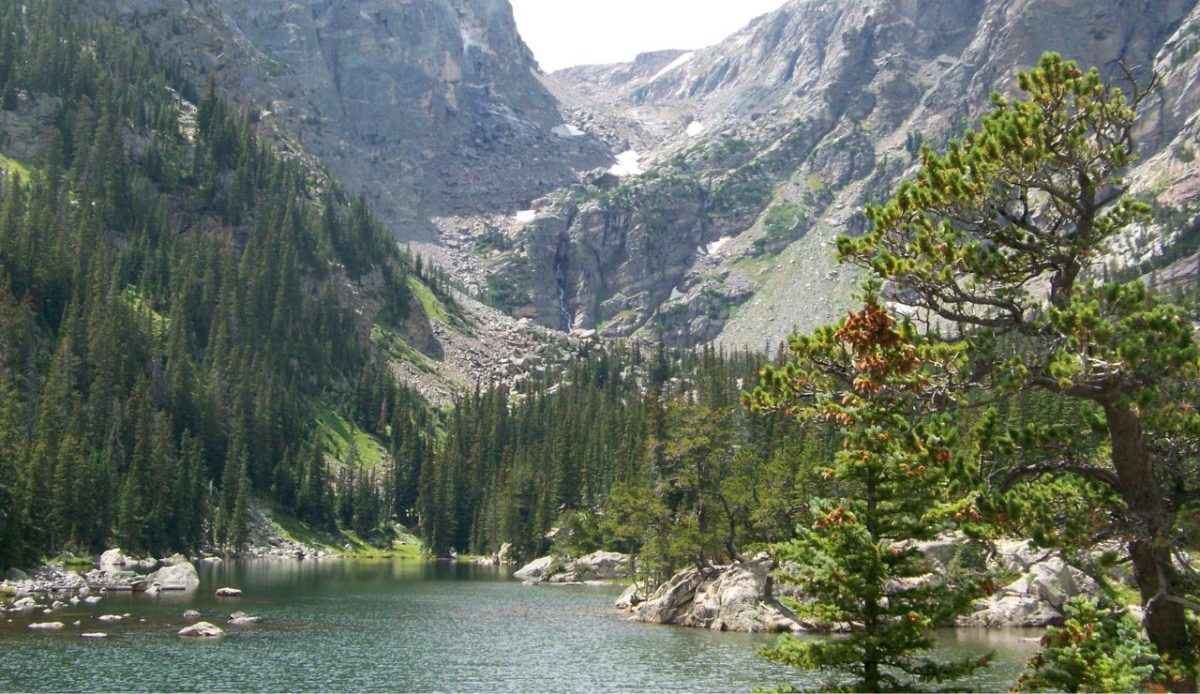
In Rocky Mountain National Park, the short approach to Dream Lake and Emerald Lake sees constant traffic, which is tough on small pieces of infrastructure like outlet bridges. In late 2025, the park announced a full closure of that access segment for an outlet bridge replacement.
The route was closed to all use Monday–Thursday, September 29 to October 2, then reopened Friday–Sunday, October 3 to 5, before closing again Monday–Thursday, October 6 to 9. Dream Lake and Emerald Lake were not reachable on the closed dates, even for quick day hikes.
For visitors, the simplest fix is picking another lake trailhead for those weekdays instead of crowding into the same corridor or trying to cross unofficially where the bridge work is happening.
7. Lewis River Falls Trail, Yellowstone National Park
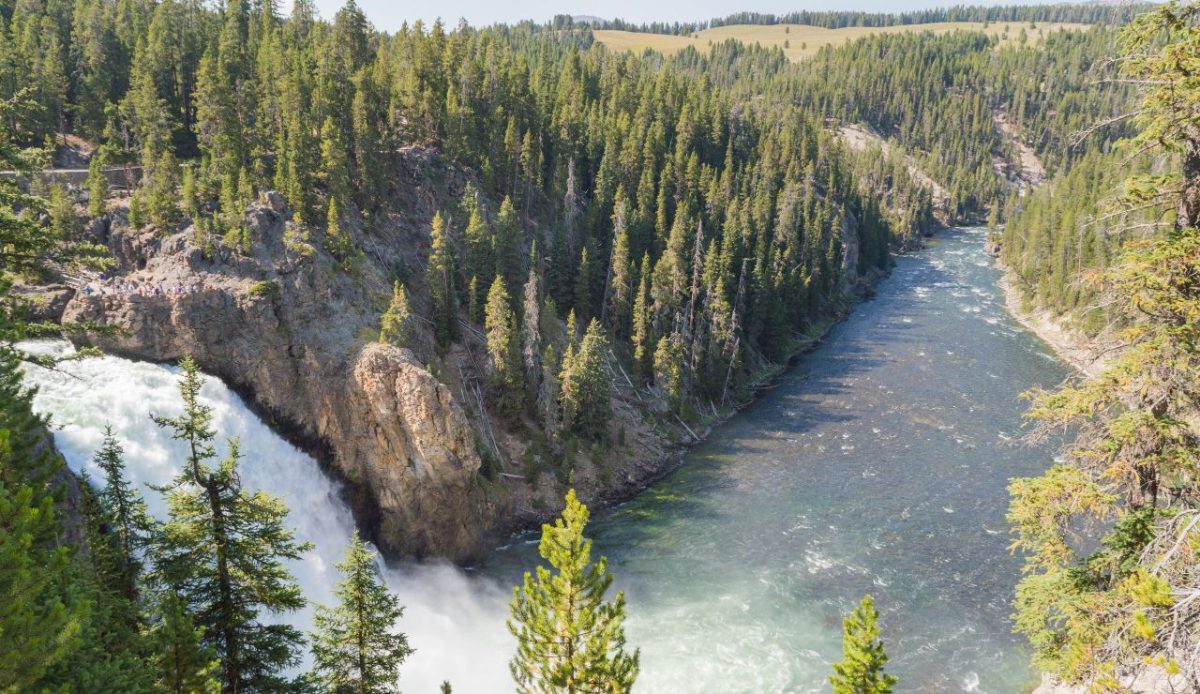
Yellowstone sometimes closes short spur trails when road work makes an area unsafe or when crews need space for equipment. During the Grand Loop Road rehabilitation between Old Faithful and West Thumb, the park said nearby pullouts and the trail to Lewis River Falls would be closed during construction.
That road segment is one of the park’s busiest, and the work includes repaving plus drainage and safety upgrades. Keeping the falls trail shut avoids hikers mixing with trucks and reduces illegal shoulder parking that can damage vegetation and block sightlines.
If Lewis River Falls is a must, plan it for a year when the project is dormant, or choose a different signed stop in the same region that doesn’t require entering a closed pullout.
8. River Trail, Grand Canyon National Park
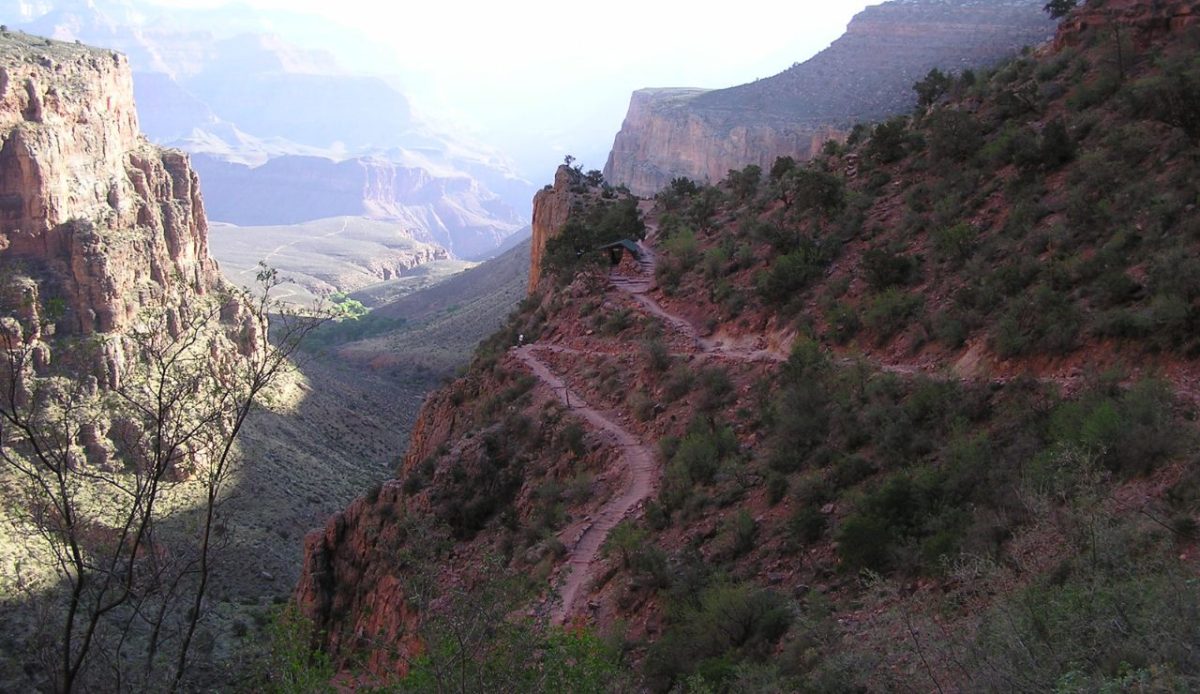
In Grand Canyon, steep terrain and loose rock mean trail damage can jump quickly from “rough” to “closed.” The park reported that rockfalls along the River Trail caused a collapse of roughly a 50-foot section, triggering further assessment and rebuilding work.
The park has also noted closures and restrictions elsewhere in the corridor, including the North Kaibab Trail closed north of the Clear Creek Trail junction due to damage from the 2025 Dragon Bravo fire, with additional work planned along the route in 2026.
When a canyon route is posted closed, treat it as non-negotiable. Off-route detours can send hikers onto unstable slopes, create new social trails, and increase erosion and rescue risk.
