
Hungary gives travelers a surprising range of places that are easy to reach, even for short trips. Many visitors begin in Budapest, but the country offers far more once you move beyond the capital. Towns with strong historic roots, lake regions with simple walking paths, and national parks with well-marked routes all sit within manageable travel distances. Public transport links help visitors plan days without complicated changes, and many regions maintain visitor centers that provide clear guidance. This list highlights destinations that consistently perform well with travelers, travel forums, and local tourism offices, giving a practical starting point for anyone planning a structured itinerary.
1. Budapest’s Buda Castle District
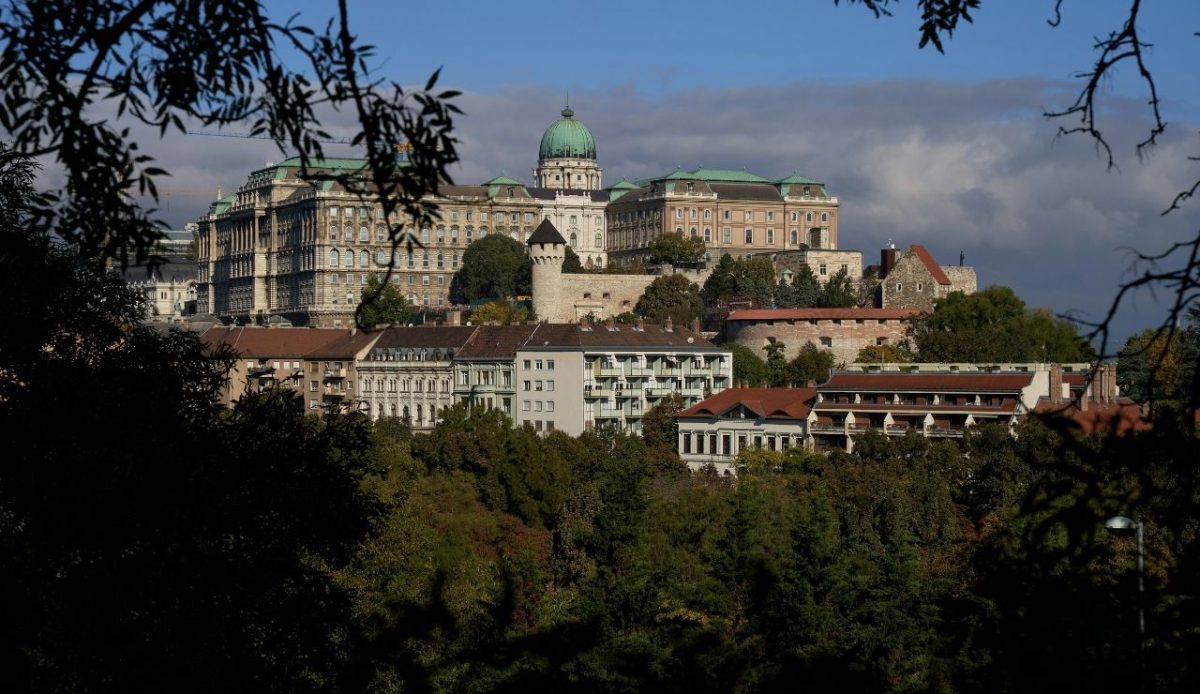
The Buda Castle District gives travelers an easy way to understand Budapest’s long history. Visitors walk through narrow streets, restored buildings, and open courtyards that show how the city grew over time. The district includes major sites such as Matthias Church and Fisherman’s Bastion, both offering well-known lookout points. Travelers also reach museums like the Budapest History Museum and the National Gallery without facing long routes. Restaurants and small shops stay active throughout the day, making it simple to plan a full visit. The area remains one of the most organized parts of the city, which helps first-time travelers move around confidently.
2. Lake Balaton
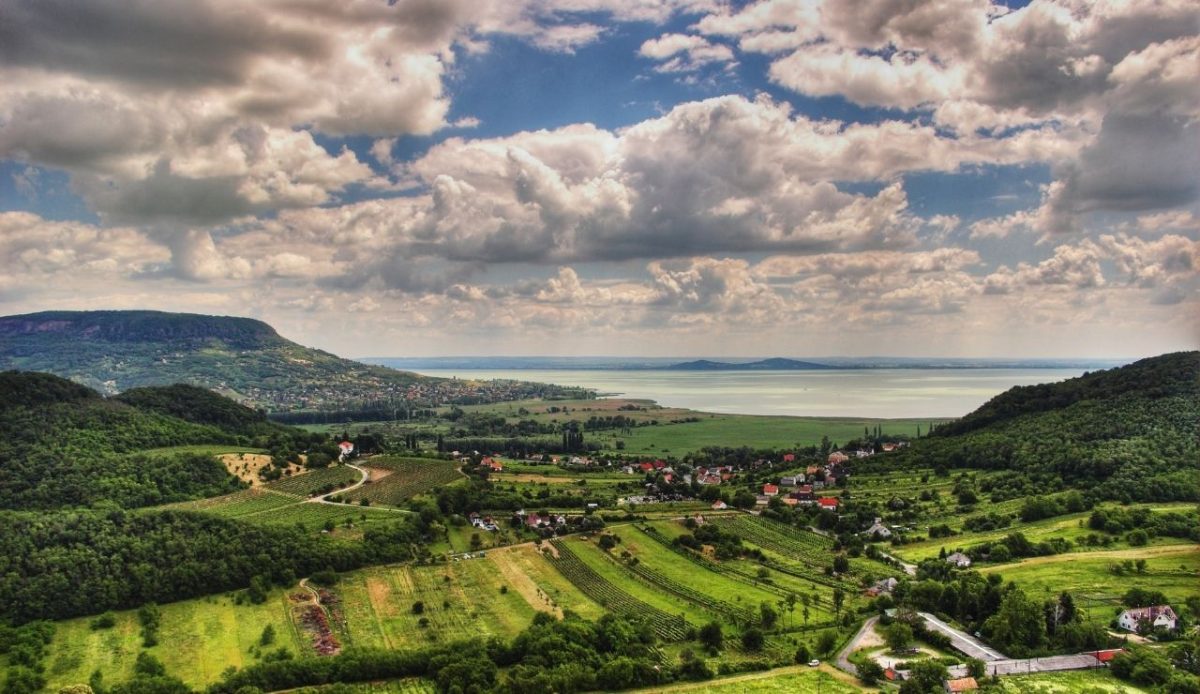
Lake Balaton attracts local and international travelers who want easy access to swimming areas, family-friendly beaches, and long walking paths. The lake supports a steady tourism scene with waterfront hotels and quiet towns on both shores. People visit Siófok for lively waterfront spots, while Tihany appeals to those who want calmer surroundings and an abbey that stays popular year-round. Cyclists often choose the lake because the circular bike route has reliable rest points and clear views. Ferries help visitors move between towns, reducing travel time across the water. The region works for short getaways as well as longer summer stays.
3. Eger’s Historic Old Town and Castle
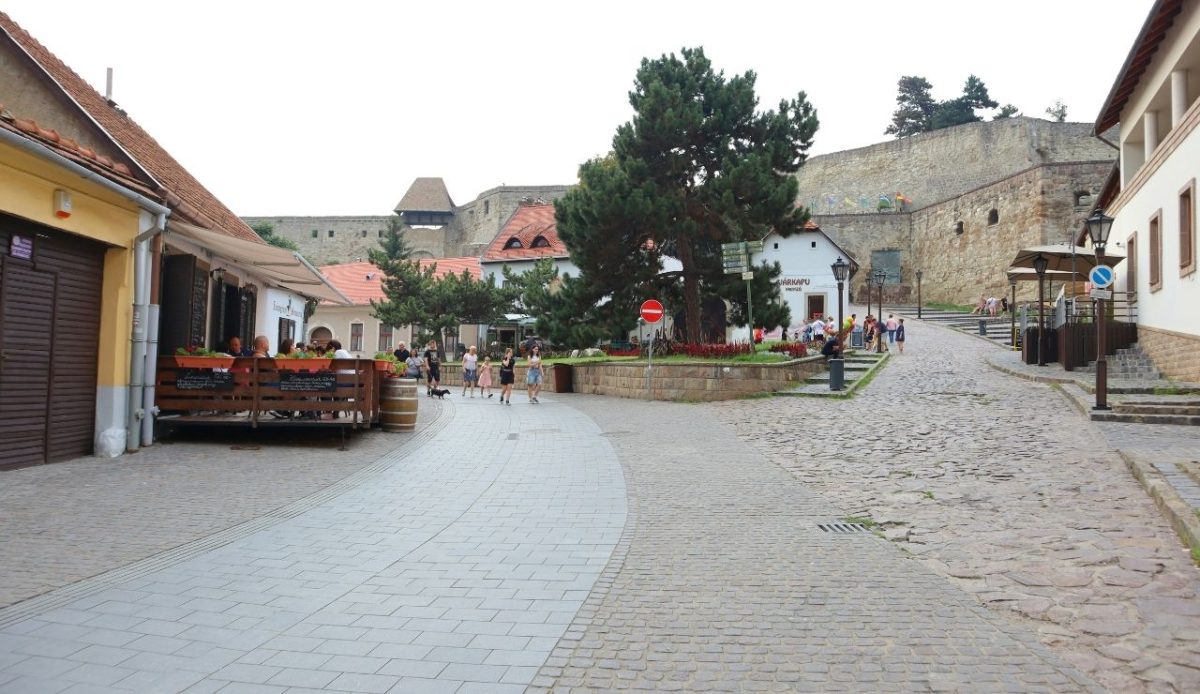
Eger’s Old Town gives travelers direct access to one of Hungary’s most recognizable historic centers. The streets remain easy to navigate and lined with cafés, small stores, and restored buildings from different periods. Eger Castle overlooks the town, and visitors walk through its passages to learn about past battles and how the fortress changed through rebuilding efforts. The town’s architecture creates a steady flow of visitors who want to see baroque structures, including the Minorite Church. Many travelers include a visit to the nearby Valley of the Beautiful Women, which remains active because of its wine cellars. The town works well for a day trip or a short stay.
4. Debrecen’s Great Forest Park
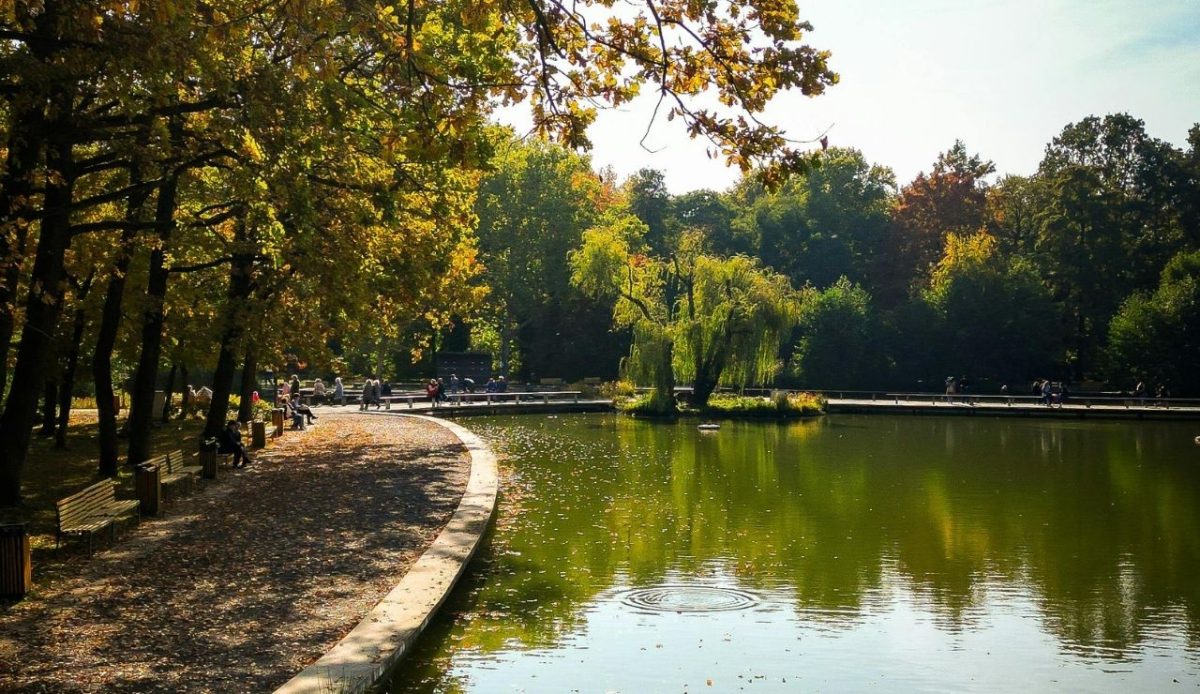
Travelers looking for open green spaces without leaving the city find Great Forest Park in Debrecen a practical choice. The park offers wide paths, shaded areas, and lakeside sections suited for families, joggers, and visitors who want a slow-paced outdoor break. The Debrecen Zoo and Aquaticum Spa Complex sit inside the park boundary, which simplifies planning for those combining activities. The playgrounds, lawns, and seasonal events attract steady crowds without overwhelming the area. Visitors appreciate the park’s layout because it stays simple to navigate and works well for short morning visits or full-day plans.
5. Pécs’ Early Christian Necropolis
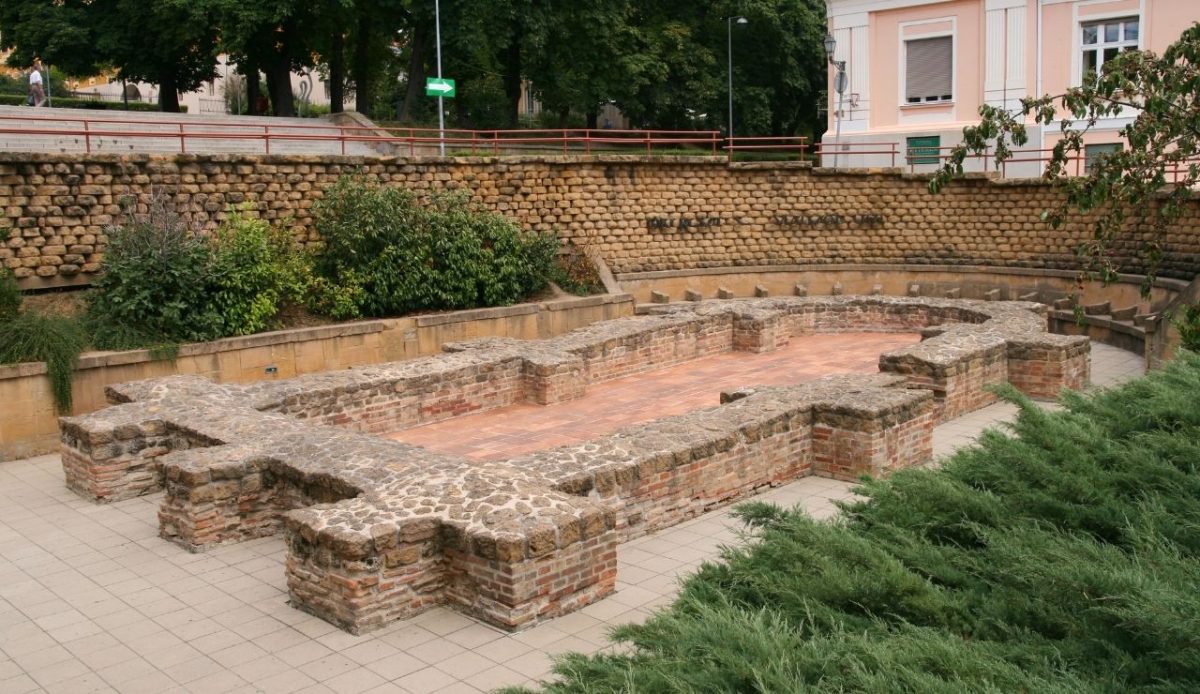
Travelers interested in early European history find the Pécs Early Christian Necropolis a clear example of well-preserved Roman-era heritage. Underground chambers display murals that help visitors understand the burial customs of the period. The site sits near Pécs Cathedral, allowing guests to combine two historic stops in a short timeframe. Guided tours keep the visit structured and make it easy to follow the timeline of discoveries. The lighting system reveals interior details without damaging artwork. Nearby streets lead to museums and cafés, making it simple for travelers to continue exploring the city.
6. Hortobágy National Park
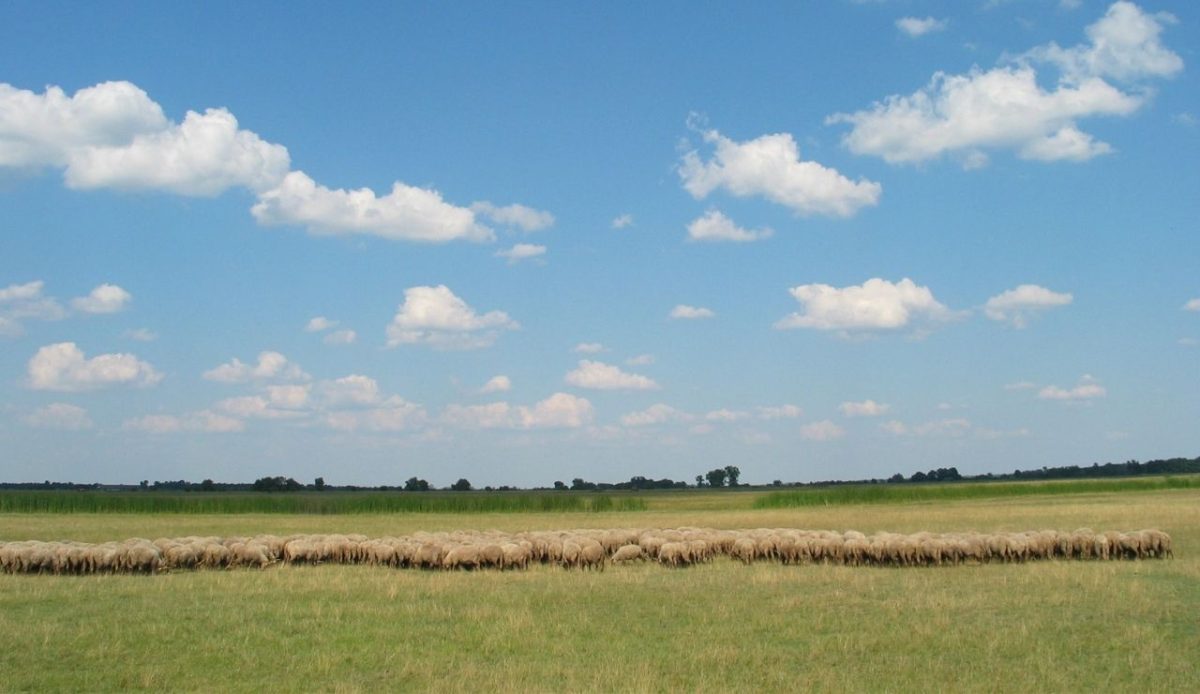
Hortobágy National Park gives travelers a direct look at Hungary’s large grasslands, which remain important for local wildlife and regional traditions. Guided trips across the plains help visitors see native animal breeds and wetlands that attract birdwatchers. The visitor center outlines how the region changed over time, and marked routes keep navigation simple. The Nine-Arch Bridge provides an accessible starting point for many travelers. Seasonal programs introduce guests to herding practices, making the park useful for those who want structured educational experiences.
7. Szentendre
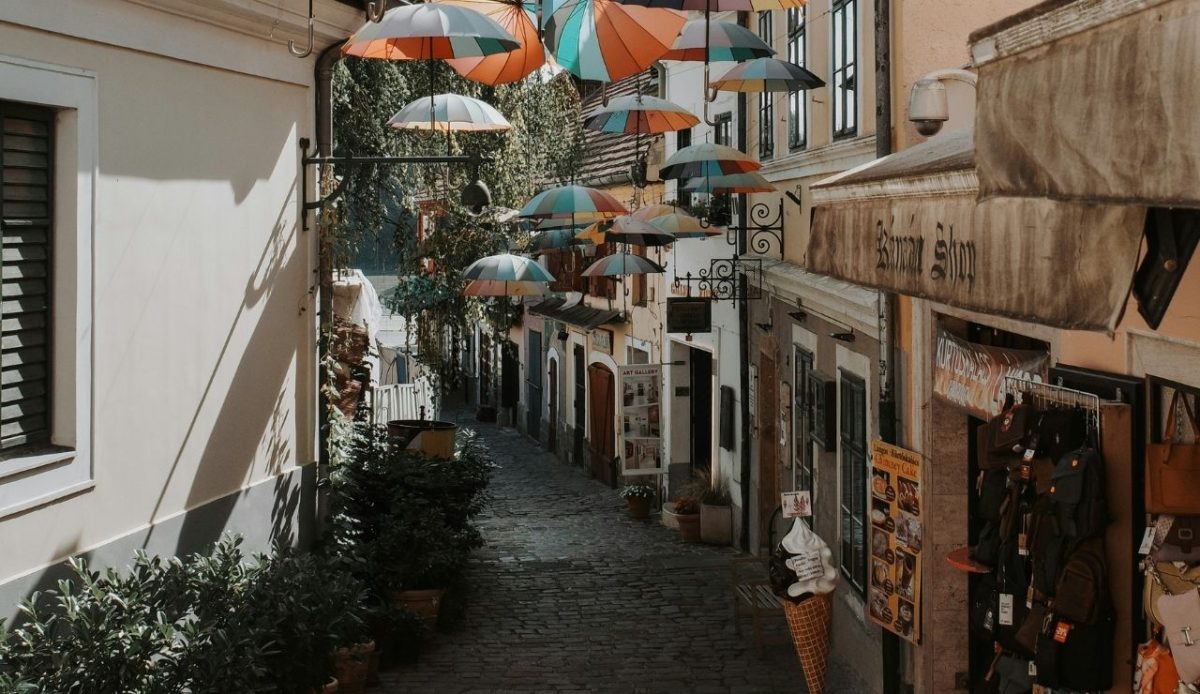
Szentendre appeals to travelers who want a compact, easy-to-walk town near Budapest. Visitors arrive by suburban train or boat, creating a quick route from the capital. The center stays active with museums, galleries, and small shops that support daily tourism. Narrow streets keep the area simple to explore without heavy traffic. The Open-Air Ethnographic Museum nearby gives a clear look at traditional homes from different regions of the country. Cafés and riverside paths help travelers plan relaxed visits without strict schedules.
8. Tokaj Wine Region
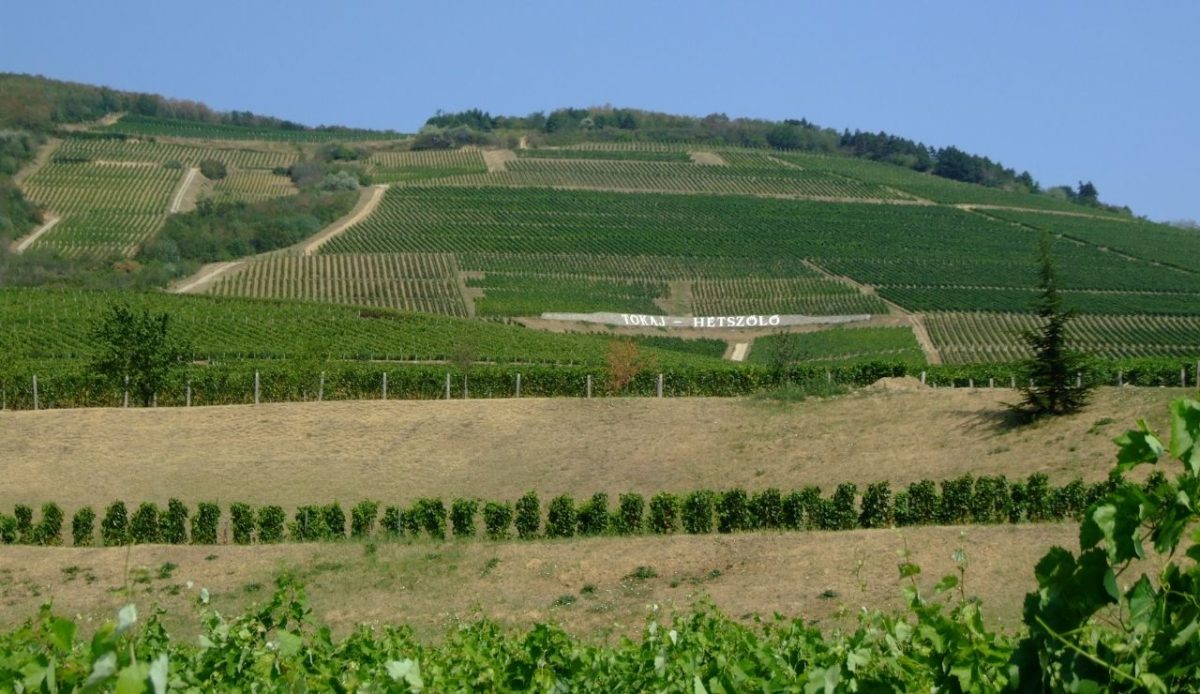
Wine-focused travelers often choose the Tokaj region because wineries offer structured tasting sessions that explain production methods clearly. Visitors move easily between villages thanks to marked cellar routes and well-connected roads. Guided tours support learning without requiring prior knowledge. Small hotels and guesthouses give travelers comfortable options for overnight stays. Museums around the region provide background on viticulture and long-standing traditions. Harvest season attracts strong interest, but the area stays approachable year-round.
