
Mexico is known for its rich culture, historic sites, and vibrant cities, yet some urban centers can feel overwhelming for travelers seeking a relaxed pace. Fast traffic, crowded streets, and constant activity define these cities, offering a dynamic but sometimes stressful experience. From economic hubs to popular tourist areas, visitors encounter intense energy, bustling markets, and nonstop urban life. Experiencing these destinations provides insight into Mexico’s economic vitality, cultural dynamism, and urban lifestyle, offering a contrast to the country’s calmer towns and scenic landscapes.
1. Mexico City, CDMX
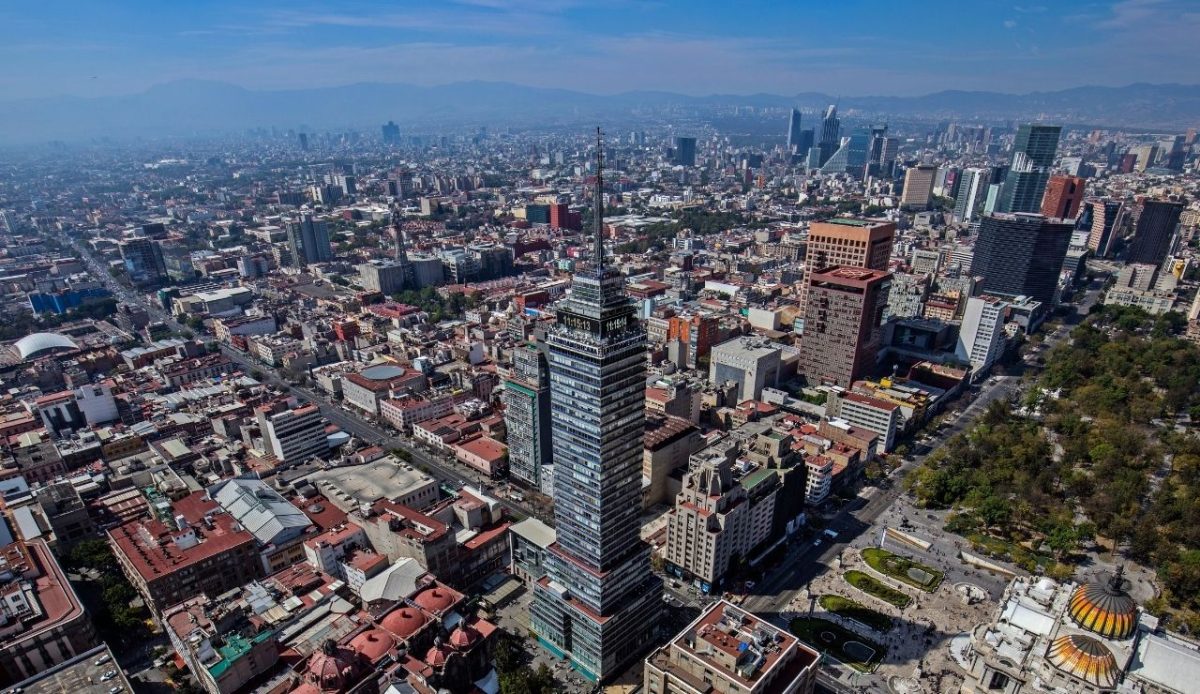
Mexico City, the nation’s capital, is a sprawling metropolis with over 20 million residents. Travelers experience heavy traffic, crowded public transit, and bustling markets. The city’s fast-paced energy is matched by cultural richness, including museums, historic districts, and vibrant nightlife. While exciting, navigating the dense streets and nonstop activity can feel stressful for newcomers. Tourists must balance the city’s endless attractions with practical planning to avoid exhaustion. Mexico City exemplifies Mexico’s dynamic urban life, where history, commerce, and culture collide in a high-energy environment.
2. Monterrey, Nuevo León
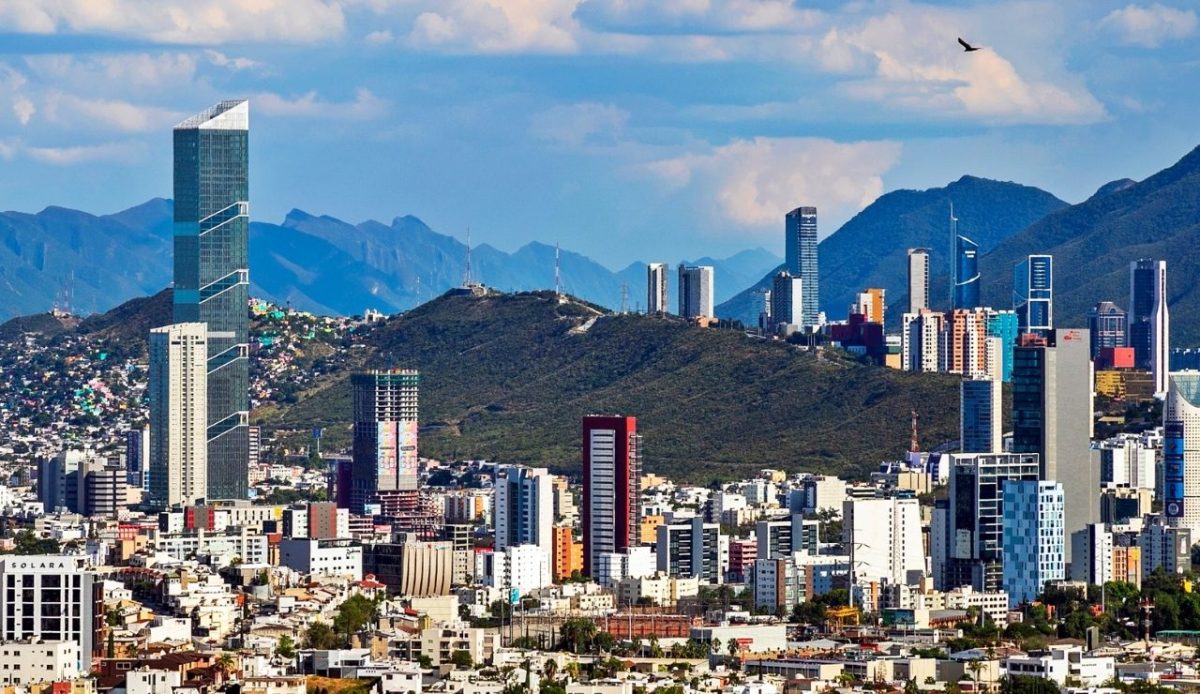
Monterrey, a major industrial and business hub in northern Mexico, features a high-energy urban lifestyle. Travelers notice crowded streets, heavy traffic, and fast-moving locals focused on work and commerce. The city boasts modern skyscrapers, shopping districts, and entertainment centers, reflecting economic strength. Festivals and cultural events add vibrancy, yet the constant activity can feel intense. Visitors experience the city’s ambitious pace and corporate-driven culture, providing insight into northern Mexico’s urban rhythm. Monterrey’s energy and cultural offerings make it a bustling destination.
3. Guadalajara, Jalisco
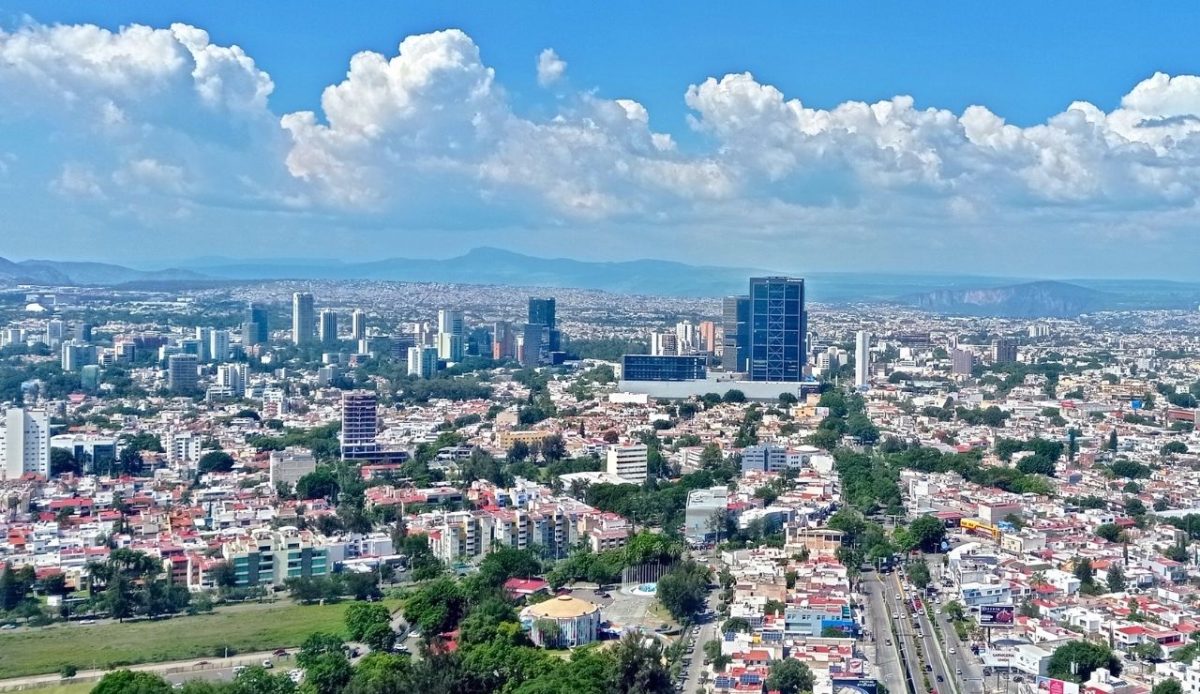
Guadalajara, Mexico’s second-largest city, combines cultural richness with urban intensity. Travelers encounter crowded streets, busy markets, and lively nightlife in areas like Chapultepec Avenue. The city’s music, tequila heritage, and festivals add energy, but traffic and social activity can overwhelm visitors. Exploring historic districts, plazas, and museums requires stamina and planning. Guadalajara offers a mix of tradition and modernity, with bustling commerce and attractions demanding attention. Visitors witness how the city balances creativity, entertainment, and daily life in a dynamic urban environment.
4. Cancún, Quintana Roo
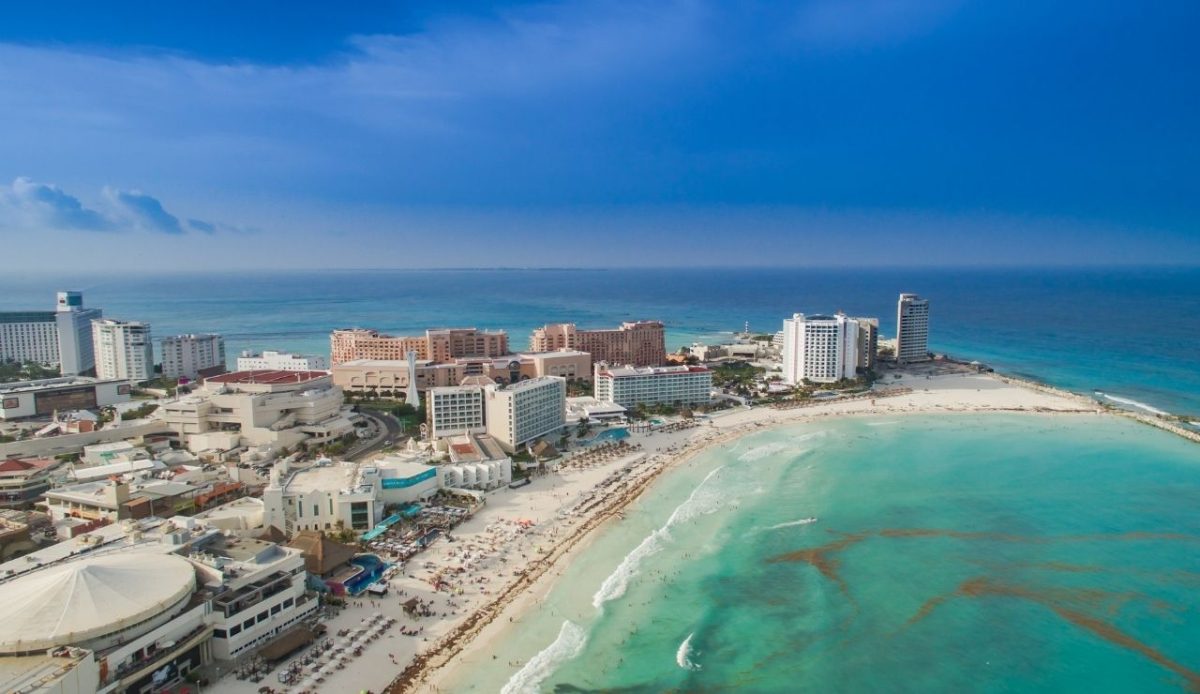
Cancún, a major tourist hub, pulses with energy from resorts, nightlife, and beaches. Travelers navigate crowded hotels, bustling streets, and packed tourist zones, where activities run from sunrise to late night. Beach parties, excursions, and entertainment options create a nonstop atmosphere. While exciting, visitors can feel overstimulated by constant activity and crowds. Cancún’s vibrant tourism reflects both natural beauty and commercial intensity. Tourists experience a fast-paced coastal city where leisure meets high-energy entertainment, requiring patience to enjoy its attractions without fatigue.
5. Tijuana, Baja California
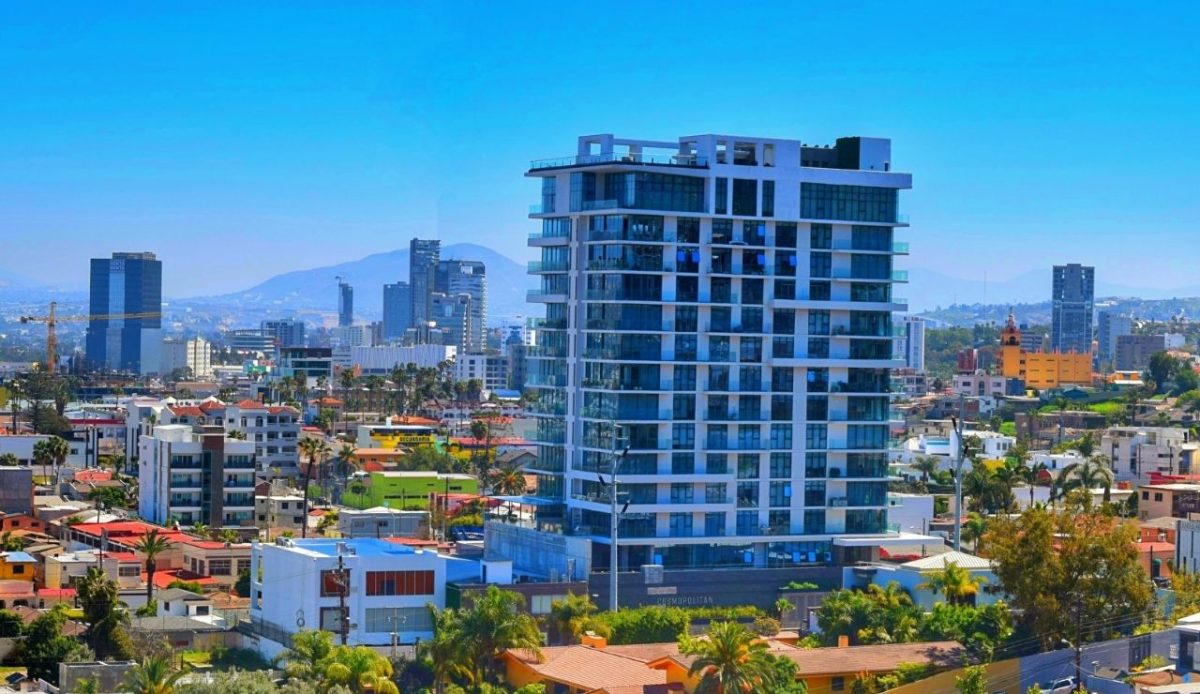
Tijuana, on the U.S. border, is a lively city blending Mexican and American influences. Travelers notice heavy traffic, crowded streets, and fast-paced urban culture. Markets, nightlife, and street vendors contribute to a sensory-rich environment. The city’s nightlife and border commerce add to its energetic vibe, which can feel overwhelming for first-time visitors. Exploring Tijuana requires attentiveness, especially in busy areas and commercial districts. Visitors experience a city where cultural fusion, economic activity, and nonstop urban life create a stimulating, sometimes stressful environment.
6. Puebla
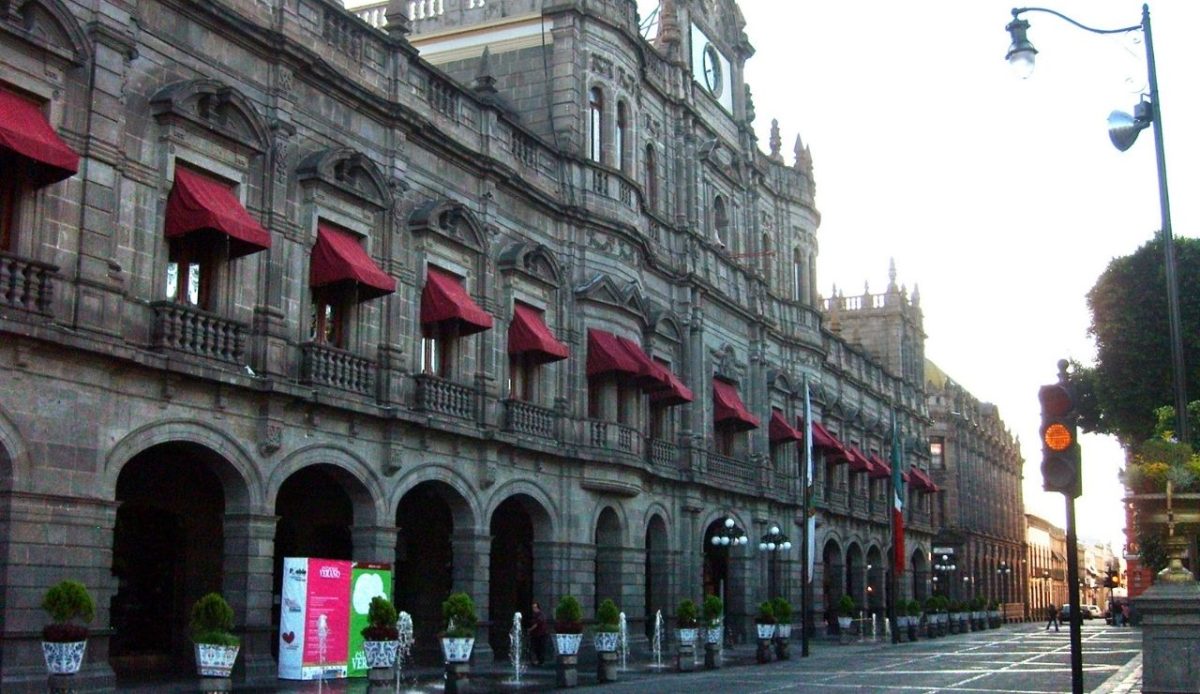
Puebla, known for colonial architecture and culinary traditions, is also a fast-paced urban center. Travelers notice busy streets, traffic, and crowded markets offering crafts and cuisine. Festivals, religious processions, and daily commerce create constant movement throughout the city. While historic landmarks like Puebla Cathedral offer cultural immersion, navigating the urban bustle can be challenging. Visitors experience a blend of history, gastronomy, and energetic city life, highlighting how Puebla balances tradition with modern urban intensity. The city’s vibrancy demands awareness and stamina from travelers.
7. León, Guanajuato
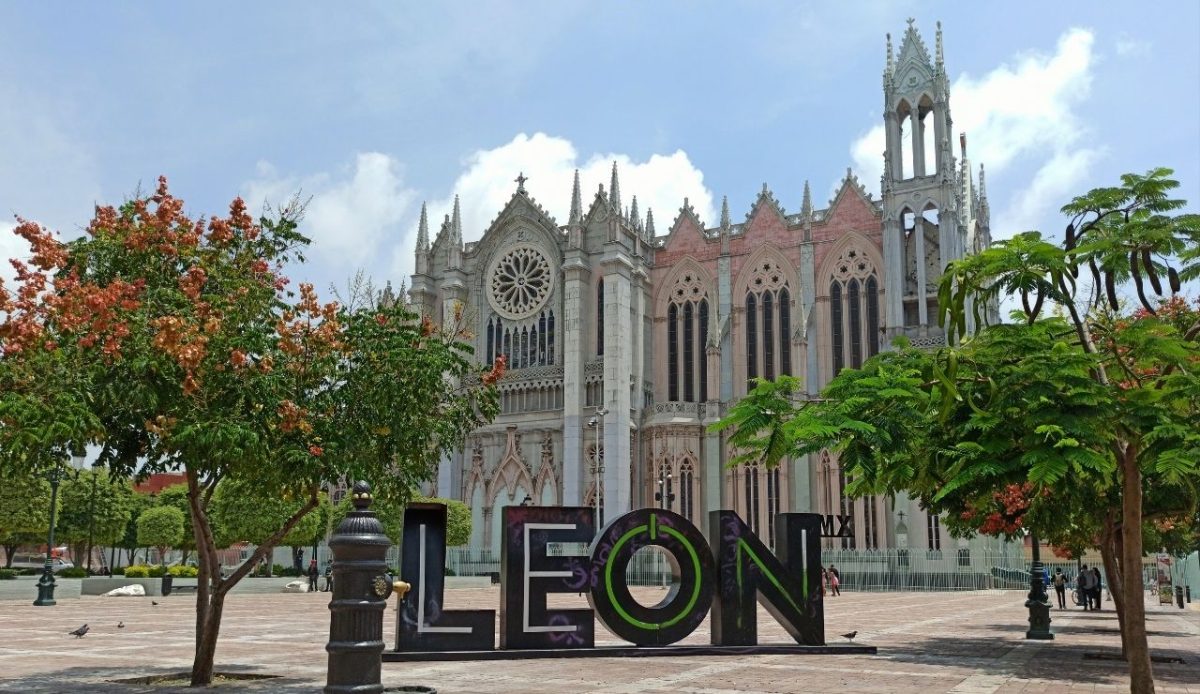
León, an industrial city in central Mexico, features a bustling urban environment shaped by manufacturing, commerce, and vibrant nightlife. Travelers notice busy streets, crowded shopping centers, and fast-moving locals focused on work and social activities. The city is famous for leather goods, markets, and fairs that add cultural depth, yet the constant activity can feel overwhelming. León offers an authentic view of central Mexico’s dynamic urban life, where economic ambition meets cultural vibrancy. Visitors encounter a city with both historical charm and high-energy modernity, providing insight into the region’s fast-paced urban culture.
8. Querétaro
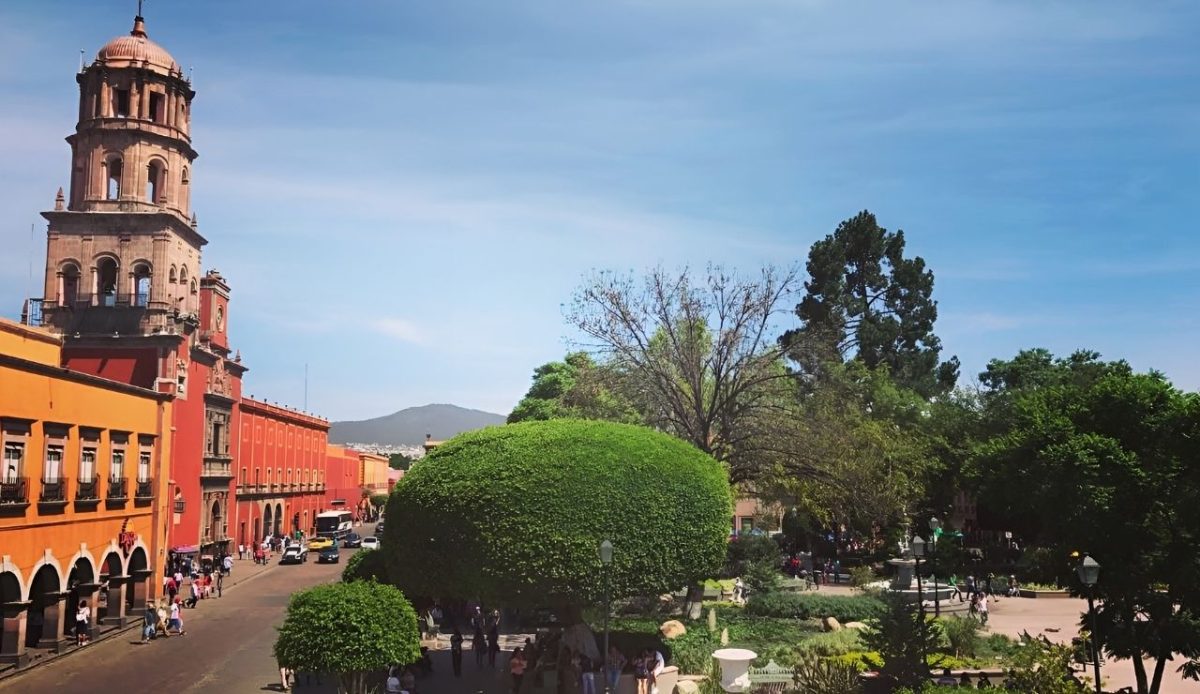
Querétaro, a rapidly growing city, combines colonial architecture with contemporary urban expansion. Travelers navigate crowded streets, busy plazas, and commercial districts bustling with activity. The city’s economic development and modern amenities create a lively atmosphere, while historical sites add cultural depth. Festivals, street performances, and gastronomy contribute to the dynamic energy. Visitors experience both the charm of historic neighborhoods and the intensity of modern city life. Querétaro exemplifies Mexico’s blend of tradition and urban growth, offering a fast-paced environment that contrasts with calmer towns.
