
Maui beaches behave differently by coast, season, and daily wind. West and South Maui often have gentler water because reefs and headlands reduce incoming swell, while the North Shore faces winter surf and fast currents. Access can be easy near resort corridors or limited by small lots and park rules. Conditions should be checked and advisories followed, since shorebreak and rips are common. The beaches below were picked for clear strengths, from quiet coves to respected surf zones. Mornings are usually smoother for swimming and snorkeling, and afternoons can be windier. Plan for shade, water, and a backup stop if parking is full.
1. Kapalua Bay
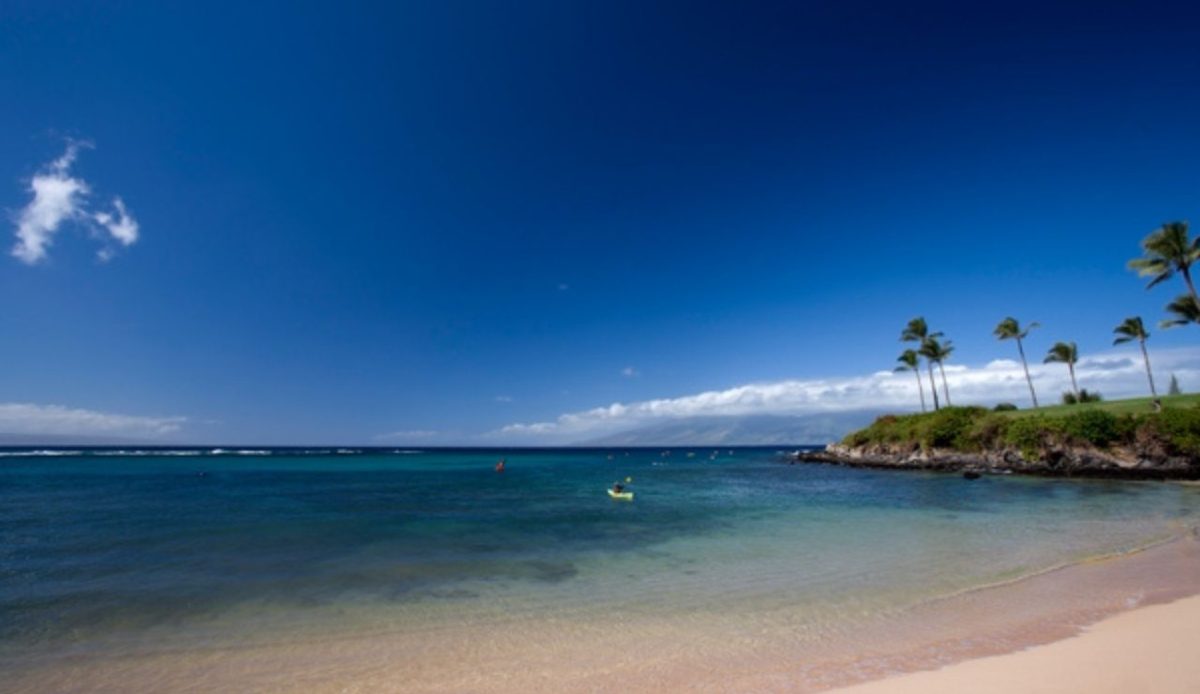
Kapalua Bay is a protected crescent where lava points and a shallow reef block much of the wave energy. A sandy entry makes it friendly for swimmers, and the cove is often used for beginner snorkeling when visibility is good. Arrive early for calmer water and easier parking, then stay inside the bay if a swell is running. Equipment rentals and restrooms are nearby, so the beach works well for a half day without complicated planning. The reef should not be stepped on, and fish can be viewed best while floating, not standing. When the surf is high, waves may wrap around the points, so families should keep kids close and watch for changing sets.
2. Napili Bay
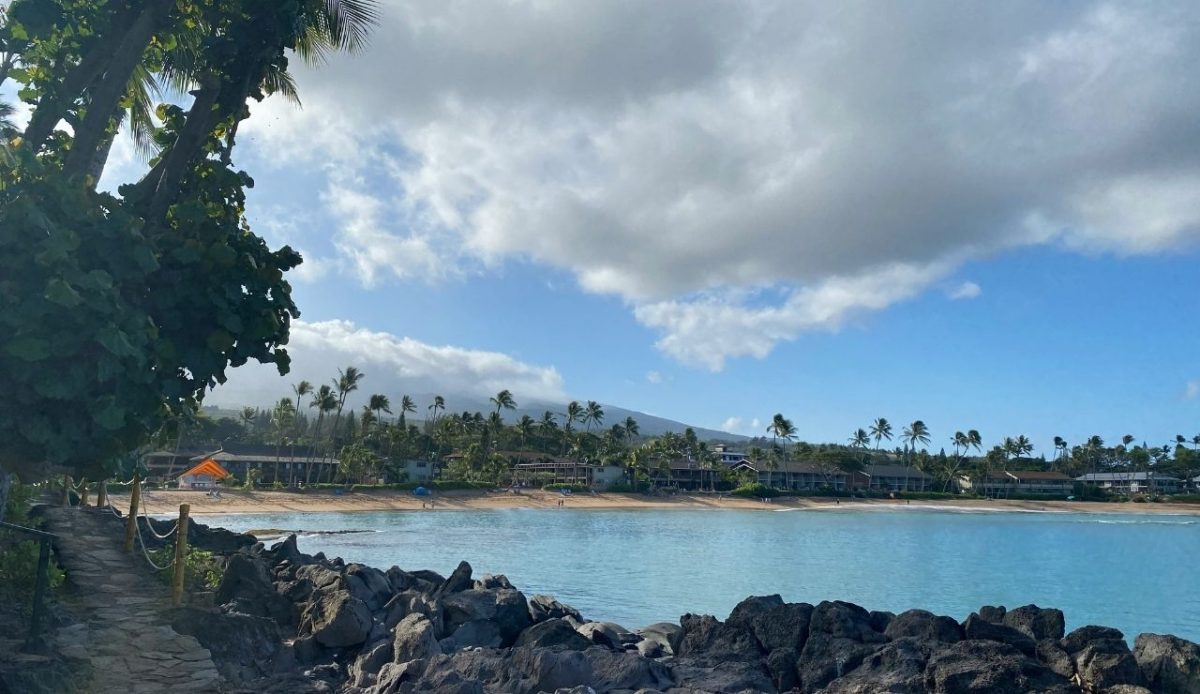
Napili Bay has a wide arc of sand and a gentler slope than many West Maui beaches, which makes wading comfortable. On calm days, the bay is used for easy snorkeling near the rocks at either end, while the center is better for swimming. It can feel quieter than nearby resort strands, especially at sunrise. Small shorebreak can appear in winter, and rips may form near the points, so caution is needed even when it looks calm. Parking is limited, so arrive early or walk in. The bay is popular for sunset photos, but afternoon trades can roughen the surface. If you snorkel, keep a distance from turtles and let them pass without blocking their path.
3. Honu’ula Bay
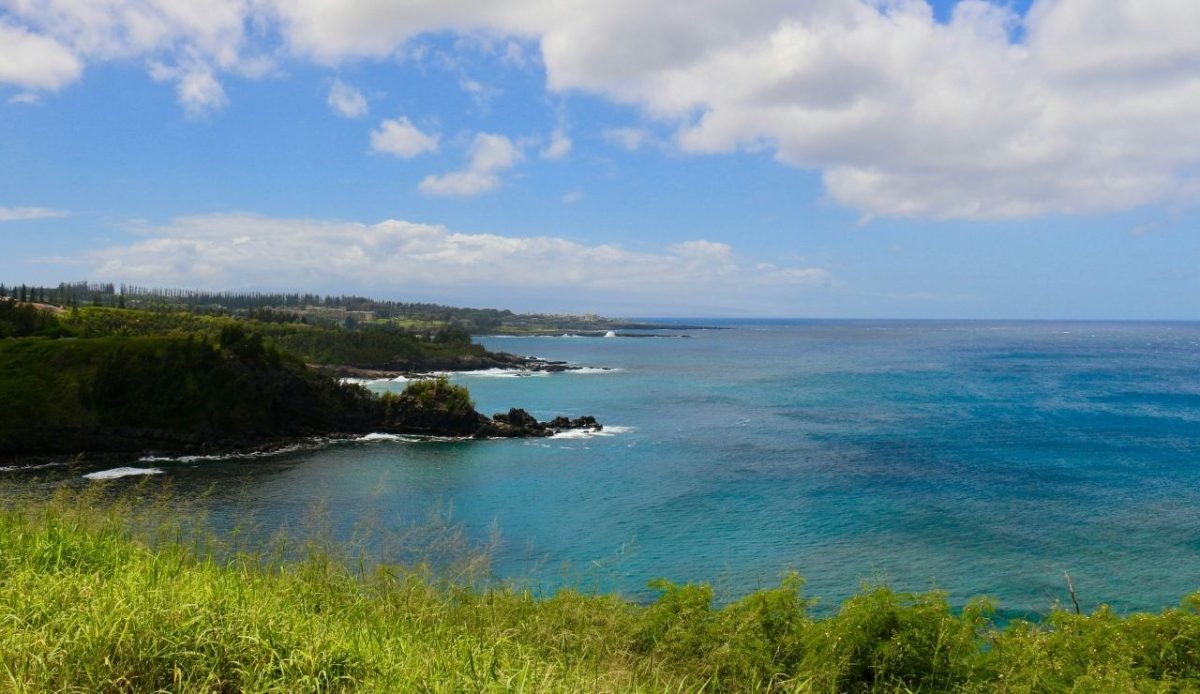
Honu’ula Bay is known for clear summer snorkeling because marine life is protected, and the water can settle when north swells are low. A short walk leads to a rocky entry, so water shoes help. In winter, the bay becomes a serious surf zone, and swimming is often unsafe as the surge increases. Snorkelers should stay off coral and avoid stirring sand that clouds visibility. Facilities are limited, so bring water and pack out trash. If a north swell is rising, watch from shore. Early arrival helps, since the small turnout lot fills quickly. When you do enter, keep your mask on in shallow surge and move slowly, because rocks can be slippery at the edge.
4. Kaʻanapali Beach
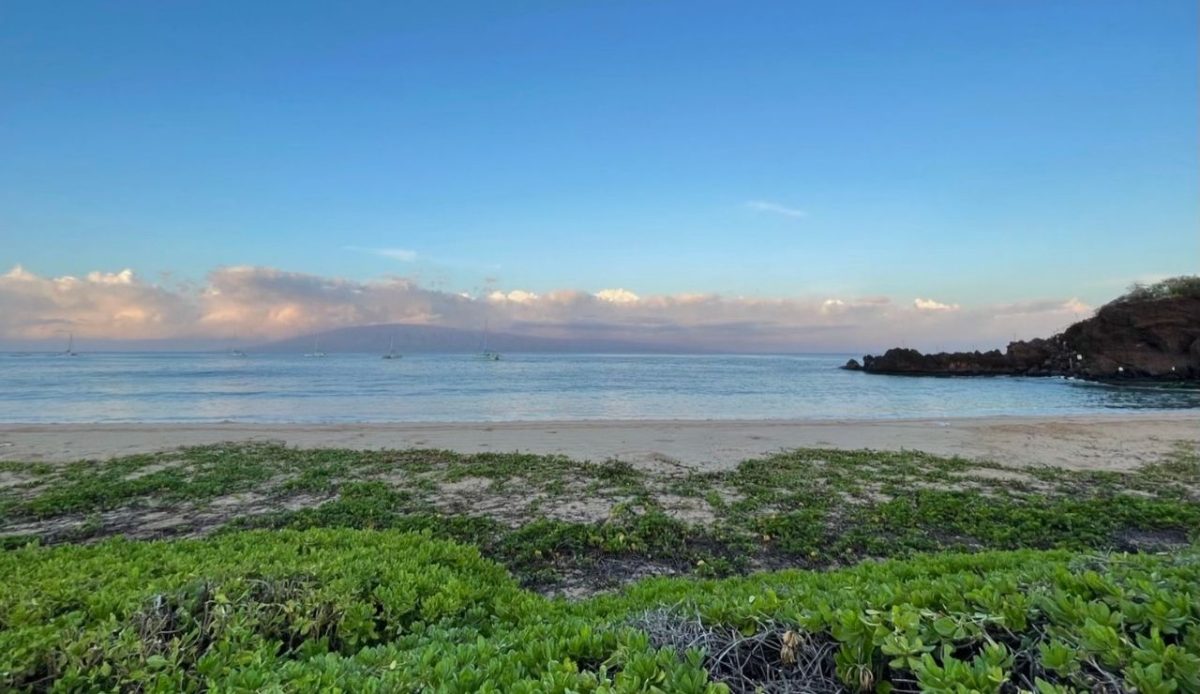
Kaʻanapali Beach runs long enough that a quieter patch can usually be found by walking a few minutes away from the busiest access points. A paved path links the shoreline to shops and restrooms, which keeps logistics simple. Water is often gentler than the North Shore, but wind and swell can still create chop. Black Rock draws snorkelers and cliff jumpers, yet the surge and rocks require care. Pick lifeguarded areas for swimming and watch boat lanes. Sunset is busy, so arrive earlier if you want parking. If you snorkel, stay outside the jump zone and keep a distance from the cliff face where waves rebound. A float belt can add comfort for sessions.
5. Launiupoko Beach Park
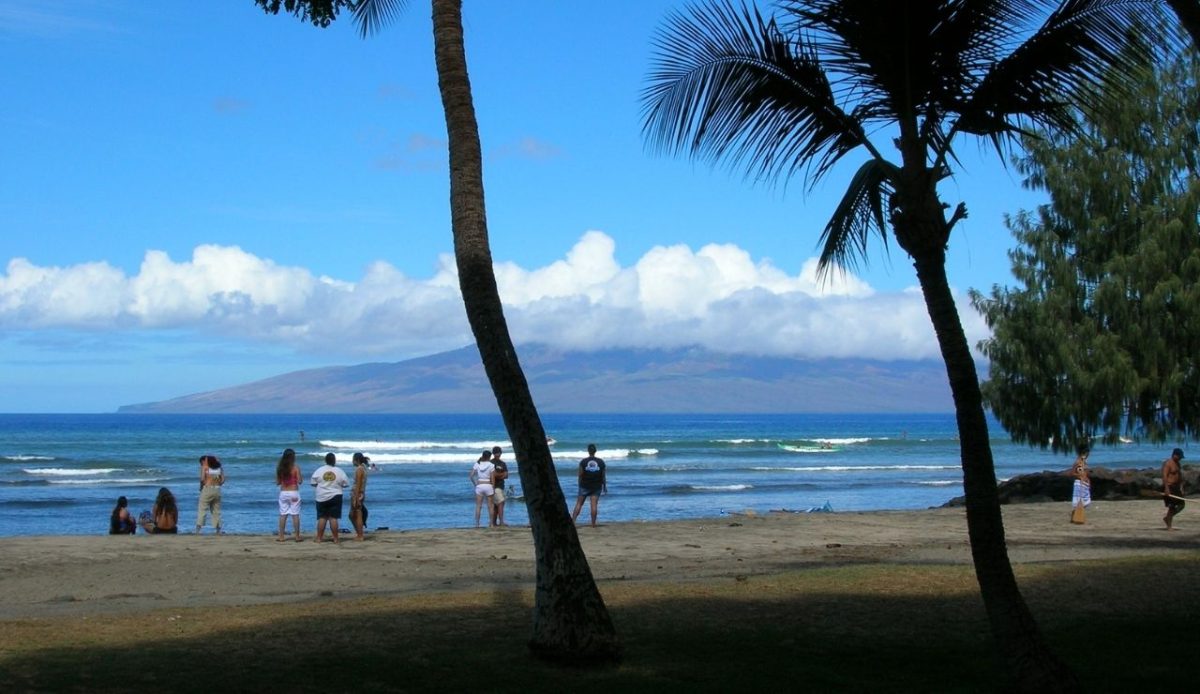
Launiupoko Beach Park is a convenient West Maui stop with a grassy lawn, shade trees, and a small nearshore section that can be calmer when light surf rolls in. Families use it for picnics and quick dips rather than all-day snorkeling. The bottom includes rocks, so water shoes reduce scrapes, especially at low tide. Restrooms and showers are available. If waves build, shorebreak can become steep, so beginners should stay close to shore and exit when sets get stronger. Early mornings are quieter, while late afternoon can bring more wind and floating debris. Keep an eye out for urchins on exposed rock and avoid standing in shallow, clear water.
6. Wailea Beach
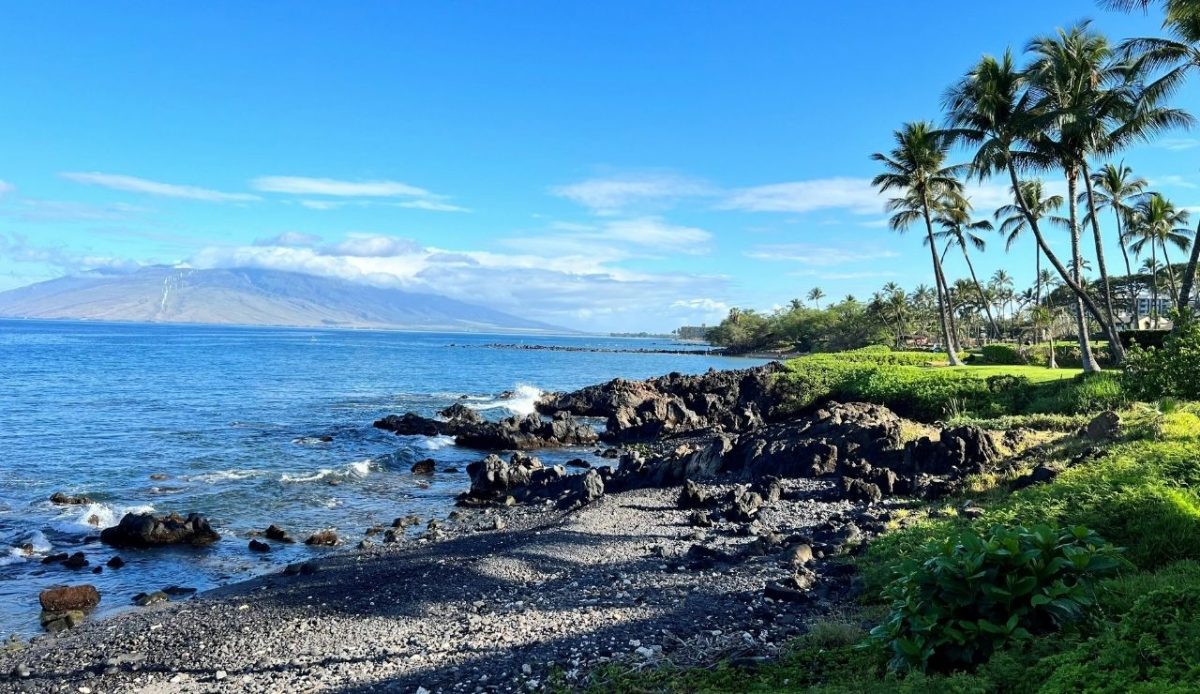
Wailea Beach is fronted by resorts, but public access is provided by signed paths and a coastal walkway. The sand is soft, and the entry is usually straightforward, which suits relaxed swimming in South Maui’s typically milder water. Snorkeling can be worthwhile near the rocky ends when the surface is smooth. Restrooms and food are nearby, so the visit stays easy. Arrive early for parking and calmer water, since afternoon wind can create chop. Swim with a partner and respect marked craft corridors. The walk links other Wailea beaches, so conditions can change quickly. Keep off the coral and give turtles room if they pass through the shallows.
7. Mākena Big Beach
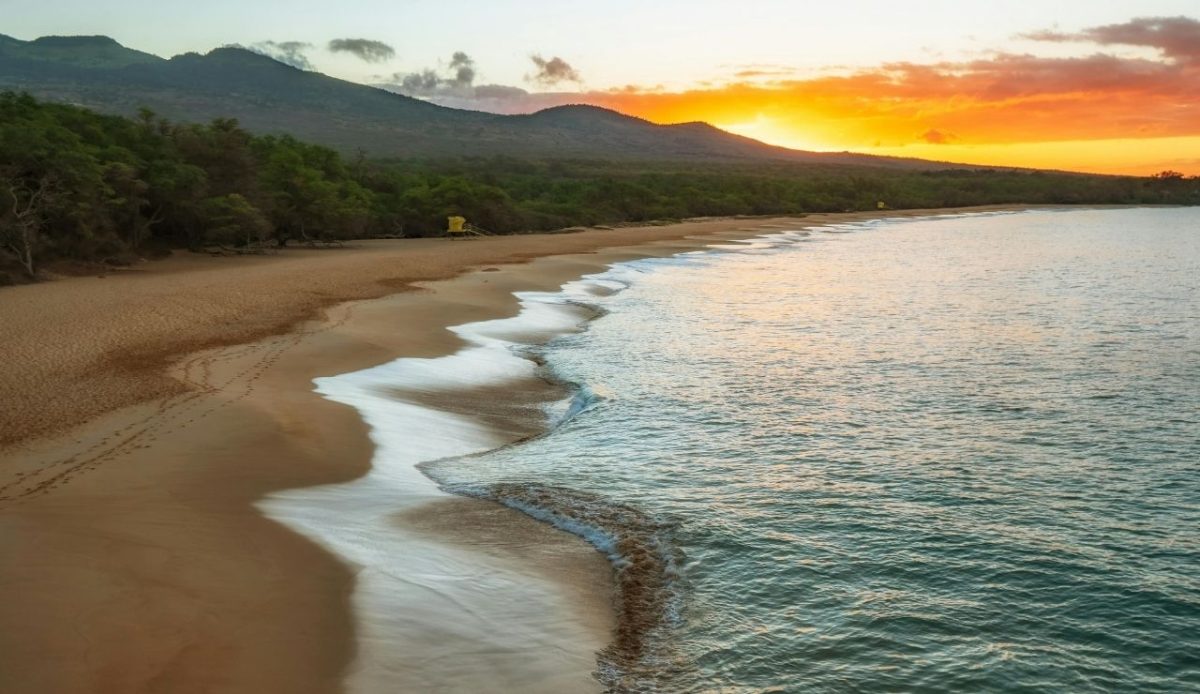
Mākena Big Beach, officially Oneloa, is known for its wide sand and an open-ocean feel, but serious hazards are present. The shorebreak can be powerful, and waves often pitch steeply onto sand, which has caused injuries when the force is underestimated. Water entry should be avoided on rough days, and posted warnings should be treated as strict guidance. Many visitors come for walking and photos instead of swimming. Bring water and shade, since cover is limited. If you enter on a small day, stay shallow, face the water, and exit before the pull increases. The beach has no reef buffer, so conditions can change within minutes.
8. Ho‘okipa Beach Park
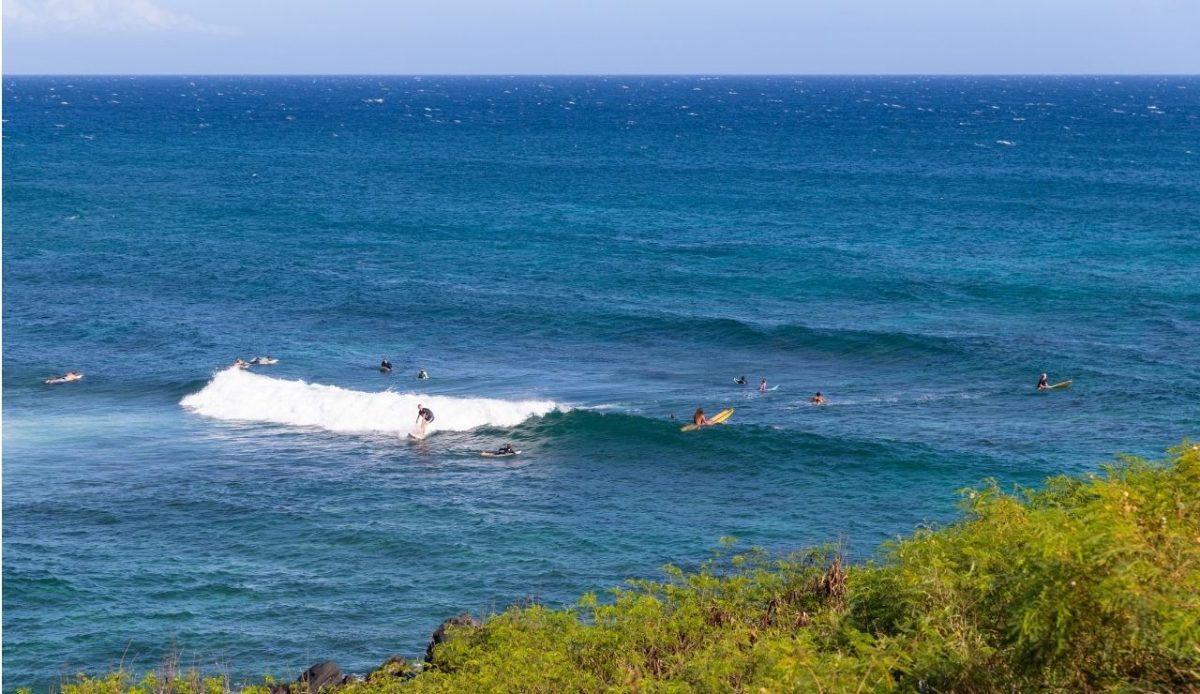
Ho‘okipa Beach Park is Maui’s iconic North Shore lookout, known for big winter surf and strong winds that attract skilled surfers and windsurfers. Swimming is often discouraged when swells are active, since waves break with speed and currents can sweep along the reef. The site is best enjoyed from the viewing area, where sets can be watched safely. Sea turtles are often on the sand late in the day, and they should be given wide space. Parking fills fast, so arrive early and keep clear of the waterline when waves surge higher than expected. A light jacket helps in trade winds, and binoculars make surf watching more rewarding.
