
Bigger isn’t always better, unless you’re talking about runways. Across the United States, several airports feature massive landing strips built to handle the world’s largest aircraft. These engineering marvels stretch for miles, yet many are open to visitors, offering tours, observation decks, and aviation history. From desert airfields to mountain hubs, these seven record-breaking runways combine function, scale, and fascinating accessibility for aviation lovers.
1. Denver International Airport, Colorado
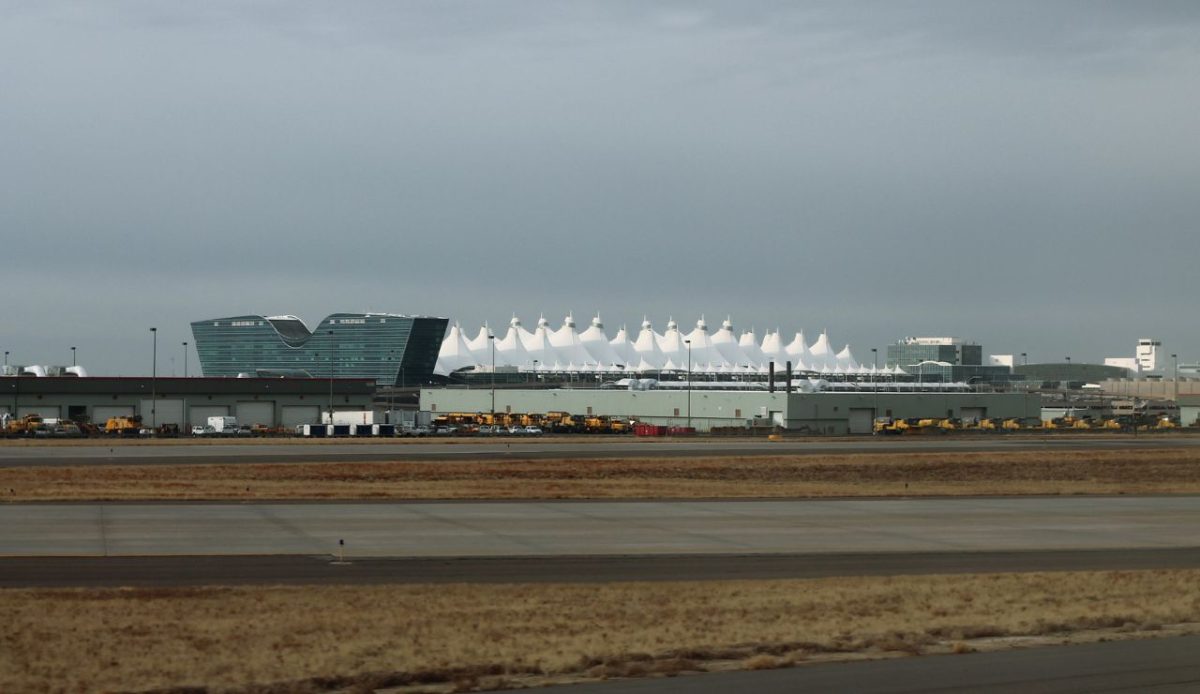
Denver International holds the crown for America’s longest commercial runway, Runway 16R/34L, stretching 16,000 feet. Built to handle heavy international jets at high altitude, it’s so long that five Empire State Buildings could fit end-to-end. Visitors can admire its scale from the Jeppesen Terminal or take airport tours that highlight its design and sustainability features. With its futuristic architecture and record-breaking length, Denver sets the standard for modern aviation marvels.
2. Los Angeles International Airport, California
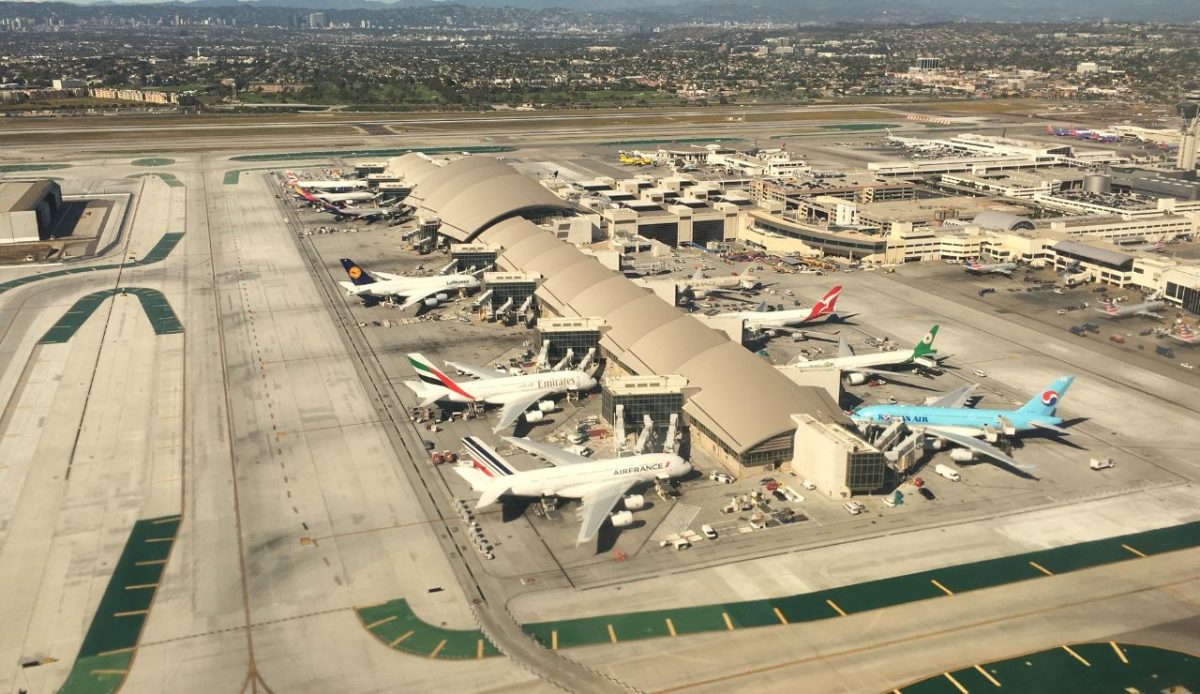
LAX is home to four major runways, with its longest, 07R/25L, stretching just under 13,000 feet. This massive strip handles hundreds of flights daily, including long-haul international departures. Visitors can spot aircraft from the In-N-Out Burger viewing area or the iconic Theme Building observation deck. LAX combines nonstop energy with engineering excellence, proving that even amid palm trees and ocean breezes, aviation scale still impresses.
3. Dallas/Fort Worth International Airport, Texas
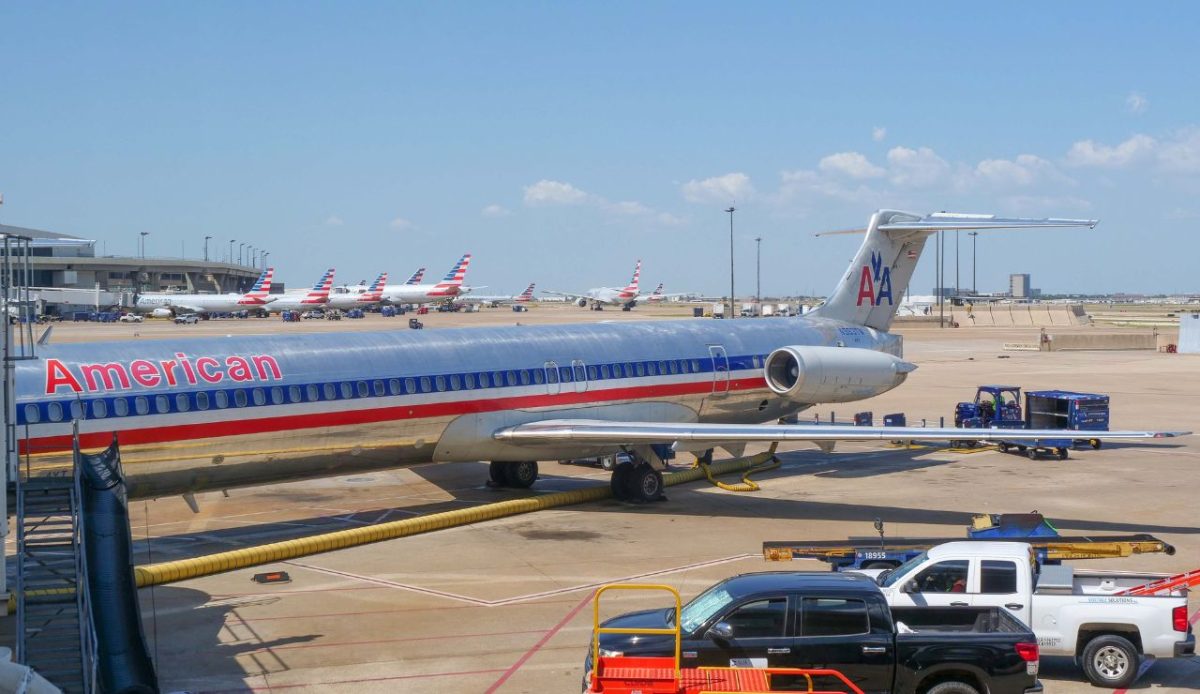
Everything’s bigger in Texas, and DFW’s 13,400-foot Runway 17C/35C proves it. Stretching across a footprint larger than Manhattan, this massive hub handles thousands of flights every day with military precision. Visitors can enjoy incredible views from Founders’ Plaza, the airport’s dedicated observation park, complete with seating and air-traffic audio. Whether you’re a traveler or aviation geek, DFW’s grand scale and southern hospitality make it one of the best airports to explore in America.
4. Miami International Airport, Florida
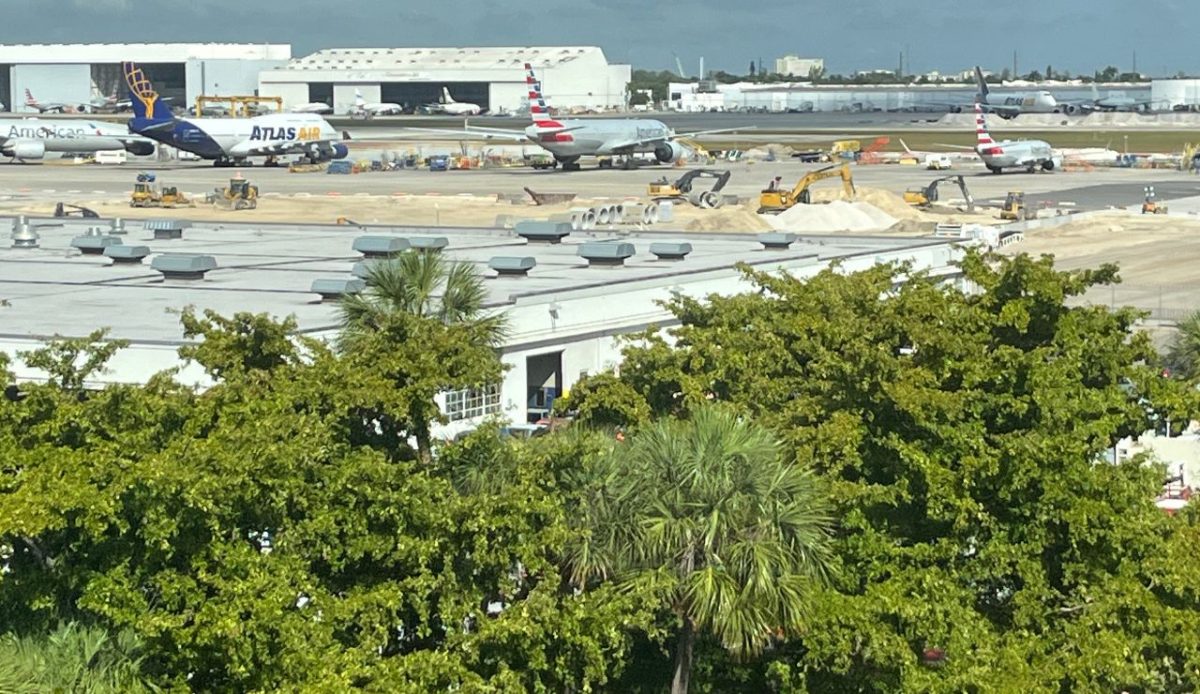
Miami’s Runway 9/27 extends 13,000 feet, accommodating heavy cargo and international flights from around the globe. The runway’s proximity to Biscayne Bay offers dramatic views during takeoff and landing. Visitors can enjoy the nearby aircraft viewing area or explore the airport’s aviation art displays. Miami’s blend of tropical scenery, international flavor, and massive runway operations makes it a fascinating destination for aviation enthusiasts and travelers alike.
5. Salt Lake City International Airport, Utah
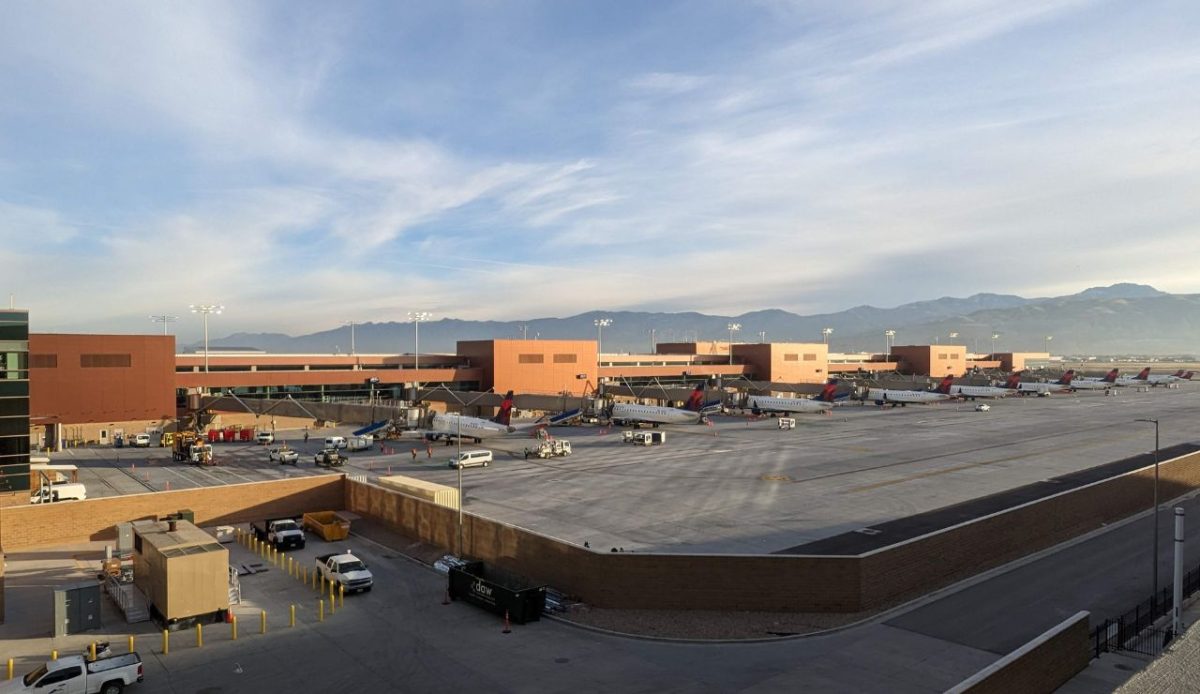
Salt Lake City’s 12,000-foot Runway 16L/34R sits against the backdrop of the Wasatch Mountains, creating one of America’s most scenic aviation experiences. Its high-elevation design supports fully loaded jets during hot summers, ensuring smooth operations year-round. Travelers can spot planes from the observation area or while sipping coffee in the new terminal’s panoramic windows. SLC’s size, scenery, and efficiency make it a standout western aviation hub worth visiting.
6. John F. Kennedy International Airport, New York
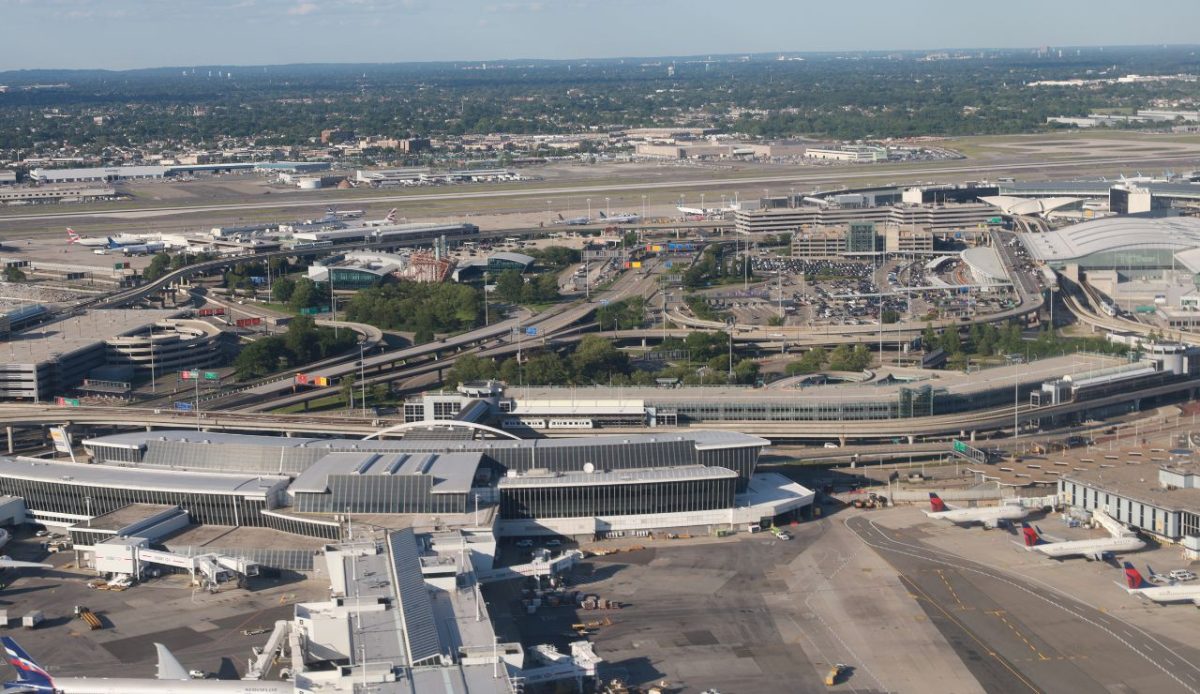
At 14,511 feet long, JFK’s Runway 13R/31L stands as a true aviation giant. Known as the “Bay Runway,” it handles the heaviest global jets, from Emirates’ A380S to long-haul cargo carriers. Visitors can capture perfect views from Bayswater Point State Park or the retro-chic TWA Hotel observation deck. With nonstop movement, rich history, and world-class architecture, JFK remains the beating heart of American aviation, bold, busy, and endlessly fascinating to watch.
7. Anchorage Ted Stevens International Airport, Alaska
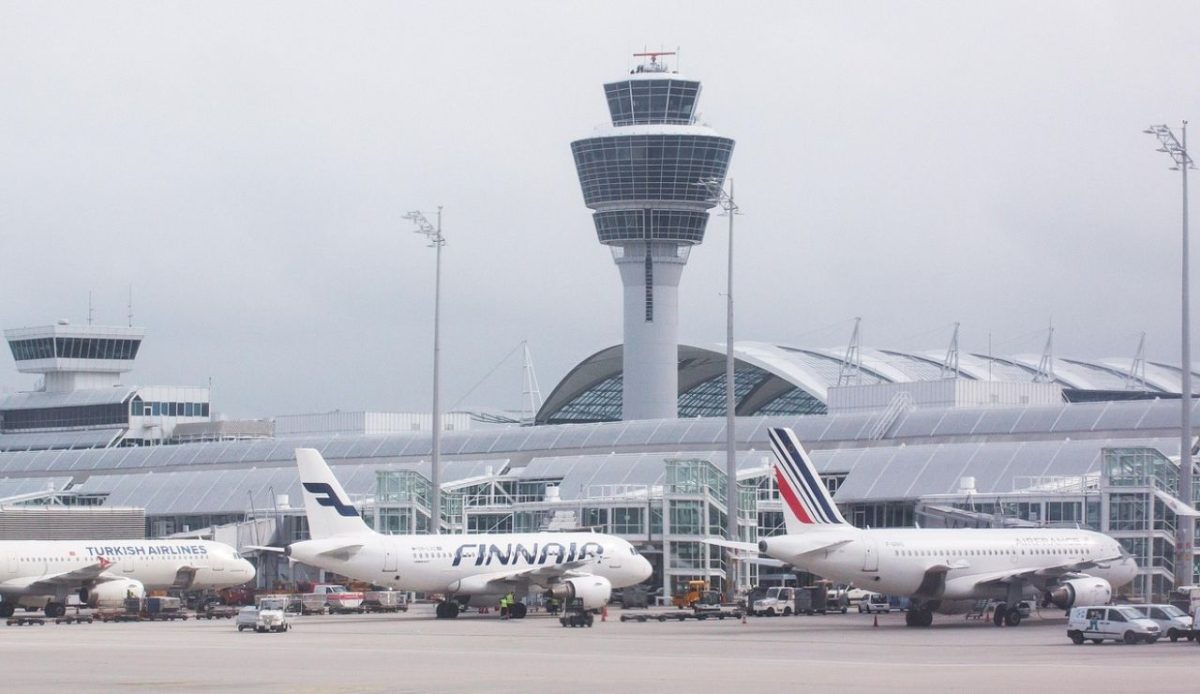
Anchorage’s Runway 7R/25L stretches 12,400 feet and serves as a critical link between North America and Asia. It’s a favorite stopover for cargo giants, yet the airport remains open to the public, with observation areas offering stunning mountain and glacier views. Aviation fans can watch 747s take off against snow-covered peaks, a scene few other airports can match. Anchorage perfectly blends Arctic beauty with world-class aviation infrastructure.
